
Reviewed · ASAKUSA & SENSOJI TOURS
Tokyo: Asakusa Temple & Shrine Walking Tour with Local Guide
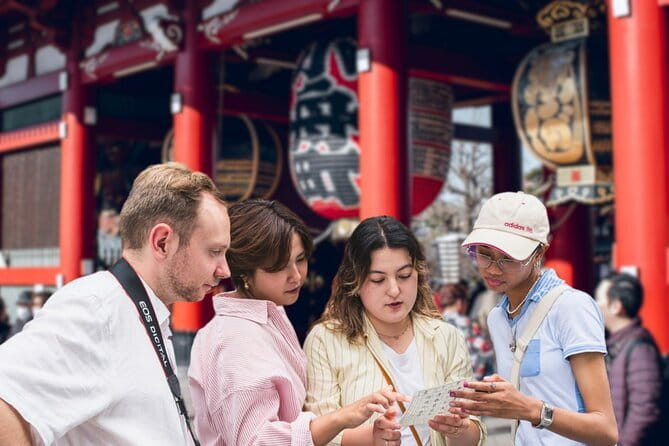
Asakusa feels like Japan’s mind at work. This 2-hour walk ties together Senso-ji, Asakusa Shrine, and smaller local sites, with temizu and omikuji taught in a way you can actually use on the spot. The small group (limited to 8) keeps things relaxed, so you can ask questions and not just follow behind someone’s phone camera.
I especially like how the tour mixes devotion with smart sight lines. You start at Azuma Bridge for riverside views (including the Tokyo Skytree angle) and then move to a viewpoint at the Asakusa Culture Tourist Information Center that shows the whole temple area. Add the fact that your guide points out the best photo spots, and you’ll leave with photos that look planned, not accidental.
The main drawback is that it’s still a street-and-stairs experience. It’s not suitable for wheelchair users or people with low fitness, and you’ll be walking through crowded areas come rain or shine.
In This Review
- Key moments that make this tour worth it
- Asakusa’s Senso-ji and Asakusa Shrine, stitched into one story
- Starting at Azuma Bridge: the river view that sets your bearings fast
- The Asakusa Culture Tourist Information Center viewpoint: a quick “whole place” view
- Kaminarimon and the 700kg lantern: a gate with a real backstory
- Nakamise Shopping Street: souvenirs, snacks, and what the guide helps you notice
- Hōzōmon Gate and the gates beyond: where the crowd thins just enough
- Inside Senso-ji: temizu, omikuji, incense, and how to participate
- Learning Shinto vs Buddhism without getting your brain fried
- Asakusa Shrine: what’s different when you switch traditions
- Hidden photo moments and guides who actually help you shoot
- Who should book this Asakusa walk, and who should skip
- Price and value: $30 for 2 hours of local context
- What to bring and how to prepare for real temple weather
- Should you book Sunrise Adventure’s Asakusa Temple & Shrine tour?
- FAQ
- How long is the Asakusa Temple & Shrine walking tour?
- How big is the group?
- What languages are the guides available in?
- What temples and areas does the tour include?
- Are the rituals part of the tour?
- What should I bring and wear?
- What’s not allowed during the tour?
Key moments that make this tour worth it
- Skytree + river start: Azuma Bridge sets the scene before you hit temple gates and incense smoke
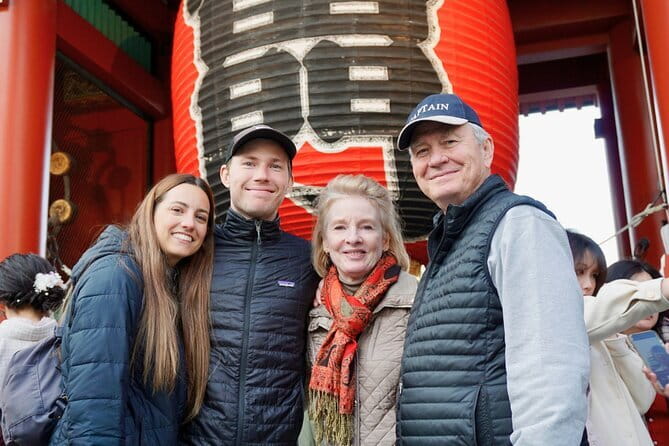
- Thunder Gate lantern lore: the 700kg red lantern at Kaminarimon and why it’s called the Thunder Gate
- Hidden viewpoint for the temple complex: high-up views that most visitors miss
- Interactive rituals you can copy: temizu hand washing, omikuji fortune telling, and incense smoke for physical and mental healing
- Nakamise with context: souvenirs and street foods explained so you shop with understanding
- Shinto vs Buddhism in one route: bowing, torii gate walking side, and how prayer differs at each site
Asakusa’s Senso-ji and Asakusa Shrine, stitched into one story
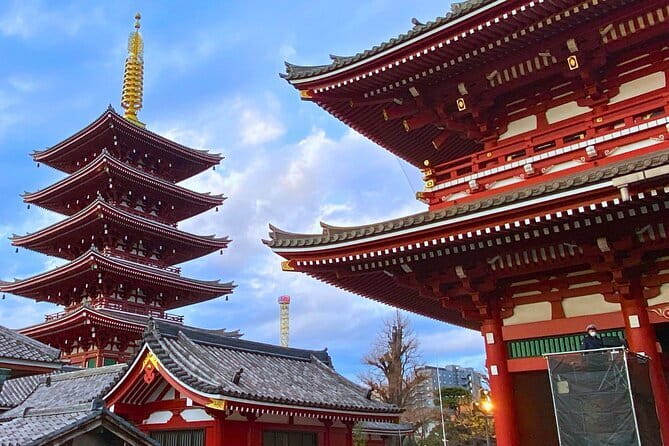
Asakusa is one of those Tokyo neighborhoods where the past isn’t behind glass. It’s right there in the smells, the crowds, the lanterns, and the daily routines people do before they go back to regular life. This walking tour is built to help you read that scene: you’re not only looking at temples, you’re learning how people behave inside them.
The big idea is the mix of Buddhism and Shinto in a small area. At Senso-ji you practice Buddhist-style prayer; at Asakusa Shrine you learn what’s different in Shinto worship. Even if you think you already know the basics, you’ll pick up details that many people never notice in everyday visits.
And the guide role matters. With a small group, you can ask practical questions on the spot, including translation help. That turns a confusing crowd into something you can actually follow.
More temple mornings in old Asakusa
- Tokyo: Japanese Dance Cabaret Theater Asakusa-Kaguwa Ticket
★ 4.8 · 2,270 reviews - Tokyo: Meiji Shrine, Asakusa, Skytree Bus Tour and Cruise
★ 4.7 · 1,986 reviews - Tokyo: Roll and Authentic Sushi Making Class in Asakusa
★ 4.9 · 1,957 reviews - Tokyo: Asakusa Walking Tour with Sensoji Temple Visit
★ 4.8 · 1,583 reviews
Starting at Azuma Bridge: the river view that sets your bearings fast
The tour begins around Azuma Bridge, where you get the riverside angle on Tokyo’s modern skyline. It’s a nice reset before you step into denser temple streets, and it also helps you orient yourself for what comes next. Your guide also points out local color, including how people jokingly refer to Senso-ji’s golden roof details as the golden poop.
This part may sound silly, but it works. Humor lowers the barrier to curiosity, so you start listening instead of just photographing. Plus, it’s one of the calmer moments early on, before the main temple crowds lock in.
Photo tip: ask your guide where to stand for the best river + temple complex angles. That’s a theme here, and it pays off later at less obvious spots.
The Asakusa Culture Tourist Information Center viewpoint: a quick “whole place” view
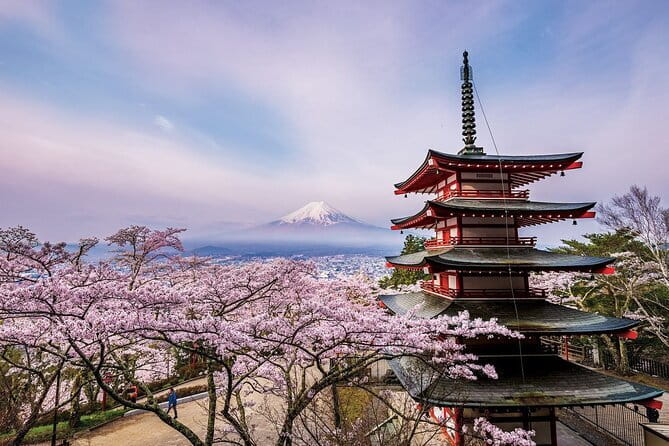
After Azuma Bridge, you head to the top of the Asakusa Culture Tourist Information Center for a view over the temple area. This is one of those “why didn’t we think of this?” moments: you get a clear look at how the complex is laid out before you go inside it.
For me, a viewpoint like this is more than pretty. It helps you understand the walking route, the gate positions, and why certain spots feel busy while others feel open. When you then go through major gates, it’s easier to connect the geography to the rituals you’re learning.
If you’re traveling with kids or someone who gets overwhelmed in crowds, this stop is especially useful. It gives the group a shared reference point before things get more intense.
Kaminarimon and the 700kg lantern: a gate with a real backstory
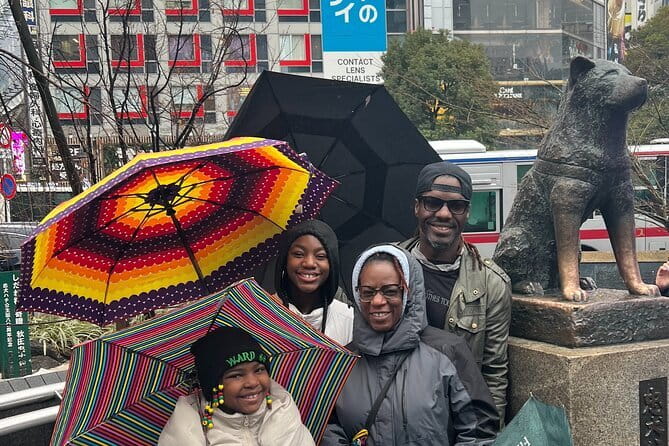
Kaminarimon is the iconic front gate, but the tour doesn’t treat it like a photo background. You learn the story behind the 700kg red lantern and what its name means, including why it’s called the Thunder Gate.
That context changes the way you look at the gate. Instead of just seeing a big object, you start noticing how gateways in Japan signal arrival, transition, and respect. Your guide also helps you frame your photos so you aren’t stuck only shooting from the densest walkway.
Time-wise, it’s a short stop, but it’s a high-impact one. The lantern lore is memorable, and it gives you a hook you’ll keep using later when you see other religious details.
Nakamise Shopping Street: souvenirs, snacks, and what the guide helps you notice
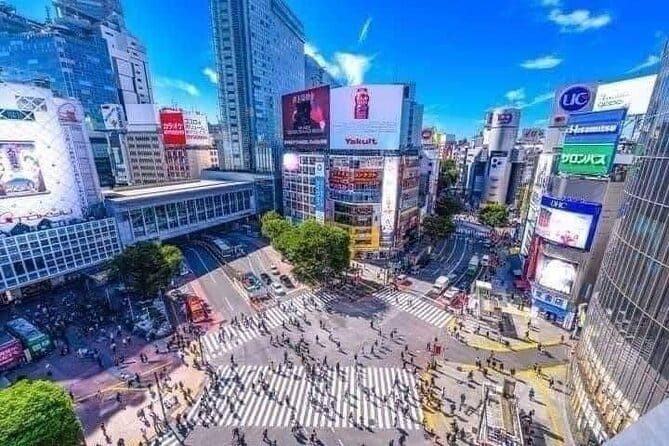
Next comes Nakamise shopping street, the classic lane that runs toward Senso-ji. Here’s where the tour earns its keep for foodies and shoppers: your guide explains the cultural meaning behind popular treats and souvenirs, and then points you toward where to find the good stuff.
This is a practical approach. Without context, Nakamise can feel like sensory overload and sales pressure. With context, it turns into a living museum of everyday tradition—what people buy, why they buy it, and how it links back to the temple.
Also, your guide is there to help with translation. That matters when you’re trying to understand what a snack is, what a souvenir symbolizes, or how a shop is describing an item.
If you want a quick win: tell your guide what you like (snacks, sweets, omiyage-type gifts), and you’ll get better recommendations than if you wander randomly.
Readers also shortlisted these Tokyo bookings:
- Tokyo Tsukiji Fish Market Food and Culture Walking Tour★ 5.0 · 3,184 reviews
- Tokyo: Imperial Palace and Shogun Historical Walking Tour★ 5.0 · 2,251 reviews
- Tokyo: Shinjuku Local Bar and Izakaya Guided Walking Tour★ 4.9 · 1,794 reviews
- Tokyo: Tsukiji Fish Market Food and Walking tour★ 5.0 · 1,724 reviews
- Tokyo: Asakusa Walking Tour with Sensoji Temple Visit★ 4.8 · 1,583 reviews
Hōzōmon Gate and the gates beyond: where the crowd thins just enough
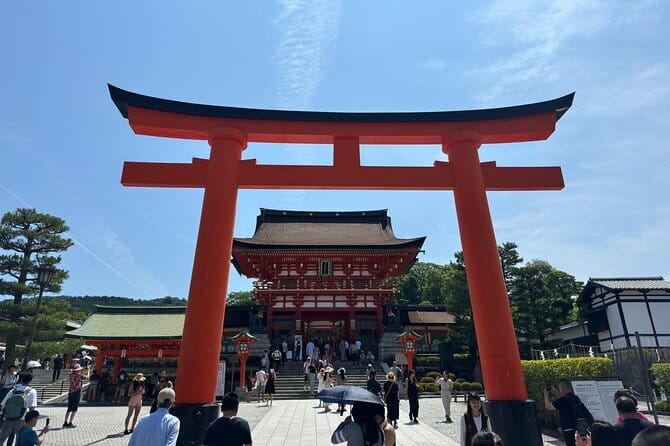
From the main gate area, you continue through additional gates like Hōzōmon and onward to other points inside the temple grounds. These segments are where the tour shifts from “big landmark viewing” into “how it feels to be there.”
In Asakusa, crowds can rise and fall quickly depending on where you stand and when you move. A guide who knows the flow helps you avoid getting trapped in the densest pockets while still seeing the important structures.
The tour includes photo stops along the way, plus guided visits where you learn what to notice. You’re not being rushed, and you’re not just ticking off names on a map.
Inside Senso-ji: temizu, omikuji, incense, and how to participate
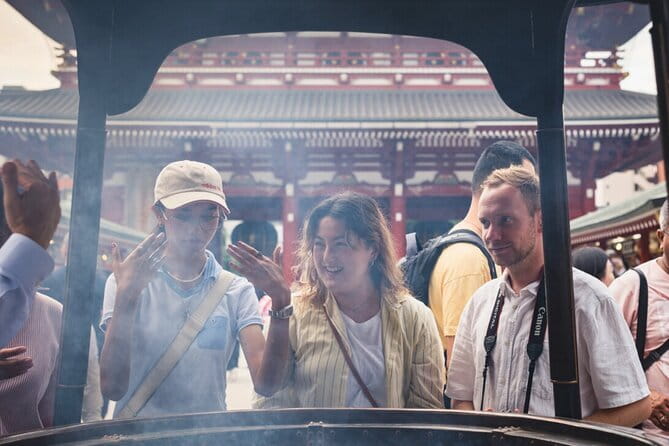
Senso-ji is where the tour becomes hands-on. You learn Buddhist-style prayer and how to do key temple customs in a respectful way, including bowing and other etiquette you might not guess on your own. This is the difference between watching from the sidelines and actually participating.
You also do interactive rituals that a lot of visitors skip because they’re not sure what to do. The tour includes:
- Temizu, the hand-washing ritual
- Omikuji fortune slips
- Incense smoke, framed as supporting healing for physical and mental well-being
Even if you don’t plan to do religious activities at home, these rituals are a cultural experience. They show what people believe and how they act on that belief in daily life. And because the guide teaches what each step means, you won’t feel lost mid-ritual.
Practical note: wear comfortable shoes. You’ll be moving through real temple space, not a staged walkway, and you’ll likely pause often to learn and to follow instructions.
Learning Shinto vs Buddhism without getting your brain fried
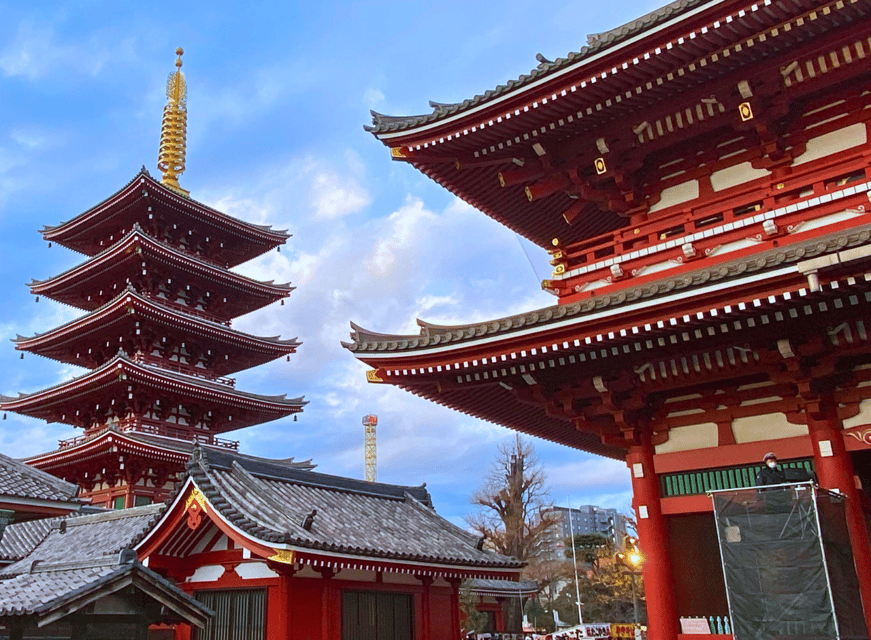
One of the tour’s strongest strengths is the way it explains how Shinto and Buddhism coexist in the same neighborhood. At Asakusa Shrine you practice Shinto worship style; at Senso-ji you see Buddhist worship style. Your guide points out differences in process and behavior, so you can tell what’s happening even when the crowd moves fast.
You also learn details that go beyond simple explanations. The tour covers bowing appropriately, walking on the correct side through torii gates, and the kind of cultural mix even many Japanese people don’t consciously explain to visitors.
This matters because lots of temple visits become a memorization exercise. Here, you’re building a simple “read the room” method. That helps you enjoy not only Asakusa, but the next temple or shrine you visit in Japan.
Asakusa Shrine: what’s different when you switch traditions
After Senso-ji, Asakusa Shrine brings you into Shinto worship territory. The contrast is visible in the approach to gates, rituals, and the way people show respect. The tour doesn’t treat the shrine as an add-on; it keeps the learning focus and helps you switch gears.
You’ll also learn practical etiquette like which side to walk on through torii gates, and how to perform a bow correctly in the shrine context. It’s the kind of detail that makes you feel like you belong rather than like you’re “doing a thing” for a video.
For many visitors, this is where the tour clicks. You realize the neighborhood isn’t just one big photo location; it’s two living belief systems sharing the same urban space.
Hidden photo moments and guides who actually help you shoot
If you care about photos, the tour is built around that from the start. The route includes viewpoints like the one above the Asakusa Culture Tourist Information Center, plus photo stops at major gates and angles. Your guide also knows where to stand, when to wait, and how to avoid the worst crowd blocks.
One reason this feels valuable: you’re not stuck guessing. Several guides (names you may see in past groups include Nico/Nicolas, Erik, Lino, Diane, Nana, Joe, Arief, Ariel, Somi, and Ayaka) are praised for answering questions and helping families and solo travelers feel comfortable. You’re more likely to get guidance that fits your pace, not a script that moves you along like luggage.
If you want the best output, do two things: tell your guide you want fewer crowd shots, and ask for a standing position before you start clicking. It saves time and improves results.
Who should book this Asakusa walk, and who should skip
This tour fits well if you want culture you can use immediately. It’s a great start for first-time visitors because it teaches temple behavior rather than just temple facts. It also works for couples and solo travelers who want a friendly guide and built-in questions.
Families can do well too. Guides are described as patient with kids and good at pacing the experience so children stay engaged. That’s useful in Asakusa, where crowds can overwhelm adults as well.
It’s not a match if you have mobility limitations or low fitness. The tour involves walking through busy streets and religious sites, and it’s not set up for wheelchair users.
Also, if you dislike structured etiquette moments, you might find rituals a little intense. You’ll still have time to look around, but the whole point is respectful participation.
Price and value: $30 for 2 hours of local context
At $30 per person for a 2-hour small-group walk, you’re paying for two things: an experienced local guide and a route designed around understanding. In this neighborhood, that kind of context can be the difference between a quick sightseeing hit and a memorable cultural experience.
You also get more than “see the temples.” The tour includes interactive rituals like temizu, omikuji, and incense, plus multiple guided stops and photo-point guidance. It’s not a deep academic lecture, but it is practical, and it helps you do things correctly.
For many people, the value shows up after the tour too. You’ll likely return to Senso-ji or Asakusa Shrine later and notice details you would have missed the first time.
What to bring and how to prepare for real temple weather
Bring comfortable shoes and water. Asakusa can get hot, and while vending machines are available during the tour, you’ll feel better if you start hydrated.
Dress however you like. There’s no dress code, and tattoos are welcome. Just be ready to walk rain or shine.
And if you’re interested in a kimono experience, the tour partners with a local kimono store about 2 minutes from the meeting area. Ask your guide about the option before you go.
Should you book Sunrise Adventure’s Asakusa Temple & Shrine tour?
If you want the easiest way to understand how Senso-ji and Asakusa Shrine work, this is a strong pick. The route is short, the group size is small, and the guide focus is exactly what most visitors need: how to behave, what things mean, and where to look and stand.
I’d book it if you care about rituals, etiquette, and getting better photos with less wandering. I’d think twice if you’re not comfortable with walking, crowds, and hands-on participation.
If your goal is a meaningful first taste of Asakusa—beyond selfies and quick gate photos—this tour gives you the tools to enjoy the neighborhood on your own afterward.
FAQ
How long is the Asakusa Temple & Shrine walking tour?
The tour lasts about 2 hours.
How big is the group?
It’s a small group limited to 8 participants.
What languages are the guides available in?
The guide offers live interpretation in English and French.
What temples and areas does the tour include?
You’ll visit Sensoji Temple, Asakusa Shrine, and smaller local temple sites, with stops at major gates and the Nakamise shopping street area.
Are the rituals part of the tour?
Yes. Temizu (hand washing), omikuji (fortune telling), and incense smoke are included as interactive rituals.
What should I bring and wear?
Bring comfortable shoes and water. There’s no dress code, and tattoos are welcome.
What’s not allowed during the tour?
Smoking is not allowed, and drones are not allowed. Alcohol and drugs are not allowed either.
More Tours in Tokyo
- Mt Fuji and Hakone 1-Day Bus Tour Return by Bullet Train
★ 5.0 · 26,383 reviews - 1-Day Tokyo Bus Tour
★ 5.0 · 14,250 reviews - Tokyo: Shinjuku Food Tour (13 Dishes at 4 Local Eateries)
★ 5.0 · 6,603 reviews - Tokyo Mt Fuji 5th St & Hakone Cruise Bus Tour w/Bullet Train
★ 4.4 · 5,024 reviews - Flagship 2-Hours Official Street Go-Kart Tour – Tokyo Bay Shop
★ 5.0 · 4,974 reviews
More Tour Reviews in Tokyo
- Mt Fuji and Hakone 1-Day Bus Tour Return by Bullet Train
★ 5.0 · 26,383 reviews - 1-Day Tokyo Bus Tour
★ 5.0 · 14,250 reviews - Tokyo: teamLab Planets TOKYO Digital Art Museum Entry Ticket
★ 4.6 · 9,779 reviews - Mt Fuji & Hakone Cruise, Drum Show Bullet Train 1 Day from Tokyo
★ 4.0 · 7,413 reviews - Tokyo: Shinjuku Food Tour (13 Dishes at 4 Local Eateries)
★ 5.0 · 6,603 reviews
More Mornings in Old Asakusa
- Tokyo: Japanese Dance Cabaret Theater Asakusa-Kaguwa Ticket
★ 4.8 · 2,270 reviews - Tokyo: Meiji Shrine, Asakusa, Skytree Bus Tour and Cruise
★ 4.7 · 1,986 reviews - Tokyo: Roll and Authentic Sushi Making Class in Asakusa
★ 4.9 · 1,957 reviews - Tokyo: Asakusa Walking Tour with Sensoji Temple Visit
★ 4.8 · 1,583 reviews - Tokyo Asakusa Rickshaw Tour
★ 5.0 · 1,375 reviews
Latest Tokyo reviews off our desk






Asakusa & Sensoji Tours, compared.
 ★ 4.8Japanese Dance Cabaret Theater Asakusa-Kaguwa TicketFrom $492,270 reviews
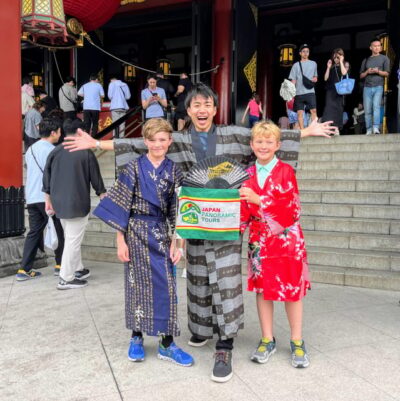 ★ 4.7Meiji Shrine, Asakusa, Skytree Bus Tour and CruiseFrom $1221,986 reviews
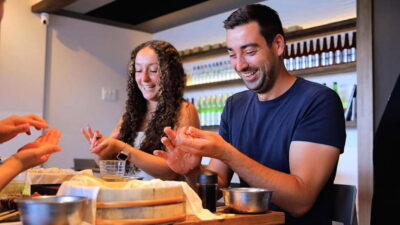 ★ 4.9Roll and Authentic Sushi Making Class in AsakusaFrom $581,957 reviews
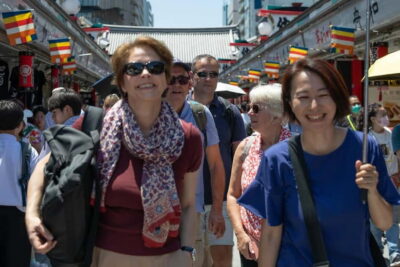 ★ 4.8Asakusa Walking Tour with Sensoji Temple VisitFrom $221,583 reviews
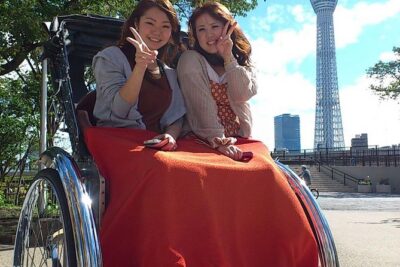 ★ 5.0Tokyo Asakusa Rickshaw TourFrom $421,375 reviews
 ★ 4.5Tokyo Panoramic 1 Day: Meiji Shrine, Asakusa, Odaiba and SKYTREE®From $851,222 reviews
 ★ 5.0Tokyo Go Kart: Asakusa, Skytree, and Akihabara **IDP MUST**From $99988 reviews
 ★ 4.7Asakusa, Skytree & Akhihabara Go-Kart City ExperienceFrom $96761 reviews
Browse the lists this tour appears in