
Reviewed · ASAKUSA & SENSOJI TOURS
Tokyo: Asakusa & Tokyo’s Oldest Temple Senso-ji Walking Tour
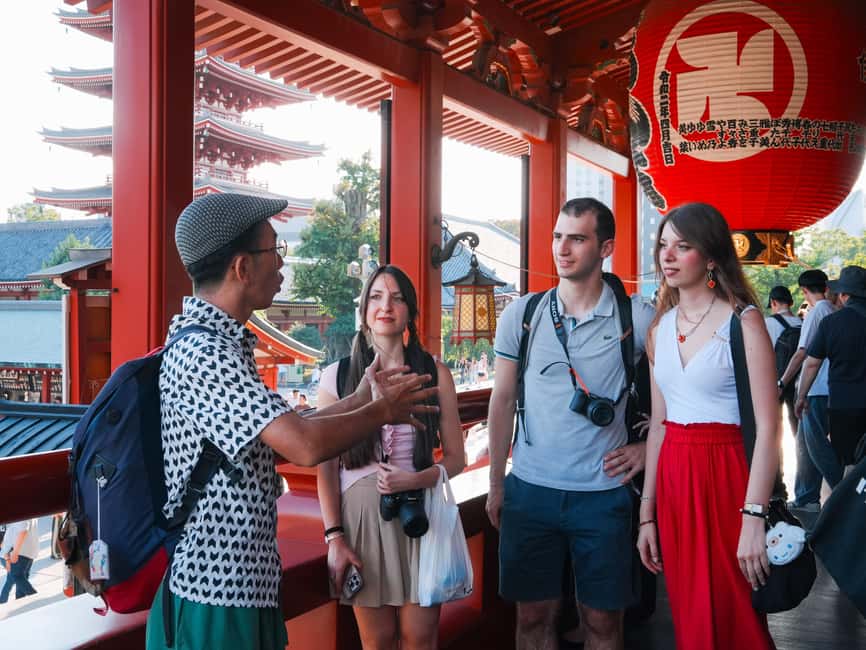
Senso-ji in two hours, with stories. This tour hits Kaminarimon Gate and the snack-and-shop flow of Nakamise Street, with a guide explaining how Senso-ji connects to Tokyo’s past. The main thing to consider is that it stays concentrated in one old-school area, so if you want lots of distance or totally different neighborhoods, you may feel a bit boxed in.
I especially like that the pace is relaxed and you’re not making decisions all day. With a small group capped at 10, you can ask questions and actually hear the explanations, whether your guide is Lax or Shoma. You also start and end at the same spot, 雷門交番, so it’s an easy add-on to a busy Tokyo itinerary.
In This Review
- Key Highlights You’ll Care About
- Meeting at 雷門交番: A Smooth Start Without Hotel Pickup
- Nakamise Shopping Street: Where the Snacks and Lanterns Set the Tone
- The Kaminarimon Gate Moment: A Fast Photo Hit With Real Context
- Senso-ji Temple: A 7th-Century Anchor and the Stories Around It
- Asakusa on Foot: From Edo-Era Echoes to Post-War Change
- What the Small Group Means in Real Life (Not Just a Number)
- Price and Value: Why $11 for Two Hours Works
- Who Should Book This Tour (And Who Might Skip)
- Should You Book the Asakusa and Senso-ji Walking Tour?
- FAQ
- FAQ
- Where does the tour start?
- How long is the tour?
- Is this tour in English?
- How big is the group?
- What sights do you visit?
- Is admission included?
- What is the price?
- Is hotel pickup or drop-off included?
- What is the cancellation policy?
- Can I reserve without paying right away?
Key Highlights You’ll Care About
- Small-group size (10 max) means less crowd noise and more real conversation
- Meet at 雷門交番 (Kaminarimon Police Station) for a simple, no-confusion start
- Nakamise Street time set aside (about 1 hour) for browsing, photos, and street snacks
- Kaminarimon Gate + Senso-ji photo stops give you picture-perfect landmarks fast
- Asakusa walk (about 80 minutes) connects Edo-era legends to modern-day streets
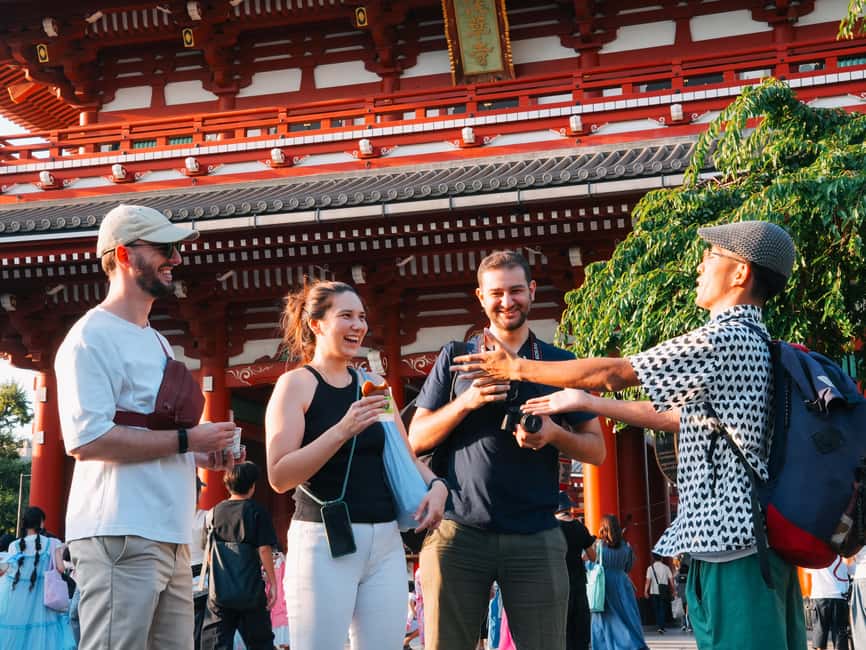
- English live guide who shares stories of geisha quarters, hidden shrines, and neighborhood change
Meeting at 雷門交番: A Smooth Start Without Hotel Pickup
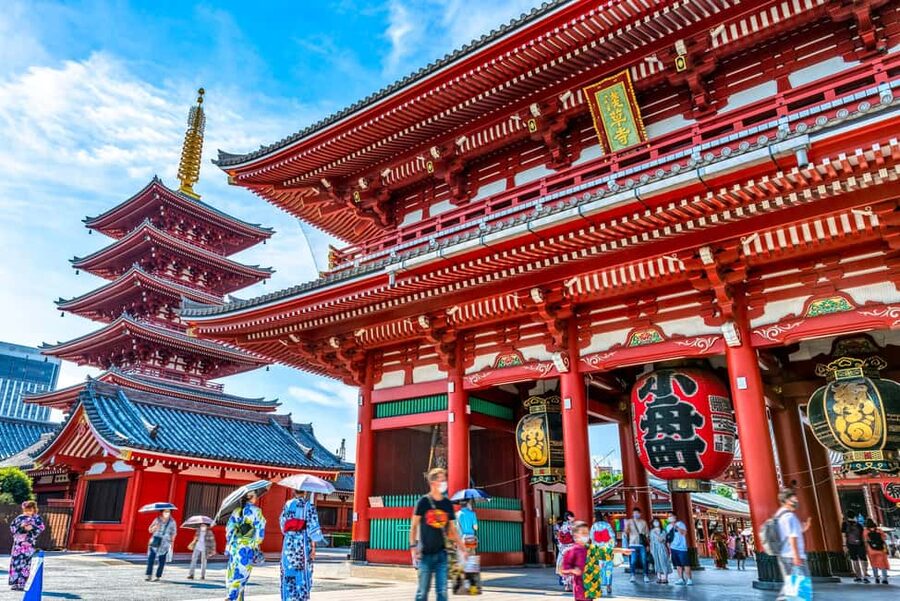
The tour begins at 雷門交番, which is right by the Kaminarimon area. That’s useful because it means you’re not trying to coordinate hotel pickup times or catching a bus somewhere inconvenient. You’re simply showing up, meeting your guide, and getting walking.
At two hours total, this is designed for a “Tokyo day” scale, not a half-day commitment. I like that. You can pair it with other nearby sights later, or just keep the rest of your day free for wandering and meals.
Also, because it’s a small group, the walk doesn’t feel like a cattle line. When you’re capped at 10, you’re more likely to notice what your guide is pointing out, and you get chances to ask for context when something catches your eye.
More temple mornings in old Asakusa
- Tokyo: Japanese Dance Cabaret Theater Asakusa-Kaguwa Ticket
★ 4.8 · 2,270 reviews - Tokyo: Meiji Shrine, Asakusa, Skytree Bus Tour and Cruise
★ 4.7 · 1,986 reviews - Tokyo: Roll and Authentic Sushi Making Class in Asakusa
★ 4.9 · 1,957 reviews - Tokyo: Asakusa Walking Tour with Sensoji Temple Visit
★ 4.8 · 1,583 reviews
Nakamise Shopping Street: Where the Snacks and Lanterns Set the Tone
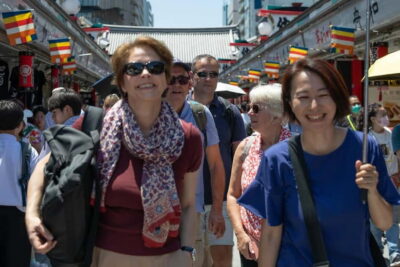
After meeting, you head into Nakamise Shopping Street for about an hour. This is where the old Tokyo vibe turns into something sensory: you’ll pass rows of traditional shops, see the kind of atmosphere that people come to photograph, and get hit with the smells of street snacks and sweets.
What makes this stretch valuable isn’t just shopping. It’s the way it frames Senso-ji before you even reach the temple. Nakamise feels like a cultural transition zone: part market lane, part street theater. Your guide’s job is to give you the “why” behind what you’re seeing, so you don’t just walk through it looking for souvenirs.
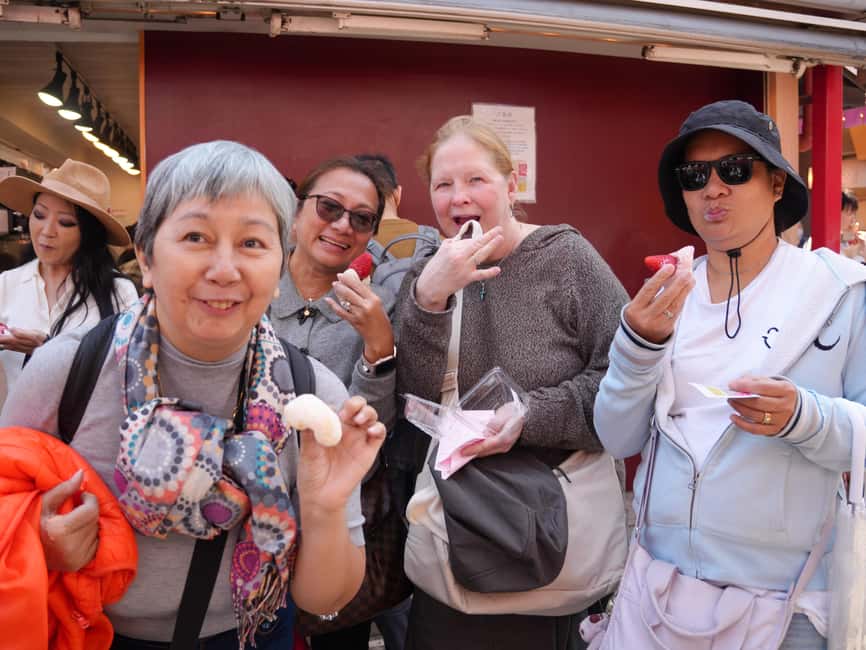
Practical tip: if you like eating while you walk, this is one of the few times during the day where the tour is basically built for that. You’ll have time to pause for photos, browse, and try things without feeling like you’re rushing.
Potential drawback: shopping streets can make slower walkers feel pressured. With a small group, it’s usually manageable, but if you want extra time to linger, come ready to move with the group most of the way and set aside a bit of your own time later for a second look.
The Kaminarimon Gate Moment: A Fast Photo Hit With Real Context
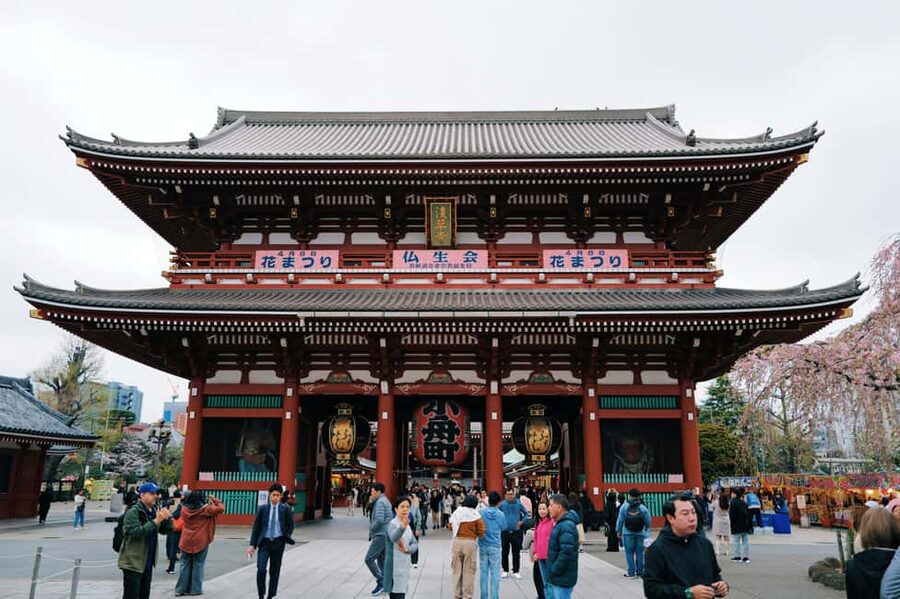
The tour’s signature landmark is Kaminarimon Gate, and you’ll get a photo stop centered on it. Even if you’ve seen it online, being there in person changes the scale. It’s dramatic, and it instantly tells you you’ve arrived in the right place.
What I like here is that the gate isn’t treated as a random backdrop. Your guide ties it into the temple’s larger story—history and legends connected to Senso-ji and how Asakusa became the cultural heart of Tokyo’s older eras.
And that matters because temples can feel like just “pretty buildings” if nobody explains what’s going on. With this tour, you’re given enough narrative that your photos end up meaning something, not just looking good.
Senso-ji Temple: A 7th-Century Anchor and the Stories Around It
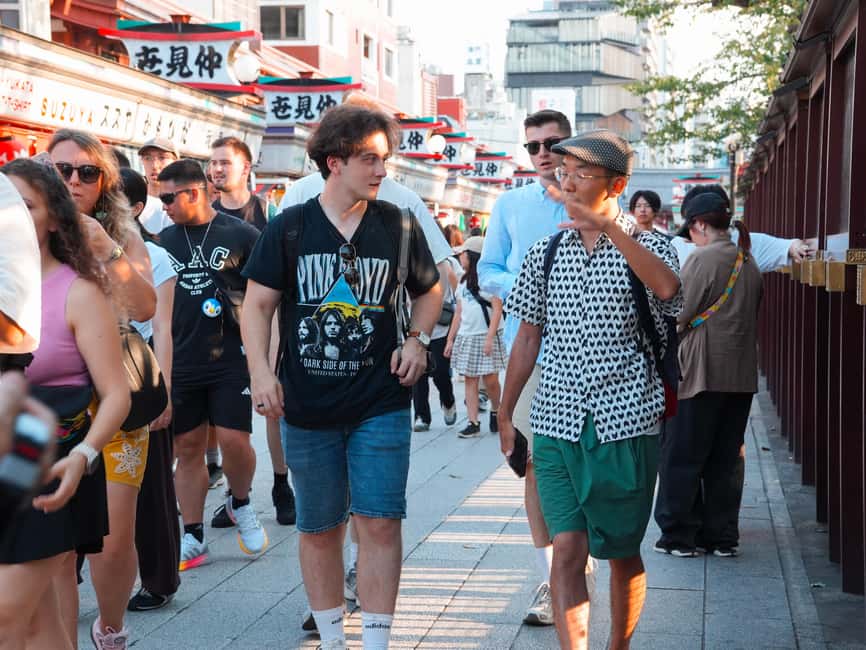
Once you reach Senso-ji, you spend about an hour there, with a photo stop and time to visit. The key detail to remember is that Senso-ji is described as the legendary Buddhist temple standing since the 7th century. That alone makes the place feel heavier than a typical sightseeing stop.
Your guide shares history and legends, and that’s the difference between a quick glance and understanding what you’re looking at. You’ll also learn about Tokyo’s religious and cultural layer—how worship and community life shaped the neighborhood around it.
One of the best uses of this stop is simply slowing down for a few minutes and watching how the space feels. Even within the structured timing, there’s room for you to take it in at your pace, especially for people who like turning landmarks into stories.
Admission to Senso-ji is included, so you’re not hunting for extra tickets or checking whether anything costs separately. That keeps the tour low-stress and lets you focus on absorbing the place.
Asakusa on Foot: From Edo-Era Echoes to Post-War Change
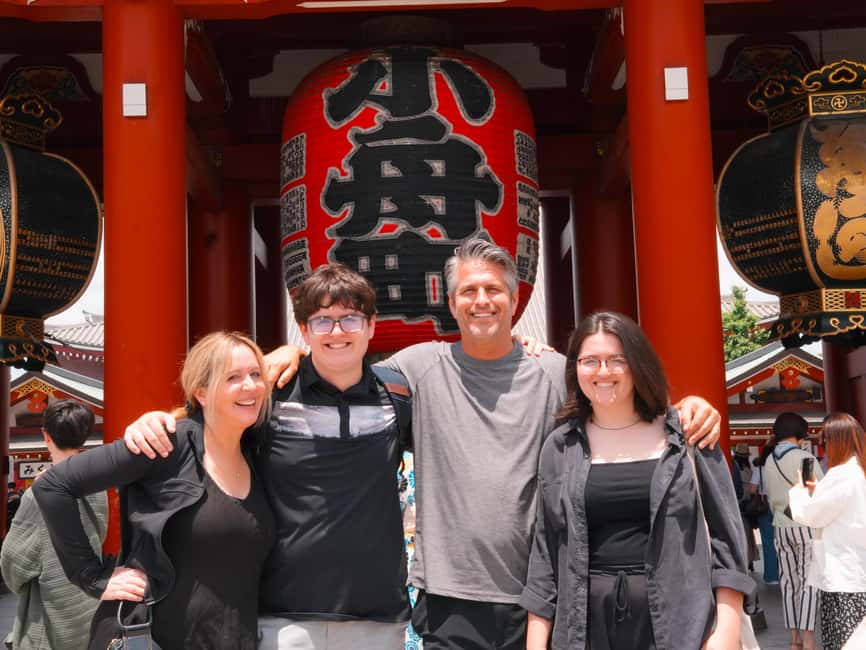
After the temple area, the tour continues with about 80 minutes through Asakusa. This part is where the walking turns into “living history,” because your guide connects the streets to the neighborhood’s transformation over time.
You’ll hear stories about geisha quarters and hidden shrines, plus how the area shifted from samurai strongholds to post-war revival. Even if you’re not a hardcore history buff, that kind of timeline helps you read the neighborhood. You start noticing patterns: the way streets feel planned around community life, and how older cultural corners still influence what’s here today.
This stretch also includes tucked-away gems often overlooked by visitors. I like that approach because Asakusa is famous, but the best moments are usually the smaller ones—side alleys, less obvious viewpoints, and the kind of details you wouldn’t think to look for on your own.
If you prefer your tours to be story-led, this is the section that often delivers the most. In the feedback I’ve seen for guides like Lax and Shoma, the strongest praise centers on lively explanations and a clear, friendly way of connecting Japanese culture to everyday understanding.
Readers also shortlisted these Tokyo bookings:
- Tokyo Tsukiji Fish Market Food and Culture Walking Tour★ 5.0 · 3,184 reviews
- Tokyo: Imperial Palace and Shogun Historical Walking Tour★ 5.0 · 2,251 reviews
- Tokyo: Shinjuku Local Bar and Izakaya Guided Walking Tour★ 4.9 · 1,794 reviews
- Tokyo: Tsukiji Fish Market Food and Walking tour★ 5.0 · 1,724 reviews
- Tokyo: Asakusa Walking Tour with Sensoji Temple Visit★ 4.8 · 1,583 reviews
What the Small Group Means in Real Life (Not Just a Number)
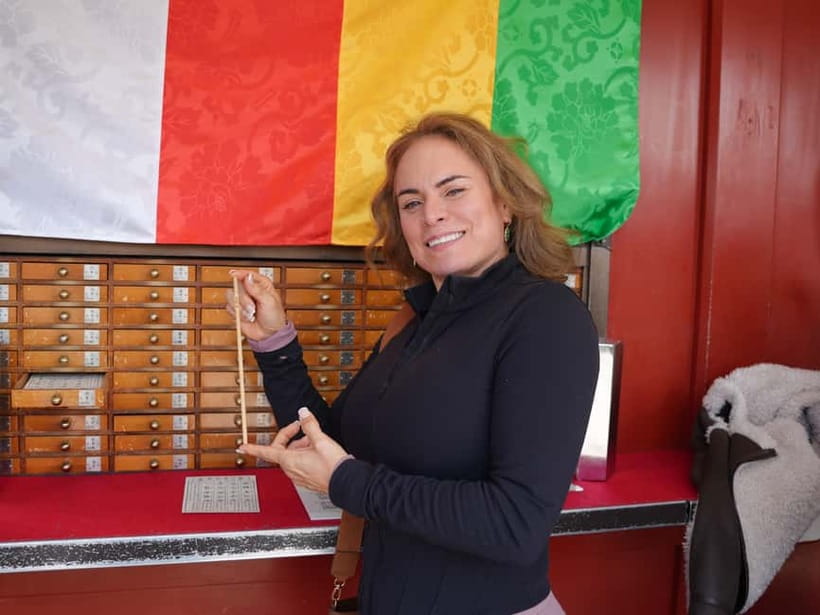
Limiting the group to 10 sounds like marketing, but in practice it changes the experience. With fewer people, you’re less likely to lose the guide or miss important cues. You also feel less like you’re navigating a moving crowd, which is a real issue in busy Tokyo streets.
It also helps with conversation. Guides can pick up on what you’re curious about, rather than sticking to a one-size-fits-all script.
If you happen to get a more personalized setup—one guide can tailor the pace, and you’ll often get better answers to practical questions. Some guides (like Lax) are specifically noted for being fun and passionate, while others (like Shoma) are praised for clear English and comparisons between Japanese and Anglo culture and thought. That style difference matters if you’re the type of person who wants context, not just facts.
Price and Value: Why $11 for Two Hours Works
At $11 per person for a two-hour walking tour, this is one of the simplest value picks in Asakusa. You’re paying for three things that add up quickly in Tokyo: an English live guide, a guided walking route in a dense area, and included admissions tied to the main sights.
You’re also not paying for hotel pickup and drop-off, which can reduce cost but means you need to show up on time at 雷門交番. For a short tour, that trade-off usually makes sense.
Think of this as a “make your first visit smarter” deal. Senso-ji and Nakamise are easy to reach on your own, but a guide helps you get from seeing to understanding without spending extra hours figuring things out.
Who Should Book This Tour (And Who Might Skip)
This tour fits best if you want:
- An easy, low-stress way to see Senso-ji and the Asakusa streets close together
- A short cultural primer on Tokyo’s older neighborhood life, told through stories
- A photo-friendly route without spending your day planning logistics
It may be less ideal if you:
- Want a tour with lots of different neighborhoods and longer walking distances
- Prefer very structured “stop by stop” explanations with constant group engagement
One more practical consideration: because the tour focuses on a single area, the quality of the guide makes a noticeable difference. When the guide is lively and story-forward, the whole walk clicks. When the guide leans more on a simple route, you might wish for more connection between what you see and why it matters.
Should You Book the Asakusa and Senso-ji Walking Tour?
If it’s your first time in Asakusa or you only have a couple hours for this side of Tokyo, I’d say yes. This is a straightforward, good-value way to get the landmarks you came for—Kaminarimon Gate, Senso-ji, and the Nakamise street experience—plus the context that turns photos into memory.
Book it if you like walking, eating along the way, and learning how one neighborhood connects to changing eras (Edo-era life, geisha quarters, samurai strongholds, and post-war revival themes). Skip it only if you want variety across Tokyo or you know you dislike concentrated, one-area walking.
If you do book, bring a little patience and curiosity. In a place this iconic, the best results come from slowing down just enough to listen.
FAQ
FAQ
Where does the tour start?
You meet at 雷門交番 (Kaminarimon Police Station).
How long is the tour?
The tour is 2 hours.
Is this tour in English?
Yes, it’s a live tour with an English-speaking guide.
How big is the group?
The group is small, limited to 10 participants.
What sights do you visit?
You go through Nakamise Shopping Street, visit Senso-ji Temple, and explore Asakusa, all returning to 雷門交番.
Is admission included?
Yes. Admission to Senso-ji Temple is included, and admission to Asakusa and Nakamise Shopping Street is included as well.
What is the price?
It’s listed at $11 per person.
Is hotel pickup or drop-off included?
No, hotel pickup and drop-off are not included.
What is the cancellation policy?
You can cancel up to 24 hours in advance for a full refund.
Can I reserve without paying right away?
Yes. The offer includes reserve now & pay later.
More Tours in Tokyo
- Mt Fuji and Hakone 1-Day Bus Tour Return by Bullet Train
★ 5.0 · 26,383 reviews - 1-Day Tokyo Bus Tour
★ 5.0 · 14,250 reviews - Tokyo: Shinjuku Food Tour (13 Dishes at 4 Local Eateries)
★ 5.0 · 6,603 reviews - Tokyo Mt Fuji 5th St & Hakone Cruise Bus Tour w/Bullet Train
★ 4.4 · 5,024 reviews - Flagship 2-Hours Official Street Go-Kart Tour – Tokyo Bay Shop
★ 5.0 · 4,974 reviews
More Tour Reviews in Tokyo
- Mt Fuji and Hakone 1-Day Bus Tour Return by Bullet Train
★ 5.0 · 26,383 reviews - 1-Day Tokyo Bus Tour
★ 5.0 · 14,250 reviews - Tokyo: teamLab Planets TOKYO Digital Art Museum Entry Ticket
★ 4.6 · 9,779 reviews - Mt Fuji & Hakone Cruise, Drum Show Bullet Train 1 Day from Tokyo
★ 4.0 · 7,413 reviews - Tokyo: Shinjuku Food Tour (13 Dishes at 4 Local Eateries)
★ 5.0 · 6,603 reviews
More Mornings in Old Asakusa
- Tokyo: Japanese Dance Cabaret Theater Asakusa-Kaguwa Ticket
★ 4.8 · 2,270 reviews - Tokyo: Meiji Shrine, Asakusa, Skytree Bus Tour and Cruise
★ 4.7 · 1,986 reviews - Tokyo: Roll and Authentic Sushi Making Class in Asakusa
★ 4.9 · 1,957 reviews - Tokyo: Asakusa Walking Tour with Sensoji Temple Visit
★ 4.8 · 1,583 reviews - Tokyo Asakusa Rickshaw Tour
★ 5.0 · 1,375 reviews
Latest Tokyo reviews off our desk






Asakusa & Sensoji Tours, compared.
 ★ 4.8Japanese Dance Cabaret Theater Asakusa-Kaguwa TicketFrom $492,270 reviews
 ★ 4.7Meiji Shrine, Asakusa, Skytree Bus Tour and CruiseFrom $1221,986 reviews
 ★ 4.9Roll and Authentic Sushi Making Class in AsakusaFrom $581,957 reviews
 ★ 4.8Asakusa Walking Tour with Sensoji Temple VisitFrom $221,583 reviews
 ★ 5.0Tokyo Asakusa Rickshaw TourFrom $421,375 reviews
 ★ 4.5Tokyo Panoramic 1 Day: Meiji Shrine, Asakusa, Odaiba and SKYTREE®From $851,222 reviews
 ★ 5.0Tokyo Go Kart: Asakusa, Skytree, and Akihabara **IDP MUST**From $99988 reviews
 ★ 4.7Asakusa, Skytree & Akhihabara Go-Kart City ExperienceFrom $96761 reviews
Browse the lists this tour appears in