
Temple sights hit fast. This walk stitches together Kaminarimon Gate and Nakamise-dori in a way that feels truly local, not like a museum stop. I also like that it keeps moving from the big spiritual landmarks to everyday Tokyo hangouts like the Asakusa Sumo Club. The only real downside to watch for is logistics: if you arrive by rideshare, you may need to be extra careful finding the guide and the exact meeting spot.
Asakusa is Tokyo’s traditional side, and the tour starts with a payoff view from Sumida Park with the river and Tokyo Skytree in sight. From there you enter the sensory crush of the gate approach, with the red lantern moment setting the tone right away. Even if you know Tokyo, this part has a different rhythm—more slow-walk, snack-in-hand, camera-ready.
You’ll move through Sensō-ji’s grounds via the Hozomon Gate toward the Main Hall, then switch gears to Asakusa Shrine, which is tied to the founders of the temple and the classic Buddhism–Shinto blend. The last stretch aims for atmosphere and options: a stop for the Asakusa Sumo Club tradition, then time near Don Quijote for quick souvenirs and cheap thrills. Since the tour runs in all weather, wear comfy shoes and pack for rain so you’re not miserable when the clouds roll in.
In This Review
- Key things to know before you walk
- From Sumida Park to Kaminarimon: the tour’s best opening move
- Nakamise-dori: how the street makes the temples feel real
- Entering Sensō-ji: Hozomon Gate and the Main Hall approach
- Asakusa Shrine: why the Buddhism–Shinto connection matters
- Asakusa Sumo Club and Don Quijote: tradition meets everyday Tokyo
- Price and timing: is $21 worth a 3-hour Asakusa loop?
- Logistics that can make or break your day
- Who this Asakusa walking tour is best for
- Should I book this Tokyo Asakusa Walking Tour?
- FAQ
- How long is the Tokyo Asakusa walking tour?
- Where does the tour meet?
- What language is the live guide?
- Is the tour wheelchair accessible?
- What should I bring?
- Is the tour offered in bad weather?
- What is included in the price?
- What’s not allowed during the tour?
- Is free cancellation available?
- Is there a reserve and pay later option?
Key things to know before you walk
- Sumida Park start: You begin with river views that help you orient quickly in the Asakusa area.
- Kaminarimon to Nakamise-dori flow: The gate-to-shopping-street route keeps your momentum going.
- Sensō-ji focus on entrances: You pass the Hozomon Gate and head into the Main Hall area.
- Asakusa Shrine connection: You’ll see the shrine tied to the temple’s founders and the Buddhism–Shinto mix.
- Two very different “ending” stops: Asakusa Sumo Club tradition, then the pop-culture chaos of Don Quijote.
- Spanish live guide: You’ll get a real guide live (not audio), and the tour is wheelchair accessible.
From Sumida Park to Kaminarimon: the tour’s best opening move
I like how this tour starts outside the temple zone. You meet at the coordinates listed for the activity and the guide carries a blue flag with a panda on it, which is a simple visual cue when you’re searching. The Sumida Park setup matters because the view over the Sumida River and Tokyo Skytree helps your brain map where you are.
Then comes the moment that most people come to Asakusa for: crossing the iconic Kaminarimon Gate. The red lantern is the photo you’ll see in a hundred travel guides, but walking under it in person still hits. It’s also a good “threshold” moment—like you’re stepping from modern Tokyo into the older layers of the city.
This is where the tour earns its “value” point. For a short 3 hours, you get a major landmark sequence without needing to plan every turn yourself. You’re not just arriving; you’re guided into the main visual beats.
More temple mornings in old Asakusa
- Tokyo: Japanese Dance Cabaret Theater Asakusa-Kaguwa Ticket
★ 4.8 · 2,270 reviews - Tokyo: Meiji Shrine, Asakusa, Skytree Bus Tour and Cruise
★ 4.7 · 1,986 reviews - Tokyo: Roll and Authentic Sushi Making Class in Asakusa
★ 4.9 · 1,957 reviews - Tokyo: Asakusa Walking Tour with Sensoji Temple Visit
★ 4.8 · 1,583 reviews
Nakamise-dori: how the street makes the temples feel real
After Kaminarimon, you stroll along Nakamise-dori, the pedestrian street famous for traditional sweets and old-school shops. This part is more than shopping. It’s the in-between zone where Asakusa feels lived-in, where people stop, browse, and snack while still moving toward the temple.
I like that you’re not rushed through. You’ve got time on a street where the window displays are part of the culture. If you want to try a snack, this is the stretch to do it—because once you’re deeper into temple grounds, you’ll likely slow down and focus on the sites.
Practical note: Nakamise-dori is a shopping street, so it can be crowded depending on the day. Wear shoes you can walk in for a while, and keep your hands free if you plan to carry items. The tour is only 3 hours, so you’ll feel every pause and detour.
Entering Sensō-ji: Hozomon Gate and the Main Hall approach
Next you reach the Hozomon Gate and the entrance to the Main Hall of Sensō-ji. This is one of those routes where the architecture does half the explaining. The gate-to-hall walk works because it changes the scale and the mood as you go.
Sensō-ji is described here as the oldest and most visited Buddhist shrine in Tokyo. Even if you’ve been to temples in other countries, this one has a “big-city importance” feel. You’re moving through a major hub of worship and pilgrimage, not a quiet side street.
I’d treat this as your “slow down” segment of the walk. People often rush because they’re focused on photos, but the real payoff is in noticing how the space guides movement—how lines, entrances, and crowds funnel you toward the main areas.
One more practical thing: this tour includes admission to sites that require a ticket purchase. Sensō-ji and Asakusa Shrine are typically more about entry areas than ticket gates, but if any parts you access require a paid entry, the tour is set up to handle ticket needs.
Asakusa Shrine: why the Buddhism–Shinto connection matters
After Sensō-ji, you visit Asakusa Shrine, dedicated to the founders of the temple and a symbol of the fusion between Buddhism and Shintoism. That description isn’t just trivia. It’s the point of this stop: you’re seeing how Japanese religious culture overlaps rather than living in separate boxes.
This part of the tour makes the whole experience feel more balanced. You start in a place of Buddhist tradition, then you’re shown the shrine side of the story, tied to the origins of the broader religious site. If you’re the kind of traveler who likes context behind the postcards, this stop gives you something concrete to connect.
Also, Asakusa Shrine is a good moment to slow your pace. The walking intensity is still there, but you get a change of focus—from temple gate drama and street shopping to a more devotional, shrine-oriented atmosphere.
Asakusa Sumo Club and Don Quijote: tradition meets everyday Tokyo
The tour doesn’t end at another temple gate. It includes a stop at the Asakusa Sumo Club, where you can experience the tradition being kept alive. That’s a smart choice for a walking tour, because it shifts from “heritage architecture” to “living culture.”
In practical terms, this is where the tour can feel fun in a different way. Temples are powerful, but they can also be a bit formal. The sumo element breaks that tone with a distinct cultural angle that still makes sense in Asakusa.
Then you’re taken past Don Quijote, which is described as the most popular shopping and curiosity store. This is ideal if you want souvenirs without turning it into a major planning mission. Even if you don’t shop much, it’s a convenient stop because it’s easy to understand what you can buy and where to go once the tour ends.
Think of it as your “reset and snack and grab” zone. After gates, incense, and street scenes, Don Quijote lets you close the day in a way that feels like Tokyo in a nutshell.
Readers also shortlisted these Tokyo bookings:
- Tokyo Tsukiji Fish Market Food and Culture Walking Tour★ 5.0 · 3,184 reviews
- Tokyo: Shinjuku Local Bar and Izakaya Guided Walking Tour★ 4.9 · 1,794 reviews
- Tokyo: Tsukiji Fish Market Food and Walking tour★ 5.0 · 1,724 reviews
- Tokyo: Asakusa Walking Tour with Sensoji Temple Visit★ 4.8 · 1,583 reviews
- Tokyo: Tsukiji Fish Market Guided Walking Tour★ 4.9 · 1,397 reviews
Price and timing: is $21 worth a 3-hour Asakusa loop?
At $21 per person for a 3-hour tour, this sits in the budget-friendly category for Tokyo sightseeing. The best value part is that you’re paying for guided routing through several top Asakusa anchor points, not just one attraction.
You’ll also get included admission to sites that require a ticket purchase, and the tour is set up for convenience inside the area. That means less time figuring out entrances and more time walking the sequence that makes Asakusa work visually: gate → street → temple → shrine → culture stop → shopping stop.
Where value might feel weaker is in logistics and expectations. One verified booking reported trouble locating the tour person after an Uber drop-off, and the guide reportedly did not answer messages. That doesn’t mean the tour is consistently like that, but it does mean you should plan to arrive early and use the blue panda flag cue. If you show up late or far from the exact meeting point, you could lose time.
Logistics that can make or break your day
Here’s what I’d do to avoid headaches, based on the tour info you have and the one issue flagged in a verified booking.
First, aim to arrive at the meeting point using the provided coordinates: 35.7107915, 139.7979734. When the guide is holding a blue flag with a panda, you should be able to spot them quickly—if you’re at the right spot. If you’re using Uber or another rideshare, give yourself extra buffer time.
Second, pack for weather. The tour runs regardless of conditions, and you’re encouraged to check the city weather in advance and bring an umbrella or rain gear. In Japan, rain can turn a pleasant walk into a slippery, sore-feet situation fast.
Third, keep it clean and simple. The tour rules list no smoking, no drones, and no alcohol and drugs. You also want comfortable clothes and comfortable shoes, because temple areas and shopping streets are still walking.
Finally, since the guide is Spanish, it helps to have patience and flexibility if you’re not fluent. A live guide is great for explanations, but language can affect pace. If you want the best experience, plan on watching, following, and asking simple questions when you can.
Who this Asakusa walking tour is best for
This tour fits you if you want a guided overview of Asakusa’s most important sites without spending all day planning routes. It also works well if you like a mix: big landmark sightseeing plus street culture plus a practical shopping stop.
It’s a strong pick for:
- First-timers who want the classic Asakusa sequence in a short window
- Travelers who enjoy “walking connections” rather than hopping by transit every stop
- People who want a Spanish-speaking live guide for context at Sensō-ji and Asakusa Shrine
- Anyone who values a cultural add-on like the Asakusa Sumo Club instead of ending after temples
Should I book this Tokyo Asakusa Walking Tour?
I’d book it if you want a compact, guided Asakusa highlight walk that moves from Kaminarimon to Nakamise-dori, into Sensō-ji and Asakusa Shrine, then finishes with cultural color at the Asakusa Sumo Club and easy browsing at Don Quijote. For $21 and 3 hours, the value is the routing and the guided flow through multiple anchors.
Skip it or approach carefully if you’re the type who hates meeting-point confusion. The one verified issue about not finding the tour person after an Uber drop-off is a reminder to arrive early and use the panda flag cue. If you do that, you’ll likely have a smoother experience.
FAQ
How long is the Tokyo Asakusa walking tour?
The tour lasts 3 hours.
Where does the tour meet?
The meeting point is listed with coordinates 35.7107915, 139.7979734. The guide will be carrying a blue flag with a panda on it.
What language is the live guide?
The live tour guide speaks Spanish.
Is the tour wheelchair accessible?
Yes, the tour is wheelchair accessible.
What should I bring?
Bring comfortable shoes and comfortable clothes.
Is the tour offered in bad weather?
Yes. It takes place regardless of weather, so check conditions and bring rain gear like an umbrella or raincoat.
What is included in the price?
The tour includes admission to sites that require a ticket purchase, and admission to temples, museums, or other venues that require a ticket (for example, Imperial Gardens). Transportation to and from the meeting point or between attractions is optional private transportation at an additional cost.
What’s not allowed during the tour?
Smoking, drones, and alcohol and drugs are not allowed.
Is free cancellation available?
Yes. You can cancel up to 24 hours in advance for a full refund.
Is there a reserve and pay later option?
Yes. You can reserve now and pay later, with no payment today.
More Tours in Tokyo
- Mt Fuji and Hakone 1-Day Bus Tour Return by Bullet Train
★ 5.0 · 26,383 reviews - 1-Day Tokyo Bus Tour
★ 5.0 · 14,250 reviews - Tokyo: Shinjuku Food Tour (13 Dishes at 4 Local Eateries)
★ 5.0 · 6,603 reviews - Tokyo Mt Fuji 5th St & Hakone Cruise Bus Tour w/Bullet Train
★ 4.4 · 5,024 reviews - Flagship 2-Hours Official Street Go-Kart Tour – Tokyo Bay Shop
★ 5.0 · 4,974 reviews
More Tour Reviews in Tokyo
- Mt Fuji and Hakone 1-Day Bus Tour Return by Bullet Train
★ 5.0 · 26,383 reviews - 1-Day Tokyo Bus Tour
★ 5.0 · 14,250 reviews - Tokyo: teamLab Planets TOKYO Digital Art Museum Entry Ticket
★ 4.6 · 9,779 reviews - Mt Fuji & Hakone Cruise, Drum Show Bullet Train 1 Day from Tokyo
★ 4.0 · 7,413 reviews - Tokyo: Shinjuku Food Tour (13 Dishes at 4 Local Eateries)
★ 5.0 · 6,603 reviews
More Mornings in Old Asakusa
- Tokyo: Japanese Dance Cabaret Theater Asakusa-Kaguwa Ticket
★ 4.8 · 2,270 reviews - Tokyo: Meiji Shrine, Asakusa, Skytree Bus Tour and Cruise
★ 4.7 · 1,986 reviews - Tokyo: Roll and Authentic Sushi Making Class in Asakusa
★ 4.9 · 1,957 reviews - Tokyo: Asakusa Walking Tour with Sensoji Temple Visit
★ 4.8 · 1,583 reviews - Tokyo Asakusa Rickshaw Tour
★ 5.0 · 1,375 reviews
Latest Tokyo reviews off our desk






Asakusa & Sensoji Tours, compared.
 ★ 4.8Japanese Dance Cabaret Theater Asakusa-Kaguwa TicketFrom $492,270 reviews
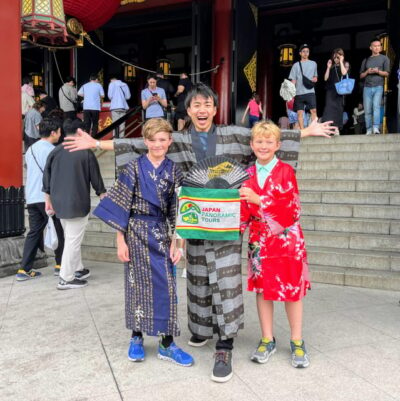 ★ 4.7Meiji Shrine, Asakusa, Skytree Bus Tour and CruiseFrom $1221,986 reviews
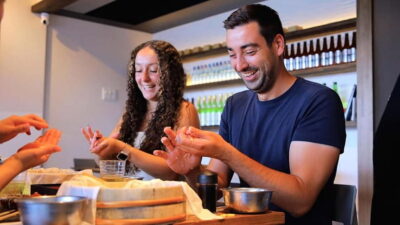 ★ 4.9Roll and Authentic Sushi Making Class in AsakusaFrom $581,957 reviews
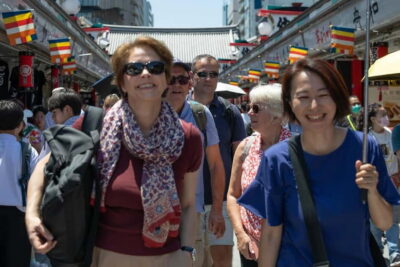 ★ 4.8Asakusa Walking Tour with Sensoji Temple VisitFrom $221,583 reviews
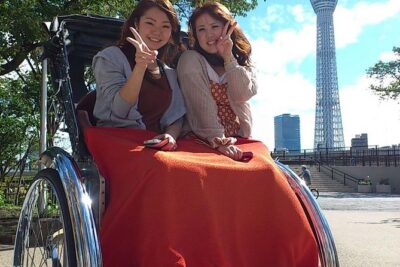 ★ 5.0Tokyo Asakusa Rickshaw TourFrom $421,375 reviews
 ★ 4.5Tokyo Panoramic 1 Day: Meiji Shrine, Asakusa, Odaiba and SKYTREE®From $851,222 reviews
 ★ 5.0Tokyo Go Kart: Asakusa, Skytree, and Akihabara **IDP MUST**From $99988 reviews
 ★ 4.7Asakusa, Skytree & Akhihabara Go-Kart City ExperienceFrom $96761 reviews
Browse the lists this tour appears in