
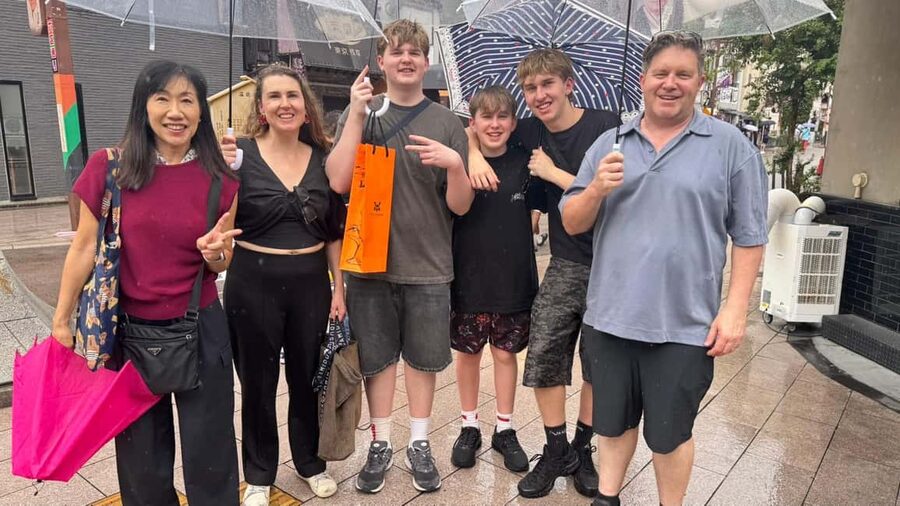
Reviewed · ASAKUSA & SENSOJI TOURS
Tokyo: Beyond Asakusa to Kappabashi Kitchen Town
Some neighborhoods teach you faster than a museum. This Asakusa-to-Kappabashi walk mixes hands-on temple rituals with serious kitchenware shopping. You get a guided route through old Tokyo sights that most people only photograph.
I especially like the fortune-telling experience: you don’t just watch—you draw, read, and tie your fortune paper the right way. I also like the Kappabashi stop because it’s not random souvenir clutter; you’re looking at the kinds of tools that chefs actually use, plus the almost-too-real plastic food displays. One possible drawback: with only about two hours, you’ll enjoy the highlights, but you won’t have time for a long meal or marathon shopping.
Guides matter here, and the feedback is clear. People have praised guides like Sanae for strong communication (including French) and Shun for making history feel personal with examples and stories. If it’s a hot day, bring water and plan to move at a steady walking pace.
In This Review
- Key things I’d plan around
- Starting at Kaminarimon: a simple way to orient yourself in Asakusa
- Nakamise Shopping Street: the Edo-era approach to temple snacks
- Sensō-ji entry gates: Hozomon’s Buddhist treasures and the gateway feeling
- Purification at the fountain: incense and ritual etiquette you’ll remember
- The fortune-telling ritual: an active tradition, not a passive show
- Sensō-ji to Asakusa Shrine: Buddhism and Shinto in one walk
- Hoppy Street and Rokku Street: after-work drinks without the intimidation
- Kappabashi Kitchen Town: knives, tools, and plastic food that fools your eyes
- Group pacing and timing: how to make two hours feel worth it
- Price and value: what you get for about $17
- Should you book? My take on who this tour fits
- FAQ
- FAQ
- What’s the meeting point for the tour?
- How long is the tour?
- What’s included in the price?
- Are food and drinks included?
- Do I have to take part in the rituals?
- What should I bring for the tour?
- Is the tour offered in multiple languages?
- What’s the cancellation policy?
- Can I reserve now and pay later?
- Will there be time to shop at Nakamise and Kappabashi?
Key things I’d plan around
- Kaminarimon to Nakamise: start at the big red lantern gate, then walk Japan’s older shopping street on foot
- Temple etiquette you can actually do: purification at the fountain and incense practices explained clearly
- Fortune paper ritual, not just a look: draw, read, and tie it as part of the tradition
- Hoppy Street izakaya culture: a narrow-alley after-work scene with hoppy drinks and kushikatsu
- Kappabashi Kitchen Town for serious shoppers: knives, tools, and plastic food displays shaped for food people
Starting at Kaminarimon: a simple way to orient yourself in Asakusa
The tour’s flow makes sense from minute one. You meet at Starbucks Coffee in Kaminarimon and then head straight for the Kaminarimon Gate—the massive red lantern entrance that has greeted visitors for centuries. Even if you’ve seen Asakusa before, starting here helps you understand how the rest of the area works: you’re heading toward a sacred space, but the approach is also a lived-in shopping street.
Kaminarimon is more than a photo spot. With a guide, you learn why that gate matters culturally, not just visually. That context changes how you look at everything after it, including how people move through the space and why certain areas feel more formal than others.
Practical tip: wear shoes you can walk in for the full stretch. This kind of route is short on time but long on steps, and you’ll be glad you didn’t plan for comfort only in the morning.
More temple mornings in old Asakusa
- Tokyo: Japanese Dance Cabaret Theater Asakusa-Kaguwa Ticket
★ 4.8 · 2,270 reviews - Tokyo: Meiji Shrine, Asakusa, Skytree Bus Tour and Cruise
★ 4.7 · 1,986 reviews - Tokyo: Roll and Authentic Sushi Making Class in Asakusa
★ 4.9 · 1,957 reviews - Tokyo: Asakusa Walking Tour with Sensoji Temple Visit
★ 4.8 · 1,583 reviews
Nakamise Shopping Street: the Edo-era approach to temple snacks
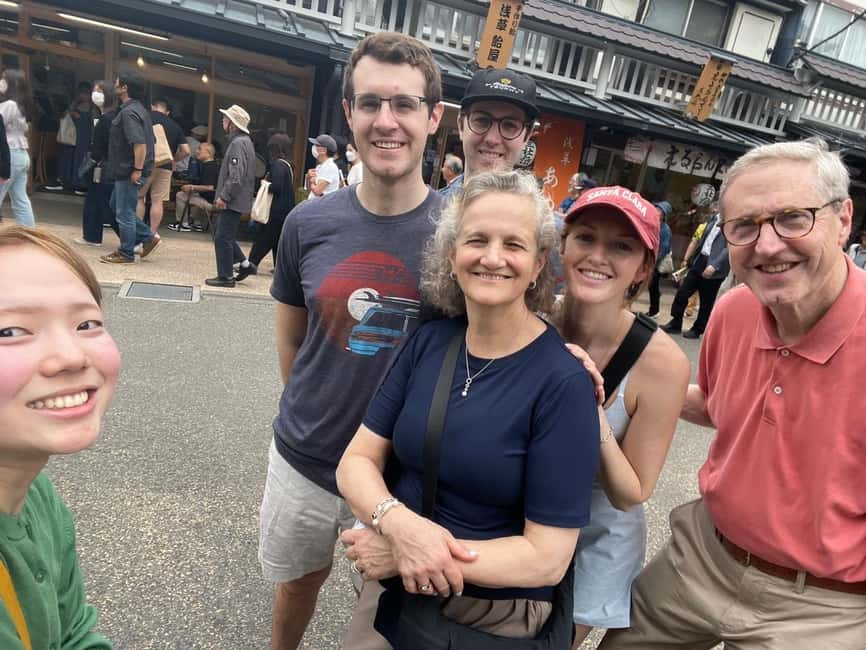
Next comes Nakamise Shopping Street, which is known as a long-running entry corridor to Sensō-ji. You’ll walk it with a guide, which matters because you’re not just passing shops—you’re learning how older merchant traditions shaped what’s sold here.
This is also where the route becomes fun for your senses. You can sample traditional snacks along the way, and you’ll see plenty of handcrafted souvenir items. I like that the guide’s approach helps you decide what to try without turning the street into a random grab-bag of impulse purchases.
The drawback with Nakamise-style streets is that they can feel hectic if you come late in the day. On a two-hour schedule, you’ll want to keep moving, enjoy a couple of tastings, and not expect to try everything.
Sensō-ji entry gates: Hozomon’s Buddhist treasures and the gateway feeling
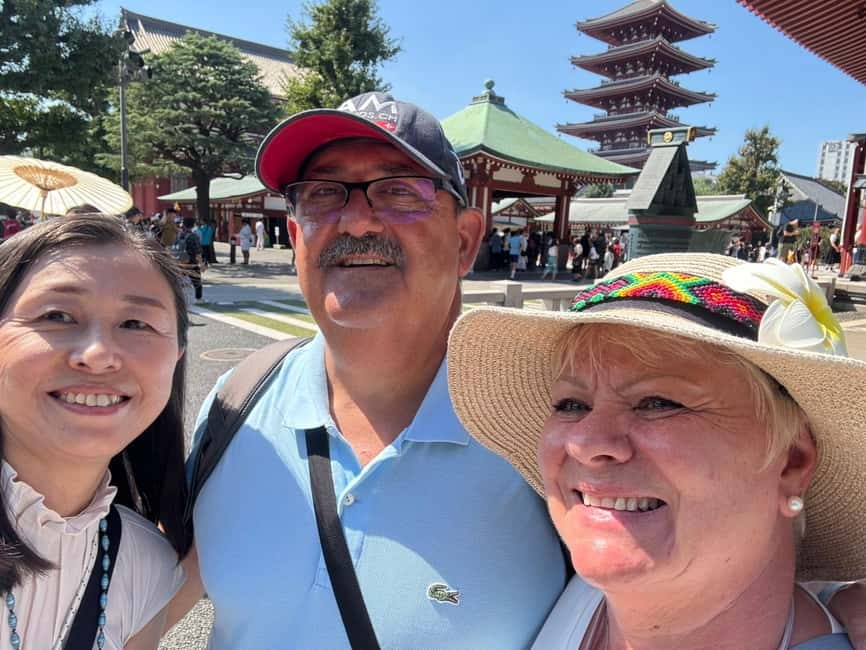
Before you get too deep into the crowds, you pass through the Hozomon Gate, described as a two-story gate housing Buddhist treasures. Even without going into every artifact detail, learning how the gate functions as a spiritual gateway is useful. It frames the experience: you’re not strolling through a theme park; you’re entering a religious complex with rules, rhythms, and meaning.
Photo stops help here, but the real value is the explanation of what you’re seeing and why it’s arranged the way it is. You start noticing architectural cues that you’d otherwise skip right over.
If you prefer quiet moments, know that Asakusa is a busy area. The tour helps you keep your bearings so you can still find your way through without spending your whole time apologizing to other people with camera bags.
Purification at the fountain: incense and ritual etiquette you’ll remember
One of the most rewarding parts of this experience is that it doesn’t treat temple rituals as a spectator sport. You participate in a sacred cleansing ceremony at the purification fountain and learn how the incense ritual works and why people do it.
This is where guides earn their fee. You’ll get the practical steps on what to do and what to avoid. That matters because temple spaces feel different from normal streets—small mistakes can turn your experience awkward, and you’ll lose that calm, respectful mood.
Also, the smell of incense sticks in your brain in the best way. It’s not just a smell; it’s the atmosphere of a place where people come to settle their minds.
The fortune-telling ritual: an active tradition, not a passive show
After temple gate and purification, you take part in a Japanese fortune-telling ritual. The key detail: you learn how to properly draw, read, and tie your fortune paper. Most visitors watch this from the sidelines. Here, you’re doing it as part of the guided activity.
When you follow the steps, the ritual becomes clearer. You’re not guessing what’s happening—you understand what the act represents. That turns it into a memorable cultural moment rather than a quick souvenir stop.
If you’re worried about understanding, don’t be. The tour runs with live guides in multiple languages, including English, Spanish, French, Chinese, Korean, Portuguese, Japanese, and Russian. People specifically praised the guide’s ability to communicate well in their language—one review highlighted Sanae’s excellent French. That’s a good sign if you’d rather not rely on guesswork.
- Tokyo: Shinjuku Food Tour (13 Dishes at 4 Local Eateries)★ 5.0 · 6,603 reviews
- Tokyo Mt Fuji 5th St & Hakone Cruise Bus Tour w/Bullet Train★ 4.4 · 5,024 reviews
- Flagship 2-Hours Official Street Go-Kart Tour – Tokyo Bay Shop★ 5.0 · 4,974 reviews
- From Tokyo: Mount Fuji Full-Day Sightseeing Trip★ 4.5 · 4,970 reviews
- Tokyo: Hop-On Hop-Off Sightseeing Bus Ticket★ 3.9 · 4,207 reviews
Sensō-ji to Asakusa Shrine: Buddhism and Shinto in one walk
You’ll also visit the Shinto shrine adjacent to the Buddhist temple area. Learning about the unique coexistence of Japan’s two major religions changes the way you see the architecture. You’ll notice how the styles differ and why both places feel important to the people who visit them.
This stop is valuable because it connects religion to geography. Instead of treating religion as separate “attractions,” the tour shows you how religious life can sit side by side in one neighborhood.
Drawback to consider: if you’re expecting a deep, academic religious lecture, this is still a walking tour. You’ll get key meaning and practical guidance, not a long seminar.
Hoppy Street and Rokku Street: after-work drinks without the intimidation
Then the mood shifts. You head to Hoppy Street, a narrow alley lined with traditional izakaya culture. You learn about hoppy, a local beer-like beverage, and you’ll also hear about foods like kushikatsu that fit the social rhythm of these places.
What I like here is the cultural framing. Izakaya life can feel intimidating if you don’t understand the etiquette or the vibe, but a guide helps you see it as a normal social ritual—especially for after-work gatherings.
From there, you walk through Rokku Street, a historic entertainment quarter once tied to major theater energy, now a charming blend of old and new Japanese popular culture. Even if you don’t know the old entertainment context, you can feel the place moving between eras.
Tip: because this tour includes stops for photos and short visits, don’t plan on spending a full dinner here unless your group pacing allows it. You’re sampling the culture and then moving on.
Kappabashi Kitchen Town: knives, tools, and plastic food that fools your eyes
Finally, you reach Kappabashi Kitchen Town, and this is where your shopping brain will light up—if you love food tools, that is. The area is famous for supplying professional chefs and restaurateurs for over 100 years, which is exactly why it feels different from typical street markets.
You’ll browse shops connected to traditional craft, including Japanese kitchen knives made by smithies with generations of experience. The point isn’t to teach you metallurgy; it’s to show you the kind of dedication behind everyday tools.
Then comes the visual shock: hyper-realistic plastic food displays. They look like real meals at a glance. Learning why these displays exist (and how seriously shops and restaurants present food) makes them way more interesting than they would be as a random novelty.
This stop also tends to land well with people who love clever souvenirs. One review mentioned buying a sushi keychain, and that’s an easy example of the kind of purchase that fits Kappabashi’s theme without requiring you to buy a full knife set.
Practical note: bring cash for personal shopping. The tour includes guided exploration, but it doesn’t include food or drinks, and shopping is personal spending.
Group pacing and timing: how to make two hours feel worth it
This experience is about two hours, so it’s a highlight loop. That’s good news if you want a dense cultural sampler without a half-day commitment. It’s also why pacing matters: you’re moving through gates, shopping streets, temple spaces, and then into nightlife alleys and kitchen shops.
What you should do to enjoy it:
- Wear comfortable shoes—you’ll be on foot from start to finish
- Bring cash for personal shopping in Nakamise and Kappabashi
- Be ready for cultural participation. If you’re the type who dislikes hands-on rituals, tell yourself you’re there to follow along respectfully, not to perform perfectly
If it’s a hot day, plan hydration. One account specifically called out the heat but still described the walk as enjoyable—usually that means the guide kept the route moving and explained details so the time didn’t feel wasted.
Price and value: what you get for about $17
At around $17 per person for a two-hour guided walk, the value is in three places: access, participation, and focus.
Access: you’re guided through multiple key zones in one compact plan—Kaminarimon, Nakamise, Sensō-ji area, a Shinto shrine, Hoppy Street, Rokku Street, and Kappabashi Kitchen Town.
Participation: you’re not just hearing about practices. You take part in purification and the fortune-telling ritual, including handling the fortune paper in the correct way. That’s a bigger deal than it sounds because most “temple tours” stop at photos.
Focus: the guide helps you move efficiently, especially near shopping and busy areas. One review praised a guide for recommending the best spots so the group could see more in less time.
The trade-off is also straightforward: because food and drinks aren’t included, you may need to budget separately if you want to snack or sip during the Hoppy Street part. Also, two hours won’t cover Kappabashi at full depth if you’re a serious knife collector.
Should you book? My take on who this tour fits
I’d book this tour if you want an easy, guided way to connect Tokyo’s spiritual heritage and food culture in one walk. It’s especially good for first-timers who want to understand Asakusa quickly, plus food lovers who get excited by kitchen tools, food displays, and the kinds of places where after-work culture feels real.
Skip it (or adjust expectations) if you need a long, unhurried temple visit or if you want to spend most of your time shopping for higher-end items. This is a highlights-and-context route.
If you do book, take advantage of the fact that you’ll have a live guide in your language. People praised both Sanae and Shun for making the experience clearer and more memorable, which is exactly what you want when you’re doing rituals and reading the meaning behind places.
FAQ
FAQ
What’s the meeting point for the tour?
Meet your guide in front of Starbucks Coffee in Asakusa (Kaminarimon). The guide will hold a paper with the tour name. Coordinates: 35.7113392, 139.7961047.
How long is the tour?
The duration is listed as 2 hours.
What’s included in the price?
Included items are a guided walking tour, cultural immersion activities, purification ritual participation, exploration of Hoppy Street, and a tour of Kappabashi Kitchen Town.
Are food and drinks included?
No. Food and drinks are not included, and shopping is personal spending.
Do I have to take part in the rituals?
Yes. The tour includes purification ritual participation and participation in the Japanese fortune-telling ritual.
What should I bring for the tour?
You’ll want comfortable shoes for walking and cash for personal shopping.
Is the tour offered in multiple languages?
Yes. Guides are available in English, Spanish, French, Chinese, Korean, Portuguese, Japanese, and Russian.
What’s the cancellation policy?
Free cancellation is offered up to 24 hours in advance for a full refund.
Can I reserve now and pay later?
Yes. You can reserve your spot and pay later.
Will there be time to shop at Nakamise and Kappabashi?
You’ll have time for shopping during the guided walk, but it’s within a 2-hour schedule, so keep it focused.
More Tour Reviews in Tokyo
- Mt Fuji and Hakone 1-Day Bus Tour Return by Bullet Train
★ 5.0 · 26,383 reviews - 1-Day Tokyo Bus Tour
★ 5.0 · 14,250 reviews - Tokyo: teamLab Planets TOKYO Digital Art Museum Entry Ticket
★ 4.6 · 9,779 reviews - Mt Fuji & Hakone Cruise, Drum Show Bullet Train 1 Day from Tokyo
★ 4.0 · 7,413 reviews - Tokyo: Shinjuku Food Tour (13 Dishes at 4 Local Eateries)
★ 5.0 · 6,603 reviews
More Mornings in Old Asakusa
- Tokyo: Japanese Dance Cabaret Theater Asakusa-Kaguwa Ticket
★ 4.8 · 2,270 reviews - Tokyo: Meiji Shrine, Asakusa, Skytree Bus Tour and Cruise
★ 4.7 · 1,986 reviews - Tokyo: Roll and Authentic Sushi Making Class in Asakusa
★ 4.9 · 1,957 reviews - Tokyo: Asakusa Walking Tour with Sensoji Temple Visit
★ 4.8 · 1,583 reviews - Tokyo Asakusa Rickshaw Tour
★ 5.0 · 1,375 reviews
Latest Tokyo reviews off our desk






Asakusa & Sensoji Tours, compared.
 ★ 4.8Japanese Dance Cabaret Theater Asakusa-Kaguwa TicketFrom $492,270 reviews
 ★ 4.7Meiji Shrine, Asakusa, Skytree Bus Tour and CruiseFrom $1221,986 reviews
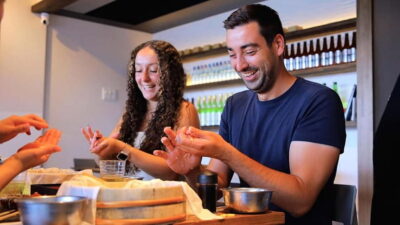 ★ 4.9Roll and Authentic Sushi Making Class in AsakusaFrom $581,957 reviews
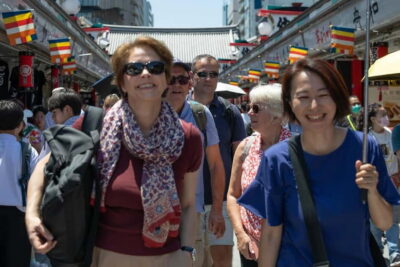 ★ 4.8Asakusa Walking Tour with Sensoji Temple VisitFrom $221,583 reviews
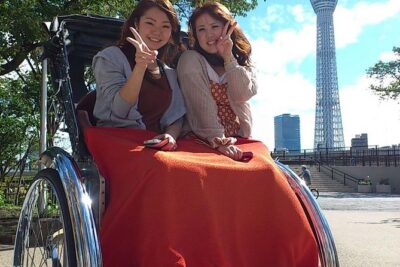 ★ 5.0Tokyo Asakusa Rickshaw TourFrom $421,375 reviews
 ★ 4.5Tokyo Panoramic 1 Day: Meiji Shrine, Asakusa, Odaiba and SKYTREE®From $851,222 reviews
 ★ 5.0Tokyo Go Kart: Asakusa, Skytree, and Akihabara **IDP MUST**From $99988 reviews
 ★ 4.7Asakusa, Skytree & Akhihabara Go-Kart City ExperienceFrom $96761 reviews
Browse the lists this tour appears in