
Reviewed · KAMAKURA DAY TRIPS
Tokyo: Day Trip to Kamakura in Spanish – Spanish
Temples and bronze Buddha, all in one day. This Kamakura outing is built for travelers who want a clear Spanish-guided path through the historic settlement, starting in Tokyo and ending right where you began. I especially love the way the day strings together big icons (like Kotoku-in’s massive bronze Buddha) with quieter moments in the temple hills, and I like how the guides make history feel like a story you can walk through. One consideration: while the tour is in Spanish, I saw a note that a guide also used English at points, so if you need Spanish only, plan with that in mind.
Kamakura itself is the payoff: you swap Tokyo’s pace for temples, greenery, and that laid-back main-street energy for lunch and browsing. Guides are described as friendly and personalized, and you’ll also get tips and recommendations so you can keep exploring after the tour. It’s also a more responsible style of travel, with the experience described as environmentally friendly, which is a nice bonus on a day trip.
In This Review
- Key highlights to know before you go
- Why Kamakura Feels Like a Reset from Tokyo
- Tokyo Station Meet-Up and the Simple Plan to Get Moving
- The Old Tram Ride That Turns Transit into Sightseeing
- Hase-dera Temple: Legends, Myths, and Walking Views
- Kotoku-in and the Giant Bronze Buddha You Can Measure in Your Mind
- The Main Shopping Street: Lunch, Browsing, and Local Tempo
- Spanish Guidance and the Real Difference Great Guides Make
- Price, What’s Included, and the Extra Costs That Actually Matter
- Eco-Friendly Touches and the Value of Getting Practical Tips
- Who This Day Trip Fits Best (and Who Should Skip It)
- Should You Book This Kamakura Tour in Spanish?
- FAQ
- What language is the tour offered in?
- How long is the Kamakura day trip?
- Where do we meet, and where does the tour end?
- Is transportation included in the price?
- Are temple tickets included?
- Does the tour use public transportation?
- Is lunch or drinks included?
- Is the tour accessible for wheelchair users or hearing-impaired people?
Key highlights to know before you go
- Spanish-focused guidance with friendly, personalized explanations
- One of Japan’s oldest trams linking Tokyo access to Hase-dera
- Hase-dera Temple with legends and myths that reward slow walking
- Kotoku-in’s Daibutsu: a second-largest bronze Buddha at 13 meters and 121 tons
- Time on Kamakura’s main shopping street for lunch and browsing
- Tips for continuing your trip after you return to Tokyo
Why Kamakura Feels Like a Reset from Tokyo
Kamakura has a different rhythm than Tokyo, and that’s exactly why a day trip works. Instead of big-city movement, you get a sequence of shrine-and-temple spaces where you can slow down, look up, and actually notice details.
I like that this tour doesn’t treat Kamakura as just a checklist. You’re guided through places with stories—especially at Hase-dera, where the legends and myths are part of what you’re seeing, not just something tacked on at the end. And then you get the contrast: the calm weight of Kotoku-in’s giant Buddha, followed by street time where you can feel the everyday side of the town.
You’ll also leave with a stronger sense of how to keep exploring on your own, because the guides share practical recommendations along the way.
Coast-and-Buddha days near Kamakura, rated
- Tokyo: Mt. Fuji, Kamakura, Big Buddha, & Lake Ashi Day Trip
★ 4.5 · 867 reviews - Tokyo:Sea of Mount Fuji, Hakone Ropeway, Ōwakudani, Enoshima
★ 4.9 · 84 reviews - Kamakura 8 hr Private Walking Tour with Licensed Guide from Tokyo
★ 5.0 · 80 reviews - Tokyo: Kamakura & Enoshima Day Tour with Pickup & Train Ride
★ 4.1 · 61 reviews
Tokyo Station Meet-Up and the Simple Plan to Get Moving
You start at Tokyo Station, in front of the station facade at Marunouchi Square (central exit). That’s a smart pick for day trips: it’s central, easy to find, and you’re not doing a complicated transfer first.
From there, the tour uses a train to reach Kamakura. The key idea is that the route is pre-built for a smooth day. Instead of you guessing transit timing, the tour structure tells you when to go, when to walk, and when to ride again—so you can focus on the sightseeing rather than the logistics.
Also, keep in mind the tour is described as 8 hours long. That’s long enough to feel you got somewhere, but short enough that you still get your Tokyo evening plans.
The Old Tram Ride That Turns Transit into Sightseeing
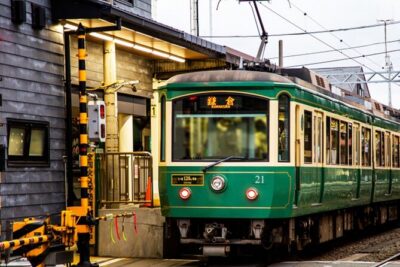
One of the most fun parts is right after you arrive: you board one of the oldest trams still in operation in Japan. This isn’t just a means to get to Hase-dera—it’s a small cultural moment in its own right, and it helps set the tone for the day.
The tram ride naturally breaks the day into phases: you go from the energy of Tokyo Station to an old-school, local transport feel, and then into the temple area. It’s also a good mental reset. Even if you already know Tokyo well, the minute you’re on that tram, you feel like you’re traveling.
Practical tip: plan for standing or close seating depending on how busy it is that day. The tour is also not designed for large luggage, so travel light.
Hase-dera Temple: Legends, Myths, and Walking Views
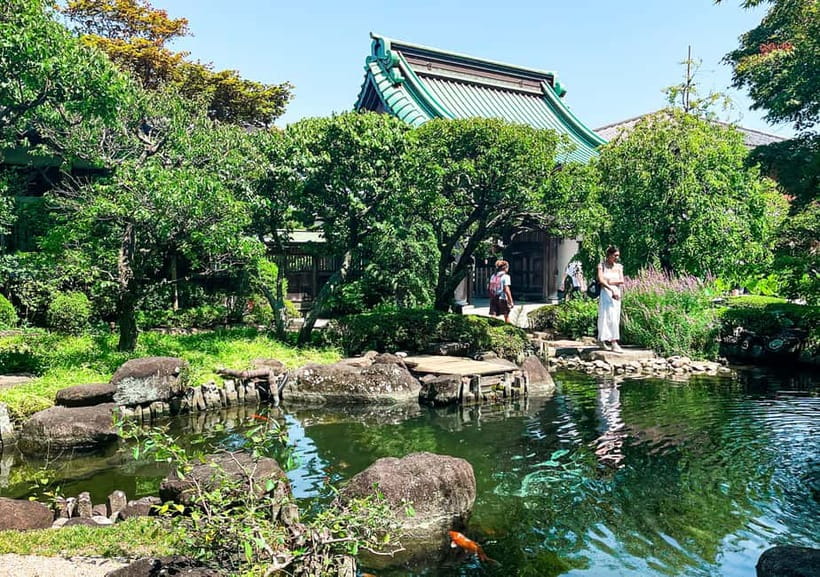
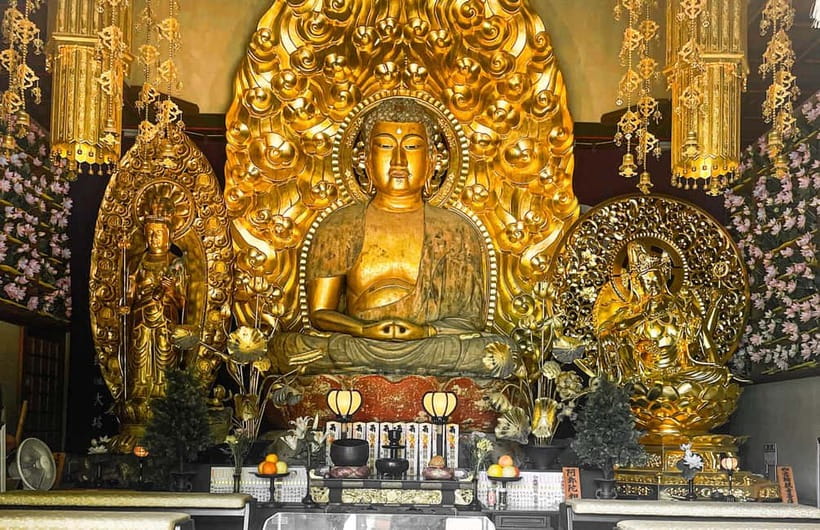
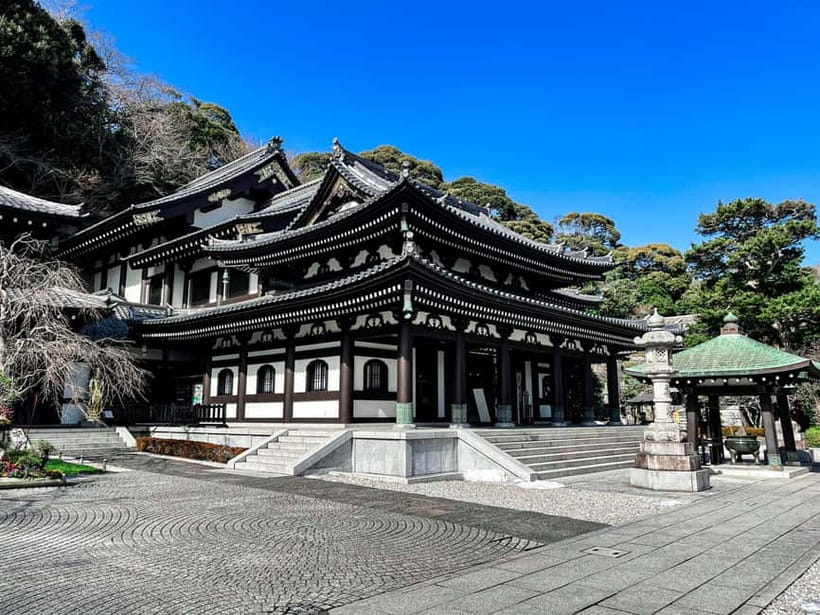
At Hase-dera Temple, the tour leans into the reason Kamakura is famous: temples here feel layered. The experience is described as steeped in myths and legends, and the surprises show up as you explore more of the grounds rather than just looking from one viewpoint.
What I like about a guided approach at Hase-dera is that you get context for what you’re seeing while you’re still there. Without that, you can end up with great photos but only half understanding the symbolism. With a good guide, the same walk becomes a moving explanation.
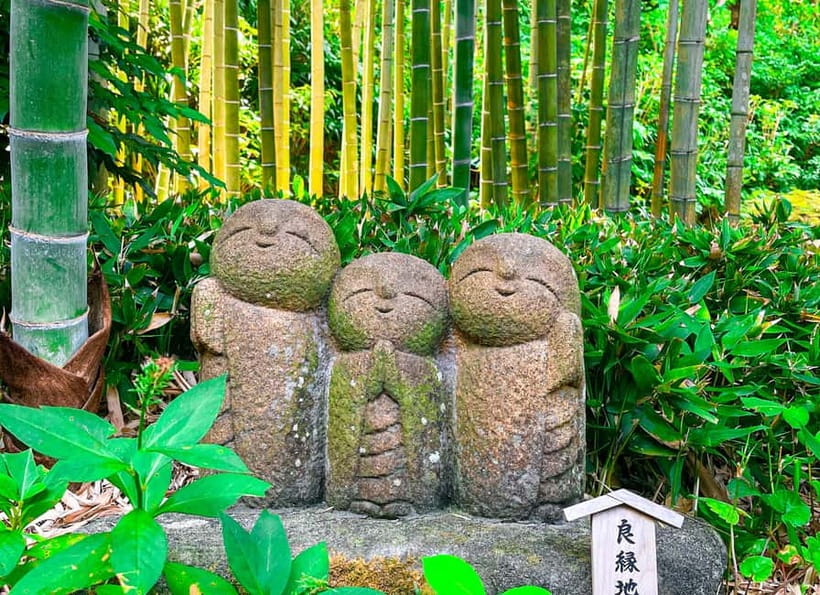
The temple visit also works well within a day trip because it’s active. You’re not sitting in one place waiting for a bus; you’re walking through an atmosphere that’s described as serene, with greenery and viewpoints that reward taking your time.
A small drawback to watch for: if you’re sensitive to crowds or have limited mobility, note that this is a walk-through temple experience (and the tour is not listed as suitable for wheelchair users). Comfortable walking shoes matter here.
Kotoku-in and the Giant Bronze Buddha You Can Measure in Your Mind
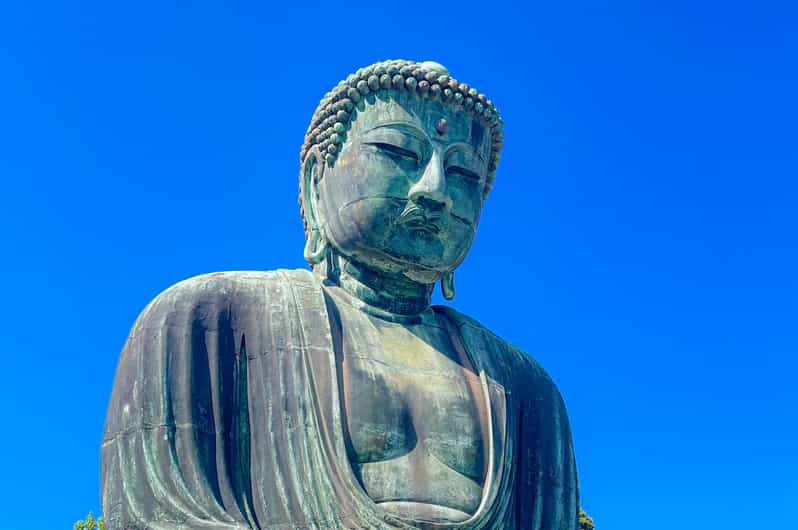
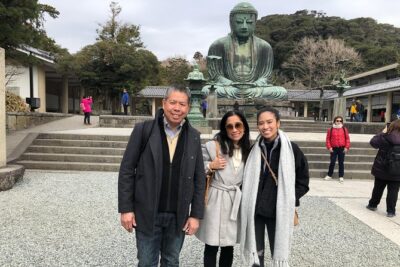
Then comes the headline stop: Kotoku-in Temple, home to the second largest bronze Buddha in Japan. The numbers are so big they stick—13 meters tall and weighing 121 tons—but what matters is how you feel when you’re standing there.
A guided tour helps here too. When you understand where the Buddha fits in the temple’s story, it stops being just an impressive object. It becomes part of the spiritual tone of Kamakura: ancient, heavy, steady, and human-sized in its impact even if it’s technically enormous.
From a travel-value perspective, this is the kind of stop that justifies booking the whole day. It’s a major sight, but it also connects you to why Kamakura became a historic settlement in the first place.
Readers also shortlisted these Tokyo bookings:
- Mt Fuji and Hakone 1-Day Bus Tour Return by Bullet Train★ 5.0 · 26,383 reviews
- 1-Day Tokyo Bus Tour★ 5.0 · 14,250 reviews
- Mt Fuji & Hakone Cruise, Drum Show Bullet Train 1 Day from Tokyo★ 4.0 · 7,413 reviews
- Tokyo: DisneySea 1-Day Passport★ 4.5 · 2,726 reviews
- Tokyo Disneyland 1-Day Passport★ 4.6 · 2,512 reviews
The Main Shopping Street: Lunch, Browsing, and Local Tempo
After the temple highlights, you shift into town life. The tour moves to the main street of the settlement, lined with shops and with a unique atmosphere.
This is your built-in chance to grab lunch and browse at your own speed. I like this structure because it gives balance: you’ve had explanations and walking time in sacred spaces, and now you get a looser segment where you can pick what you feel like—snacks, souvenirs, or just wandering.
It’s also the moment where Kamakura stops being a theme park and starts feeling like a real place. The air changes from temple quiet to street-level energy, and you can decide how long you want to linger before the train back.
Pro move: pace yourself. If you try to do every shop immediately, you’ll miss the quieter, more interesting moments along the street. Use the time for one serious stop (food or a local purchase) and then enjoy the rest like a stroll.
Spanish Guidance and the Real Difference Great Guides Make
The tour is offered in Spanish, and that matters more than people think on a day trip. When you’re in and out of temples on a tight schedule, you need clear explanations that land while you’re still looking at the details.
The praise in the tour experiences is strongly about guide quality. Names like Emi, Camila, Nikita, Nerea, Paula, and Ori.nos show up in standout comments for being patient, knowledgeable, and friendly. One guide, Nerea, was especially noted for adapting to the rhythm of children, which is a good sign if you’re traveling with a family and want the day to feel manageable.
One caution: there was a note about a bit of language confusion—Spanish was expected, but the guide also used English. If Spanish-only is non-negotiable for you, I’d treat that as a reminder to confirm expectations when you book.
Even with that, the overall theme is that the guides don’t just recite facts. They manage the day efficiently and share recommendations that help you keep enjoying Kamakura after the last photo.
Price, What’s Included, and the Extra Costs That Actually Matter
The tour price is listed as $86 per person for an 8-hour excursion. For day trips, the best way to judge value is to look at what’s bundled versus what you’ll still pay once you’re on the ground.
Here’s what’s included:
- Excursion to Kamakura in Spanish
- The tour itself runs for about 8 hours
Not included costs:
- Transportation: ¥2,300
- Temple tickets: ¥700
- Drinks and food
So, do you feel like you’re paying just for the train? Not really. You’re paying for a guided, structured route, including the tram segment and the temple visits with explanations and a plan that gets you from point A to point B without you doing the hard thinking.
In other words, the extra ¥2,300 and ¥700 are part of the reality of doing temples properly in Japan. The value is that someone handles the sequence, timing, and interpretation so you don’t waste time figuring things out while you’re there.
If you like to travel with a plan, this can be a solid deal. If you prefer total independence and you already know the transit and temple basics, it might feel like you’re paying for convenience. But if language and storytelling are priorities, the math tilts toward booking.
Eco-Friendly Touches and the Value of Getting Practical Tips
The experience is described as environmentally friendly, and I treat that as a signal that the operator is thinking about responsible travel. On a day trip, that often shows up as sensible routing and using public transportation rather than piling onto private vehicles.
The other practical value is the advice you get for continuing your trip. This matters because Kamakura doesn’t end when the guided portion ends. You’ll likely want to keep moving—maybe visit something nearby, or choose where to spend more time—and a guide’s recommendations can save you time and prevent you from backtracking.
This isn’t just about learning facts. It’s about getting your bearings quickly so the day trip becomes a launchpad, not a dead-end.
Who This Day Trip Fits Best (and Who Should Skip It)
This tour is a good fit if:
- You want Spanish guidance while moving through temples and walking streets
- You prefer a guided structure for an 8-hour day trip
- You value storytellers and clear recommendations, not just photos
- You’re traveling with kids and want a guide who can adapt pace (noted with Nerea)
It’s not a match if:
- You need wheelchair access (it’s listed as not suitable for wheelchair users)
- You rely on services for hearing-impaired travelers (it’s listed as not suitable for hearing-impaired people)
- You’re bringing large bags or luggage (not allowed)
- You’re traveling with unaccompanied minors (not allowed)
Also, think about your comfort level with walking. Temple areas and viewpoints mean you’ll be on your feet, and the tour is designed around that.
Should You Book This Kamakura Tour in Spanish?
If you want an efficient, guided Kamakura day that hits the big temple highlights—plus a realistic block of time on the main shopping street—this is an easy yes. The best reasons to book are straightforward: Spanish explanations, the memorable tram-to-temple flow, and the giant-bronze-impact stop at Kotoku-in.
I’d book especially if you care about how the day makes sense, not just what you see. The guide experience is consistently praised, with names like Camila, Emi, Paula, Nikita, Nerea, and Ori.nos linked to patient, helpful storytelling and smart recommendations.
Skip or reconsider if you need strict Spanish-only throughout, or if mobility/access needs affect your ability to walk temple grounds. Also keep your budget realistic by adding the extra temple tickets and transportation on top of the base price.
FAQ
What language is the tour offered in?
The tour is offered in Spanish.
How long is the Kamakura day trip?
It’s listed as an 8-hour excursion.
Where do we meet, and where does the tour end?
You meet in front of the Tokyo Station facade at Marunouchi Square (central exit). The tour ends back at the same meeting point.
Is transportation included in the price?
No. Transportation is not included and is listed as ¥2,300.
Are temple tickets included?
No. Temple tickets are not included and are listed as ¥700.
Does the tour use public transportation?
Yes. Public transportation is used for this excursion.
Is lunch or drinks included?
No. Drinks and food are not included.
Is the tour accessible for wheelchair users or hearing-impaired people?
No. The tour is listed as not suitable for wheelchair users and not suitable for hearing-impaired people.
More 1-Day Tours in Tokyo
- Mt Fuji and Hakone 1-Day Bus Tour Return by Bullet Train
★ 5.0 · 26,383 reviews - 1-Day Tokyo Bus Tour
★ 5.0 · 14,250 reviews - Mt Fuji & Hakone Cruise, Drum Show Bullet Train 1 Day from Tokyo
★ 4.0 · 7,413 reviews - Tokyo: DisneySea 1-Day Passport
★ 4.5 · 2,726 reviews - Tokyo Disneyland 1-Day Passport
★ 4.6 · 2,512 reviews
More Tour Reviews in Tokyo
- Mt Fuji and Hakone 1-Day Bus Tour Return by Bullet Train
★ 5.0 · 26,383 reviews - 1-Day Tokyo Bus Tour
★ 5.0 · 14,250 reviews - Tokyo: teamLab Planets TOKYO Digital Art Museum Entry Ticket
★ 4.6 · 9,779 reviews - Mt Fuji & Hakone Cruise, Drum Show Bullet Train 1 Day from Tokyo
★ 4.0 · 7,413 reviews - Tokyo: Shinjuku Food Tour (13 Dishes at 4 Local Eateries)
★ 5.0 · 6,603 reviews
More Kamakura and Enoshima Days
- Tokyo: Mt. Fuji, Kamakura, Big Buddha, & Lake Ashi Day Trip
★ 4.5 · 867 reviews - Tokyo:Sea of Mount Fuji, Hakone Ropeway, Ōwakudani, Enoshima
★ 4.9 · 84 reviews - Kamakura 8 hr Private Walking Tour with Licensed Guide from Tokyo
★ 5.0 · 80 reviews - Tokyo: Kamakura & Enoshima Day Tour with Pickup & Train Ride
★ 4.1 · 61 reviews - Kamakura Private & Customizable Tour – All-in-One Experience
★ 5.0 · 49 reviews
Latest Tokyo reviews off our desk






Kamakura Day Trips, compared.
 ★ 4.5Kamakura & Enoshima Day Trip including Temple TicketsFrom $581,375 reviews
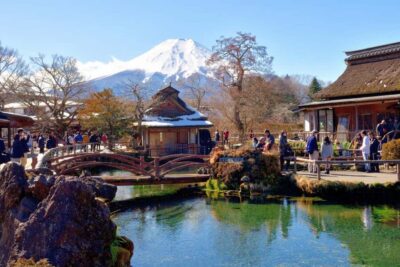 ★ 4.5Mt. Fuji, Kamakura, Big Buddha, & Lake Ashi Day TripFrom $49867 reviews
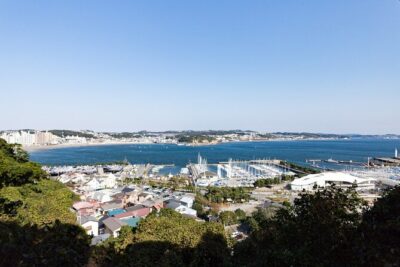 ★ 4.5From Tokyo: Kamakura & Enoshima 1-Day Bus TourFrom $66189 reviews
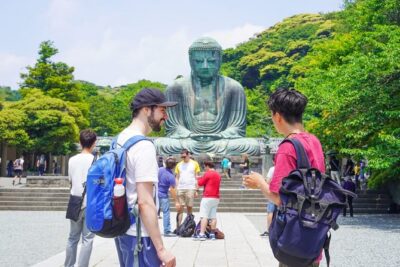 ★ 5.0Kamakura Historical Walking Tour with the Great BuddhaFrom $98129 reviews
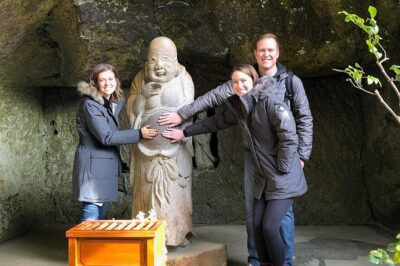 ★ 5.0Kamakura Private Tour: Temples, Nature, and the Great BuddhaFrom $98121 reviews
 ★ 5.0Kamakura Walking Tour – The City of ShogunFrom $35100 reviews
 ★ 4.9Sea of Mount Fuji, Hakone Ropeway, Ōwakudani, EnoshimaFrom $5084 reviews
 ★ 5.0Kamakura 8 hr Private Walking Tour with Licensed Guide from TokyoFrom $20180 reviews
Browse the lists this tour appears in