
Reviewed · DESSERT TOURS
Tokyo: Hama-rikyu Gardens tour with Japanese Tea & Sweets
Tokyo’s gardens teach you how to look.
A guided walk through Hama-rikyu Gardens turns a pretty place into something you can actually read, with explanations of Edo-period design and seasonal plant beauty. I especially like the dry garden style (Karesansui) and the circular viewing concept of the Kaiyushiki garden, both of which are much easier to appreciate when someone points out what you’re seeing. One thing to consider: it’s a walking tour, so you’ll want comfortable shoes, and the total time can run longer if you add the optional stops.
In my favorite part, the tour brings you into a tea ceremony room inside the garden for matcha green tea and Japanese sweets, included in the price. And when the guide is helpful—like Nori, who comes across as genuinely patient and ready to answer questions—the whole experience feels more relaxed and less like you’re rushing to take photos.
If you’re hoping to do only the garden and nothing else, pay attention to the timing. The tour includes a main garden section and then offers extra nearby sights, so you may need to decide on the spot how much you want to pack in.
In This Review
- Key highlights worth knowing before you go
- Hamarikyu Gardens: Edo-period Tokyo you can actually understand
- How the guide turns a nice walk into a real garden lesson (Nori included)
- The tea ceremony room: matcha and sweets in the garden setting
- Timing and route: 1.5 to 2.5 hours, small group, mobile ticket
- Optional add-ons near Hamarikyu: advertising, a Miyazaki clock, and Hibiya Shrine
- Advertising Museum Tokyo (optional, about 35 minutes)
- Hayao Miyazaki’s Nippon Television Giant Clock (optional, about 10 minutes)
- Hibiya Shrine (optional, about 15 minutes)
- Price check: what $85.84 buys you in Tokyo
- Who should book this tour, and who might skip it
- Should you book? My practical recommendation
- FAQ
- How long is the Hama-rikyu Gardens tour?
- What is included in the tour fee?
- Is there a tea ceremony experience during the tour?
- How big is the group?
- Where does the tour start and end?
- Is the ticket mobile?
- Are the extra stops required?
- What should I wear?
- How far in advance do people usually book?
- What if I need to cancel?
Key highlights worth knowing before you go
- Edo-period garden design explained: You get context for how the garden was planned, not just a quick walk-through
- Karesansui dry garden: Rock-and-space composition makes more sense when you learn how it’s meant to be viewed
- Kaiyushiki circular garden feel: The way sightlines work is easier to appreciate with guidance
- Tea ceremony room included: Matcha and Japanese sweets are part of the tour price, not an optional add-on
- Small group size (max 4): More questions, less crowd energy
- Optional side stops nearby: You can tack on a few short sights without a big detour
Hamarikyu Gardens: Edo-period Tokyo you can actually understand
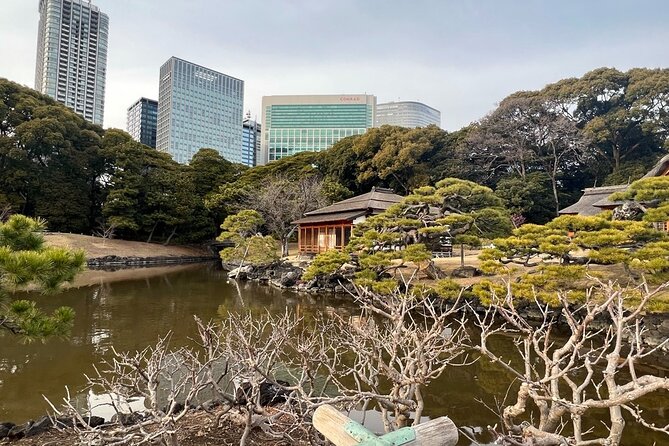
Hamarikyu Gardens is known as one of Tokyo’s major daimyo gardens from the Edo period (1603–1868). That matters because this isn’t a random park. Daimyo estates used gardens as a kind of controlled theater—space planned for seasonal changes, views, and calm moments away from daily life.
What I like is that the tour frames Hamarikyu as a design system. You’re not just strolling past pretty trees. You’re learning how Japanese garden culture works: the idea that the same place can feel different as the year moves forward, and that composition is part of the experience.
Two names show up again and again for good reason:
- Karesansui (the dry garden style): Even without water, the garden uses rock, shape, and negative space to suggest meaning. It sounds abstract until you’re standing there and someone explains what the design is doing.
- Kaiyushiki (circular-style garden): This one clicks when you understand the “viewing” angle. The garden isn’t only for one straight-on photo; it’s meant to feel like the experience wraps around you.
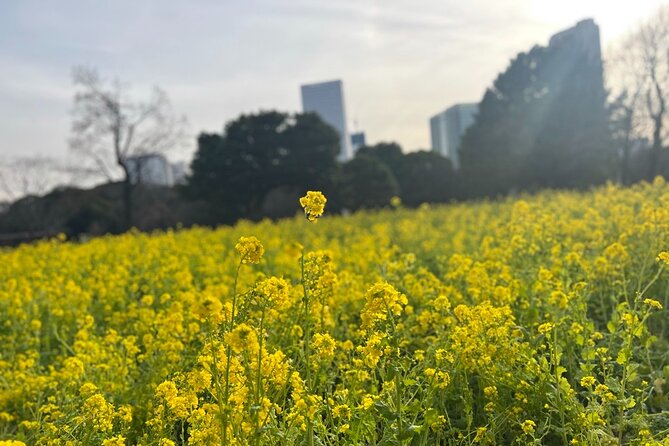
Add the seasonal plant and tree changes, and the garden becomes something you can revisit in your mind—even if your trip day is short.
Readers also shortlisted these Tokyo bookings:
- Matcha Making Class in Tokyo with Authentic Japanese Sweets Set
★ 5.0 · 744 reviews - Tokyo: Matcha Making Experience with Mochi Sweets in Asakusa
★ 4.9 · 388 reviews - Make Traditional Nerikiri Sweets & Matcha experience in Shibuya
★ 5.0 · 130 reviews - Private Mochi Sweets Making class near Shibuya area
★ 5.0 · 93 reviews
How the guide turns a nice walk into a real garden lesson (Nori included)
This tour’s value isn’t only that a guide leads you through a famous garden. It’s that the guide gives detailed history and explains the background of the garden’s design. That’s the difference between seeing a place and understanding it.
In a small group, you can ask questions without feeling like you’re holding everyone up. And based on the guide experience shared from Nori, the tone tends to be helpful and supportive. That matters, because Japanese gardens can feel mysterious if you don’t know what to look for—especially if you’ve never studied the role of rocks, sightlines, and seasonal change before.
Here’s what this kind of guided explanation helps you do:
- spot the design logic behind what you’re seeing
- connect Edo-era garden thinking to what’s still visible today
- take better photos because you know what elements are important
You’ll still walk at a comfortable pace. But you’ll leave with the satisfying feeling that you learned something, even if you’re not an expert.
The tea ceremony room: matcha and sweets in the garden setting
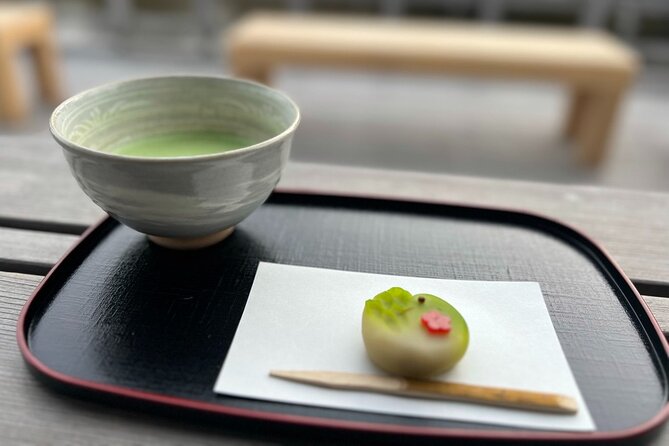
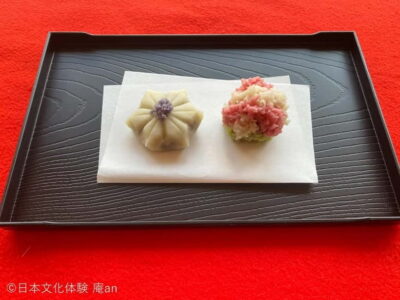
One of the most practical wins here is that the tour doesn’t treat tea as an afterthought. There’s a tea ceremony room in the garden, and you get matcha green tea plus Japanese sweets included.
Why this is worth your time: tea works as a reset. You can step away from the walking loop, slow down, and enjoy the garden setting as it changes with your perspective. If you’re the type who likes to take breaks but hates long, overpriced “tea stops,” this one is built into the experience.
You should also expect the tea moment to feel integrated rather than rushed. It’s included, which means you’re not scrambling for another activity during the busiest part of the day.
Small consideration: tea and sweets are scheduled as part of the tour rhythm, so if you’re the kind of traveler who prefers very independent pacing, you may feel slightly tethered to the group tempo.
Timing and route: 1.5 to 2.5 hours, small group, mobile ticket
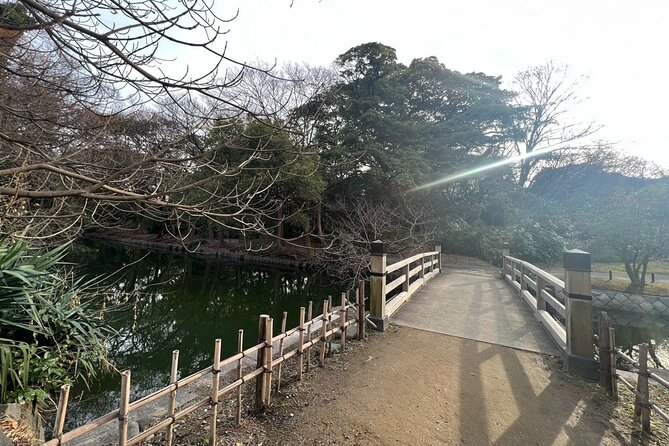
The tour runs about 1 hour 30 minutes to 2 hours 30 minutes, roughly. That range gives you a clue: the core focus is the garden, and then the experience can expand if you add optional stops.
The group size is capped at 4 travelers, which is a big deal in Tokyo. Smaller groups mean less time waiting for stragglers and more chances to ask questions. It’s also easier to keep a calmer pace in a place where you’ll want to look slowly.
Logistics are straightforward:
- You’ll have a mobile ticket.
- You’ll start near Otemon Bridge (Ginaza area) and finish at Shiodome Station.
- The end point matters because Shiodome links conveniently onward (Yurikamome and Toei Oedo line are mentioned), so you’re not stuck planning a long “how do I get out?” scramble.
And yes—listen to the shoes advice. This is a walking tour. Even if you’re only on your feet for a couple hours, comfortable shoes keep the day fun instead of annoying.
Optional add-ons near Hamarikyu: advertising, a Miyazaki clock, and Hibiya Shrine
After the garden, the experience offers three optional stops. These are short, free to enter (as listed), and they’re meant to round out your day without forcing a huge detour.
- Tokyo: Shinjuku Food Tour (13 Dishes at 4 Local Eateries)★ 5.0 · 6,603 reviews
- Tokyo Mt Fuji 5th St & Hakone Cruise Bus Tour w/Bullet Train★ 4.4 · 5,024 reviews
- Flagship 2-Hours Official Street Go-Kart Tour – Tokyo Bay Shop★ 5.0 · 4,974 reviews
- From Tokyo: Mount Fuji Full-Day Sightseeing Trip★ 4.5 · 4,970 reviews
- Tokyo: Hop-On Hop-Off Sightseeing Bus Ticket★ 3.9 · 4,207 reviews
Advertising Museum Tokyo (optional, about 35 minutes)
This is a quirky option if you like culture-by-way-of-media. The museum has exhibits about Japanese advertising, including how ads have changed over time and how Japanese advertising differs from foreign advertising.
If you’re into design, branding, or how culture shows up in everyday visuals, this can be a fun contrast to the calm of the garden.
Hayao Miyazaki’s Nippon Television Giant Clock (optional, about 10 minutes)
This one is a quick hit and easy to fit in. It’s described as a steampunk-style copper karakuri clock. When the time’s up, lights come on and the mechanism starts moving with music.
You’re not going to spend long here, but it’s the kind of stop that makes a Tokyo day feel playful—especially if you enjoy mechanical art and Studio Ghibli-related creativity.
Hibiya Shrine (optional, about 15 minutes)
Hibiya Shrine is said to have a history of about 400 years and enshrines the god of agriculture, plus a god that drives away the impure.
This is a calmer option than the museum and clock—more of a respectful pause in an office district. It’s also a good fit if you want something traditional without turning your garden day into an all-day shrine marathon.
Practical tip: keep your goal in mind. If you want a pure garden focus, skip the optional stops. If you want a little variety after seeing the garden’s design, these add-ons work nicely because each one is time-limited.
Price check: what $85.84 buys you in Tokyo
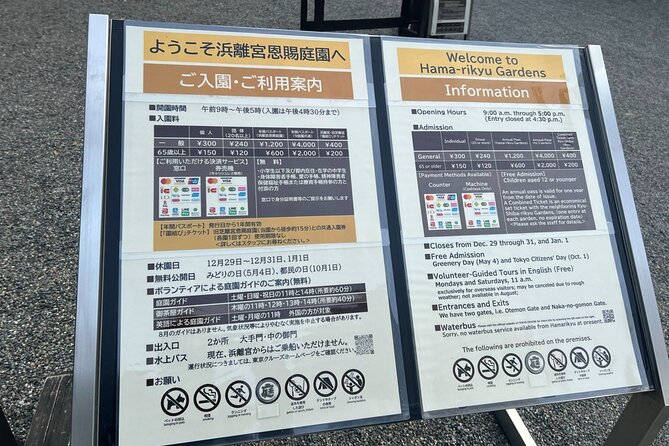
At $85.84 per person, this tour isn’t a cheap “just walk around” deal. But it does include several things that usually cost extra when you travel independently:
- Hamarikyu Gardens admission (included)
- Matcha green tea and Japanese sweets (included)
- A guide who explains the garden’s history and design background
That combination is why the price can feel fair. If you were to plan these parts on your own, you’d spend time figuring out what to look for in the garden, and you might still not get the design-focused interpretation that makes Karesansui and Kaiyushiki click.
One more angle: the tour is noted as getting booked about 49 days in advance on average. That suggests demand. For popular dates, booking ahead can help you avoid scrambling.
If you’re strongly budget-focused, a DIY garden visit might cost less. But you’d be trading away the most valuable part—the ability to understand what you’re seeing while you’re standing there.
Who should book this tour, and who might skip it
This is a strong choice if you fit one of these profiles:
- You like gardens, but you want more meaning than pretty scenery
- You’re curious about Japanese design traditions (rocks, sightlines, seasonal change)
- You want a small group experience where questions don’t feel awkward
- You want included tea and sweets without hunting down a café afterward
It may be less ideal if:
- You dislike walking or want a very seated, slow experience
- You prefer totally independent pacing and don’t want optional add-ons shaping your day
- You’re only interested in quick sightseeing photos and don’t care about garden design context
Should you book? My practical recommendation
Yes—if you want Hamarikyu to make sense. The garden itself is the star, but the real win is the guided explanation of Edo-era design and the way it helps you interpret Karesansui and Kaiyushiki while you’re there. Add in the included matcha and sweets, and you get a satisfying rhythm: walk, learn, pause, taste.
I’d book this especially if you’re traveling with limited time and you don’t want to spend that time researching what to look for. The tour is short enough to fit into a busy Tokyo itinerary, and the small group size keeps it from feeling crowded or rushed.
If, on the other hand, you’re the kind of traveler who enjoys wandering without structure, you might prefer a self-guided garden day. This tour is designed for learning, not just drifting.
FAQ
How long is the Hama-rikyu Gardens tour?
It runs approximately 1 hour 30 minutes to 2 hours 30 minutes.
What is included in the tour fee?
The tour includes matcha green tea and Japanese sweets, and Hamarikyu Gardens admission is included.
Is there a tea ceremony experience during the tour?
Yes. There’s a tea ceremony room in the garden where you’ll experience matcha green tea and Japanese sweets.
How big is the group?
The maximum group size is 4 travelers.
Where does the tour start and end?
It starts near Otemon Bridge and ends at Shiodome Station.
Is the ticket mobile?
Yes, the tour uses a mobile ticket.
Are the extra stops required?
No. Advertising Museum Tokyo, Miyazaki’s Nippon Television giant clock, and Hibiya Shrine are listed as optional.
What should I wear?
Wear comfortable walking shoes since it’s a walking tour.
How far in advance do people usually book?
On average, this tour is booked about 49 days in advance.
What if I need to cancel?
Free cancellation is available up to 24 hours before the experience start time for a full refund.
More Dessert Tours in Tokyo
- Matcha Making Class in Tokyo with Authentic Japanese Sweets Set
★ 5.0 · 744 reviews - Tokyo: Matcha Making Experience with Mochi Sweets in Asakusa
★ 4.9 · 388 reviews - Make Traditional Nerikiri Sweets & Matcha experience in Shibuya
★ 5.0 · 130 reviews - Private Mochi Sweets Making class near Shibuya area
★ 5.0 · 93 reviews - Japanese Traditional Sweets making and Tea Ceremony
★ 4.7 · 50 reviews
More Tours in Tokyo
- Mt Fuji and Hakone 1-Day Bus Tour Return by Bullet Train
★ 5.0 · 26,383 reviews - 1-Day Tokyo Bus Tour
★ 5.0 · 14,250 reviews - Tokyo: Shinjuku Food Tour (13 Dishes at 4 Local Eateries)
★ 5.0 · 6,603 reviews - Tokyo Mt Fuji 5th St & Hakone Cruise Bus Tour w/Bullet Train
★ 4.4 · 5,024 reviews - Flagship 2-Hours Official Street Go-Kart Tour – Tokyo Bay Shop
★ 5.0 · 4,974 reviews
More Tour Reviews in Tokyo
- Mt Fuji and Hakone 1-Day Bus Tour Return by Bullet Train
★ 5.0 · 26,383 reviews - 1-Day Tokyo Bus Tour
★ 5.0 · 14,250 reviews - Tokyo: teamLab Planets TOKYO Digital Art Museum Entry Ticket
★ 4.6 · 9,779 reviews - Mt Fuji & Hakone Cruise, Drum Show Bullet Train 1 Day from Tokyo
★ 4.0 · 7,413 reviews - Tokyo: Shinjuku Food Tour (13 Dishes at 4 Local Eateries)
★ 5.0 · 6,603 reviews
Latest Tokyo reviews off our desk






Dessert Tours, compared.
 ★ 5.0Matcha Making Class in Tokyo with Authentic Japanese Sweets SetFrom $21744 reviews
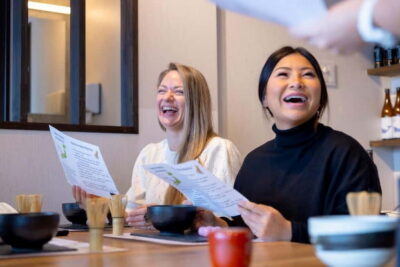 ★ 4.9Matcha Making Experience with Mochi Sweets in AsakusaFrom $22388 reviews
 ★ 5.0Make Traditional Nerikiri Sweets & Matcha experience in ShibuyaFrom $60130 reviews
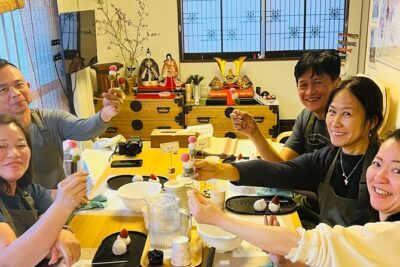 ★ 5.0Private Mochi Sweets Making class near Shibuya areaFrom $7993 reviews
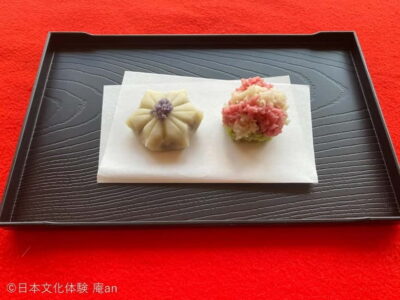 ★ 4.7Japanese Traditional Sweets making and Tea CeremonyFrom $1850 reviews
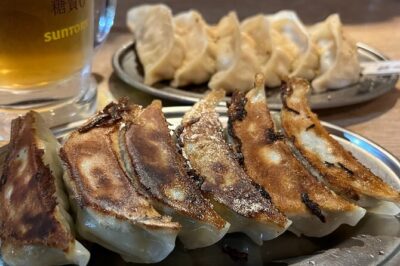 ★ 5.0Tokyo Local Food Tour: Noodles, Skewers, Dumplings, SweetsFrom $7448 reviews
 ★ 5.0Mochi Matcha Gluten Free Japanese Sweets Class near Shibuya areaFrom $11226 reviews
 ★ 4.6Two Types of Japanese Sweets Making and Tea CeremonyFrom $2826 reviews
Browse the lists this tour appears in