
Reviewed · DESSERT TOURS
Tokyo: Hama-rikyu Gardens tour with Japanese Tea & Sweets
Matcha meets Edo-era calm. This small-group tour through Hama-rikyū Gardens is built around two ideas Japanese gardeners love: controlled nature and thoughtful viewing. I like that you get more than a walk—you get context for why the garden looks the way it does, especially the signature dry and circular styles.
I also really like the payoff at the end: matcha green tea and Japanese sweets served in a tea-ceremony room inside the grounds. One thing to consider is the time is fixed at 90 minutes, so if you’re hoping for long, unstructured wandering, you’ll want to plan extra time before or after the tour.
In This Review
- Key points to know before you go
- Hama-rikyū Gardens tour: why this Edo-era setting feels special
- Small-group pace: what up to 4 people changes
- The guided garden walk: Karesansui and Kaiyushiki in plain terms
- Karesansui: meaning hidden in simple materials
- Kaiyushiki: a garden built for changing viewpoints
- Seasonal beauty you can actually notice
- Tea ceremony room break: matcha and Japanese sweets inside the garden
- Ninety minutes for $85: price and value that makes sense
- Where the tour fits in your Tokyo day
- Tips to get the most from your photos and your attention span
- Who should book this tour (and who might not)
- What I’d tell a friend: should you book?
- FAQ
- How long is the Hama-rikyū Gardens tour with Japanese tea and sweets?
- What’s included in the tour price?
- Is this tour a walking experience?
- What garden highlights will we see?
- How long is the guided part versus the tea part?
- Is the tour offered in English?
- How big is the group?
- Where do we meet and where do we get dropped off?
- Can I cancel if my plans change?
- Can I book without paying right away?
Key points to know before you go
- Edo-period design in a modern city setting makes it feel like a quiet pause in Tokyo
- Karesansui (dry landscape) and Kaiyushiki (circular garden) are the two star “styles” you’ll focus on
- English live guide keeps the garden’s symbols clear, not just pretty
- Matcha + Japanese sweets included gives you a structured cultural break
- Small group (up to 4) means you can ask questions and move at an easy pace
- Comfortable shoes matter since you’ll be walking through the garden
Hama-rikyū Gardens tour: why this Edo-era setting feels special
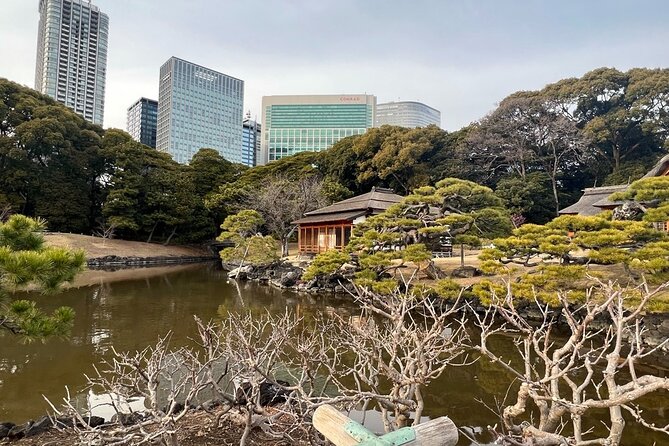
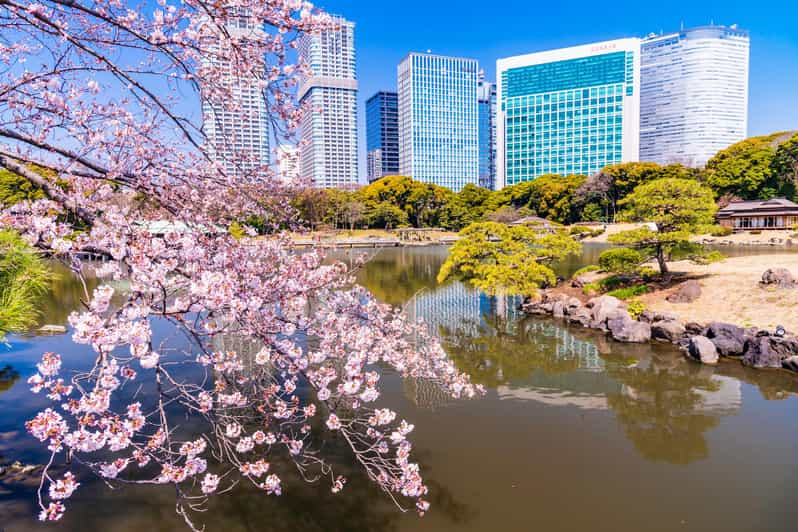
Hama-rikyū Gardens has that classic Tokyo contrast: city energy outside, then a carefully arranged quiet inside. The garden dates to the Edo period, when wealthy families and courtly culture put serious thought into how nature should be framed for human viewing.
What makes this tour work is the pairing. You don’t just look at ponds, stone, and plantings—you learn what you’re seeing and why it matters in Japanese garden design. Then, you slow down again in the tea room with a cup of matcha and sweets while the scenery stays in front of you.
If you enjoy history, this style of garden won’t feel like museum glass. You’ll be standing in it, walking through it, and taking pictures with better context than just “pretty place.”
Readers also shortlisted these Tokyo bookings:
- Matcha Making Class in Tokyo with Authentic Japanese Sweets Set
★ 5.0 · 744 reviews - Tokyo: Matcha Making Experience with Mochi Sweets in Asakusa
★ 4.9 · 388 reviews - Make Traditional Nerikiri Sweets & Matcha experience in Shibuya
★ 5.0 · 130 reviews - Private Mochi Sweets Making class near Shibuya area
★ 5.0 · 93 reviews
Small-group pace: what up to 4 people changes
This isn’t a big bus-and-brochure kind of stop. The group is limited to 4 participants, with a live English guide. That small size matters more than you’d think, because garden culture is full of details—angles, materials, and planting intentions—that are hard to notice when the group is moving fast.
With fewer people, you can pause and look again without feeling rushed. You also get a better chance to ask follow-up questions, especially when the guide explains design choices tied to Edo-period taste.
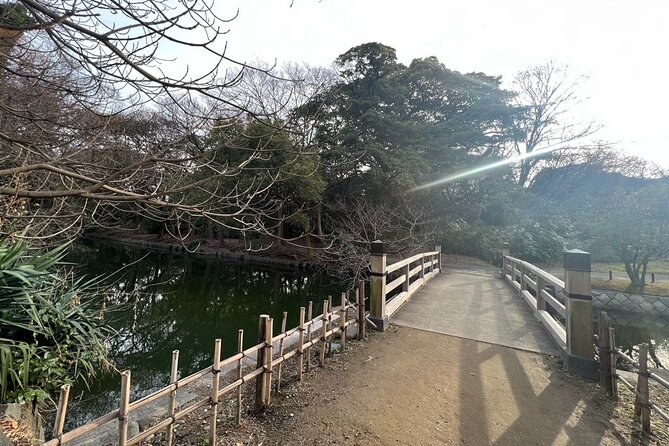
One practical note: it’s a walking tour. Even though the total time is only 90 minutes, you’ll still want comfortable walking shoes so you can enjoy the route instead of thinking about your feet.
The guided garden walk: Karesansui and Kaiyushiki in plain terms
The tour begins with a guided portion (about 30 minutes) inside Hama-rikyū Gardens. This is where you’ll get oriented to the garden’s big two highlights: Karesansui (dry landscape garden) and Kaiyushiki (circular garden).
Karesansui: meaning hidden in simple materials
Karesansui often looks deceptively minimal at first—stones, raked patterns, and carefully placed elements. The value here is having someone explain how these elements work together. You’ll learn how negative space and arrangement can suggest water or distance without needing a pond in the frame.
If you’ve seen dry landscape gardens before, you’ll still probably appreciate the clearer “what to look for” guidance. And if you haven’t, this is a good starter introduction because the garden helps you connect symbol to viewpoint.
Kaiyushiki: a garden built for changing viewpoints
Then there’s Kaiyushiki, the circular-style design. Instead of forcing you to march in a straight line, this style encourages turning your attention—seeing how the garden looks from different spots.
In practical terms, it’s a nice change from gardens that feel like a one-way route. You’ll likely find it easier to take photos because you can reposition yourself to catch the composition the guide is pointing out.
- Tokyo: Shinjuku Food Tour (13 Dishes at 4 Local Eateries)★ 5.0 · 6,603 reviews
- Tokyo Mt Fuji 5th St & Hakone Cruise Bus Tour w/Bullet Train★ 4.4 · 5,024 reviews
- Flagship 2-Hours Official Street Go-Kart Tour – Tokyo Bay Shop★ 5.0 · 4,974 reviews
- From Tokyo: Mount Fuji Full-Day Sightseeing Trip★ 4.5 · 4,970 reviews
- Tokyo: Hop-On Hop-Off Sightseeing Bus Ticket★ 3.9 · 4,207 reviews
Seasonal beauty you can actually notice
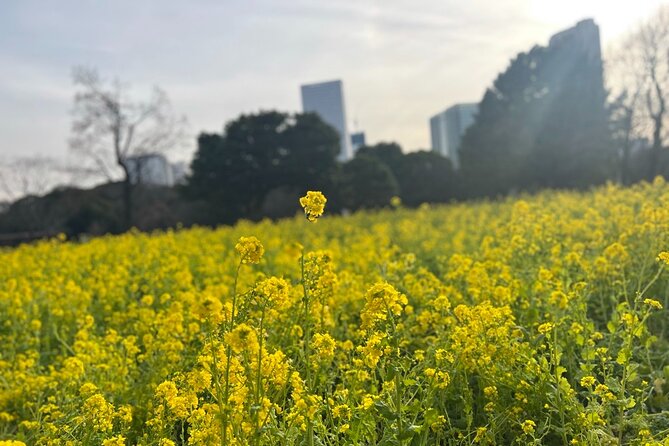
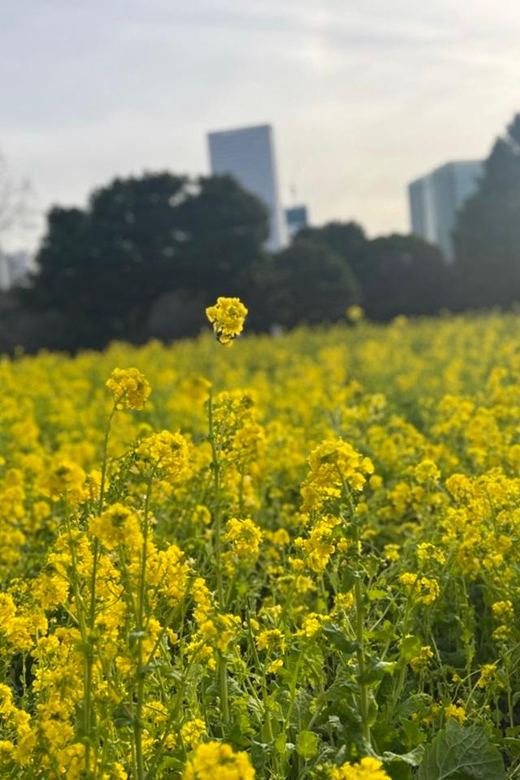
Hama-rikyū Gardens is known for changing with the seasons. The trees, plants, and flowering moments shift the mood of the space, and this matters because Japanese gardens aren’t only about one perfect day—they’re about how time alters the design.
With a guide, you’re not stuck guessing what you’re seeing. Instead, you get prompts for noticing things like form, texture, and the way plantings guide your eye toward key views.
Also, garden culture in Japan often rewards patience. The quiet benefit of a guided route is that you don’t have to “figure it out” alone. You can spend your energy looking and photographing rather than trying to decode every element on the spot.
Tea ceremony room break: matcha and Japanese sweets inside the garden
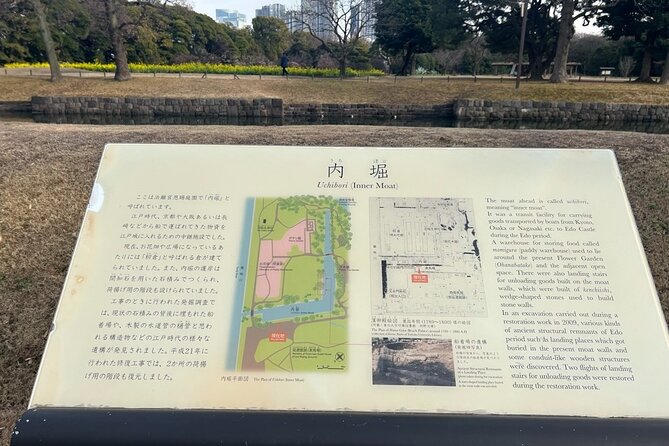
After the walking portion, the tour moves into the tea ceremony room (about 1 hour). This is not just a snack stop. It’s part of why the tour feels balanced: you get movement first, then a slower cultural moment.
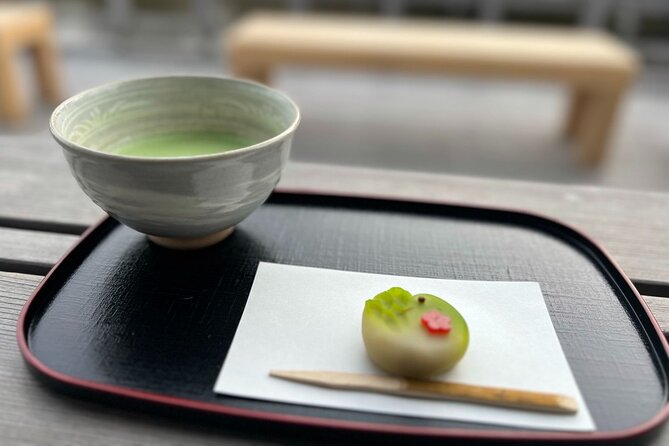
You’ll have matcha green tea plus Japanese sweets included in the tour fee. Matcha here is served as part of the experience, while the garden scenery stays close enough to make the tea feel connected to where you are.
People have praised the tea component as a true highlight. Some guests have singled out the combination of matcha and the sweets, describing it as memorable. It’s also a smart contrast: the garden can feel visual and symbolic, while tea is about taste, pace, and attention.
If you’re the kind of person who loves cultural details (how a pause can be part of the experience), this section delivers.
Ninety minutes for $85: price and value that makes sense
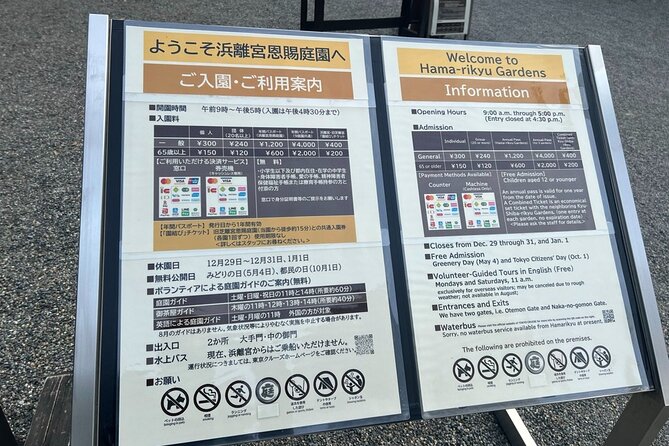
At $85 per person for 90 minutes, you’re paying for three main things: a guided explanation, a small-group experience, and the included tea break.
Here’s why that can be good value:
- Your time is structured. A 90-minute tour means you’re not spending half a day trying to interpret garden symbolism.
- The group is small. Up to 4 people is a real quality upgrade compared with crowded tours.
- Tea and sweets are included. You’d likely spend money on refreshments anyway, and having them inside the garden ties the meal to the setting.
Is it expensive? Tokyo experiences often are. But this one avoids a common trap: it doesn’t feel like you’re paying just to walk around. The guide’s role is built into the schedule, and the tea is part of the experience rather than an optional add-on.
If you’re short on time and you want the garden’s best parts explained without guesswork, the price starts to feel fair.
Where the tour fits in your Tokyo day
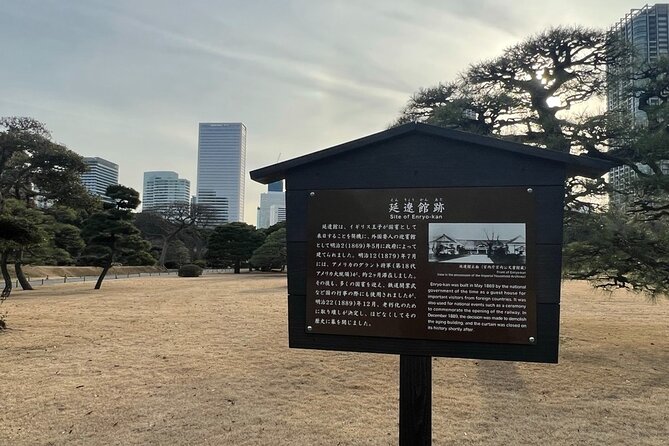
This tour works best when you want a focused cultural stop rather than an all-day mission. You’ll finish back at a drop-off point near Shiodome Station, which is convenient if your plans include Ginza-area wandering or returning toward central transit.
The meeting point can vary depending on which option you book, with two starting choices listed: Otemon Bridge (大手門橋) or Shiodome Station (汐留駅) area. That flexibility helps if you’re already near different parts of the city.
Timing-wise, plan for a comfortable pace. Since the tour includes walking and then tea, it’s not ideal if you’re rushing between far-apart neighborhoods. Better to keep the day’s schedule light enough that you can actually enjoy the garden’s slower rhythm.
Tips to get the most from your photos and your attention span
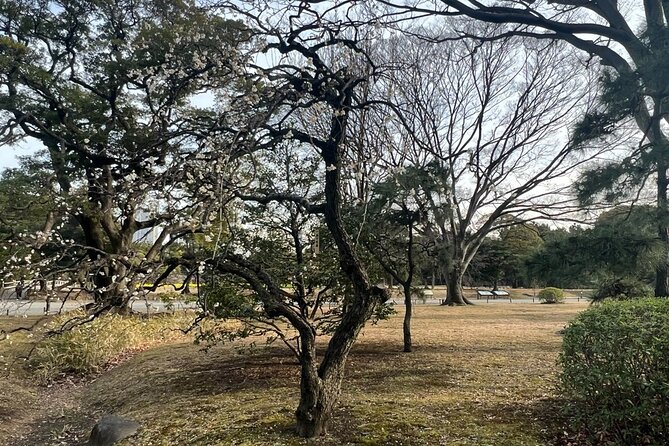
A guided garden tour is also a photo tour, but the best shots usually come from understanding the view you’re trying to frame. Use the guide’s explanations to decide where to stand next instead of random repositioning.
A few practical things that help:
- Bring your phone/camera, but also be ready to look with your eyes first. The guide will point you toward the features worth photographing.
- Wear shoes you can walk in comfortably. The tour is short, but garden paths still add up.
- If you have matcha preferences, keep an open mind. Matcha is a specific flavor and it’s part of the experience, not a choice like coffee or tea bags.
- Take advantage of the small group. When you ask a quick question, you often learn exactly what makes the next viewpoint meaningful.
Who should book this tour (and who might not)
This is a great fit if you:
- Want an easy, guided introduction to Japanese garden culture
- Like history but prefer it explained in a way you can see right away
- Enjoy matcha or want to try Japanese sweets in a setting connected to the landscape
- Travel with limited time and want a high signal-to-noise stop
You might skip it if you:
- Want hours of solo wandering with no structure
- Don’t care about garden symbolism or design styles (Karesansui and Kaiyushiki are the point)
What I’d tell a friend: should you book?
Yes, you should book this tour if you want a short Tokyo experience that feels calm and cultural, with clear payoffs. The guided 30-minute garden walk plus an hour of matcha and sweets is a solid ratio of learning, scenery, and rest.
The best part is that the tour doesn’t treat the garden like a background. It treats it like a designed space with meaning. That’s why you’ll leave with more than photos—you’ll leave with better eyes.
If you’re traveling in a group, this small size (up to 4) also helps keep the experience personal. I’d book it for a day when you want something gentler than the usual city sprint.
FAQ
How long is the Hama-rikyū Gardens tour with Japanese tea and sweets?
The tour lasts 90 minutes.
What’s included in the tour price?
The tour includes a live English guide and matcha green tea with Japanese sweets.
Is this tour a walking experience?
Yes. It’s described as a walking tour, and comfortable walking shoes are recommended.
What garden highlights will we see?
The tour focuses on Karesansui (dry landscape garden) and Kaiyushiki (circular garden).
How long is the guided part versus the tea part?
The guided tour is about 30 minutes, followed by about 1 hour for the tea ceremony experience.
Is the tour offered in English?
Yes, it’s a live tour guide in English.
How big is the group?
It’s a small group limited to 4 participants.
Where do we meet and where do we get dropped off?
The meeting point may vary depending on the option booked. Drop-off locations include Shiodome Station (汐留駅).
Can I cancel if my plans change?
You can cancel up to 24 hours in advance for a full refund.
Can I book without paying right away?
Yes, there is a Reserve now & pay later option, letting you book now and pay nothing today.
More Dessert Tours in Tokyo
- Matcha Making Class in Tokyo with Authentic Japanese Sweets Set
★ 5.0 · 744 reviews - Tokyo: Matcha Making Experience with Mochi Sweets in Asakusa
★ 4.9 · 388 reviews - Make Traditional Nerikiri Sweets & Matcha experience in Shibuya
★ 5.0 · 130 reviews - Private Mochi Sweets Making class near Shibuya area
★ 5.0 · 93 reviews - Japanese Traditional Sweets making and Tea Ceremony
★ 4.7 · 50 reviews
More Tours in Tokyo
- Mt Fuji and Hakone 1-Day Bus Tour Return by Bullet Train
★ 5.0 · 26,383 reviews - 1-Day Tokyo Bus Tour
★ 5.0 · 14,250 reviews - Tokyo: Shinjuku Food Tour (13 Dishes at 4 Local Eateries)
★ 5.0 · 6,603 reviews - Tokyo Mt Fuji 5th St & Hakone Cruise Bus Tour w/Bullet Train
★ 4.4 · 5,024 reviews - Flagship 2-Hours Official Street Go-Kart Tour – Tokyo Bay Shop
★ 5.0 · 4,974 reviews
More Tour Reviews in Tokyo
- Mt Fuji and Hakone 1-Day Bus Tour Return by Bullet Train
★ 5.0 · 26,383 reviews - 1-Day Tokyo Bus Tour
★ 5.0 · 14,250 reviews - Tokyo: teamLab Planets TOKYO Digital Art Museum Entry Ticket
★ 4.6 · 9,779 reviews - Mt Fuji & Hakone Cruise, Drum Show Bullet Train 1 Day from Tokyo
★ 4.0 · 7,413 reviews - Tokyo: Shinjuku Food Tour (13 Dishes at 4 Local Eateries)
★ 5.0 · 6,603 reviews
Latest Tokyo reviews off our desk






Dessert Tours, compared.
 ★ 5.0Matcha Making Class in Tokyo with Authentic Japanese Sweets SetFrom $21744 reviews
 ★ 4.9Matcha Making Experience with Mochi Sweets in AsakusaFrom $22388 reviews
 ★ 5.0Make Traditional Nerikiri Sweets & Matcha experience in ShibuyaFrom $60130 reviews
 ★ 5.0Private Mochi Sweets Making class near Shibuya areaFrom $7993 reviews
 ★ 4.7Japanese Traditional Sweets making and Tea CeremonyFrom $1850 reviews
 ★ 5.0Tokyo Local Food Tour: Noodles, Skewers, Dumplings, SweetsFrom $7448 reviews
 ★ 5.0Mochi Matcha Gluten Free Japanese Sweets Class near Shibuya areaFrom $11226 reviews
 ★ 4.6Two Types of Japanese Sweets Making and Tea CeremonyFrom $2826 reviews
Browse the lists this tour appears in