
Reviewed · AKIHABARA ANIME TOURS
Tokyo/Ikebukuro Manga lesson by acitive pro-Manga artists
A Manga lesson in Ikebukuro is way more practical than you’d expect. This two-hour workshop led by active pro manga artists turns Japanese pop-culture talk into hand-on drawing, with specialized tools and an English interpreter. It’s held near Ikebukuro, right by Animate, so it fits neatly into a day of exploring.
I especially like two parts: the chance to make original characters and produce a short story comic, and the fact you actually use manga tools like a G-pen and screen tone instead of doing “draw-the-shape” busywork. A small-group size helps too, so you’re not stuck watching from the back.
One consideration: at $127 for just two hours, it’s not the kind of training where you’ll master every line-quality trick like a full multi-day art course. If your goal is very detailed, technical improvement, choose the right level (and be realistic about time).
In This Review
- Key things to know before you go
- Ikebukuro and Manga Dojo Tokyo: where the workshop fits
- Two hours, three levels: choose Beginner, Intermediate, or Advanced
- What you actually draw: characters, yonkoma, and short stories
- Your tool kit: G-pen, screen tone, and manga paper
- The flow of the class: from manga talk to drawing steps
- Working pros and the behind-the-scenes part (Q&A included)
- English interpretation that keeps you drawing
- Price and value: is $127 worth it?
- Who should book this workshop, and who might not
- Practical tips for a smoother session near Animate
- Should you book? My quick decision guide
- FAQ
- How long is the Tokyo/Ikebukuro manga lesson?
- Where is the meeting point?
- What does the price include?
- Is food provided?
- Do I need drawing experience to join?
- Are there different course levels and schedules?
- Can kids participate?
- How many people are in each class?
- What languages are offered during the workshop?
- Is it canceled for free if plans change?
- Is the workshop wheelchair friendly?
Key things to know before you go
- Active professional manga artists lead the session and talk about real work and career life
- Small group (up to 8 people) means more help while you draw
- Hands-on tools included: G-pen, screen tone, and manga paper
- You create your own characters and build a short comic, often a 4-panel yonkoma
- English interpretation is provided, with clear support during instruction
- Course levels range from Beginner to Advanced, including storyboarding and Q&A
Ikebukuro and Manga Dojo Tokyo: where the workshop fits
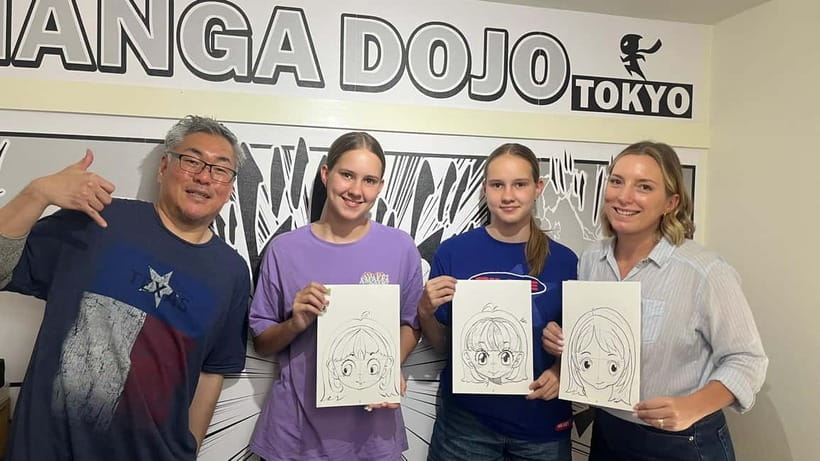
This experience runs out of MANGA DOJO TOKYO, in Honshu, Japan, with the venue near Ikebukuro and right next to Animate. That location matters more than you’d think. It’s easy to plan around, and you won’t waste time trying to figure out where the class actually starts after a long day in town.
The setting is built for learning, not for show. You’re in a studio-style workshop format with a small group limited to 8 participants. That cap helps your session feel less like a lecture and more like a guided art desk, where you can ask questions and keep moving through the steps.
More of Akihabara, ranked by our reviewers
- Official Street Go-Kart Tour – Akihabara
★ 5.0 · 1,578 reviews - Tokyo Go Kart: Asakusa, Skytree, and Akihabara **IDP MUST**
★ 5.0 · 988 reviews - Akihabara Anime & Game Adventure Walking Tour (Group or Private)
★ 5.0 · 404 reviews - Tokyo: Gameboy Mod Workshop at Akihabara
★ 5.0 · 253 reviews
Two hours, three levels: choose Beginner, Intermediate, or Advanced
The lesson is offered in three course levels, each tied to what you’re likely to be comfortable drawing. No experience is required, but the level choice changes how much technique depth you’ll get and what you’ll focus on.
Beginner course (10:00–12:00)
Designed for children and families, especially junior high school and younger. Expect basics of character drawing and simple manga techniques, taught in a friendly, low-pressure way.
Intermediate course (13:00–15:00)
Best for high school students and adults who already draw illustrations or manga as a hobby. This level focuses on character design, how to draw chibi characters, and creating a 4-panel comic (yonkoma).
Advanced / Professional course (15:00–17:00)
For advanced learners and people aiming higher. You’ll get instruction geared toward specialized manga production techniques: advanced character design, panel layout & storyboarding, and anatomy and facial expressions. You’ll also have career advice and a Q&A session with the working artist.
If you’re unsure, go one level lower. Two hours is short, and the goal is to leave with a comic page you understand, not a sketch you can’t finish.
What you actually draw: characters, yonkoma, and short stories
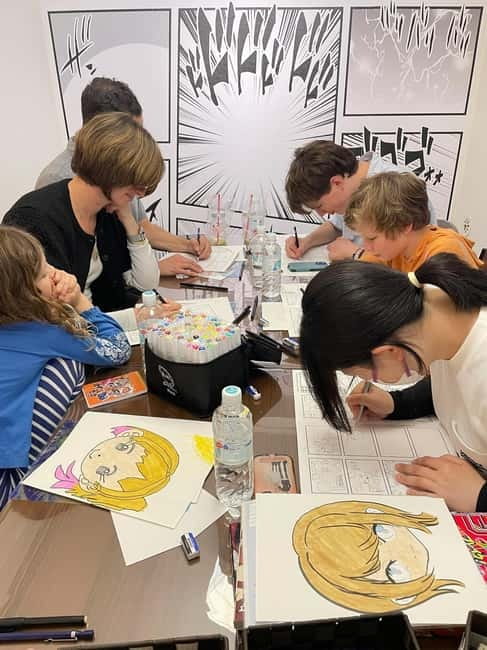
The workshop is built around a simple promise: you won’t just learn theory. You’ll draw your own manga using guidance from working manga artists.
Across the courses, the core outcomes are similar:
- You learn character creation—how to build a manga character you can recognize instantly
- You practice manga drawing techniques using proper tools
- You create a short story comic together during class
For the Intermediate course, you specifically make a 4-panel comic (yonkoma). That structure is gold for first-timers. Four panels force you to think like a storyteller—setup, action, reaction, punchline or wrap-up—without needing to invent an entire series.
For Advanced students, the emphasis shifts toward the planning side: panel layout & storyboarding, plus more attention to facial expressions and anatomy. Even if you’re not trying to become a professional, this is the part that makes manga drawings feel like manga instead of “just comic art.”
Your tool kit: G-pen, screen tone, and manga paper
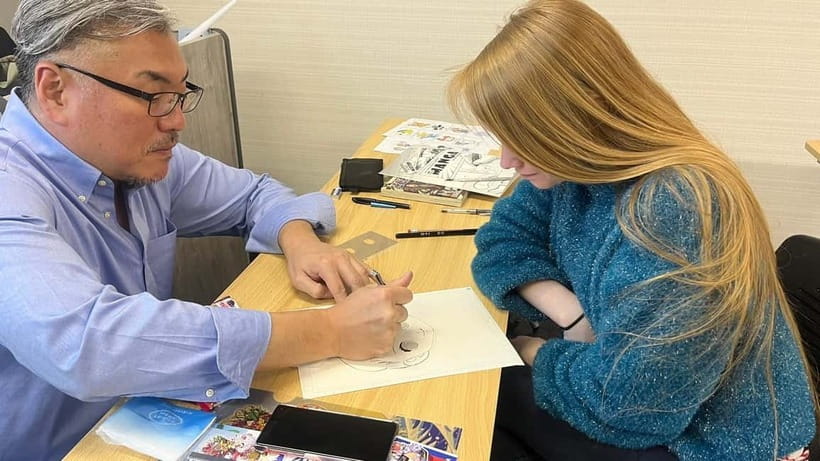
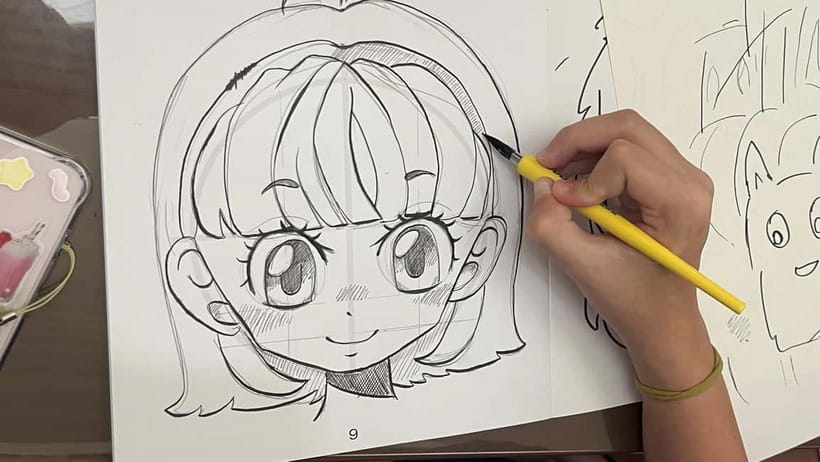
One of the biggest value points here is that you’re not taught with a generic marker-and-paper approach. The workshop provides professional drawing equipment, including tools like G-pen and screen tone and manga paper.
Why this matters: manga tools change how lines behave and how shading communicates emotion. Screen tone, for example, is a fast way to add depth and mood. If you’ve only seen printed manga, you might not realize that the look comes from deliberate material choices.
The class also gives you a guided way to use the tools safely and accurately. You’re not left guessing how hard to press or how to keep lines clean. That’s a huge help when you’re learning in real time.
The flow of the class: from manga talk to drawing steps
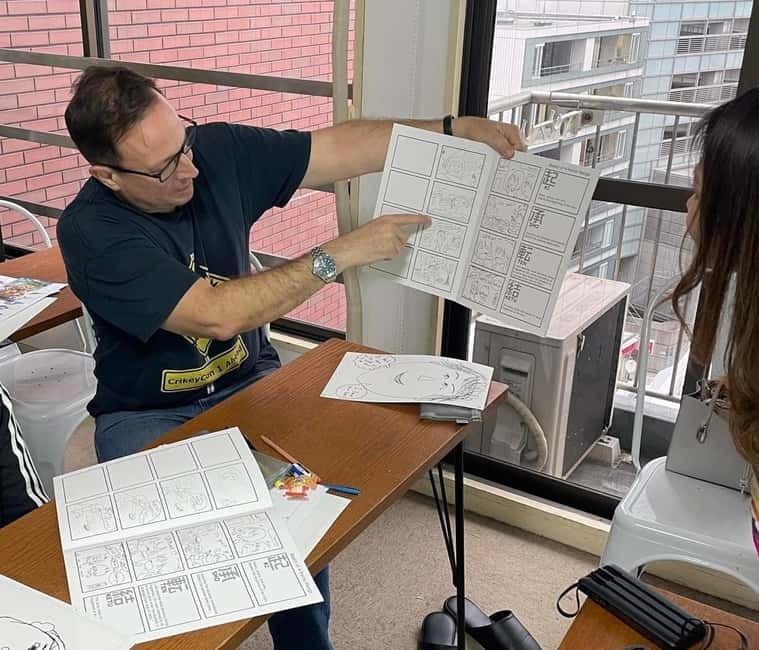
Even with different levels, the workshop follows a recognizable rhythm, and that rhythm is what keeps it from feeling chaotic.
Typically, you get:
- A presentation about manga history and culture, plus how manga production works
- A transition into art instruction where you learn drawing steps in a clear order
- Guided practice that leads you toward your own character and short comic output
- Time for questions, depending on the course level
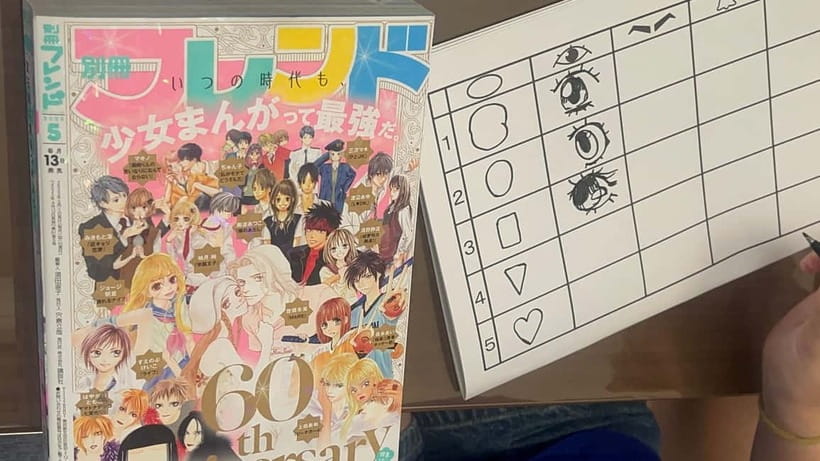
In one of the sessions, the teaching included a face-drawing walkthrough and a practical exercise on drawing a character like Pukachu (spelled that way in the session notes). That kind of example isn’t about copying. It helps you understand proportions and line choices quickly, then you apply the same thinking to your own character.
There’s also a group activity element that turns the class into more than solo practice. You’re making a comic together, so you get to see how other people interpret the same story structure.
Readers also shortlisted these Tokyo bookings:
- Sushi Making Tokyo Roll and Authentic Japanese Sushi Class★ 5.0 · 3,971 reviews
- Tokyo: Roll and Authentic Sushi Making Class in Asakusa★ 4.9 · 1,957 reviews
- Tokyo Shinjuku Chopsticks Making Class★ 5.0 · 1,763 reviews
- Tokyo: Sushi Making Class in a Happi Coat near a Famous Spot★ 4.9 · 1,377 reviews
- Chopstick Making Workshop in Ginza★ 4.8 · 1,366 reviews
Working pros and the behind-the-scenes part (Q&A included)
This isn’t a class taught by someone who used to draw. It’s led by active professional manga artists who have published comics. That shows in the way career questions are handled—especially in the Advanced / Professional option, which includes manga artist career advice and a Q&A session.
If you’ve ever wondered how manga artists make a living, this is where you get real answers. You can ask direct questions about day-to-day work and what it takes to keep producing.
In past sessions, the instruction has included the teacher showing comics they themselves drew, along with explanation of how they think through character design. That makes the lesson feel grounded in real production, not just “style tips.”
English interpretation that keeps you drawing
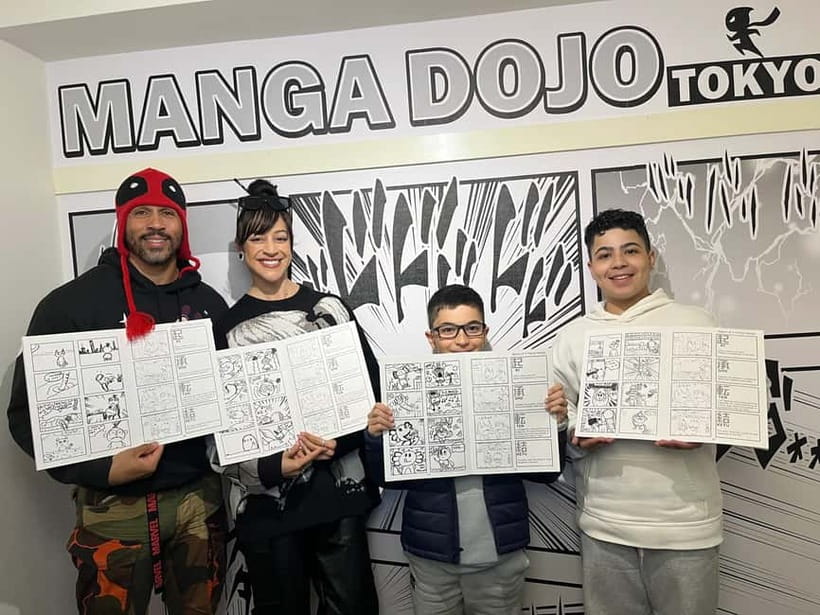
An English interpreter is present during the class. That matters because manga instruction is visual. If language support is weak, you end up staring at hands and hoping you guessed the step right.
In sessions with English support, the interpretation has been described as helpful and easy to follow. The translator Akari comes up in session notes as a key part of making the class work smoothly, especially when language is a concern.
You don’t need fluent Japanese to participate. Just bring your curiosity and be ready to ask questions when you don’t understand a step.
Price and value: is $127 worth it?
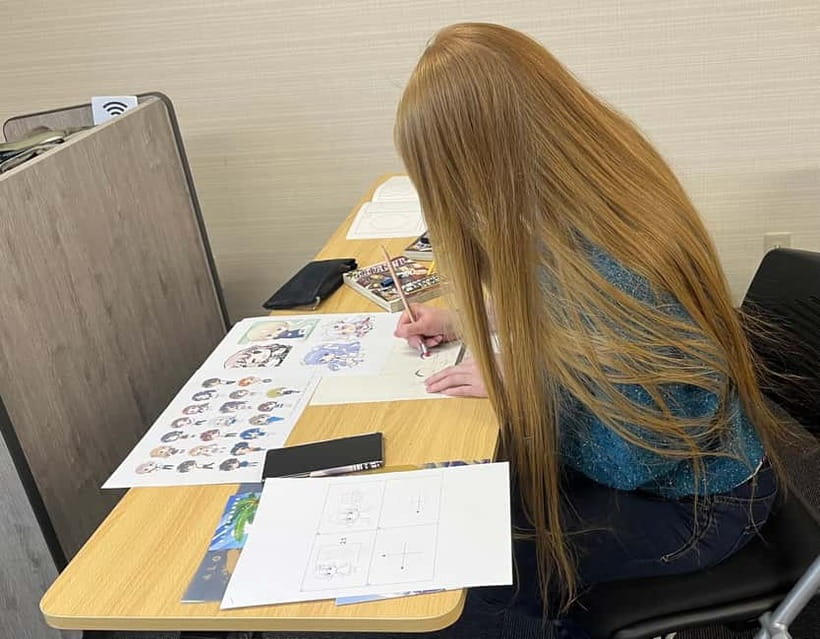
Let’s talk money in a practical way. $127 per person for a two-hour workshop is not cheap. Some people feel it should be priced lower, especially if they expected a deeper technical “master class” level of instruction in that short window.
At the same time, the price does include meaningful items and teaching structure:
- All equipment for drawing (G-pen, screen tone, manga paper)
- English interpretation
- A small group capped at 8 participants
- Instruction by active professional manga artists
- A small gift from the manga artist
For me, the value question is simple: this class is best if you want a guided, hands-on taste of manga creation—enough to leave with your own character and comic structure, plus clear instruction you can practice later. If your goal is highly technical mastery or lots of “extra practice pages,” then two hours might feel thin.
A smart move is picking the level that matches you. The wrong level can make the time feel less useful.
Who should book this workshop, and who might not
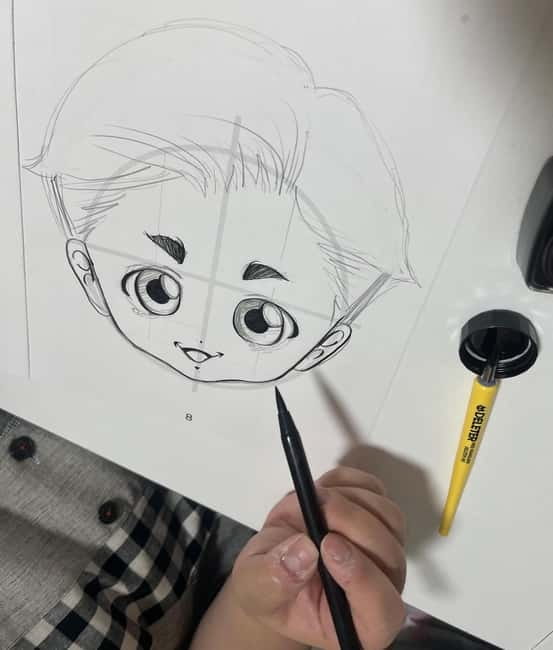
This experience is designed for children and adults, with different course levels built around age and drawing comfort. It’s also described as having no experience requirement, which is reassuring if you’re new to manga drawing.
It’s a strong fit if you:
- Want a fun Tokyo activity that’s hands-on, not just viewing
- Like Japanese pop culture and want to understand the process behind it
- Are okay with short-form learning in a guided workshop setting
- Enjoy drawing and want structured feedback while you work
It might be a mismatch if you’re looking for:
- Long, detailed technique training sessions
- A full professional portfolio lesson in one sitting
- A class that functions like an art course substitute
There’s also a note under not suitable for children under 5 years. And for wheelchair considerations, the details conflict: the activity is marked wheelchair accessible, yet it also lists wheelchair users as not suitable. If you or anyone in your group uses a wheelchair, confirm directly with the provider before you book.
Practical tips for a smoother session near Animate
This workshop location near Animate makes it easier to plan your day, but the class itself runs on workshop time. Here are a few things that help:
- Choose your level carefully. If you’re unsure, selecting Beginner or Intermediate is usually safer than jumping into Advanced expecting everything to click instantly.
- Arrive ready to draw. You’ll get more out of the steps when your attention is on the instructor’s pace, not on unpacking or getting oriented late.
- Ask questions early. The best answers often come before you lock in your first draft.
- Focus on the assignment goal (character + short story comic structure) instead of perfecting every tiny line.
Should you book? My quick decision guide
Book this workshop if you want an energetic, structured, hands-on manga experience with tools included, a professional teaching you directly, and a class size small enough to feel personal. The chance to create original characters and produce a short comic in just two hours is exactly the kind of activity that turns a Tokyo day into something you can take home.
Hold off or ask more questions before booking if your main goal is heavy technical improvement or a very detailed drawing curriculum. At $127, the best match is someone who values guidance, tools, and a finished mini-comic over long practice.
If you pick the right level and show up with a willingness to follow the steps, this is the kind of creative experience that feels like Japan made practical.
FAQ
How long is the Tokyo/Ikebukuro manga lesson?
The workshop lasts 2 hours.
Where is the meeting point?
The meeting point may vary depending on the option booked, but the venue is near Ikebukuro, right next to Animate.
What does the price include?
It includes all manga drawing equipment, a small gift by a manga artist, and English interpretation.
Is food provided?
No. Food and drinks are not included.
Do I need drawing experience to join?
No experience is required, and the workshop offers Beginner, Intermediate, and Advanced levels so you can choose what fits your comfort level.
Are there different course levels and schedules?
Yes. Beginner is 10:00–12:00, Intermediate is 13:00–15:00, and Advanced/Professional is 15:00–17:00, each with different focus areas.
Can kids participate?
Yes, it runs for children and adults. The Beginner course is designed for junior high school and younger. It is not suitable for children under 5 years.
How many people are in each class?
It’s a small group limited to 8 participants.
What languages are offered during the workshop?
Instruction is supported by English and Japanese. English interpretation is provided.
Is it canceled for free if plans change?
There is free cancellation up to 14 days in advance for a full refund.
Is the workshop wheelchair friendly?
The details say wheelchair accessible, but it also lists wheelchair users as not suitable. You should confirm with the provider directly before booking.
More Workshops in Tokyo
- Sushi Making Tokyo Roll and Authentic Japanese Sushi Class
★ 5.0 · 3,971 reviews - Tokyo: Roll and Authentic Sushi Making Class in Asakusa
★ 4.9 · 1,957 reviews - Tokyo Shinjuku Chopsticks Making Class
★ 5.0 · 1,763 reviews - Tokyo: Sushi Making Class in a Happi Coat near a Famous Spot
★ 4.9 · 1,377 reviews - Chopstick Making Workshop in Ginza
★ 4.8 · 1,366 reviews
More Tour Reviews in Tokyo
- Mt Fuji and Hakone 1-Day Bus Tour Return by Bullet Train
★ 5.0 · 26,383 reviews - 1-Day Tokyo Bus Tour
★ 5.0 · 14,250 reviews - Tokyo: teamLab Planets TOKYO Digital Art Museum Entry Ticket
★ 4.6 · 9,779 reviews - Mt Fuji & Hakone Cruise, Drum Show Bullet Train 1 Day from Tokyo
★ 4.0 · 7,413 reviews - Tokyo: Shinjuku Food Tour (13 Dishes at 4 Local Eateries)
★ 5.0 · 6,603 reviews
More of Akihabara, Reviewed
- Official Street Go-Kart Tour – Akihabara
★ 5.0 · 1,578 reviews - Tokyo Go Kart: Asakusa, Skytree, and Akihabara **IDP MUST**
★ 5.0 · 988 reviews - Akihabara Anime & Game Adventure Walking Tour (Group or Private)
★ 5.0 · 404 reviews - Tokyo: Gameboy Mod Workshop at Akihabara
★ 5.0 · 253 reviews - Akihabara: Private Anime and Pop Culture Tour
★ 4.8 · 152 reviews
Latest Tokyo reviews off our desk






Akihabara Anime Tours, compared.
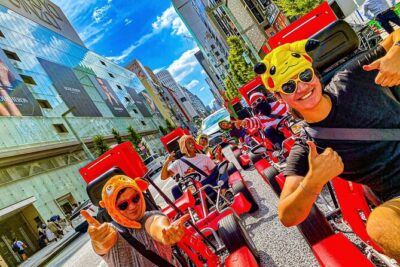 ★ 5.0Official Street Go-Kart Tour – AkihabaraFrom $611,578 reviews
 ★ 5.0Tokyo Go Kart: Asakusa, Skytree, and Akihabara **IDP MUST**From $99988 reviews
 ★ 5.0Akihabara Anime & Game Adventure Walking Tour (Group or Private)From $90404 reviews
 ★ 5.0Gameboy Mod Workshop at AkihabaraFrom $360253 reviews
 ★ 4.8Akihabara: Private Anime and Pop Culture TourFrom $95152 reviews
 ★ 5.0Akihabara Tailor-made Private Tour for Anime FansFrom $132142 reviews
 ★ 5.0Original Street Kart Experience from AkihabaraFrom $51111 reviews
 ★ 5.0Ramen Making from Scratch +Akihabara Tour –Tokyo Cooking ClassFrom $123107 reviews
Browse the lists this tour appears in