
Reviewed · WALKING TOURS
Tokyo: Know about Kabuki performing – Ginza Walking
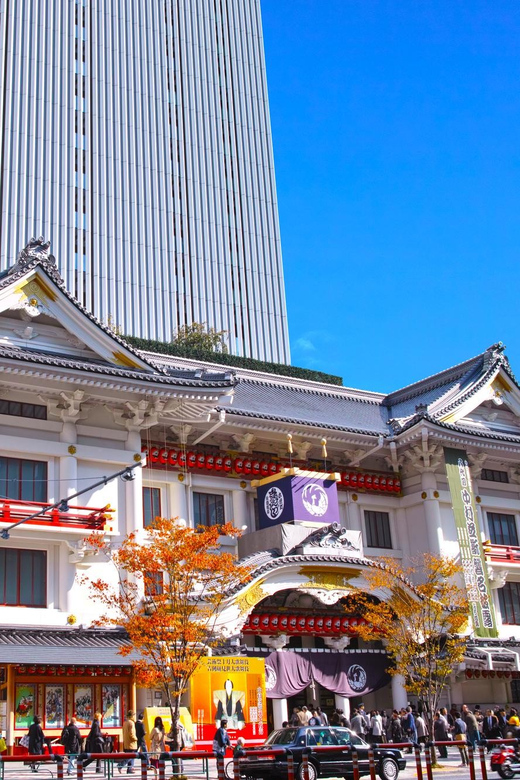
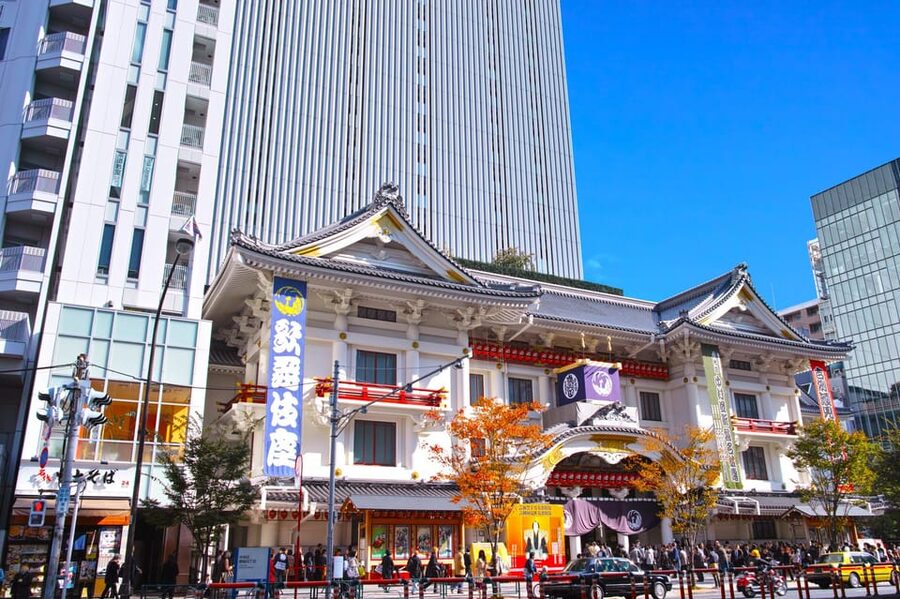
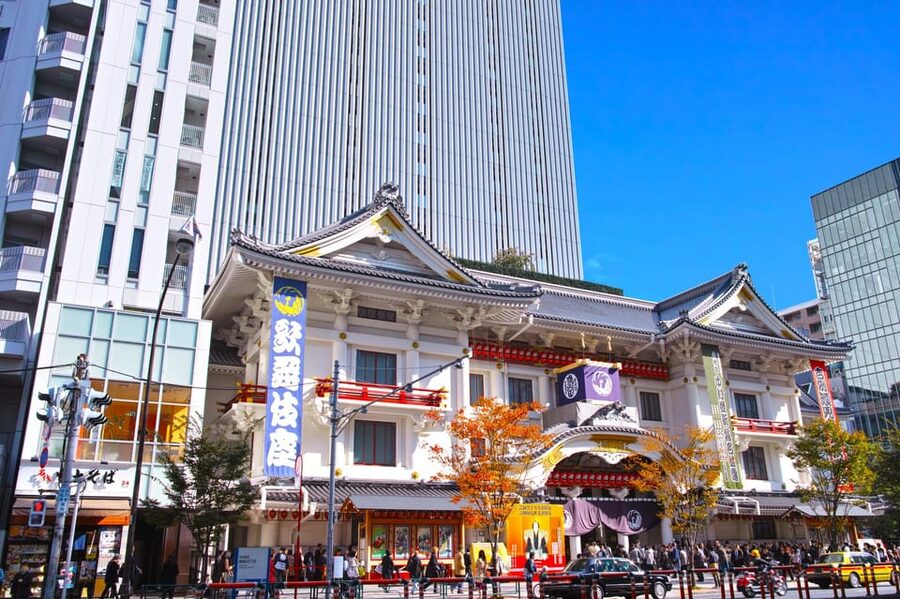
Kabuki can feel intimidating, but it doesn’t have to. This Kabuki in Ginza Walking tour gives you a fast, friendly taste of the world around the Kabukiza theater, including the Kabukiza building gallery and shopping stops for items you can’t find elsewhere. The big thing to keep in mind: this experience doesn’t include Kabuki viewing, so you’re there for culture and behind-the-scenes context, not a performance ticket.
I also like that the group is small, limited to 9 participants, which makes it easier to ask questions in English and actually follow along during the walk. A plus is that the guide doesn’t only talk about Kabuki; you also get extra theater-world context and practical explanations that help the whole area make sense. One consideration: because it’s only 2 hours, you’ll want to treat it as a first look, not a deep dive into Kabuki styles or staging details.
In This Review
- Quick highlights to know before you go
- Why Kabuki shows up in Ginza at all
- Meeting at Nissan Crossing and setting a 2-hour game plan
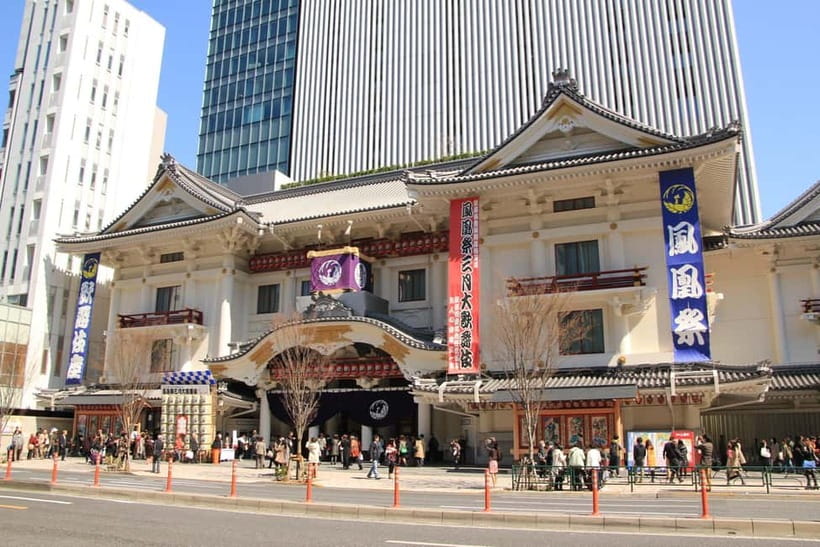
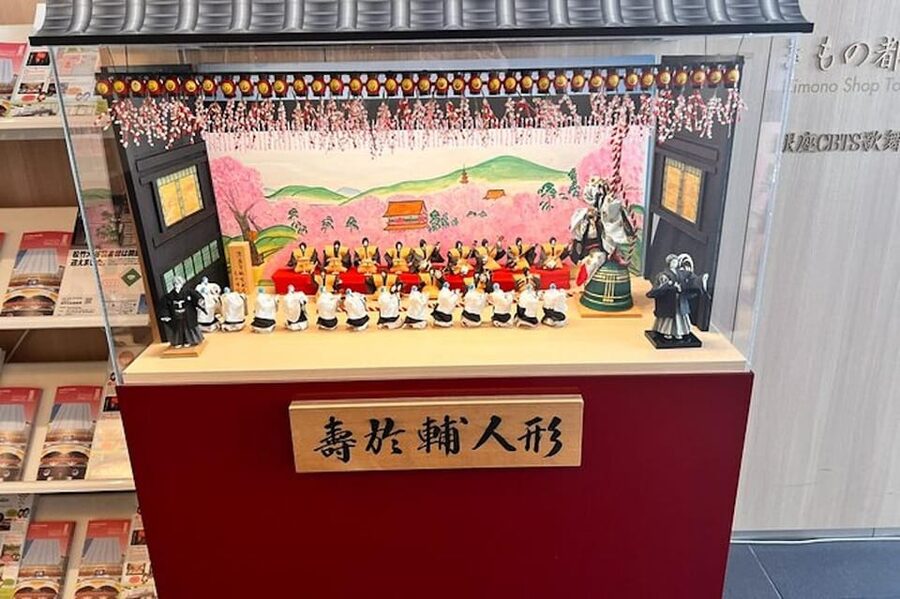
- Kabukiza building gallery: your fast primer on Kabuki culture
- Kabukiza-only souvenirs: the shopping stop with real value
- A shrine stop tied to Kabuki: a calm pause from theater excitement
- The Ginza clock tower: connecting tradition and modern Tokyo
- The guide experience: friendly explanations in English
- Price and value: what $56 buys you in 2 hours
- Who should book this Kabuki in Ginza walk?
- Practical tips to make the most of your time
- Should you book Kabuki in Ginza Walking?
- FAQ
- What’s included in the Tokyo Kabuki experience?
- How long is the Kabuki in Ginza Walking tour?
- Where do I meet the guide?
- Is there a limit on group size?
- What language is the tour guide?
- Is Kabuki viewing included?
Quick highlights to know before you go
- Kabukiza gallery orientation: See the theater building and learn what Kabuki is all about.
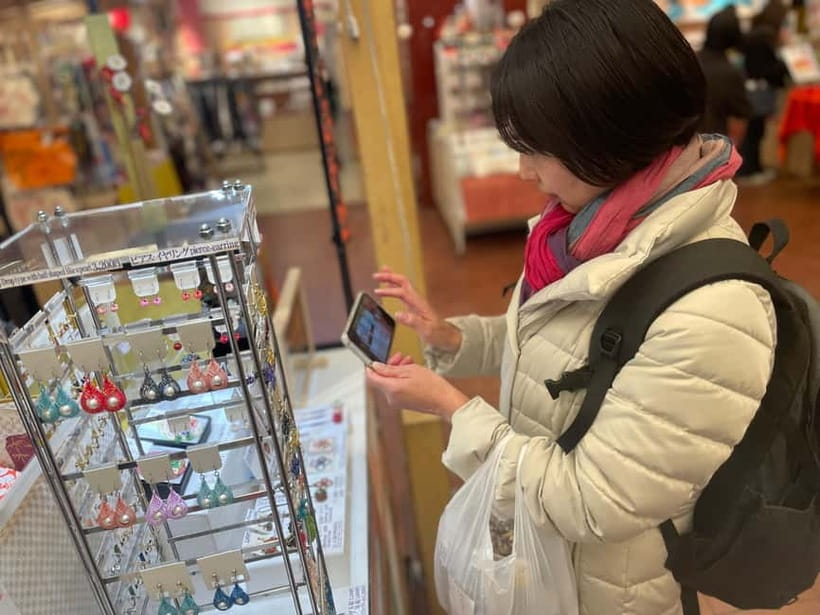
- Kabukiza-only shopping: Pick up souvenirs that are only available around Kabukiza.
- Kabuki-related shrine stop: A calmer, more spiritual pause tied to the performing arts.
- Ginza clock tower sighting: You’ll connect traditional culture with the city’s modern rhythm.
- Small group with English guidance: Limited to 9 participants for easier questions and pacing.
- No Kabuki ticket included: Great for context, but not for watching a show.
Why Kabuki shows up in Ginza at all
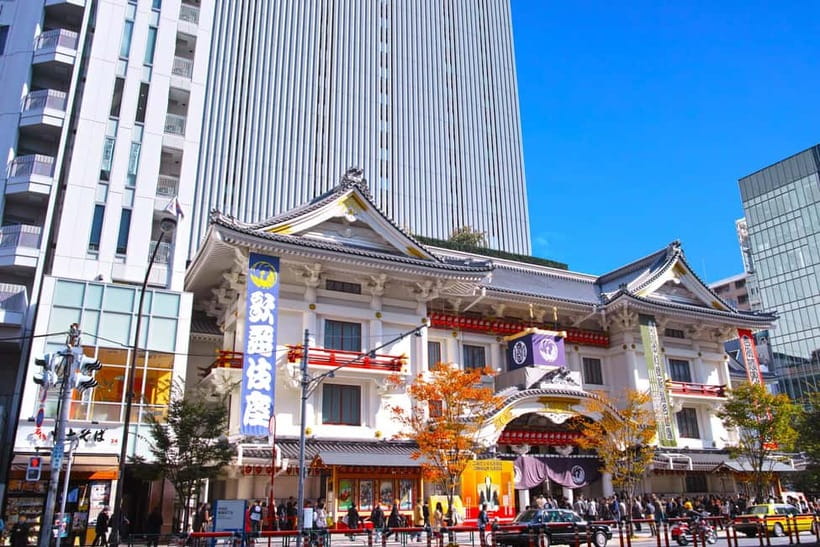
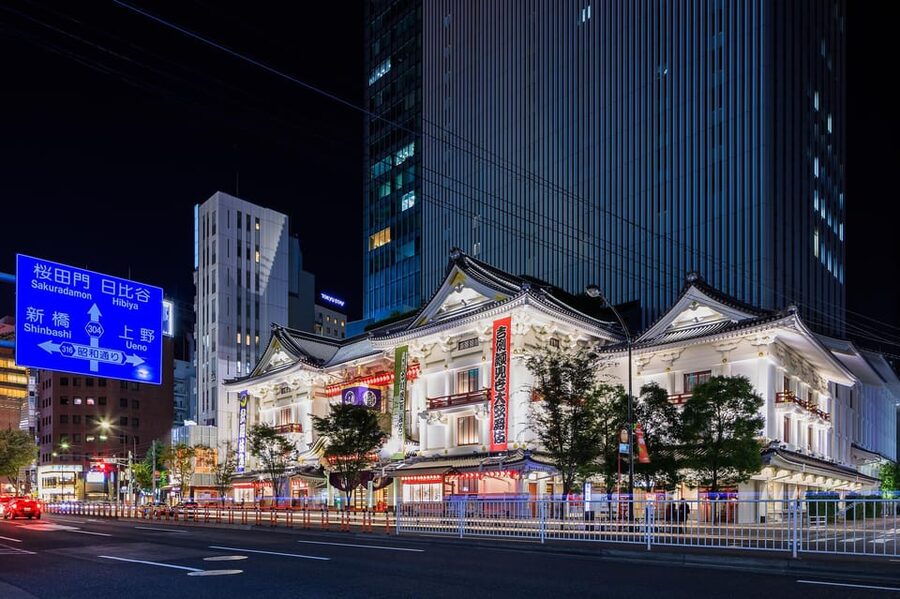
Ginza gets labeled as shopping and polish, but this route reminds you it’s also a stage neighborhood. The tour centers on the Kabukiza area, where Kabuki isn’t just something you watch one night—it’s an entire cultural ecosystem with its own symbols, rituals, and merchandise.
If you’re short on time, this is a smart way to get your bearings. You get the flavor of Kabuki through the theater’s immediate world—gallery-style learning, souvenir culture, and nearby sites that connect the art to Japanese tradition.
Readers also shortlisted these Tokyo bookings:
- Tokyo Tsukiji Fish Market Food and Culture Walking Tour
★ 5.0 · 3,184 reviews - Tokyo: Imperial Palace and Shogun Historical Walking Tour
★ 5.0 · 2,251 reviews - Tokyo: Shinjuku Local Bar and Izakaya Guided Walking Tour
★ 4.9 · 1,794 reviews - Tokyo: Tsukiji Fish Market Food and Walking tour
★ 5.0 · 1,724 reviews
Meeting at Nissan Crossing and setting a 2-hour game plan
You’ll meet in front of NISSAN CROSSING, then head out on foot with an English live guide. With a total duration of 2 hours and a small group size (up to 9), the pacing is designed for clarity, not wandering.
Here’s how to make the most of that tight window: go in with one goal. Maybe it’s learning the basics of what Kabuki is, finding one or two Kabukiza-only items, or simply soaking up the atmosphere around one of Tokyo’s most famous theater addresses. If you try to do everything, you’ll end up rushing through the parts that actually help the experience click.
Kabukiza building gallery: your fast primer on Kabuki culture
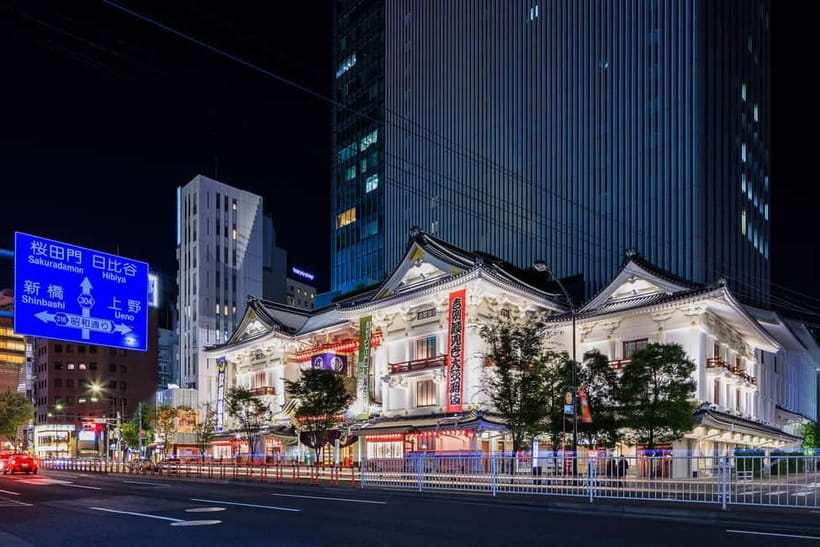
The heart of the tour is a visit to the Kabukiza building area with gallery learning. This is where the tour earns its keep for people who don’t have time to line up for a full show.
What you can expect here is a guided walkthrough of what Kabuki means in Japanese performing arts. In feedback, people liked that the tour offered a first insight and explained more than just surface facts. One point that showed up clearly: the guide experience can make the area feel understandable, even if you’ve never seen Kabuki before.
A practical way to use this stop: take a moment to look around like you’re preparing to attend a performance later. You’re not just collecting information—you’re learning the language of the place, so when you see Kabuki imagery elsewhere, it won’t feel random.
Kabukiza-only souvenirs: the shopping stop with real value
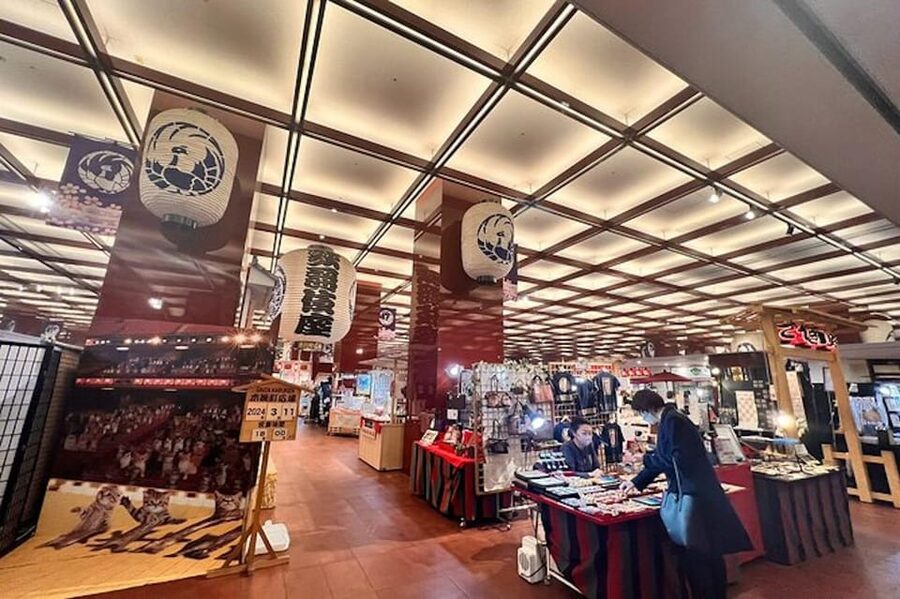
One of the most appealing parts of this tour is the chance to buy souvenirs only available at Kabukiza. That matters because it shifts shopping from random browsing to targeted hunting.
The tour also includes time to visit souvenir shops in the area, where you might find Kabuki goods, Japanese accessories, and Japanese sweets. Since shopping costs aren’t included, you control the budget. For me, that’s a nice balance: you’re not forced into set-price add-ons, but you still get the guidance to find the specific kinds of items that are tied to this theater neighborhood.
Tip: decide ahead what you want to leave with. If you want gifts, plan for small, easy-to-carry items. If you want a souvenir for yourself, pick one meaningful piece rather than trying to fill every bag.
A shrine stop tied to Kabuki: a calm pause from theater excitement
Between the theater learning and shopping, the tour makes time for a shrine associated with Kabuki. That contrast is one of the better reasons to choose a guided walk instead of doing the area solo. You get the cultural connection pointed out, rather than just seeing a landmark and moving on.
Even if you don’t consider yourself deeply religious, a shrine visit works as a reset. It slows your pace, gives you a moment to observe how tradition shows up in daily Tokyo life, and helps Kabuki feel less like a costume show and more like a living cultural practice.
- Tokyo: Shinjuku Food Tour (13 Dishes at 4 Local Eateries)★ 5.0 · 6,603 reviews
- Tokyo Mt Fuji 5th St & Hakone Cruise Bus Tour w/Bullet Train★ 4.4 · 5,024 reviews
- Flagship 2-Hours Official Street Go-Kart Tour – Tokyo Bay Shop★ 5.0 · 4,974 reviews
- From Tokyo: Mount Fuji Full-Day Sightseeing Trip★ 4.5 · 4,970 reviews
- Tokyo: Hop-On Hop-Off Sightseeing Bus Ticket★ 3.9 · 4,207 reviews
The Ginza clock tower: connecting tradition and modern Tokyo
After the more focused Kabuki-related stops, the route reaches a famous clock tower in Ginza. It’s a good reminder that this is Tokyo’s core entertainment and shopping district, not a separate museum zone.
I like this kind of pairing. You spend time in a cultural bubble around Kabuki, then you step back into the city’s rhythm. It helps you remember what you’re actually doing in Tokyo: mixing eras, switching neighborhoods, and building your own personal “Tokyo story” instead of stacking one generic sight after another.
The guide experience: friendly explanations in English
This tour is led by a live English guide, and the small group format helps a lot. One named guide that stood out in feedback was Fumei, described as wonderful, and the overall tone was friendly and helpful.
What you may learn beyond Kabuki itself is important. People appreciated that the guide shared extra context about theater in Japan and explained things clearly while still keeping the focus on Kabuki culture. That’s exactly what you want on a short tour—information that gives you momentum, not a lecture that runs out of steam at the halfway point.
One possible drawback to plan around: you might wish for even more detail on the ways of Kabuki, especially if you already know some terminology or you’re hoping for a deeper look at specific performance traditions. This tour is better treated as a starter kit.
Price and value: what $56 buys you in 2 hours
At $56 per person for a 2-hour tour, the value depends on what you want. If you’re trying to fill a short gap—maybe you’re in Ginza anyway and you want something culturally specific—this price can feel fair.
You’re paying for three things that are hard to replicate on your own in the same time:
- A guided walk that ties together Kabukiza, the shrine, and Ginza landmarks into one coherent story.
- Access to curated learning in the Kabukiza building gallery.
- Help finding Kabukiza-only souvenirs so your shopping time actually pays off.
Since Kabuki viewing isn’t included, don’t treat this as a substitute for tickets. Instead, think of it as your “Kabuki context” stop—ideal if you want to understand what you’ll be seeing later, or if your schedule simply won’t allow an evening performance.
Who should book this Kabuki in Ginza walk?
This fits best if you:
- Want a quick Kabuki cultural taste without committing to a full show.
- Like structured walking routes with an English guide who can explain what you’re looking at.
- Plan to shop and want help finding Kabukiza-only items.
- Prefer small groups (up to 9) so the pace doesn’t feel chaotic.
It’s less ideal if you:
- Specifically want to watch Kabuki as part of the experience (viewing isn’t included here).
- Are expecting a long, detailed breakdown of Kabuki styles and performance mechanics within just 2 hours.
Practical tips to make the most of your time
Because this is a walking tour, wear comfortable shoes—you’ll be moving through Ginza streets, and you’ll want your feet to keep up with your curiosity.
If shopping is part of your plan, set a realistic budget before you go. Shopping costs aren’t included, and prices can vary depending on what you choose—especially for theater-themed goods.
Also, decide what you’ll ask your guide if you get the chance. Good targets are simple:
- What should I look for at the Kabukiza area that signals Kabuki style?
- What’s the one souvenir category that’s most worth the hunt?
- How do the shrine connection and theater culture connect here?
With a small group, those questions can get real answers instead of getting lost in a crowd.
Should you book Kabuki in Ginza Walking?
If you want a quick, guided taste of Kabuki culture near one of Tokyo’s most famous theaters, I think this is an easy yes—especially if your schedule is tight and you don’t want to deal with show ticket logistics. The big selling points are the Kabukiza gallery learning, the chance for Kabukiza-only souvenirs, and the thoughtful pairing of a shrine stop with a classic Ginza landmark.
But if your dream Tokyo moment is actually watching Kabuki onstage, then this won’t fully scratch that itch since Kabuki viewing isn’t included. In that case, consider booking this only if you still want a cultural warm-up for your real performance night.
If you tell me your travel dates and whether you’re also trying to see an actual Kabuki show, I can help you decide how to line this up for the best overall Tokyo plan.
FAQ
What’s included in the Tokyo Kabuki experience?
The only included item is the tour guide. Kabuki viewing is not included.
How long is the Kabuki in Ginza Walking tour?
The tour lasts 2 hours.
Where do I meet the guide?
Meet in front of NISSAN CROSSING.
Is there a limit on group size?
Yes. It’s a small group limited to up to 9 participants.
What language is the tour guide?
The live tour guide speaks English.
Is Kabuki viewing included?
No. The activity includes learning and sightseeing stops, but Kabuki viewing tickets are not included.
More Walking Tours in Tokyo
- Tokyo Tsukiji Fish Market Food and Culture Walking Tour
★ 5.0 · 3,184 reviews - Tokyo: Imperial Palace and Shogun Historical Walking Tour
★ 5.0 · 2,251 reviews - Tokyo: Shinjuku Local Bar and Izakaya Guided Walking Tour
★ 4.9 · 1,794 reviews - Tokyo: Tsukiji Fish Market Food and Walking tour
★ 5.0 · 1,724 reviews - Tokyo: Asakusa Walking Tour with Sensoji Temple Visit
★ 4.8 · 1,583 reviews
More Tour Reviews in Tokyo
- Mt Fuji and Hakone 1-Day Bus Tour Return by Bullet Train
★ 5.0 · 26,383 reviews - 1-Day Tokyo Bus Tour
★ 5.0 · 14,250 reviews - Tokyo: teamLab Planets TOKYO Digital Art Museum Entry Ticket
★ 4.6 · 9,779 reviews - Mt Fuji & Hakone Cruise, Drum Show Bullet Train 1 Day from Tokyo
★ 4.0 · 7,413 reviews - Tokyo: Shinjuku Food Tour (13 Dishes at 4 Local Eateries)
★ 5.0 · 6,603 reviews
Latest Tokyo reviews off our desk






Walking Tours, compared.
 ★ 5.0Tokyo Tsukiji Fish Market Food and Culture Walking TourFrom $993,184 reviews
 ★ 5.0Imperial Palace and Shogun Historical Walking TourFrom $222,251 reviews
 ★ 4.9Shinjuku Local Bar and Izakaya Guided Walking TourFrom $341,794 reviews
 ★ 5.0Tsukiji Fish Market Food and Walking tourFrom $301,724 reviews
 ★ 4.8Asakusa Walking Tour with Sensoji Temple VisitFrom $221,583 reviews
 ★ 4.9Tsukiji Fish Market Guided Walking TourFrom $221,397 reviews
 ★ 4.7Tokyo Castle & Imperial PalaceーShogun Walking TourFrom $231,068 reviews
 ★ 4.9Imperial Palace Japanese History Walking TourFrom $32987 reviews
Browse the lists this tour appears in