
Reviewed · COOKING CLASSES
Tokyo Night Cooking Class: 5 Home-Cooked Japanese Dishes
Tokyo at night has a special pull. This hands-on cooking class turns that mood into izakaya-style food. You learn recipes locals actually order, then you sit down and eat what you make.
I especially like two things: you cook five dishes as a group, and you leave with practical steps you can repeat at home. I also like the built-in drinks, including sake tasting for those age-eligible, so the meal feels like real nomikai (home drinking) culture.
One thing to consider: dietary needs beyond vegetarian can be tricky. The tour says it is not available for vegan and gluten-free, and it also cannot guarantee allergy-free cooking.
In This Review
- Key things to know before you go
- Izakaya comfort food, taught step-by-step
- Meet near Shitaya, start at 5:30, and get moving fast
- The included shopping stop: why it changes the whole experience
- Cooking five izakaya dishes: what you’ll learn to make
- Knife and heat: when age matters
- Drinks and nomikai energy: what’s included and who can taste sake
- Your dinner is the product: no leftover feeling
- Price and value: what $79.28 buys you in real terms
- Dietary needs: vegetarian-friendly, vegan and gluten-free not offered
- Who this is best for (and who should pick something else)
- Practical tips to make the night smoother
- Should you book this Tokyo night cooking class?
- FAQ
- How long is the cooking class?
- What time does it start?
- Where is the meeting point?
- What’s included in the price?
- Are alcoholic drinks included?
- Is the class suitable for vegetarians?
- Are kids allowed?
- How many people are in the group?
- Can they accommodate allergies?
Key things to know before you go
- Five-dish structure: expect a multi-course evening instead of one “showpiece” dish.
- Ingredient shopping included: you pick ingredients as part of the experience, not just watch.
- Three drinks are included: you get three cans of alcoholic or soft drinks, depending on eligibility.
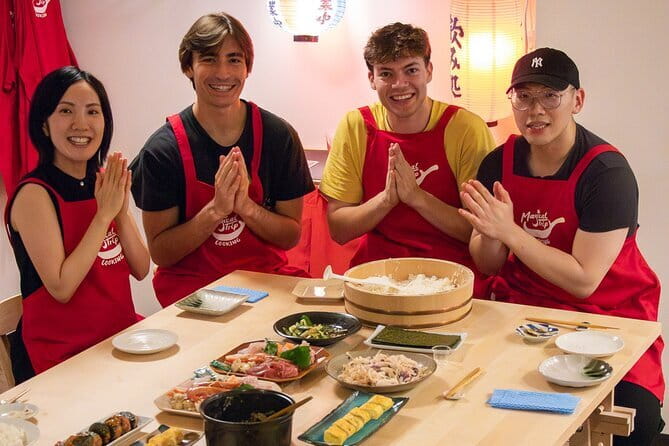
- Small group size: the class caps at 7 travelers, which helps with hands-on time and questions.
- Guides you’ll want to listen to: guides such as Alice and Fuji are known for clear, step-by-step explanations.
Izakaya comfort food, taught step-by-step
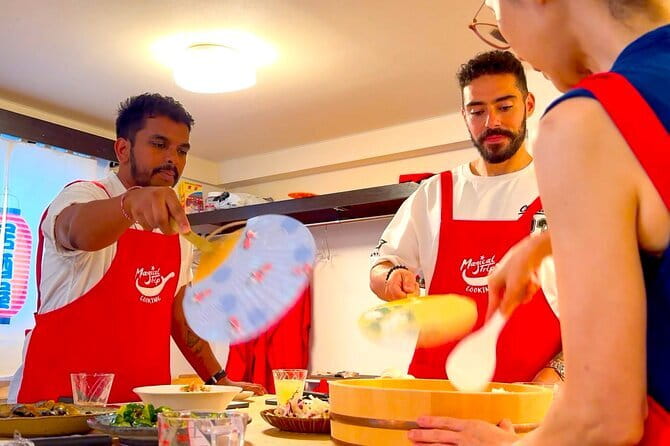
This is not a quiet sit-and-learn cooking demo. The format is built around small plates you’d see in an izakaya: food meant to share, eat slowly, and match with drinks.
What makes it work well is the pace. You are not just chopping for a photo. You cook, taste, adjust, and then move on to the next dish. And because it is designed as a full dinner, you do not finish feeling like you paid for ingredients and a snack.
Guides matter on classes like this, and you’ll often hear praise for the way instructors such as Alice and Fuji walk through each step clearly. That’s huge if you are newer to Japanese cooking or want to stop second-guessing what comes next.
Readers also shortlisted these Tokyo bookings:
- Ramen & Gyoza Cooking Class in Tokyo with Local Supermarket Visit
★ 5.0 · 823 reviews - Tokyo: Easy Ramen Cooking Experience in Kabukicho, Shinjuku
★ 4.6 · 321 reviews - Ramen and Sushi Cooking Class with Sake Pairing Set in Tokyo
★ 5.0 · 291 reviews - Tokyo: Wagyu and 7 Japanese Dishes Cooking Class
★ 4.9 · 273 reviews
Meet near Shitaya, start at 5:30, and get moving fast
You meet in Taito City’s Shitaya area, at Japan, Taito City, Shitaya 2-chōme, FamilyMart (110-0004). The class starts at 5:30 pm and runs about 3 hours. The tour ends back at the meeting point.
Night cooking classes can either feel rushed or surprisingly relaxed. Here, the timing is tight enough to keep things fun, but not so long that you feel stuck waiting between steps. That matters when you are hungry, jet-lagged, or just hungry in general.
Also, Tokyo evenings can get hot and humid in summer. The organizers recommend bringing water and wearing a hat, which is smart even if you think you are tough. It is Tokyo, and the weather has its own plan.
The included shopping stop: why it changes the whole experience
A lot of cooking classes skip the “buying” part and jump straight to cooking. This one includes a shopping experience, so you get a sense of what the ingredients look like in real Tokyo and how they are chosen.
Even if you never plan to shop like this again, it helps you understand the recipes. Japanese cooking is often about ingredients and balance, not just technique. Seeing items in person makes it easier to reproduce dishes later, especially things like sauces, seasonings, and garnish-ready herbs.
If you like the idea of learning what to look for when you cook at home, this built-in stop is one of the best uses of your evening.
Cooking five izakaya dishes: what you’ll learn to make
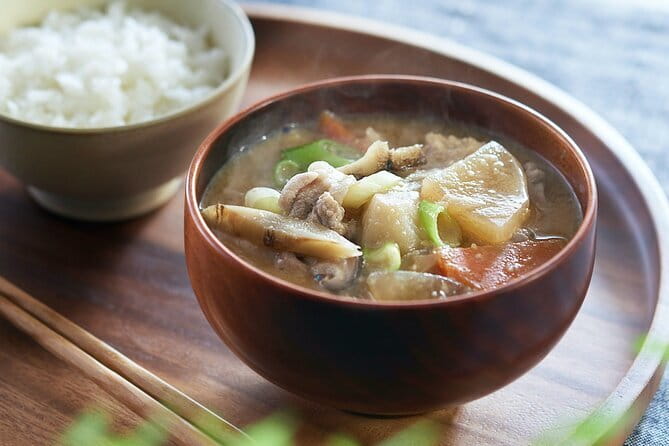
The class is built around a multi-course set of classic izakaya food. Based on the menu options described, you can expect hands-on work that may include:
- Hand-rolled sushi rolls
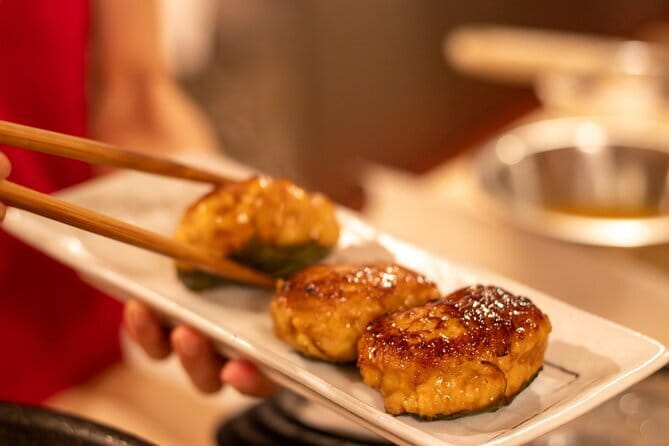
- Chicken balls with shiso leaves
- Eggplant with miso sauce
- Teriyaki chicken
- Japanese omelette
You will likely rotate through stations and tasks, so you get practice beyond one “best skill.” For example, sushi rolls teach rolling and portioning. Teriyaki chicken focuses on sweet-salty sauce control. Eggplant with miso teaches how to make something feel rich without needing complicated tools.
The upside of cooking multiple dishes is variety. You taste different flavors and textures, and you learn how Japanese cooking builds a meal out of small plates. The downside is you should come ready to work with your hands for the full session.
Knife and heat: when age matters
The tour notes that steps involving knives and heat are only permitted for participants age 12 and over, under a parent or guardian’s supervision. The experience is open to age 6 and above, but this detail affects what activities kids can actively do.
If you are traveling with children, plan to keep that rule in mind so the evening stays stress-free.
Readers also shortlisted these Tokyo bookings:
- Tokyo Night Foodie Tour in Shinjuku – Seasonal Sushi, Wagyu Beef★ 5.0 · 1,161 reviews
- Tokyo: Daikoku JDM Car Meet & Night Car Culture Tour★ 4.8 · 626 reviews
- Tokyo After 5: Authentic Japanese Food & Drink Night Tour★ 4.5 · 560 reviews
- Tokyo: Samurai Entertainment Night Show in Kanda Shrine★ 4.6 · 417 reviews
- The Dark Side of Tokyo – Night Walking Tour Shinjuku Kabukicho★ 4.5 · 297 reviews
Drinks and nomikai energy: what’s included and who can taste sake
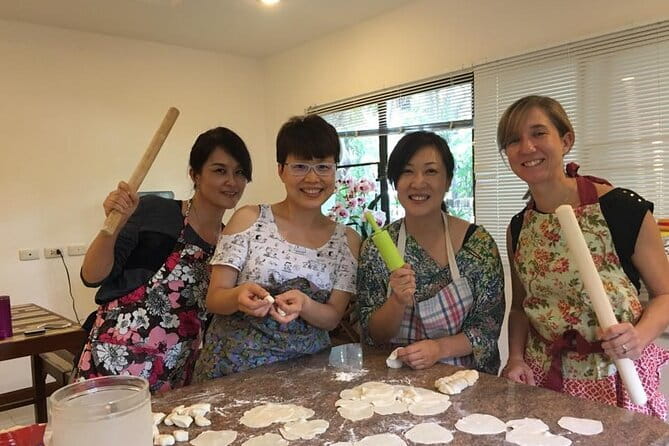
This evening is designed around the drink-and-food rhythm of an izakaya. You get three cans of alcoholic or soft drinks included.
Alcohol details follow Japanese law. Sake tasting and alcoholic beverages are only available for guests aged 20 and over. If you are under that, you will still have drinks as part of the package, but they will be soft drinks.
This matters because it changes the vibe. For adults, the class is not just cooking—it’s also learning how certain flavors pair with beer or sake. And for everyone, the drinks make the dinner feel like a proper night out, not a classroom.
If you like social cooking, this format does it well. Small steps, food in progress, and then a shared meal that feels like you are part of the evening, not watching it happen.
Your dinner is the product: no leftover feeling
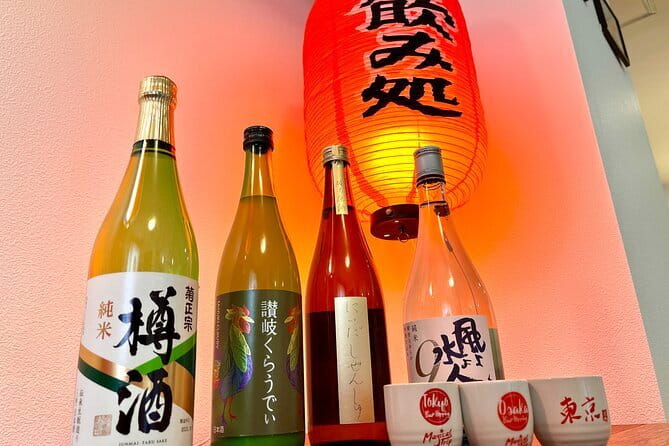
Most cooking classes end with a plate you eat quickly. Here, the idea is that you enjoy every dish you make. That sounds basic, but it is a big deal for value and satisfaction.
You get the best kind of feedback from cooking: taste, adjust, and then eat it while it is still right. That is also why the experience works for couples and friends. You can share the results, compare rolls and sauces, and talk about what you would change next time.
There’s also a lighter, more festive side to the structure. The class is described as lively, with a traditional izakaya atmosphere while you cook, sip, and savor. That combination is exactly why it is popular as a Tokyo night plan.
Price and value: what $79.28 buys you in real terms
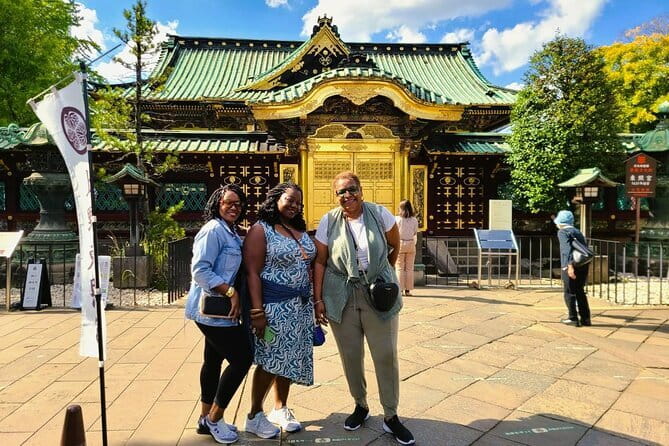
At $79.28 per person, the value depends on how you compare it to normal Tokyo eating and drinking.
Here’s what you get that usually costs extra if you do it on your own:
- The cooking experience & dinner
- Ingredients for the dishes
- A certified guide by MagicalTrip
- A shopping experience
- Tour photos
- 3 cans of alcoholic or soft drinks
If you’ve ever priced out a multi-plate Japanese meal plus drinks in central Tokyo, the math starts making sense fast. You are paying for food, instruction, and the whole “night out” flow. And because you leave with recipes you can recreate, you’re not just buying one meal.
Is it cheap? No. But it is a strong use of a single evening—especially if you want something more personal than another reservation at a restaurant.
Dietary needs: vegetarian-friendly, vegan and gluten-free not offered
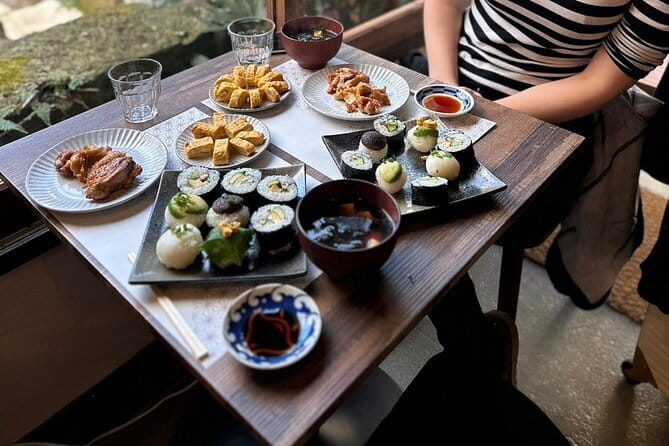
This class is vegetarian welcome. The info says they arrange ingredients and cooking process for vegetarian participants.
But the tour also clearly states it is not available for vegan and gluten-free. So if those dietary needs are essential, you’ll want to skip this one and choose a different cooking option.
There are also menu adjustments based on what you can eat. If you cannot eat meat and eggs, the menu reduces from five dishes to three. If you can eat meat but cannot eat eggs, the menu reduces from five dishes to four.
Allergy note: the tour says they cannot guarantee allergy-free cooking. Food is prepared in kitchens that do not belong to MagicalTrip, and substitutions may not always be possible at certain stops.
My practical advice: if you have a serious allergy, do not rely on this class as your only plan. Ask directly what can and cannot be accommodated before you commit.
Who this is best for (and who should pick something else)
This is a great fit if you want an active Tokyo experience with food at the center. It suits:
- Couples looking for a date-night activity that doesn’t feel like a show
- Friends who want to cook together and then sit down as a team
- Solo travelers who enjoy small-group conversation
- Families, with the note about kid participation rules for knives and heat
It is also capped at 7 travelers, so it doesn’t feel like you are stuck in a crowd.
It may not be ideal if you have mobility issues or walking problems. The tour itself says it is not recommended for people with mobility issues, and suggests booking a private tour instead. If you need a low-walking option, that suggestion is worth taking seriously.
Practical tips to make the night smoother
A few small things can make the difference between a fun class and a stressful one.
Wear comfortable shoes. Even with a short duration, you’ll be moving between steps. Bring water, especially in summer humidity. And if you drink alcohol, remember the group format is tied to the class schedule, not a bar schedule.
If you want the most out of the recipes, keep your focus during the steps you think you can skip. The parts that feel minor—like sauce timing, garnish placement, and how something is rolled or portioned—are usually what make the difference later when you try it at home.
Should you book this Tokyo night cooking class?
If your goal is to get more than one average meal out of your Tokyo time, I think this class is a strong choice. You get a full dinner experience, hands-on instruction, ingredient shopping, photos, and drinks bundled into a single evening.
Book it if you:
- Want to cook multiple dishes rather than just watch
- Appreciate small-group formats (this one is capped at 7)
- Enjoy izakaya-style flavors and pairing food with drinks
Consider skipping if you:
- Need vegan or gluten-free options
- Have a serious allergy and need allergy-free handling
- Have mobility limitations that make standing and moving difficult
If you line up with those points, this is one of those Tokyo plans that leaves you with stories, skills, and food you actually made.
FAQ
How long is the cooking class?
The duration is about 3 hours.
What time does it start?
It starts at 5:30 pm.
Where is the meeting point?
You meet at Japan, Taito City, Shitaya 2-chōme, FamilyMart (110-0004).
What’s included in the price?
It includes the cooking experience and dinner, ingredients, tour photos, a certified guide by MagicalTrip, a shopping experience, and three cans of alcoholic or soft drinks.
Are alcoholic drinks included?
Yes, three cans are included, but alcoholic beverages and sake tasting are only available to guests aged 20 and over.
Is the class suitable for vegetarians?
Yes. Vegetarian participants are welcome, and the tour says they arrange ingredients and the cooking process. It is not available for vegan or gluten-free.
Are kids allowed?
The tour is open to participants aged 6 and above, but knife and heat steps are only allowed for those aged 12 and over, with adult supervision.
How many people are in the group?
The tour has a maximum of 7 travelers.
Can they accommodate allergies?
The tour says they cannot guarantee allergy-free cooking. Food is prepared in kitchens not belonging to MagicalTrip, and substitutions may not always be possible.
More Evening Experiences in Tokyo
- Tokyo Night Foodie Tour in Shinjuku – Seasonal Sushi, Wagyu Beef
★ 5.0 · 1,161 reviews - Tokyo: Daikoku JDM Car Meet & Night Car Culture Tour
★ 4.8 · 626 reviews - Tokyo After 5: Authentic Japanese Food & Drink Night Tour
★ 4.5 · 560 reviews - Tokyo: Samurai Entertainment Night Show in Kanda Shrine
★ 4.6 · 417 reviews - The Dark Side of Tokyo – Night Walking Tour Shinjuku Kabukicho
★ 4.5 · 297 reviews
More Cooking Classes in Tokyo
- Ramen & Gyoza Cooking Class in Tokyo with Local Supermarket Visit
★ 5.0 · 823 reviews - Tokyo: Easy Ramen Cooking Experience in Kabukicho, Shinjuku
★ 4.6 · 321 reviews - Ramen and Sushi Cooking Class with Sake Pairing Set in Tokyo
★ 5.0 · 291 reviews - Tokyo: Wagyu and 7 Japanese Dishes Cooking Class
★ 4.9 · 273 reviews - Tokyo Washoku 4-hour Cooking Class: From Market to Table
★ 5.0 · 253 reviews
More Tour Reviews in Tokyo
- Mt Fuji and Hakone 1-Day Bus Tour Return by Bullet Train
★ 5.0 · 26,383 reviews - 1-Day Tokyo Bus Tour
★ 5.0 · 14,250 reviews - Tokyo: teamLab Planets TOKYO Digital Art Museum Entry Ticket
★ 4.6 · 9,779 reviews - Mt Fuji & Hakone Cruise, Drum Show Bullet Train 1 Day from Tokyo
★ 4.0 · 7,413 reviews - Tokyo: Shinjuku Food Tour (13 Dishes at 4 Local Eateries)
★ 5.0 · 6,603 reviews
Latest Tokyo reviews off our desk






Cooking Classes, compared.
 ★ 5.0Ramen & Gyoza Cooking Class in Tokyo with Local Supermarket VisitFrom $122823 reviews
 ★ 4.6Easy Ramen Cooking Experience in Kabukicho, ShinjukuFrom $29321 reviews
 ★ 5.0Ramen and Sushi Cooking Class with Sake Pairing Set in TokyoFrom $79291 reviews
 ★ 4.9Wagyu and 7 Japanese Dishes Cooking ClassFrom $67273 reviews
 ★ 5.0Tokyo Washoku 4-hour Cooking Class: From Market to TableFrom $79253 reviews
 ★ 5.0Small-Group Wagyu Beef and 7 Japanese Dishes Tokyo Cooking ClassFrom $72190 reviews
 ★ 5.0Private Home Cooking in Yanaka – Local Flavors in a Warm SettingFrom $122173 reviews
 ★ 5.0Tokyo Sushi Making Experience & Japanese Cooking ClassFrom $59150 reviews
Browse the lists this tour appears in