
Reviewed · WALKING TOURS
Tokyo Private Customized Walking Tour (Option Car Tour Available)
Tokyo can feel like a puzzle with moving pieces. That’s exactly why this private, customized walking tour is a smart move: you get a guide to steer you around the parts you actually care about, with hotel pickup and an itinerary built around your pace and interests.
What I like most is the personal support. Guides such as Kenta and Albert are praised for making the big, confusing train moments feel doable, like getting oriented around Shinjuku station before heading out to places such as Meiji Shrine.
One thing to consider: if you pick a day tightly around a closure, you might need a plan B. Even iconic stops can be unavailable some days, and the quality of your experience will depend on how well your guide adapts your route on the spot.
In This Review
- Key Things to Know Before You Go
- Why This Private Tokyo Tour Feels Less Like Work
- Choose Your Time: 2 to 8 Hours Without Wasting Motion
- Walking vs Car: When the Vehicle Option Makes Sense
- Hotel Pickup and Ticket Help: The Quiet Benefits
- Route Style A: Shinjuku to Meiji Shrine, Then Harajuku and Shibuya
- Route Style B: Imperial Palace Area, Tokyo Tower, and Ginza
- Route Style C: Asakusa, Sensoji, and a Tsukiji Market Morning
- Route Style D: Ueno, Yanaka, and Nippori for a Calmer Tokyo
- What You’ll Learn Beyond Sights (Culture, Etiquette, and Transit)
- Price and Value: Is $52.19 Really Competitive?
- Who Should Book This Tour (And Who Might Skip It)
- The Bottom Line: Should You Book?
- FAQ
- How long is the Tokyo Private Customized Walking Tour?
- Is hotel pickup included?
- Can I upgrade to a car instead of walking?
- Are attraction tickets included?
- Is this tour private for just my group?
- What is the cancellation window?
Key Things to Know Before You Go
- Private and flexible by design: Your route changes based on what you want to see, eat, shop, and photograph.
- You can choose walking or a car upgrade: Less walking strain, more distance covered when you need it.
- Hotel pickup inside Tokyo is included: That reduces friction on arrival day or after a long flight.
- Ticket help is part of the service: Your guide can assist with getting attraction tickets booked.
- Guides often teach transit basics: You’ll come away with practical knowledge for riding trains and subways afterward.
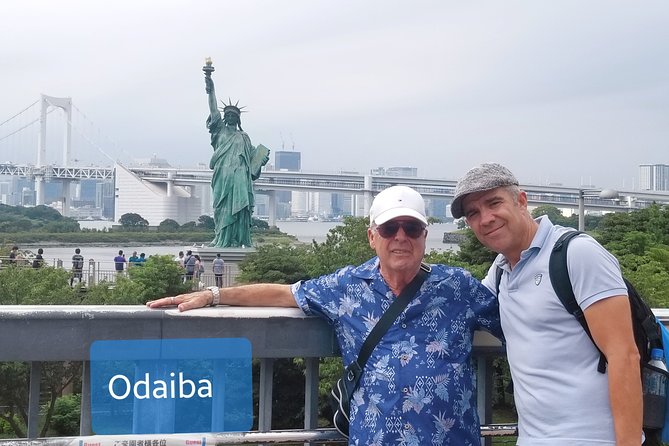
- Real-world routing examples are common: Think Shinjuku → Meiji Shrine → Harajuku → Shibuya, or Asakusa/Sensoji → Tsukiji.
Why This Private Tokyo Tour Feels Less Like Work
Tokyo is famous for its systems: trains, neighborhoods, schedules, and rules. The problem is that the first day (or the first few hours) can feel like you’re guessing. This tour’s main value is that you don’t have to guess. You meet your guide, set your duration, and the plan gets built around you instead of forcing you into a one-size group route.
I also like that the pitch is simple. You’re not locked into only temples or only shopping. Your guide can shape the day around big landmarks plus lived-in moments—street scenes, markets, ramen stops, and cultural etiquette. If you’re the type who likes a mix of history and modern Tokyo, this approach makes it easier to build the right balance.
And because it’s private, your guide can adjust when you slow down for photos, when the weather turns, or when you want to add one more stop. That’s a small thing until you’re the one stuck watching a group pull ahead.
Readers also shortlisted these Tokyo bookings:
- Tokyo Tsukiji Fish Market Food and Culture Walking Tour
★ 5.0 · 3,184 reviews - Tokyo: Imperial Palace and Shogun Historical Walking Tour
★ 5.0 · 2,251 reviews - Tokyo: Shinjuku Local Bar and Izakaya Guided Walking Tour
★ 4.9 · 1,794 reviews - Tokyo: Tsukiji Fish Market Food and Walking tour
★ 5.0 · 1,724 reviews
Choose Your Time: 2 to 8 Hours Without Wasting Motion
This tour runs from about 2 to 8 hours, so you can match it to your energy level and your itinerary.
Here’s a practical way to decide:
- 2–3 hours: Great for a first-day orientation loop (a single neighborhood cluster) plus a couple key sights.
- Half-day (roughly 4 hours): Enough time to cover a classic set like Asakusa/Sensoji plus a nearby market area.
- Full-day (up to ~8 hours): Ideal if you want a “Tokyo sampler,” mixing landmarks with shopping streets and a lunch stop.
Guides are often praised for pacing and for going a little beyond the clock when it helps you fit in what matters. For example, one guide (Roccio) is highlighted for staying longer to cover everything the group wanted. Another (Cristiano) helped plan a day where even a lunch concept—like a box lunch outside a major palace area—fit the timing and photo spots.
My takeaway: if you’re trying to see Tokyo on a short trip, you’ll usually get better value by choosing the longest duration you can realistically handle. Tokyo rewards time, but your feet matter more.
Walking vs Car: When the Vehicle Option Makes Sense
You can do this tour on foot, with an optional upgrade to a private vehicle. That choice is more important than it sounds.
Walking is best when:
- You want to explore streets and patterns at a slow human pace.
- You’re comfortable with train connections and short bursts of walking.
- You want chances to stop for snacks and side streets.
The car option can be a game-changer when:
- You have limited mobility or you’re dealing with jet lag.
- You want to cover more distant areas in one day.
- You’d rather spend time sightseeing than transferring through multiple stations.
One car-option example includes stops like Tokyo Tower, Imperial Palace, Sensoji Temple, Harajuku street areas, Shibuya Crossing, and ending with Ginza shopping. That’s a lot of ground for walking-only. The money spent on the vehicle can feel worth it if it lets you reach multiple zones without burning your whole day just moving between them.
Hotel Pickup and Ticket Help: The Quiet Benefits
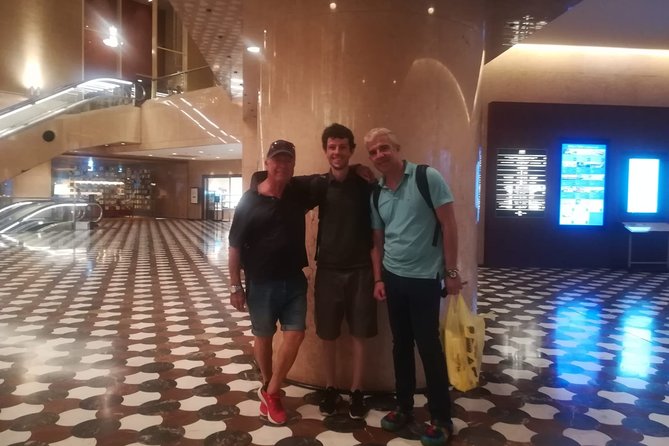
A lot of Tokyo tours talk about sights. This one also helps with logistics—small details that make the day smoother.
Hotel pickup within Tokyo is included. That matters if:
- You’re arriving with luggage.
- You don’t want to figure out where to meet in a crowded station.
- You’d rather start your day already in motion, not already stressed.
You also get assistance with booking tickets for attractions. Tickets can be the most frustrating part of Tokyo planning—wrong time slots, sold-out counters, or the simple fact that you don’t want to spend your only full day standing in lines. Having your guide help with ticket booking can save time and help you avoid the most common mistakes.
A final practical note: you’ll receive a confirmation at booking and you’ll get a mobile ticket. That’s useful in a city where you’ll be switching between transit apps, directions, and time-based entry rules.
Route Style A: Shinjuku to Meiji Shrine, Then Harajuku and Shibuya
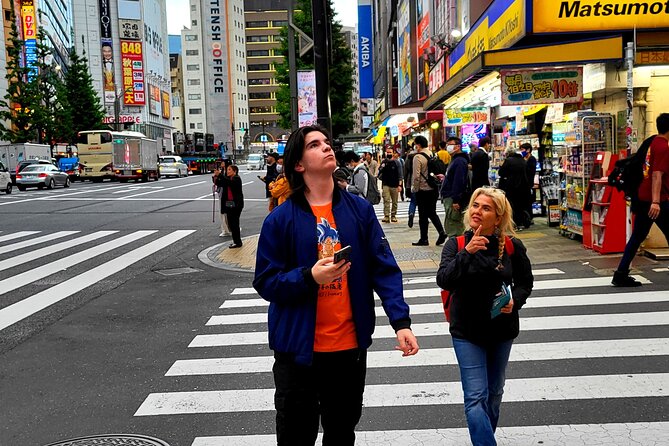
If you want a first taste of Tokyo’s contrasts, this is a classic route flavor. You start in an area like Shinjuku, get oriented, then head toward a major shrine stop such as Meiji Shrine.
Why this works:
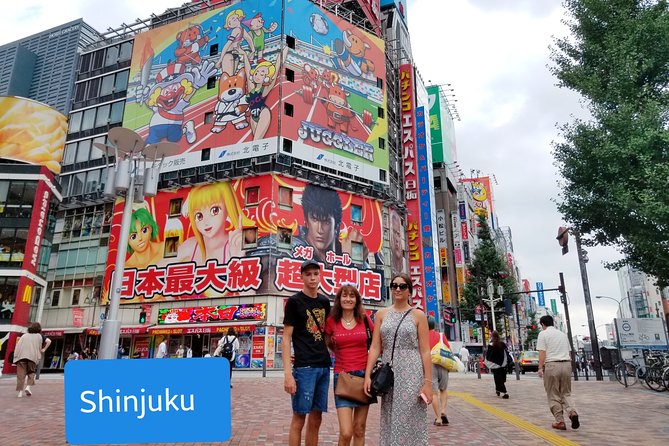
- Shinjuku gives you the “big city now” feeling—neon, movement, and intense energy.
- Meiji Shrine is the pause button, with calm grounds and a sense of ritual.
- Harajuku adds street-level youth culture and colorful neighborhood vibe.
- Shibuya brings you the modern icon—crossing energy and landmark views.
One highly praised guide example: Kenta is mentioned for meeting guests early at the hotel and helping them navigate Shinjuku station, which many people find difficult. The guide experience doesn’t stop at walking; you’ll typically get context on history and etiquette, which helps you enjoy the shrine experience instead of feeling like you’re just passing through.
A fun, memorable moment that shows up in this kind of route: at Meiji Shrine, one group described witnessing two traditional weddings. Even if you don’t catch something like that, the shrine visit often lands as a highlight because it’s structured and meaningful, not just scenic.
Potential drawback: this route can involve serious foot time. If you’re choosing a shorter duration or you have limited stamina, consider the car option.
Readers also shortlisted these Tokyo bookings:
- Tokyo 6hr Private Tour with Government-Licensed Guide★ 5.0 · 3,902 reviews
- Private Tour to Mt. Fuji and Hakone (Fully Licenced Operator)★ 5.0 · 1,910 reviews
- Tokyo Customized Private Tour (Must See Places in 1 Day)★ 5.0 · 1,499 reviews
- Mount Fuji Full-Day Private Tour from Tokyo (Customizable)★ 4.9 · 1,470 reviews
- Tokyo: Private City Highlights Tour with Local Guide★ 4.8 · 1,433 reviews
Route Style B: Imperial Palace Area, Tokyo Tower, and Ginza
If you love Tokyo’s “official” landmarks and high-end city pacing, your guide can build a day around the Imperial Palace area and add skyline icons like Tokyo Tower.
A couple details to plan around:
- Some palace-area areas may have closures depending on the day. One guide route example notes that Imperial Palace was not open due to a holiday, but the guide still created a satisfying alternative path.
- Photo spots matter here. Guides are praised for knowing exactly where to pause and where to angle shots—like finding a good lunch position near palace-area viewing points.
Ginza often shows up as the later-day shopping component. It’s a good place to end a tour because it’s visually easy: you can browse, snack, and decompress without needing intense navigation work.
In one car-option example, the guide (Olivier) mixed iconic stops (Tokyo Tower, Sensoji, Shibuya Crossing) with Harajuku street scenes and then used Ginza as a natural finish for shopping. That’s a smart flow: big sights first, then retail and atmosphere.
Route Style C: Asakusa, Sensoji, and a Tsukiji Market Morning
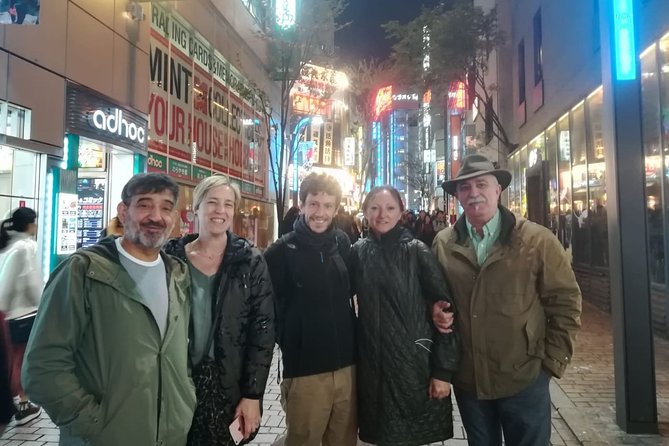
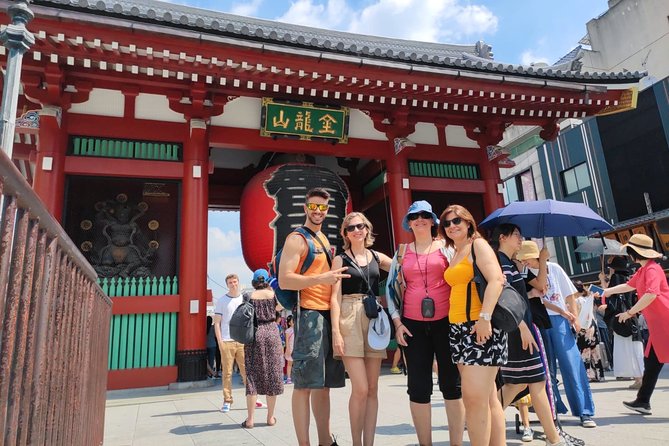
Tokyo’s markets and old-city temples are a powerful combination. A common half-day plan includes Asakusa and Sensoji Temple, often paired with Tsukiji market time.
Why mornings work here:
- Markets move fast, and the best atmosphere tends to be earlier.
- You’ll avoid some of the worst crowd pressure.
- Your temple time feels more relaxed when the area hasn’t fully peaked.
One standout tip you can borrow from the way guides plan this: a guide recommended meeting near Tsukiji at 8:00 a.m. because it gets too crowded later, and that advice was specifically called out as correct. If you pick a market day, you’ll likely feel the same advantage.
What to expect at Sensoji:
- Temple architecture that feels instantly “Tokyo old-school.”
- More walking on uneven crowds, so comfortable shoes matter.
- A strong sense of ritual and local energy.
This is one of those combos where your guide’s role is not just pointing. They help you pace the crowds, pick the right timing, and keep the stop from turning into a frantic stampede.
Possible drawback: if you’re not a morning person, this route might feel rushed. Choose it only if you can realistically start early.
Route Style D: Ueno, Yanaka, and Nippori for a Calmer Tokyo
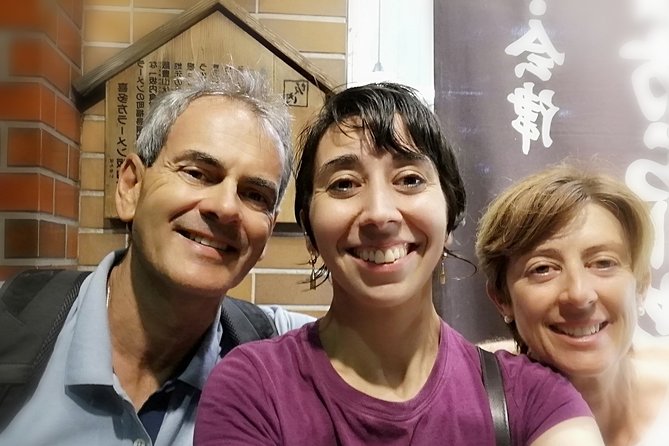
Some of the best Tokyo days aren’t the most famous ones. Guides often build routes that include Ueno and nearby areas such as Yanaka, plus connections toward Nippori.
Yanaka is often discussed as the kind of neighborhood where you can slow down and see a Tokyo that doesn’t feel like it’s performing for tourists. If your goal is “real streets, real local rhythm,” this style can deliver.
A guide example (Joe) is praised for taking guests to Yanaka, including a stop at a small restaurant filled with locals that felt welcoming. The value here isn’t only the food—it’s the sense of stepping into an area where people aren’t trying to sell you a selfie moment.
This route also tends to include transit coaching. In that same example, the guide helped guests master the train system so they could keep moving with confidence after the tour.
What You’ll Learn Beyond Sights (Culture, Etiquette, and Transit)
A good guide turns landmarks into understanding. The most praised guides in this tour style focus on both culture and practical navigation.
Here are the types of “non-sight” wins you can expect based on guide stories:
- How to behave at shrines/temples. Protocols matter, and guides often explain them in plain language so you don’t feel awkward.
- How transit really works. Multiple guide examples emphasize helping people navigate rail and subway systems so they can continue exploring afterward.
- How to pick food stops that fit the day. Guides often steer toward places that match the schedule and the energy of the neighborhood.
- Context that makes the city readable. Instead of memorizing dates, you learn patterns: why certain areas look the way they do, and what that means.
One guide (Karl) is described as showing how to use the rail systems while exploring Shinjuku, Harajuku, and Shibuya. Another (Cyril) is praised for still helping after the tour was over—sending subway advice for the next experience. That follow-through can be especially helpful if you have a tight schedule.
Price and Value: Is $52.19 Really Competitive?
At $52.19 per person, this tour can be good value—mainly because private guidance costs money anywhere, and Tokyo is not cheap.
The value logic is this:
- You’re paying for someone to build a route around your interests instead of you paying for a scripted group loop.
- You get logistics help (hotel pickup, ticket booking assistance).
- You can choose walking only or upgrade to a car option if distance or stamina is an issue.
In plain terms: if you’ll visit multiple neighborhoods in one day anyway, you’re buying time. Time saved from planning and confusion often outweighs the cost, especially on first-time Tokyo visits.
Also note the tour offers group discounts. If you’re traveling with friends or family, splitting the private guide experience can turn it into an even better deal than standard group tours.
Who Should Book This Tour (And Who Might Skip It)
This tour is best for:
- First-time visitors who want to see big highlights but still keep control of the day.
- Travelers who care about a mix: temples plus neighborhoods, history plus everyday life.
- People who don’t want the hassle of planning transit and timing alone.
- Families or small groups who need help staying on schedule.
You might consider skipping (or choosing a shorter duration) if:
- You want a totally self-guided day with zero interaction.
- You already know Tokyo transit extremely well and you’re fully confident picking your own stops efficiently.
- You’re planning a day with very strict time windows for multiple timed attractions, and you’d rather not rely on your guide’s ability to adapt.
The Bottom Line: Should You Book?
Yes, I’d book this if you want a Tokyo day that feels personal instead of copy-pasted. The biggest reason is that it’s private and custom, with practical support like hotel pickup and ticket booking help. That combination helps you get your bearings fast and prevents your itinerary from turning into a stress test.
Choose your duration based on your stamina, and don’t be afraid to lean on the car option if you’re hopping between far-apart areas. If you’re excited by classic clusters like Shinjuku–Meiji Shrine–Harajuku–Shibuya or you want old-city flavor like Asakusa plus a market morning, you’ll likely walk away with a day that actually fits you.
FAQ
How long is the Tokyo Private Customized Walking Tour?
It runs for 2 to 8 hours (approx.), depending on the option you choose.
Is hotel pickup included?
Yes. Hotel pick-up within Tokyo is included.
Can I upgrade to a car instead of walking?
Yes. The tour can be private walking, with an option to upgrade to a private vehicle (car tour).
Are attraction tickets included?
No. Tickets to attractions are not included, but the guide can assist with booking tickets.
Is this tour private for just my group?
Yes. It’s a private tour/activity, so only your group participates.
What is the cancellation window?
You can cancel for a full refund up to 24 hours before the experience starts. If you cancel less than 24 hours before, the amount paid is not refunded.
More Walking Tours in Tokyo
- Tokyo Tsukiji Fish Market Food and Culture Walking Tour
★ 5.0 · 3,184 reviews - Tokyo: Imperial Palace and Shogun Historical Walking Tour
★ 5.0 · 2,251 reviews - Tokyo: Shinjuku Local Bar and Izakaya Guided Walking Tour
★ 4.9 · 1,794 reviews - Tokyo: Tsukiji Fish Market Food and Walking tour
★ 5.0 · 1,724 reviews - Tokyo: Asakusa Walking Tour with Sensoji Temple Visit
★ 4.8 · 1,583 reviews
More Tours in Tokyo
- Mt Fuji and Hakone 1-Day Bus Tour Return by Bullet Train
★ 5.0 · 26,383 reviews - 1-Day Tokyo Bus Tour
★ 5.0 · 14,250 reviews - Tokyo: Shinjuku Food Tour (13 Dishes at 4 Local Eateries)
★ 5.0 · 6,603 reviews - Tokyo Mt Fuji 5th St & Hakone Cruise Bus Tour w/Bullet Train
★ 4.4 · 5,024 reviews - Flagship 2-Hours Official Street Go-Kart Tour – Tokyo Bay Shop
★ 5.0 · 4,974 reviews
More Tour Reviews in Tokyo
- Mt Fuji and Hakone 1-Day Bus Tour Return by Bullet Train
★ 5.0 · 26,383 reviews - 1-Day Tokyo Bus Tour
★ 5.0 · 14,250 reviews - Tokyo: teamLab Planets TOKYO Digital Art Museum Entry Ticket
★ 4.6 · 9,779 reviews - Mt Fuji & Hakone Cruise, Drum Show Bullet Train 1 Day from Tokyo
★ 4.0 · 7,413 reviews - Tokyo: Shinjuku Food Tour (13 Dishes at 4 Local Eateries)
★ 5.0 · 6,603 reviews
Latest Tokyo reviews off our desk






Walking Tours, compared.
 ★ 5.0Tokyo Tsukiji Fish Market Food and Culture Walking TourFrom $993,184 reviews
 ★ 5.0Imperial Palace and Shogun Historical Walking TourFrom $222,251 reviews
 ★ 4.9Shinjuku Local Bar and Izakaya Guided Walking TourFrom $341,794 reviews
 ★ 5.0Tsukiji Fish Market Food and Walking tourFrom $301,724 reviews
 ★ 4.8Asakusa Walking Tour with Sensoji Temple VisitFrom $221,583 reviews
 ★ 4.9Tsukiji Fish Market Guided Walking TourFrom $221,397 reviews
 ★ 4.7Tokyo Castle & Imperial PalaceーShogun Walking TourFrom $231,068 reviews
 ★ 4.9Imperial Palace Japanese History Walking TourFrom $32987 reviews
Browse the lists this tour appears in