
Reviewed · WALKING TOURS
Tokyo: Private Walking Tour With Fresh Eyes, Local Hearts
Tokyo can feel like a puzzle at first. This private walking tour helps you read the city fast, without losing the fun. I like the custom itinerary based on your interests and the way the guide adds real-life context as you walk. One thing to weigh: you’ll do a fair amount of walking and you’ll rely on public transit, so comfortable shoes matter.
The best part is the human scale. A guide reaches out (by WhatsApp or email) within about two weeks before your tour so the day feels planned, not generic. In reviews, guides named Toko and Momo stood out for making Japan click, including helping with train basics and even adjusting for an infant’s needs.
If you want Tokyo at your pace, with a local voice steering, this is a strong deal. Just be ready to choose what you want most, because the full menu of sights is long and your selected duration decides the pace.
In This Review
- Key things that make this tour work
- Private Tokyo Walking Plan With a Local Guide You Can Actually Talk To
- How the “1–8 hour” options shape your day
- Meeting up smoothly: pickup vs. a local meeting point
- Stop-by-stop: what each area adds to the Tokyo story
- Tokyo Imperial Palace area: formal Japan at the start
- Tsukiji Outer Market: morning flavors and everyday commerce
- Shibuya Crossing: the icon, plus the context
- Meiji Shrine: a breather that changes your pace
- Asakusa: culture center, then Asakusa Shrine
- Shinjuku: big city energy, different angles
- Akihabara: electric town for tech and games
- Gardens in the middle of the city: Hama-rikyū, Kiyosumi, Koishikawa, Rikugien
- Yoyogi Park and Takeshita Street: fashion + an in-between pause
- Nezu Shrine and Nezu Museum: a calmer, artsy angle
- Tokyo Tower and Zojo-ji: modern icon with classic grounds
- Ueno: park time plus Ameyoko street energy
- Gotokuji and Kanda Shrine: off the main radar (with meaning)
- What I’d pay attention to during the walk
- Price and value: is $25 per person a good deal?
- Who this tour is best for (and who should tweak expectations)
- Should you book this private Tokyo walking tour?
- FAQ
- How long is the tour?
- Is this a private tour?
- What’s the meeting point?
- Do I get hotel pickup?
- What languages are the guides?
- Is the tour wheelchair accessible?
- Does the tour include transport costs?
- What about meals and drinks?
- When will the guide contact me to plan the itinerary?
- What’s included in the price?
Key things that make this tour work
- Private group, not a crowd: only your group participates, so questions actually get answered.
- Guides plan with you ahead of time: you discuss interests and schedule before you meet.
- A flexible time window (1 to 8 hours): choose a short orientation or a longer neighborhood sweep.
- Temples, markets, and pop culture on one day: you can mix classic Tokyo with Shibuya/Shinjuku/Akihabara style stops.
- Transport help included, but not transport cost: the guide manages routing; you bring your own transit payment.
- Real-world support from guides: reviews mention Toko explaining the train system and Momo accommodating an infant.
Private Tokyo Walking Plan With a Local Guide You Can Actually Talk To
Tokyo isn’t hard to navigate, but it is hard to understand quickly. This tour is designed for that first-day fog. You get a local guide who can explain what you’re seeing, what you should notice, and how different neighborhoods feel in daily life.
Two things I truly like are the private format and the custom route. A private tour means you’re not waiting on slow walkers in a big group, and it’s easier to tailor the day for your energy level—whether that means temples and shrines, shopping streets, or a focused visit to a few famous areas.
There’s one practical consideration: this is a walking-and-transit experience. If your plan includes hills, stairs, or long indoor/outdoor stretches, you’ll want to plan your footwear and timing like a pro. If you’re traveling with a stroller or need extra bathroom stops, the good news is that reviews show the guides can handle that kind of flexibility.
Readers also shortlisted these Tokyo bookings:
- Tokyo Tsukiji Fish Market Food and Culture Walking Tour
★ 5.0 · 3,184 reviews - Tokyo: Imperial Palace and Shogun Historical Walking Tour
★ 5.0 · 2,251 reviews - Tokyo: Shinjuku Local Bar and Izakaya Guided Walking Tour
★ 4.9 · 1,794 reviews - Tokyo: Tsukiji Fish Market Food and Walking tour
★ 5.0 · 1,724 reviews
How the “1–8 hour” options shape your day
The itinerary list is long, and that matters. Your chosen length (noted as 1, 2, 4, 6, or 8 hours) determines which parts you’ll actually cover, so don’t expect every listed stop in one go.
A typical way to think about it:
- Short options work best for one or two big neighborhood anchors (like Shibuya Crossing or Asakusa) plus a nearby add-on.
- Longer options let you connect classic sights with “Tokyo after dark” neighborhoods, like pairing Asakusa’s shrines with Shinjuku’s nightlife lanes (including Golden Gai).
- If you want gardens and quieter spaces, you’ll need extra time to fit places like Shinjuku Gyoen, Hama-rikyū Gardens, Kiyosumi Gardens, Koishikawa Kōrakuen, and Rikugien into your route.
The tour is also adaptable in theme. If your priority is religious sites, the guide can emphasize areas like Meiji Shrine, Asakusa Shrine, Zojo-ji, Kanda Shrine, and Nezu Shrine. If you’re a food-and-market person, you’ll likely want room for the Tsukiji Outer Market stop.
Meeting up smoothly: pickup vs. a local meeting point
You’ll meet your guide either at a pickup location or at a designated meeting point. Pickup is optional, and the guide can collect you from your hotel or another requested location (you’ll coordinate this before the start).
If time is limited, you’ll likely be directed to a meeting point in one of the big areas—Shibuya, Shinjuku, or Tsukiji. That’s not a problem so long as you plan your first trains or taxis smartly. It also means you can start the day closer to the neighborhoods you care about.
Either way, you should expect a day that mixes walking with public transport routes (the tour includes guidance, but transportation fees and private transport are not included). In a city where signs look like a science experiment, having a guide handle the path and timing can save you stress.
Stop-by-stop: what each area adds to the Tokyo story
Below is what you can expect from the big stops and how each one changes the feel of your day. The exact order depends on your selected option, but these are the neighborhoods and landmarks your guide can bring into your route.
Tokyo Imperial Palace area: formal Japan at the start
You’ll start with a guided walk at/around Tokyo Imperial Palace. Even if you’re not a “palace person,” this stop is useful because it sets Tokyo’s scale and rhythm—wide views, careful layout, and a sense of official calm.
Consider this a great warm-up: you’ll get oriented, learn what to look for as you move across the city, and then shift into more energetic neighborhoods.
Readers also shortlisted these Tokyo bookings:
- Tokyo 6hr Private Tour with Government-Licensed Guide★ 5.0 · 3,902 reviews
- Private Tour to Mt. Fuji and Hakone (Fully Licenced Operator)★ 5.0 · 1,910 reviews
- Tokyo Customized Private Tour (Must See Places in 1 Day)★ 5.0 · 1,499 reviews
- Mount Fuji Full-Day Private Tour from Tokyo (Customizable)★ 4.9 · 1,470 reviews
- Tokyo: Private City Highlights Tour with Local Guide★ 4.8 · 1,433 reviews
Tsukiji Outer Market: morning flavors and everyday commerce
Tsukiji Outer Market is one of those stops that can turn into your favorite part of the day—or feel like chaos—depending on timing and expectations. In a private setup, you’re not stuck in a mass stampede. The guide can help you find the flow and focus on what fits your tastes.
This is also where you’ll learn market etiquette and what’s worth noticing beyond just the food. If you like snapping photos, watching daily work, and picking up small snacks (you’ll pay for meals separately), this stop usually hits the sweet spot.
Shibuya Crossing: the icon, plus the context
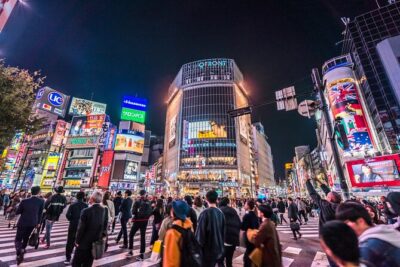
Shibuya Crossing is the headline moment, but it’s more interesting with explanation than with a checklist. Your guide can help you understand why it looks the way it does and how people move through it like it’s normal life, not a movie scene.
A practical note: Shibuya can get crowded. If your tour length is short, consider arriving with a mindset of quick viewing and smart positioning rather than trying to linger forever.
Meiji Shrine: a breather that changes your pace
Meiji Shrine helps break the urban intensity. You’ll walk into a calmer setting with a different soundscape and lighting, and the guide can point out what matters there—what people do, how the spaces are used, and how the experience is meant to feel.
This is a strong choice for almost everyone because it refreshes your attention. It also gives you a respectful contrast after market and city streets.
Asakusa: culture center, then Asakusa Shrine
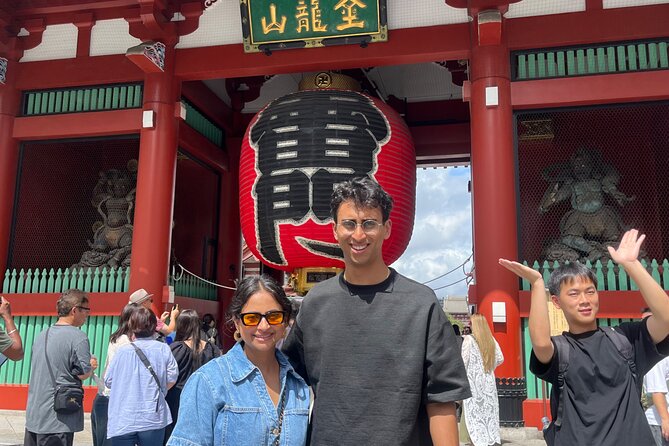
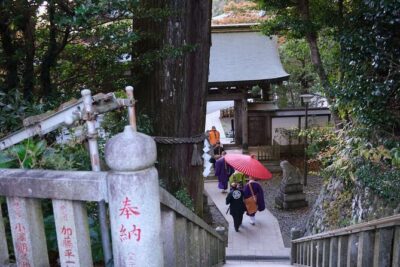
The tour can include Asakusa Culture Tourist Information Center followed by Asakusa Shrine. That combo makes sense: the information center helps you understand the area’s layout and story, and then the shrine gives you the emotional anchor.
If you like “old Tokyo,” Asakusa is where that shows. You’ll also see how people shop, walk, and treat the area as part of daily life—not just a photo stop.
Shinjuku: big city energy, different angles
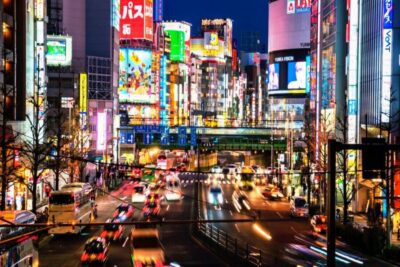
In the Shinjuku area, you may cover Shinjuku, Shinjuku Gyoen National Garden, and Golden Gai (plus other nearby choices depending on time). Shinjuku is a good example of Tokyo’s range: business skyscrapers, neon lanes, and then a garden for reset.
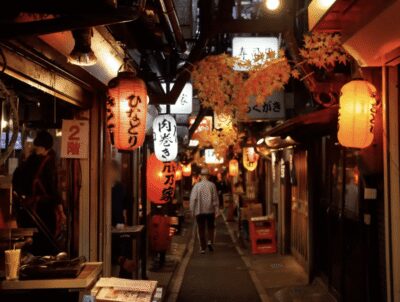
If you’re into nightlife vibes, Golden Gai stands out for its compact alleys and bar-lined character. It’s a great stop to understand Tokyo’s social spaces without requiring you to book anything in advance. Just be ready for a slower stroll and a lot of people-watching.
Akihabara: electric town for tech and games
If your Tokyo interests include electronics, gaming, or pop culture, Akihabara Electric Town is a natural fit. The tour may also include Super Potato Akihabara, which adds a shop-and-sight feel beyond just walking past signs.
This is a good choice for groups with mixed interests because even if you’re not a hardcore gamer, you can still enjoy the culture of the place.
Gardens in the middle of the city: Hama-rikyū, Kiyosumi, Koishikawa, Rikugien
If you want Tokyo with breathing room, choose a longer duration and ask your guide to prioritize garden time. The itinerary includes:
- Hama-rikyū Gardens
- Kiyosumi Gardens
- Koishikawa Kōrakuen
- Rikugien
Gardens are the “reset button” in Tokyo, and you’ll feel the difference after crowded shopping streets. The practical takeaway: these spaces can take time to enjoy properly, so don’t squeeze them into a tiny option unless you’re okay with a shorter visit.
Yoyogi Park and Takeshita Street: fashion + an in-between pause
You may also hit Yoyogi Park and Takeshita Street. Yoyogi offers a break, while Takeshita Street brings in youth fashion energy and street-level Tokyo.
If you like variety, this is a great pairing. If you’re less interested in shopping crowds, you can use Yoyogi as your calm anchor and keep Takeshita as a quick stop.
Nezu Shrine and Nezu Museum: a calmer, artsy angle
The route can include Nezu Shrine and Nezu Museum. This pair tends to feel quieter than the bigger brand-name neighborhoods, and it gives you a different kind of Tokyo day—more about culture and atmosphere than headliner attractions.
This is a solid option if you already saw temples and want something that still feels respectful but less chaotic.
Tokyo Tower and Zojo-ji: modern icon with classic grounds
Tokyo Tower pairs well with Zojo-ji Temple. You get a major skyline symbol and then a temple space nearby that brings contrast right into the same outing.
This can be a great plan for first-timers because it gives you both “Tokyo as a city brand” and “Tokyo as lived tradition.”
Ueno: park time plus Ameyoko street energy
In Ueno, you might cover Ueno Park, Ueno Ameyoko Shopping Street, and Ueno Toshogu Shrine. This makes sense because the area naturally mixes open space, shopping atmosphere, and shrine visits.
Ameyoko in particular tends to be a “walk and browse” kind of stop. If you’re hungry or want souvenirs that feel more local-market than mall-like, it’s worth building time around.
Gotokuji and Kanda Shrine: off the main radar (with meaning)
The itinerary can include Gotokuji temple, Tokyo and Kanda Shrine. These kinds of stops are valuable because they show Tokyo’s personality beyond the most famous circuits.
They also work well on longer tours when you want your day to feel less like a photo carousel and more like you’re learning how different districts express themselves.
What I’d pay attention to during the walk
A private guide changes what you notice. In reviews, I saw examples of this kind of impact: Toko helped people handle the train system on their first day and explained how to move between major neighborhoods without stress. Momo taught culture in a way that felt personal, and one review even mentions Momo walking the group to her favorite omakase spot after the tour.
That kind of follow-through is the real value. It’s not just facts; it’s the ability to connect what you saw to how you live in the city—where to eat, what to expect next, and how to avoid wasting time.
Here are a few things you should actively ask your guide:
- What’s the best route for avoiding crowds at the moment we’re there?
- What should I watch for at each shrine/temple that most people miss?
- If I have one meal today, what area should I target?
Your guide can also help adjust for reality—like the review that mentioned accommodating an infant with bathroom breaks and elevator detours. If you have any needs like that, tell your guide early so they can shape the route.
Price and value: is $25 per person a good deal?
At $25 per person, the value depends on what you’re trying to solve. If you want the “I’m new here and I need a guide” benefit—route planning, explanations, and a structured day—it’s priced like an excellent first-day helper.
You’re getting:
- a local guide and guided tour
- customization
- private group time (only your group participates)
- hotel pickup options
What’s not included matters too. Meals and drinks are separate, and transportation fees and private transportation are not included. If you’re planning to ride a lot of trains, you’ll pay those fares directly, but the guide helps you use the system efficiently.
In plain terms: you’re paying for time, direction, and cultural translation. For first-timers, that can easily outweigh the cost of one day’s stress and wasted wandering.
Who this tour is best for (and who should tweak expectations)
This works especially well if:
- It’s your first trip to Japan and you want help using the transit system and understanding neighborhoods.
- You want a day that mixes famous sights with more personal choices.
- Your group includes different interests—history/temples, food markets, and pop culture can all fit with the guide’s planning.
It might not be the best match if you want a purely self-guided, flexible stroll with no structure at all. Since you’re paying for a guided path, you’ll get the most from it when you’re open to following the plan and adjusting your priorities.
Also, be honest with your energy level. With 1–8 hours, you can choose the right duration, but the walk-and-transit format means you’ll want to move with intent rather than treat it like a slow museum day.
Should you book this private Tokyo walking tour?
Book it if you want Tokyo to feel readable and friendly on day one. The price is low enough that it’s a practical investment, and the private format plus customization means you won’t feel stuck in a rigid checklist.
I’d lean toward booking a longer option if you want both classic stops and neighborhood variety—temples plus Shibuya/Shinjuku/Akihabara, and possibly garden time. If you’re short on time or jet-lagged, choose a shorter duration and let the guide focus on one or two anchors so you still learn a lot.
Before you go, send clear preferences to your guide—temples vs. markets vs. pop culture—and mention any constraints (infant needs, mobility considerations, or specific areas you care about). That’s where a tour like this really shines.
FAQ
How long is the tour?
You can choose a duration option that fits your schedule, with options listed as 1, 2, 4, 6, or 8 hours.
Is this a private tour?
Yes. It’s a private tour/activity, so only your group participates.
What’s the meeting point?
Your guide will designate a meeting point based on where you want to focus (such as Shibuya, Shinjuku, or Tsukiji). If pickup is requested, you can meet at your hotel or another requested location.
Do I get hotel pickup?
Pickup is optional. If you request it, your guide will pick you up from your hotel or another location you specify.
What languages are the guides?
The guide provides live tour help in English and Japanese.
Is the tour wheelchair accessible?
Yes, wheelchair accessibility is listed.
Does the tour include transport costs?
Transportation fees are not included. The tour includes walking and public transportation, with the guide helping with routing.
What about meals and drinks?
Meals and drinks are not included, so you’ll pay for food separately during your walk.
When will the guide contact me to plan the itinerary?
The guide contacts you after booking within about two weeks before the tour start to discuss and arrange the ideal itinerary.
What’s included in the price?
Included items are hotel pickup (if chosen), a private guided tour with local insights, and tour customization with a local guide.
More Walking Tours in Tokyo
- Tokyo Tsukiji Fish Market Food and Culture Walking Tour
★ 5.0 · 3,184 reviews - Tokyo: Imperial Palace and Shogun Historical Walking Tour
★ 5.0 · 2,251 reviews - Tokyo: Shinjuku Local Bar and Izakaya Guided Walking Tour
★ 4.9 · 1,794 reviews - Tokyo: Tsukiji Fish Market Food and Walking tour
★ 5.0 · 1,724 reviews - Tokyo: Asakusa Walking Tour with Sensoji Temple Visit
★ 4.8 · 1,583 reviews
More Tours in Tokyo
- Mt Fuji and Hakone 1-Day Bus Tour Return by Bullet Train
★ 5.0 · 26,383 reviews - 1-Day Tokyo Bus Tour
★ 5.0 · 14,250 reviews - Tokyo: Shinjuku Food Tour (13 Dishes at 4 Local Eateries)
★ 5.0 · 6,603 reviews - Tokyo Mt Fuji 5th St & Hakone Cruise Bus Tour w/Bullet Train
★ 4.4 · 5,024 reviews - Flagship 2-Hours Official Street Go-Kart Tour – Tokyo Bay Shop
★ 5.0 · 4,974 reviews
More Tour Reviews in Tokyo
- Mt Fuji and Hakone 1-Day Bus Tour Return by Bullet Train
★ 5.0 · 26,383 reviews - 1-Day Tokyo Bus Tour
★ 5.0 · 14,250 reviews - Tokyo: teamLab Planets TOKYO Digital Art Museum Entry Ticket
★ 4.6 · 9,779 reviews - Mt Fuji & Hakone Cruise, Drum Show Bullet Train 1 Day from Tokyo
★ 4.0 · 7,413 reviews - Tokyo: Shinjuku Food Tour (13 Dishes at 4 Local Eateries)
★ 5.0 · 6,603 reviews
Latest Tokyo reviews off our desk

Walking Tours, compared.
 ★ 5.0Tokyo Tsukiji Fish Market Food and Culture Walking TourFrom $993,184 reviews
 ★ 5.0Imperial Palace and Shogun Historical Walking TourFrom $222,251 reviews
 ★ 4.9Shinjuku Local Bar and Izakaya Guided Walking TourFrom $341,794 reviews
 ★ 5.0Tsukiji Fish Market Food and Walking tourFrom $301,724 reviews
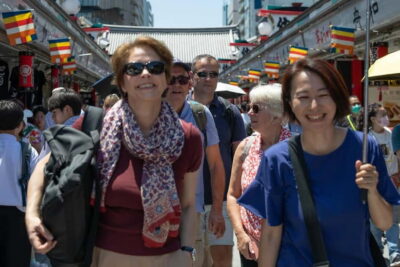 ★ 4.8Asakusa Walking Tour with Sensoji Temple VisitFrom $221,583 reviews
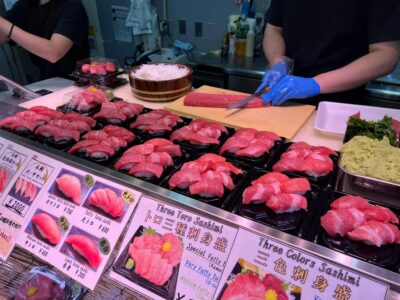 ★ 4.9Tsukiji Fish Market Guided Walking TourFrom $221,397 reviews
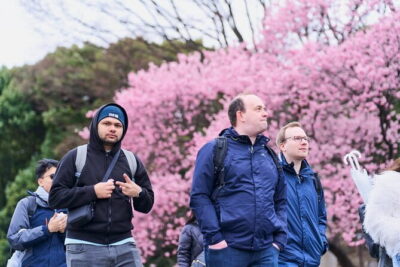 ★ 4.7Tokyo Castle & Imperial PalaceーShogun Walking TourFrom $231,068 reviews
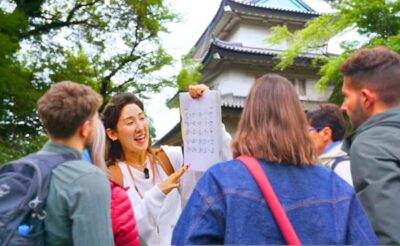 ★ 4.9Imperial Palace Japanese History Walking TourFrom $32987 reviews
Browse the lists this tour appears in