
Reviewed · WALKING TOURS
Tokyo Private Walking Tour With Fresh Eyes, Local Hearts
Tokyo can overwhelm you fast. This private walking tour is designed to remove decision fatigue by letting your local guide shape the day around what you actually want to see.
I like the undivided attention you get with a private guide, not a revolving carousel of other groups. I also like that the itinerary is truly customizable, with guides born and raised in Tokyo guiding from experience, not generic scripts. One thing to consider: some stops have admission tickets not included, so you may want a little extra cash or a card ready for gardens.
This tour works especially well if you’re visiting for the first time and want a smart mix of Tokyo landmarks and local-loved areas, without spending your whole trip on route planning.
In This Review
- Key points worth knowing before you go
- How this private Tokyo walk keeps your day easy
- The itinerary reality: how long you’ll spend and how it flows
- Imperial Palace grounds: what you can see (and what you can’t)
- Tsukiji Outer Market and Tsukiji Fish Market: plan for breakfast energy
- Shibuya Crossing: youth culture and fast city motion
- Meiji Jingu Shrine: a break from the city’s pace
- Kabukiza: you’ll see the theater, but not the main interior
- Senso-ji Temple and Asakusa: your classic Tokyo temple-and-streets combo
- Shinjuku Gyoen, Golden Gai, and the garden-ticket reality
- Akihabara: pop culture shopping as a guided walk
- Harajuku-area energy: Takeshita Street and the kawaii street scene
- Nezu Shrine, Kiyosumi Teien, and the calm-side choices
- Tokyo Bay-area garden options: Hamarikyu Gardens
- Ueno Park, Zojo-ji, and Gotokuji: a mix of city culture and temple lore
- Kanda Shrine and the quiet guardian role
- Tokyo Tower and night views: when to plan this stop
- Value and pricing: what $26.36 per person actually buys you
- Who this tour suits best (and who might want something else)
- Should you book this private Tokyo walking tour?
- FAQ
- How long is the Tokyo private walking tour?
- How much does the tour cost?
- Is this tour private?
- Can I customize the itinerary?
- Is hotel pickup included?
- Are all entrances included for the stops?
- Do you enter the Imperial Palace and Kabuki-za theater?
- What costs are not included?
- Can I get a full refund if I cancel?
Key points worth knowing before you go
- Private by default: Only your group joins, so you set the pace and direction.
- Guide-led customization: You can make requests and shape the route to your interests.
- Big-name stops plus calmer corners: Imperial Palace public areas, shrines, gardens, markets, and neighborhood streets.
- Short visits, not long lectures: Many stops are around 15 minutes, with time to walk, look, and move.
- Some admissions require extra planning: Several gardens and at least one shrine list admission as not included.
- Hotel pickup and mobile ticket: Helps you start smoothly, with less friction at the beginning.
How this private Tokyo walk keeps your day easy
Tokyo rewards curiosity, but it punishes indecision. The value here is that you don’t have to build a plan from scratch—your guide does the matching: sight vs. time vs. your interests. That matters because Tokyo isn’t just one city. It’s many neighborhoods with different rules, rhythms, and vibes.
In the tour format you get focused attention: questions welcome, detours possible, and you’re not stuck waiting for slower walkers or getting steamrolled by someone else’s must-see list. If you’ve got a family, mixed ages, or different interests in the same group, this is where a private guide becomes more than a luxury.
The other practical win: the tour is built around walking and public transportation. That helps you feel what Tokyo feels like—streets, station areas, small alleys, and sudden changes in scenery—without the cost and hassle of private transport.
Readers also shortlisted these Tokyo bookings:
- Tokyo Tsukiji Fish Market Food and Culture Walking Tour
★ 5.0 · 3,184 reviews - Tokyo: Imperial Palace and Shogun Historical Walking Tour
★ 5.0 · 2,251 reviews - Tokyo: Shinjuku Local Bar and Izakaya Guided Walking Tour
★ 4.9 · 1,794 reviews - Tokyo: Tsukiji Fish Market Food and Walking tour
★ 5.0 · 1,724 reviews
The itinerary reality: how long you’ll spend and how it flows
The tour duration is listed as 1 to 8 hours, roughly. That range is the secret sauce. A shorter version works like a highlight route with a few key stops. A longer day lets the guide slow down, add neighborhoods, and spend more time where you’re most interested.
Most stops are scheduled for about 15 minutes, with a few that run longer (like a 30-minute temple visit). That means you’ll generally get:
- a quick orientation,
- time to see key views and details,
- a chance to take photos,
- and then you move on before the day drags.
So if you want a deep, hours-long conversation in one place, you’ll likely want to book a longer time window and ask the guide to linger. This tour is built for momentum.
Imperial Palace grounds: what you can see (and what you can’t)
The Imperial Palace stop is a classic “start with something iconic” move. You’ll visit public areas of the palace grounds, and the entry is free.
Important catch: this tour does not include access inside the Imperial Palace. Entry is limited to certain public areas. If your dream is walking through the palace interior, you’ll need a different experience for that.
Still, this stop is useful for first-timers because it anchors the scale of Tokyo’s history. You get the moat-and-park setting that sits on the former Edo Castle site, which helps you understand why this area matters to the city’s story.
Tsukiji Outer Market and Tsukiji Fish Market: plan for breakfast energy
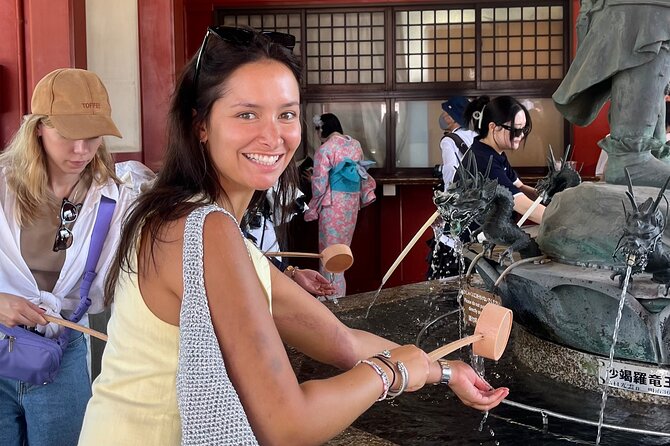
Tsukiji works best early, and this tour treats it that way. The Outer Market stop is designed for snacks and browsing, with more than 400 shops and stalls. You can use it as a breakfast reset—walk, smell, and pick what looks best.
Then you move toward the Tsukiji Fish Market. The inner market is described as a place many overseas visitors don’t know well, and even many Japanese people are less familiar with it. That’s part of why the stop feels different: it’s not just tourist theatre. It can feel more like a working-world peek.
Two practical notes:
- This is a short visit, so have your food plan ready before you get hungry.
- If you’re sensitive to crowds, choose a calm moment when the guide says it’s better to move.
Admission is listed as free for both market stops, which adds value if you’re trying to keep costs predictable.
Shibuya Crossing: youth culture and fast city motion
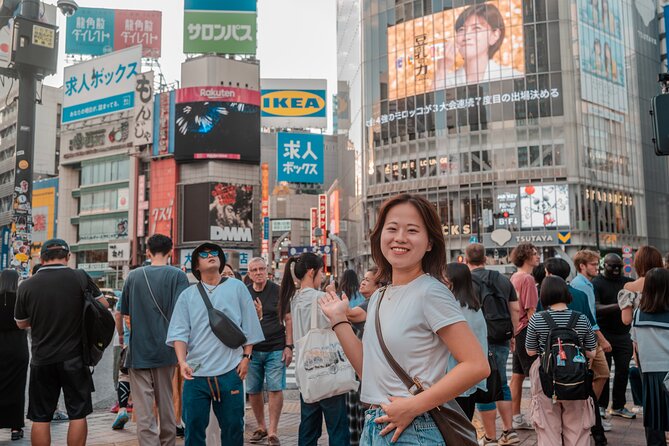
Shibuya Crossing is the visual punch Tokyo delivers. You’ll get a quick look at the intersection area and the surrounding neighborhood energy. Shibuya is tied to youth culture, fashion, and entertainment—so the street scene does a lot of the storytelling for you.
This stop is all about scale and movement. You’ll see why people describe Tokyo as a place where the city changes in an instant. With only about 15 minutes here, don’t expect a long sit-down experience. Use it as a “see it, understand it, and get the vibe” moment.
Readers also shortlisted these Tokyo bookings:
- Tokyo 6hr Private Tour with Government-Licensed Guide★ 5.0 · 3,902 reviews
- Private Tour to Mt. Fuji and Hakone (Fully Licenced Operator)★ 5.0 · 1,910 reviews
- Tokyo Customized Private Tour (Must See Places in 1 Day)★ 5.0 · 1,499 reviews
- Mount Fuji Full-Day Private Tour from Tokyo (Customizable)★ 4.9 · 1,470 reviews
- Tokyo: Private City Highlights Tour with Local Guide★ 4.8 · 1,433 reviews
Meiji Jingu Shrine: a break from the city’s pace
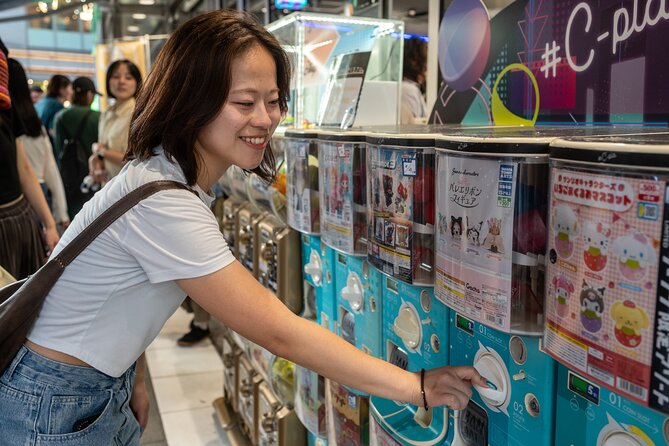
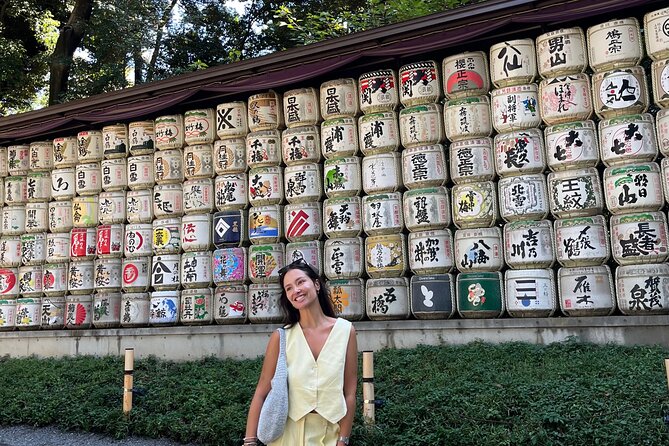
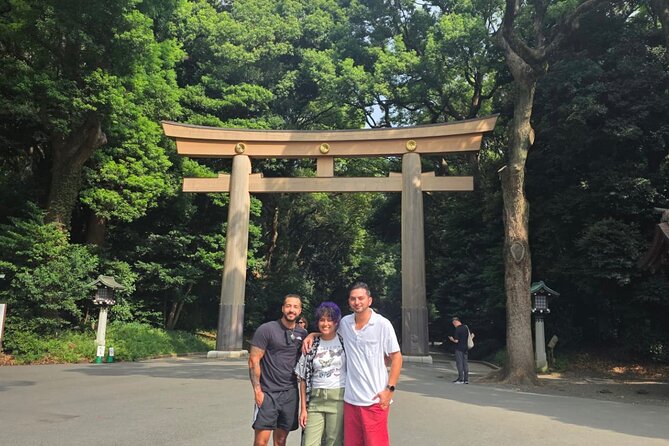
Meiji Jingu Shrine offers a different Tokyo temperature: quieter, more grounded, and focused on tradition. It’s dedicated to Emperor Meiji and Empress Shoken, established in 1920. The tour notes cultural significance even though it’s newer than the oldest shrines.
This is a great pairing after Shibuya. Going from fast fashion streets to forested shrine space helps you reset your senses. Even with a brief stop, you’ll get a sense of why so many people find this spot calming.
Kabukiza: you’ll see the theater, but not the main interior
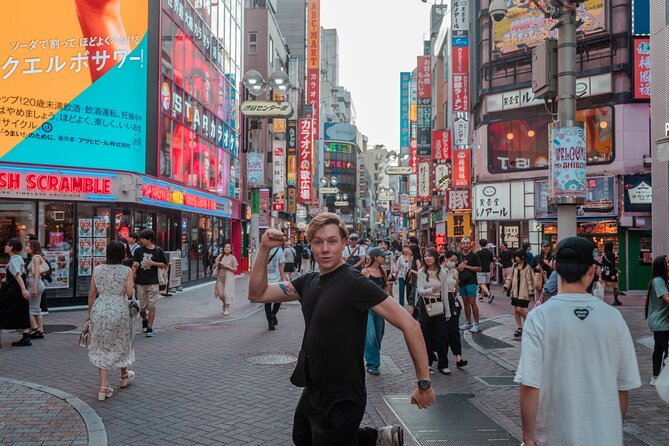
Kabukiza Theater is on the list, but with a key boundary. This tour does not include access to the inside of the main Kabuki-za Theater. Instead, you’ll visit a gallery on a different floor within the same building.
That’s still valuable if your goal is to learn and look around without needing full performance access. Kabuki is one of Japan’s iconic traditional arts, and the gallery visit is your way in—without promising a full “inside the theater” experience.
If Kabuki performance tickets are your dream, you’d need to plan those separately. But as a cultural stop that’s quick and informative, this fits the tour style.
Senso-ji Temple and Asakusa: your classic Tokyo temple-and-streets combo
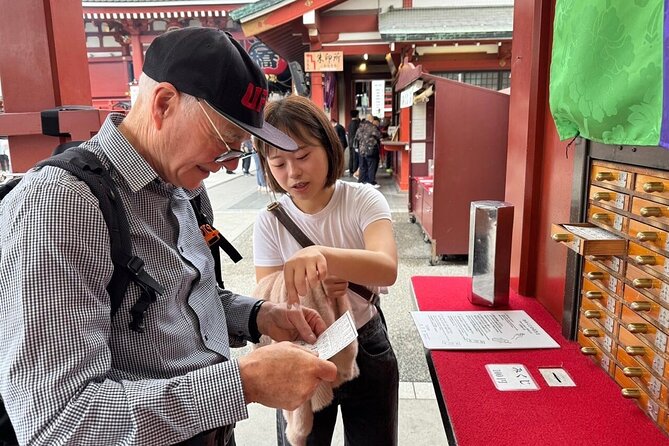
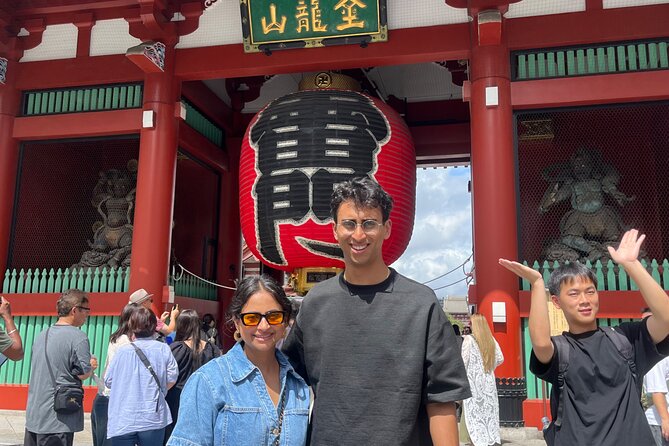
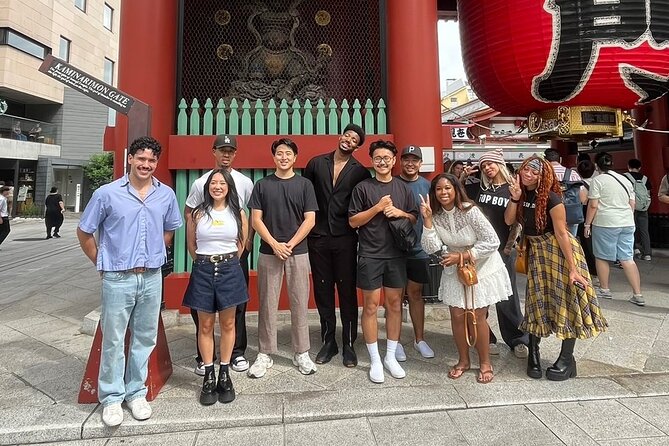
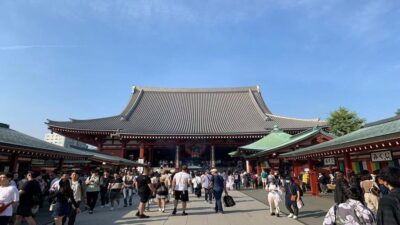
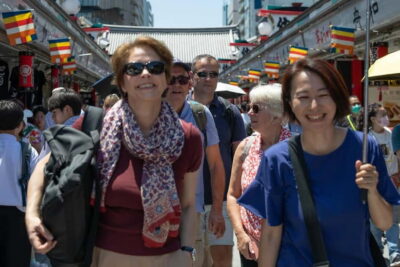
Senso-ji in Asakusa is the oldest temple in Tokyo, and it’s one of the most visited landmarks. The tour description includes the legend of two fisherman brothers who discovered what became central to the temple’s origin story. Even if you only have about 30 minutes at the temple, that timeline helps you connect more than just “this is pretty.”
After that, the tour keeps you in Asakusa. The area is known for history and tradition preserved in the street layout and local character. You’ll get short time slices, but the goal is to feel the neighborhood’s texture around the temple.
Practical thought: Asakusa is a place you’ll want to take photos as you walk. You’ll also want to be ready for lots of sensory input—food, shops, and crowds—so it helps to keep expectations realistic. Quick look, good photos, then move.
Shinjuku Gyoen, Golden Gai, and the garden-ticket reality
Shinjuku Gyoen National Garden gives you Tokyo’s green pause in the middle of everything. It’s described as a former imperial garden open to the public now, and it’s part of the tour as a short stop. Admission is listed as not included, so you’ll want to budget extra if this garden matters to you.
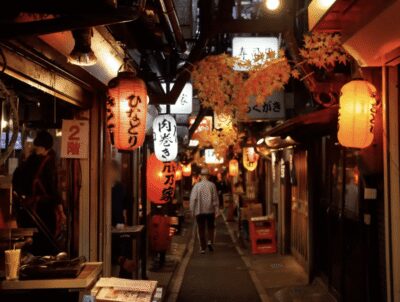
Then there’s Shinjuku Golden Gai, the nightlife district with narrow alleyways packed with tiny bars—over 300, according to the description. The tour stop is short, but the setting is so unusual that even a brief walk helps you understand the district. Expect streets that feel tight and old-school, with traditional two-story buildings.
Together, these two stops show Shinjuku’s split personality: peaceful garden paths on one side, and tight alleys of nightlife on the other.
Akihabara: pop culture shopping as a guided walk
Akihabara is Tokyo’s center for cutting-edge pop culture, with electronics, anime, manga, and gaming shops. This part of the tour is essentially a guided neighborhood scan: you’ll walk through streets where your interests guide what you notice.
If you’re into modern Tokyo fandom culture, this is one of those stops where a guide can help you avoid wasting time wandering randomly. The tour time is brief, but the zone is full of variety, so you’ll still come away with a sense of the place.
Harajuku-area energy: Takeshita Street and the kawaii street scene
Takeshita Street sits just outside Harajuku Station and is known for shopping tied to kawaii culture. The description highlights fashion, accessories, sweets, and character goods.
This is a fun stop if you want to see Tokyo’s playful side. It can also be intense—so keep an eye on your energy level. In a short time window, you’ll want to pick a few stores or streets rather than trying to do everything.
Nezu Shrine, Kiyosumi Teien, and the calm-side choices
Not every Tokyo day needs maximum motion. Nezu Shrine is listed as a historic Shinto shrine famous for azalea flowers. It’s described as serene, with traditional architecture and lush greenery.
Kiyosumi Teien Garden is also on the list. It’s an Edo-period stroll garden centered on a pond, designed for calm atmosphere even while you’re in the city. Admission is listed as not included, so just like Shinjuku Gyoen, you’ll want to plan if you want the garden time.
These calmer stops are where the tour feels more like Tokyo living than just sightseeing.
Tokyo Bay-area garden options: Hamarikyu Gardens
Hamarikyu Gardens are described as an Edo-period garden along Tokyo Bay. It includes ponds and tidal gardens, with seasonal flowers mentioned as part of what you’ll notice. Admission is listed as not included.
If you want a nature break that still feels “Tokyo,” Hamarikyu can fit well. The key is to remember garden time can take longer than you expect, especially if the guide recommends specific walk paths.
Ueno Park, Zojo-ji, and Gotokuji: a mix of city culture and temple lore
Zojo-ji is described as a historic Edo-period temple and the family temple of the Tokugawa clan, where several Tokugawa shoguns are enshrined. It’s a short stop, but it’s the kind of place where you get strong context quickly.
Ueno Park is a bigger cultural anchor. It’s described as a hub for museums, art galleries, and a zoo. In spring it’s famous for cherry blossoms, and the tour frames it as a place with open grounds where you can enjoy nature alongside culture. Admission is listed as free for the park stop.
Then there’s Gotokuji Temple, known as the birthplace of the maneki-neko (beckoning cat). That’s one of those Tokyo facts you’ll remember. The temple grounds with traditional buildings and gardens are described as peaceful, and it’s a good “interest stop” if you like pop culture trivia tied to real places.
Kanda Shrine and the quiet guardian role
Kanda Shrine is listed as Kanda Myojin, with over 1,300 years of history. It’s described as one of Tokyo’s traditional guardian shrines protecting central areas like Kanda and Nihonbashi.
Admission is listed as not included. The stop is short, but it can give your Tokyo day a different kind of angle—less “big landmark” and more “how this city has been protected and organized over centuries.”
Tokyo Tower and night views: when to plan this stop
Tokyo Tower appears as a stop on the route. It’s an observation tower with panoramic views, and at night it’s illuminated. It’s also noted as historically significant.
What’s missing in the data is whether you get inside observation access as part of this tour. So if your priority is the view from the top, ask your guide or check what’s included for your booked time window. The tour does at least position you to see it in the context of your day.
If your schedule allows, evening can make this stop feel like a payoff.
Value and pricing: what $26.36 per person actually buys you
At $26.36 per person, the value comes less from one single “ticket moment” and more from the structure: a private, customizable plan with a guide who can keep you moving efficiently. Many of the major sights listed here have free admission for the stop itself (like Imperial Palace public areas, multiple shrines, Senso-ji, Tsukiji stops, and more). That helps you keep costs controlled.
Your main cost uncertainty is gardens and at least one shrine where the data lists admission as not included. So the best way to think about the price is: you’re paying for planning, routing, translation help (as part of guiding), and a tailored route that avoids wasted time.
In the guide feedback from earlier experiences, people also liked the value for money and customization. That matches the real-world logic: if your guide gets you to the right places at the right times for your interests, you save time you’d otherwise spend researching or second-guessing.
Who this tour suits best (and who might want something else)
This is a strong fit if you:
- are a first-time visitor and want an efficient overview,
- want to mix iconic sites with more local-feeling neighborhoods,
- like structure but don’t want a rigid group schedule.
It’s also a good match for families, since the tour style is flexible and guided—your stops can work for mixed ages if you tell the guide what everyone can handle.
If you want long stays in one place—like hours inside museums, or a slow-food day with lots of restaurant time—you might do better with a longer private booking or an experience built specifically around that theme.
Should you book this private Tokyo walking tour?
If you want Tokyo planning that feels effortless, I’d book it. The combination of private guide attention and customization is exactly what helps on a city day where decisions are exhausting. The itinerary includes major landmarks you’ll recognize, plus neighborhood texture like Golden Gai and Akihabara so the day doesn’t feel like a checklist.
Just go in with two expectations:
- Many stops are short, so it’s a walking-and-looking format.
- Budget a bit for stops where admission is not included, especially if gardens are a priority.
If that matches your travel style, Exploring Tokyo’s private walk is one of the easiest ways to get your bearings fast and still feel like you’re doing Tokyo your way.
FAQ
How long is the Tokyo private walking tour?
The tour duration is listed as 1 to 8 hours, approximately, depending on the route and time you choose.
How much does the tour cost?
The price is $26.36 per person.
Is this tour private?
Yes. It’s a private tour/activity, and only your group participates.
Can I customize the itinerary?
Yes. The tour includes customization, and you can make requests for what you want to see.
Is hotel pickup included?
Yes. Hotel pick-up is included, and the tour also uses a mobile ticket.
Are all entrances included for the stops?
No. Some stops are listed with admission ticket free, while others list admission as not included (for example Shinjuku Gyoen National Garden, Hamarikyu Gardens, Koishikawa Korakuen Garden, Rikugien Garden, and Kanda Shrine).
Do you enter the Imperial Palace and Kabuki-za theater?
No. The Imperial Palace stop is limited to certain public areas and does not include access inside the Imperial Palace. The Kabukiza stop does not include access to the inside of the main Kabuki-za Theater, and the tour visits a gallery on a different floor.
What costs are not included?
Public transportation transportation fees are not included, and meals plus personal expenses are also not included. Private transportation is not included.
Can I get a full refund if I cancel?
Free cancellation is available. You can cancel up to 24 hours in advance for a full refund.
More Walking Tours in Tokyo
- Tokyo Tsukiji Fish Market Food and Culture Walking Tour
★ 5.0 · 3,184 reviews - Tokyo: Imperial Palace and Shogun Historical Walking Tour
★ 5.0 · 2,251 reviews - Tokyo: Shinjuku Local Bar and Izakaya Guided Walking Tour
★ 4.9 · 1,794 reviews - Tokyo: Tsukiji Fish Market Food and Walking tour
★ 5.0 · 1,724 reviews - Tokyo: Asakusa Walking Tour with Sensoji Temple Visit
★ 4.8 · 1,583 reviews
More Tours in Tokyo
- Mt Fuji and Hakone 1-Day Bus Tour Return by Bullet Train
★ 5.0 · 26,383 reviews - 1-Day Tokyo Bus Tour
★ 5.0 · 14,250 reviews - Tokyo: Shinjuku Food Tour (13 Dishes at 4 Local Eateries)
★ 5.0 · 6,603 reviews - Tokyo Mt Fuji 5th St & Hakone Cruise Bus Tour w/Bullet Train
★ 4.4 · 5,024 reviews - Flagship 2-Hours Official Street Go-Kart Tour – Tokyo Bay Shop
★ 5.0 · 4,974 reviews
More Tour Reviews in Tokyo
- Mt Fuji and Hakone 1-Day Bus Tour Return by Bullet Train
★ 5.0 · 26,383 reviews - 1-Day Tokyo Bus Tour
★ 5.0 · 14,250 reviews - Tokyo: teamLab Planets TOKYO Digital Art Museum Entry Ticket
★ 4.6 · 9,779 reviews - Mt Fuji & Hakone Cruise, Drum Show Bullet Train 1 Day from Tokyo
★ 4.0 · 7,413 reviews - Tokyo: Shinjuku Food Tour (13 Dishes at 4 Local Eateries)
★ 5.0 · 6,603 reviews
Latest Tokyo reviews off our desk


Walking Tours, compared.
 ★ 5.0Tokyo Tsukiji Fish Market Food and Culture Walking TourFrom $993,184 reviews
 ★ 5.0Imperial Palace and Shogun Historical Walking TourFrom $222,251 reviews
 ★ 4.9Shinjuku Local Bar and Izakaya Guided Walking TourFrom $341,794 reviews
 ★ 5.0Tsukiji Fish Market Food and Walking tourFrom $301,724 reviews
 ★ 4.8Asakusa Walking Tour with Sensoji Temple VisitFrom $221,583 reviews
 ★ 4.9Tsukiji Fish Market Guided Walking TourFrom $221,397 reviews
 ★ 4.7Tokyo Castle & Imperial PalaceーShogun Walking TourFrom $231,068 reviews
 ★ 4.9Imperial Palace Japanese History Walking TourFrom $32987 reviews
Browse the lists this tour appears in