
Reviewed · COOKING CLASSES
Tokyo: Real Ramen & Dumpling Cooking with Master Chef
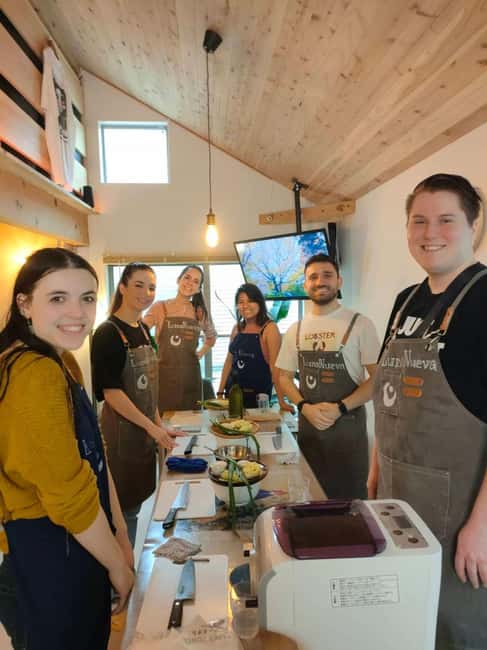
Small steps make perfect ramen. In Tokyo, this hands-on class with pro chef Yoshi and his assistant Amo turns a bowl of comfort food into skills you can repeat at home.
I love the English-first explanations and patient, line-by-line guidance. I also love the focus on the steps that make ramen taste right, from semi-soft eggs to that cool, practical noodle draining technique.
One heads-up: the vegetarian ramen option needs advance notice, and they can’t swap it at the last minute without prior planning.
In This Review
- Key points to know before you go
- Tokyo Ramen, Not a Demo: Why This Class Feels Practical
- Meet Yoshi and Amo: English Lessons With Real Restaurant Muscle
- The 2-Hour Ramen Flow: Everything You Make From Start to Finish
- Semi-soft eggs (nitatmago style)
- Ramen toppings prep
- Gyoza filling, assembly, and folding
- Chashu flavoring and gyoza cooking
- Soup and Noodles: The Skills That Actually Change the Bowl
- Crafting the soup
- Boiling the noodles, then the draining technique
- Assembling toppings on the ramen
- What You Eat and Take Home: A Full Meal, Not a Snack
- Included ingredients you’ll recognize in your bowl
- Recipes sent to you after the lesson
- Vegetarians: How to Get the Right Option Without Stress
- Price and Value: Is $99 Worth It?
- Getting There Like a Local: Ekoda Station Timing Tips That Matter
- Where to meet
- Arrive early, and use the right train stop
- Wait time for pickup
- Who This Class Is Best For (and When to Skip)
- Should You Book This Tokyo Ramen & Dumpling Class?
- FAQ
- How long is the cooking class?
- What does the price include?
- Is the class taught in English?
- Where is the meeting point?
- Do I need to arrive early?
- Will they pick me up from the station?
- Can I take vegetarian ramen?
- Do I get recipes to make the dishes at home?
- What train should I take to reach Ekoda (Egota) Station?
- What if I’m late?
Key points to know before you go
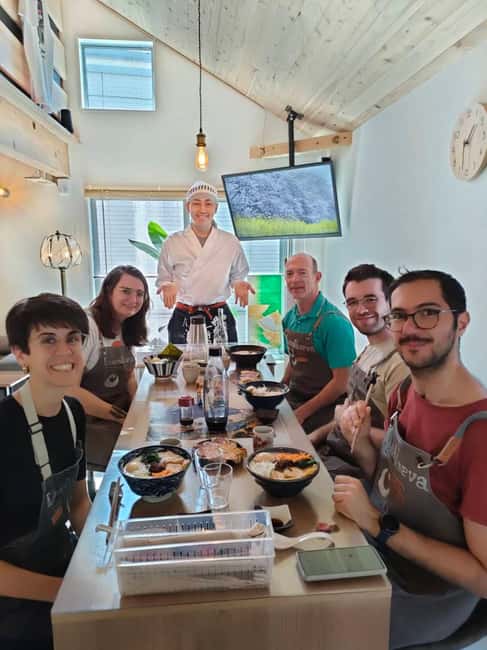
- English-speaking instruction from Yoshi, plus clear support from Amo
- Small-group feel is possible, with a group size up to four
- Hands-on ramen skills: eggs, toppings, gyoza folding, soup, and noodle timing
- Chef-backed flavor: Yoshi has experience running a restaurant in Sydney
- Vegetarian ramen is available, but only if you tell them in advance
Tokyo Ramen, Not a Demo: Why This Class Feels Practical
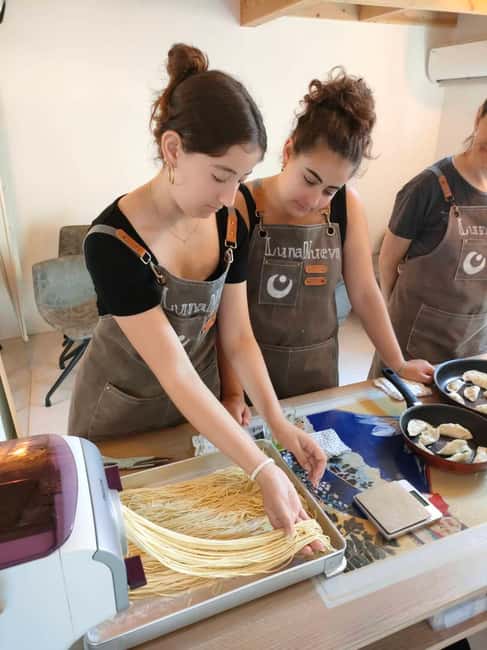
If you’ve ever watched ramen videos and thought, yes, but how do I actually do that, this is the format that answers the question. Instead of passively watching someone cook, you’re building the bowl step by step: eggs, fillings, gyoza folding, chashu flavoring, soup, noodles, and topping assembly.
What makes it especially appealing in Tokyo is that you’re learning the small workflow that separates good ramen from “pretty good.” The class isn’t just about taste. It’s about rhythm. Timing matters for noodles, control matters for toppings, and seasoning matters for the egg and the pork.
I also like that the kitchen setup is already arranged for this experience. You’re not scrambling to figure out tools or ingredients. That means the lesson stays focused on the techniques you’ll actually reuse later.
Readers also shortlisted these Tokyo bookings:
- Ramen & Gyoza Cooking Class in Tokyo with Local Supermarket Visit
★ 5.0 · 823 reviews - Tokyo: Easy Ramen Cooking Experience in Kabukicho, Shinjuku
★ 4.6 · 321 reviews - Ramen and Sushi Cooking Class with Sake Pairing Set in Tokyo
★ 5.0 · 291 reviews - Tokyo: Wagyu and 7 Japanese Dishes Cooking Class
★ 4.9 · 273 reviews
Meet Yoshi and Amo: English Lessons With Real Restaurant Muscle
You meet your instructors around Ekoda (Egota) Station in Nerima (on the Seibu Ikebukuro Line, not JR). Yoshi is the pro ramen chef leading the class, and Amo is the friendly assistant who helps keep things smooth.
One of the best parts is the teaching style. You get clear instruction in English, and the pace feels designed for real people, not only for those who already know Japanese cooking terms. Several guests highlight how patiently Yoshi and Amo answered questions, and that matches the goal here: you shouldn’t just leave with a full stomach. You should leave understanding what you did and why it works.
Also, Yoshi doesn’t just have “chef vibes.” He has restaurant experience abroad, including running a restaurant in Sydney, Australia. That matters because it helps explain how he can translate a Japanese ramen approach into something you can follow in English without losing the technique.
The 2-Hour Ramen Flow: Everything You Make From Start to Finish
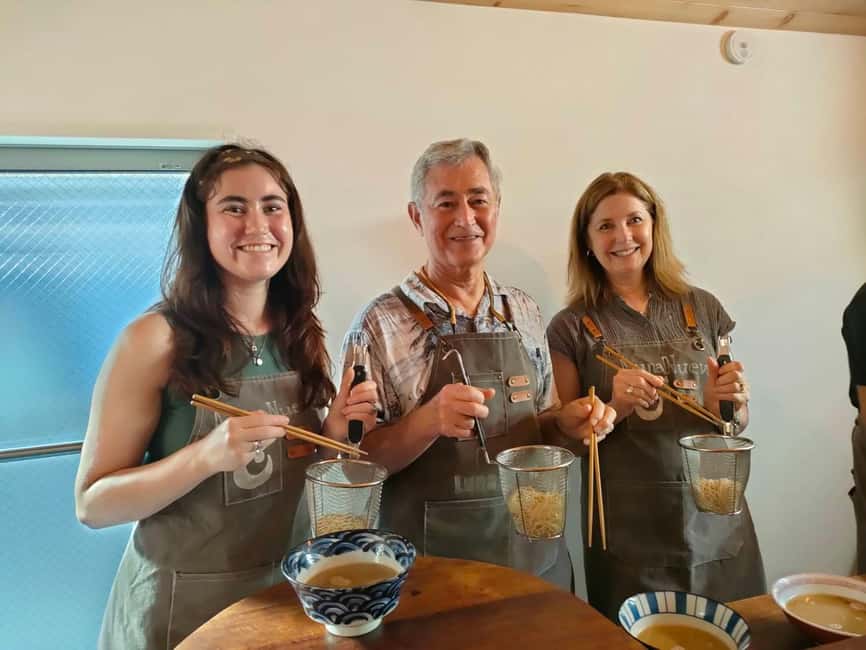
This class runs about 2 hours, and the structure is built to keep you busy. You’ll be doing prep, cooking, and assembly rather than only watching.
Semi-soft eggs (nitatmago style)
The process starts with semi-soft boiled eggs. These aren’t just an add-on. They’re a key flavor piece and a texture piece. The egg is seasoned, giving you that signature ramen richness in a way that’s easier to control when you make it yourself.
This is a good first activity because it sets your pace. You’re learning how long to boil, how to handle the egg, and how seasoning becomes part of the final bowl.
Ramen toppings prep
Next, you’ll prep the toppings. You’ll work with items like seaweed and sliced spring onion, plus ingredients for texture. You’re also handling components like wood ear fungus (a classic add-in that adds a springy, savory bite).
Toppings sound simple until you try to prep them for ramen timing. The class approach helps you understand that toppings aren’t only about flavor—they’re about consistency and finishing order.
- Tokyo: Shinjuku Food Tour (13 Dishes at 4 Local Eateries)★ 5.0 · 6,603 reviews
- Tokyo Mt Fuji 5th St & Hakone Cruise Bus Tour w/Bullet Train★ 4.4 · 5,024 reviews
- Flagship 2-Hours Official Street Go-Kart Tour – Tokyo Bay Shop★ 5.0 · 4,974 reviews
- From Tokyo: Mount Fuji Full-Day Sightseeing Trip★ 4.5 · 4,970 reviews
- Tokyo: Hop-On Hop-Off Sightseeing Bus Ticket★ 3.9 · 4,207 reviews
Gyoza filling, assembly, and folding
Then comes the part that feels fun even if you’re not a “hands-on” person: gyoza. You slice and combine ingredients, then fold the dumplings.
Gyoza folding is one of those tasks where small movements matter. The instructors guide you through the mechanics so you can get a proper fold without turning it into origami homework.
Chashu flavoring and gyoza cooking
After that, you’ll infuse the chashu with its flavors, then cook the gyoza until they’re ready.
Chashu can be intimidating to many home cooks because it often implies long simmering or “special pork-only” steps. In this class, the ingredients and process are set up so you learn what matters: how flavor is built and how pork fits into the final ramen profile.
The gyoza cooking step is also important because it teaches how heat changes texture. Crispy bits come from doing the cooking part right, not just from having the right wrapper.
Soup and Noodles: The Skills That Actually Change the Bowl
Now you get to the heart of ramen: soup and noodles. This is where most people either get it right or give up, mostly because noodles are timed and temperature-sensitive.
Crafting the soup
You’ll make the soup by combining and building the flavors as part of the process. You’re not guessing. You’re following the steps with the instructors guiding your timing and handling.
Even if you aren’t a ramen fanatic, you’ll quickly see why homemade soup basics are worth learning: it controls salt level, richness, and balance with toppings and the egg.
Boiling the noodles, then the draining technique
Then it’s noodles. You’ll boil them, and you’ll also practice the draining technique that they use to control texture.
This part is mentioned as an impressively cool technique, and honestly it makes sense: noodles go from perfect to overdone fast. Learning a repeatable draining approach means you can keep your noodles springy the next time you make ramen at home.
Assembling toppings on the ramen
Finally, you assemble everything. This is where the lesson becomes a bowl you can eat right away. You put together the components you worked on so you can taste the result immediately.
And since your ingredients are aligned for the class—things like seaweed, spring onion, and toppings already planned—you don’t have to wonder if your topping ratios are off.
What You Eat and Take Home: A Full Meal, Not a Snack
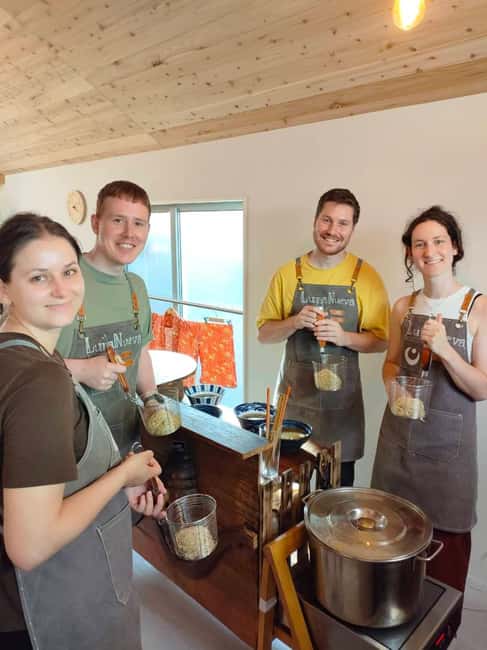
At the end, you eat ramen and gyoza (5 pieces) as part of the class meal. It’s not an afterthought. It’s designed as a full taste of what you made.
Included ingredients you’ll recognize in your bowl
You’ll also work with and enjoy:
- Nitamago (seasoned runny york egg)
- Chashu (slow cooked chicken)
- Seaweed
- Sliced spring onion
- Wood ear fungus
So yes, it’s ramen. But it’s also a dumpling session and a topping-and-egg lesson. That combination is why the class feels like a real food workshop rather than a quick cultural show.
Recipes sent to you after the lesson
One of the most practical benefits is that you get the recipes afterward. The course sends the menu and recipes after the appointment, which means you don’t have to rely on memory.
Guests also mention fun extras like complimentary merchandise, and there’s even an option to buy custom items like an apron or t-shirts. That’s not required, but it’s a nice way to bring the experience home if you like cooking as a hobby.
Vegetarians: How to Get the Right Option Without Stress
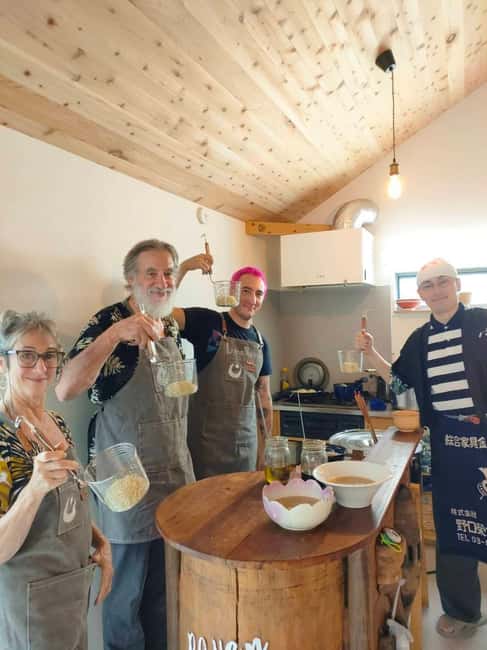
If you want vegetarian ramen, you can do it, but plan ahead. The key rule is simple: you must inform them in advance, and they can’t accommodate a vegetarian request on the same day without prior notice.
So when you book, make that choice early. It’s worth doing because it protects your spot and ensures the kitchen can prep the right version for you.
Price and Value: Is $99 Worth It?
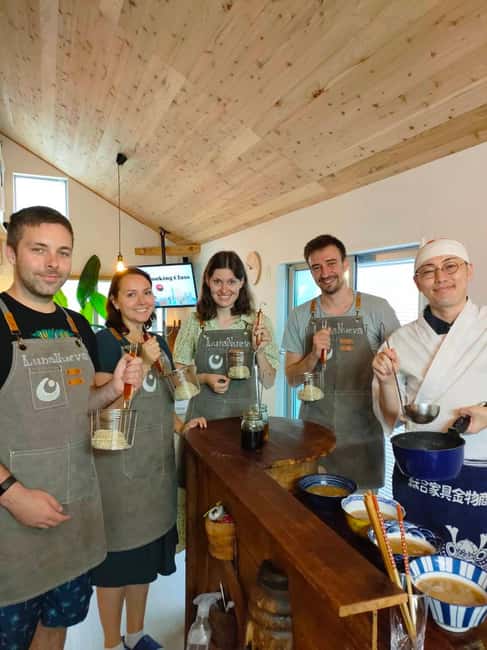
At $99 per person for about 2 hours, the price is less about a cheap activity and more about paying for a pro-led, hands-on cooking skill session.
Here’s what you’re really buying:
- Real instruction in English (not a basic explanation)
- Guided practice for multiple ramen components (eggs, soup, noodles, toppings, gyoza folding)
- A meal you eat immediately: ramen plus gyoza
- Recipes sent after the class, so the learning continues at home
For Tokyo, $99 is a fair fit for a small-group cooking class that delivers both technique and food. If you enjoy cooking already—or want a ramen skill that goes beyond ordering noodles—you’ll likely feel the value fast.
If you only want to taste ramen and you’re not interested in learning the steps, you could find cheaper options. But if you want competence in ramen making, this format is designed for it.
Getting There Like a Local: Ekoda Station Timing Tips That Matter
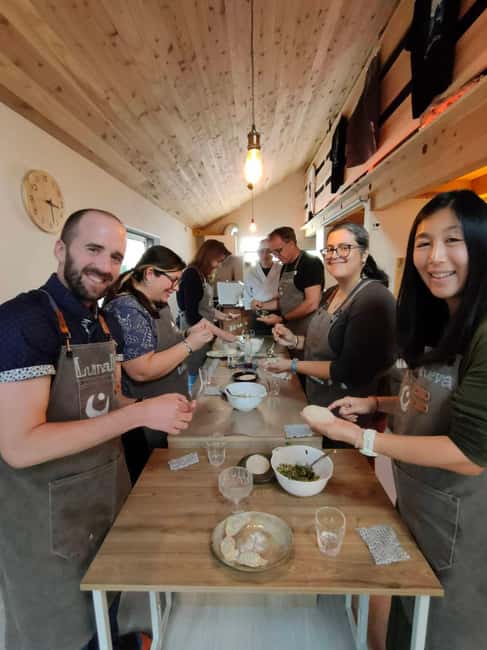
Logistics in Tokyo can make or break short experiences, so pay attention to timing.
Where to meet
You’ll meet at Ekoda Station, at 1 Chome-78 Asahigaoka, Nerima City, Tokyo 176-0005, Japan (exact meeting point details are provided with the course).
Arrive early, and use the right train stop
You should arrive at least 15 minutes early to get settled. Also, they specifically advise taking a local train that stops at Ekoda (Egota) Station. Avoid the rapid train since it may skip the stop you need.
Wait time for pickup
Pickup is included, and they’ll wait 15 minutes at the out-of-ticket gate area in Ekoda (Egota) Station.
If you don’t want stress, add their phone contact to WhatsApp. The contact number provided is +818072621175. If you’re only on Wi-Fi after you land, this can save you from awkward timing issues.
Who This Class Is Best For (and When to Skip)
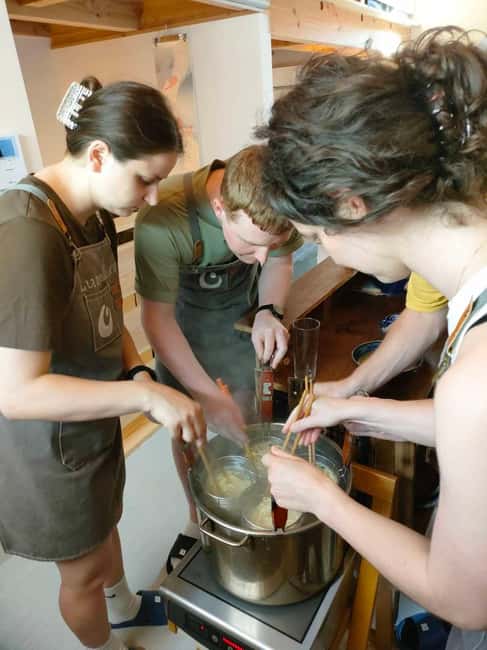
This experience fits best if you fall into one of these categories:
- You want hands-on cooking practice, not just watching someone else work
- You enjoy dumplings and want gyoza folding skills
- You want English explanations with a real restaurant approach
- You’d like recipes you can use later at home
It’s also a great “I want Tokyo food with substance” choice if you’re the kind of traveler who likes learning one core technique and taking it home.
It might be less ideal if:
- You only want to taste ramen and aren’t interested in cooking components
- You show up late and prefer a low-structure schedule (short classes run on timing)
And if vegetarian ramen is important to you, remember the advance notice requirement. Plan that early and you’ll be fine.
Should You Book This Tokyo Ramen & Dumpling Class?
I’d book it if you want a ramen lesson that’s practical, structured, and taught in English by Yoshi and Amo, with a meal you actually eat right after you make it. The class gives you more than flavor—it gives you process. Eggs, gyoza folding, chashu flavoring, soup building, noodle draining, and assembly are exactly the kind of skills that turn ramen from a restaurant-only treat into something you can recreate.
Don’t book it if vegetarian flexibility at the last minute is a priority. That request needs advance notice. Also, if your schedule is unpredictable and you don’t think you can reliably arrive early, pick a different option.
If you can plan ahead and you like hands-on cooking, this is one of the more solid “learn something in Tokyo” experiences for the money.
FAQ
How long is the cooking class?
The class lasts about 2 hours.
What does the price include?
You get ramen and gyoza (5 pieces), ramen toppings, nitamago (seasoned runny york egg), chashu, seaweed, sliced spring onion, and wood ear fungus. Recipes are sent after the lesson.
Is the class taught in English?
Yes. The instructor teaches in English.
Where is the meeting point?
The meeting point is at Ekoda Station, 1 Chome-78 Asahigaoka, Nerima City, Tokyo 176-0005, Japan.
Do I need to arrive early?
Yes. Please arrive at the meeting point at least 15 minutes before the class starts so you can get settled.
Will they pick me up from the station?
Pickup is included. They will wait for you 15 minutes before/at the out of ticket gate in Ekoda (Egota) Station.
Can I take vegetarian ramen?
Vegetarian ramen is available, but you must inform them in advance. Same-day changes aren’t guaranteed.
Do I get recipes to make the dishes at home?
Yes. After the lesson, they will send all recipes to you.
What train should I take to reach Ekoda (Egota) Station?
They recommend taking the local train that stops at Ekoda (Egota) Station. They specifically advise not riding on the rapid train.
What if I’m late?
Late arrival might reduce our class time, since timing is important for a 2-hour cooking schedule.
More Cooking Classes in Tokyo
- Ramen & Gyoza Cooking Class in Tokyo with Local Supermarket Visit
★ 5.0 · 823 reviews - Tokyo: Easy Ramen Cooking Experience in Kabukicho, Shinjuku
★ 4.6 · 321 reviews - Ramen and Sushi Cooking Class with Sake Pairing Set in Tokyo
★ 5.0 · 291 reviews - Tokyo: Wagyu and 7 Japanese Dishes Cooking Class
★ 4.9 · 273 reviews - Tokyo Washoku 4-hour Cooking Class: From Market to Table
★ 5.0 · 253 reviews
More Tour Reviews in Tokyo
- Mt Fuji and Hakone 1-Day Bus Tour Return by Bullet Train
★ 5.0 · 26,383 reviews - 1-Day Tokyo Bus Tour
★ 5.0 · 14,250 reviews - Tokyo: teamLab Planets TOKYO Digital Art Museum Entry Ticket
★ 4.6 · 9,779 reviews - Mt Fuji & Hakone Cruise, Drum Show Bullet Train 1 Day from Tokyo
★ 4.0 · 7,413 reviews - Tokyo: Shinjuku Food Tour (13 Dishes at 4 Local Eateries)
★ 5.0 · 6,603 reviews
Latest Tokyo reviews off our desk






Cooking Classes, compared.
 ★ 5.0Ramen & Gyoza Cooking Class in Tokyo with Local Supermarket VisitFrom $122823 reviews
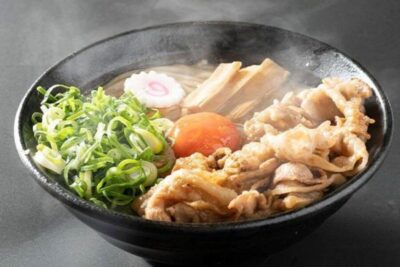 ★ 4.6Easy Ramen Cooking Experience in Kabukicho, ShinjukuFrom $29321 reviews
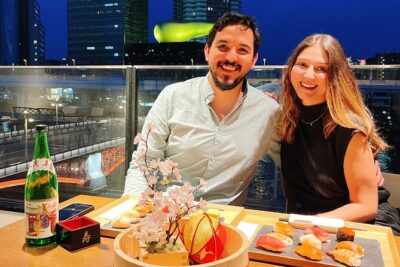 ★ 5.0Ramen and Sushi Cooking Class with Sake Pairing Set in TokyoFrom $79291 reviews
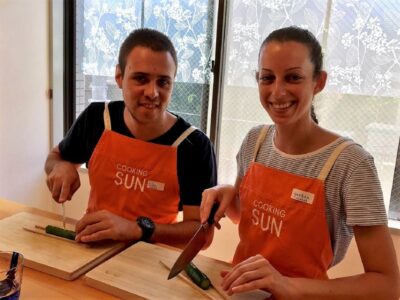 ★ 4.9Wagyu and 7 Japanese Dishes Cooking ClassFrom $67273 reviews
 ★ 5.0Tokyo Washoku 4-hour Cooking Class: From Market to TableFrom $79253 reviews
 ★ 5.0Small-Group Wagyu Beef and 7 Japanese Dishes Tokyo Cooking ClassFrom $72190 reviews
 ★ 5.0Private Home Cooking in Yanaka – Local Flavors in a Warm SettingFrom $122173 reviews
 ★ 5.0Tokyo Sushi Making Experience & Japanese Cooking ClassFrom $59150 reviews
Browse the lists this tour appears in