
Reviewed · SAMURAI & NINJA CLASSES
Tokyo: Samurai History Walking Tour
Four hours can change how you see samurai. This Tokyo Samurai History Walking Tour connects major turning points across the samurai timeline, and it does it in plain English with guide John starting right near Tokyo Station. You’ll look at real places tied to the rise and fall of warriors, then get honest context for the big questions: honor or brutality, and how the system changed over centuries.
What I like most is the way the route uses Edo Castle ruins as a map for political power, not just a photo stop. I also like the stop at Sengaku-ji, because the gravesite story is easier to understand when you’re standing where it happened and hearing the meaning behind the legends. It’s not a lecture that floats above your head.
One consideration: it’s a long walk for Tokyo, and it’s not set up like an easy stroll. You will take public transport occasionally to rest, but if you tire quickly (or need lots of food breaks), you’ll want to plan carefully and keep expectations realistic.
In This Review
- Key points worth knowing before you go
- Samurai history you can walk through, not just read
- Meeting John outside Tokyo Station: where the tour starts
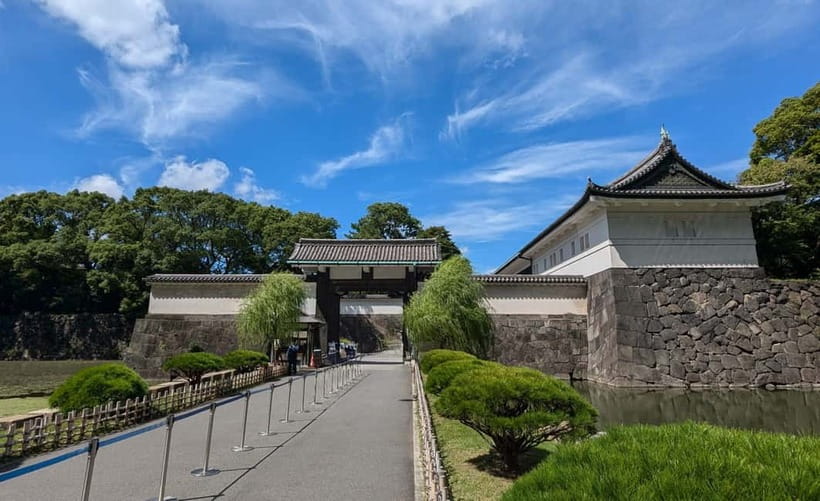
- Edo Castle ruins in the East Gardens: the power map of Tokyo
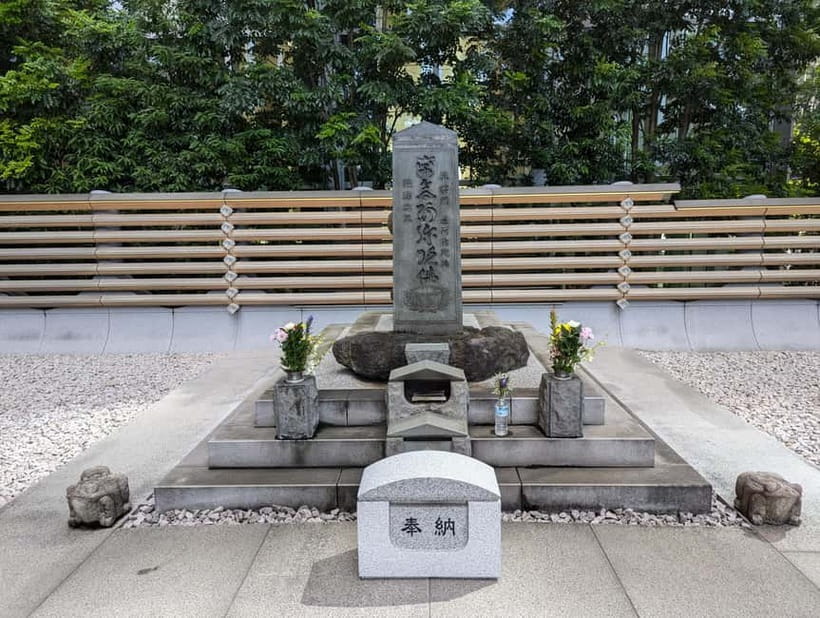
- Taira no Masakado’s Grave: the early shockwave
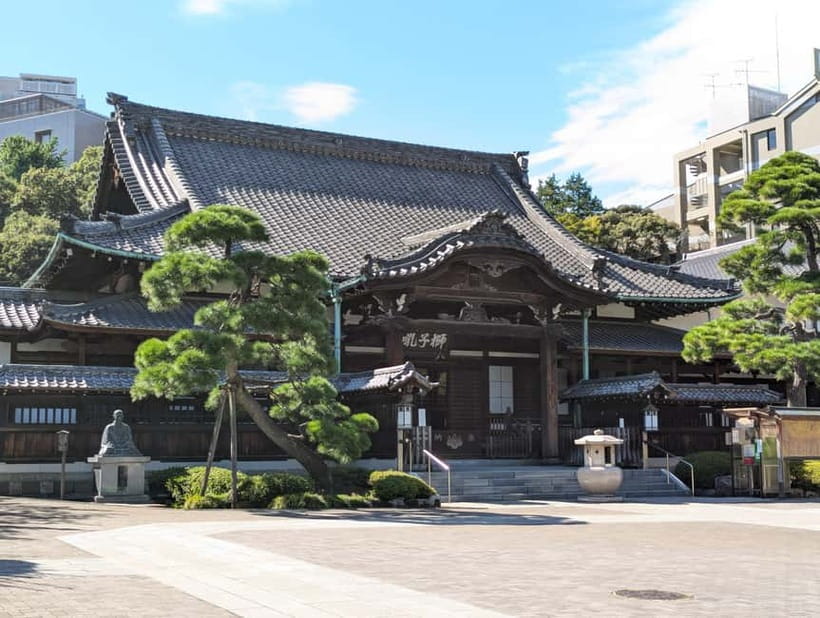
- Sengaku-ji and the 47 Ronin graves: honor, loyalty, and fallout
- The walk-to-transport rhythm: pacing that respects tired legs
- Price and value: what $33 buys you in Tokyo
- Who this tour is perfect for
- Should you book this Tokyo Samurai History Walking Tour?
- FAQ
- Where does the tour meet?
- How long is the tour?
- What is the price?
- What is included in the price?
- Do I need to pay extra for transport?
- Is Sengaku-ji included, and is there an entry fee?
- What language is the tour in?
- Is food included during the tour?
- Is the tour good for people with limited mobility?
Key points worth knowing before you go
- A story-driven route that moves from early samurai origins toward their demise in 1868
- Edo Castle East Gardens ruins helps you “read” power in the city’s layout
- Sengaku-ji brings the 47 Ronin gravesite story into focus
- John guides in English and answers questions in a friendly, direct way
- Plan for walking time plus occasional public transport, with no real food stop built in
Samurai history you can walk through, not just read
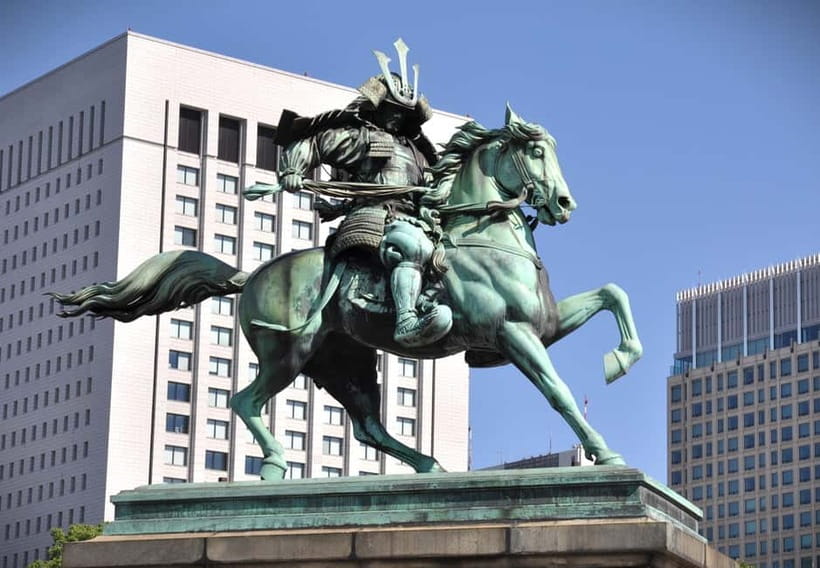
Tokyo is one of the few places where samurai history isn’t trapped inside a book. You can walk between sites that connect the samurai era across a huge span, from their early roots in the 900s to the end of the period in 1868. The tour leans into the tension behind that timeline: Were samurai virtuous and honorable, or did the same label get used for rougher work when power was on the line?
That framing matters. It stops the whole topic from becoming a costume parade. The tour’s aim is to help you connect cause-and-effect—how samurai became a system, and how that system eventually lost its footing. You’ll also get help sorting legend from reality in a way that feels grounded, not preachy.
And because it’s a walking tour with guided stops, you’re not stuck in one room with one viewpoint. You get multiple “windows” into how authority worked: castle space, grave space, and temple space. Each one tells you something different about samurai life and samurai afterlife.
More blade-and-dojo sessions, reviewed
- Tokyo: Samurai Ninja Museum Guided tour and Experience
★ 4.6 · 1,010 reviews - Tokyo: Samurai Sword & Archery Class from Samurai Descendant
★ 5.0 · 603 reviews - Best Samurai Experience in Tokyo
★ 5.0 · 458 reviews - Ninja Experience (Family Friendly) at Samurai Ninja Museum TOKYO
★ 5.0 · 441 reviews
Meeting John outside Tokyo Station: where the tour starts
You start at Marunouchi Square, just outside the Marunouchi Central Exit of JR Tokyo Station. If you’ve ever landed in Tokyo and felt slightly disoriented, this is a smart starting choice. Tokyo Station is a clear landmark, and Marunouchi Square is easy to find without turning your morning into an obstacle course.
Your guide is an English-speaking bald white male, and his name is John. You’ll get a Google Maps link for the exact meeting spot on the day, and you’ll also receive updates via the GetYourGuide app and email. On the first minutes, John’s style tends to set the tone: friendly, direct, and willing to answer questions rather than rushing through.
Plan to show up a bit early. Even though this is a 4-hour tour, meeting matters because you’re walking between areas and timing the group keeps the pace manageable.
Edo Castle ruins in the East Gardens: the power map of Tokyo
One of the biggest values here is Edo Castle (Tokyo Imperial Palace East Gardens). Even if you’ve seen pictures of the palace area, stepping into the ruins zone gives you a clearer sense of how power worked. Edo Castle wasn’t just a landmark. It was a control center that shaped movement, politics, and survival.
John’s guided time at the ruins is long enough (about 105 minutes) that you’re not just “there and out.” This stop is built to connect the idea of samurai rule to the physical layout around you. You start to see why castle-centered governance made sense in an era when security, loyalty, and command were everything.
What you’ll like here: it’s history you can reference while you keep moving through Tokyo afterward. You won’t just remember a name. You’ll remember a sense of how the city organized authority.
What to watch: this is still part of a longer walking day. Comfortable shoes matter. If your legs are easily irritated, you might want to mentally pace yourself so you don’t rush the stop and miss the explanations.
Taira no Masakado’s Grave: the early shockwave
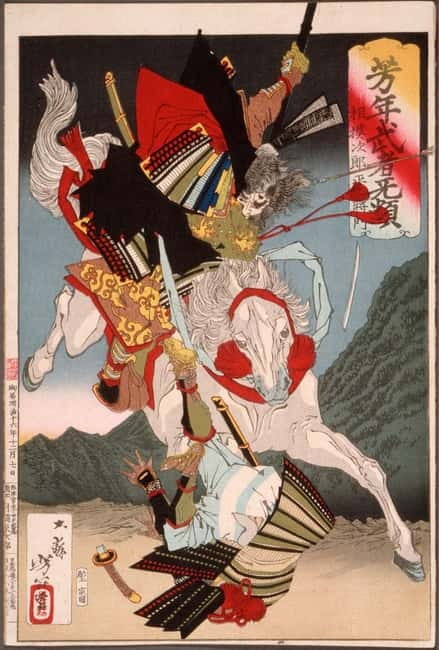
You’ll also stop at Taira no Masakado’s Grave. This is an important piece of the bigger samurai story because it points to earlier eras and early tensions—when the samurai world wasn’t yet the orderly system people often imagine in later storytelling.
Why this stop works in the middle of a 4-hour tour: it slows your thinking down. The Edo Castle time makes it feel like samurai power was already fully formed. The grave adds a different flavor. It reminds you that samurai history includes conflict, disruption, and shifting legitimacy.
This is also one of those moments where the location does the teaching. Being there helps you understand why these gravesites became part of how later generations remembered struggle. You’re not just learning an event. You’re learning how memory got preserved in stone and place.
If you like nuance: you’ll probably appreciate that the tour doesn’t treat samurai history like a straight line of heroes marching forward. It treats it like a system that produced both order and chaos depending on who was holding power.
Sengaku-ji and the 47 Ronin graves: honor, loyalty, and fallout
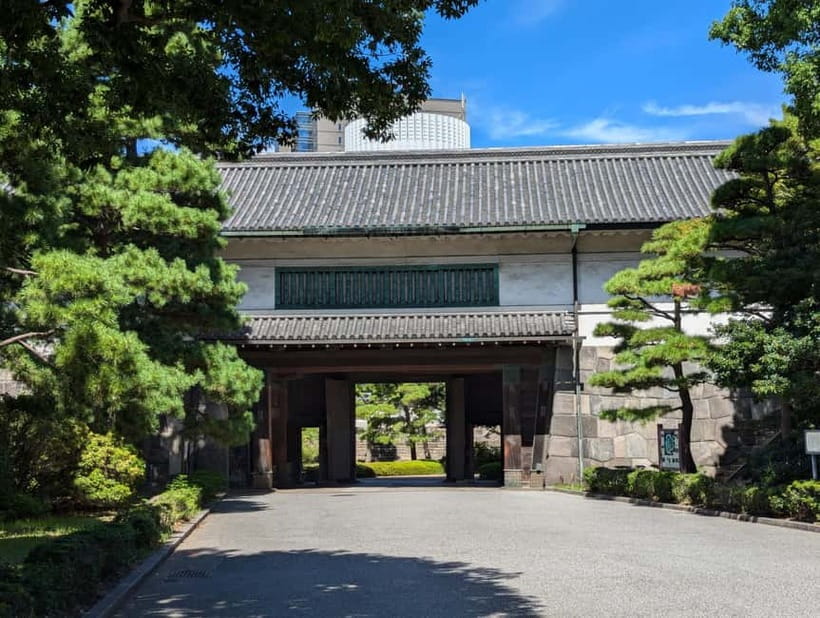
The emotional peak for many people is Sengaku-ji, and specifically the 47 Ronin Gravesite area. This is where you see how samurai-era values got turned into lasting public stories. If you’ve heard of the 47 Ronin before, the tour helps you connect the fame to the physical site—why people come, what the graves represent, and how loyalty gets framed after the fact.
The guide time here is about 1 hour, which is usually the right length for a story like this. It gives enough time to understand the context without turning it into a long detour. You also get to ask questions in the moment, which can be helpful because the 47 Ronin story carries a lot of cultural baggage and different interpretations.
What I like about Sengaku-ji on this tour: you’re not just listening to narrative. You’re watching how the site itself organizes meaning. Temple settings in Japan often work like emotional archives, and this one is directly tied to samurai-era memory.
A practical note: Sengaku-ji has additional costs for the cemetery and museum areas. You’ll pay 300 yen and 500 yen respectively if you want those parts. The main temple experience and guided explanation may still be worthwhile even if you decide to skip one of the ticketed sections—but check your interests before you get to the counter.
Readers also shortlisted these Tokyo bookings:
- Tokyo Tsukiji Fish Market Food and Culture Walking Tour★ 5.0 · 3,184 reviews
- Tokyo: Imperial Palace and Shogun Historical Walking Tour★ 5.0 · 2,251 reviews
- Tokyo: Shinjuku Local Bar and Izakaya Guided Walking Tour★ 4.9 · 1,794 reviews
- Tokyo: Tsukiji Fish Market Food and Walking tour★ 5.0 · 1,724 reviews
- Tokyo: Asakusa Walking Tour with Sensoji Temple Visit★ 4.8 · 1,583 reviews
The walk-to-transport rhythm: pacing that respects tired legs
This tour is a walking route, but it’s not designed as a “no breaks” challenge. You’ll take public transport occasionally to rest your legs, which matters because Tokyo walking can be deceptive. Distances add up fast when you’re paying attention to stories and stopping for guided segments.
As a rule, this experience is best for people who can handle a half-day of moderate activity. It’s specifically noted as not recommended for people who tire very easily, though John can add extra rests if you need them. If you’re a slow walker or planning to stop and take photos a lot, you’ll want to build in extra time buffers.
You’ll also want to think about food. There are no set food stops on this short tour. The smart move: pick up snacks at a convenience store before you start and eat as you go if hunger hits. It’s a small thing, but it keeps you from getting grumpy or delaying the group when energy dips.
One more logistics detail that helps: the tour starts near the big transit hub and ends at Takanawa Gateway Station. That’s convenient for continuing your day without wrestling with extra transfers.
Price and value: what $33 buys you in Tokyo
At $33 per person, the cost is mostly paying for the guide’s time and expertise—specifically a knowledgeable and friendly guide. It’s a guide-led walking experience, so the price makes sense when you think about what you’re actually getting: context at each stop, answers to questions, and a connected storyline that helps you interpret what you’re seeing.
What’s not included is where your budget needs a little care:
- Transport: about 400 yen per person for the public transport used during the tour
- Sengaku-ji entry fees: 300 yen for the cemetery and 500 yen for the museum areas, if you choose to go inside
So the all-in cost can vary depending on whether you take both ticketed parts at Sengaku-ji. For me, this structure feels fair. The base tour stays focused on the route and the explanations, while you decide how much of the temple complex you want to pay for in the moment.
If you’re the type who likes to wander alone, this might feel like you could do it yourself. You can, but the value here is the guided interpretation—especially the way the tour connects the samurai timeline and handles the big questions behind samurai identity.
Who this tour is perfect for
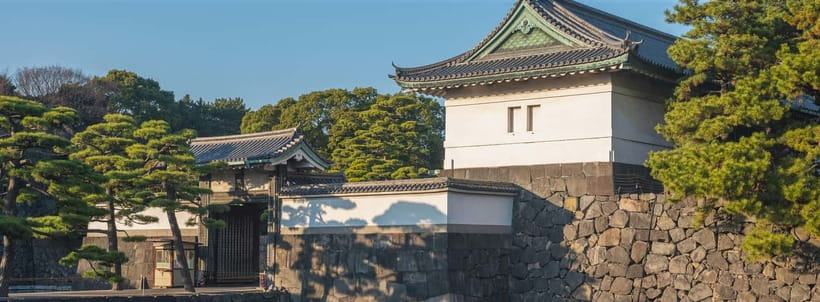
This is a strong match if you want:
- A 4-hour history walk without spending the entire day in museums
- Clear, English-guided storytelling tied to real locations
- The chance to ask questions rather than just follow a script
- A route that includes both castle-era politics and grave-based memory
It’s also a good option if you’re traveling with teens. John’s explanations are described as keeping everyone satisfied, including younger visitors, which usually means the pacing and phrasing land well across ages.
There are limits, though. The tour is not suitable for wheelchair users, and it’s not recommended for people over 95 years. If you’re in either category, it’s worth looking for a shorter or less walking-heavy alternative.
Should you book this Tokyo Samurai History Walking Tour?
Book it if you want samurai history that feels connected and practical—stories tied to place, not just dates on a page. The route is compact, the pacing has some built-in transport breaks, and John’s approach comes off as friendly and question-friendly. If you’re the type who likes to understand what you’re looking at while you walk, this tour gives you that.
Skip it if you need frequent food stops, you get worn out easily on foot, or you prefer to stay fully self-directed without guided interpretation. Also, if you strongly dislike walking days, you might find the half-day format too much, even with the occasional transport.
FAQ
Where does the tour meet?
You meet just outside Tokyo Station at Marunouchi Square, generally waiting outside the Marunouchi Central Exit of JR Tokyo Station.
How long is the tour?
The tour duration is 4 hours.
What is the price?
The price is $33 per person.
What is included in the price?
The price includes the guide fee—one knowledgeable and friendly guide.
Do I need to pay extra for transport?
Yes. Public transport is occasionally used, and the cost is about 400 yen per person.
Is Sengaku-ji included, and is there an entry fee?
You visit Sengaku-ji, including time at the cemetery and museum areas. Those areas have entry fees of 300 yen and 500 yen respectively.
What language is the tour in?
The live tour guide speaks English.
Is food included during the tour?
No food stop is planned. The tour generally does not stop for food, so it’s recommended to buy snacks at a convenience store beforehand.
Is the tour good for people with limited mobility?
It is not suitable for wheelchair users, and it is also not recommended for people over 95 years. The tour can include extra rests if needed, but it is still a relatively lengthy walk.
More Tours in Tokyo
- Mt Fuji and Hakone 1-Day Bus Tour Return by Bullet Train
★ 5.0 · 26,383 reviews - 1-Day Tokyo Bus Tour
★ 5.0 · 14,250 reviews - Tokyo: Shinjuku Food Tour (13 Dishes at 4 Local Eateries)
★ 5.0 · 6,603 reviews - Tokyo Mt Fuji 5th St & Hakone Cruise Bus Tour w/Bullet Train
★ 4.4 · 5,024 reviews - Flagship 2-Hours Official Street Go-Kart Tour – Tokyo Bay Shop
★ 5.0 · 4,974 reviews
More Tour Reviews in Tokyo
- Mt Fuji and Hakone 1-Day Bus Tour Return by Bullet Train
★ 5.0 · 26,383 reviews - 1-Day Tokyo Bus Tour
★ 5.0 · 14,250 reviews - Tokyo: teamLab Planets TOKYO Digital Art Museum Entry Ticket
★ 4.6 · 9,779 reviews - Mt Fuji & Hakone Cruise, Drum Show Bullet Train 1 Day from Tokyo
★ 4.0 · 7,413 reviews - Tokyo: Shinjuku Food Tour (13 Dishes at 4 Local Eateries)
★ 5.0 · 6,603 reviews
More Samurai and Ninja Sessions
- Tokyo: Samurai Ninja Museum Guided tour and Experience
★ 4.6 · 1,010 reviews - Tokyo: Samurai Sword & Archery Class from Samurai Descendant
★ 5.0 · 603 reviews - Best Samurai Experience in Tokyo
★ 5.0 · 458 reviews - Ninja Experience (Family Friendly) at Samurai Ninja Museum TOKYO
★ 5.0 · 441 reviews - Tokyo: Samurai Entertainment Night Show in Kanda Shrine
★ 4.6 · 417 reviews
Latest Tokyo reviews off our desk






Samurai & Ninja Classes, compared.
 ★ 4.6Samurai Ninja Museum Guided tour and ExperienceFrom $271,010 reviews
 ★ 5.0Samurai Sword & Archery Class from Samurai DescendantFrom $193603 reviews
 ★ 5.0Best Samurai Experience in TokyoFrom $65458 reviews
 ★ 5.0Ninja Experience (Family Friendly) at Samurai Ninja Museum TOKYOFrom $47441 reviews
 ★ 4.6Samurai Entertainment Night Show in Kanda ShrineFrom $41417 reviews
 ★ 4.2Ninja Kabuki PerformanceFrom $29330 reviews
 ★ 5.0Tokyo Sword Experience – includes Museum Ticket/Ninja ExperienceFrom $84314 reviews
 ★ 4.8Samurai Ninja Museum Asakusa: Samurai Sword Lesson & TourFrom $63306 reviews
Browse the lists this tour appears in