
Reviewed · SHOPPING TOURS
Tokyo Shopping Street Hopping Private Tour with Government Licensed Guide
Tokyo can swallow your time fast. This private shopping-street hop keeps it focused, with a licensed guide, hotel pickup on foot, and smart walking routes through real everyday neighborhoods.
I like the setup because you’re not guessing where to go or how to get there. You’ll pick roughly 3–4 shotengai and related areas from a menu, and the guide can help shape the day around what you actually want to buy or eat.
One thing to plan for: it’s a walking tour. Even with a guide, the pace is real, and transportation fees and lunch are on you—so it’s best if you’re ready to move and snack on your own terms.
In This Review
- Key things that make this Tokyo shopping street tour work
- Why Tokyo’s shotengai feel easier with a licensed guide
- Price and value: what $154.37 gets you (and what it doesn’t)
- How the 6-hour plan works: picking 3–4 stops keeps it fun
- Stop-by-stop: from Ameyoko treats to Akihabara gear
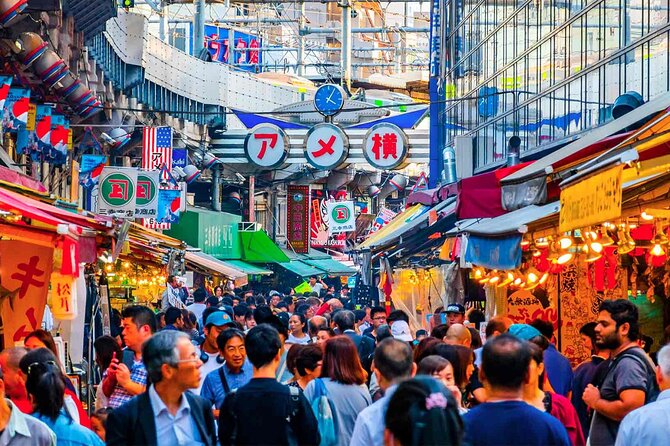
- Ameyoko Shopping Street (Ameya Yokocho)
- Kappabashi Street (Kappabashi Dōgugai)
- Yanaka Ginza Shopping Street
- Tsukiji Fish Market
- Shibuya Cat Street
- Takeshita Street
- Shibamata
- Akihabara
- What the guide actually does for you (beyond directions)
- How to customize your shopping day without overplanning
- Getting around: walking pace and timing reality
- Who should book this private shopping street hopping tour?
- Should you book it? My honest take
- FAQ
- FAQ
- How long is the Tokyo shopping street hopping private tour?
- How many stops do I choose during the tour?
- Is hotel pickup included?
- Is the guide licensed and do they speak English?
- What areas might the guide take you to?
- Are entrance fees and lunch included?
- What about transportation costs during the tour?
- Are there different morning start times?
- Can I cancel for free?
Key things that make this Tokyo shopping street tour work
- Government-licensed guide who can explain Japanese culture and history, not just point at shops
- Hotel pickup on foot, so you spend less time hunting for your guide in a big city
- Choose your morning start time for less stress and better timing
- Pick 3–4 stops, which usually means more time in shops you care about
- Private experience, so you can ask questions and adjust on the spot
- Mobile ticket included, for an easier check-in flow
Why Tokyo’s shotengai feel easier with a licensed guide
Tokyo shopping streets are a kind of living museum. You see how people eat, what they buy for daily life, and how neighborhoods organize around small businesses. But these areas can also be confusing—signs blur together, alleys branch off, and stations don’t always match what’s on your map.
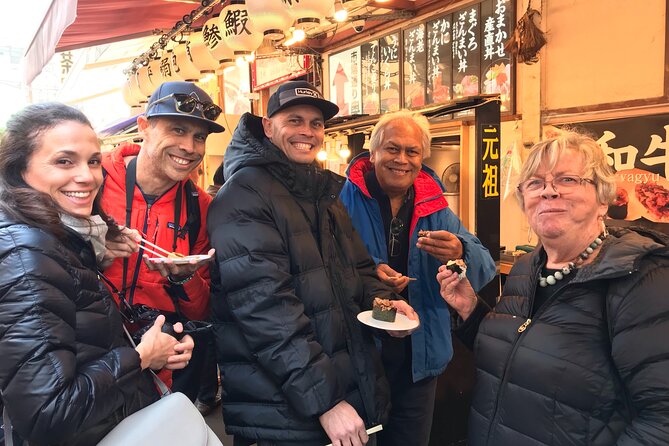
A private guide fixes the biggest problem: friction. Instead of spending your energy on navigation, you get help translating what you see and choosing where your money will actually go. And because the guide is government-licensed, you can expect clear context about Japanese culture and history while you shop.
Readers also shortlisted these Tokyo bookings:
- Tokyo 6hr Private Tour with Government-Licensed Guide
★ 5.0 · 3,902 reviews - Tokyo: Shinjuku Local Bar and Izakaya Guided Walking Tour
★ 4.9 · 1,794 reviews - Tokyo: Private City Highlights Tour with Local Guide
★ 4.8 · 1,433 reviews - Tokyo: Tsukiji Fish Market Guided Walking Tour
★ 4.9 · 1,397 reviews
Price and value: what $154.37 gets you (and what it doesn’t)
At $154.37 per person for about 6 hours, this is priced like an active, private experience with a professional guide. The best value is when you want more than sightseeing—you want shopping support, question-answering, and a route that saves you time.
Here’s the practical part:
- Included: licensed local English-speaking guide, customizable walking plan (3–4 sites), and pickup from your hotel area on foot.
- Not included: transportation, entrance fees, lunch, and other personal spending.
- The guide’s entry fees only cover places included in the planned stops.
So think of this as paying for “guided time.” Your wallet still needs to handle the local stuff you choose to buy, plus any transit needed between neighborhoods.
How the 6-hour plan works: picking 3–4 stops keeps it fun
The tour runs about 6 hours, but you don’t do every stop listed. You select 3–4 sites from a provided set of shopping and culture areas, so you can tailor the day to your interests.
A typical stop block is about 30 minutes, and you’ll use that time for:
- walking and browsing
- checking out shop types you care about (food, tools, fashion, electronics)
- asking the guide what’s worth buying and where to look
That 30-minute rhythm is good for shopping. It prevents the “one more street” problem that turns a great day into a tired day.
Stop-by-stop: from Ameyoko treats to Akihabara gear
Below is what each area can add to your day. You’ll choose a few, so use this like a menu.
Ameyoko Shopping Street (Ameya Yokocho)
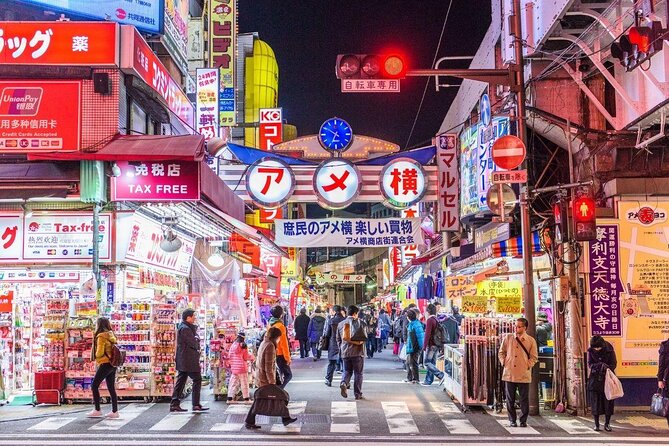
This is a popular market area along the Yamanote Line tracks between Okachimachi and Ueno Stations. The name comes from the candy-shop alley idea, and the vibe is all about grabbing snacks, browsing compact stalls, and soaking up that everyday market feel.
Why it’s worth your time:
- You’ll see a mix of street-style food and shopping, perfect for impulse browsing.
- It’s close to major transit hubs, so it’s easy to slot into a morning.
Possible drawback:
- It can feel crowded and loud. If you hate tight spaces, keep your shopping goals simple here (pick a few items, then move).
Readers also shortlisted these Tokyo bookings:
- Tokyo 6hr Private Tour with Government-Licensed Guide★ 5.0 · 3,902 reviews
- Private Tour to Mt. Fuji and Hakone (Fully Licenced Operator)★ 5.0 · 1,910 reviews
- Tokyo Customized Private Tour (Must See Places in 1 Day)★ 5.0 · 1,499 reviews
- Mount Fuji Full-Day Private Tour from Tokyo (Customizable)★ 4.9 · 1,470 reviews
- Tokyo: Private City Highlights Tour with Local Guide★ 4.8 · 1,433 reviews
Kappabashi Street (Kappabashi Dōgugai)
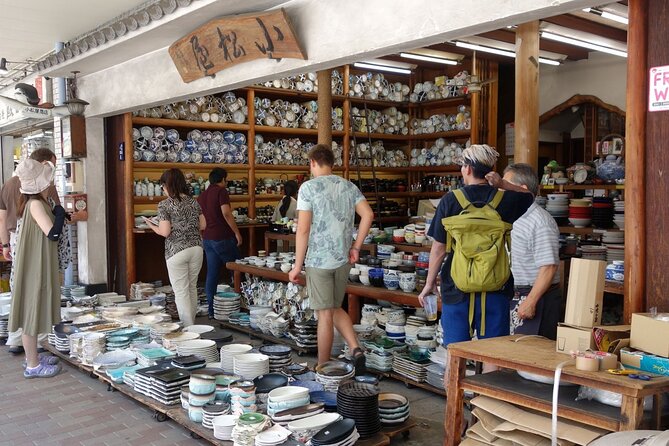
Between Ueno and Asakusa, Kappabashi is a specialist shopping street for restaurant tools and kitchen-related goods. It’s one of those places where you’ll suddenly understand why Tokyo chefs and food lovers talk about “supplies.”
Why it’s worth your time:
- Great for practical souvenirs: kitchenware, serving items, and anything food-focused.
- It’s the kind of shopping street that feels purposeful, not random.
Possible drawback:
- If you’re mainly shopping for fashion or anime merch, this might be less exciting than the youth areas or electronics districts.
Yanaka Ginza Shopping Street
If you want the slower tempo of old Tokyo, this is a strong pick. The area is known for keeping a more traditional Shitamachi feel, which is a nice contrast to the louder shopping districts.
Why it’s worth your time:
- You get the “wandering” kind of browsing, where streets feel like they still belong to regular daily life.
- It’s a calmer pace option when you want a break from big-city crowds.
Possible drawback:
- It’s not built around high-tech impulse buys. Go with an “old-street souvenir” mindset.
Tsukiji Fish Market
This is where the day can get very Tokyo, very fast. The point here is efficiency: you can explore a major food-and-market area in a single scheduled visit, instead of trying to stitch it together on your own.
Why it’s worth your time:
- Strong if you love food culture and want to see how the market world fits into Tokyo.
- It’s a good anchor stop if you’re building a foodie-leaning day.
Possible drawback:
- Market areas can move quickly and feel hectic. If you prefer relaxed browsing, give yourself a clear target list.
Shibuya Cat Street
Cat Street is a nickname for a mostly pedestrian alley between Harajuku and Shibuya. It’s known for youth fashion energy and trend-focused shopping.
Why it’s worth your time:
- It’s a quick hit of modern style without needing a full-on fashion district detour.
- The pedestrian layout makes it easier to browse while walking.
Possible drawback:
- If you’re shopping for traditional crafts or classic souvenirs, it may feel too fashion-forward.
Takeshita Street
Takeshita-dori is where youth culture shopping turns into a full event. Expect snack spots and a nonstop flow of storefronts—perfect for photos, people-watching, and trying local treats.
Why it’s worth your time:
- It’s a high-energy stop that’s easy to love if you enjoy modern Tokyo.
- Great for grabbing a snack while you browse.
Possible drawback:
- It’s busy by nature. If you want quiet shopping, choose fewer stops like this and balance with Yanaka Ginza.
Shibamata
Shibamata is on Tokyo’s eastern edge near the Edogawa River, which separates Tokyo and Chiba Prefecture. The area is described as retaining old-school charm, with a more traditional feel than central districts.
Why it’s worth your time:
- It adds a neighborhood contrast that makes your whole day feel less repetitive.
- It’s a good “slow Tokyo” option inside a shopping-focused tour.
Possible drawback:
- It may not be the best choice if your priority is electronics, anime, or ultra-trendy fashion.
Akihabara
Akihabara (Akiba) is the electronics-and-nerd-culture world. It’s famous for electronics shops and, more recently, for being a center for Japanese pop culture.
Why it’s worth your time:
- If you’re shopping for gadgets, games, or anime-style merchandise, this is the obvious target.
- It’s a dense area, so having a guide help with navigation saves energy.
Possible drawback:
- If electronics shopping isn’t your thing, you could end up spending time you didn’t need. Choose it only if you have specific interests.
What the guide actually does for you (beyond directions)
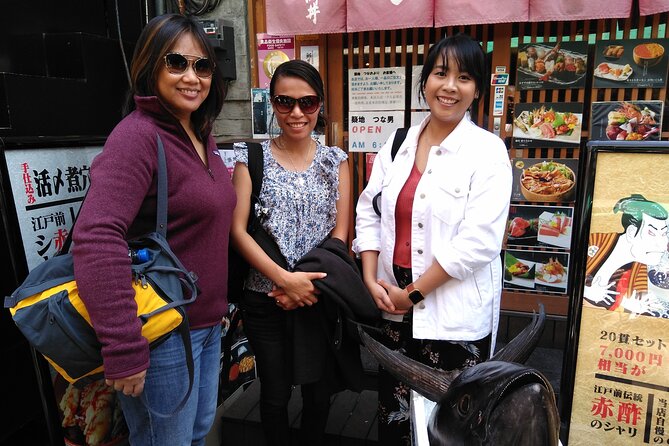
A good guide can turn “I’m here” into “I got what I came for.” This tour’s biggest advantage is that the guide doesn’t just route you; they explain what you’re seeing and help you make choices.
In past tours, guides like Izumi started by laying out options at the beginning so the group could tailor the day to their interests. Guides like Sam provided strong communication and smooth English while helping shopping priorities click. Noripy (in one case) helped with subway navigation and translation when needed in shops—exactly the kind of support that makes shopping feel less stressful. Steve was praised for attentive, kind professionalism. Hiro was on time and showed up clearly at the meeting point with a name sign, then structured the day around more off-the-beaten-path interest areas.
That pattern matters. Tokyo shopping isn’t only about walking. It’s about understanding what matters to you in Japanese spaces—what to try, what to look for, and how to ask simple questions once you’re there.
How to customize your shopping day without overplanning
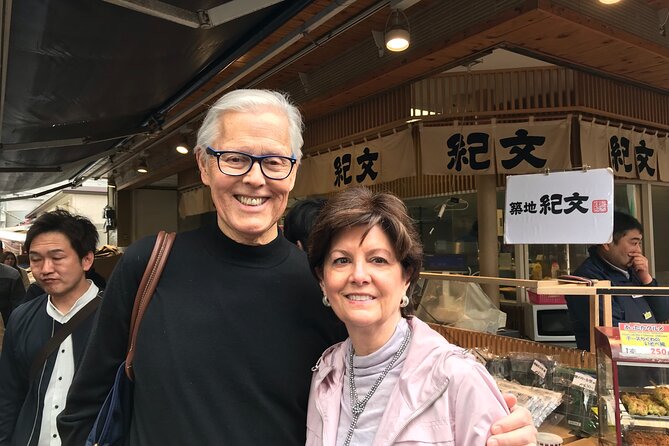
You’ll pick 3–4 stops, so your best move is to group them by mood. Here are practical combinations that match what these areas are known for:
- Food and market day: Ameyoko + Tsukiji + (optional) Kappabashi if you want kitchen souvenirs
- Old Tokyo + nostalgic browsing: Yanaka Ginza + Shibamata + one modern add-on like Akihabara
- Modern fashion sprint: Cat Street + Takeshita + a contrast stop like Yanaka Ginza
- Tech and pop culture focus: Akihabara + (optional) Kappabashi if you like tools/chef gear + one Tokyo “scene” stop like Cat Street
Start by telling your guide what you want to buy (or what kind of vibe you want). Then let the guide adjust the order. That’s how you protect your energy and avoid turning the day into a long walk between unrelated areas.
Getting around: walking pace and timing reality
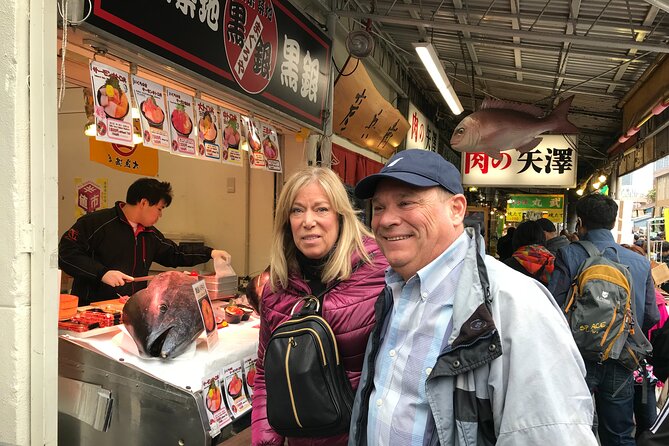
This is a walking tour. Pickup happens on foot, and the guide meets you within a designated area. You should expect to spend your energy on walking and browsing, not on sitting in a vehicle.
Because transportation fees aren’t included, you should plan for the possibility that you may need transit between neighborhoods depending on which stops you choose. The tour is still close to public transportation, which helps. The real goal is to have the guide handle the “where next” so you don’t spend your day double-checking routes.
Also, with roughly 30 minutes per stop, don’t plan to shop for everything at every location. Go in with two or three things you want to find. That alone makes the time feel satisfying rather than rushed.
Who should book this private shopping street hopping tour?
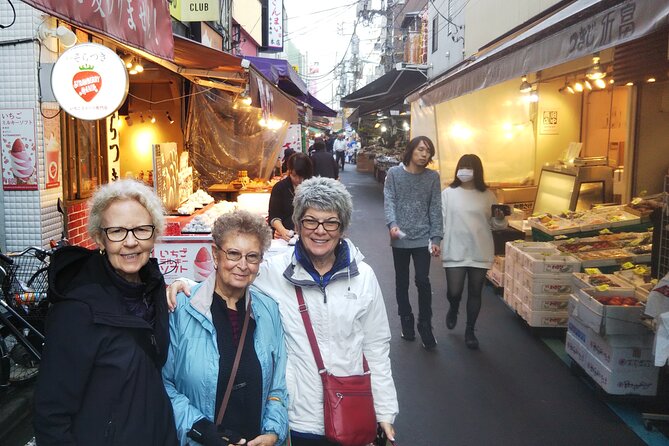
I’d book this if:
- you want shopping help in Tokyo, not just photo stops
- you’d rather walk with a professional than navigate alone
- you like the idea of a government-licensed guide explaining culture while you shop
- you have a specific shopping interest—food markets, kitchen goods, youth fashion, or anime/electronics
I might skip it if:
- you’re mainly chasing big-ticket sights and don’t care about shopping streets
- you hate walking for long stretches
- you want everything included (this tour doesn’t include transportation or lunch)
Should you book it? My honest take
If your goal is to come home with better souvenirs and less Tokyo stress, this is a solid choice. The private format plus licensed guidance is a real advantage in a city where directions and shop signage can slow you down. The best feature is the freedom to pick 3–4 stops, which keeps the day from feeling like a checklist.
My call: book it if you want a shopping day that feels efficient and personal. Skip it if shopping isn’t your priority or if you want a fully all-inclusive package with transit and meals handled for you.
FAQ
FAQ
How long is the Tokyo shopping street hopping private tour?
It runs for about 6 hours.
How many stops do I choose during the tour?
You choose a customizable walking route of about 3–4 sites from the provided list.
Is hotel pickup included?
Yes. Pickup is offered from your hotel, and the tour is a walking experience.
Is the guide licensed and do they speak English?
Yes. The tour includes a government-licensed local guide who speaks English.
What areas might the guide take you to?
You can select from Ameyoko Shopping Street, Kappabashi Street, Yanaka Ginza Shopping Street, Tsukiji Fish Market, Shibuya Cat Street, Takeshita Street, Shibamata, and Akihabara.
Are entrance fees and lunch included?
No. Entrance fees, lunch, and other personal expenses are not included.
What about transportation costs during the tour?
Transportation fees are not included.
Are there different morning start times?
Yes. You can choose from several morning start times for flexibility.
Can I cancel for free?
You can cancel for a full refund up to 24 hours before the experience’s start time.
More Guided in Tokyo
- Tokyo 6hr Private Tour with Government-Licensed Guide
★ 5.0 · 3,902 reviews - Tokyo: Shinjuku Local Bar and Izakaya Guided Walking Tour
★ 4.9 · 1,794 reviews - Tokyo: Private City Highlights Tour with Local Guide
★ 4.8 · 1,433 reviews - Tokyo: Tsukiji Fish Market Guided Walking Tour
★ 4.9 · 1,397 reviews - Tokyo 4hr Private Tour with Government-Licensed Guide
★ 5.0 · 1,394 reviews
More Tours in Tokyo
- Mt Fuji and Hakone 1-Day Bus Tour Return by Bullet Train
★ 5.0 · 26,383 reviews - 1-Day Tokyo Bus Tour
★ 5.0 · 14,250 reviews - Tokyo: Shinjuku Food Tour (13 Dishes at 4 Local Eateries)
★ 5.0 · 6,603 reviews - Tokyo Mt Fuji 5th St & Hakone Cruise Bus Tour w/Bullet Train
★ 4.4 · 5,024 reviews - Flagship 2-Hours Official Street Go-Kart Tour – Tokyo Bay Shop
★ 5.0 · 4,974 reviews
More Tour Reviews in Tokyo
- Mt Fuji and Hakone 1-Day Bus Tour Return by Bullet Train
★ 5.0 · 26,383 reviews - 1-Day Tokyo Bus Tour
★ 5.0 · 14,250 reviews - Tokyo: teamLab Planets TOKYO Digital Art Museum Entry Ticket
★ 4.6 · 9,779 reviews - Mt Fuji & Hakone Cruise, Drum Show Bullet Train 1 Day from Tokyo
★ 4.0 · 7,413 reviews - Tokyo: Shinjuku Food Tour (13 Dishes at 4 Local Eateries)
★ 5.0 · 6,603 reviews
Latest Tokyo reviews off our desk






Shopping Tours, compared.
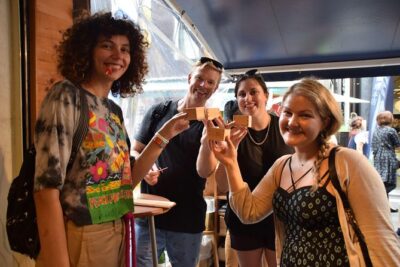 ★ 5.0Tokyo Tsukiji Fish Market Food and Culture Walking TourFrom $993,184 reviews
 ★ 5.0Tsukiji Fish Market Food and Walking tourFrom $301,724 reviews
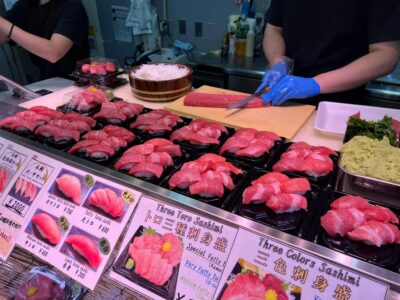 ★ 4.9Tsukiji Fish Market Guided Walking TourFrom $221,397 reviews
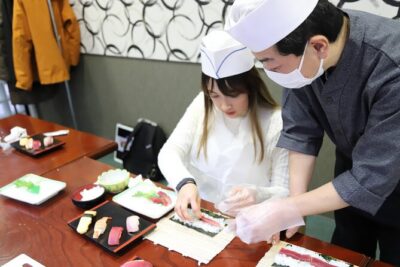 ★ 5.0Tsukiji Fish Market Guided Tour and Sushi Making with Pro ChefFrom $104775 reviews
★ 4.7Tsukiji Fish Market Food and Culture Walking TourFrom $96757 reviews
★ 5.0Tsukiji Fish Market Guided Tour and Sushi Making with Pro ChefFrom $104775 reviews
★ 4.7Tsukiji Fish Market Food and Culture Walking TourFrom $96757 reviews
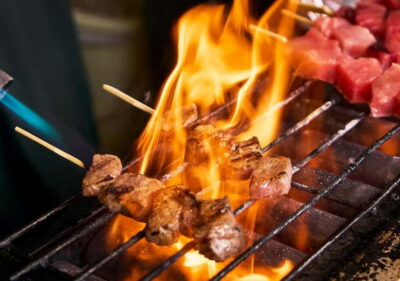 ★ 5.0Tsukiji Fish Market: Street Food & Culture Walking TourFrom $33669 reviews
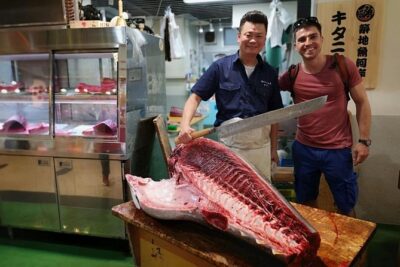 ★ 5.0Tsukiji Fish Market Small-Group Food Walking TourFrom $87621 reviews
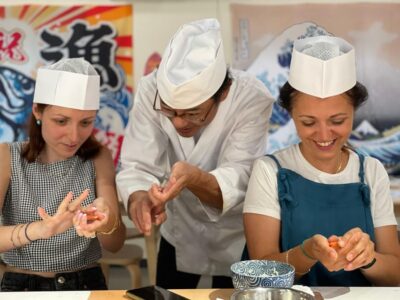 ★ 4.9Tsukiji Fish Market Sushi Making Class with Pro ChefFrom $63506 reviews
Browse the lists this tour appears in