
Reviewed · SUMO TOURNAMENTS & SHOWS
Tokyo Sumo History Tour with Chanko Nabe Lunch
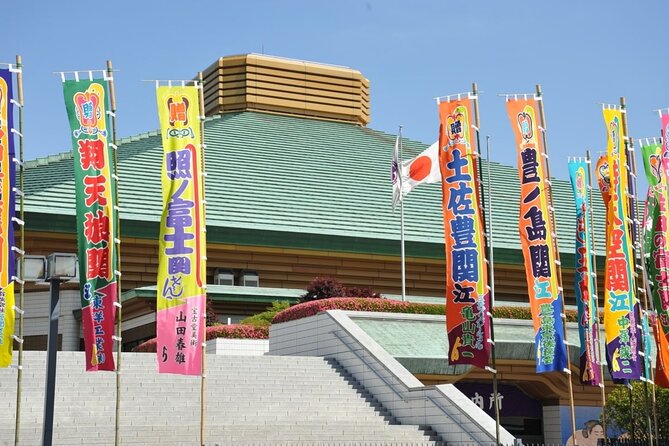
Tokyos sumo story starts on foot. This tour strings it together from the sacred roots at Ekō-in to the modern Kokugikan arena, plus hands-on moments like a life-sized ring replica and a real sumo meal.
I love how the guide helps you understand what you’re looking at, not just where to take photos. I also love ending with chanko-nabe, served so each person gets their own individual pot, like wrestlers eat.
One consideration: you don’t get arena seating for tournaments (that needs your own tickets), and the visit to the Sumo Museum can swap for stable visits on some days.
In This Review
- Key things to know before you go
- Ryōgoku Station: Getting your bearings fast
- Outside Ryōgoku Kokugikan: The arena you recognize, explained
- Ekō-in temple grounds and the Chikara-zuka: Where sumo took form
- Sumo Museum vs. historic stables: What you see when plans shift
- Edo Noren replica ring: Learn the rituals, then pose
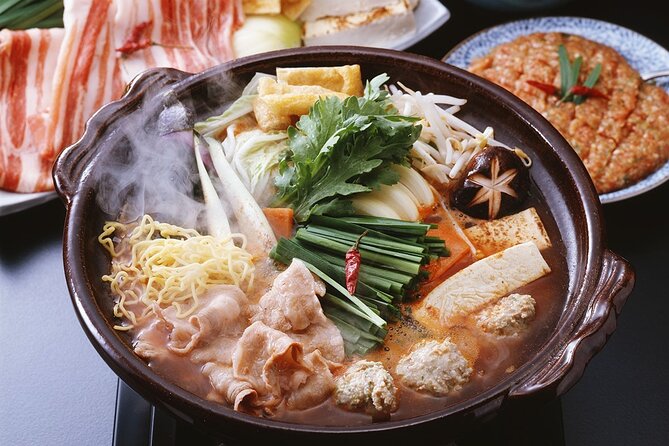
- Chanko-nabe lunch at Chanko Edosawa: The wrestler meal
- Price and timing: What $91 buys you in real value
- Who this tour is best for (and who should skip it)
- Practical details that affect your experience
- Should you book the Tokyo Sumo History Tour with Chanko-nabe Lunch?
- FAQ
- How long is the Tokyo Sumo History Tour with Chanko Nabe Lunch?
- Where does the tour start and end?
- What time does the tour run?
- Is the Sumo Museum included?
- What stops are included on the walk?
- Is admission free for the places you visit?
- Is tournament seating included?
- What is included with lunch?
- Are drinks included with the lunch?
- How many people are in the group?
Key things to know before you go
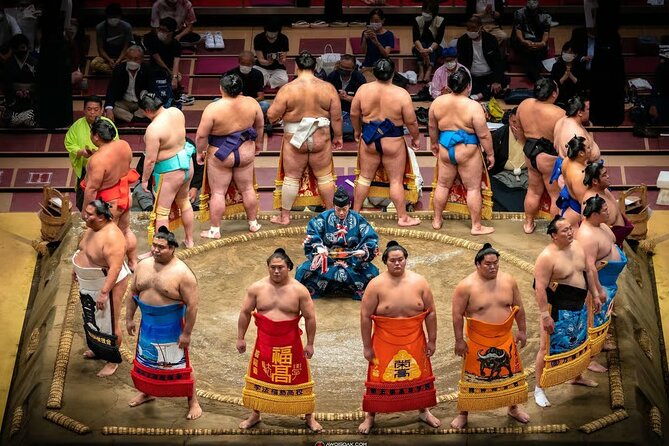
- Ryōgoku Station start: You begin in the heart of sumo town with champion portraits setting the tone.
- Kokugikan context: You see the famous arena area and learn what the colors mean and why it matters.
- Ekō-in origin stop: The tour includes the site where organized sumo matches began, plus the Chikara-zuka area.
- Museum-or-stables plan: When the museum is closed, you still get history through two historic stables.
- Edo Noren ring replica: You learn key pre-bout rituals (like salt-throwing) and try sumo poses.
- Chanko-nabe lunch included: You finish with a traditional hotpot meal, in a format built for one person per pot.
Ryōgoku Station: Getting your bearings fast
Ryōgoku is where Tokyo turns into sumo’s home base. The tour starts at Ryōgoku Station, in the middle of the sumo neighborhood, where champion portraits color the streets and you feel the sport’s identity right away. It’s a smart way to begin because you’re not guessing what matters—you’re walking into a place built for sumo.
This first stop is also a quick setup for the rest of the day. In a short time, your guide frames what comes next: ritual sites, the famous arena, and the daily life of wrestlers. It helps the tour feel like a story you can follow, instead of six unrelated stops.
Other ringside bookings readers scored
- Tokyo: Sumo Show and Dining Experience
★ 4.8 · 2,742 reviews - the SUMO show
★ 5.0 · 1,960 reviews - Tokyo Shinjuku Sumo Show & Experience with Photo
★ 5.0 · 1,750 reviews - Tokyo: Sumo Show and Experience in Shinjuku
★ 4.8 · 1,001 reviews
Outside Ryōgoku Kokugikan: The arena you recognize, explained
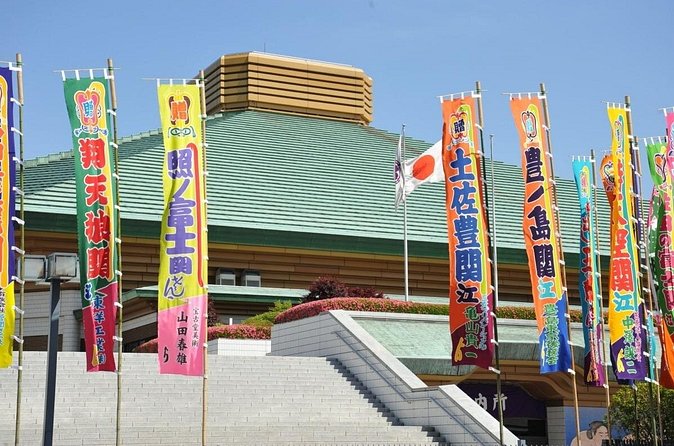
From Ryōgoku Station, you move to Ryōgoku Kokugikan. You don’t go into tournament seating, but you do get the meaning behind what you’re looking at. You learn how the stadium hosts three grand tournaments each year, and what the colorful banners are telling you.
Even if you’ve never watched a bout, the stadium adds weight to the experience. You start to understand that sumo isn’t just a match—it’s an event system. The venue, the seasons, and the public rituals all shape the sport the same way a theater shapes a play.
Practical note: this is mostly an outside look. If your goal is to sit in the stands during a tournament, plan separate tickets, since this tour doesn’t include arena entry for seating areas.
Ekō-in temple grounds and the Chikara-zuka: Where sumo took form
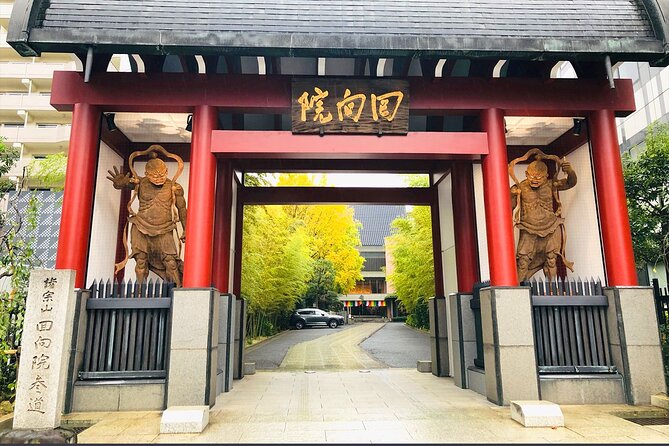
One of my favorite parts is the stop at the historic location tied to Ekō-in Temple and its role in organized sumo. You visit the site where organized sumo matches began, then spend time around the Chikara-zuka Monument—a place connected to past wrestlers and referees who helped shape how the sport works.
This is where sumo history stops being abstract. The sport has a strong spiritual side, and that’s not just decoration. You get a sense of why religious space and formal rules developed together. The monument visit also makes the sport feel human: referees matter, not just the wrestlers.
You’ll likely leave this stop thinking about sumo as tradition with structure—not just tradition with costumes.
Sumo Museum vs. historic stables: What you see when plans shift
The tour has a built-in flexibility: the Sumo Museum visit depends on whether it’s open. When it is open, you get a compact but fascinating look at ceremonial aprons, photos, and trophies that show how sumo has changed over time. When it’s closed, you don’t lose the day—you switch to two historic stables, each with its own design.
That flexibility is one reason I think this tour is a good bet. You’re still getting behind-the-scenes context, not just marching from landmark to landmark. A museum can be more about objects and timeline, while stables are more about daily life and how wrestlers live and train.
Either version supports the same goal: help you connect the sport you see on tournament days to the routines and symbols you don’t normally notice.
Edo Noren replica ring: Learn the rituals, then pose
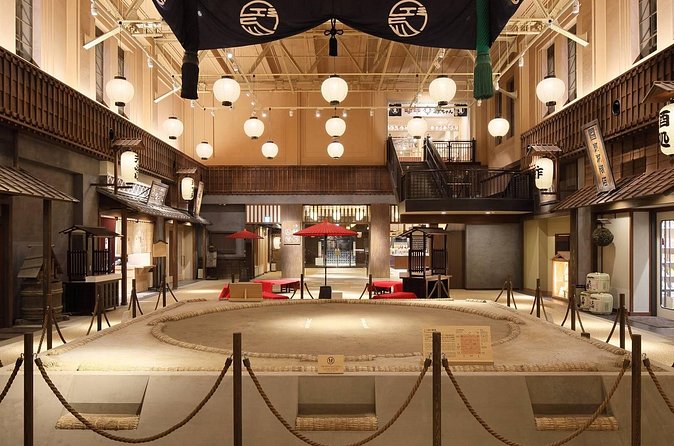
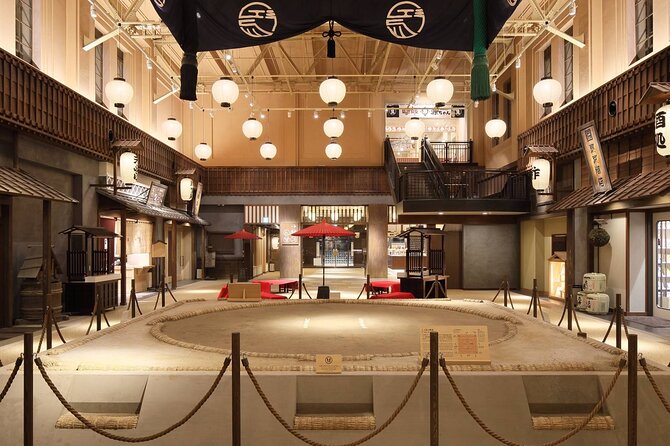
Next comes Ryogoku Edo Noren, and this is a playful break from pure sightseeing. You stand beside a life-sized sumo ring replica, then learn about the pre-bout ritual side of things—especially the salt-throwing moment, plus the general flow of what happens before a bout.
This stop is practical because it gives you something to watch for if you later catch a match. You’ll know the why behind gestures, not just the what. It’s also photo-friendly, but not in a superficial way. When you try sumo poses, it helps you remember details like stance and ritual timing, which are easy to forget unless you physically anchor them.
If you’re the type who wants to understand what you’re photographing, this is a very good fit.
Readers also shortlisted these Tokyo bookings:
- Tokyo: Imperial Palace and Shogun Historical Walking Tour★ 5.0 · 2,251 reviews
- Tokyo: Imperial Palace Japanese History Walking Tour★ 4.9 · 987 reviews
- Tokyo: Shinjuku Historical Walking Tour & Secret Backstreets★ 5.0 · 530 reviews
- Yanaka Walking Tour: Historic and Traditional District of Tokyo★ 5.0 · 530 reviews
- Mt. Fuji Heritage Tour: Traditional Villages, Lakes & Shrine★ 4.5 · 509 reviews
Chanko-nabe lunch at Chanko Edosawa: The wrestler meal
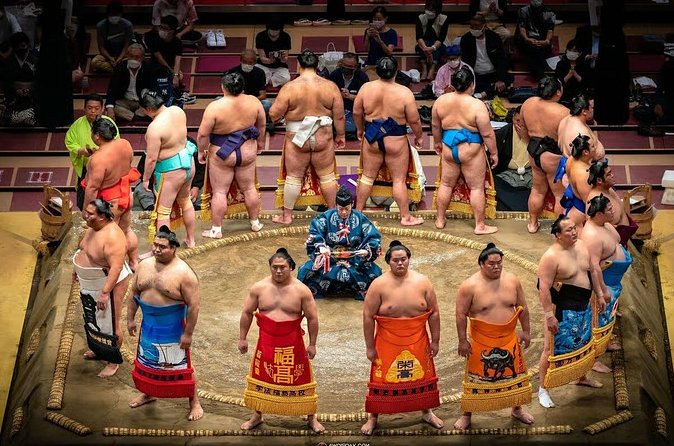
The finale is lunch: chanko-nabe, the traditional hotpot eaten by sumo wrestlers. The key detail is how it’s served—each guest gets an individual pot, so you’re not sharing one bubbling dish like a casual group meal. That format matches the idea of the wrestlers’ daily routines, and it makes the meal feel like a real end to the theme of the day.
You’ll eat after a full walk, so it also works as a reset for energy. It’s warm, filling, and built for comfort in Tokyo’s everyday pace.
Drawback to consider: drinks and extra food aren’t included. The tour includes the chanko-nabe set only, so if you like to pair meals with tea, beer, or something more, you’ll want to budget a bit extra.
Price and timing: What $91 buys you in real value
At about $91 per person for roughly three hours, this tour isn’t trying to be the cheapest way to see Ryōgoku. You’re paying for two things that are hard to replicate on your own: an organized walking route with a guide who explains what you’re seeing, and a guided meal that ties the food to the culture.
The included value adds up:
- A walking tour with an English-speaking guide and explanations at the main stops
- A replica sumo ring experience
- Museum-or-stables history, depending on opening days
- Chanko-nabe lunch with an individual pot
The timing also matters. Three hours is long enough to connect the dots from origins to modern sport, but not so long that you’re stuck when your feet start complaining.
If you’re already confident navigating Ryōgoku and you don’t care about context, you could build a self-guided day. But if you want the sport explained in plain language, this format gives you that in a concentrated window.
Who this tour is best for (and who should skip it)
This is a strong match if you’re:
- New to sumo and want help figuring out how to watch it
- A fan who wants cultural context behind the rituals and history
- Someone who likes “food as story,” not just food as a stop
It may be less ideal if your main goal is:
- Tournament-day arena access or inside seating (not included here)
- A deep museum-only approach every day (because the museum can switch to stables)
Group size is capped at 20, which usually means the walk stays manageable and the guide can keep explaining without the tour feeling like a rushed conveyor belt.
Practical details that affect your experience
The tour runs at 10:00 am and ends back near where it starts. Your meeting point is a 7-Eleven at Yokoami in Sumida City, and the tour uses a mobile ticket. That’s convenient if you’re already moving around Tokyo with transit tickets on your phone.
One more tip: wear comfortable walking shoes. This is a concentrated neighborhood walk with several stops, including a museum/stable decision and an on-your-feet ring replica moment.
Should you book the Tokyo Sumo History Tour with Chanko-nabe Lunch?
I’d book it if you want a guided, beginner-friendly way to understand sumo—history, rituals, and daily life—then close with the one meal that actually belongs to the sport. The combination of the Ekō-in origin stop, the Kokugikan stadium context, the ring replica learning, and a proper chanko-nabe lunch makes it feel like a full experience, not just a checklist.
I wouldn’t book it if you’re specifically chasing tournament seating or you want only one fixed attraction (like the Sumo Museum every time). But if you’re flexible and you like learning on your feet, this tour is a good use of a half-day in Tokyo’s sumo heartland.
FAQ
How long is the Tokyo Sumo History Tour with Chanko Nabe Lunch?
It lasts about 3 hours.
Where does the tour start and end?
It starts at the 7-Eleven Japan at 130-0015 Tokyo, Sumida City, Yokoami, 1-chōme-320 1階, and ends back at the same meeting point.
What time does the tour run?
The start time is 10:00 am.
Is the Sumo Museum included?
Yes, the tour includes a visit to the Sumo Museum when it’s open. When it’s closed, the tour leads you to two historic stables instead.
What stops are included on the walk?
Key stops include Ryōgoku Station, Ryōgoku Kokugikan (outside), the site of the former main gate of Ekō-in Temple (including the Chikara-zuka Monument), the Sumo Museum or two stables, Ryogoku Edo Noren (ring replica), and chanko-nabe lunch.
Is admission free for the places you visit?
The tour notes free admission tickets for the listed major stops.
Is tournament seating included?
No. You can’t enter arena seating areas during tournaments without separate tickets.
What is included with lunch?
Chanko-nabe is included as the lunch set.
Are drinks included with the lunch?
No. Drinks and any extra food items are not included, only the chanko-nabe set.
How many people are in the group?
The tour has a maximum of 20 travelers.
More Tours in Tokyo
- Mt Fuji and Hakone 1-Day Bus Tour Return by Bullet Train
★ 5.0 · 26,383 reviews - 1-Day Tokyo Bus Tour
★ 5.0 · 14,250 reviews - Tokyo: Shinjuku Food Tour (13 Dishes at 4 Local Eateries)
★ 5.0 · 6,603 reviews - Tokyo Mt Fuji 5th St & Hakone Cruise Bus Tour w/Bullet Train
★ 4.4 · 5,024 reviews - Flagship 2-Hours Official Street Go-Kart Tour – Tokyo Bay Shop
★ 5.0 · 4,974 reviews
More Tour Reviews in Tokyo
- Mt Fuji and Hakone 1-Day Bus Tour Return by Bullet Train
★ 5.0 · 26,383 reviews - 1-Day Tokyo Bus Tour
★ 5.0 · 14,250 reviews - Tokyo: teamLab Planets TOKYO Digital Art Museum Entry Ticket
★ 4.6 · 9,779 reviews - Mt Fuji & Hakone Cruise, Drum Show Bullet Train 1 Day from Tokyo
★ 4.0 · 7,413 reviews - Tokyo: Shinjuku Food Tour (13 Dishes at 4 Local Eateries)
★ 5.0 · 6,603 reviews
More Sumo, Ringside and Rated
- Tokyo: Sumo Show and Dining Experience
★ 4.8 · 2,742 reviews - the SUMO show
★ 5.0 · 1,960 reviews - Tokyo Shinjuku Sumo Show & Experience with Photo
★ 5.0 · 1,750 reviews - Tokyo: Sumo Show and Experience in Shinjuku
★ 4.8 · 1,001 reviews - Tokyo Grand Sumo Tournament Viewing Tour with Tickets
★ 5.0 · 692 reviews
Latest Tokyo reviews off our desk






Sumo Tournaments & Shows, compared.
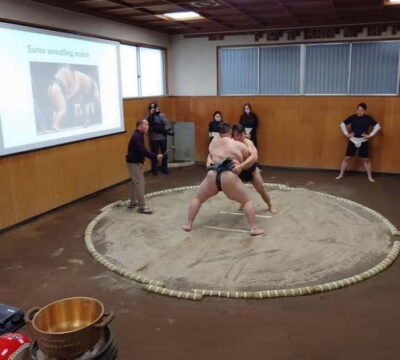 ★ 4.8Sumo Show and Dining ExperienceFrom $792,742 reviews
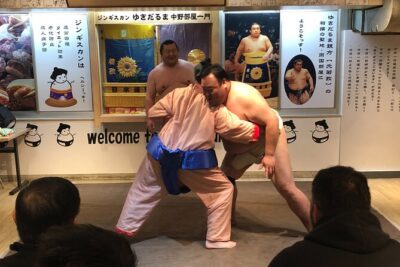 ★ 5.0the SUMO showFrom $891,960 reviews
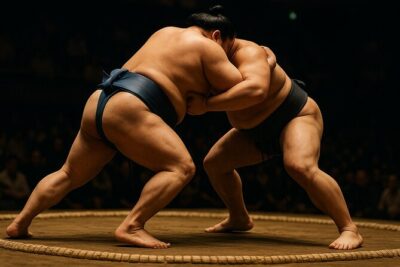 ★ 5.0Tokyo Shinjuku Sumo Show & Experience with PhotoFrom $791,750 reviews
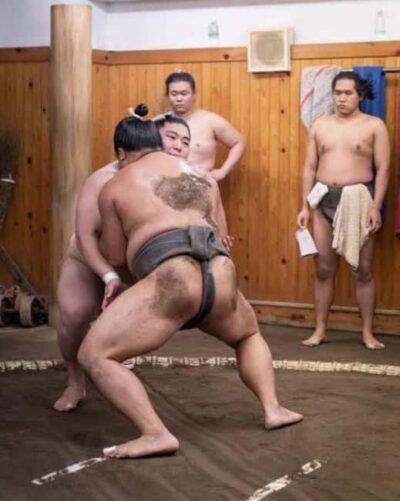 ★ 4.8Sumo Show and Experience in ShinjukuFrom $691,001 reviews
 ★ 5.0Tokyo Grand Sumo Tournament Viewing Tour with TicketsFrom $124692 reviews
 ★ 5.0Tokyo Sumo Wrestling Tournament ExperienceFrom $124660 reviews
 ★ 4.7Luxury Sumo Show Experience & Japanese cuisine & DrinkFrom $103577 reviews
 ★ 4.8Sumo Morning Practice Viewing TourFrom $81570 reviews
Browse the lists this tour appears in