
Reviewed · COOKING CLASSES
Tokyo: Sushi Cooking Class with Sake Tasting
Sushi starts at the supermarket, not a classroom. You’ll learn Japanese home-cooking with a local guide, then eat what you make with a sake tasting included. My favorite part is the ingredient hunt itself, because it teaches you how Japanese shopping choices affect the final flavor. One thing to watch: the meetup is very specific (a particular FamilyMart by Iriya Station Exit 2), and the tour starts on time, so plan to arrive early.
You also get real hands-on instruction, not just watching. I like that you’ll practice core skills like knife handling, making sushi rice with vinegar seasoning, and preparing dashi used for miso soup. The class is capped at 7 participants, which makes it easier to get help when you’re chopping or rolling. The only drawback I’d flag is that some stops aren’t friendly for wheelchairs or strollers, so check your pace and mobility needs before you go.
In This Review
- Quick hits you’ll care about
- Where the class starts: Iriya Station’s FamilyMart meetup
- Supermarket ingredient shopping: learning sushi flavors at the source
- Moving to the kitchen studio near Asakusa and Kappabashi
- Knife skills, sushi rice, and dashi: the real foundations
- Rolling sushi and cooking classic dishes you can repeat
- Sushi rolls
- Miso soup
- Eggplant dengaku and dashimaki tamago
- Sake tasting with your meal: four kinds and real pairing logic
- Lunch, photos, and the recipes you take home
- Asakusa time after lunch: sightseeing on your schedule
- Kids and families: a class that can work with young ones
- Price and value: is $112 per person worth it?
- Who should book this class (and who should skip it)
- Final call: should you book the sushi class with sake tasting?
- FAQ
- How long is the sushi cooking class with sake tasting?
- What’s included in the price?
- Where do I meet the guide?
- Is the tour guide English-speaking?
- Is the class suitable for kids?
- Can vegetarians or vegans join?
- Is the tour wheelchair or stroller accessible?
- Are allergies handled with guaranteed substitutions?
- Can I cancel for a refund?
Quick hits you’ll care about
- A supermarket walk that teaches you what to buy: fresh fish, vegetables, and seasonings with a guide’s eye.
- Small group cooking in a pro kitchen studio: limited to 7 people, so you actually get your hands involved.
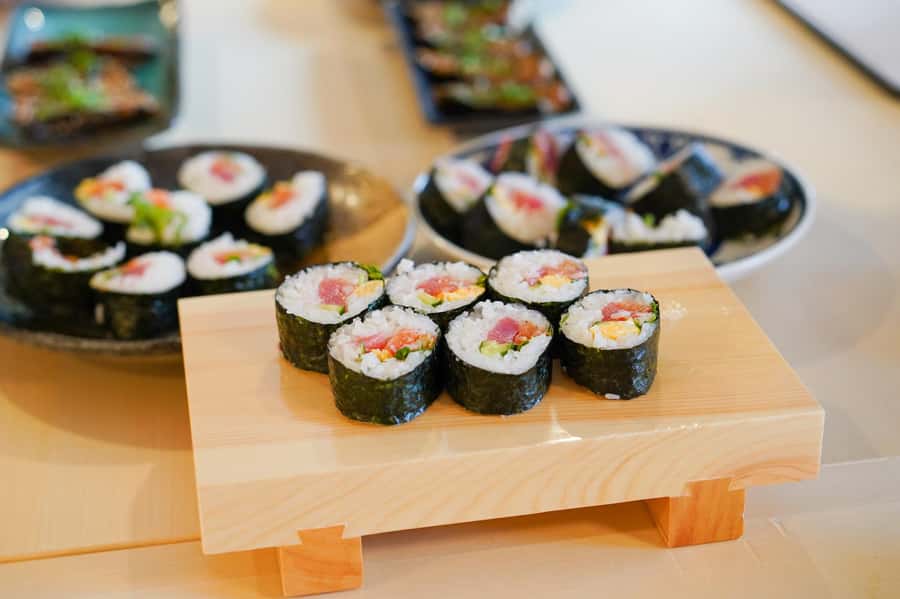
- Sushi skills plus Japanese home dishes: sushi rolls, miso soup, eggplant dengaku, and dashimaki tamago.
- Knife fundamentals early on: you’ll learn proper handling before things get hands-on.
- Four sake varieties with pairing: pick your favorite and taste it with what you cooked.
- Take-home recipes and photos: useful for recreating the meal after you return.
Where the class starts: Iriya Station’s FamilyMart meetup
This is the kind of Tokyo experience where your success starts before you cook. The meeting point is in front of a FamilyMart next to Gindako shop at Iriya Station Exit 2. There are two FamilyMarts in Iriya Station, so you want the one next to Gindako takoyaki and Doutor Coffee.
Why this matters: you don’t just need to find the building. You need to find the right corner fast, because the tour is strict about starting on time. If you arrive late and miss the group, you can’t join late, and there’s no refund or rescheduling for a missed start. So I’d set an alarm that’s earlier than you think you need, then use the station exit sign to get your bearings before you head to the street.
Readers also shortlisted these Tokyo bookings:
- Tokyo: Shinjuku Food Tour (13 Dishes at 4 Local Eateries)
★ 5.0 · 6,603 reviews - Tokyo Tsukiji Fish Market Food and Culture Walking Tour
★ 5.0 · 3,184 reviews - Tokyo: Shinjuku Food Tour (15 Dishes and 4 Eateries)
★ 4.9 · 2,033 reviews - Best of Shinjuku: Izakaya Food Tour (4 Stops, 14+ Tastings)
★ 5.0 · 1,863 reviews
Supermarket ingredient shopping: learning sushi flavors at the source
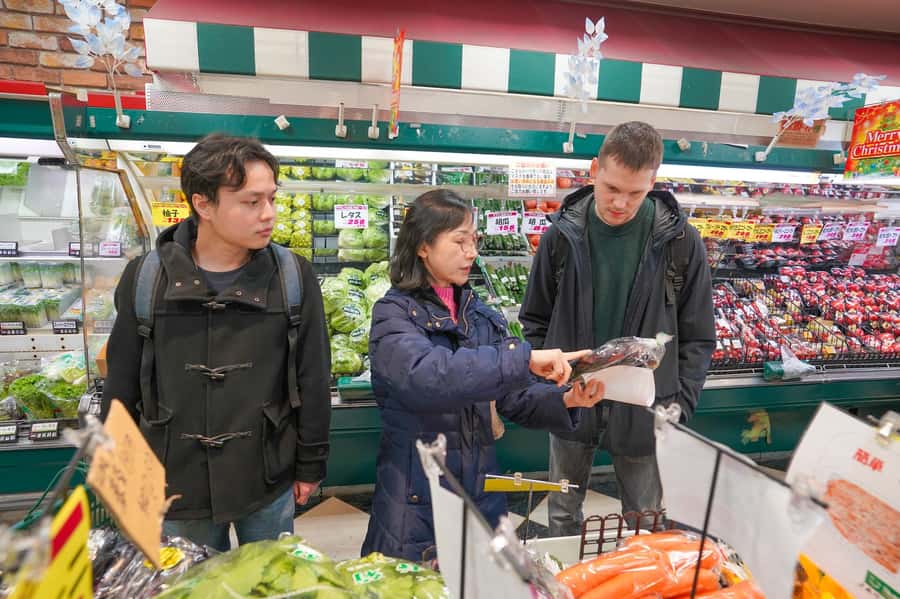
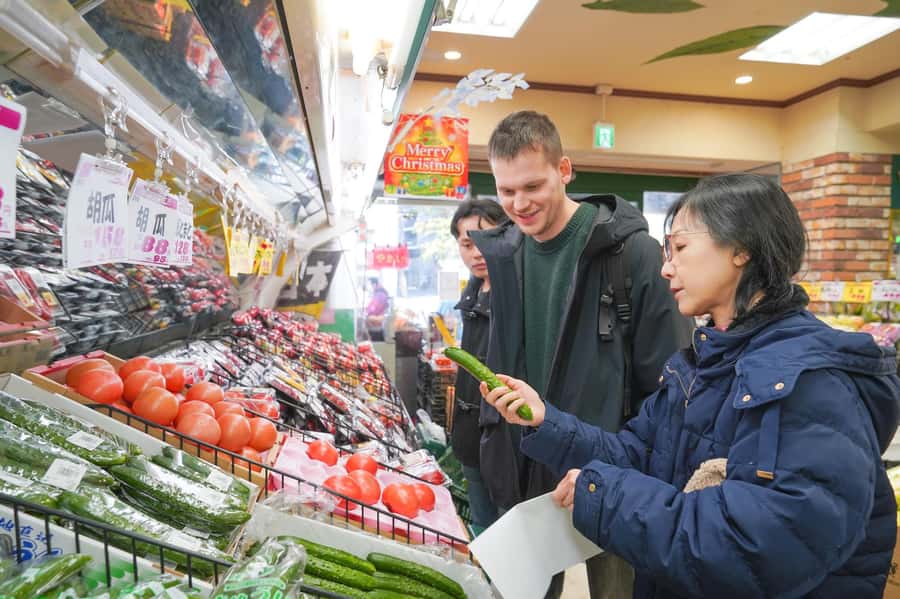
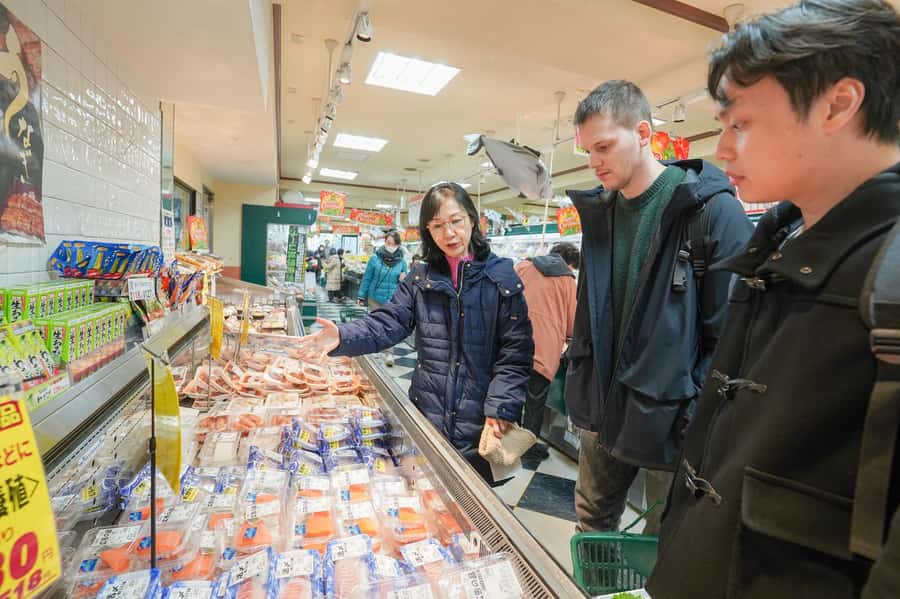
The tour begins with a trip to a local Tokyo supermarket, led by an English-speaking guide. This isn’t a quick photo stop. You’ll actually shop with purpose and learn how to choose ingredients that match Japanese home-cooking standards.
Here’s what you’re doing during this part:
- selecting items for sushi and the other dishes
- getting help on how to spot freshness and quality
- learning which seasonings and basics are “must-haves” for the flavor profile
This is one reason the experience feels more valuable than a standard cooking class. A lot of classes teach technique but skip the buying choices. Here, you get the habits that make your version at home taste closer to the original—especially for sushi rice and the supporting components like dashi used in miso soup.
If you’re the kind of traveler who likes to understand why food tastes the way it does, this section will click. It also helps if you’re cooking for yourself later, because you’ll know what to look for in similar stores.
Moving to the kitchen studio near Asakusa and Kappabashi
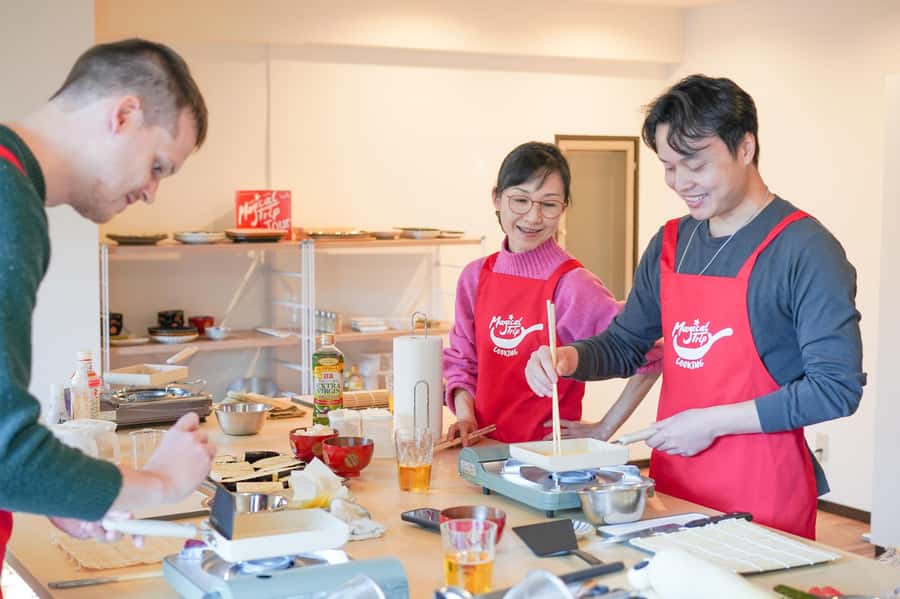
After the supermarket, you head to a professional kitchen studio. The location is conveniently in the Asakusa and Kappabashi shopping district, an area known for restaurant supply stores. That’s a practical match for a class like this: you’re cooking with tools and methods that connect directly to what people use around Tokyo kitchens.
A small group size helps here. With up to 7 participants, the instructors can guide you through the real moments that confuse people—knife angle, rice texture, and how much filling to use for a neat roll. If you’ve ever felt nervous in a kitchen, this format is a relief. You’re not fighting for attention.
Knife skills, sushi rice, and dashi: the real foundations
The core of the class is Japanese home-style cooking, with clear guidance throughout. One of the best early lessons is basic knife handling—how to hold the knife properly before you start cutting. That step makes the rest of the cooking feel less like chaos and more like a process.
You’ll also work through foundational flavors that sit under a lot of Japanese cooking:
- sushi rice, seasoned with vinegar
- dashi, the broth base used for miso soup
If you care about replicating results later, these are the lessons that matter. Sushi isn’t only about rolling. It’s about getting the rice right—texture, seasoning, and temperature. And miso soup tastes like miso soup because the dashi is made correctly.
I’ve seen instructors in this program praised for patience and step-by-step coaching, including guides with names like Takahito, Mahori, Mihori, and Fuji. The common thread in that praise: they explain each step in a way that lets you keep up, even if you’re a beginner.
Rolling sushi and cooking classic dishes you can repeat
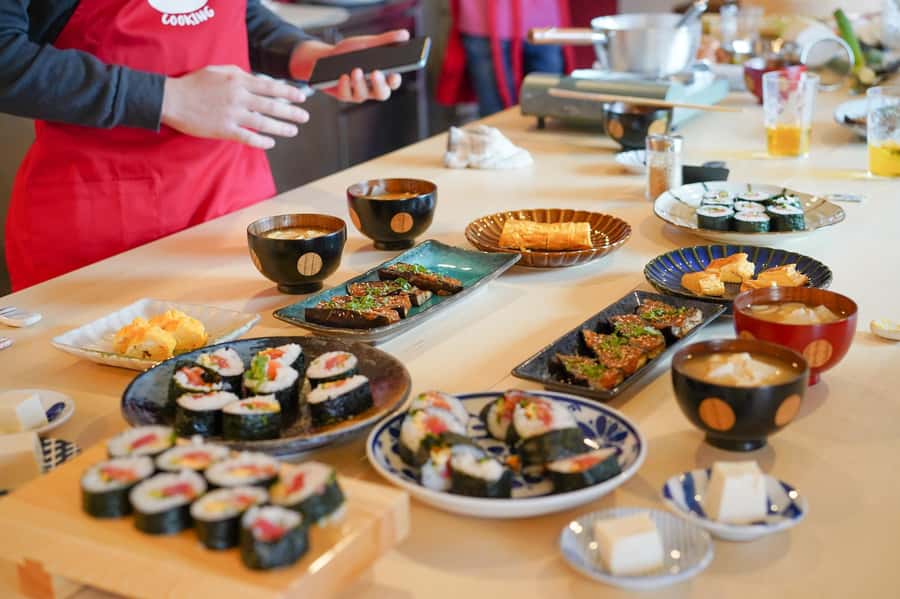
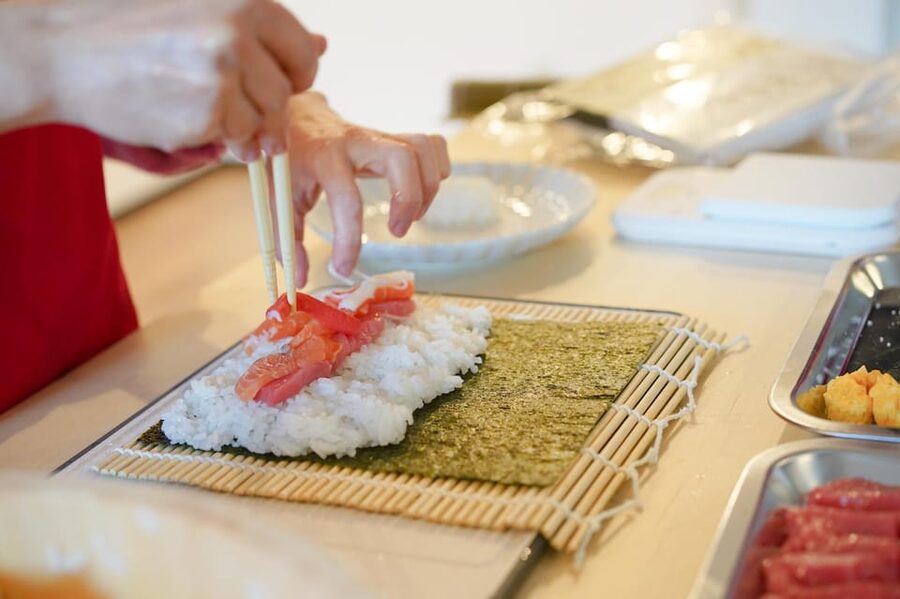
Once you’ve built the basics, you’ll move into the dish list. The class includes cooking traditional items such as:
- sushi rolls
- miso soup
- small dishes
- eggplant dengaku
- dashimaki tamago (rolled egg)
What I like about this mix is that it’s not just “one sushi roll and you’re done.” You’re learning a small menu of Japanese home flavors. That makes your take-home recipes more useful because you can recreate an actual meal, not just one trick.
Readers also shortlisted these Tokyo bookings:
- Ramen & Gyoza Cooking Class in Tokyo with Local Supermarket Visit★ 5.0 · 823 reviews
- Tokyo: Easy Ramen Cooking Experience in Kabukicho, Shinjuku★ 4.6 · 321 reviews
- Ramen and Sushi Cooking Class with Sake Pairing Set in Tokyo★ 5.0 · 291 reviews
- Tokyo: Wagyu and 7 Japanese Dishes Cooking Class★ 4.9 · 273 reviews
- Tokyo Washoku 4-hour Cooking Class: From Market to Table★ 5.0 · 253 reviews
Sushi rolls
You’ll follow guided instruction to create sushi rolls. Expect to practice more than one step: rice handling, spreading/seasoning, adding filling, and rolling tightly.
Practical tip for you: focus on the consistency of the rice and how you handle it. Even if your rolling isn’t perfect on the first try, good rice technique will pull the whole dish together.
Miso soup
Because the class includes dashi making, the miso soup doesn’t feel like a mystery. You’ll connect the broth base to the final taste.
Eggplant dengaku and dashimaki tamago
Eggplant dengaku brings a sweet-savory glaze component, and dashimaki tamago teaches a classic rolled egg method. These dishes are compact, but they’re very “Japanese home cooking” in spirit—comfort food with technique.
Also, the class welcomes different comfort levels. The goal is that everyone participates, not just watches. That’s one reason it works for families too.
Sake tasting with your meal: four kinds and real pairing logic
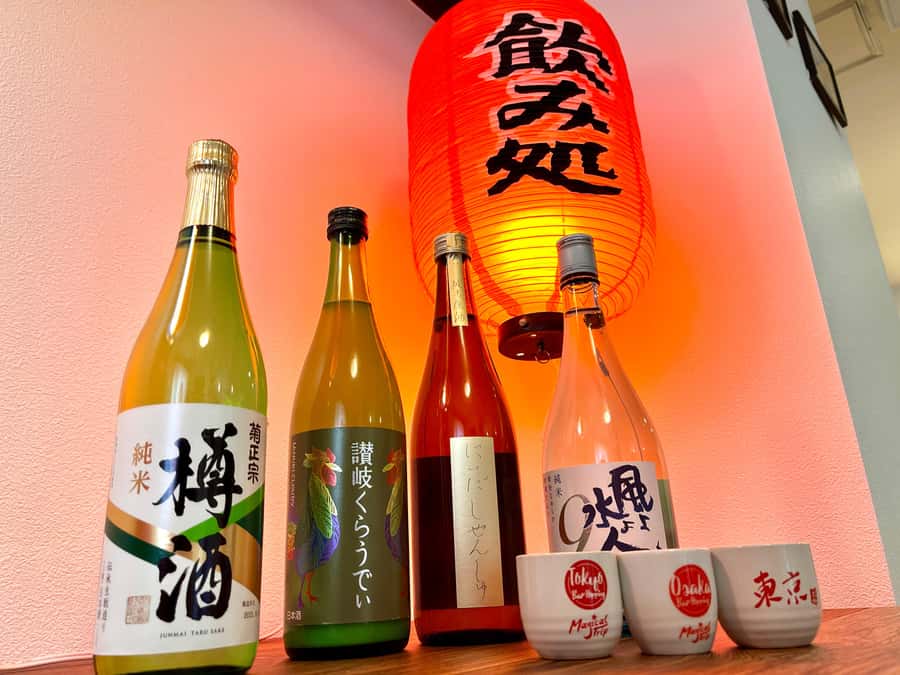
Sake tasting is included, with a selection of four premium sake varieties. You’ll choose your favorite and taste it paired with sushi and traditional Japanese cuisine.
What I think makes this pairing portion smart is that it’s not separate from the cooking. You’re tasting alongside what you’ve made, which helps you notice how sake changes the experience of:
- fatty or savory elements in sushi
- warm broth flavors from miso soup
- sweet-savory notes from dishes like eggplant dengaku
If you’re new to sake, don’t worry about knowing terms. The important part is the tasting experience and learning what you personally like with different foods. This is also where you can get practical ideas for future meals back home: you’ll remember which sake style worked best with which dish.
Lunch, photos, and the recipes you take home
You’ll have lunch included as part of the cooking experience. You eat what you’ve cooked, which makes the meal feel earned (and cuts down on the awkward question of what to eat next).
The tour also includes:
- tea
- photos during the tour
- recipes to take home
Take-home recipes are the part many cooking tours skip or make vague. Here, you’ll receive recipes after the experience, which is key if you want to host Japanese-style dinner at home. It turns the day from a fun memory into a repeatable skill.
If you like to cook at home, this will feel especially useful because you learn a process: shop smart, build the base (rice and dashi), then execute the dishes.
Asakusa time after lunch: sightseeing on your schedule
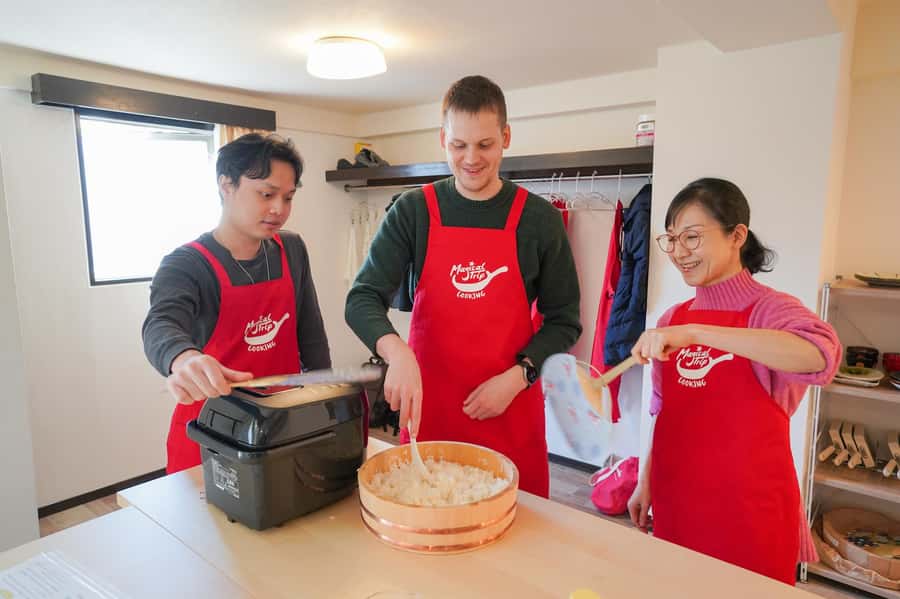
After the cooking and lunch, you’re invited to explore Asakusa for sightseeing and shopping. Asakusa is one of those Tokyo areas where you can wander without needing a rigid plan—especially if you like temples, local streets, and souvenir browsing.
A small but honest note: the tour itself ends back at the meeting point, so any extra wandering is likely time-flexible rather than a full guided tour of every street. Still, the timing can work well if you want to mix this class with a classic Asakusa morning or afternoon.
Kids and families: a class that can work with young ones
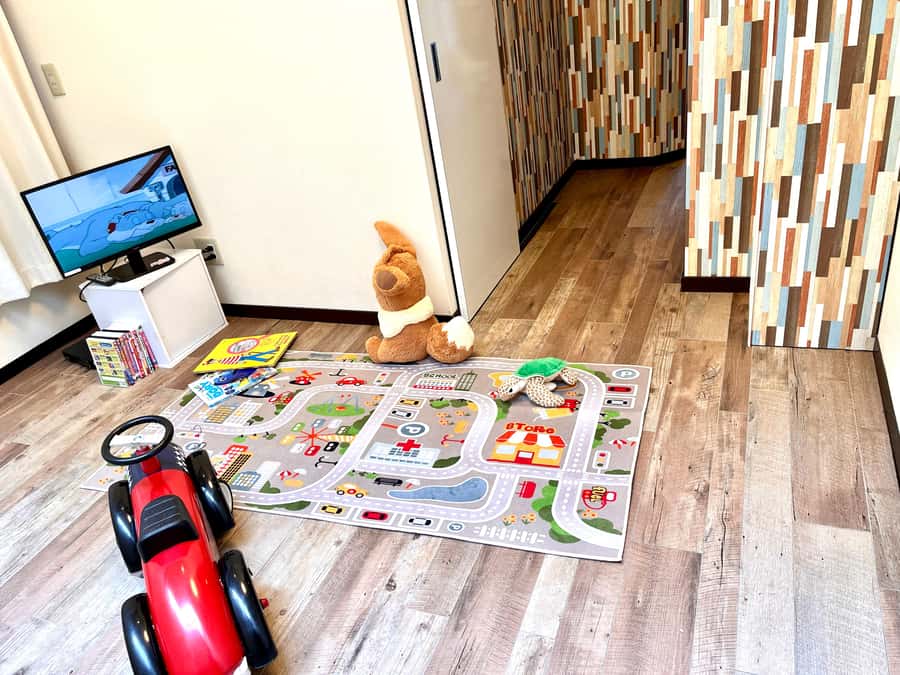
All ages can join, and there’s a kids playroom for little ones to enjoy. You’ll also find that the class format is designed so people can participate rather than just sit and watch.
This doesn’t mean it’s a daycare. There are knives, hot cooking steps, and a small-group kitchen environment. But it does mean the provider has considered family needs—especially compared with rigid adult-only cooking sessions.
If you’re traveling with kids, this is the kind of Tokyo activity that can break up the day in a good way: shop, cook, eat, and then (optionally) walk around Asakusa after.
Price and value: is $112 per person worth it?
At $112 per person, this class isn’t a budget event. But it’s not just “watch someone cook.” You’re paying for several things at once:
- a supermarket ingredient shopping segment with a guide
- a 4-hour hands-on cooking session in a pro kitchen studio
- lunch included
- a sake tasting with four selections
- ingredients, tea, and photos
- take-home recipes
Also, the group size limit (up to 7) matters. In a crowded class, you lose time and confidence. Here, the format is set up for actual help while you cook.
So if you value learning how Japanese ingredients and technique work together—especially sushi rice and dashi—I’d say the price makes sense. If you only want to eat sushi and don’t care about process, you could find cheaper meals. But you’d miss the core skill-building.
Who should book this class (and who should skip it)
This experience is a strong match if you:
- want a hands-on way to learn Japanese cooking basics
- like food travel that starts in real neighborhoods and real stores
- plan to cook at home afterward and want usable recipes
- enjoy sake and want a guided tasting paired with food
It might not be ideal if:
- you rely on wheelchair or stroller access, since some locations aren’t accessible by either
- you have strict allergies or multiple dietary restrictions you need guaranteed, because the food is prepared in kitchens that don’t belong to the tour operator, and allergy-free guarantees aren’t available
- you’re the type who dislikes early starts or hates being on time, since the tour won’t wait for late arrivals
Final call: should you book the sushi class with sake tasting?
If you want a Tokyo food day that teaches you more than it entertains, I’d book it. The combo of supermarket ingredient shopping + hands-on sushi rice and dashi + a four-type sake tasting is the best part. You leave with a skill set you can actually use, plus recipes and photos to anchor the memory.
If you’re nervous about cooking, don’t be. The class is built for beginners, and the small-group size gives you a real shot at keeping up. Just plan your route to the exact FamilyMart meetup in advance, bring water in warm weather, and you’ll have a fun, focused day of Japanese cooking.
FAQ
How long is the sushi cooking class with sake tasting?
It lasts 4 hours.
What’s included in the price?
The price includes the cooking experience and lunch, sake tasting (4 kinds), ingredients, tea, 4 hours with a local guide, and photos during the tour.
Where do I meet the guide?
Meet in front of FamilyMart next to Gindako shop at Iriya Station Exit 2. There are two FamilyMarts in Iriya station, so choose the one next to Gindako takoyaki shop and Doutor Coffee shop.
Is the tour guide English-speaking?
Yes, the live tour guide speaks English.
Is the class suitable for kids?
Yes. All ages can join, and there is a kids playroom for your little ones.
Can vegetarians or vegans join?
Yes. Vegan and vegetarian are welcome, and the provider arranges ingredients and the cooking process.
Is the tour wheelchair or stroller accessible?
Some locations on the itinerary are not accessible by wheelchair or stroller.
Are allergies handled with guaranteed substitutions?
Allergy-free meals and guaranteed allergy accommodations aren’t promised. Dietary restrictions may not always be fully catered for, and substitutions aren’t guaranteed at every stop, though efforts are made to compensate elsewhere.
Can I cancel for a refund?
Yes. You can cancel up to 24 hours in advance for a full refund.
More Cooking Classes in Tokyo
- Ramen & Gyoza Cooking Class in Tokyo with Local Supermarket Visit
★ 5.0 · 823 reviews - Tokyo: Easy Ramen Cooking Experience in Kabukicho, Shinjuku
★ 4.6 · 321 reviews - Ramen and Sushi Cooking Class with Sake Pairing Set in Tokyo
★ 5.0 · 291 reviews - Tokyo: Wagyu and 7 Japanese Dishes Cooking Class
★ 4.9 · 273 reviews - Tokyo Washoku 4-hour Cooking Class: From Market to Table
★ 5.0 · 253 reviews
More Food & Drink in Tokyo
- Tokyo: Shinjuku Food Tour (13 Dishes at 4 Local Eateries)
★ 5.0 · 6,603 reviews - Tokyo Tsukiji Fish Market Food and Culture Walking Tour
★ 5.0 · 3,184 reviews - Tokyo: Shinjuku Food Tour (15 Dishes and 4 Eateries)
★ 4.9 · 2,033 reviews - Best of Shinjuku: Izakaya Food Tour (4 Stops, 14+ Tastings)
★ 5.0 · 1,863 reviews - Tokyo: Tsukiji Fish Market Food and Walking tour
★ 5.0 · 1,724 reviews
More Tour Reviews in Tokyo
- Mt Fuji and Hakone 1-Day Bus Tour Return by Bullet Train
★ 5.0 · 26,383 reviews - 1-Day Tokyo Bus Tour
★ 5.0 · 14,250 reviews - Tokyo: teamLab Planets TOKYO Digital Art Museum Entry Ticket
★ 4.6 · 9,779 reviews - Mt Fuji & Hakone Cruise, Drum Show Bullet Train 1 Day from Tokyo
★ 4.0 · 7,413 reviews - Tokyo: Shinjuku Food Tour (13 Dishes at 4 Local Eateries)
★ 5.0 · 6,603 reviews
Latest Tokyo reviews off our desk






Cooking Classes, compared.
 ★ 5.0Ramen & Gyoza Cooking Class in Tokyo with Local Supermarket VisitFrom $122823 reviews
 ★ 4.6Easy Ramen Cooking Experience in Kabukicho, ShinjukuFrom $29321 reviews
 ★ 5.0Ramen and Sushi Cooking Class with Sake Pairing Set in TokyoFrom $79291 reviews
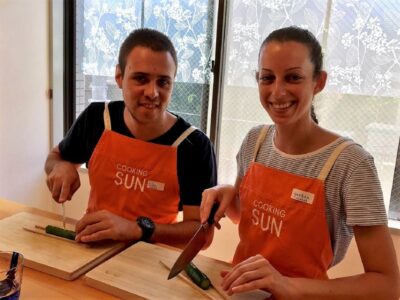 ★ 4.9Wagyu and 7 Japanese Dishes Cooking ClassFrom $67273 reviews
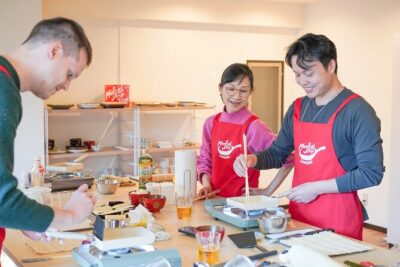 ★ 5.0Tokyo Washoku 4-hour Cooking Class: From Market to TableFrom $79253 reviews
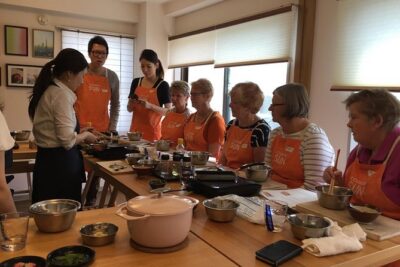 ★ 5.0Small-Group Wagyu Beef and 7 Japanese Dishes Tokyo Cooking ClassFrom $72190 reviews
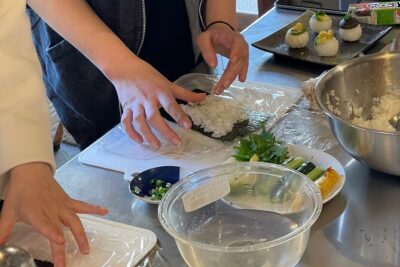 ★ 5.0Private Home Cooking in Yanaka – Local Flavors in a Warm SettingFrom $122173 reviews
 ★ 5.0Tokyo Sushi Making Experience & Japanese Cooking ClassFrom $59150 reviews
Browse the lists this tour appears in