
Reviewed · SUMO TOURNAMENTS & SHOWS
Tokyo: Watching Sumo and Ryogoku Area Walking Tour
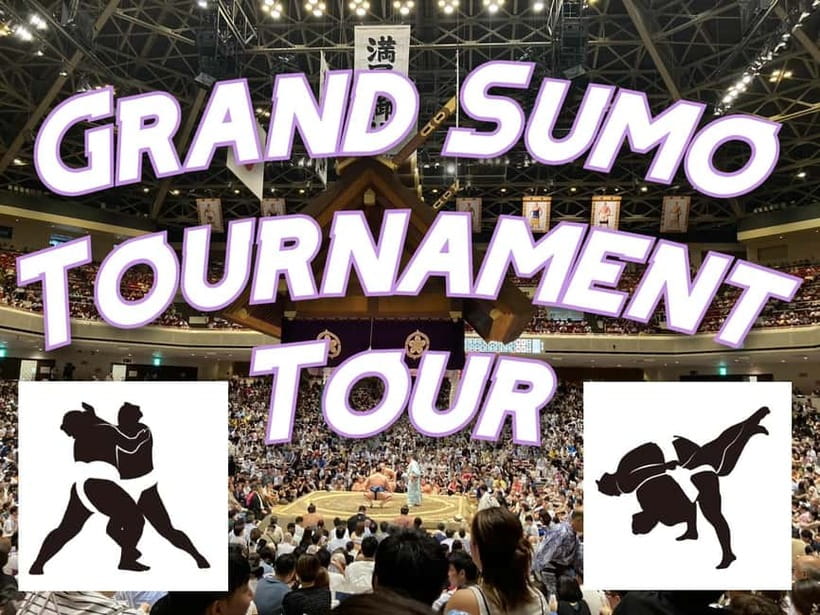
Sumo starts before you enter the ring. This Ryogoku tour mixes a guided walk of iconic sumo sites with ticketed access to a live bout at Ryogoku Kokugikan. It’s a smart way to understand what you’re about to watch, instead of showing up blind.
I like the way the route stays focused, with stops like Eko-in Temple and the Sumo Photo Museum that help you read sumo as culture, not just sport. I also like that your experience includes arena seating choices (box or chair), so you’re planning for visibility and comfort from the start.
My main caution: once you enter the venue, the guide steps away, so you’ll rely on arena announcements and signage for what happens during the match. If you want a full play-by-play commentary, you may find this part more self-guided.
In This Review
- Key things to know before you go
- Ryogoku Station to Edo NOREN: start here, stay calm
- The 50-minute Ryogoku walking tour: short route, clear purpose
- Eko-in Temple: the spiritual thread you’ll recognize in the ring
- Sumo Photo Museum: learn the timeline you can actually remember
- Kira Residence remains: samurai honor in plain context
- Ryogoku Kokugikan Arena: Box seats vs Chair seats
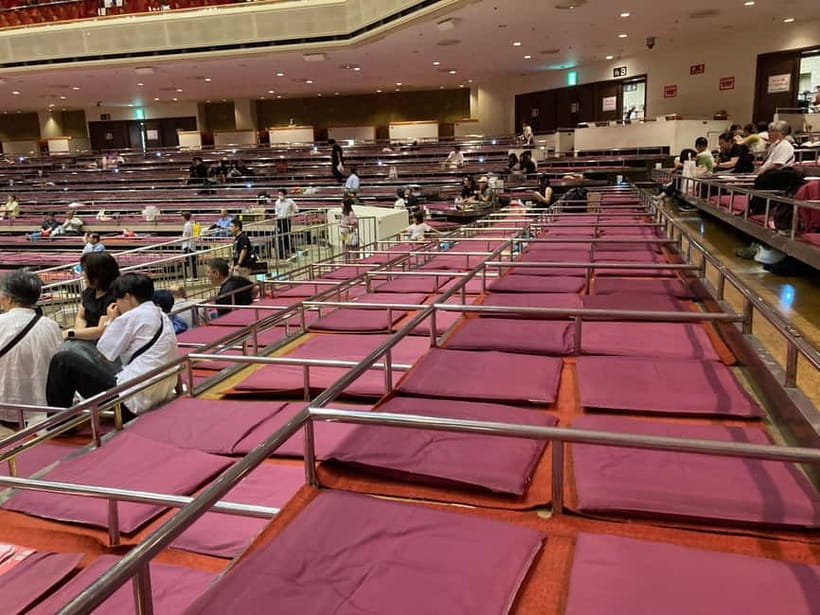
- Box Seats (1st Floor): close to the action, tighter space
- Chair Seats (2nd Floor): more room, calmer viewing
- Arena rules that actually affect your comfort
- Price and value: what $135 is buying you (and what it isn’t)
- A realistic game-day plan for your afternoon
- Who this tour suits best
- The bottom line: should you book this sumo walk and match?
Key things to know before you go
- Edo NOREN meeting point at Ryogoku Station west exit, with staff holding placards to match your name
- 50-minute Ryogoku walk focused on sumo’s key landmarks, timed before arena entry
- Ticketed seating for the live bout, with Box seats on the 1st floor or Chair seats on the 2nd
- Eko-in Temple, Photo Museum, and Kira Residence remains put sport history next to real places
- Box seats can feel tight since groups under four are seated together and seating is limited by design
Ryogoku Station to Edo NOREN: start here, stay calm
This tour begins at Ryogoku Station, west exit, at the Edo NOREN entrance. The key practical detail is timing: the departure is at 12:20 PM, and you’re told to arrive 10 to 15 minutes early so staff can confirm you. Staff will be holding placards (TNK), and you check your name with them right there.
Why this matters: Ryogoku is the sumo district, but train stations are still train stations. If you arrive late, you can waste energy sprinting around the wrong entrance. Arriving early keeps things smooth and gives you a buffer for photos before the walking part starts.
Also, transportation is on you. The tour covers the guide and the sumo tickets, not getting to Ryogoku or getting back after. So I’d plan your afternoon around the assumption that you’re already in the area, or you’re comfortable taking a local train and walking a few minutes.
Other ringside bookings readers scored
- Tokyo: Sumo Show and Dining Experience
★ 4.8 · 2,742 reviews - the SUMO show
★ 5.0 · 1,960 reviews - Tokyo Shinjuku Sumo Show & Experience with Photo
★ 5.0 · 1,750 reviews - Tokyo: Sumo Show and Experience in Shinjuku
★ 4.8 · 1,001 reviews
The 50-minute Ryogoku walking tour: short route, clear purpose
The walking portion is 50 minutes long. That’s a good length for this style of tour because it’s long enough to connect landmarks to meaning, but short enough that you’re not exhausted before you sit down for the match.
The route is built around a simple idea: you’ll learn what sumo is, then you’ll see it. Instead of jumping straight to the arena, you’ll first visit places that shaped Ryogoku into the sport’s home base.
Here’s what you can expect from that walking time:
- you’ll cover multiple sumo-related sites in a compact area
- you’ll hear explanations in English (that’s what the included guide is for)
- you’ll end the walk and then get your own time for the live event
One more important note: the guide is available for the city tour, but not after you enter the venue. That means your learning window is the walk. If you have questions, ask them while the guide is still with you.
Eko-in Temple: the spiritual thread you’ll recognize in the ring
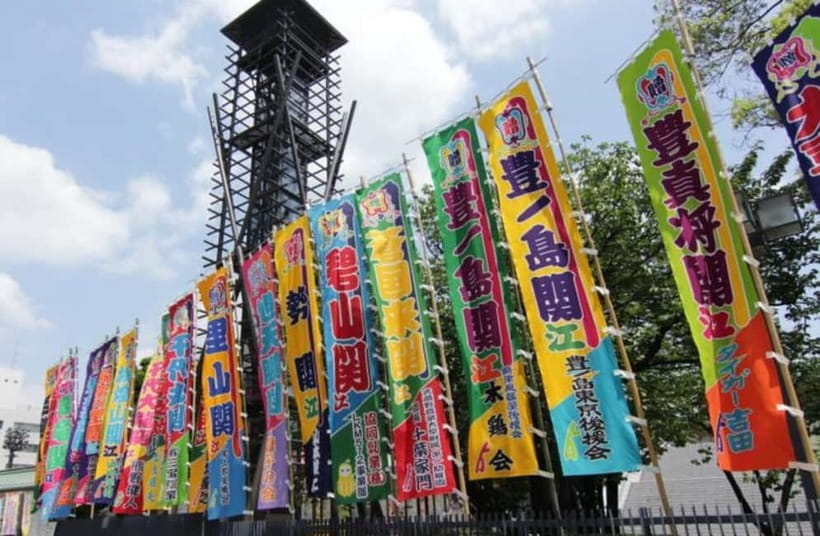
One stop is Eko-in Temple, described as deeply connected to sumo. Even if you’re not religious, this kind of place helps you understand why sumo has ritual around it. Sumo isn’t only about getting a wrestler down. It’s also about ceremony, respect, and tradition.
On this tour, the temple visit isn’t treated like a random detour. It’s presented as a long-standing link to the sport, and you’ll learn how that connection developed over time.
Practical angle: temples in Japan can be visually busy, so the guided explanation helps you focus on what matters. You’ll likely come away with a few “aha” memories that you can connect later when you notice ring rituals and formal behavior.
Sumo Photo Museum: learn the timeline you can actually remember
Next is the Sumo Photo Museum. A photo museum might sound like it’s only for history buffs, but it’s the right format for a short tour: photos are fast to understand, and they help you create a mental timeline.
Why I think this stop works well for first-timers: when you’re new to sumo, everything can feel like a blur. Weight classes, tournament structure, traditions, and training culture all arrive at once when you’re in the arena. A museum visit gives you a few anchor points so those details land.
What to do while you’re there: don’t try to read everything. Instead, skim for themes the guide highlights and use the museum to build general understanding: how sumo evolved, and why it matters in Japanese culture.
Kira Residence remains: samurai honor in plain context
After the museum, the tour heads to the remains of the Kira Residence. This is where the tour adds a different kind of cultural context, tied to samurai history.
You’ll be told about seppuku and the symbolism of honor and determination. That’s a heavy topic, but the framing is practical for understanding Japanese cultural values that show up in sports traditions: discipline, reputation, and respectful behavior.
One thing to keep in mind: ruins and memorial-related sites can feel abstract if you don’t have the cultural explanation. Here, the guide’s role matters because the site is a leftover structure, not a complete museum exhibit. The tour gives you the story so you’re not just looking at stones.
Readers also shortlisted these Tokyo bookings:
- Tokyo Tsukiji Fish Market Food and Culture Walking Tour★ 5.0 · 3,184 reviews
- Tokyo: Imperial Palace and Shogun Historical Walking Tour★ 5.0 · 2,251 reviews
- Tokyo: Shinjuku Local Bar and Izakaya Guided Walking Tour★ 4.9 · 1,794 reviews
- Tokyo: Tsukiji Fish Market Food and Walking tour★ 5.0 · 1,724 reviews
- Tokyo: Asakusa Walking Tour with Sensoji Temple Visit★ 4.8 · 1,583 reviews
Ryogoku Kokugikan Arena: Box seats vs Chair seats
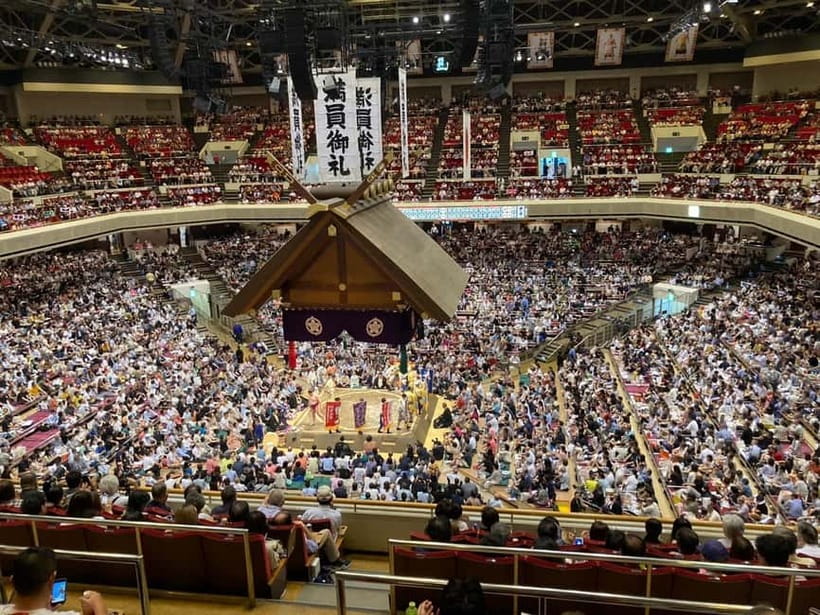
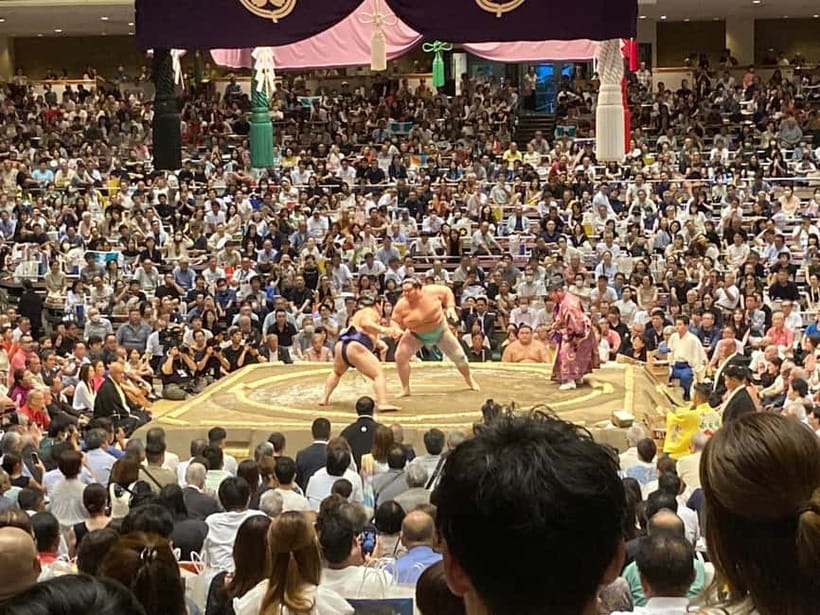
Now for the main event: a live match at Ryogoku Kokugikan. This is where you’ll decide what kind of view you want, because your ticket type changes the experience.
Box Seats (1st Floor): close to the action, tighter space
Box seats are on the 1st floor and are designed for a very close, traditional viewing style. The box measures 1.3 meters on all four sides, surrounded by iron pipes. Seats come with four cushions, and groups under four are seated with other guests.
What you’ll feel: closeness. You’re near the ring and the atmosphere is immediate. It can also feel crowded because you share space by design. One concern worth planning for is that the seat layout can mean you’re sitting quite close to neighboring people, with limited personal space.
If you’re the type who wants action to feel physical, box seats can be the right choice. If you’re sensitive to tight spacing, chair seats may be more comfortable.
Chair Seats (2nd Floor): more room, calmer viewing
Chair seats are on the 2nd floor. The big advantage here is space: the chairs are described as offering ample space and a more relaxed viewing experience.
You’re likely to get a better sense of the full ring environment without feeling boxed in. If you prefer breathing room and less close contact, chair seats often feel easier for longer periods.
Arena rules that actually affect your comfort
The arena has clear rules, and following them makes your experience smoother. Before you go in, plan for the basics:
- No smoking
- No luggage or large bags
- No bare feet
- No outside food or drinks
- there’s an inside shop where you can purchase items
- Video recording is strictly prohibited
- keep your voice down and be respectful
- disruptive behavior can lead to removal
What I’d do as a practical traveler: travel light so you don’t end up stressed about bag limits. Also, if you need water or snacks, don’t assume you’ll bring them. Have a quick plan to buy at the shop after you enter.
And since video is prohibited, bring a camera mindset that accepts still photos only (and follow staff instructions on what’s allowed). Keep your phone out of the “recording” habit.
Price and value: what $135 is buying you (and what it isn’t)
At $135 per person, you’re paying for two things:
1) a Ryogoku English guide during the walking portion
2) sumo match tickets for your chosen seat type
So the price isn’t only about entertainment. It’s mostly paying for the combination of explanation + ticketed access, with your walk timed right before the match.
How to judge value for yourself:
- If you like having context before you watch something technical, you’ll get more value from this than a ticket-only option.
- If you’re already confident navigating Ryogoku and figuring out match logistics on your own, you might feel the tour cost is mainly paying for guidance.
- If the seating type matters to you, this tour’s included ticket is a big part of what you’re paying for.
One more reality check: transportation, meals, and drinks aren’t included. That means your true day budget should include getting to Ryogoku and eating before or after. If you’re coming from farther away, those costs matter.
A realistic game-day plan for your afternoon
Here’s a simple rhythm that fits how this tour runs:
- 12:20 PM: meet at Ryogoku Station west exit, Edo NOREN entrance
- staff will be holding placards (TNK); confirm your name
- 50 minutes walking tour of the sumo landmarks with English guidance
- once you finish the walk, you’ll enter the venue and use your ticketed seating
- your guide assists with the city tour, but you won’t have ongoing guide support inside the arena
The tour ends back at the meeting point. So it helps to think of it like a guided “before the match” experience that also hands you a seat for the “during the match” part.
If you want photos, do them where the guide is present. Once inside, you’ll mainly be managing your seat, following rules, and watching the bout.
Who this tour suits best
This tour is a strong fit if you want:
- an easy introduction to sumo culture through real places in Ryogoku
- English explanations during the walking portion
- a ticketed live match without having to puzzle out seating on your own
It’s especially good for first-timers who don’t know much about sumo traditions but like learning by seeing.
It may be less ideal if:
- you want a full guided commentary inside the arena (you won’t have that)
- you’re strongly photo/video focused and dislike strict recording rules
- you’re traveling with lots of luggage (large bags and luggage aren’t allowed)
Also, it’s not suitable for wheelchair users, based on the tour’s stated limitation.
The bottom line: should you book this sumo walk and match?
If you’re aiming for a day that connects story to spectacle, I think this is a smart booking. The walking route hits the main cultural touchpoints: a temple tied to sumo, a photo museum for context, and Kira Residence remains that add samurai honor context through seppuku. Then you get a live match ticket so your learning has an immediate payoff.
The decision mostly comes down to seating comfort and your expectations for guidance. If you like the idea of box seats and don’t mind tight space, it can feel intense and close. If you’d rather have room and a calmer setup, chair seats make more sense. Either way, the guide’s role is focused on the walk, so set your expectation that the arena is largely for you to watch and follow along.
If you want me to help you choose between box and chair seats, tell me how sensitive you are to tight spaces and whether you prefer a close-up view or a more relaxed, panoramic feel.
More Tours in Tokyo
- Mt Fuji and Hakone 1-Day Bus Tour Return by Bullet Train
★ 5.0 · 26,383 reviews - 1-Day Tokyo Bus Tour
★ 5.0 · 14,250 reviews - Tokyo: Shinjuku Food Tour (13 Dishes at 4 Local Eateries)
★ 5.0 · 6,603 reviews - Tokyo Mt Fuji 5th St & Hakone Cruise Bus Tour w/Bullet Train
★ 4.4 · 5,024 reviews - Flagship 2-Hours Official Street Go-Kart Tour – Tokyo Bay Shop
★ 5.0 · 4,974 reviews
More Tour Reviews in Tokyo
- Mt Fuji and Hakone 1-Day Bus Tour Return by Bullet Train
★ 5.0 · 26,383 reviews - 1-Day Tokyo Bus Tour
★ 5.0 · 14,250 reviews - Tokyo: teamLab Planets TOKYO Digital Art Museum Entry Ticket
★ 4.6 · 9,779 reviews - Mt Fuji & Hakone Cruise, Drum Show Bullet Train 1 Day from Tokyo
★ 4.0 · 7,413 reviews - Tokyo: Shinjuku Food Tour (13 Dishes at 4 Local Eateries)
★ 5.0 · 6,603 reviews
More Sumo, Ringside and Rated
- Tokyo: Sumo Show and Dining Experience
★ 4.8 · 2,742 reviews - the SUMO show
★ 5.0 · 1,960 reviews - Tokyo Shinjuku Sumo Show & Experience with Photo
★ 5.0 · 1,750 reviews - Tokyo: Sumo Show and Experience in Shinjuku
★ 4.8 · 1,001 reviews - Tokyo Grand Sumo Tournament Viewing Tour with Tickets
★ 5.0 · 692 reviews
Latest Tokyo reviews off our desk


Sumo Tournaments & Shows, compared.
 ★ 4.8Sumo Show and Dining ExperienceFrom $792,742 reviews
 ★ 5.0the SUMO showFrom $891,960 reviews
 ★ 5.0Tokyo Shinjuku Sumo Show & Experience with PhotoFrom $791,750 reviews
 ★ 4.8Sumo Show and Experience in ShinjukuFrom $691,001 reviews
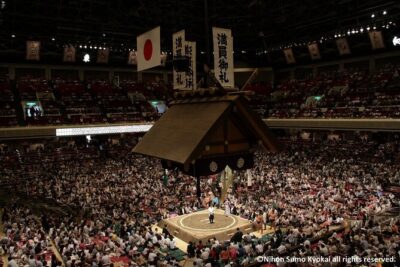 ★ 5.0Tokyo Grand Sumo Tournament Viewing Tour with TicketsFrom $124692 reviews
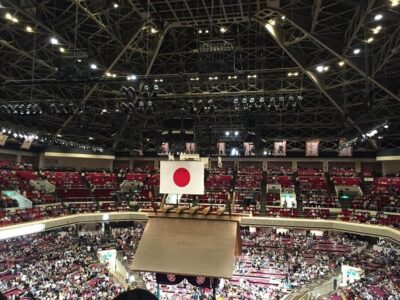 ★ 5.0Tokyo Sumo Wrestling Tournament ExperienceFrom $124660 reviews
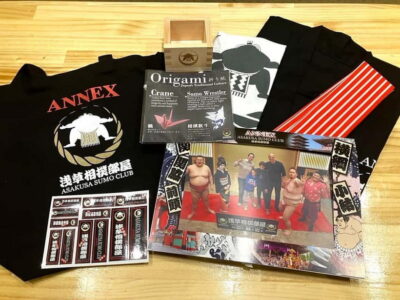 ★ 4.7Luxury Sumo Show Experience & Japanese cuisine & DrinkFrom $103577 reviews
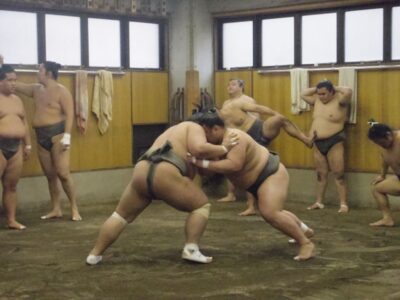 ★ 4.8Sumo Morning Practice Viewing TourFrom $81570 reviews
Browse the lists this tour appears in