
Reviewed · ASAKUSA & SENSOJI TOURS
Tokyo’s Must-Sees: 5-hour Tsukiji, Akihabara & Asakusa Tour
Three Tokyo stops. One easy morning.
In about five hours, you can connect Tsukiji Fish Market with Akihabara and end in Asakusa without doing mental gymnastics on transit and timing. I like that the tour is led by a certified guide, so you get clear context fast, and the guide handles the details like where to stand and what to try. One thing to factor in: this is a walking-heavy, crowd-heavy route, and it is not recommended if anyone in your group has mobility issues.
What makes it feel practical is the built-in food and the photo support. You get 2–3 market tastings and then lunch in Asakusa, with vegetarian and vegan options available if you request in advance, and the guide takes tour photos so you can actually look around. With a maximum of 7 travelers, it tends to feel friendly rather than chaotic, but expect a busy day and come prepared for Tokyo weather.
In This Review
- Key things that make this tour worth your time
- Start at Tsukiji Honganji Temple and get oriented fast
- Tsukiji Fish Market: sampling without the guesswork
- Akihabara on foot: games and anime culture with real stops
- Asakusa time: Kaminarimon and Senso-ji in the right order
- Lunch in Asakusa plus the photo service that saves your day
- Price and value: why it’s about more than the ticket
- Group size, pacing, and the one thing you must plan for
- Who this tour fits best (and who should choose differently)
- Should you book this Tsukiji–Akihabara–Asakusa tour?
- FAQ
- What time does the tour start, and how long is it?
- Where do we meet, and where does the tour end?
- Is entry included for the big sites like Tsukiji Fish Market and Senso-ji?
- What food is included?
- Are vegetarian or vegan meals guaranteed?
- Are train fees included?
- Is the tour suitable for people with mobility issues?
Key things that make this tour worth your time
- Tsukiji Fish Market tastings included so you can try local bites without guessing
- Certified guide leadership to turn three neighborhoods into a coherent story
- Akihabara stops with named shops like Super Potato and Akiba Cultures Zone
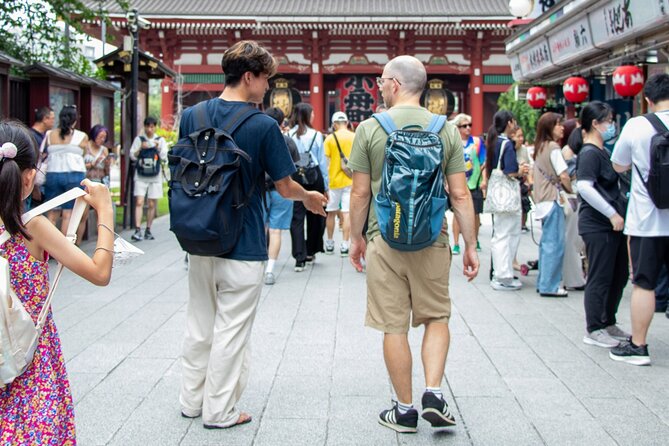
- Asakusa landmarks built into the walk including Kaminarimon and Senso-ji
- Tour photos handled for you so your hands stay free for snacks and sightseeing
- Lunch with veg and vegan options available by request at least 1 day before
Start at Tsukiji Honganji Temple and get oriented fast
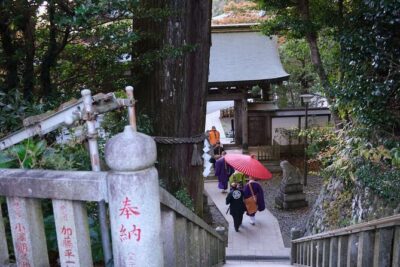
Your day begins at Tsukiji Honganji Temple (築地本願寺 正門), meeting at the main entrance. This is a smart start point because it immediately places you in the Tsukiji area, not just on the edge of it. The temple itself is free to enter, and it also sets a calmer tone before the market area turns loud and crowded.
From here, you walk into Tsukiji with a guide who can explain what you are looking at and what to pay attention to. That matters because Tsukiji is the kind of place where it is easy to feel rushed or overwhelmed if you show up without a plan. This tour keeps you moving at a pace that fits a group of up to 7 people, with short breaks along the way.
What I’d do with this start: wear shoes you can walk in for hours. Also, have your camera-ready mindset turned on early, since you will transition from a temple stop into a market vibe quickly.
More temple mornings in old Asakusa
- Tokyo: Japanese Dance Cabaret Theater Asakusa-Kaguwa Ticket
★ 4.8 · 2,270 reviews - Tokyo: Meiji Shrine, Asakusa, Skytree Bus Tour and Cruise
★ 4.7 · 1,986 reviews - Tokyo: Roll and Authentic Sushi Making Class in Asakusa
★ 4.9 · 1,957 reviews - Tokyo: Asakusa Walking Tour with Sensoji Temple Visit
★ 4.8 · 1,583 reviews
Tsukiji Fish Market: sampling without the guesswork
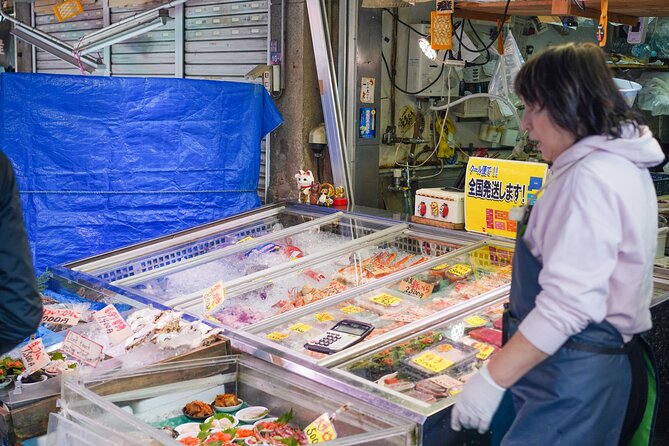
The highlight here is getting time in the Tsukiji Fish Market area to browse and sample included seafood and local delicacies. Market areas can be a sensory overload, and this is exactly why the tour includes 2–3 food samplings. You do not have to decide everything on the fly, and you still get to roam around and look at the bustle.
The market stop is about one hour, with admission listed as free. That hour is not designed to turn you into a seafood expert—it is designed to give you a real taste of what Tsukiji is known for, then get you to your next neighborhood while you still have energy.
One practical note: the tour description says the guide takes photos and sends them to you. In Tsukiji, that can be a big relief because you do not have to constantly pause to get shots. You can focus on tasting and noticing details like stalls, people’s routines, and the sheer variety of seafood options you pass.
Akihabara on foot: games and anime culture with real stops
Next you head to Akihabara, the Tokyo neighborhood most people associate with game and anime culture. This part lasts about 2 hours 10 minutes, and it is structured around specific places rather than just generic browsing. You will stop by spots such as Super Potato and Akiba Cultures Zone.
Why that’s valuable: Akihabara can be a maze if you are trying to self-navigate while also decoding what is worth entering. With a guide leading the way, you spend less time wondering, and more time walking into the places that match your interests. Also, when you are traveling with limited time, it is better to hit a few meaningful stops than to drift for hours.
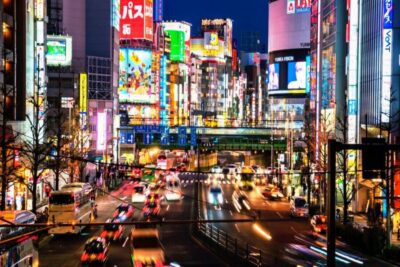
If you are a fan of retro games or pop-culture shopping, this is the section you will feel most instantly. If you are not, you can still enjoy it because the area is visually loud—signs, displays, collectibles, and themed shops. It is the kind of neighborhood that gives you a strong sense of modern Tokyo identity.
Asakusa time: Kaminarimon and Senso-ji in the right order
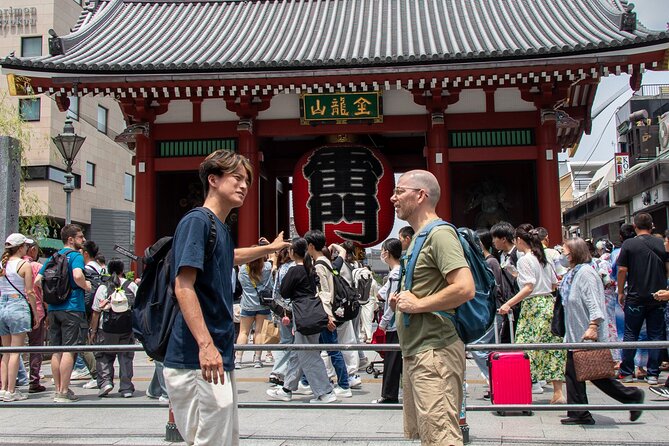
Asakusa is where the day turns more traditional, and the tour builds it in a logical walk: you first see Kaminarimon Gate, then move into Senso-ji Temple.
Kaminarimon is your gateway moment. This is also where the vibe shifts from market-and-screens into old-town Tokyo. The gate area is free to enter, and the tour gives you enough time to actually observe the street scene without treating it like a photo sprint. The stop around Kaminarimon is about 30 minutes.
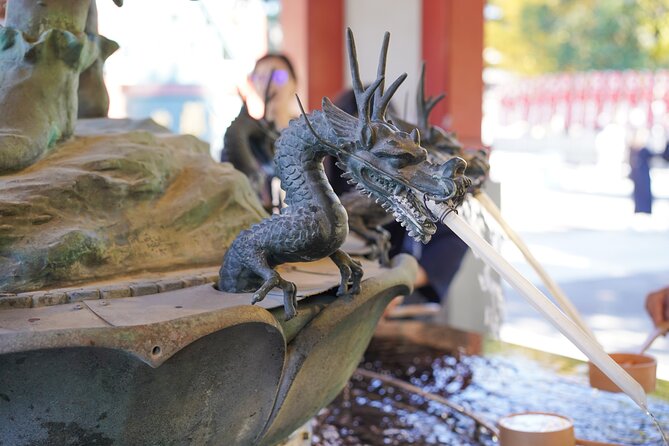
Then you head to Senso-ji Temple, described as the oldest temple in Japan, with a stop of about 20 minutes. You will also get a chance to learn how people pray at Japanese temples, which is more useful than just standing around the entrance. The guide helps you understand what you are seeing, so it lands as more than a landmark checklist.
A practical tip: Asakusa gets crowded. Keep your plans simple. In this zone, it helps to let the guide set the flow and just absorb the details as you walk.
Lunch in Asakusa plus the photo service that saves your day
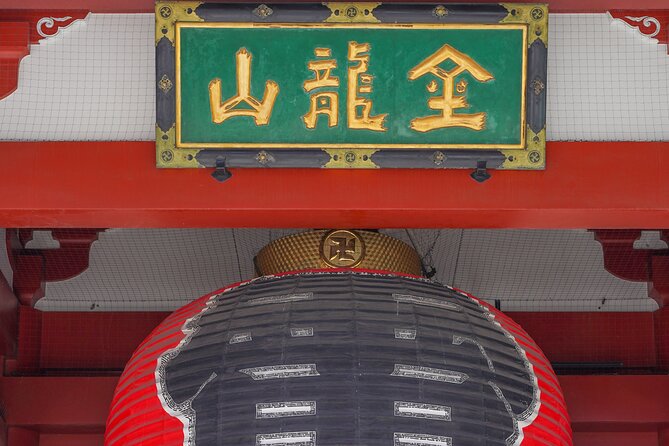
Lunch is included, and it happens in the Asakusa area. The big plus is that vegetarian and vegan options are available upon request, but the tour asks you to notify them at least 1 day before for diet needs or allergies. If you forget to send that message ahead of time, the tour notes it cannot guarantee allergy-free meals or substitutions, since the kitchen is not run by the tour operator.
Another thoughtful feature: the tour includes tour photos, and you do not have to take them during the walk. That is not just a convenience. It changes how you experience the streets. You can keep one hand free for water or snacks, and you can spend your attention on what your guide is explaining rather than checking your framing every minute.
More market breakfasts our reviewers scored
- Tokyo Tsukiji Fish Market Food and Culture Walking Tour★ 5.0 · 3,184 reviews
- Tokyo: Tsukiji Fish Market Food and Walking tour★ 5.0 · 1,724 reviews
- Tokyo: Tsukiji Fish Market Guided Walking Tour★ 4.9 · 1,397 reviews
- Tokyo Sushi Making Class in Tsukiji with Professional Chef★ 5.0 · 1,177 reviews
- Tsukiji Fish Market Guided Tour and Sushi Making with Pro Chef★ 5.0 · 775 reviews
Price and value: why it’s about more than the ticket
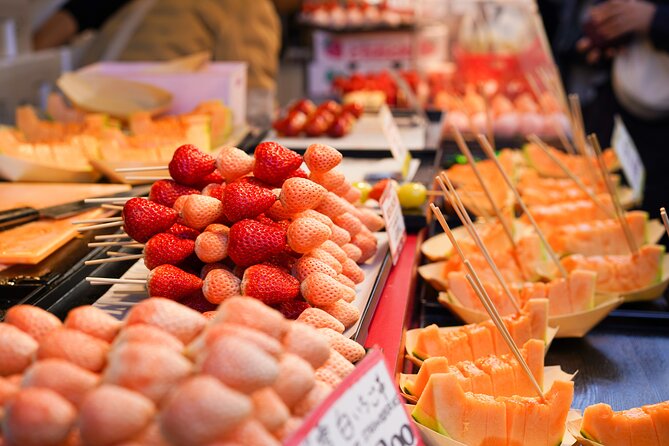
At $101.74 per person for about five hours, you are paying for a mix of guide time, guided browsing in three neighborhoods, included tastings, and included lunch. The tour also lists group discounts and offers mobile tickets, which usually makes day-of logistics smoother.
Here is how I think about the value:
- You get guided entry into markets and culture zones without needing to do all the planning yourself.
- Food is partially handled for you (2–3 tastings plus lunch). Even if you planned to eat anyway, you are not starting from scratch.
- Photo service is included, which can save time and hassle in crowded places.
- What is not included matters too: train fees (390 yen) are listed as not included. This is typically a small cost, but you should budget it and bring cash or use an IC card.
Compared with paying for separate guide services or doing a DIY route that depends on timing and navigation, this tour tends to feel like a time-saver. When your Tokyo window is tight, saving time can be the whole point.
Group size, pacing, and the one thing you must plan for
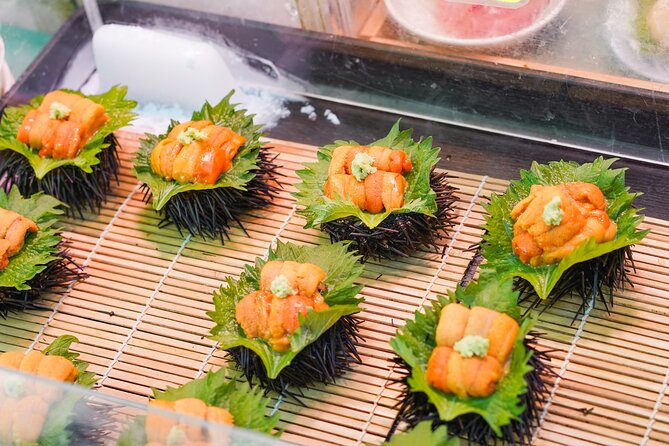
This tour caps at 7 travelers, which is one reason it can work well for a first-time visitor. A smaller group usually means:
- fewer delays waiting for people to find each other
- a better chance you can hear the guide’s explanations
- a steadier pace across busy streets
The tour also runs with a 9:30 am start, lasts about 5 hours, and includes short breaks. Still, it is not a sit-down experience. If you are traveling with kids or anyone who gets tired quickly, plan for that walking load.
Also note the weather guidance. Japan’s climate can be intense, and the tour may be canceled for safety if conditions are not suitable. Summer highs can reach 40°C, and winter lows can drop to -5°C, so bring layers and sun protection even if the weather forecast looks mild.
If you want a confidence boost on guide quality, the reviews highlight real strengths. One guide named Kenji is described as friendly, generous, and informative, and another named Hana is described as excellent—informative and very personable. You cannot guarantee a specific guide, but it’s a good sign that the operator attracts guides who know how to lead and communicate.
Who this tour fits best (and who should choose differently)
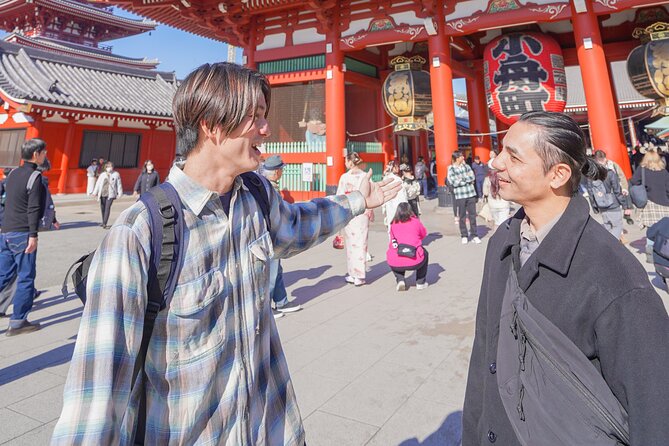
This experience is ideal if you want to check off three major Tokyo neighborhoods—Tsukiji, Akihabara, and Asakusa—without turning your day into a logistics puzzle. It is also a good match if you appreciate structure: you get a clear route, named stops, included food, and a guide to explain what you are seeing.
I would think twice if:
- your group has mobility limitations, since the tour is not recommended for people with walking difficulty
- you want a slow, flexible schedule where you can wander freely for long stretches
- you are sensitive to crowds, because all three areas can be busy
Should you book this Tsukiji–Akihabara–Asakusa tour?
Book it if your priority is efficient Tokyo sightseeing with included tastings, included lunch, and a guide who helps you understand what you are looking at. The route is a strong first intro: seafood culture in Tsukiji, pop-culture energy in Akihabara, then old-town atmosphere in Asakusa.
Skip it if you prefer to explore on your own with lots of free time, or if mobility is a concern for anyone in your group. In those cases, you will likely feel rushed or stretched by the crowd-and-walk format.
If you do book, do one simple thing that pays off: message your dietary needs at least 1 day before so you get the lunch option you want. Then show up ready to walk, and let the guide handle the rest.
FAQ
What time does the tour start, and how long is it?
The tour starts at 9:30 am and runs for about 5 hours.
Where do we meet, and where does the tour end?
You meet at Tsukiji Honganji Temple (築地本願寺 正門3-chōme-15-1, Tsukiji) and the tour ends in Asakusa (Taito City).
Is entry included for the big sites like Tsukiji Fish Market and Senso-ji?
The tour information lists admission tickets as free for the stops where admission applies, including Tsukiji Fish Market and Senso-ji.
What food is included?
You get 2–3 food samplings during the market part, plus lunch in Asakusa. Vegetarian and vegan options are available if requested in advance.
Are vegetarian or vegan meals guaranteed?
Options are available upon request at least 1 day before the tour. The tour also notes it cannot guarantee allergy-free meals or substitutions, since meals are prepared in kitchens not controlled by the tour operator.
Are train fees included?
No. Train fees are listed as 390 yen and are not included. You can use cash or an IC card.
Is the tour suitable for people with mobility issues?
The tour is not recommended for people with mobility issues. If someone in your group has walking difficulty, the guidance is to consider a private tour instead.
More of Akihabara, Reviewed
- Official Street Go-Kart Tour – Akihabara
★ 5.0 · 1,578 reviews - Tokyo Go Kart: Asakusa, Skytree, and Akihabara **IDP MUST**
★ 5.0 · 988 reviews - Akihabara Anime & Game Adventure Walking Tour (Group or Private)
★ 5.0 · 404 reviews - Tokyo: Gameboy Mod Workshop at Akihabara
★ 5.0 · 253 reviews - Akihabara: Private Anime and Pop Culture Tour
★ 4.8 · 152 reviews
More Tsukiji Market Breakfasts
- Tokyo Tsukiji Fish Market Food and Culture Walking Tour
★ 5.0 · 3,184 reviews - Tokyo: Tsukiji Fish Market Food and Walking tour
★ 5.0 · 1,724 reviews - Tokyo: Tsukiji Fish Market Guided Walking Tour
★ 4.9 · 1,397 reviews - Tokyo Sushi Making Class in Tsukiji with Professional Chef
★ 5.0 · 1,177 reviews - Tsukiji Fish Market Guided Tour and Sushi Making with Pro Chef
★ 5.0 · 775 reviews
More Mornings in Old Asakusa
- Tokyo: Japanese Dance Cabaret Theater Asakusa-Kaguwa Ticket
★ 4.8 · 2,270 reviews - Tokyo: Meiji Shrine, Asakusa, Skytree Bus Tour and Cruise
★ 4.7 · 1,986 reviews - Tokyo: Roll and Authentic Sushi Making Class in Asakusa
★ 4.9 · 1,957 reviews - Tokyo: Asakusa Walking Tour with Sensoji Temple Visit
★ 4.8 · 1,583 reviews - Tokyo Asakusa Rickshaw Tour
★ 5.0 · 1,375 reviews
Latest Tokyo reviews off our desk

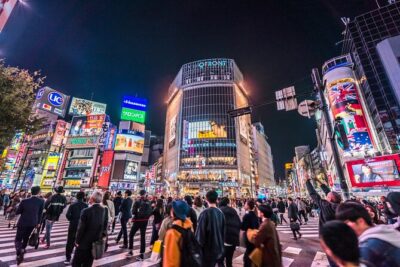
Asakusa & Sensoji Tours, compared.
 ★ 4.8Japanese Dance Cabaret Theater Asakusa-Kaguwa TicketFrom $492,270 reviews
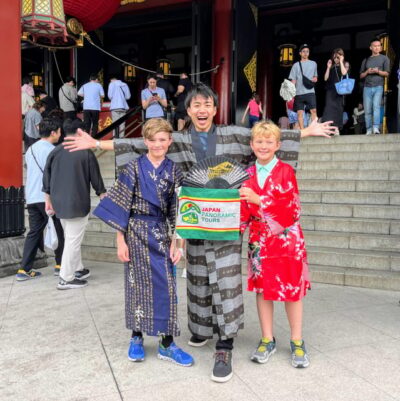 ★ 4.7Meiji Shrine, Asakusa, Skytree Bus Tour and CruiseFrom $1221,986 reviews
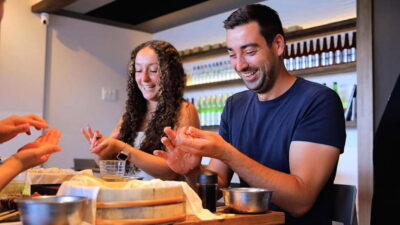 ★ 4.9Roll and Authentic Sushi Making Class in AsakusaFrom $581,957 reviews
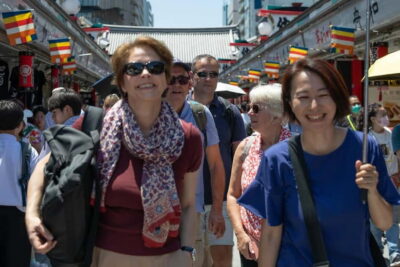 ★ 4.8Asakusa Walking Tour with Sensoji Temple VisitFrom $221,583 reviews
 ★ 5.0Tokyo Asakusa Rickshaw TourFrom $421,375 reviews
 ★ 4.5Tokyo Panoramic 1 Day: Meiji Shrine, Asakusa, Odaiba and SKYTREE®From $851,222 reviews
 ★ 5.0Tokyo Go Kart: Asakusa, Skytree, and Akihabara **IDP MUST**From $99988 reviews
 ★ 4.7Asakusa, Skytree & Akhihabara Go-Kart City ExperienceFrom $96761 reviews
Browse the lists this tour appears in