
Reviewed · YANAKA OLD TOWN WALKS
Ueno and Yanaka Culture Art Walking Tour in Old Tokyo
Ueno and Yanaka are a great antidote to Tokyo speed. This walking tour strings together Ueno Park culture with Shitamachi (old lower-city) Tokyo in Yanaka, so you get both grand sites and everyday streets.
What I like most is how the day mixes major sights with quieter moments—especially the calm stretch of temples, shrines, and water around Ueno Park. You also get a proper guided visit, not just a handoff to wander.
My second favorite part is the guide. Beth was excellent in prior groups—friendly, and she answered questions in a gentle, steady way while keeping the history clear enough to feel real. If you’re the type who likes your day to make sense as you walk, that pacing helps.
One consideration: this is a true walking day outdoors (several hours), with no private vehicle ride to break it up.
In This Review
- Key points before you go
- Why Ueno and Yanaka feel like two different Tokyos
- Getting started at Ueno, and why the route matters
- Stop 1: National Museum of Nature and Science (where the day gains context)
- Stop 2: Ueno Park temples, shrines, and water (a breather in the middle of the city)
- Stop 3: Ameyoko shopping street (lunch break energy with history)
- Stop 4: Yanaka’s museum tied to a sculptor’s life
- Stop 5: Yanaka Ginza and the cat-themed details
- Stop 6: Yanaka Cemetery for Buddha statues and a quiet reset
- The guide makes or breaks a walking tour, and Beth is a big reason
- How long is it really, and what pace should you expect?
- Price and value: where your money is going
- Who this tour suits best (and who might skip it)
- Quick checklist for a smooth day
- Should you book it?
- FAQ
- What is the tour duration?
- Where does the tour start and end?
- Is food included in the price?
- What admissions are included?
- Do I get a mobile ticket?
- How large are the groups?
Key points before you go
- Small group size (max 15) keeps the pace comfortable and questions easy
- Museum + park + shrine coverage means you’re not stuck only on shopping streets
- Beth’s guiding style has a reputation for turning buildings and objects into stories
- Ameyoko and Yanaka Ginza give you old Tokyo shopping street energy with local context
- Yanaka Cemetery offers a rare calm stop that feels far from rush-hour Tokyo
Why Ueno and Yanaka feel like two different Tokyos
Ueno and Yanaka can look like separate worlds, but that’s exactly why this works. Ueno is known for cultural institutions—museums, formal shrine areas, and big public spaces where locals stroll. Then you shift into Yanaka, which is the kind of neighborhood Tokyo still keeps around for you to see the older rhythms: smaller streets, historic atmosphere, and less crowd pressure than the headline sights.
This tour is built to help you read the city as you walk. You’re not just collecting photos. You learn why certain places sit where they do, and what makes the area feel the way it does.
Also, you get an English-speaking guide for the day. That matters in Tokyo, because the details—names, purposes of buildings, and the meaning of particular shrines—are often easy to miss on your own.
More Ueno tastings on our list
- Eat and Drink Like a Local: Tokyo Ueno Food Tour-Taverns&Ramen
★ 5.0 · 957 reviews - Tokyo: Food Tour in Ueno with 10+ Tastings of Japanese Classics
★ 5.0 · 303 reviews - Tokyo Ueno Food Tour Sushi Ramen and Local Favorites
★ 5.0 · 54 reviews - Japanese Food Experience Night Tour in Ueno
★ 5.0 · 47 reviews
Getting started at Ueno, and why the route matters
You start at Ueno Station (7 Chome-1 Ueno, Taito City). The tour begins at 9:30 am, and it ends at Nippori Station (2 Chome-19 Nishinippori, Arakawa City).
One practical tip: the plan assumes you’ll get yourself to Ueno by JR Yamanote Line, using the PARK GATE exit as the closest reference point. That’s helpful, because Ueno Station is big and easy to misread if you’re rushing.
From there, you’re walking for hours. The tour doesn’t use a private vehicle, so your best friend here is footwear. If your shoes aren’t comfortable for long outdoor walking, you’ll feel it more than you expect.
Stop 1: National Museum of Nature and Science (where the day gains context)
The morning begins at the National Museum of Nature and Science, with admission included. This isn’t just a quick look-in. You get an intro to the museum and its background, plus guidance through some of its main highlights.
The standout details you can expect include a life-sized Blue Whale model and a steam locomotive, along with taxidermied displays. Even if you’re not a die-hard museum person, the guide’s framing helps you see how museums like this were built to teach people to look closely—and to connect science to real objects.
Why this is a good start: you’re moving from transport-and-street noise into a place where things are labeled and explained. It sets your mind up for the rest of the tour, where you’ll do more reading—of shrines, streets, and neighborhood history.
What to consider: museums can be a little stop-and-go depending on the exhibits you’re shown and the pace of the group. If you want lots of free time inside on your own, this is still guided. It’s not a self-guided museum day.
Stop 2: Ueno Park temples, shrines, and water (a breather in the middle of the city)
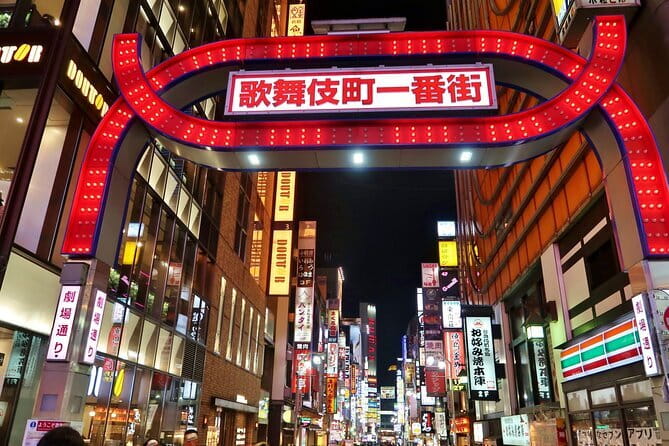
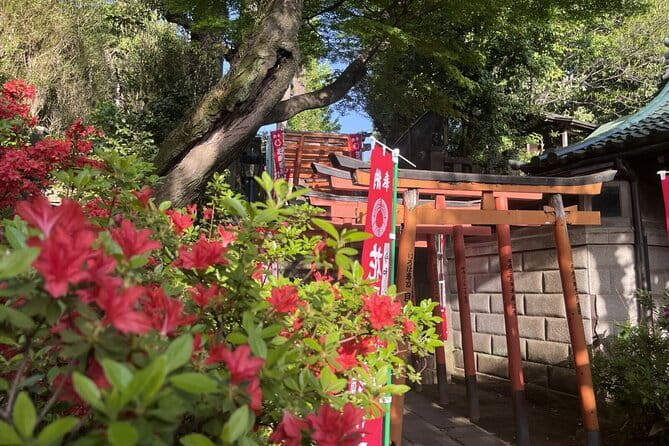
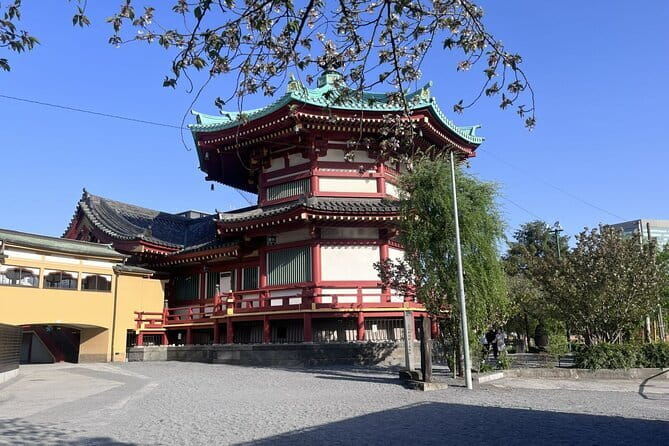
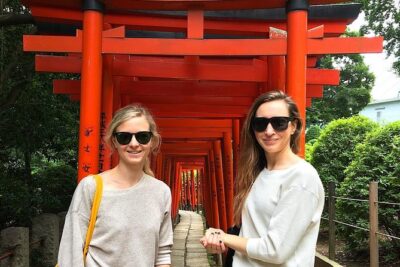
Next you head into Ueno Park. Expect a guided walk through the temples, shrines, and lake area, with time to enjoy the calmer outdoor setting.
Ueno Park is a classic Tokyo contrast zone: grand and meaningful religious sites next to open space where people take their time. It’s one of the best places in the city to slow down without feeling like you’ve escaped to the countryside.
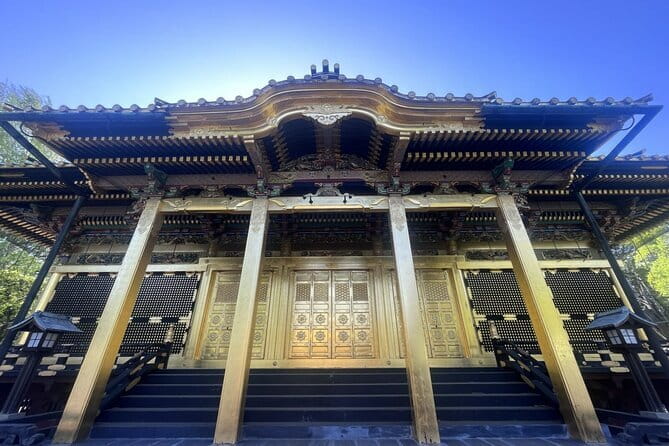
Also, admission for Toshogu Shrine is included in the tour package. Since you’re in the shrine-and-temple portion of Ueno Park, that matters—because it keeps the day simple: fewer ticket stops, less decision-making, and more time walking with the guide.
Practical angle: it’s outdoors for a while. In hot or rainy weather, you’ll want to dress smartly and carry a compact umbrella or rain layer if you’re going in shoulder seasons.
Stop 3: Ameyoko shopping street (lunch break energy with history)

From the park, you move to Ameyoko Shopping Street, a famous Ueno area known for its old-style shops and food spots.
This isn’t treated like a random marketplace stop. You get a guided look at the history and significance of the area, then you have a lunch break to explore at your own pace. Admission here is free, so what you’re paying for is the context and the guide’s direction.
If you want a Tokyo day that feels like normal city life—not just monuments—Ameyoko helps. It’s the kind of place where you can decide what you’re in the mood for without needing a plan in advance.
What to consider: lunch is on you. Food and drink aren’t included, so bring cash or a payment method you can use confidently. Also, shopping streets can be crowded at peak times, so if you’re sensitive to noise and shoulder-to-shoulder movement, you may want to keep your expectations realistic.
More slow walks through old Yanaka
- The Old Quarter of Tokyo – Yanaka Walking Tour★ 4.5 · 590 reviews
- Yanaka Walking Tour: Historic and Traditional District of Tokyo★ 5.0 · 530 reviews
- Tokyo: Old Quarter Yanaka Walking Tour★ 4.8 · 406 reviews
- Tokyo:Stroll in Old traditional culture towns~Yanaka & Nezu★ 4.9 · 186 reviews
- Yanaka Historical Walking Tour in Tokyo’s Old Town★ 5.0 · 182 reviews
Stop 4: Yanaka’s museum tied to a sculptor’s life
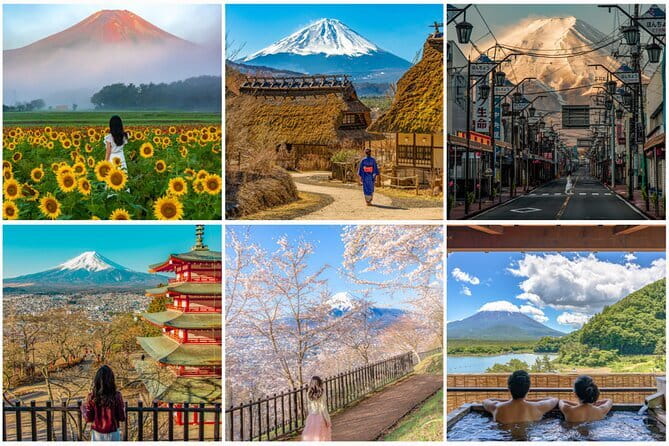
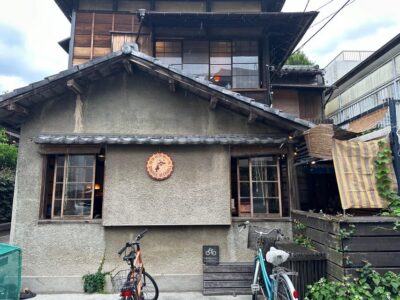
After Ameyoko, the day shifts to Yanaka, often described as a more “old Tokyo” neighborhood. Here you visit a well-known museum connected to Yanaka’s art scene—specifically the workshop and family house of a famous Japanese sculptor.
You get about an hour here, which is enough time to absorb the space and the connection to the sculptor, even if you don’t read every label. This is one of the stops that turns the neighborhood from a vibe into something you can understand.
Why I like this choice: it’s not just “look at old buildings.” It’s an art-focused way to see how creativity lives inside a neighborhood—where workspaces and family life intersect.
Potential drawback: since the museum is about a specific creator, your enjoyment will depend on whether you like art history or crafts. If you don’t, you might still enjoy the architecture and context, but don’t expect it to be pure hands-on fun.
Stop 5: Yanaka Ginza and the cat-themed details
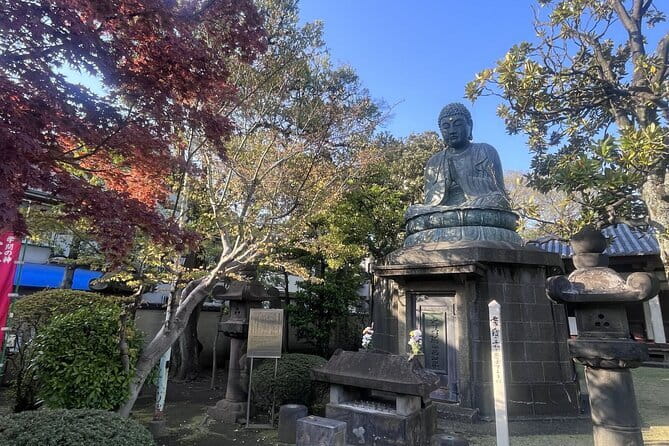
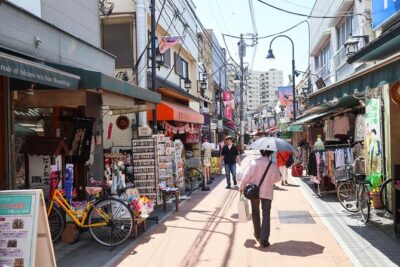
Next comes Yanaka Ginza Shopping Street, a calmer, cozy shopping area where you’ll take a guided walk.
This stop is famous for its cat town reputation. You’ll want to look out for cat statues and cat-themed items as you wander. Even if you’re not buying anything, it adds personality to the streetscape and gives you something light to notice while you’re walking.
What I find useful about a guided stroll here: the guide can point out the details that make Yanaka feel different, like how the streets’ layout supports a slow neighborhood pace.
What to consider: if you’re expecting big department-store energy, this is more small-street Tokyo. You’re here to stroll and notice.
Stop 6: Yanaka Cemetery for Buddha statues and a quiet reset

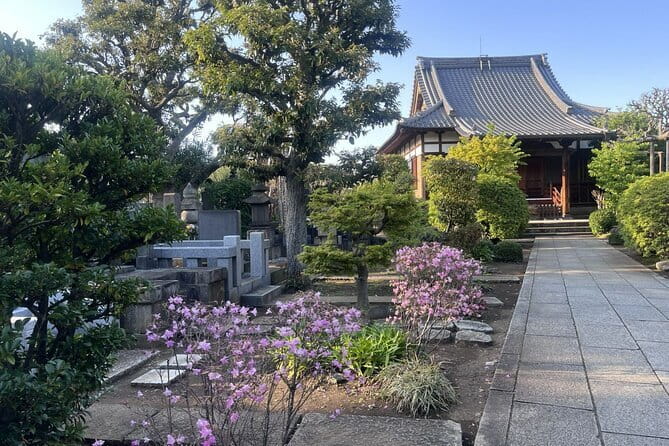
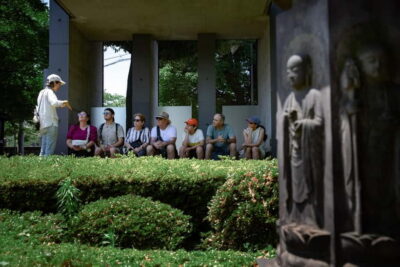
The final neighborhood stop is Yanaka Cemetery, including a visit to a peaceful Buddhist temple area with impressive Buddha statues.
Then you walk through the cemetery grounds, including paths connected to Sakura Dor (as referenced in the tour info). Even if you’re not “cemetery curious,” this part often lands as a mental reset. It’s quiet, it slows your pace, and it gives the day an emotional tone that you rarely get on a standard sightseeing loop.
If your Tokyo day has been all temples and museums, this cemetery stop adds stillness rather than another “checkmark” building. It’s one of those stops that helps the day feel complete.
The guide makes or breaks a walking tour, and Beth is a big reason
This is a tour where the guide matters because you’re mixing very different kinds of places: a science museum, shrine grounds, shopping streets, an art museum tied to a sculptor, and a cemetery.
From past experience with this tour, Beth comes through as patient and helpful. People noted she’s excellent and personable, answers questions about Japan in a gentle way, and brings neighborhood history to life. One standout detail: when someone got to the wrong meeting point, the team was understanding and adapted—so the day didn’t fall apart.
That kind of on-the-ground care matters. Tokyo directions are doable, but stations and meeting spots can still trip you up. If the guide is used to real-world chaos, you benefit.
How long is it really, and what pace should you expect?
The tour runs about 7 hours 30 minutes. That’s a full day, and the tour is outdoors for several hours. It also walks from Ueno to Nippori, so you’re ending near a different station than where you began.
Group size is up to 15, which usually helps keep the pace manageable and the walking flow smoother than the big group buses.
My advice: treat this like an all-day urban hike. Plan your energy. Hydrate. Build in breaks mentally—even if the schedule doesn’t always offer long ones.
Price and value: where your money is going
At $148.93 per person, the price isn’t the cheapest way to see Ueno and Yanaka. But you’re paying for several things that add up:
- Local English-speaking guide for a long, multi-stop day
- Admission fees included for the museums and Toshogu Shrine
- A structured walk that connects big sights with everyday streets
- Time that would be harder to organize solo, especially when you want the “why” behind places
If you tried to DIY this, you’d still have to handle museum tickets, shrine entry, and figuring out a sensible order. This tour gives you a ready-made route that’s designed to mix indoor and outdoor time—without you piecing it together.
The trade-off is that it’s guided and walking-based. If you hate long walks or prefer total freedom, the value won’t feel as strong.
Who this tour suits best (and who might skip it)
This tour is a strong match if you:
- Want less crowded, older-feeling Tokyo beyond the main mega-attractions
- Like a guided story over solo wandering
- Are okay with a walking day and want your legs to do some sightseeing
- Appreciate a mix of museums + shrines + neighborhood streets
You might pass if you:
- Can’t handle several hours outdoors
- Prefer quick stops over deeper guided time in fewer places
- Don’t like shopping streets at all (even with guided context)
Quick checklist for a smooth day
- Wear comfortable walking shoes (seriously)
- Bring water and plan for lunch on your own during the Ameyoko break
- Dress for weather since parts are outdoors for long stretches
- Have your phone ready for a mobile ticket
- Expect a full-day rhythm: museum early, then walking, then streets, then quiet at the end
Should you book it?
If you want Tokyo that feels human—old neighborhoods, temple calm, and museum objects you can actually understand—this is a smart booking. The biggest reason to choose it is the way the day is stitched together: you don’t just hop from one famous spot to another. You move through Ueno and Yanaka in a way that helps you notice what makes each area different.
I’d book it if Beth’s guiding style fits how you like to travel: relaxed, question-friendly, and story-led. I’d skip it if you’re looking for minimal walking or you want to control every minute without a group pace.
FAQ
What is the tour duration?
The tour lasts about 7 hours 30 minutes.
Where does the tour start and end?
It starts at Ueno Station (7 Chome-1 Ueno, Taito City) and ends at Nippori Station (2 Chome-19 Nishinippori, Arakawa City).
Is food included in the price?
No. Food and drink are not included. Lunch is on your own during the Ameyoko break.
What admissions are included?
Admission fees are included for the museums and Toshogu Shrine.
Do I get a mobile ticket?
Yes. The tour uses a mobile ticket.
How large are the groups?
The tour has a maximum of 15 travelers.
If you tell me your travel dates and the kind of pace you like (slow stroll vs. lots of walking), I can also help you decide whether this is a good fit for your day in Tokyo.
More Tour Reviews in Tokyo
- Mt Fuji and Hakone 1-Day Bus Tour Return by Bullet Train
★ 5.0 · 26,383 reviews - 1-Day Tokyo Bus Tour
★ 5.0 · 14,250 reviews - Tokyo: teamLab Planets TOKYO Digital Art Museum Entry Ticket
★ 4.6 · 9,779 reviews - Mt Fuji & Hakone Cruise, Drum Show Bullet Train 1 Day from Tokyo
★ 4.0 · 7,413 reviews - Tokyo: Shinjuku Food Tour (13 Dishes at 4 Local Eateries)
★ 5.0 · 6,603 reviews
More Old Yanaka on Foot
- The Old Quarter of Tokyo – Yanaka Walking Tour
★ 4.5 · 590 reviews - Yanaka Walking Tour: Historic and Traditional District of Tokyo
★ 5.0 · 530 reviews - Tokyo: Old Quarter Yanaka Walking Tour
★ 4.8 · 406 reviews - Tokyo:Stroll in Old traditional culture towns~Yanaka & Nezu
★ 4.9 · 186 reviews - Yanaka Historical Walking Tour in Tokyo’s Old Town
★ 5.0 · 182 reviews
More Ueno Tastings
- Eat and Drink Like a Local: Tokyo Ueno Food Tour-Taverns&Ramen
★ 5.0 · 957 reviews - Tokyo: Food Tour in Ueno with 10+ Tastings of Japanese Classics
★ 5.0 · 303 reviews - Tokyo Ueno Food Tour Sushi Ramen and Local Favorites
★ 5.0 · 54 reviews - Japanese Food Experience Night Tour in Ueno
★ 5.0 · 47 reviews - Tokyo Ueno Food & Nature & Localtown Tour: 10Dishes+ Drinks
★ 5.0 · 34 reviews
Latest Tokyo reviews off our desk






Yanaka Old Town Walks, compared.
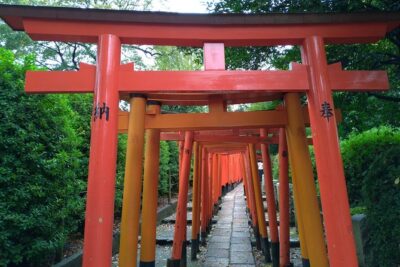 ★ 4.5The Old Quarter of Tokyo – Yanaka Walking TourFrom $40590 reviews
 ★ 5.0Yanaka Walking Tour: Historic and Traditional District of TokyoFrom $72530 reviews
 ★ 4.8Old Quarter Yanaka Walking TourFrom $32406 reviews
 ★ 4.9Stroll in Old traditional culture towns~Yanaka & NezuFrom $29186 reviews
 ★ 5.0Yanaka Historical Walking Tour in Tokyo’s Old TownFrom $81182 reviews
 ★ 5.0Private Home Cooking in Yanaka – Local Flavors in a Warm SettingFrom $122173 reviews
 ★ 5.0Let’s experience calligraphy in YANAKA, Taito-ku, TOKYO !!From $75127 reviews
 ★ 4.8Yanaka District: Historical Walking Tour in Tokyo’s Old TownFrom $79117 reviews
Browse the lists this tour appears in