
A Shiba Inu turns shrine etiquette into fun.
This private Tokyo walk shows you a quieter side of the city at Yasukuni Shrine, paced for photos and real understanding. Two things I like right away: the culture-first explanations of Shinto practice, and the relaxed rhythm that gives you time to notice details instead of just rushing through. One thing to consider: the café stop is a chance to buy lunch and drinks, so your total day cost depends on what you choose.
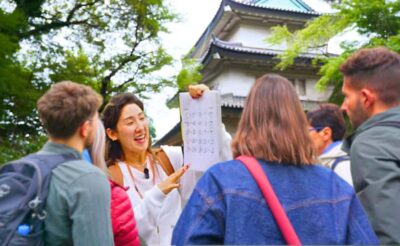
I also love how the route keeps rewarding you with variety. You get big, iconic sightlines like the massive torii gate, then you slow down for smaller moments like the memorial fountain area and the quiet garden/photo spots. With Ginta walking alongside your group, the mood stays light, but the guide still makes the shrine spaces make sense.
The main drawback is simple. If you have an animal allergy, this tour is not a fit, since you’ll be near a Shiba Inu for the whole walk. Also, you’re paying for a private 2-hour experience, so if you only want a quick look at landmarks, you might prefer a shorter self-guided plan.
In This Review
- Key points worth knowing before you go
- Meeting Kudanshita Station and walking with Ginta on a leash
- First Torii Gate photos: the 25-meter entrance moment
- Sakura tile path and the memorial fountain’s quiet photo pause
- Ōmura Masujirō bronze statue and the Haiden worship hall etiquette
- Noh stage built in 1881 and relocated in 1903
- Café time at Attic room: lunch, tea, dessert, and photos without rushing
- Chidorigafuchi seasonal scenery steps away from the shrine
- Price and included extras: why $120 can feel fair
- Who this tour suits best, and when to skip it
- Should you book the Yasukuni Shrine Shiba Inu walk?
- FAQ
- How long is the Yasukuni Shrine Shiba Inu Walk?
- Where is the meeting point?
- How many people are on this private tour?
- Is the shrine admission included?
- What’s included in the price besides the guide?
- Is lunch included?
- What happens if the weather is poor?
Key points worth knowing before you go
- A private walk for small groups (2–6 people) with an English-speaking guide.
- Meet at Kudanshita Station Exit 1, then head straight into Yasukuni Shrine grounds.
- Big photography anchors: the 25-meter first torii gate, bronze monuments, and a calm cherry-blossom-themed path.
- Shinto etiquette explained at the Haiden (worship hall), so you know what to do and why.
- Café reset afterward at the outer precinct (food and drinks are not included).
- Photo and video included digitally, plus a special gift to take home.
Meeting Kudanshita Station and walking with Ginta on a leash
This tour starts where Tokyo makes it easy: Kudanshita Station, specifically Exit 1. You meet your guide and Ginta the Shiba Inu, and you’ll be given a leash so you can walk right alongside your group’s dog moment.
That setup matters more than you might think. Shrines aren’t chaotic, but they are sacred spaces with their own flow. Having a guide handle the timing and the small movement rules keeps the experience calm and respectful. It also means you’re not trying to manage a dog and a crowd-control brain at the same time.
The pacing is part of the charm. You’re not doing a long hike or cramming dozens of stops into one outing. Instead, you get a focused 2-hour walk that stays close enough to the main shrine experience, then expands into nearby scenery.
One practical note for planning: the tour is listed as requiring good weather. If conditions are rough, the operator may switch dates or refund when poor weather is the reason. So if you’re traveling in a rainy season, keep an eye on your schedule and backups.
Readers also shortlisted these Tokyo bookings:
- Tokyo Tsukiji Fish Market Food and Culture Walking Tour
★ 5.0 · 3,184 reviews - Tokyo: Imperial Palace and Shogun Historical Walking Tour
★ 5.0 · 2,251 reviews - Tokyo: Shinjuku Local Bar and Izakaya Guided Walking Tour
★ 4.9 · 1,794 reviews - Tokyo: Tsukiji Fish Market Food and Walking tour
★ 5.0 · 1,724 reviews
First Torii Gate photos: the 25-meter entrance moment
Right away, you hit one of Tokyo’s most photogenic shrine landmarks: the first torii gate. It’s a towering 25 meters, built to signal scale and ceremony from the start. When you arrive with Ginta, the gate becomes more than a background. It turns into a visual anchor for your walk.
This is also where your guide’s perspective helps. Instead of treating it like just another “big gate for photos,” you’ll learn how shrine spaces are approached in Shinto practice. Even simple things like where you stand, how you move, and when you pause can change your photos from random to intentional.
The stop is short, so use the time well:
- Get your main shot first, then experiment with angle and framing while the group is still gathered.
- If you want a clear gate-and-dog photo, aim for a spot that avoids turning the torii legs into a blurry obstruction.
The best part is that the tour’s structure keeps the excitement from fading. You get the big wow moment early, so the rest of the grounds feel like a guided walk with built-in milestones rather than a series of small breaks.
Sakura tile path and the memorial fountain’s quiet photo pause
After the torii gate, the tour shifts into a calmer mood. The stop at the memorial fountain includes a path lined with cherry-blossom-shaped tiles made by artisans from across Japan. It’s the kind of detail you’d miss if you just walked through at normal sightseeing speed.
This section is also specifically described as a personal favorite for Ginta, which does two things:
1) It keeps the dog-walking part fun (not forced), and
2) It makes the area feel like a gentle reset in your itinerary.
For you, that means fewer rushed photo moments and more time to actually see. The tiles give you natural patterns to work with, and the shrine’s quieter atmosphere helps your photos avoid that frantic, “everyone is posing at once” look.
If you’re traveling in spring, this stop becomes even more relevant because Yasukuni’s surroundings are seasonally scenic. But even outside peak bloom, the cherry blossom tile theme still provides a soft, recognizable visual rhythm.
Ōmura Masujirō bronze statue and the Haiden worship hall etiquette
Next up is a history-and-identity stop: the statue of Ōmura Masujirō. The guide points out that it’s Japan’s first Western-style statue and honors a founder of the modern Japanese military. It’s a bronze monument that’s easy to frame, and it’s also easy to understand once you know what it represents.
I like this kind of stop because it prevents the experience from being only aesthetic. You get a tangible object tied to modern Japanese history, placed inside a shrine environment. That contrast is the point: Japan’s public spaces often layer old practice and later history in the same footprint.
Then comes the most important spiritual moment on the route: the Haiden, the main worship area. Here the guide explains how to pay respects in traditional Japanese style. This isn’t just “watch what others do.” You’ll be coached on the practical etiquette so you don’t feel unsure at the moment.
That coaching is valuable. Shrines can look straightforward, but the respectful actions are specific. You’ll walk away with a clearer sense of what those rituals are for in Shinto practice, and how the shrine space shapes behavior.
If you’re the type who likes to know what you’re doing before you do it, you’ll feel comfortable here because the guide translates the meaning behind the routine actions.
Noh stage built in 1881 and relocated in 1903
A short hop later, you’ll see the Noh stage. This one is unusual because it has a clear architectural story:
- built in 1881
- relocated to this location in 1903
It’s also described as hosting traditional Noh performances each spring. Even if you’re not there when a performance is happening, you still get the value of seeing the structure and understanding why it matters. In Japan, performing arts often share the same design logic as shrines and temples: form supports ceremony.
I like this stop because it bridges the shrine experience with broader Japanese culture. You’re not only learning about prayer spaces. You’re also seeing how tradition can live in physical design.
Photo tip: the stage is smaller than the torii, so don’t expect it to dominate your camera view. Instead, frame it with context—use the surrounding shrine geometry to show that it’s part of an intentional complex, not a random object placed on a lawn.
- Tokyo: Shinjuku Food Tour (13 Dishes at 4 Local Eateries)★ 5.0 · 6,603 reviews
- Tokyo Mt Fuji 5th St & Hakone Cruise Bus Tour w/Bullet Train★ 4.4 · 5,024 reviews
- Flagship 2-Hours Official Street Go-Kart Tour – Tokyo Bay Shop★ 5.0 · 4,974 reviews
- From Tokyo: Mount Fuji Full-Day Sightseeing Trip★ 4.5 · 4,970 reviews
- Tokyo: Hop-On Hop-Off Sightseeing Bus Ticket★ 3.9 · 4,207 reviews
Café time at Attic room: lunch, tea, dessert, and photos without rushing
After the shrine walk, the itinerary gives you a slower pace at a local café in the outer precinct: attic room. This is where you catch your breath after standing, walking, and photographing for about an hour.
What you can do here is described in broad, useful terms: you can buy choices like Japanese-style lunch plates and sakura-themed drinks such as lattes, plus dessert. Food and beverages purchased at the café are not included, so keep that in mind when thinking about total value.
The nice part is the atmosphere. The tour describes this stop as calm and unhurried, which is exactly what you need after a cultural walking circuit. Also, it’s a natural moment to get photos that don’t feel like shrine-mode. You can relax, regroup, and talk with your guide about what you just learned.
One detail worth calling out: a previous participant described a fun dango-making moment tied to the café experience. Since this isn’t spelled out as guaranteed in the schedule details, treat it as a possible extra rather than a promise. Either way, you’re clearly meant to leave the shrine area with something sweet and social.
Chidorigafuchi seasonal scenery steps away from the shrine
Your final shrine-adjacent stop is Chidorigafuchi, described as a calm spot with seasonal scenery. It’s positioned as just steps from Yasukuni Shrine, which makes sense: it lets you extend the day with outdoor views without changing neighborhoods.
In spring, you’re there for cherry blossom scenery. In autumn, the same area shifts to colorful leaves. For photos, it’s a helpful contrast to the shrine’s architectural moments. You get natural light, open angles, and the kind of scenery that makes Tokyo feel less urban.
This stop is short, so don’t plan a long wander. Instead:
- Take a few quick photos early to lock in the best lighting.
- Then enjoy the walk-and-breathe part, since this is where the tour’s quiet Tokyo theme really shows.
It also gives you an easy transition back toward your exit point. You’re not ending the tour on a strenuous note; you’re ending it with a gentle scene.
Price and included extras: why $120 can feel fair
At $120 per person for an approximately 2-hour private tour, the price can look steep on paper—until you break down what’s included and how it reduces stress.
Here’s the value picture:
- You get an English-speaking guide focused on Shinto and shrine context, not just commentary.
- You get Ginta the Shiba Inu as part of the experience.
- You get digital photos taken by your guide.
- You get digital videography: a short video sent afterward.
- You get liability insurance covering injury and damage at visited sites (excluding intentional acts).
- You get a mobile ticket and a special gift to remember the trip.
Those included photo and video deliverables are a big part of why this can feel worth it. Many tours give you directions or a moment to pose, but not the added service of having someone professionally capture and compile your best angles.
Also, the tour is private for 2–6 people, so the experience stays personal. In a city like Tokyo, that matters. You’re not negotiating your way through crowds trying to hear a guide over background noise.
Who this tour suits best, and when to skip it
This experience fits you best if you want Tokyo that feels quieter and more human-scaled. The design of the route—torii gate to shrine etiquette to architecture to seasonal scenery—works well for people who like meaning behind what they’re seeing.
You’ll probably enjoy it most if:
- you want to learn shrine etiquette and understand Shinto ritual behavior
- you care about photography and appreciate structured photo pauses
- you like the idea of a small-group walk with a friendly dog companion
Skip it (or at least think hard) if:
- you have animal allergies, since you’ll be near Ginta the entire time
- you’re looking for a long, multi-neighborhood Tokyo day
- you want food included, since café purchases are not included
Should you book the Yasukuni Shrine Shiba Inu walk?
Yes, if your priority is a guided, respectful look at Yasukuni Shrine with practical Shinto explanations and real time for photos. The combination of an English guide, included digital photos and video, and the added charm of walking with Ginta makes this feel like more than a standard checklist tour.
I’d particularly recommend it if you’re the kind of visitor who gets uncomfortable not knowing what to do at the Haiden. Having etiquette coached in plain language changes the whole experience.
If you’re cost-sensitive, want a do-it-yourself day, or can’t be around animals, then it’s not the right match. But for the right person, this tour is one of those rare Tokyo moments where you leave with better understanding, not just better pictures.
FAQ
How long is the Yasukuni Shrine Shiba Inu Walk?
It runs about 2 hours.
Where is the meeting point?
You meet at Exit 1 of Kudanshita Station.
How many people are on this private tour?
It’s a private tour for 2–6 people.
Is the shrine admission included?
The stops listed within the shrine grounds show admission ticket free.
What’s included in the price besides the guide?
You get English guidance, Ginta the Shiba Inu, digital photos, videography (a short video sent afterward), liability insurance (injury and damage at visited sites, excluding intentional acts), and a special gift.
Is lunch included?
No. Lunch and beverages purchased at the café are not included, but you can buy food and drinks during the café stop.
What happens if the weather is poor?
This experience requires good weather. If it’s canceled due to poor weather, you’ll be offered a different date or a full refund.
More Walking Tours in Tokyo
- Tokyo Tsukiji Fish Market Food and Culture Walking Tour
★ 5.0 · 3,184 reviews - Tokyo: Imperial Palace and Shogun Historical Walking Tour
★ 5.0 · 2,251 reviews - Tokyo: Shinjuku Local Bar and Izakaya Guided Walking Tour
★ 4.9 · 1,794 reviews - Tokyo: Tsukiji Fish Market Food and Walking tour
★ 5.0 · 1,724 reviews - Tokyo: Asakusa Walking Tour with Sensoji Temple Visit
★ 4.8 · 1,583 reviews
More Tour Reviews in Tokyo
- Mt Fuji and Hakone 1-Day Bus Tour Return by Bullet Train
★ 5.0 · 26,383 reviews - 1-Day Tokyo Bus Tour
★ 5.0 · 14,250 reviews - Tokyo: teamLab Planets TOKYO Digital Art Museum Entry Ticket
★ 4.6 · 9,779 reviews - Mt Fuji & Hakone Cruise, Drum Show Bullet Train 1 Day from Tokyo
★ 4.0 · 7,413 reviews - Tokyo: Shinjuku Food Tour (13 Dishes at 4 Local Eateries)
★ 5.0 · 6,603 reviews
Latest Tokyo reviews off our desk






Walking Tours, compared.
 ★ 5.0Tokyo Tsukiji Fish Market Food and Culture Walking TourFrom $993,184 reviews
 ★ 5.0Imperial Palace and Shogun Historical Walking TourFrom $222,251 reviews
 ★ 4.9Shinjuku Local Bar and Izakaya Guided Walking TourFrom $341,794 reviews
 ★ 5.0Tsukiji Fish Market Food and Walking tourFrom $301,724 reviews
 ★ 4.8Asakusa Walking Tour with Sensoji Temple VisitFrom $221,583 reviews
 ★ 4.9Tsukiji Fish Market Guided Walking TourFrom $221,397 reviews
 ★ 4.7Tokyo Castle & Imperial PalaceーShogun Walking TourFrom $231,068 reviews
 ★ 4.9Imperial Palace Japanese History Walking TourFrom $32987 reviews
Browse the lists this tour appears in