
Reviewed · TSUKIJI MARKET FOOD TOURS
【Spanish/ English】Tsukiji Matcha at a 100-Year old Japanese shop
Matcha tastes different when it is cold-brewed. What I like most is the calm, private pacing that feels like a break from Tsukiji chaos, and the chance to taste four premium cold-brew matcha varieties with clear guidance in plain English or Spanish. One thing to consider: it is a focused 1.5-hour session, so you’ll still want a separate block of time if you plan to fully explore Tsukiji after.
The experience starts at Tsukiji Hongwan-ji Temple, then moves to a tea shop with nearly a century of service. You’ll sip matcha from wine glasses, pair it with seasonal wagashi, and get a small souvenir to take home, plus photos taken by the guide.
In This Review
- Key Highlights You’ll Care About
- Tsukiji’s Temple-to-Tea Rhythm (and Why It Works)
- Tsukiji Hongwan-ji Temple: A Grand Start Without the Ticket Hassle
- The 100-Year-Old Tea Shop: Four Cold-Brew Matchas, No Guesswork
- What Cold-Brew Teaches You About Matcha Origins
- Wagashi Pairing: When Sweetness Isn’t Just Dessert
- Value for $65.04: Why This Feels Worth It
- Timing and Flow: How Long It Takes and Where You End Up
- Who Should Book This (and Who Might Skip It)
- Photos, Souvenirs, and Small Comforts You’ll Appreciate
- Should You Book the Tsukiji Matcha Session?
- FAQ
- What is the price per person?
- How long does the experience last?
- How many matcha varieties will I taste?
- Are the matcha drinks served hot or cold?
- Is there a guide, and what languages are supported?
- What foods or extras are included?
- Is the temple admission included?
- Is this a private experience?
- Where do we meet and where does it end?
Key Highlights You’ll Care About
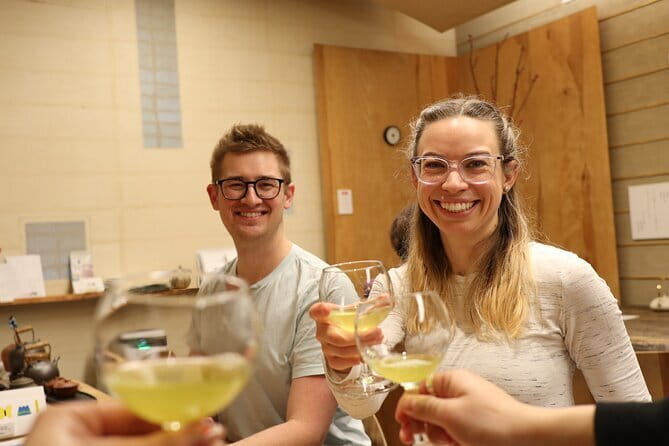
- Cold-brew matcha in wine glasses for four distinct flavor profiles
- Beginner-friendly tea mastery with guidance on cultivation styles and tea-growing origins
- Seasonal wagashi pairing to understand how Japanese sweets balance bitterness and umami
- Tsukiji Hongwan-ji Temple stop with free admission
- Small-group, private feel for better questions and slower pacing
- Bilingual guide (Japanese, English, and Spanish support) with photo help
Tsukiji’s Temple-to-Tea Rhythm (and Why It Works)
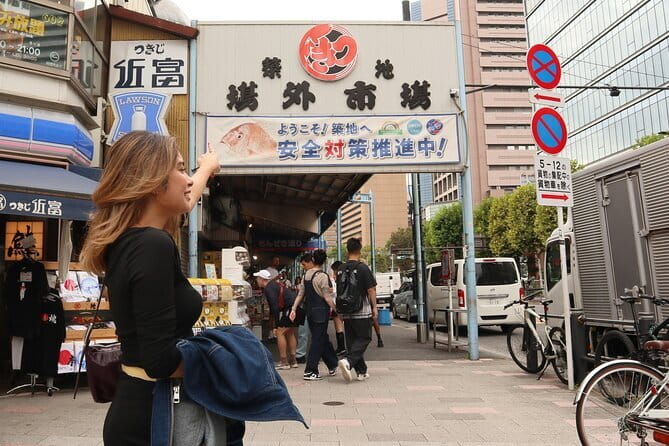
If your Tokyo plan is mostly lines, crowds, and fast photo stops, this one is a pressure-release valve. You begin at Tsukiji Hongwan-ji Temple, where the pace drops right away. Then you shift into a tea shop setting that is meant for attention—how matcha smells, how it tastes, and why it tastes that way.
For me, the strongest value is the combination of context + practice. Museums can explain Japanese aesthetics; here you experience them through flavor and ritual at a 100-year-old shop. It also helps that the format is simple: a guided tasting with four cold-brew matchas, seasonal sweets, and a take-home souvenir.
There’s a practical trade-off: you’re spending your time on tasting and learning, not on a long food crawl. If you want a full-day Tsukiji mission, plan this for a window where you can still wander afterward at your own pace.
More market breakfasts our reviewers scored
- Tokyo Tsukiji Fish Market Food and Culture Walking Tour
★ 5.0 · 3,184 reviews - Tokyo: Tsukiji Fish Market Food and Walking tour
★ 5.0 · 1,724 reviews - Tokyo: Tsukiji Fish Market Guided Walking Tour
★ 4.9 · 1,397 reviews - Tokyo Sushi Making Class in Tsukiji with Professional Chef
★ 5.0 · 1,177 reviews
Tsukiji Hongwan-ji Temple: A Grand Start Without the Ticket Hassle
The first stop is Tsukiji Hongwan-ji Temple, one of Tokyo’s biggest and most glorious temples. You’ll have about 30 minutes here, and admission is free.
Why this stop matters: it gives you a Japanese cultural anchor before you move into tea. Tea in Japan isn’t just a drink; it is tied to manners, atmosphere, and an eye for small details. Even if you’re not a temple expert, spending a half hour in a major religious space helps you read the day with a calmer lens.
What to watch for:
- Go in with modest expectations for seeing everything. Thirty minutes is enough to absorb mood, not enough to master facts.
- Dress comfortably. Tsukiji is a walking area, and you’ll likely move from temple to tea shop on foot.
The 100-Year-Old Tea Shop: Four Cold-Brew Matchas, No Guesswork
After the temple, you step into the tea-tasting part: a private, beginner-friendly session led by a certified tea master in a shop with nearly 100 years of history.
The core tasting is beautifully specific:
- Four premium cold-brew matcha varieties
- Served in wine glasses (yes, really)
- Paired with seasonal wagashi
- Guided explanations of flavor and tea origins
Cold-brew matcha changes the game. Hot matcha often highlights sharpness and grassy intensity; cold-brew tends to feel smoother and lets you notice subtle differences more clearly. In a guided format, it becomes much easier to understand what you’re tasting, instead of drinking matcha like a guessing game.
Also, the session is designed for beginners. You won’t be expected to know tea terms before you arrive. The guide’s job is to help you connect the flavors to real cultivation and processing choices—like how different growing methods or tea styles can shift bitterness, sweetness, and aroma.
What Cold-Brew Teaches You About Matcha Origins
One of the most useful parts is learning the logic behind the flavors. You’re not just sampling four cups; you’re getting explanations tied to tea-growing regions and cultivation styles.
Here’s why that matters for your trip: it turns matcha from a souvenir into a skill. After this, you’ll have a better sense of what you like—smoother profiles, more bitterness, stronger aroma—and you can shop in Tokyo with confidence.
A practical tip for enjoying the tasting:
- Pay attention to how each matcha changes as you finish the glass. Cold drinks still evolve, especially in aroma.
- Compare bitterness first, then sweetness, then the grassy or roasted feeling last. Your brain builds a cleaner map that way.
Wagashi Pairing: When Sweetness Isn’t Just Dessert
You’ll pair the matcha tasting with seasonal wagashi—traditional Japanese sweets.
This pairing is more than a nice extra. Wagashi often acts like a flavor translator. If a matcha leans more bitter, a carefully chosen sweet can soften the edges and highlight different notes in the tea. If the matcha is smoother, the wagashi can add texture and seasonal character.
Even if you’re not a sweets person, don’t treat the wagashi as a side snack. Treat it as part of the lesson. The guide’s explanations of flavor origins and cultivation style are meant to connect to what you’re tasting in real time, including how sweetness and texture affect the finish.
More tea rooms our readers rated
- Matcha Making Class in Tokyo with Authentic Japanese Sweets Set★ 5.0 · 744 reviews
- Tokyo: Traditional Tea Ceremony with a Tea Master★ 5.0 · 528 reviews
- Tokyo: Matcha Making Experience with Mochi Sweets in Asakusa★ 4.9 · 388 reviews
- Tokyo: Matcha and Kimono Experience★ 4.7 · 219 reviews
- Tea Ceremony Workshop in Tokyo by the Experienced Instrucor★ 5.0 · 189 reviews
Value for $65.04: Why This Feels Worth It
At $65.04 per person, this is not a bargain-basement food stop. But it also isn’t trying to be. You’re paying for:
- A private, reservation-style tea session (small group feel)
- A certified tea master guiding you through four distinct matcha samples
- Seasonal wagashi and drinks included
- Photos taken by the guide
- A small souvenir to take home
So where’s the value? You’re not just buying matcha. You’re buying time and interpretation. In Japan, those are the two things that usually cost more money than you expect: getting someone to explain what matters, and doing it in a calm setting where you can ask questions.
If you love food and culture, this price can make sense because it replaces two common Tokyo expenses: a crowded tasting experience plus the frustration of not knowing what you’re drinking.
Timing and Flow: How Long It Takes and Where You End Up
The total experience is about 1 hour 30 minutes (approx.). One part is 30 minutes at Tsukiji Hongwan-ji Temple. The remaining time is focused on the matcha tasting in the tea shop.
You meet at Tsukiji Hongwan-ji Temple and end near Fish Market Tsukiji Outer Market. That matters because it lets you continue your day without a long commute—once the tasting lesson ends, you can wander in the market area with a new appreciation for tea culture and Japanese flavor balance.
If your schedule is tight, this is a good fit. You get a cultural anchor and a tasting lesson without stealing most of a day.
Who Should Book This (and Who Might Skip It)
This is a strong choice if:
- You want a calm break from Tsukiji’s busiest food streets
- You’re a matcha fan who wants real structure, not just sampling
- You like learning how taste connects to place—tea-growing regions and cultivation styles
- You prefer a guided experience over self-guided searching
You might hesitate if:
- You’re expecting a long multi-stop market crawl with lots of variety beyond matcha and sweets
- You only want casual sightseeing and don’t care about tasting comparisons
It also tends to work well for anyone who wants an easy on-ramp into Japanese tea culture. The session is described as beginner-friendly, which is exactly what you want when you’d rather understand matcha than just drink it.
Photos, Souvenirs, and Small Comforts You’ll Appreciate
A few details make the experience feel smoother than a typical tasting:
- The guide takes photos for you
- You receive a small souvenir to take home
- Service animals are allowed
- The experience is near public transportation
None of this is flashy, but it reduces friction. Photos help you document the day without awkward phone-tapping. The souvenir gives you a tangible reminder that is tied to what you actually learned.
Should You Book the Tsukiji Matcha Session?
Yes, if you want one of Tokyo’s rarer experiences: learning matcha in a quiet, structured setting that connects flavor to craft. The combination of temple atmosphere, four cold-brew tastings, and seasonal wagashi pairing makes this more than a drink stop. It’s a lesson you can carry into how you shop and order tea after you leave.
Book it especially if you’re the type who likes to understand what you’re eating. If you’re more in the mood for pure wandering and lots of quick bites, you may prefer other Tsukiji options and treat matcha as a casual add-on.
FAQ
What is the price per person?
The price is $65.04 per person.
How long does the experience last?
It lasts about 1 hour 30 minutes (approx.).
How many matcha varieties will I taste?
You’ll taste four types of premium cold-brewed matcha.
Are the matcha drinks served hot or cold?
They are served cold-brewed.
Is there a guide, and what languages are supported?
Yes. A local Japanese English/Spanish speaking guide is included.
What foods or extras are included?
You’ll get traditional sweets (wagashi), coffee and/or tea, and photos taken by the guide, plus a small souvenir to take home.
Is the temple admission included?
Yes. The Tsukiji Hongwan-ji Temple stop is listed as free admission.
Is this a private experience?
It’s private in the sense that only your group participates.
Where do we meet and where does it end?
You meet at Tsukiji Hongan-ji Temple (3-chōme-15-1 Tsukiji) and end near the Fish Market Tsukiji Outer Market (around 4-chōme-16 and part of 6-chōme).
More Tour Reviews in Tokyo
- Mt Fuji and Hakone 1-Day Bus Tour Return by Bullet Train
★ 5.0 · 26,383 reviews - 1-Day Tokyo Bus Tour
★ 5.0 · 14,250 reviews - Tokyo: teamLab Planets TOKYO Digital Art Museum Entry Ticket
★ 4.6 · 9,779 reviews - Mt Fuji & Hakone Cruise, Drum Show Bullet Train 1 Day from Tokyo
★ 4.0 · 7,413 reviews - Tokyo: Shinjuku Food Tour (13 Dishes at 4 Local Eateries)
★ 5.0 · 6,603 reviews
More Tea and Matcha Rooms
- Matcha Making Class in Tokyo with Authentic Japanese Sweets Set
★ 5.0 · 744 reviews - Tokyo: Traditional Tea Ceremony with a Tea Master
★ 5.0 · 528 reviews - Tokyo: Matcha Making Experience with Mochi Sweets in Asakusa
★ 4.9 · 388 reviews - Tokyo: Matcha and Kimono Experience
★ 4.7 · 219 reviews - Tea Ceremony Workshop in Tokyo by the Experienced Instrucor
★ 5.0 · 189 reviews
More Tsukiji Market Breakfasts
- Tokyo Tsukiji Fish Market Food and Culture Walking Tour
★ 5.0 · 3,184 reviews - Tokyo: Tsukiji Fish Market Food and Walking tour
★ 5.0 · 1,724 reviews - Tokyo: Tsukiji Fish Market Guided Walking Tour
★ 4.9 · 1,397 reviews - Tokyo Sushi Making Class in Tsukiji with Professional Chef
★ 5.0 · 1,177 reviews - Tsukiji Fish Market Guided Tour and Sushi Making with Pro Chef
★ 5.0 · 775 reviews
Latest Tokyo reviews off our desk






Tsukiji Market Food Tours, compared.
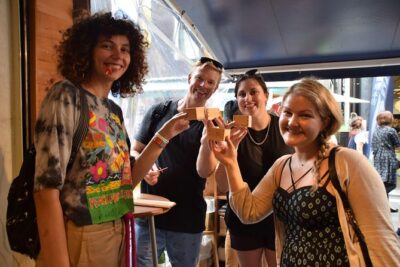 ★ 5.0Tokyo Tsukiji Fish Market Food and Culture Walking TourFrom $993,184 reviews
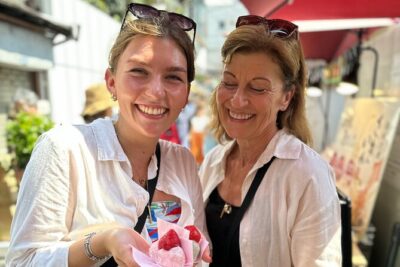 ★ 5.0Tsukiji Fish Market Food and Walking tourFrom $301,724 reviews
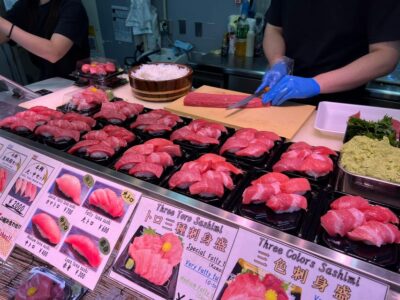 ★ 4.9Tsukiji Fish Market Guided Walking TourFrom $221,397 reviews
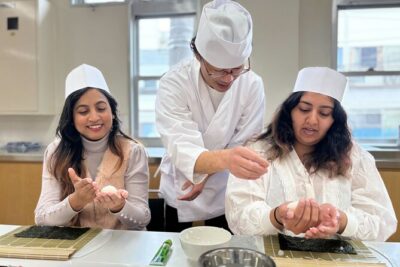 ★ 5.0Tokyo Sushi Making Class in Tsukiji with Professional ChefFrom $491,177 reviews
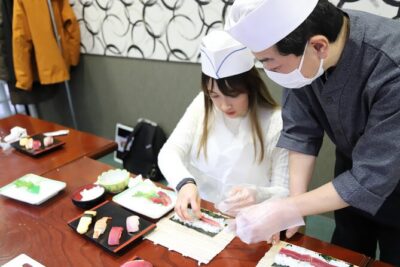 ★ 5.0Tsukiji Fish Market Guided Tour and Sushi Making with Pro ChefFrom $104775 reviews
★ 4.7Tsukiji Fish Market Food and Culture Walking TourFrom $96757 reviews
 ★ 5.0Tsukiji Fish Market: Street Food & Culture Walking TourFrom $33669 reviews
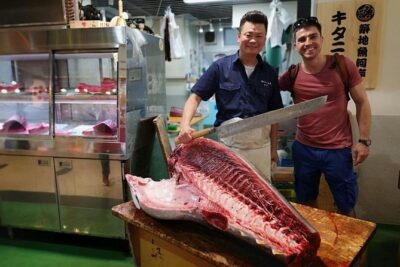 ★ 5.0Tsukiji Fish Market Small-Group Food Walking TourFrom $87621 reviews
Browse the lists this tour appears in