
Reviewed · SUSHI MAKING CLASSES
3-Hour Small-Group Sushi Making Class in Tokyo
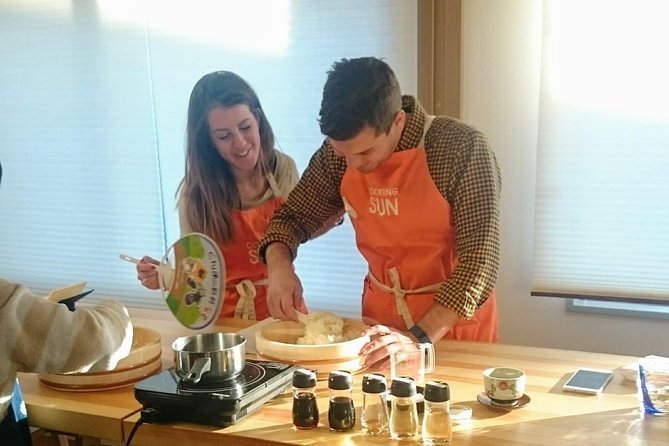
Sushi, but you make it. This 3-hour, English-friendly class at Cooking Sun Tokyo turns you into a hands-on sushi maker in a small group setting, with ingredients and recipes provided. You’ll learn how Japanese sushi is built, from seasoning basics to the final shape, then you get to eat what you made.
I love the way the lesson is structured around repeatable skills, especially sushi rice and the filling work like tamagoyaki. Instructors such as Miki and Yuki (and others at the studio) keep the pace clear and practical, so even nervous beginners can follow along. One consideration: the class uses pre-sliced fish, and it does not include raw fish cutting instruction, so don’t expect filleting practice.
In This Review
- Key highlights to know
- Cooking Sun Tokyo: the calm studio base for hands-on sushi
- What You Make in 3 Hours: nigiri, inari, hosomaki, California roll
- Step-by-step lesson flow: rice, dashi and miso, then rolling
- Sushi rice and miso soup: the skill behind great flavor
- Tamagoyaki first: why the rolled omelet matters
- Rolling sushi: shaping tips you can repeat at home
- Ingredients and fish prep: what is included, what is not
- English-friendly instructors: how small groups make lessons click
- The meal at the end: wasabi, ginger, and miso soup
- Vegetarian option and dietary requests: plan ahead for smooth cooking
- Price and value: is $72.67 worth it?
- Who should take this class (and who might want a different option)
- Quick plan: what to do before you go
- Should you book this Tokyo sushi-making class?
- FAQ
- Where does the class meet?
- How long is the sushi making class?
- Is this class taught in English?
- How big is the group?
- What sushi styles will I learn to make?
- Does the class include cutting raw fish?
- What’s included in the price?
- Are hotel pickup and drop-off included?
- Is there a vegetarian option?
- What if the weather is bad or I need to cancel?
Key highlights to know
- Maximum 9 people means you get time with the instructor while you roll and shape.
- You learn multiple styles: nigiri, inari, hosomaki, and California roll.
- Core components get taught, including sushi rice and tamagoyaki (Japanese rolled omelet).
- You eat your own meal at the end with miso soup, wasabi, and pickled ginger.
- Vegetarian option is available, if you request it when booking.
Cooking Sun Tokyo: the calm studio base for hands-on sushi
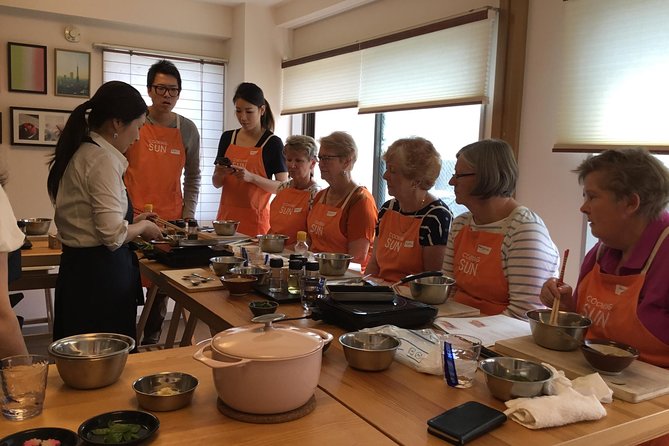
The class takes place at Cooking Sun Tokyo in Shinjuku, in a more quiet residential area than you might expect for Tokyo. That matters more than it sounds. When a workshop has a calm room, you can actually focus on the small, fiddly steps like spreading rice evenly or getting a tidy roll.
The studio setup also feels built for a class format, not a showroom. Apron and towel rental are included, and the kitchen is set up so everyone can cook. In the small-group limit (up to 9), that space helps you stay engaged and not just watch.
More sushi counters to book, ranked
- Tokyo: Roll and Authentic Sushi Making Class in Asakusa
★ 4.9 · 1,957 reviews - Make Sushi and Create Unforgettable Memories in Tokyo
★ 5.0 · 1,413 reviews - Tokyo: Sushi Making Class in a Happi Coat near a Famous Spot
★ 4.9 · 1,377 reviews - Tokyo Sushi Making Class in Tsukiji with Professional Chef
★ 5.0 · 1,177 reviews
What You Make in 3 Hours: nigiri, inari, hosomaki, California roll
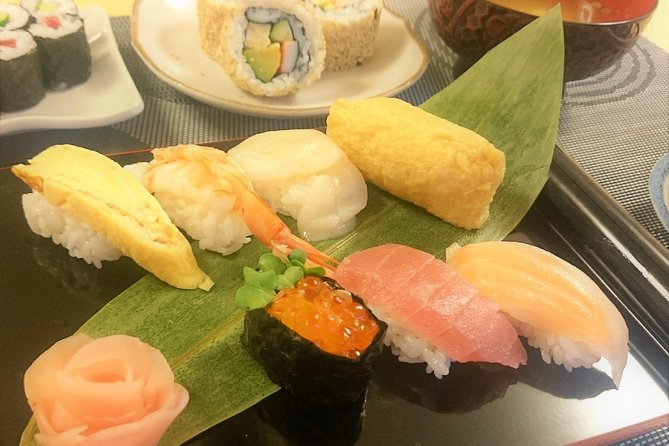
This isn’t one of those classes where you roll one thing and call it sushi education. The format covers several popular styles so you leave with more than one trick.
Here’s what you learn to make:
- Nigiri (hand-pressed sushi)
- Inari (sweet tofu pouch sushi)
- Hosomaki (thin roll)
- California roll
In practice, those four categories force you to learn different techniques. Nigiri is about rice pressure and hand shape. Inari is less about rolling and more about filling and balancing. Hosomaki asks for tight, even rolling. California roll adds a mix of ingredients that’s a great intro to flavor pairing.
If you’re a visual learner, this mix helps. You see how sushi changes when the method changes.
Step-by-step lesson flow: rice, dashi and miso, then rolling
The session starts with a short introduction to sushi basics and Japanese cooking ingredients. You’ll hear about staples like dashi, miso, and traditional seasonings before you start cooking. That background helps your food taste less like a mysterious restaurant dish and more like something you can reproduce.
After that, the hands-on portion moves quickly:
- You begin with sushi prep, including tamagoyaki (Japanese rolled omelet).
- Then you prepare sushi rice and toppings such as shrimp.
- Once everything is ready, you build your own sushi with full guidance.
This flow is smart. It avoids the common beginner problem of trying to roll before you understand rice texture. You also get a chance to practice each step without the class turning into a race.
Sushi rice and miso soup: the skill behind great flavor
In sushi, rice isn’t a side dish. It is the base. The class approach makes that clear by teaching you how to make sushi rice and then using it in multiple formats. Once you understand how the rice should feel and taste, you stop relying on store-bought shortcuts.
Miso soup also gets attention. Even if you think you already know miso soup, the class treats it as part of the overall meal, not an afterthought. Having miso soup alongside fresh wasabi and pickled ginger at the end gives you an honest feel for how the whole flavor set works together.
This is one of the most valuable parts for me in how the class is designed: you’re not only learning a technique. You’re learning how flavors are balanced in a Japanese meal.
Tamagoyaki first: why the rolled omelet matters
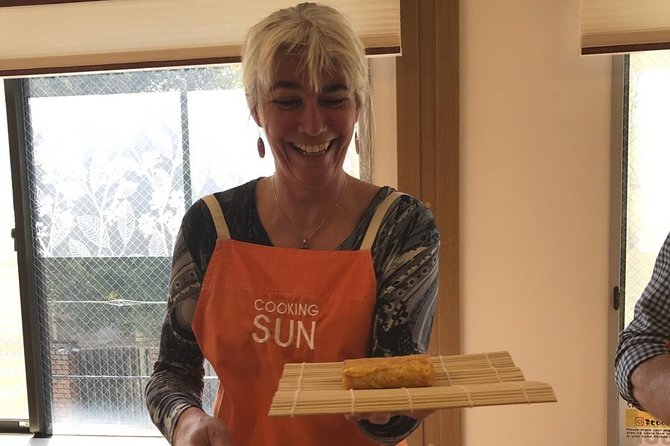
You start with tamagoyaki, the Japanese rolled omelet, and then you use it as a filling in your sushi. That choice is practical. Tamagoyaki teaches you the “roll and manage heat” idea that also shows up in hosomaki rolling—just in a different form.
There’s also a confidence boost factor. A tamagoyaki pan skill sounds advanced, but the class breaks it into guided steps. Even when someone finds it intimidating at first, the structure makes it feel doable.
And when you later bite into a roll with that omelet, you immediately understand the point of doing it yourself. It’s not just cooking; it’s part of building your own sushi system.
Readers also shortlisted these Tokyo bookings:
- Sushi Making Tokyo Roll and Authentic Japanese Sushi Class★ 5.0 · 3,971 reviews
- Tokyo: Roll and Authentic Sushi Making Class in Asakusa★ 4.9 · 1,957 reviews
- Tokyo Shinjuku Chopsticks Making Class★ 5.0 · 1,763 reviews
- Tokyo: Sushi Making Class in a Happi Coat near a Famous Spot★ 4.9 · 1,377 reviews
- Chopstick Making Workshop in Ginza★ 4.8 · 1,366 reviews
Rolling sushi: shaping tips you can repeat at home
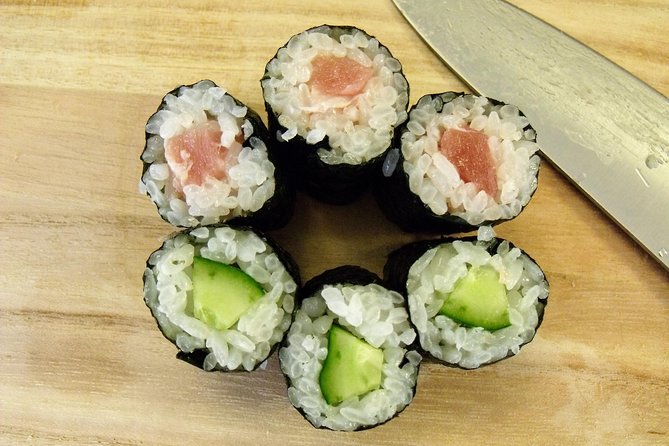
After rice and fillings are ready, you move into assembly and shaping. Rolling is where many people expect chaos. Instead, the lesson keeps the process structured and guided, which is exactly what you want when your fingers are learning a new technique.
Inari doesn’t require rolling the way a hosomaki does, so you get a break from bamboo-mat pressure. Hosomaki and California roll then give you two versions of the roll approach—thin roll and a more recognizable style that many people eat at home after a Japan trip.
A small-group setup helps here. With fewer people, an instructor can spot small issues fast, like too much filling, uneven rice thickness, or a roll that needs tightening before it sets.
When you’re done, you sit down and eat your creations. That final meal is part of the teaching. You taste what the techniques did, right away.
Ingredients and fish prep: what is included, what is not
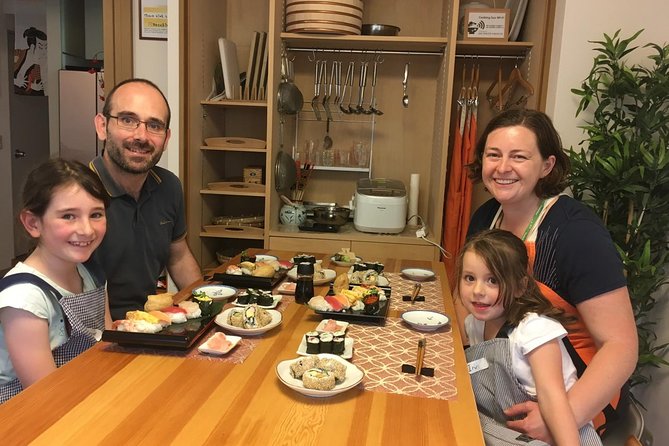
One thing I appreciate up front is the clarity about fish prep. The class uses pre-sliced fish, and it does not include raw fish cutting instruction. That means:
- You won’t be taught how to fillet or cut raw fish.
- You can focus on rice, seasoning, and assembly, which are the real home-reproducible skills.
For many visitors, that’s actually a plus. Not everyone wants to worry about knife technique on vacation. And it keeps the class moving within the 3-hour window.
You’ll also have ingredients provided and recipes included. So you can take the lesson home without hunting down every component from scratch.
English-friendly instructors: how small groups make lessons click
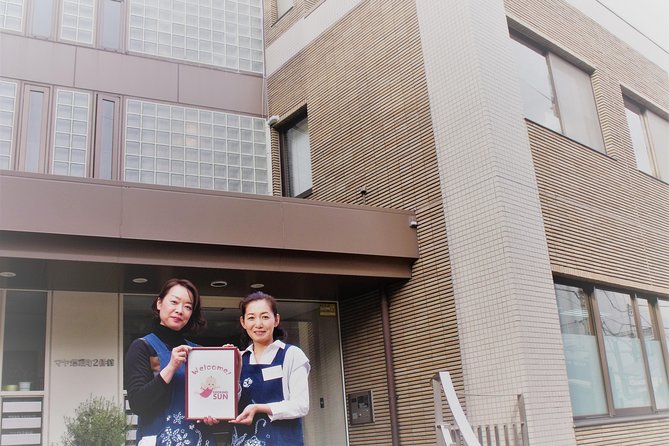
Language is a big deal in cooking classes. This one is designed as an English-friendly experience, which lowers the stress level fast. You can follow explanations without translating in your head while your hands are busy.
Names that come up in the class experience include instructors like Miki and Yuki, plus Yuko, Aya, and Yuki. People consistently point to friendly, hands-on teaching with a pace that works for beginners and families.
That matters because sushi-making involves touch, timing, and feel. When the instructor can explain clearly and check your progress, you learn the “why,” not only the “what.”
And because the class is capped at a maximum of 9 people, you’re not stuck waiting your turn or copying a single person’s technique. You get enough attention to correct small mistakes while you still have time to improve your own sushi.
The meal at the end: wasabi, ginger, and miso soup
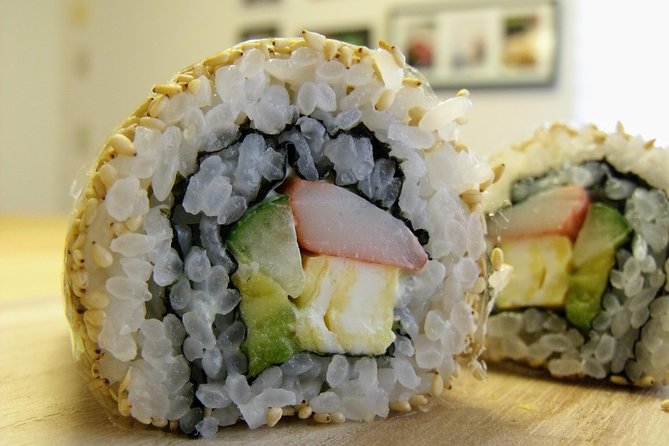
A cooking class without a proper meal can feel like homework. Here, you finish by eating what you make, which makes the whole thing feel complete.
Your meal includes miso soup, fresh wasabi, and pickled ginger. That trio is a real lesson in contrast: savory soup, sharp wasabi heat, and tangy-sweet pickled ginger to reset your palate between bites.
It also helps you judge your own work more honestly. If your rice tastes off, you notice it instantly. If your roll is too tight or too loose, you feel it while chewing. That feedback loop is what turns cooking into skill.
Vegetarian option and dietary requests: plan ahead for smooth cooking
If you’re vegetarian, there’s good news: a vegetarian option is available if you request it at booking. That’s important because sushi isn’t just one ingredient swap. The class structure includes multiple sushi styles, so having a real option means you can still learn the techniques without getting sidelined.
The class asks you to advise any specific dietary requirements when booking. I recommend doing this early. It saves you from last-minute compromises and helps the instructors prepare ingredients that match your needs.
Price and value: is $72.67 worth it?
At $72.67 per person for about 3 hours, this sits in the middle of what you’ll see for cooking classes in Tokyo. The value case gets stronger when you look past the number and at what’s included.
You get:
- ingredients and recipes
- apron and towel rental
- guided hands-on instruction in several sushi styles
- the meal you cook, including miso soup, wasabi, and pickled ginger
- an English-friendly instructor team
- a small-group format (max 9)
The best comparison isn’t to another activity. It’s to the cost of eating similar sushi plus paying for a class. You’re paying for the skill-building and the meal in one package.
If you’re the type who enjoys going home with a practical souvenir, not just photos, the pricing makes sense. You’ll have techniques you can use for sushi night later.
Who should take this class (and who might want a different option)
This is a strong fit for:
- sushi lovers who want more than just tasting
- first-time cooking students who need clear steps
- people who like hands-on learning where everyone cooks
- families, since there’s a minimum age of 6 years and the lesson format is designed for a mixed group
It might be less ideal if:
- your main goal is learning advanced knife work, because raw fish cutting isn’t covered
- you want a deep focus on one single sushi style, because the class is intentionally varied (which is great for learning, but not as focused as a specialization)
If you want a sampler that teaches you how sushi is built, not just what it is, this class matches that goal.
Quick plan: what to do before you go
To get the most out of the 3-hour session, come ready to cook. The class moves through multiple components, and the payoff is at the end when you eat your own sushi.
A few practical tips:
- Bring your appetite. The final meal is part of the experience.
- Share dietary needs at booking, especially if you want the vegetarian option.
- Expect pre-sliced fish and focus on assembly skills.
- Wear something comfortable for standing and working with ingredients.
Also, since it’s near public transportation, you can plan your Tokyo day without stressing about parking or long commutes.
Should you book this Tokyo sushi-making class?
I’d book it if you want a guided way to learn sushi techniques you can actually repeat at home—rice handling, tamagoyaki basics, and the assembly of nigiri, inari, and rolls. The small-group cap and English-friendly instruction make it easier to learn without feeling lost.
I’d hesitate only if you’re specifically hunting for raw fish cutting practice. Since the class uses pre-sliced fish, that part isn’t the point here. Instead, the class focuses on the build that most people can recreate later.
If you’re choosing one sushi experience in Tokyo and you care about skills, not just a meal, this is a very sensible pick.
FAQ
Where does the class meet?
The meeting point is Cooking Sun Tokyo, 18-39 Shinanomachi, Shinjuku City, Tokyo 160-0016, Japan.
How long is the sushi making class?
The class runs for about 3 hours.
Is this class taught in English?
Yes. It’s described as an English-friendly cooking experience with a local, English-speaking instructor.
How big is the group?
The class has a maximum of 9 people.
What sushi styles will I learn to make?
You’ll learn to make nigiri, inari, hosomaki, and California roll.
Does the class include cutting raw fish?
No. The class uses pre-sliced fish and does not include raw fish cutting instruction.
What’s included in the price?
Included are the local English-speaking instructor, recipes and ingredients, and apron and towel rental. The meal at the end is part of the experience.
Are hotel pickup and drop-off included?
No. Hotel pickup and drop-off are not included.
Is there a vegetarian option?
Yes. A vegetarian option is available if you request it at booking.
What if the weather is bad or I need to cancel?
Free cancellation is available up to 24 hours in advance for a full refund. The experience requires good weather, and if canceled due to poor weather you’ll be offered a different date or a full refund.
More Workshops in Tokyo
- Sushi Making Tokyo Roll and Authentic Japanese Sushi Class
★ 5.0 · 3,971 reviews - Tokyo: Roll and Authentic Sushi Making Class in Asakusa
★ 4.9 · 1,957 reviews - Tokyo Shinjuku Chopsticks Making Class
★ 5.0 · 1,763 reviews - Tokyo: Sushi Making Class in a Happi Coat near a Famous Spot
★ 4.9 · 1,377 reviews - Chopstick Making Workshop in Ginza
★ 4.8 · 1,366 reviews
More Tour Reviews in Tokyo
- Mt Fuji and Hakone 1-Day Bus Tour Return by Bullet Train
★ 5.0 · 26,383 reviews - 1-Day Tokyo Bus Tour
★ 5.0 · 14,250 reviews - Tokyo: teamLab Planets TOKYO Digital Art Museum Entry Ticket
★ 4.6 · 9,779 reviews - Mt Fuji & Hakone Cruise, Drum Show Bullet Train 1 Day from Tokyo
★ 4.0 · 7,413 reviews - Tokyo: Shinjuku Food Tour (13 Dishes at 4 Local Eateries)
★ 5.0 · 6,603 reviews
More Sushi Counters to Book
- Sushi Making Tokyo Roll and Authentic Japanese Sushi Class
★ 5.0 · 3,971 reviews - Tokyo: Roll and Authentic Sushi Making Class in Asakusa
★ 4.9 · 1,957 reviews - Make Sushi and Create Unforgettable Memories in Tokyo
★ 5.0 · 1,413 reviews - Tokyo: Sushi Making Class in a Happi Coat near a Famous Spot
★ 4.9 · 1,377 reviews - Tokyo Sushi Making Class in Tsukiji with Professional Chef
★ 5.0 · 1,177 reviews
Latest Tokyo reviews off our desk






Sushi Making Classes, compared.
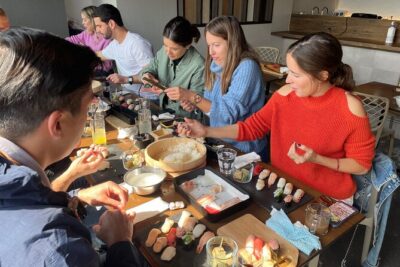 ★ 5.0Sushi Making Tokyo Roll and Authentic Japanese Sushi ClassFrom $593,971 reviews
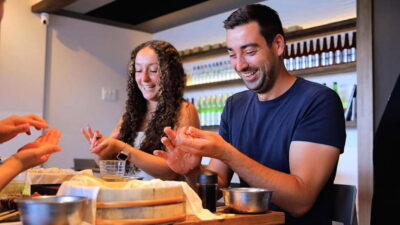 ★ 4.9Roll and Authentic Sushi Making Class in AsakusaFrom $581,957 reviews
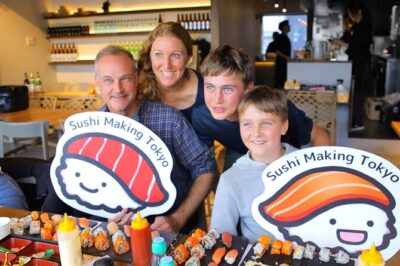 ★ 5.0Make Sushi and Create Unforgettable Memories in TokyoFrom $791,413 reviews
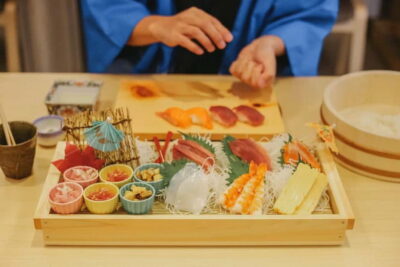 ★ 4.9Sushi Making Class in a Happi Coat near a Famous SpotFrom $421,377 reviews
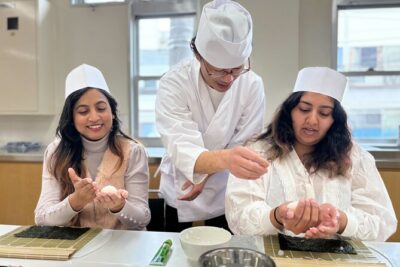 ★ 5.0Tokyo Sushi Making Class in Tsukiji with Professional ChefFrom $491,177 reviews
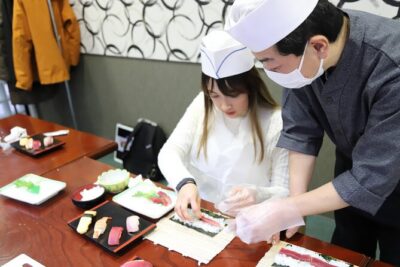 ★ 5.0Tsukiji Fish Market Guided Tour and Sushi Making with Pro ChefFrom $104775 reviews
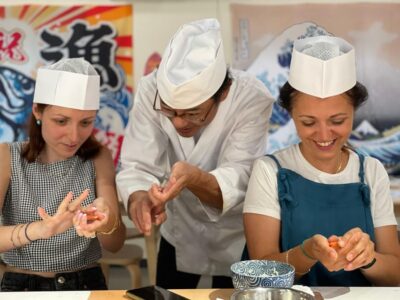 ★ 4.9Tsukiji Fish Market Sushi Making Class with Pro ChefFrom $63506 reviews
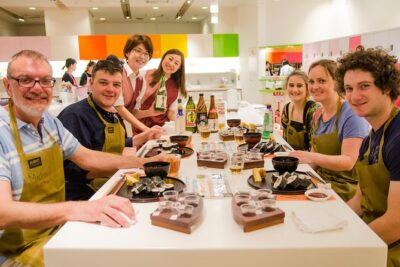 ★ 5.0Tokyo Tsukiji Fish Market Tour and Sushi Making LessonFrom $99390 reviews
Browse the lists this tour appears in