
Reviewed · SUSHI MAKING CLASSES
A One-of-a-Kind Sushi Experience in a Special Place of Japan
Some food lessons hit; this one lands differently. You’re making sushi with Toyosu-sourced fish and learning it with an English-speaking guide in a place most people never see. I especially like the step-by-step knife and shaping guidance for beginners, plus the fact that your lunch is the result. One thing to consider: this is not a take-a-walk-and-snack experience. It’s hands-on, and you’ll want a bit of patience while your sushi gets its final form.
The most striking detail is the setting: the class takes place inside the House of Representatives building, where Japanese politicians work. It’s normally closed to the public, so even just walking into the space feels like you’ve slipped into a very quiet side of Tokyo. Add in Sushi Chef Sasao, who has served sushi to Japanese politicians, including the Prime Minister, and the lesson carries real weight without feeling stuffy.
You’ll spend about 2 hours doing the work yourself, then eat what you made. With a maximum of 20 people, the vibe stays friendly instead of factory-fast. If you’re visiting Tokyo mainly for iconic sights, this is a great balance: half food class, half cultural access. It’s also a solid option if you want a memorable souvenir that isn’t a fridge magnet.
In This Review
- Key things that make this sushi experience special
- A Parliament-building sushi class in Nagatacho
- Toyosu fish, picked by seafood pros
- Sushi Chef Sasao and the value of calm, careful teaching
- Knife skills and sushi shaping: what you’ll actually do
- Your lunch: about 8 pieces of sushi, plus miso soup or tea
- Price and time: is $220 worth it?
- Who should book this sushi workshop
- Should you book this exclusive Parliament sushi class?
- FAQ
- How long is the sushi-making experience?
- Where does the experience meet and end?
- Is there an English-speaking guide?
- What is included in the price?
- How much sushi will I eat?
- Do I need to arrange transportation to the class?
- How big is the group?
- What is the cancellation window?
- What should I expect to learn during the workshop?
Key things that make this sushi experience special
- House of Representatives location: a rare, normally closed-in-sight Tokyo setting
- Toyosu Fish Market ingredients: fish delivered from one of Japan’s biggest seafood sources
- English-speaking guidance: you get help while you handle the knife and form the sushi
- Chef Sasao’s professional background: sushi served to top Japanese officials, including the Prime Minister
- About 8 pieces of sushi for lunch: you taste your progress, not just watch a demo
- Small group size (max 20): easier questions, more attention, less rushing
A Parliament-building sushi class in Nagatacho
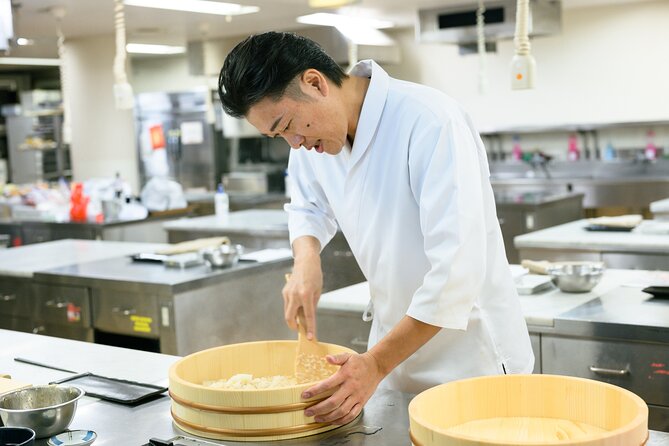
This workshop doesn’t feel like a typical cooking school. It’s tucked into a major government building in Nagatachō, Chiyoda City, starting at 2-chōme-2-2 Nagatachō and ending back at the same meeting point. That matters, because the setting shapes the experience: you’re not distracted by restaurant theatrics or market crowds. Instead, you’re in a controlled, respectful space where the focus stays on technique and food.
You should also know what kind of “time investment” you’re making. The session is around 2 hours, so you’ll get a real lesson rhythm, not a quick taste-and-leave. The payoff is that you leave with a plate you made with your own hands, plus the satisfaction of doing something precise instead of just consuming it.
One more practical note: the tour includes lunch and drinks related to the meal you make, but it does not include private transportation or hotel pickup/drop-off. Since it’s near public transportation, you’ll still be able to reach it easily, but you’ll want to plan your route and buffer for entry time.
More sushi counters to book, ranked
- Tokyo: Roll and Authentic Sushi Making Class in Asakusa
★ 4.9 · 1,957 reviews - Make Sushi and Create Unforgettable Memories in Tokyo
★ 5.0 · 1,413 reviews - Tokyo: Sushi Making Class in a Happi Coat near a Famous Spot
★ 4.9 · 1,377 reviews - Tokyo Sushi Making Class in Tsukiji with Professional Chef
★ 5.0 · 1,177 reviews
Toyosu fish, picked by seafood pros
The core ingredient story here is the fish: it’s fresh and sourced directly from Toyosu Fish Market. In a sushi workshop, fish quality changes everything. If the ingredient is good, your mistakes are more forgivable. If the ingredient is poor, even a confident shaper can’t fix the flavor.
What I like about the way this is set up is that Toyosu isn’t presented as a marketing line. It’s part of the cooking foundation. You’re learning knife handling, slicing, and how to shape sushi, but you’re also eating with the immediate context of where the fish comes from and why it matters.
You’ll taste the difference in the final meal: as you learn how sushi should be built, you also notice how the fish performs when it’s treated with care. One of the clearest themes from past participants is that the sushi they made felt special because it wasn’t just made in a kitchen—it was made with fish you’d realistically associate with a top seafood source.
Sushi Chef Sasao and the value of calm, careful teaching
The instructor is Sushi Chef Sasao. That name is a big deal in Japan, not because he’s doing a flashy performance, but because he’s a professional who has served sushi to Japanese politicians, including the Prime Minister. Translation for you: your lesson won’t be random. You’re not just copying a trick. You’re learning why each step exists.
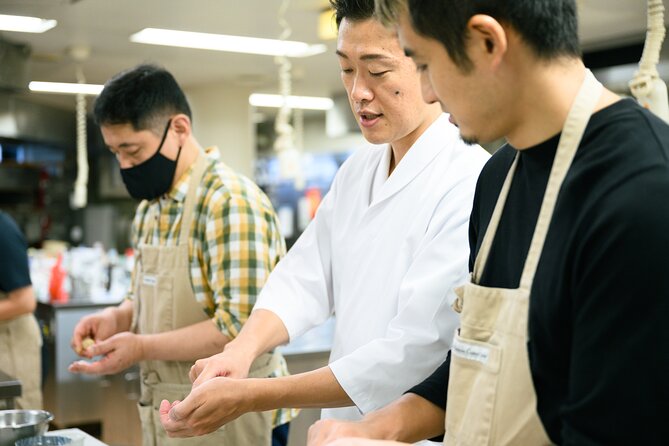
Just as important is the teaching style. The experience includes an English-speaking guide who supports you through the basics—handling a knife, slicing fish, and shaping sushi. That’s the part that helps first-timers relax. You’re not expected to be a natural. You’re expected to practice a few key moves with feedback.
From the kinds of comments people leave after, the biggest confidence boost comes from small improvements during the lesson. You start uneven, you learn what to adjust, and suddenly the sushi looks more like real nigiri. That moment matters because sushi is delicate work. Even if your first try isn’t perfect, you’ll understand the process well enough to improve while you’re still in class.
Knife skills and sushi shaping: what you’ll actually do
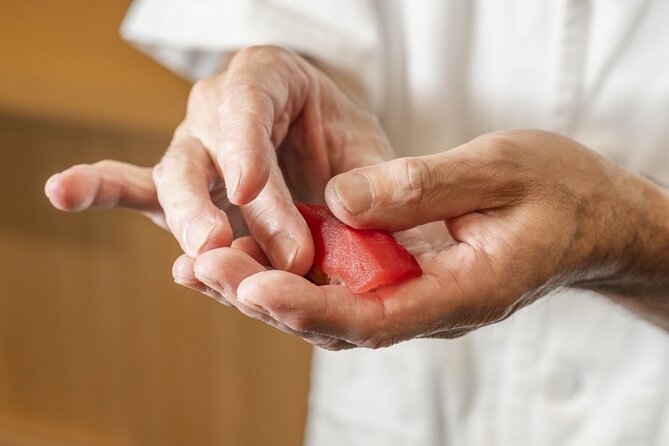
This isn’t a “watch for photos” experience. You’re hands-on, from early technique to the finished pieces. The included materials cover the tools you need for cooking, so you’re not hunting for utensils or searching for a sharp knife safety video on your phone five minutes before class.
Here’s the practical flow you should expect:
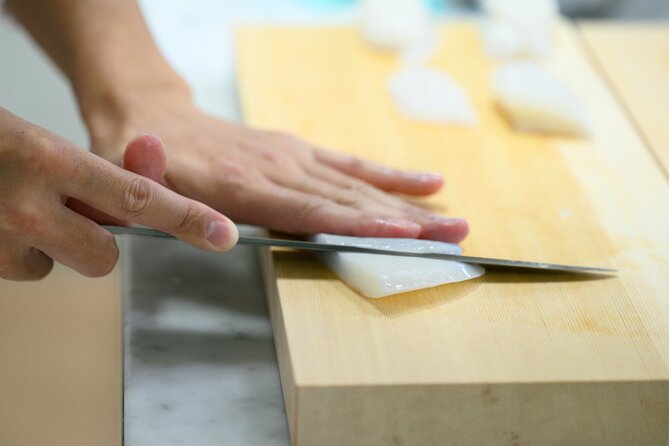
- You’ll get guidance on how to handle the knife safely and appropriately.
- You’ll learn how to slice the fish as part of building sushi.
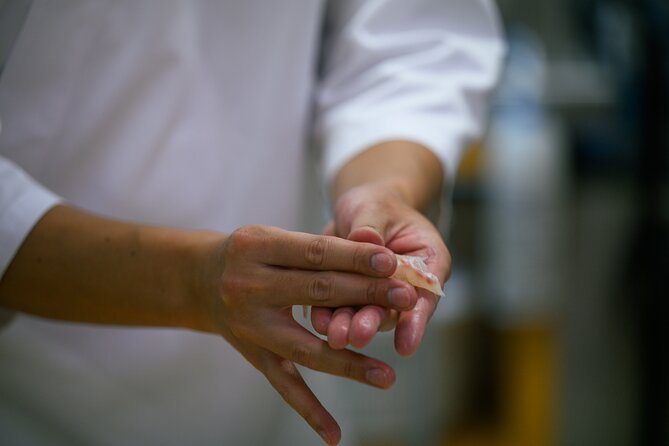
- You’ll shape sushi by hand, using the skills you practiced rather than copying a single perfect sample.
What makes this feel manageable is the pace and structure built for beginners. Sushi can look impossible when you only watch sushi chefs at restaurants. But the lesson breaks it down into smaller actions you can control. Over the session, your hand starts to “get the idea,” which is exactly how people describe leaving with confidence.
One detail that comes up often is rice preparation. Several participants mention learning about vinegared rice before eating what they made. That matters because sushi flavor is more than fish. The balance of rice and seasoning is what turns a good bite into a memorable one. When you understand that, the restaurant sushi you eat later hits differently.
Your lunch: about 8 pieces of sushi, plus miso soup or tea
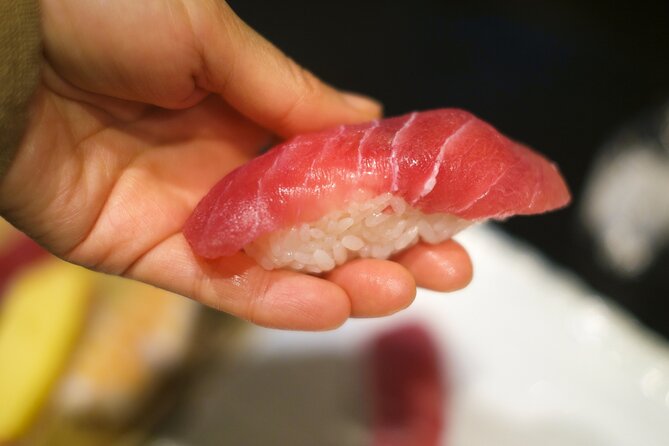
The meal is part of the lesson. Included in your price is lunch: around 8 pieces of sushi made by yourself, along with miso soup or green tea. This is a good format for value because you’re not paying for a demo plus a token snack. You’re paying for the ingredients, tools, instruction, and the chance to eat a real meal that you created.
Also, you get a built-in comparison moment. Midway through the class, you’re likely to think, This is not what I expected. By the end, after you’ve adjusted your shaping and technique, you taste your earlier pieces and then your later ones. Even without calling it a progress chart, that sequence helps you understand what matters.
If you’re going with friends, expect a fun social tone too. People often talk about laughing while comparing results. Sushi doesn’t need to match perfectly to be enjoyable, and hand-made pieces naturally show personality. That’s not a failure. It’s part of why this feels human, not manufactured.
- Tokyo: Shinjuku Food Tour (13 Dishes at 4 Local Eateries)★ 5.0 · 6,603 reviews
- Tokyo Mt Fuji 5th St & Hakone Cruise Bus Tour w/Bullet Train★ 4.4 · 5,024 reviews
- Flagship 2-Hours Official Street Go-Kart Tour – Tokyo Bay Shop★ 5.0 · 4,974 reviews
- From Tokyo: Mount Fuji Full-Day Sightseeing Trip★ 4.5 · 4,970 reviews
- Tokyo: Hop-On Hop-Off Sightseeing Bus Ticket★ 3.9 · 4,207 reviews
Price and time: is $220 worth it?
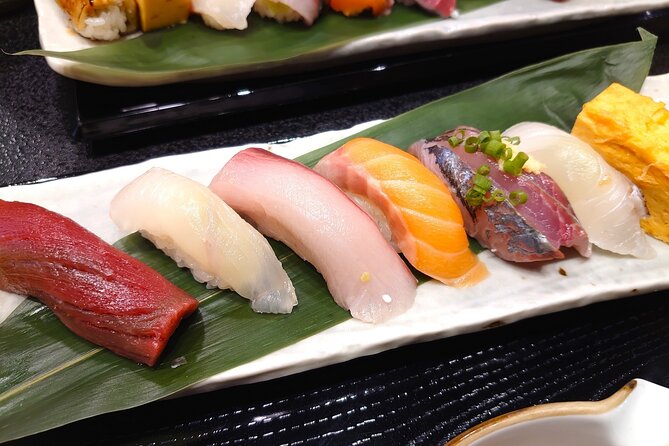
At $220 per person, this class isn’t a budget lunch. But value is more than the sticker price. You’re paying for several costly pieces of the puzzle that most cooking classes don’t include together:
- Fish associated with Toyosu Fish Market (premium ingredient sourcing)
- Tools and ingredients included, so you’re not adding hidden costs
- English-speaking instruction plus an expert chef
- The location: inside the House of Representatives building, normally closed to the public
- A real meal outcome: around 8 pieces of sushi you made yourself, plus miso soup or green tea
So who gets the best value? People who want more than a meal and more than a sightseeing stop. If you want to understand sushi technique and taste how ingredients change the result, the price starts to make sense. If you just want a quick bite of sushi while seeing Tokyo landmarks, there are cheaper options. But if you want a story you’ll actually remember—knife skills, sushi shaping, and that rare government-building setting—this is the kind of experience where the cost feels more justified.
Who should book this sushi workshop
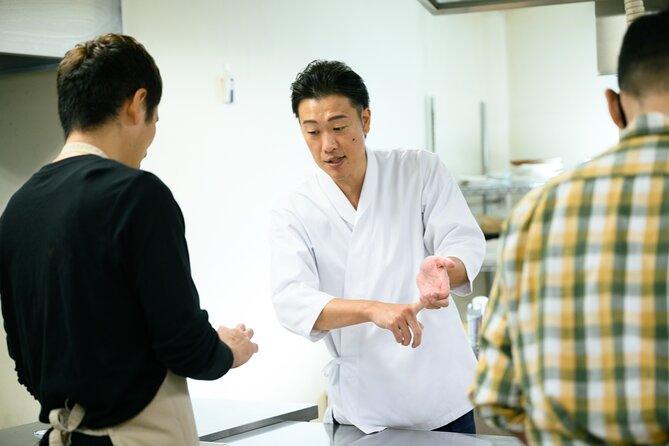
I’d point you toward this workshop if you fit one of these profiles:
- You’re a food lover who wants hands-on learning, not passive dining
- You’re traveling with someone who’d enjoy a shared project at the table
- You want a Tokyo experience that’s culture plus craft, and not just crowded viewing
- You’re okay with technique-focused time and don’t mind that your sushi may start a little uneven
It’s also a good pick for mixed experience levels. The format is designed to teach basics, including knife handling and shaping, with English support. That means you don’t need sushi confidence coming in.
Should you book this exclusive Parliament sushi class?
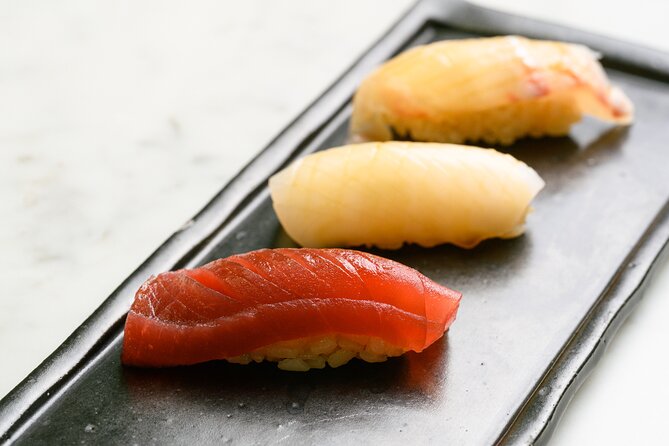
If you want a sushi workshop that feels special in both food and place, this is a strong yes. The combination of Toyosu-sourced fish, English instruction, and the House of Representatives setting gives you something you can’t easily replicate on your own schedule. Plus, the meal is built-in: you’ll eat what you make, about 8 pieces, with miso soup or green tea.
The only reason not to book is if you’re looking for a low-effort activity. This is hands-on, technique-forward, and it rewards people who show up ready to try.
If that sounds like your kind of Tokyo day, book it early if your dates are firm, and plan to arrive with enough time to settle in. Your reward is sushi with real meaning, made in a room that most people never get to see.
FAQ
How long is the sushi-making experience?
It runs for about 2 hours.
Where does the experience meet and end?
The start point is 2-chōme-2-2 Nagatachō, Chiyoda City, Tokyo 100-0014, Japan, and the activity ends back at the same meeting point.
Is there an English-speaking guide?
Yes. The lesson includes support from an English-speaking guide who teaches sushi-making basics.
What is included in the price?
Included items are cooking tools, fresh sushi ingredients from Toyosu Fish Market, sushi-making instruction with the English-speaking guide, lunch (about 8 pieces of sushi made by you), and miso soup or green tea.
How much sushi will I eat?
You’ll have lunch consisting of around 8 pieces of sushi that you make yourself.
Do I need to arrange transportation to the class?
Private transportation and hotel pickup/drop-off are not included. The meeting point is near public transportation.
How big is the group?
The experience has a maximum of 20 travelers.
What is the cancellation window?
You can cancel for a full refund up to 24 hours in advance of the experience’s start time.
What should I expect to learn during the workshop?
You’ll learn sushi basics such as how to handle a knife, slice fish, and shape sushi.
More Tour Reviews in Tokyo
- Mt Fuji and Hakone 1-Day Bus Tour Return by Bullet Train
★ 5.0 · 26,383 reviews - 1-Day Tokyo Bus Tour
★ 5.0 · 14,250 reviews - Tokyo: teamLab Planets TOKYO Digital Art Museum Entry Ticket
★ 4.6 · 9,779 reviews - Mt Fuji & Hakone Cruise, Drum Show Bullet Train 1 Day from Tokyo
★ 4.0 · 7,413 reviews - Tokyo: Shinjuku Food Tour (13 Dishes at 4 Local Eateries)
★ 5.0 · 6,603 reviews
More Sushi Counters to Book
- Sushi Making Tokyo Roll and Authentic Japanese Sushi Class
★ 5.0 · 3,971 reviews - Tokyo: Roll and Authentic Sushi Making Class in Asakusa
★ 4.9 · 1,957 reviews - Make Sushi and Create Unforgettable Memories in Tokyo
★ 5.0 · 1,413 reviews - Tokyo: Sushi Making Class in a Happi Coat near a Famous Spot
★ 4.9 · 1,377 reviews - Tokyo Sushi Making Class in Tsukiji with Professional Chef
★ 5.0 · 1,177 reviews
Latest Tokyo reviews off our desk



Sushi Making Classes, compared.
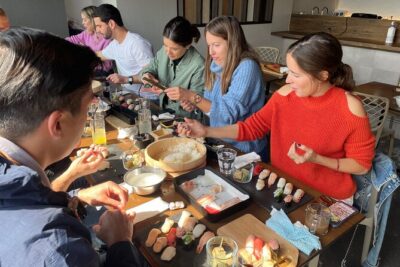 ★ 5.0Sushi Making Tokyo Roll and Authentic Japanese Sushi ClassFrom $593,971 reviews
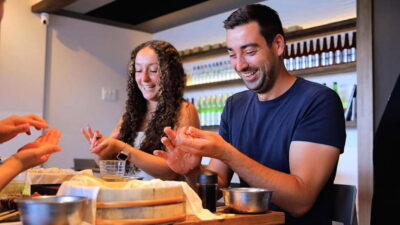 ★ 4.9Roll and Authentic Sushi Making Class in AsakusaFrom $581,957 reviews
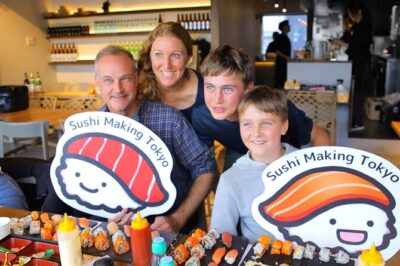 ★ 5.0Make Sushi and Create Unforgettable Memories in TokyoFrom $791,413 reviews
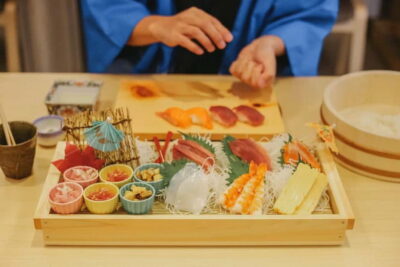 ★ 4.9Sushi Making Class in a Happi Coat near a Famous SpotFrom $421,377 reviews
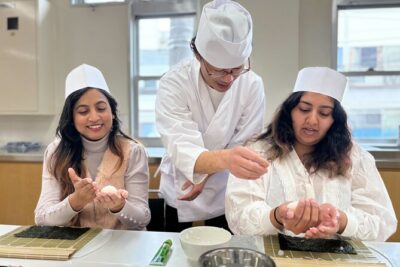 ★ 5.0Tokyo Sushi Making Class in Tsukiji with Professional ChefFrom $491,177 reviews
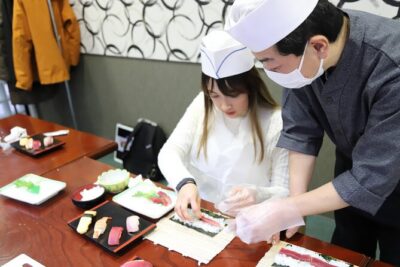 ★ 5.0Tsukiji Fish Market Guided Tour and Sushi Making with Pro ChefFrom $104775 reviews
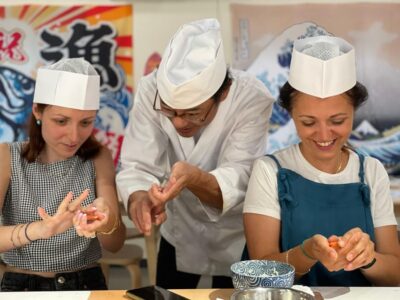 ★ 4.9Tsukiji Fish Market Sushi Making Class with Pro ChefFrom $63506 reviews
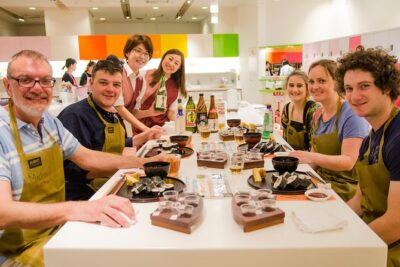 ★ 5.0Tokyo Tsukiji Fish Market Tour and Sushi Making LessonFrom $99390 reviews
Browse the lists this tour appears in