
Reviewed · ASAKUSA & SENSOJI TOURS
Asakusa: Culture exploring bar visits after history tour
That red lantern energy in Asakusa is hard to beat. This 4-hour small-group walk pairs Sensoji-area history with three real izakaya stops where you don’t have to figure anything out. I love how the guide keeps the pace friendly while still giving you meaning behind what you’re seeing, and I also love the bar-hopping flow that turns the afternoon into an actual experience, not just a photo loop.
The main drawback to consider is simple: it’s a walking tour. If you don’t love steady strolling and lots of stops, you may find the schedule a bit packed for four hours.
In This Review
- Key points at a glance
- Why an Asakusa culture-and-izakaya tour makes sense at 3pm
- Meeting point, group size, and how you avoid the get-lost headache
- From Sumida Park to Sensoji: the stories that make the streets click
- Senso-ji and the next doorway: why the tour doesn’t stop at the main temple
- The first izakaya stop on Hoppy Street: start easy, eat well
- Kamiya Bar: a Western-style bar story you can actually drink
- The final sake-focused stop: letting the guide do the hard work
- What you truly get for the included food and drinks
- Price and value: what $156.07 buys you here
- Pace, walking, and the one thing to watch
- Who should book this Asakusa tour
- Should you book this Asakusa culture-and-izakaya tour?
- FAQ
- FAQ
- How long is the Asakusa culture and izakaya tour?
- What’s included in the izakaya part of the tour?
- How many izakayas will we visit?
- Where does the tour start and what time does it begin?
- Do I need to arrange hotel pickup or drop-off?
- Is the tour admission free for the landmark stops?
- What happens if the weather is bad?
Key points at a glance
- Small-group attention (max 8) means fewer awkward moments and more guidance
- Temple-to-izakaya timing: start in the sights, then transition naturally to food and drinks
- 3 izakayas, included snacks and 3–4 drinks give you a full meal feeling without extra planning
- Sumida River and Sensoji context help the area make sense fast
- Kamiya Bar (since 1880) adds a dose of Tokyo drinking-history you can taste
Why an Asakusa culture-and-izakaya tour makes sense at 3pm
Asakusa has two moods in the same afternoon. Early day you get the solemn temple vibe. Later you get the lantern-lit street energy and the smell of grilled snacks from izakaya fronts.
This tour’s timing hits that sweet spot. You start at 3:00pm, then work your way through major landmarks before the evening food portion kicks in. By the time you reach the izakaya streets, your brain is already warmed up with stories about the area, so you’re not just eating. You’re understanding what you’re seeing as you move.
Also, I like that it’s not trying to be a marathon. It’s about a 4-hour walk, with the bulk of time spread between the landmark section and three separate food-and-drink stops.
More temple mornings in old Asakusa
- Tokyo: Japanese Dance Cabaret Theater Asakusa-Kaguwa Ticket
★ 4.8 · 2,270 reviews - Tokyo: Meiji Shrine, Asakusa, Skytree Bus Tour and Cruise
★ 4.7 · 1,986 reviews - Tokyo: Roll and Authentic Sushi Making Class in Asakusa
★ 4.9 · 1,957 reviews - Tokyo: Asakusa Walking Tour with Sensoji Temple Visit
★ 4.8 · 1,583 reviews
Meeting point, group size, and how you avoid the get-lost headache
You meet at Burger King Asakusa Azumabashi, in the Kaminarimon area (the address is listed at booking). Then the tour ends back at the same meeting point. No hotel pickup, so plan to arrive on your own.
The biggest practical win is the group size: up to 8 people. In Asakusa, where streets twist and alleys branch off, having a local guide matters. You’re not “working out navigation.” You’re following a plan and learning along the way.
A note on comfort: it is outdoors for the walks between stops. You’ll want good shoes. And yes, the experience depends on good weather. If conditions are poor, the operator offers another date or a full refund.
From Sumida Park to Sensoji: the stories that make the streets click
The tour starts with the kind of place that makes Tokyo feel older than it looks. Sumida Park is your first stop, and the guide frames it around the river connection. The interesting idea here is that the story behind Sensoji is linked to the Sumida River going back about 1,400 years. Even if you’ve seen Sensoji from a distance before, this kind of context changes how you walk into the area.
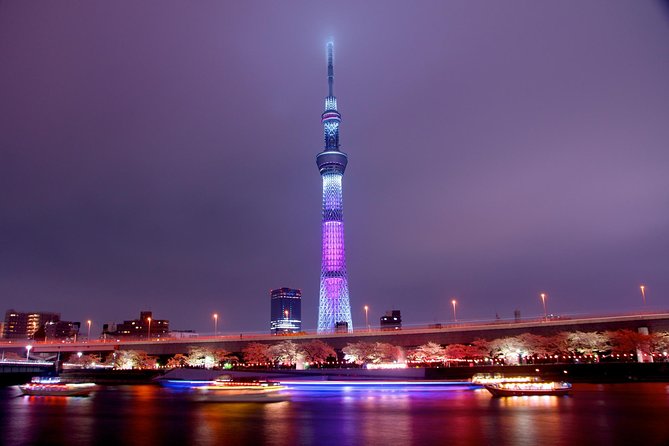
From there, you head toward a higher vantage point at the Asakusa Culture Tourist Information Center. You’ll take in views after seeing Tokyo Skytree and the Sumida River, then you get a preview of the route from a building designed by a well-known Japanese architect. This is one of those “quietly smart” moves. When you have a mental map, the later turns feel less random.
Then it’s right into the iconic gates:
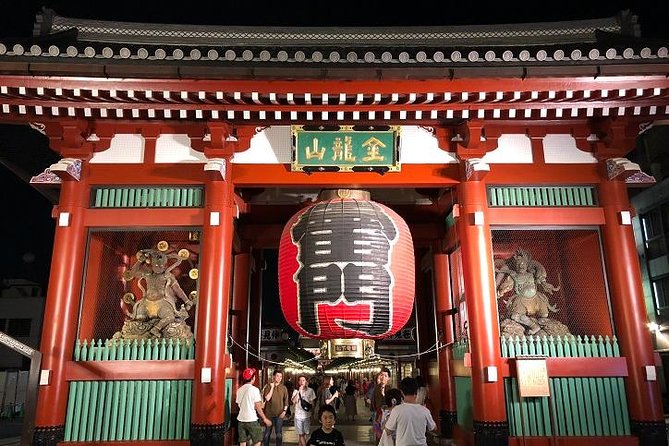
- Kaminarimon (Thunder Gate): you’ll see the giant red lantern up close, and the guide connects it to the mix of Buddhist temple and Shinto shrine worldviews in Asakusa.
- Nakamise Shopping Street: yes, it’s a shopping street, but the tour helps you see why it feels friendly rather than solemn. You’ll know what you’re walking toward instead of just absorbing crowds and snack smells.
Next comes Hozomon, the inner gate that leads deeper toward Sensoji. The guide points out details of the gate structure so you understand why it matters as a threshold, not just another big photo stop.
Senso-ji and the next doorway: why the tour doesn’t stop at the main temple
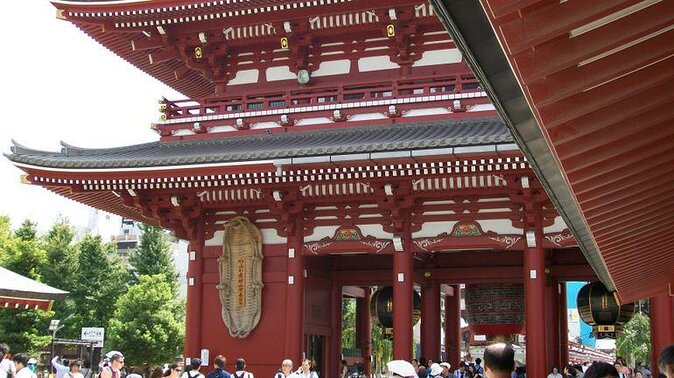
Sensoji Temple is the big event, and the tour gives it time and a guided explanation starting near Kaminarimon. The value here is that you’re not rushing through the temple grounds as if it’s a checklist item. You’re learning the background so your pictures have a purpose.
Right beside Sensoji is the Asakusa Shrine. This is where the tour gets interesting in a practical, human way. The guide explains the unusual coexistence of two distinct religions on the same premises—Shinto alongside a Buddhist temple complex. If you’ve never encountered that kind of overlap in everyday Tokyo life, this stop can be a lightbulb moment.
Then you slip into Asakusa Demboin-dori, described as a traditional entertainment district area. You’ll walk through the feel of earlier eras into the present day, with stops along the way. This section is a nice shift after the sacred spaces: the street becomes a living museum, with people, small storefronts, and old-world atmosphere that still functions today.
The first izakaya stop on Hoppy Street: start easy, eat well
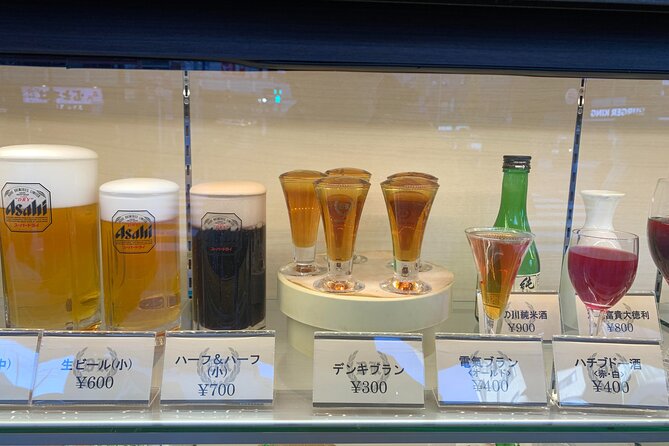
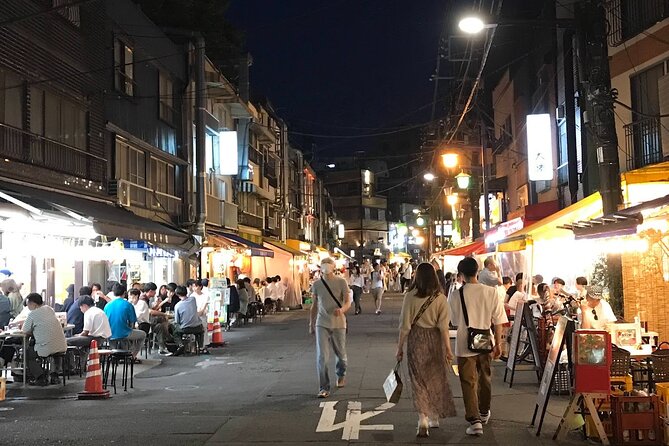
Once the history walking phase finishes, the mood changes fast. The first izakaya stop is on Hoppy Street, an 80-meter strip lined with izakayas. The lanterns and outdoor seating help create that immediate “okay, this is Tokyo” feeling.
This stop is about getting comfortable with izakaya culture without needing to translate menus or guess what to order. You get snacks and drinks included, and the guide helps you pace what you eat so you’re not stuffed early or starving later.
Since each drink-and-snack stop is planned, you can relax. The goal is not a single meal that drags on; it’s a sequence that keeps you moving and keeps the evening fun.
Readers also shortlisted these Tokyo bookings:
- Tokyo: Imperial Palace and Shogun Historical Walking Tour★ 5.0 · 2,251 reviews
- Tokyo: Imperial Palace Japanese History Walking Tour★ 4.9 · 987 reviews
- Tokyo: Shinjuku Historical Walking Tour & Secret Backstreets★ 5.0 · 530 reviews
- Yanaka Walking Tour: Historic and Traditional District of Tokyo★ 5.0 · 530 reviews
- Mt. Fuji Heritage Tour: Traditional Villages, Lakes & Shrine★ 4.5 · 509 reviews
Kamiya Bar: a Western-style bar story you can actually drink
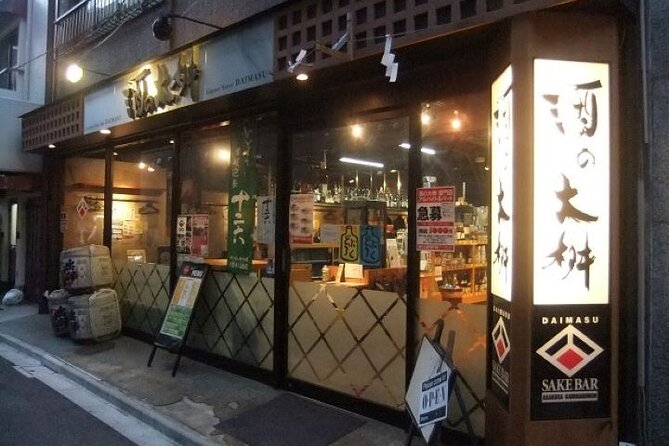
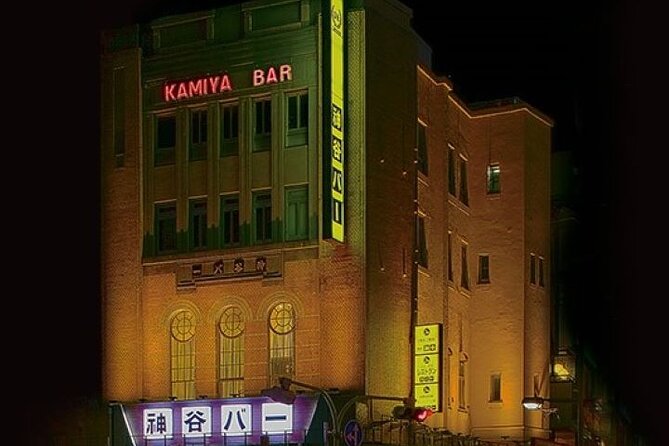
The second food stop is Kamiya Bar. This is the one with the standout drinking-history angle: it’s described as established in 1880, and known as the oldest Western-style bar in Japan. That alone is enough to make this visit different from a normal izakaya stop.
What I like about including a place like this is that it broadens the story of Asakusa beyond temples and traditional streets. Tokyo isn’t frozen in time. It adapts. It absorbs. It changes.
You’ll still be in the same general izakaya rhythm—snacks and drinks included—just in a setting with a longer paper trail. The guide’s role here is key: they connect what you’re looking at to why this bar matters, so you’re not just sitting somewhere famous without context.
The final sake-focused stop: letting the guide do the hard work
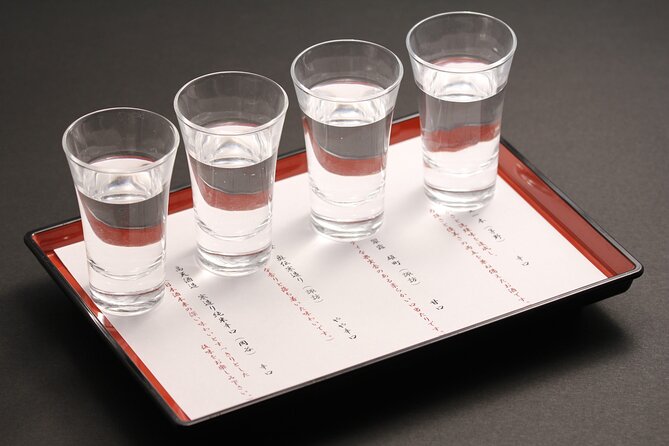
The last izakaya stop is specialized in sake, with a wide variety on hand. This is where the tour helps most if you’ve ever been intimidated by sake menus. The guide walks you through key ideas such as why sake developed in Japan and which ingredients play key roles.
Even if you don’t become a sake expert by the end, you should leave with better instincts. You’ll understand what you’re tasting, and you’ll feel more confident ordering on your own afterward.
This final stop also matters for pacing. By the time you reach it, you’ve already eaten and had a couple drinks. So the sake education feels like part of the fun, not like homework at the bottom of a cup.
What you truly get for the included food and drinks
The tour includes dinner-style coverage. The information provided says you can expect 3–4 dishes and 3–4 drinks on average across the three izakayas. In practical terms, that’s enough for a real dinner meal, especially since the snacks at each place are meant to be paired with drinks.
You don’t need extra planning like where to eat next or whether you’re ordering too little. The guide’s job is to steer you toward an amount that keeps the tour enjoyable.
One more practical benefit: because the drinks and snacks are built into the schedule, you avoid the common problem of bar hopping that turns into slow waits, confusing menus, and awkward spending math.
Price and value: what $156.07 buys you here
At $156.07 per person, this isn’t a bargain-basement outing. It’s closer to a “pay for convenience and guidance” experience.
Here’s what you’re paying for in real terms:
- A local guide who explains landmarks and also helps with the drinking side
- A small group (max 8) that makes the guidance feel personal
- Three izakaya stops with included snacks and drinks, averaging into a full dinner experience
- A structured route through major Asakusa landmarks so you don’t spend half your time orienting yourself
If you were planning to do Asakusa on your own, you’d still spend time walking between sights. The difference is that a guided format saves you mental effort, adds cultural context, and removes the guesswork from ordering at multiple izakayas.
If you love temples and you also want a fun evening meal without turning your day into logistical work, the price feels more reasonable.
Pace, walking, and the one thing to watch
The tour is approximately 4 hours and includes multiple short stops plus three longer izakaya periods. That’s not extreme, but it is consistent movement.
If you have limited mobility, or if you hate walking between frequent points, you may feel like you’re always moving from one scene to another. If you’re comfortable on your feet, it’s a very efficient way to see a lot without rushing.
Also, because the experience is scheduled for afternoon into early evening, it can feel like two tours in one day segment. If you only want food and don’t care about history, it may feel like temple time slows the drinking part. If you love both, it’s a good match.
Who should book this Asakusa tour
This works best for you if:
- You want Asakusa’s top sights without figuring out the route on your own
- You like your travel mixed: history in the streets, then food in real local places
- You want an easy path into izakaya culture, including sake education at the end
- You’d rather go with a small group than blend into a crowd of strangers
It’s also a good fit if you’re traveling solo and want conversation and a plan. The guide experience is a big part of why this tour works, and the vibe is friendly and chatty from start to finish.
Should you book this Asakusa culture-and-izakaya tour?
I’d book it if you want a guided Asakusa day that ends with a proper dinner feeling. The combination of major landmarks (from Sumida Park to Sensoji) plus three thoughtfully chosen izakaya stops makes it more than just sightseeing, and it’s structured enough that you don’t have to stress.
Skip it if you dislike walking, hate group tours, or you only want one type of experience—temples or food. For the right mix, though, this tour is a smart use of time.
FAQ
FAQ
How long is the Asakusa culture and izakaya tour?
It runs for about 4 hours.
What’s included in the izakaya part of the tour?
Dinner-style food and drinks are included. On average, you’ll get 3–4 drinks and 3–4 dishes across the three izakaya stops.
How many izakayas will we visit?
You’ll visit three izakayas: Hoppy Street (first), Kamiya Bar (second), and a final stop focused on sake.
Where does the tour start and what time does it begin?
The tour starts at Burger King Asakusa Azumabashi in the Kaminarimon area. The start time is 3:00 pm.
Do I need to arrange hotel pickup or drop-off?
No. Hotel pickup or drop-off is not included.
Is the tour admission free for the landmark stops?
The admission for the listed landmark stops is marked as free.
What happens if the weather is bad?
The experience requires good weather. If it’s canceled due to poor weather, you’ll be offered a different date or a full refund.
More Tours in Tokyo
- Mt Fuji and Hakone 1-Day Bus Tour Return by Bullet Train
★ 5.0 · 26,383 reviews - 1-Day Tokyo Bus Tour
★ 5.0 · 14,250 reviews - Tokyo: Shinjuku Food Tour (13 Dishes at 4 Local Eateries)
★ 5.0 · 6,603 reviews - Tokyo Mt Fuji 5th St & Hakone Cruise Bus Tour w/Bullet Train
★ 4.4 · 5,024 reviews - Flagship 2-Hours Official Street Go-Kart Tour – Tokyo Bay Shop
★ 5.0 · 4,974 reviews
More Tour Reviews in Tokyo
- Mt Fuji and Hakone 1-Day Bus Tour Return by Bullet Train
★ 5.0 · 26,383 reviews - 1-Day Tokyo Bus Tour
★ 5.0 · 14,250 reviews - Tokyo: teamLab Planets TOKYO Digital Art Museum Entry Ticket
★ 4.6 · 9,779 reviews - Mt Fuji & Hakone Cruise, Drum Show Bullet Train 1 Day from Tokyo
★ 4.0 · 7,413 reviews - Tokyo: Shinjuku Food Tour (13 Dishes at 4 Local Eateries)
★ 5.0 · 6,603 reviews
More Mornings in Old Asakusa
- Tokyo: Japanese Dance Cabaret Theater Asakusa-Kaguwa Ticket
★ 4.8 · 2,270 reviews - Tokyo: Meiji Shrine, Asakusa, Skytree Bus Tour and Cruise
★ 4.7 · 1,986 reviews - Tokyo: Roll and Authentic Sushi Making Class in Asakusa
★ 4.9 · 1,957 reviews - Tokyo: Asakusa Walking Tour with Sensoji Temple Visit
★ 4.8 · 1,583 reviews - Tokyo Asakusa Rickshaw Tour
★ 5.0 · 1,375 reviews
Latest Tokyo reviews off our desk






Asakusa & Sensoji Tours, compared.
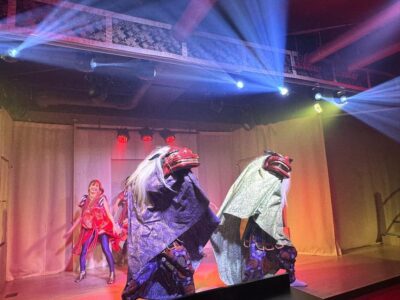 ★ 4.8Japanese Dance Cabaret Theater Asakusa-Kaguwa TicketFrom $492,270 reviews
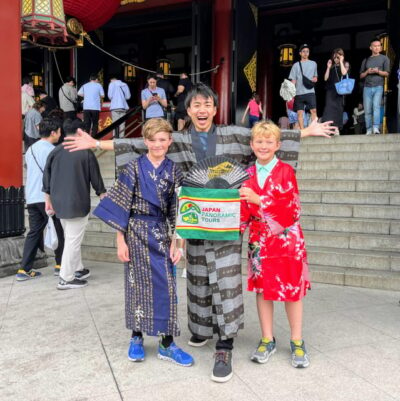 ★ 4.7Meiji Shrine, Asakusa, Skytree Bus Tour and CruiseFrom $1221,986 reviews
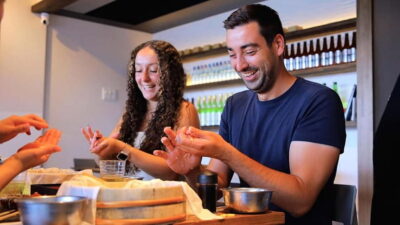 ★ 4.9Roll and Authentic Sushi Making Class in AsakusaFrom $581,957 reviews
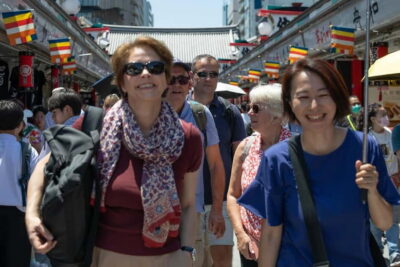 ★ 4.8Asakusa Walking Tour with Sensoji Temple VisitFrom $221,583 reviews
 ★ 5.0Tokyo Asakusa Rickshaw TourFrom $421,375 reviews
 ★ 4.5Tokyo Panoramic 1 Day: Meiji Shrine, Asakusa, Odaiba and SKYTREE®From $851,222 reviews
 ★ 5.0Tokyo Go Kart: Asakusa, Skytree, and Akihabara **IDP MUST**From $99988 reviews
 ★ 4.7Asakusa, Skytree & Akhihabara Go-Kart City ExperienceFrom $96761 reviews
Browse the lists this tour appears in