
Reviewed · ASAKUSA & SENSOJI TOURS
Asakusa: Japanese kitchen knife store visits after history tour
Knives and temples in the same morning?
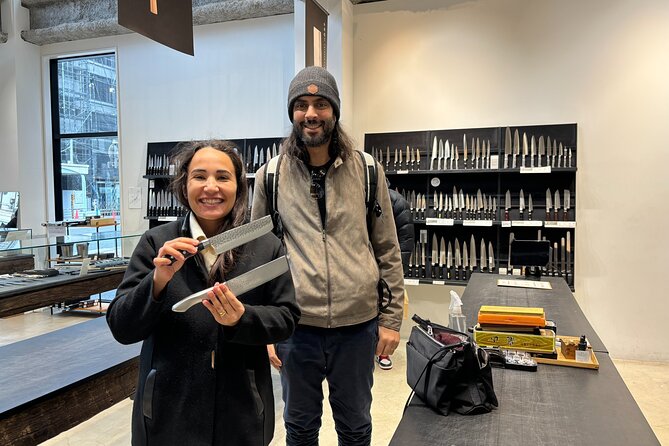
This small-group Asakusa tour pairs classic sights around Senso-ji with hands-on time at the kitchen knife shops in Kappabashi. You get a guided route that starts at Sumida Park and works through the big gates and garden areas, then shifts to shopping in the part of town where working chefs stock up.
I love the mix of story + practical wandering: the guide ties the landmarks together so you are not just taking photos. I also like that the group is capped at 8 and headsets are included for groups of 3 or more, so you can actually hear the explanation without playing catch-up in crowded lanes.
One possible drawback: if your only goal is buying knives, the history portion may feel like a lot of walking before you get to shop time. It helps to be upfront about your priorities, since guides sometimes adjust pacing when the group wants to focus on shopping.
In This Review
- Key things that make this Asakusa knives tour worth your time
- A morning in Asakusa where the knives come after the stories
- From Sumida Park to Senso-ji gates: walking the Asakusa storyline
- Sensō-ji Denboin Garden: the calmer middle moment you’ll appreciate
- Kappabashi Street and Kitchen Tool shopping: how the experience actually helps
- What you should consider before you buy
- Price and value: what you’re paying for (and what you’re not)
- Timing, walking pace, and how to plan your day
- Who should book this Asakusa history + knives tour
- Practical tips to get the most out of the day
- Should you book it? My take
- FAQ
- How long is the Asakusa history and kitchen knife shopping tour?
- What time does it start?
- Where do I meet the guide?
- Where does the tour end?
- Do I get hotel pickup or drop-off?
- Is the tour in a group, and how many people are there?
- Are headsets included?
- Are temple or attraction tickets included?
- What’s included in the booking?
- What is the cancellation policy?
Key things that make this Asakusa knives tour worth your time
- Small-group format (max 8) keeps the pacing more flexible than big bus-style tours
- Headsets for groups of 3+ make the guide’s directions easier to follow
- Temple-area circuit first, then knife shopping in the same neighborhood zone
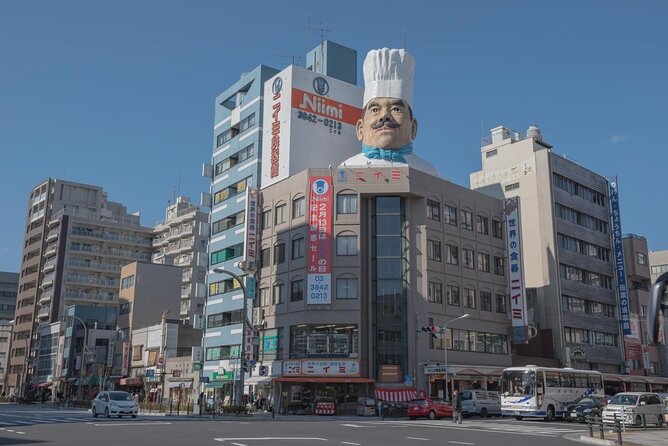
- Kappabashi Street stop targets the kitchen-tool strip where restaurant operators shop
- Garden break at Sensō-ji Denboin Garden gives you a calmer pause after the main sights
- Guides like Akiko, Kay, Sue, and Amy lead the experience with clear, on-the-ground help during shopping
A morning in Asakusa where the knives come after the stories
If you like travel that has a purpose, this tour hits the sweet spot. You start in Asakusa with landmark stops tied to the area’s older layers, then the day shifts to Kappabashi, where kitchen tools are the whole point.
The best part is that you are not trying to figure it out alone. You follow a route through the major approaches to Senso-ji—think bridges, gates, and temple grounds—then you’re guided to the shopping streets where you can browse like a local buyer. Guides often tailor the shopping focus depending on what you care about, too; I’ve seen the experience run shorter on history when someone’s main interest was knives.
More temple mornings in old Asakusa
- Tokyo: Japanese Dance Cabaret Theater Asakusa-Kaguwa Ticket
★ 4.8 · 2,270 reviews - Tokyo: Meiji Shrine, Asakusa, Skytree Bus Tour and Cruise
★ 4.7 · 1,986 reviews - Tokyo: Roll and Authentic Sushi Making Class in Asakusa
★ 4.9 · 1,957 reviews - Tokyo: Asakusa Walking Tour with Sensoji Temple Visit
★ 4.8 · 1,583 reviews
From Sumida Park to Senso-ji gates: walking the Asakusa storyline
The tour begins with a classic Asakusa anchor: Sumida Park. You’ll be talking about how the Sumida River area shaped early local life and how the temple story connects back to the river area long ago. It’s only a short stop, but it sets the tone. You get context before you hit the heavier crowds near the temple.
Next, you head to the Asakusa Culture Tourist Information Center, where you can use the open terrace observation deck for views. Even if you’ve seen photos of Asakusa before, a higher angle view helps you orient quickly—especially when you’re about to walk through dense streets and gate-heavy areas.
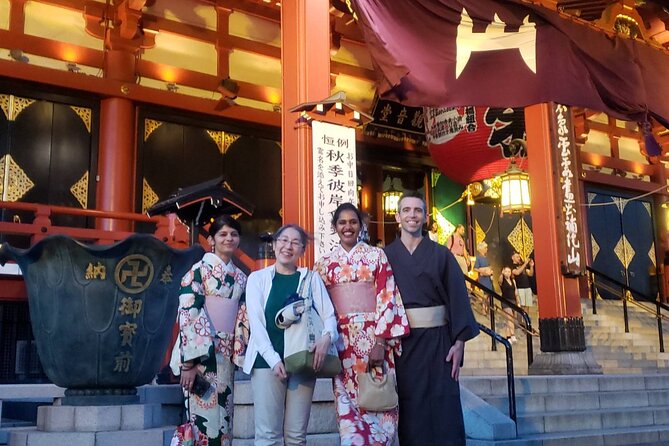
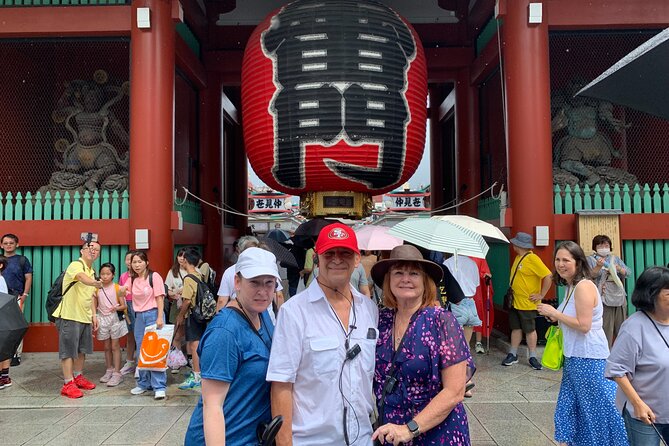
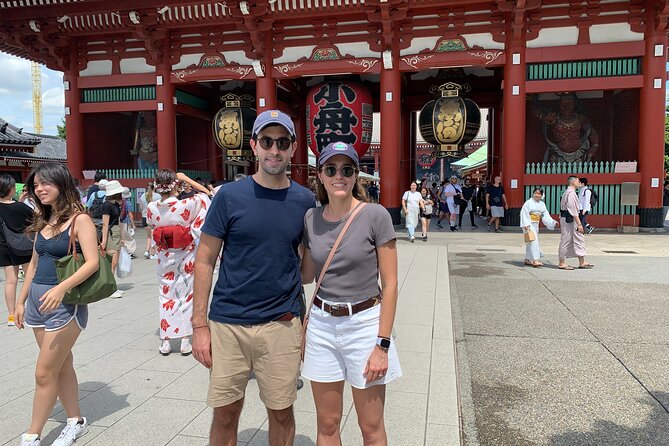
Then comes Kaminarimon (Thunder Gate). You’ll pass under the huge red lantern that marks the famous entrance to the Senso-ji complex. From there, you work your way along the approach street, including Nakamise Shopping Street, which is famous for the retail corridor leading toward the temple.
After that, the route shifts deeper into the grounds:
- Hozomon (Treasure-House Gate): a major inner gate that signals you’ve moved past the outer approach
- Senso-ji Temple: Tokyo’s oldest temple, plus the nearby five-story pagoda area
- Asakusa Shrine: a Shinto shrine placed right beside the Buddhist temple complex, so you experience both traditions in one scene
This order matters. You see the transition from entrance gates to temple heart, and you also get a sense of how Asakusa works as a lived-in neighborhood rather than just an attraction strip.
Sensō-ji Denboin Garden: the calmer middle moment you’ll appreciate
After the main temple gates, you get a change of pace at Sensō-ji Denboin Garden. The area you’re walking through is often lively in the larger Asakusa zone, but this garden-style segment gives your feet and your brain a breather. You move from the big-photo sights into a more measured walk where you can absorb details without constant pressure from the crowd.
If you tend to get temple-fatigue—lots of standing, lots of people—this stop gives you a softer reset before the final shopping phase.
Kappabashi Street and Kitchen Tool shopping: how the experience actually helps
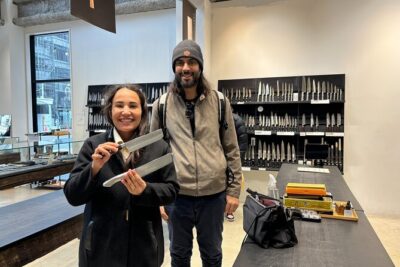
The tour’s shopping component is focused: it takes you to Kappabashi Street (sometimes referred to around the Kappabashi Dogugai / Kitchen Town area). This is the knife and kitchen-tool zone where you’ll find lots of shops selling items used by restaurants.
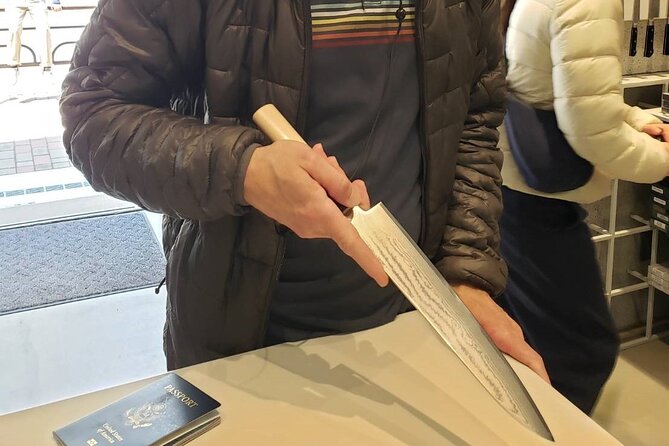
What makes the shopping part work is that it is guided and structured. You’re not just dropped into a shopping street with zero help. The guide can point you toward places to look and help you narrow what you want based on your cooking style and what you plan to use the knife for.
In practice, this is where different guides shine. For example, I’ve heard from groups led by Kay and Sue who offered hands-on help during selection, with the focus staying practical. And if you’re lucky enough to have a guide who understands your goal—like gift buying vs. personal use—they can help you avoid wandering in circles.
What you should consider before you buy
Kitchen knives are fun to shop for, but they create a logistics problem fast. Think about:
- How you’ll carry the knife back to your hotel or next stop
- Whether you’ll need packing materials
- How much you realistically want to spend on something heavy and fragile
Also, be clear with the guide about whether you want a single strong option or multiple smaller gifts. A shopping street can feel endless, so starting with a plan saves time.
Readers also shortlisted these Tokyo bookings:
- Tokyo: Imperial Palace and Shogun Historical Walking Tour★ 5.0 · 2,251 reviews
- Tokyo: Imperial Palace Japanese History Walking Tour★ 4.9 · 987 reviews
- Tokyo: Shinjuku Historical Walking Tour & Secret Backstreets★ 5.0 · 530 reviews
- Yanaka Walking Tour: Historic and Traditional District of Tokyo★ 5.0 · 530 reviews
- Mt. Fuji Heritage Tour: Traditional Villages, Lakes & Shrine★ 4.5 · 509 reviews
Price and value: what you’re paying for (and what you’re not)
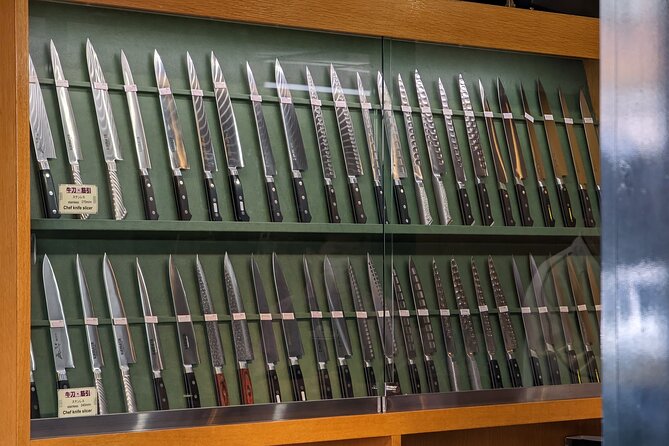
At $78.18 per person, this isn’t a cheap add-on—but it can be good value because you’re getting both parts of the day handled for you: history walking + guided knife browsing.
Here’s what you’re paying for:
- A structured route with an active guide through the Asakusa highlights
- Small-group size (max 8), so you don’t lose your place in a crowd
- Headsets for groups of 3+, which is not just a nice-to-have in busy areas
- The shopping time guided in the kitchen-tool zone
Here’s what you should note:
- Hotel pickup/dropoff is not included, so you need to get yourself to the start point
- Admission timing varies by stop: Sumida Park is listed as not including its ticket, while several temple-related and nearby stops are free in the tour outline
If you’re comfortable navigating on your own and you only want a knife street browse, you could DIY it. But if you want the story context and want real help picking what to buy, the guided format can feel worth the cost.
Timing, walking pace, and how to plan your day
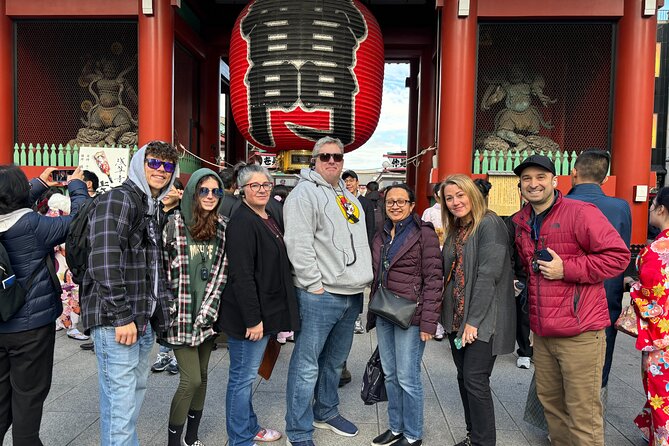
This tour runs about 3 hours 30 minutes and starts at 9:30 am. That timing is smart. You reach the big temple area in the morning window when lines can be more manageable, and you still have the rest of the day free for meals and exploring.
The meeting point is very specific: 2-chōme-20-6 Kaminarimon, Taito City, Tokyo 111-0034. The tour ends at Kappabashi Dougugai Kitchen Town, 3-chōme-18-2 Matsugaya, Taito City, Tokyo 110-0036. Ending in the knife street area is practical: if you decide to keep browsing after the guided time, you’re already in the right zone.
Who should book this Asakusa history + knives tour
This works especially well if you:
- Want to see major Asakusa sights without planning every step
- Like the idea of shopping with local guidance instead of guessing
- Cook at home (or buy gifts for people who cook) and want a more intentional knife purchase
- Prefer small groups and clearer audio with headsets (for 3+)
It might not be the best match if you:
- Only want a quick knife-shopping spree and nothing else
- Hate walking through crowded temple approach areas even with a morning start
If your main goal is knives, tell the guide at the beginning. I’ve heard of guides adjusting the balance when the group’s focus is strictly on shopping. You’ll likely get a better pace and less “extra” sightseeing.
Practical tips to get the most out of the day
- Wear shoes that handle walking on uneven pavement. Even with short stops, the total walking adds up.
- Bring a small amount of cash if you like flexibility in shop streets, but follow what the shop itself accepts.
- If you’re buying multiple items, ask the guide how to handle carrying before you check out.
- If you care most about knives, say so early. Guides can steer you toward the most useful shops and help you prioritize.
Should you book it? My take
I’d book this when you want two things in one smooth morning: Asakusa orientation with real context, and then a kitchen-tool shopping session where you don’t feel lost. The small-group max of 8 and headsets for 3+ make a noticeable difference in comfort, and the way the day ends in Kappabashi is convenient.
If you’re purely hunting knives and don’t care about temple-area history, you might feel the sightseeing portion is extra. Still, you can reduce that frustration by being clear about your priorities from the start.
Overall, it’s a strong choice for food people, home cooks, and anyone who likes to buy something specific with help—not just browse for souvenirs.
FAQ
How long is the Asakusa history and kitchen knife shopping tour?
The tour lasts about 3 hours 30 minutes.
What time does it start?
It starts at 9:30 am.
Where do I meet the guide?
You meet at 2-chōme-20-6 Kaminarimon, Taito City, Tokyo 111-0034, Japan.
Where does the tour end?
It ends at Kappabashi Dougugai Kitchen Town, 3-chōme-18-2 Matsugaya, Taito City, Tokyo 110-0036, Japan.
Do I get hotel pickup or drop-off?
No. Hotel pickup and drop-off are not included.
Is the tour in a group, and how many people are there?
It’s a small-group tour with a maximum of 8 travelers.
Are headsets included?
Headsets are included for groups of 3 or more so everyone can hear the guide clearly.
Are temple or attraction tickets included?
Some are free in the tour outline (several stops list free admission). Sumida Park is listed as not included.
What’s included in the booking?
The tour includes the guide and, for groups of 3+, headsets. You’ll also receive a mobile ticket.
What is the cancellation policy?
You can cancel for a full refund up to 24 hours before the experience’s start time. If you cancel less than 24 hours before, the amount paid is not refunded.
More Tours in Tokyo
- Mt Fuji and Hakone 1-Day Bus Tour Return by Bullet Train
★ 5.0 · 26,383 reviews - 1-Day Tokyo Bus Tour
★ 5.0 · 14,250 reviews - Tokyo: Shinjuku Food Tour (13 Dishes at 4 Local Eateries)
★ 5.0 · 6,603 reviews - Tokyo Mt Fuji 5th St & Hakone Cruise Bus Tour w/Bullet Train
★ 4.4 · 5,024 reviews - Flagship 2-Hours Official Street Go-Kart Tour – Tokyo Bay Shop
★ 5.0 · 4,974 reviews
More Tour Reviews in Tokyo
- Mt Fuji and Hakone 1-Day Bus Tour Return by Bullet Train
★ 5.0 · 26,383 reviews - 1-Day Tokyo Bus Tour
★ 5.0 · 14,250 reviews - Tokyo: teamLab Planets TOKYO Digital Art Museum Entry Ticket
★ 4.6 · 9,779 reviews - Mt Fuji & Hakone Cruise, Drum Show Bullet Train 1 Day from Tokyo
★ 4.0 · 7,413 reviews - Tokyo: Shinjuku Food Tour (13 Dishes at 4 Local Eateries)
★ 5.0 · 6,603 reviews
More Mornings in Old Asakusa
- Tokyo: Japanese Dance Cabaret Theater Asakusa-Kaguwa Ticket
★ 4.8 · 2,270 reviews - Tokyo: Meiji Shrine, Asakusa, Skytree Bus Tour and Cruise
★ 4.7 · 1,986 reviews - Tokyo: Roll and Authentic Sushi Making Class in Asakusa
★ 4.9 · 1,957 reviews - Tokyo: Asakusa Walking Tour with Sensoji Temple Visit
★ 4.8 · 1,583 reviews - Tokyo Asakusa Rickshaw Tour
★ 5.0 · 1,375 reviews
Latest Tokyo reviews off our desk

Asakusa & Sensoji Tours, compared.
 ★ 4.8Japanese Dance Cabaret Theater Asakusa-Kaguwa TicketFrom $492,270 reviews
 ★ 4.7Meiji Shrine, Asakusa, Skytree Bus Tour and CruiseFrom $1221,986 reviews
 ★ 4.9Roll and Authentic Sushi Making Class in AsakusaFrom $581,957 reviews
 ★ 4.8Asakusa Walking Tour with Sensoji Temple VisitFrom $221,583 reviews
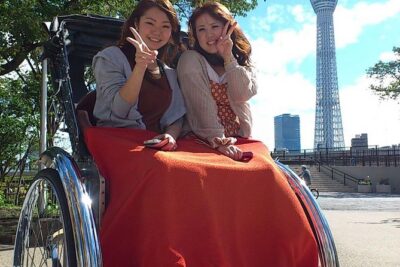 ★ 5.0Tokyo Asakusa Rickshaw TourFrom $421,375 reviews
 ★ 4.5Tokyo Panoramic 1 Day: Meiji Shrine, Asakusa, Odaiba and SKYTREE®From $851,222 reviews
 ★ 5.0Tokyo Go Kart: Asakusa, Skytree, and Akihabara **IDP MUST**From $99988 reviews
 ★ 4.7Asakusa, Skytree & Akhihabara Go-Kart City ExperienceFrom $96761 reviews
Browse the lists this tour appears in