

Reviewed · ASAKUSA & SENSOJI TOURS
Asakusa: Kitchen knife store visits after history tour
Knives and history in one smooth loop. This Asakusa kitchen knife tour strings together major sights like Sensoji Temple and then lands you at Kappabashi Street for proper knife browsing, not random shopping. The day feels organized, so you get both context and choices in about 3.5 hours.
I like two things most: the guide steers you directly to the right shops, so you avoid aimless wandering, and you get real back-and-forth support when clerks start pitching. With an English-speaking guide (often cited by name, like Machiko), you’re not left to guess what matters.
One drawback to plan around: the tour runs rain or shine, and there’s no hotel pickup. You’ll want to show up at the Burger King meeting point near Asakusa Station with enough time to settle in.
In This Review
- Key Things to Know Before You Go
- Getting Oriented: Meeting at Burger King by Asakusa Station
- Asakusa History Walk: Pier Area, Culture Center, and Kaminarimon
- Nakamise Shopping Street: Snacks, Souvenirs, and a Smart Pace
- Hōzōmon Gate and Sensō-ji Temple: Why This Part Changes Your Knife Shopping
- From Temple to Kappabashi Street: Where Knife Shopping Actually Makes Sense
- The Knife Store Part: Neutral Help, Real-World Buying Support
- How I’d use your one hour wisely
- Sweet Snacks and Small-Group Comfort: Why the Tour Feels Manageable
- Price and Value: Is $77 a Smart Deal for This Tokyo Mix?
- Who This Tour Fits Best (and Who Might Want to Skip It)
- Practical Tips Before You Head Out
- Should You Book This Asakusa Kitchen Knife Tour?
- FAQ
- What is the duration of the tour?
- Where does the tour meet?
- Is hotel pickup or dropoff included?
- Does the tour include Sensoji Temple?
- How long do you spend on Kappabashi Street?
- Are the tours rain or shine?
- What language is the guide?
- Is there a headset for the guide?
- What is included in the price?
Key Things to Know Before You Go
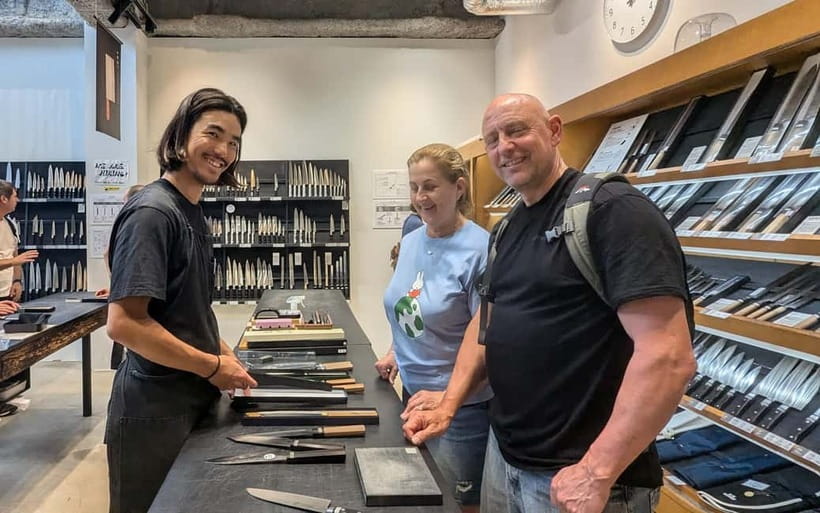
- Sensoji Temple included with time to absorb why Asakusa’s main landmark is so important
- Kappabashi Street knife focus where dozens of stores cater to restaurant operators
- Expert guide support inside shops to help you handle sales talk and compare what you’re seeing
- English headset system for groups of 3+ so you can hear the guide clearly
- Sweet snacks included to keep the history-and-shopping pace comfortable
Getting Oriented: Meeting at Burger King by Asakusa Station
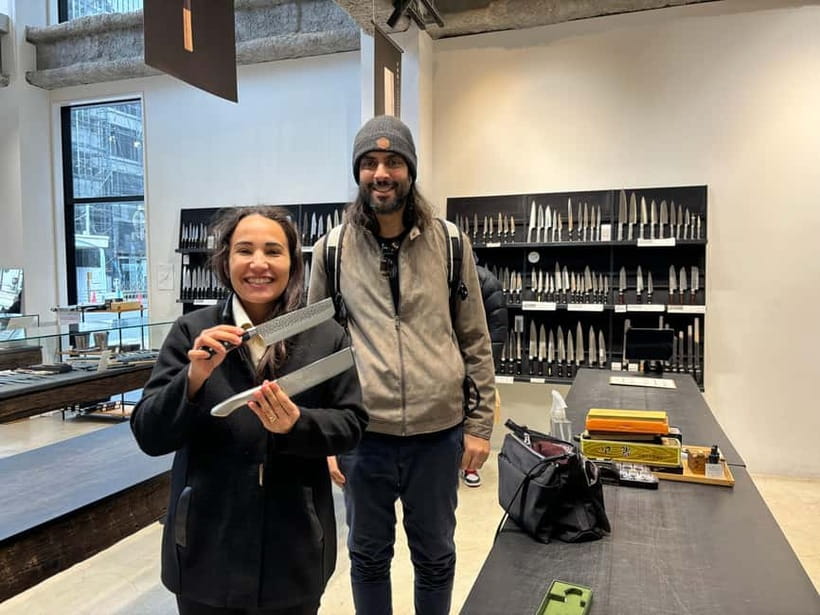
The tour starts at a Burger King right by Asakusa Station, next to Exit 4 on the Ginza Line (G19). I like this setup because it’s easy to find and easy to treat as a firm anchor for your day. You can arrive, meet your small group, and start walking without complicated transfer plans.
Also, no hotel pickup means you’re in control. If your morning plan changes, you can adjust and still make the start—just don’t cut it close.
More temple mornings in old Asakusa
- Tokyo: Japanese Dance Cabaret Theater Asakusa-Kaguwa Ticket
★ 4.8 · 2,270 reviews - Tokyo: Meiji Shrine, Asakusa, Skytree Bus Tour and Cruise
★ 4.7 · 1,986 reviews - Tokyo: Roll and Authentic Sushi Making Class in Asakusa
★ 4.9 · 1,957 reviews - Tokyo: Asakusa Walking Tour with Sensoji Temple Visit
★ 4.8 · 1,583 reviews
Asakusa History Walk: Pier Area, Culture Center, and Kaminarimon
After you regroup at the meeting point, the itinerary moves through classic Asakusa orientation stops before you hit the big visual icons. You start near the Tokyo Cruise Asakusa Pier area, then continue to the Asakusa Culture Tourist Information Center for a short, guided segment.
That combination is practical. The pier stop helps you place the neighborhood, and the information center stop usually gives you vocabulary and context so the later sights make more sense. By the time you reach Kaminarimon, you’re not just looking at a gate—you’re understanding why this area’s entry points mattered historically.
Kaminarimon is a quick walk stop, but it’s a key one. It’s one of the moments where the street-to-temple transition becomes obvious. I find these early stops helpful because they make the later temple route feel like a story instead of a checklist.
Nakamise Shopping Street: Snacks, Souvenirs, and a Smart Pace
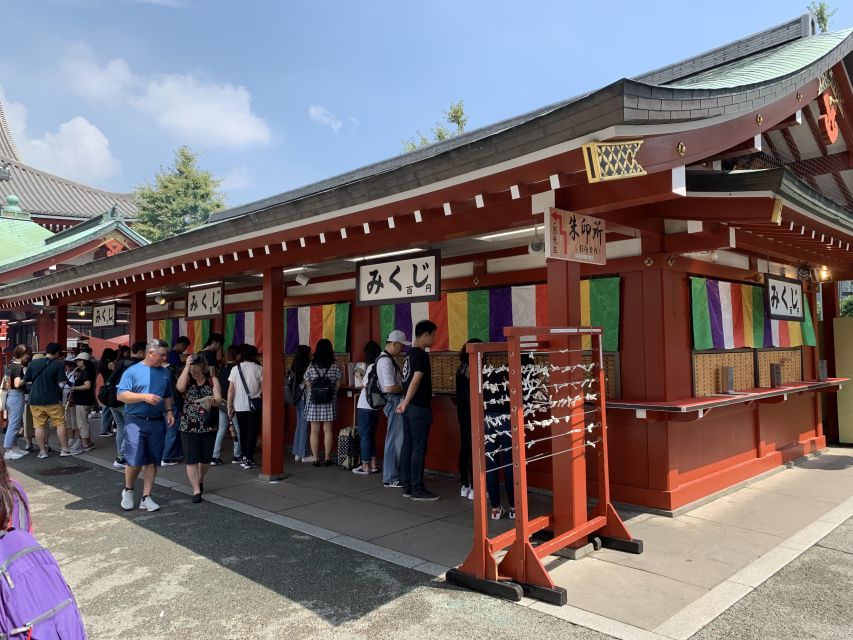
Next comes Nakamise Shopping Street. You get about 30 minutes here, guided. This stop matters because it’s where Asakusa’s visitor life is most concentrated: stalls, foot traffic, and lots of temptation.
And yes, the tour includes Japanese sweet snacks. That’s a small inclusion, but it’s the kind of comfort you notice when you’re walking for a few hours. If you’re the type who needs something in your stomach before shopping for gifts (or knives), this helps you avoid getting cranky later.
A practical tip: if you see something you genuinely want on Nakamise, consider grabbing it during your time there, not after the knife portion. Once you start thinking about blades and handles, it’s harder to switch gears back to souvenirs.
Hōzōmon Gate and Sensō-ji Temple: Why This Part Changes Your Knife Shopping
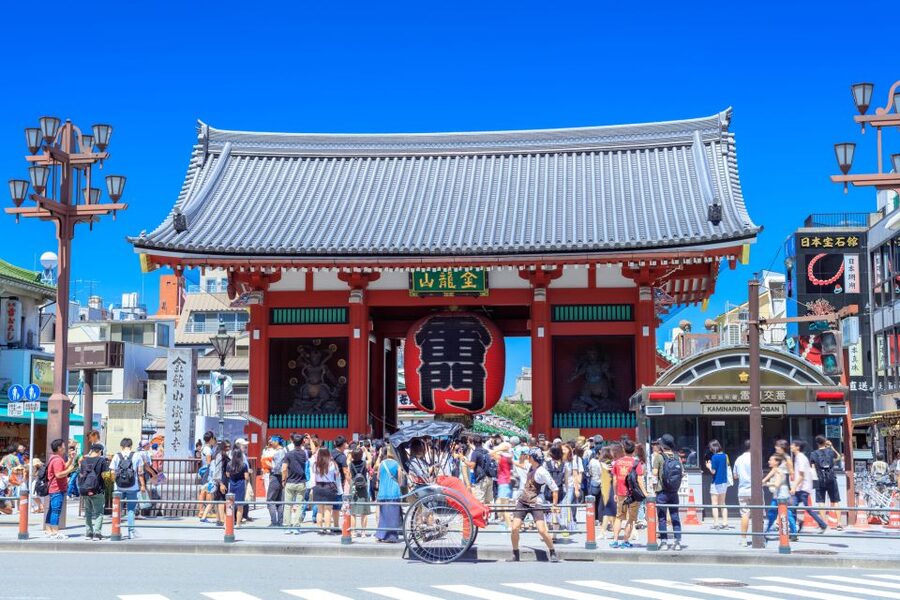
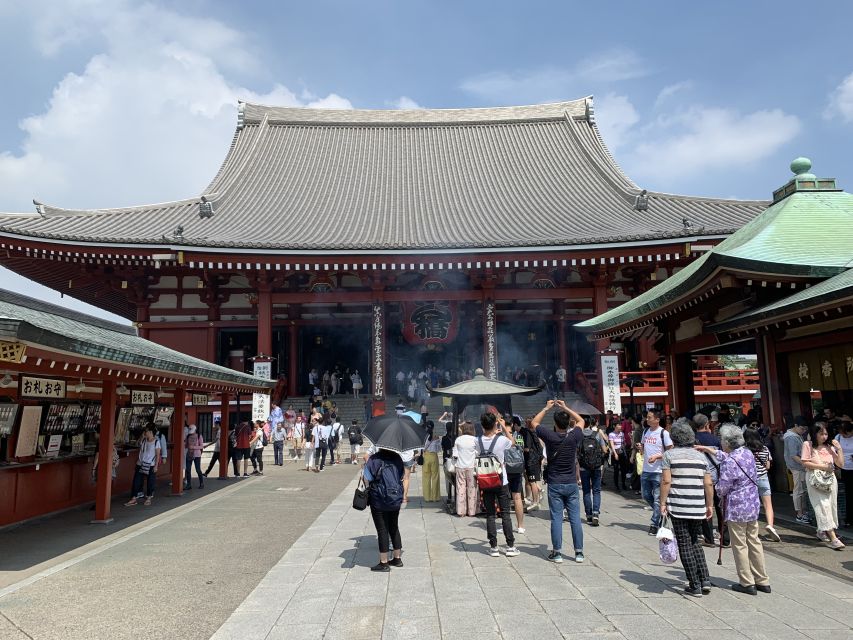
Then you walk through the Hōzōmon Gate area and to Sensō-ji Temple. Sensō-ji is described as the oldest temple in Tokyo, which gives this stop real weight. I like that your knife shopping isn’t disconnected from what came before. Asakusa isn’t just scenery—it’s a neighborhood with long-running cultural and craft connections.
Even if you’re not the world’s biggest temple person, this stop helps you understand why Asakusa and nearby streets make sense for a craft-themed shopping experience. When you’ve taken in the temple context, Kappabashi Street later feels like the logical next page: the day goes from heritage sights to practical everyday craft.
From Temple to Kappabashi Street: Where Knife Shopping Actually Makes Sense
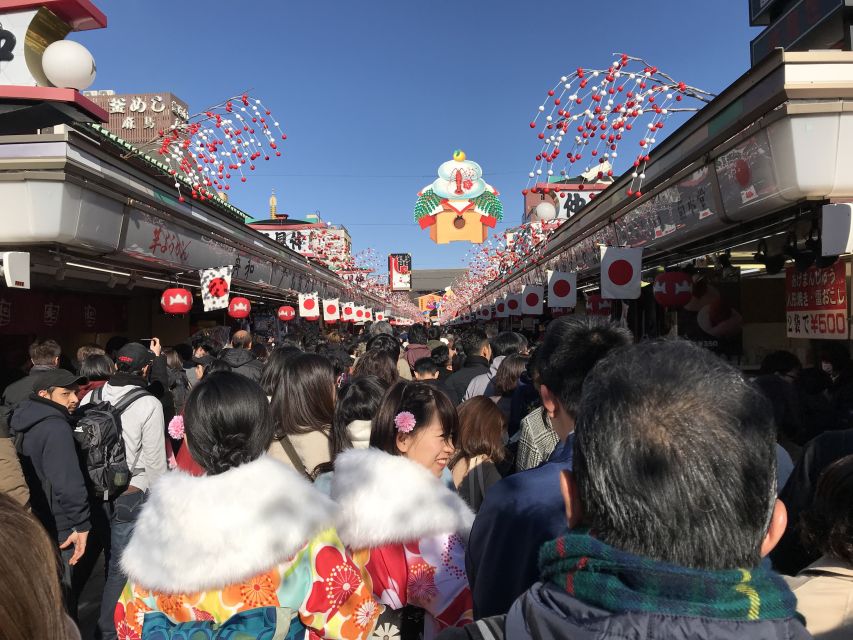
After the temple segment, you transition to Kappabashi Street for about one hour of guided shopping time. This is the part that most people come for: a street packed with stores selling what restaurant operators use.
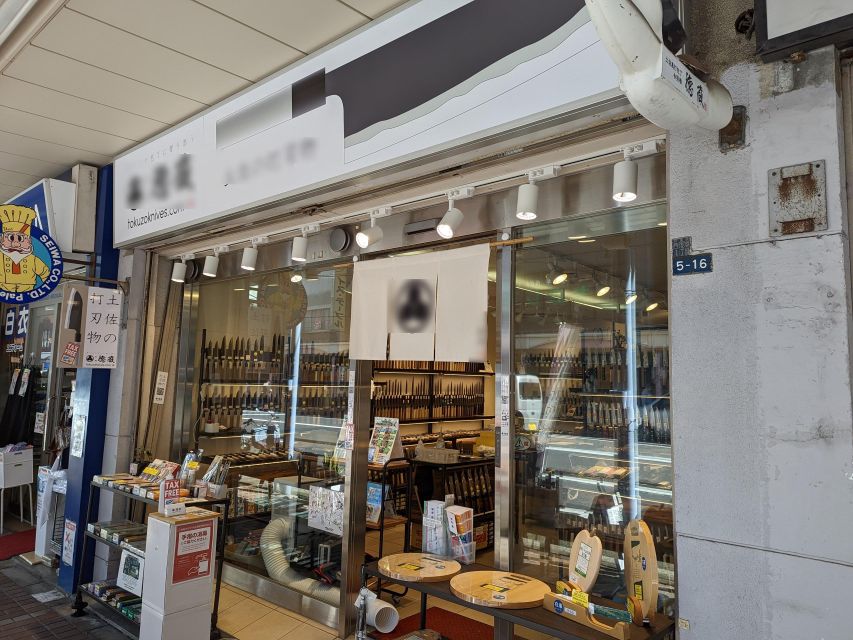
The key word here is focus. Kappabashi is adjacent to Asakusa and lined with dozens of shops, but within that chaos you’re not wandering on your own. The guide takes you to the specialized knife stores where you have the best chance of finding what you’re genuinely looking for.
You’ll likely notice two things immediately:
- Knife stores are the main theme in this area, not a side category.
- The variety is wide, since these shops aim at professionals as well as gift buyers.
One thing to keep in mind: Kappabashi can be visually overwhelming fast. One hour is enough time to look carefully, but it’s not enough time to fully compare every possible option if you’re browsing like it’s an all-day hobby. This is where the guided approach pays off—you can move with purpose.
Readers also shortlisted these Tokyo bookings:
- Tokyo: Imperial Palace and Shogun Historical Walking Tour★ 5.0 · 2,251 reviews
- Tokyo: Imperial Palace Japanese History Walking Tour★ 4.9 · 987 reviews
- Yanaka Walking Tour: Historic and Traditional District of Tokyo★ 5.0 · 530 reviews
- Tokyo: Shinjuku Historical Walking Tour & Secret Backstreets★ 5.0 · 530 reviews
- Mt. Fuji Heritage Tour: Traditional Villages, Lakes & Shrine★ 4.5 · 509 reviews
The Knife Store Part: Neutral Help, Real-World Buying Support
This tour is designed for people who want to shop for Japanese kitchen knives without doing hours of research first. That’s a specific need, and it shows in how the shopping portion is handled.
Here’s what you can count on:
- The guide helps you get to the right shops without prior detective work.
- When clerks pitch products, the guide can provide candid, neutral feedback as you listen.
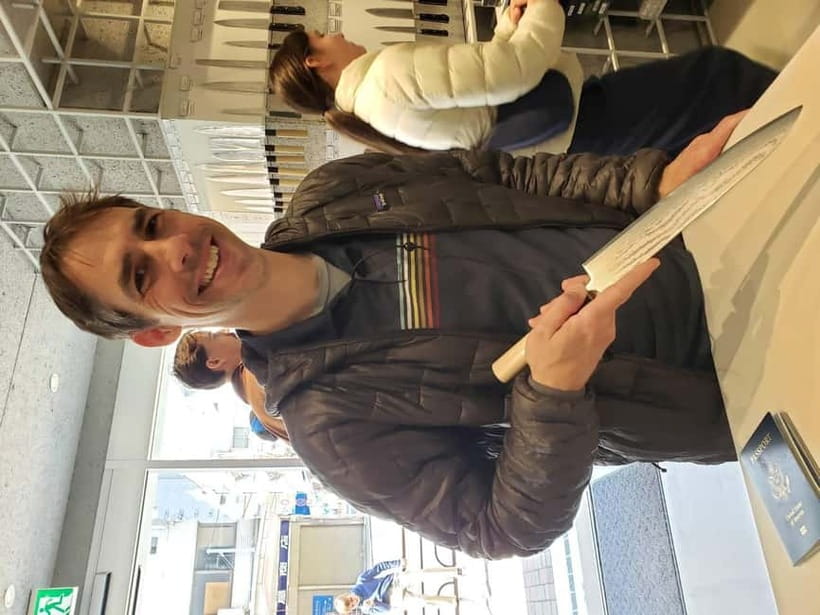
- Your guide supports you in choosing and buying what you want, including translation help when needed.
The standout in the feedback around this portion is how well some guides manage the balance between sales talk and your own decision-making. Machiko, for example, is specifically mentioned as having excellent English and going above and beyond—like translating and helping purchases—without turning the experience into a pushy sales marathon. In other words, you’re there to shop, and the guide helps you shop smarter.
How I’d use your one hour wisely
You won’t be able to do everything in one hour, so I’d treat it like this:
- Start with what you want the knife to do (your own cooking reality, not just marketing claims).
- Check handle comfort and how the knife feels in-store, if you can handle items there.
- Ask questions, then compare what you hear across more than one shop.
Even if you don’t buy anything, the time is still valuable because you’ll see the range clearly and understand why certain types are sold more often than others in these stores.
Sweet Snacks and Small-Group Comfort: Why the Tour Feels Manageable
The whole tour runs 210 minutes (about 3.5 hours) and is limited to a small group of up to 8 participants. That matters more than people think. Small groups let the guide keep everyone together at the right moments, especially on narrow shopping streets.
If your group has 3 or more people, you also get a headset system so you can hear the guide from a distance. This is a big deal in crowded areas like Nakamise and around temple approaches, where normal conversation just disappears into foot traffic.
And then there are the included snacks—again, not a huge item, but exactly the kind of “small but thoughtful” support that makes a walking-focused tour feel easier.
Price and Value: Is $77 a Smart Deal for This Tokyo Mix?
At $77 per person for 210 minutes, this tour sits in the “worth it if you care about knives” zone. Here’s how I think about value:
You’re paying for:
- An English-speaking certified guide
- A structured Asakusa history segment that brings you to major sights
- Protected time for shopping on Kappabashi without guesswork
- A supported shopping environment (translation and neutral feedback)
- Headsets for groups of 3+
- Included Japanese sweet snacks
If you were to do the sights on your own and then separately figure out which knife shops to visit, you’d spend time—and time is the hidden cost. This tour buys you efficiency and guidance in the exact area where most visitors feel lost: knife shopping in Japanese, with active sales pitches around every corner.
The price is also easier to justify if you’re buying gifts or a practical cooking tool. Even a single good purchase can tip the whole day into a strong value position.
Who This Tour Fits Best (and Who Might Want to Skip It)
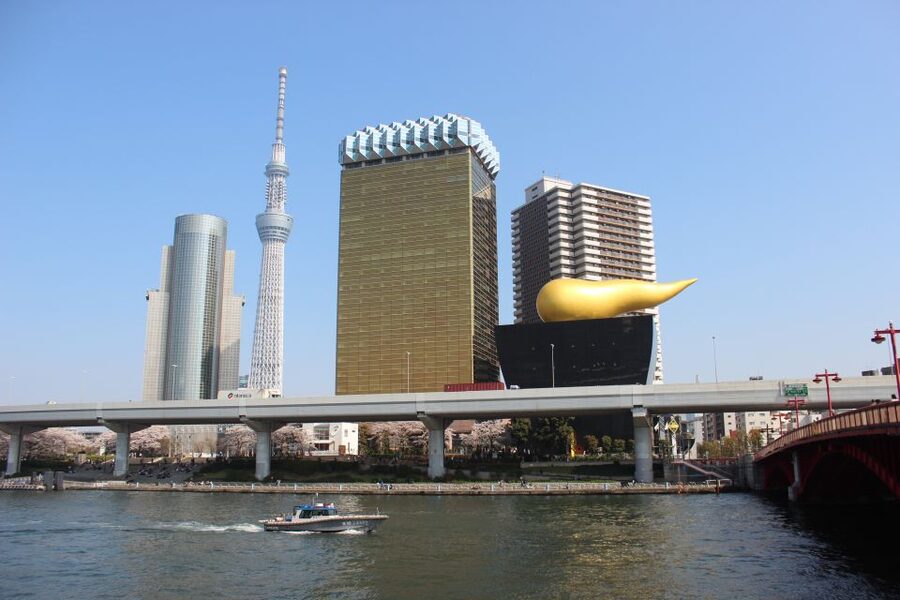
This experience fits you best if:
- You’re interested in Japanese kitchen knives and want help without doing hours of pre-research
- You want to combine iconic Asakusa sights with a single, focused shopping destination
- You appreciate a guide who can translate and keep the shopping discussion grounded
It might be less ideal if:
- You’re mainly in Tokyo for temple photos and don’t really want to shop for knives
- You hate walking for a few hours (even though the pace is guided, it’s still a walking day)
Practical Tips Before You Head Out
- Wear comfortable shoes. The day is structured around multiple walks, including Nakamise and Kappabashi.
- Bring cash or plan for whatever payment methods you expect at shops, since the tour includes buying support but doesn’t replace your own preferences.
- If it’s raining, treat the weather as part of the plan. The tour runs rain or shine.
Should You Book This Asakusa Kitchen Knife Tour?
I’d book this tour if you want a shortcut to confident knife shopping while still getting real Asakusa context. The strongest advantage is the combination: Sensoji Temple + guided route + Kappabashi shopping time with English support. It’s built for people who want to make decisions, not just collect postcards.
If you’re unsure you’ll buy a knife, that’s still okay. The hour on Kappabashi can help you understand what’s available and what different shops emphasize, and you’ll get the included snack and the history walk either way.
If your goal is purely sightseeing with no shopping agenda, consider keeping your schedule lighter. But for anyone who’s ever wondered how to shop for Japanese knives without getting lost—or overwhelmed—this is a well-structured way to do it.
FAQ
What is the duration of the tour?
The tour lasts 210 minutes.
Where does the tour meet?
You meet in front of a Burger King next to Exit 4 of Asakusa subway station (Ginza line, G19).
Is hotel pickup or dropoff included?
No, hotel pickup or dropoff is not included.
Does the tour include Sensoji Temple?
Yes, Sensoji Temple is included as part of the guided history portion.
How long do you spend on Kappabashi Street?
You spend about 1 hour on Kappabashi Street.
Are the tours rain or shine?
Yes, the tour runs rain or shine.
What language is the guide?
The guide is English-speaking, and English audio guidance is included.
Is there a headset for the guide?
Yes. If your group size is 3 or more, you’ll use an earphone headset system to hear the guide clearly.
What is included in the price?
Included: an English-speaking certified guide, the headset system for groups of 3 or more, and a selection of Japanese sweet snacks. Not included: hotel pickup/dropoff.
More Tours in Tokyo
- Mt Fuji and Hakone 1-Day Bus Tour Return by Bullet Train
★ 5.0 · 26,383 reviews - 1-Day Tokyo Bus Tour
★ 5.0 · 14,250 reviews - Tokyo: Shinjuku Food Tour (13 Dishes at 4 Local Eateries)
★ 5.0 · 6,603 reviews - Tokyo Mt Fuji 5th St & Hakone Cruise Bus Tour w/Bullet Train
★ 4.4 · 5,024 reviews - Flagship 2-Hours Official Street Go-Kart Tour – Tokyo Bay Shop
★ 5.0 · 4,974 reviews
More Tour Reviews in Tokyo
- Mt Fuji and Hakone 1-Day Bus Tour Return by Bullet Train
★ 5.0 · 26,383 reviews - 1-Day Tokyo Bus Tour
★ 5.0 · 14,250 reviews - Tokyo: teamLab Planets TOKYO Digital Art Museum Entry Ticket
★ 4.6 · 9,779 reviews - Mt Fuji & Hakone Cruise, Drum Show Bullet Train 1 Day from Tokyo
★ 4.0 · 7,413 reviews - Tokyo: Shinjuku Food Tour (13 Dishes at 4 Local Eateries)
★ 5.0 · 6,603 reviews
More Mornings in Old Asakusa
- Tokyo: Japanese Dance Cabaret Theater Asakusa-Kaguwa Ticket
★ 4.8 · 2,270 reviews - Tokyo: Meiji Shrine, Asakusa, Skytree Bus Tour and Cruise
★ 4.7 · 1,986 reviews - Tokyo: Roll and Authentic Sushi Making Class in Asakusa
★ 4.9 · 1,957 reviews - Tokyo: Asakusa Walking Tour with Sensoji Temple Visit
★ 4.8 · 1,583 reviews - Tokyo Asakusa Rickshaw Tour
★ 5.0 · 1,375 reviews
Latest Tokyo reviews off our desk






Asakusa & Sensoji Tours, compared.
 ★ 4.8Japanese Dance Cabaret Theater Asakusa-Kaguwa TicketFrom $492,270 reviews
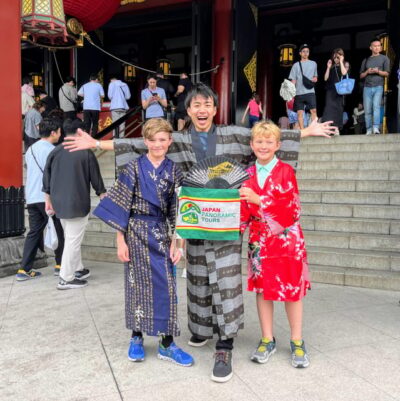 ★ 4.7Meiji Shrine, Asakusa, Skytree Bus Tour and CruiseFrom $1221,986 reviews
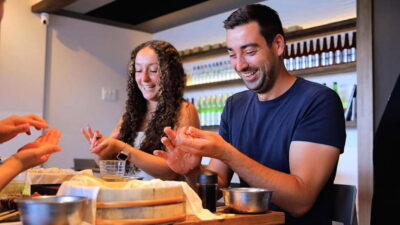 ★ 4.9Roll and Authentic Sushi Making Class in AsakusaFrom $581,957 reviews
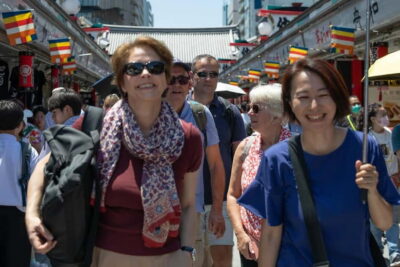 ★ 4.8Asakusa Walking Tour with Sensoji Temple VisitFrom $221,583 reviews
 ★ 5.0Tokyo Asakusa Rickshaw TourFrom $421,375 reviews
 ★ 4.5Tokyo Panoramic 1 Day: Meiji Shrine, Asakusa, Odaiba and SKYTREE®From $851,222 reviews
 ★ 5.0Tokyo Go Kart: Asakusa, Skytree, and Akihabara **IDP MUST**From $99988 reviews
 ★ 4.7Asakusa, Skytree & Akhihabara Go-Kart City ExperienceFrom $96761 reviews
Browse the lists this tour appears in