
Reviewed · SUSHI MAKING CLASSES
Create Your Own Party Sushi Platter in Tokyo
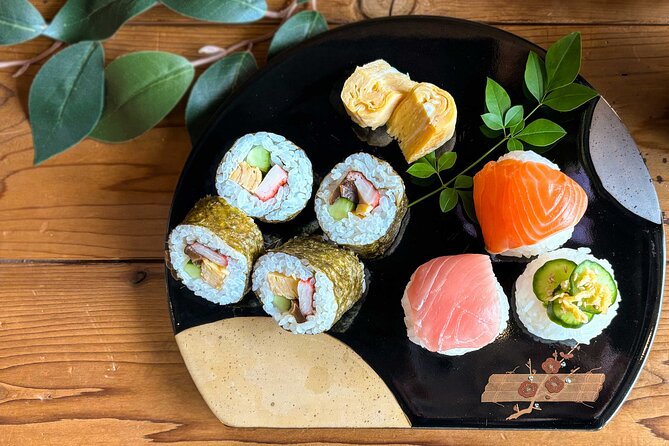
Party sushi, made step by step. This Tokyo class turns an ordinary lunch outing into a hands-on food lesson where you build a party sushi platter style meal with English support.
What makes it especially fun is the mix: you’re not only shaping sushi that looks celebratory, you’re also cooking two classic Japanese home dishes while everything stays social and relaxed in Minato City.
I love that you learn futomaki and temari-sushi from scratch, so you leave with more than a photo. I also like that lunch and ingredients are included, meaning you cook and then actually sit down to eat what you made.
One consideration: with about 2 hours total, the pace is lively. It’s great for getting competent fast, but it’s not the place for a slow, deep dive into advanced sushi technique.
In This Review
- Key highlights to know before you go
- Turning Minato City Into a Sushi Workshop You Can Repeat at Home
- Futomaki: The Thick Roll That Feels Built for Sharing
- Temari-sushi: Round, Pretty, and Made for a Platter Moment
- The Non-Sushi Bonus: Miso Soup and Tamagoyaki
- What Happens During the About-2-Hour Class Window
- English Support That Keeps You Relaxed (and Cooking Correctly)
- Price and Value: Why $100.73 Can Make Sense
- Who Should Book This Sushi Platter Workshop
- Practical Tips to Get Better Results (Without Overthinking It)
- Should You Book This Create Your Own Party Sushi Platter Class?
- FAQ
- What sushi styles will I learn to make?
- How long is the experience?
- Where does the class start, and where does it end?
- What time does the class start?
- What’s included in the price?
- Is transportation included?
- Are the instructors English-speaking?
- How big is the group?
- What is the cancellation policy?
Key highlights to know before you go
- Futomaki and temari-sushi together: you’ll make both the thick roll style and the round, party-bowl style sushi
- Japanese home cooking in the mix: miso soup and tamagoyaki are part of the lesson, not just side dishes
- English-speaking instructors: side-by-side help with chat, care, and clear guidance
- You eat your results: lunch is included, so your platter is part meal, part reward
- Group size stays manageable: up to 40 people total, with a minimum of 4 per booking
Turning Minato City Into a Sushi Workshop You Can Repeat at Home
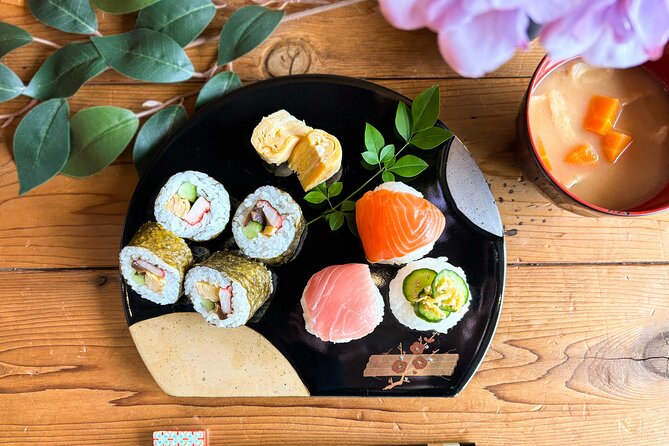
Tokyo has sushi classes in lots of styles. This one is designed around a simple promise: you’ll learn how to create sushi that fits a celebration, then you’ll eat it as lunch. The class focuses on two party-friendly sushi types—futomaki and temari-sushi—plus two everyday home dishes: miso soup and tamagoyaki.
What I like about this setup is how it connects technique to real life. Futomaki gives you structure: rolling and layering. Temari-sushi gives you presentation: shaping into rounds topped with sashimi and vegetables. And once you add miso soup and tamagoyaki, you get a full Japanese meal rhythm that’s easy to copy at home.
If you’re traveling with friends, this is also a social format that doesn’t feel awkward. The instructors work with you in English, side by side, so you’re not stuck decoding hand signals. And because you’re cooking, conversation comes naturally: How are you shaping that roll? Does your rice feel right? What topping combo are you using?
More sushi counters to book, ranked
- Sushi Making Tokyo Roll and Authentic Japanese Sushi Class
★ 5.0 · 3,971 reviews - Tokyo: Roll and Authentic Sushi Making Class in Asakusa
★ 4.9 · 1,957 reviews - Make Sushi and Create Unforgettable Memories in Tokyo
★ 5.0 · 1,413 reviews - Tokyo: Sushi Making Class in a Happi Coat near a Famous Spot
★ 4.9 · 1,377 reviews
Futomaki: The Thick Roll That Feels Built for Sharing
Futomaki is a bold choice for a class because it’s visually satisfying and practical. In this lesson, you learn the basics of making it from scratch: it’s a thick roll with sushi rice and multiple ingredients arranged on a sheet of nori.
Here’s why futomaki is a smart “first big win.” It’s forgiving in the way party food should be. Even if your lines aren’t perfect, the roll still communicates the idea: chunky, layered, festive. You’re also learning a core sushi skill—assembling ingredients with intention—rather than just following a single step.
In your kitchen-at-home future, futomaki is the platter-builder. You can adapt fillings to what you can find locally, and you can scale it for gatherings because the roll naturally becomes slices. If you’ve ever wanted the look of a Japanese sushi party without paying for takeout trays, this is the foundation.
Temari-sushi: Round, Pretty, and Made for a Platter Moment
Temari-sushi is where the class gets extra playful. This style is made from a round formed piece of rice topped with sashimi and vegetables, which makes it instantly party-ready. You’re not just rolling here—you’re shaping and topping.
Temari-sushi also teaches a different kind of control. With a roll, you manage alignment as you go. With a round, you manage form and balance: the rice shape has to hold, and the toppings should sit nicely so each piece looks intentional.
And because it’s built to be eaten as individual pieces, it’s perfect for sharing. Think of it as platter food with built-in portions. When you make temari, you’re not only learning sushi—it’s also a presentation skill you can reuse for any party menu where you want people to pick up something pretty without complicated serving.
The Non-Sushi Bonus: Miso Soup and Tamagoyaki
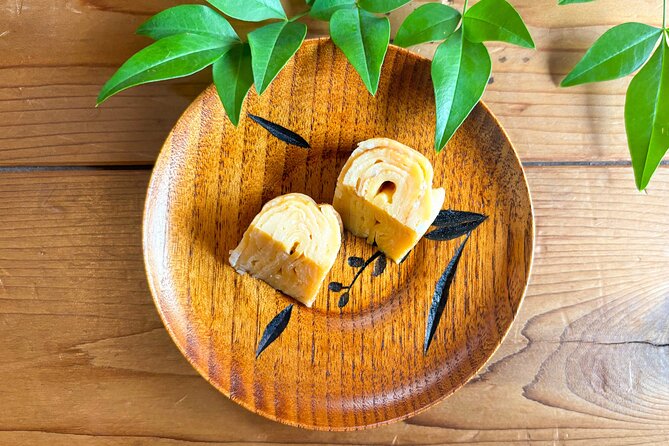
Most sushi experiences focus only on sushi. This one adds two home-style staples: miso soup and tamagoyaki, the Japanese rolled omelet.
Why this matters for your day: miso soup and tamagoyaki help you understand Japanese cooking beyond a single technique. You’re learning a flavor baseline (miso soup) and a texture-and-method dish (tamagoyaki). Together, they round out what you’re doing with your hands and your palate.
If your goal is to bring something home that feels genuinely Japanese, these two dishes are strong choices. They’re simple in the sense that they’re common, but they’re not boring. They teach you the rhythm of a meal: warm soup, savory egg, and your handmade sushi pieces on the side.
Even if you’re not planning to cook constantly when you get back, tamagoyaki is the kind of dish that makes you feel capable fast. And miso soup is hard to mess up once you understand the basics, especially because it’s forgiving with how you serve it alongside other items.
What Happens During the About-2-Hour Class Window
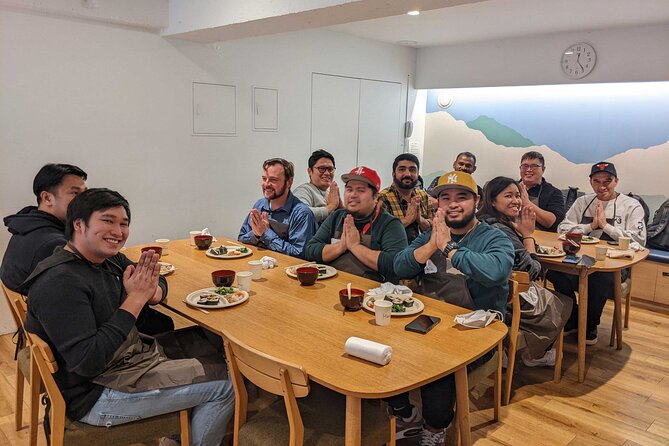
This experience runs about 2 hours, starting at 11:30am. That timing is excellent for a trip day where you want food-centered fun without losing the afternoon.
In a class like this, the flow usually works like this: you get a clear introduction, you make futomaki and temari-sushi from scratch, and you also prepare miso soup and tamagoyaki so lunch is truly part of the lesson. The instructors support you with hands-on guidance and English conversation, so you can ask questions while you’re working rather than waiting until you’re finished.
Here’s how to think about the pace. Two hours is enough to learn, shape, and eat—especially when ingredients are provided and the instruction is targeted. It’s not enough to become a sushi artisan, but it is enough to leave with confidence and a repeatable process. That’s exactly what makes this a good value choice for many visitors.
- Tokyo: Shinjuku Food Tour (13 Dishes at 4 Local Eateries)★ 5.0 · 6,603 reviews
- Tokyo Mt Fuji 5th St & Hakone Cruise Bus Tour w/Bullet Train★ 4.4 · 5,024 reviews
- Flagship 2-Hours Official Street Go-Kart Tour – Tokyo Bay Shop★ 5.0 · 4,974 reviews
- From Tokyo: Mount Fuji Full-Day Sightseeing Trip★ 4.5 · 4,970 reviews
- Tokyo: Hop-On Hop-Off Sightseeing Bus Ticket★ 3.9 · 4,207 reviews
English Support That Keeps You Relaxed (and Cooking Correctly)
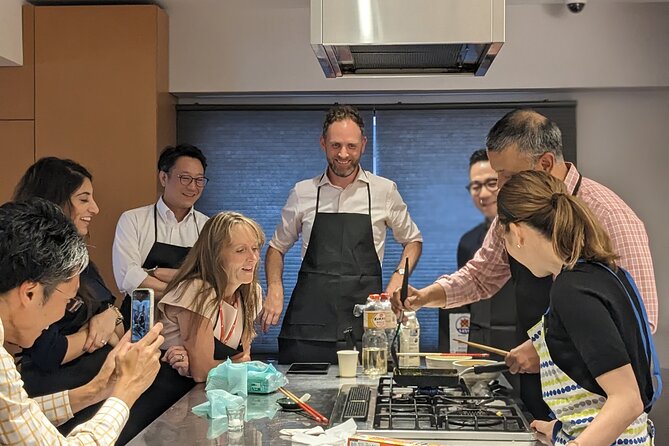
A big practical win here is the instructor format. You get English-speaking instructors who work side by side with you, with chats and care. That matters because sushi-making isn’t only about steps; it’s about feel—rice texture, how tightly you roll, and how you shape toppings.
When instruction is in your language, you can correct technique as you go. You’re less likely to end up with a tray of food you’re not sure how to improve. Instead, you get real-time feedback, which helps you learn faster.
It also makes the class more comfortable if you’re not a confident cook. You’re not expected to have prior sushi skills. The lesson is built around teaching from scratch, so your goal is learning and enjoying the process, not proving competence.
Price and Value: Why $100.73 Can Make Sense
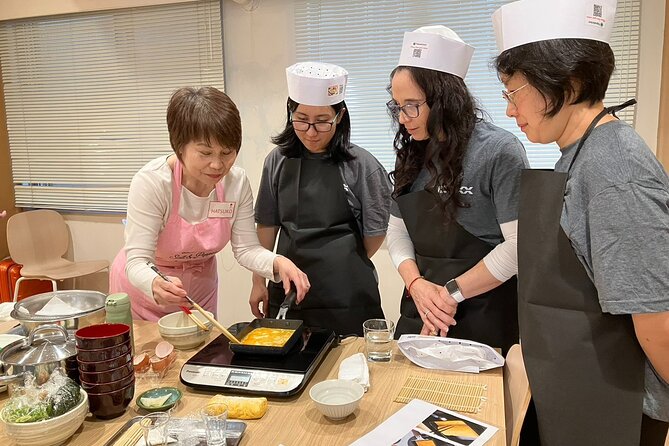
The price is $100.73 per person for a roughly two-hour experience. It includes lunch, the cooking experience, and ingredients. Transportation is not included (private transportation isn’t part of the deal), so you’ll plan to get yourself to the meeting area in Minato City.
Value-wise, here’s the honest math. If you went out for sushi and also wanted a home-cooking style meal, you’d still likely pay a similar amount in Tokyo—especially for a sit-down lunch with quality ingredients. But this class adds something restaurants can’t: hands-on instruction plus a meal you created yourself.
The fact that it’s specifically a sushi-platter lesson is also key. You’re not just doing one small item; you’re making multiple components (two sushi styles and two home dishes), which spreads the cost over a full cooking-and-eating session. For friend groups, it can also become an experience you remember every time you try the dishes again at home.
Who Should Book This Sushi Platter Workshop
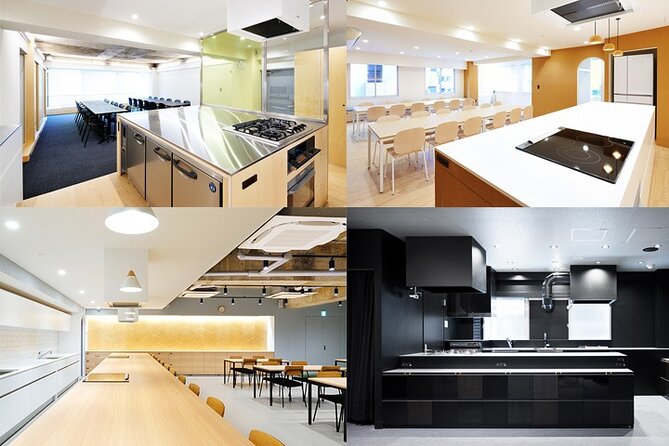
This is a great fit if you want a Tokyo experience that’s active, social, and food-focused. It especially suits:
- friend groups looking for teambuilding that doesn’t feel forced
- people who want a memorable lunch that’s more than just eating
- anyone who wants skills that translate into a party meal later
It may be less ideal if you’re the type who wants a long, quiet, extremely detailed culinary workshop. With a two-hour window, the class is designed to be productive and fun, not endlessly granular.
Practical Tips to Get Better Results (Without Overthinking It)
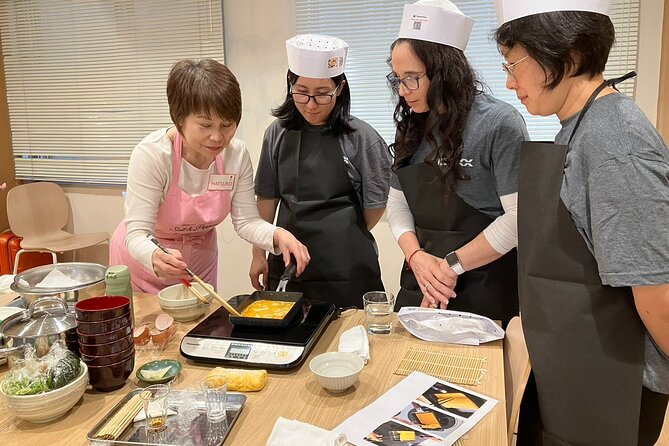
You don’t need special gear for a cooking class like this, but you can help yourself by showing up ready to work with care. Here are a few smart habits that fit the style of the lesson:
- Pay attention early to rice feel. Sushi is built on rice behavior, so if rice seems off, ask right away.
- Go for clean assembly, not perfection. Futomaki and temari-sushi are both about presentation, and the goal is that party look.
- Plan to eat your work. Lunch is included, so don’t rush through the fun part at the end.
- Ask questions in the middle, not at the end. The English support is there so you can adjust as you go.
- Taste and adjust if you can. Even small changes in seasoning or balance can make the meal feel more confident.
The best outcome is that you leave thinking, I can do this again. That’s the real souvenir.
Should You Book This Create Your Own Party Sushi Platter Class?
If your travel style leans toward hands-on experiences and memorable meals, I think this is a very solid booking. You get a full Japanese lunch format: party sushi made from scratch (futomaki and temari-sushi), plus miso soup and tamagoyaki. With English-speaking instructors working side by side, you’re set up for success rather than confusion.
Book it if you’re traveling with friends, want a lunch you’ll talk about later, and want skills that work beyond Tokyo. Skip it if you’re only craving sushi and nothing else, or if you already know you want a longer, more technical workshop.
FAQ
What sushi styles will I learn to make?
You’ll learn futomaki and temari-sushi from scratch. The class also includes learning how to make miso soup and tamagoyaki.
How long is the experience?
It runs for about 2 hours.
Where does the class start, and where does it end?
The class starts in Minato City, Tokyo, Japan, and it ends back at the meeting point.
What time does the class start?
The start time is 11:30 am.
What’s included in the price?
Lunch, the cooking experience, and ingredients are included.
Is transportation included?
No. Private transportation is not included.
Are the instructors English-speaking?
Yes. English-speaking instructors support you side by side during the lesson.
How big is the group?
There is a maximum of 40 travelers. A minimum of 4 people per booking is required.
What is the cancellation policy?
This experience is non-refundable and cannot be changed for any reason. If it’s canceled because the minimum number of travelers isn’t met, you’ll be offered a different date or a full refund.
More Tour Reviews in Tokyo
- Mt Fuji and Hakone 1-Day Bus Tour Return by Bullet Train
★ 5.0 · 26,383 reviews - 1-Day Tokyo Bus Tour
★ 5.0 · 14,250 reviews - Tokyo: teamLab Planets TOKYO Digital Art Museum Entry Ticket
★ 4.6 · 9,779 reviews - Mt Fuji & Hakone Cruise, Drum Show Bullet Train 1 Day from Tokyo
★ 4.0 · 7,413 reviews - Tokyo: Shinjuku Food Tour (13 Dishes at 4 Local Eateries)
★ 5.0 · 6,603 reviews
More Sushi Counters to Book
- Sushi Making Tokyo Roll and Authentic Japanese Sushi Class
★ 5.0 · 3,971 reviews - Tokyo: Roll and Authentic Sushi Making Class in Asakusa
★ 4.9 · 1,957 reviews - Make Sushi and Create Unforgettable Memories in Tokyo
★ 5.0 · 1,413 reviews - Tokyo: Sushi Making Class in a Happi Coat near a Famous Spot
★ 4.9 · 1,377 reviews - Tokyo Sushi Making Class in Tsukiji with Professional Chef
★ 5.0 · 1,177 reviews
Latest Tokyo reviews off our desk






Sushi Making Classes, compared.
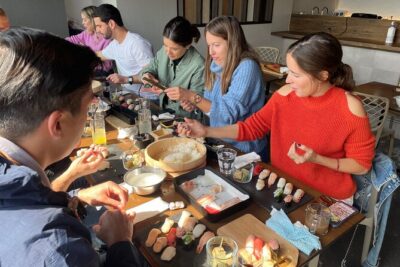 ★ 5.0Sushi Making Tokyo Roll and Authentic Japanese Sushi ClassFrom $593,971 reviews
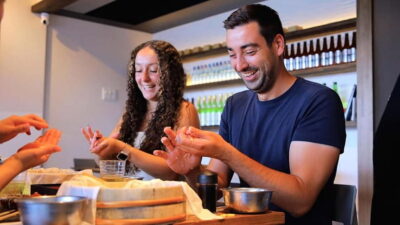 ★ 4.9Roll and Authentic Sushi Making Class in AsakusaFrom $581,957 reviews
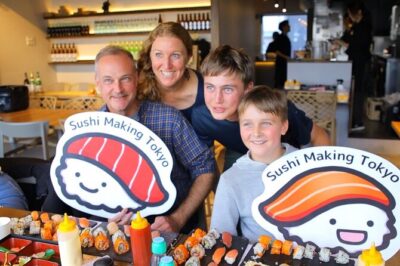 ★ 5.0Make Sushi and Create Unforgettable Memories in TokyoFrom $791,413 reviews
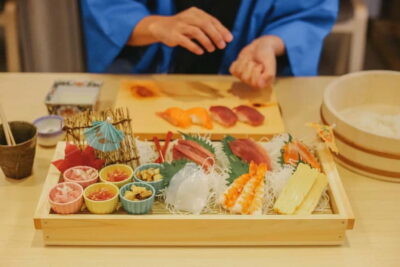 ★ 4.9Sushi Making Class in a Happi Coat near a Famous SpotFrom $421,377 reviews
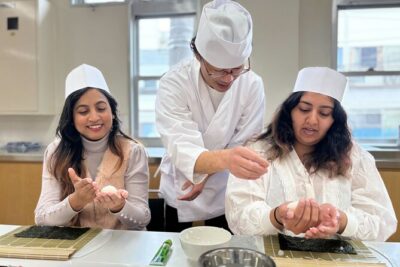 ★ 5.0Tokyo Sushi Making Class in Tsukiji with Professional ChefFrom $491,177 reviews
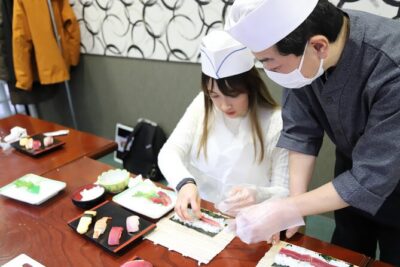 ★ 5.0Tsukiji Fish Market Guided Tour and Sushi Making with Pro ChefFrom $104775 reviews
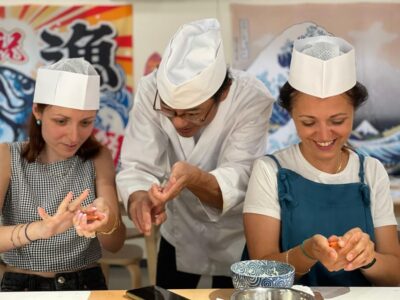 ★ 4.9Tsukiji Fish Market Sushi Making Class with Pro ChefFrom $63506 reviews
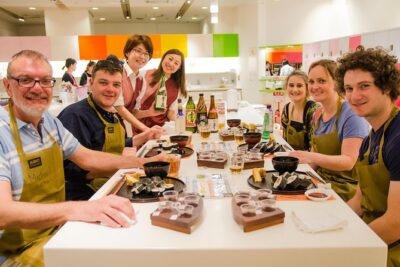 ★ 5.0Tokyo Tsukiji Fish Market Tour and Sushi Making LessonFrom $99390 reviews
Browse the lists this tour appears in