
Reviewed · WORKSHOPS
Experience Big soba knife Soba Making Class in Tokyo Kappabashi
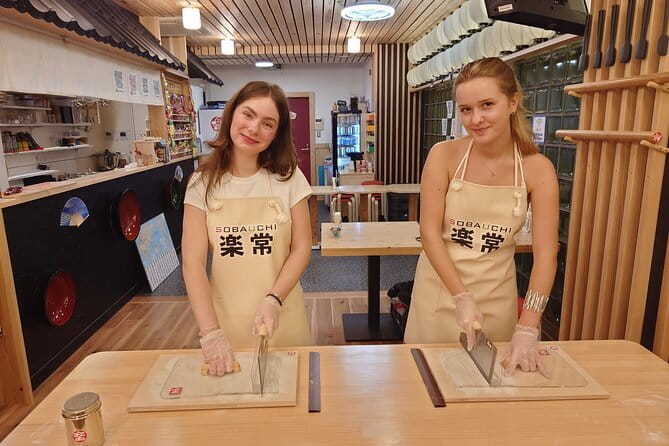
Soba noodles meet sharp knives. This hands-on soba making class is built for easy participation and real technique, set in Tokyo’s kitchen-tools neighborhood around Kappabashi and Asakusa. I like the hassle-free setup with aprons and gloves provided, and I also like that you finish by tasting what you cut and made.
A smart upside here is you’re not left hungry: you eat your noodles as a snack or meal at the end. The small-group limit of up to 15 also helps keep the pace friendly and the instruction clear.
One thing to plan around: you can’t enter if you have buckwheat allergies, and certain flavor options like vegan or no-pork add a 500 yen fee.
In This Review
- Key Things to Know Before You Go
- Why This Soba Class Belongs in Your Asakusa Plan
- Getting Oriented in Asakusa and Kappabashi
- Open Kitchen Studio: The Space and How the Class Runs
- Step-by-Step Soba Noodle Making (No Wheat Flour)
- The Knife Work: A Real Craft Skill, Not a Prop
- Taste What You Cut: Snacks, Meal Options, and Take-Home Noodles
- Optional Matcha Soba and Sake Pairing
- Gear, Comfort, and the Small-Group Advantage (Up to 15)
- Price and Value: Is 51.33 USD Worth It?
- Practical Tips for a Smooth Experience
- Who Should Book This Soba Making Class (And Who Might Skip)
- Should You Book Sobagiri Rakujyo’s Soba Class?
- FAQ
- How long is the soba making class?
- What’s included in the price?
- Do I get to taste what I make?
- Is the class only for beginners?
- Are there dietary options?
- What about buckwheat allergies?
- How big are the groups?
- Is there any cancellation flexibility?
Key Things to Know Before You Go
- Kappabashi location: you’ll start near Asakusa and head into Tokyo’s tool-shopping street area tied to cooking professionals
- Small-group cap (15): enough hands-on time without feeling rushed
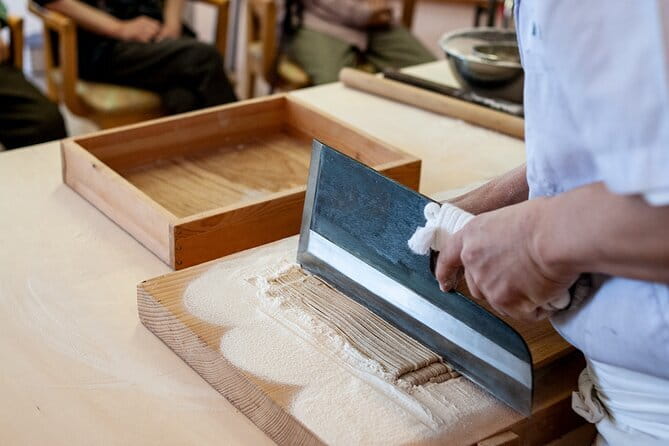
- No wheat flour approach: you learn soba making from buckwheat dough using a large soba knife
- Technique in 4 steps: water, kneading, stretching, and cutting, taught in a fast, repeatable flow
- You taste + take home: eat what you make, with the option to take noodles out
- Extras that are easy to add: matcha soba (700 yen) and a three-type sake tasting (1500 yen) are available as options
Why This Soba Class Belongs in Your Asakusa Plan
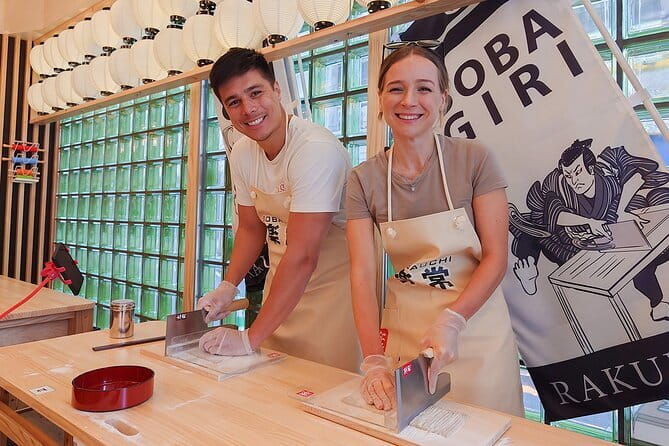
Tokyo food experiences can fall into two camps: watch-and-wait, or hands-on and messy. This one leans hard toward the second. You get to work with buckwheat dough and a soba-specific knife, in a lesson designed to help you actually produce noodles, not just admire them.
The setting also helps. Kappabashi is known as Tokyo’s kitchen town, where chefs come to source pro tools, and that energy makes a noodle class feel more grounded. You’re not just learning food culture in theory—you’re learning craft in the part of town that supports craft.
And yes, it’s short. The class runs about 50 minutes, with noodle making taught as a 30-minute process. That means it fits neatly between temple time in Asakusa and a late dinner somewhere else.
Readers also shortlisted these Tokyo bookings:
- Sushi Making Tokyo Roll and Authentic Japanese Sushi Class
★ 5.0 · 3,971 reviews - Tokyo: Roll and Authentic Sushi Making Class in Asakusa
★ 4.9 · 1,957 reviews - Tokyo Shinjuku Chopsticks Making Class
★ 5.0 · 1,763 reviews - Tokyo: Sushi Making Class in a Happi Coat near a Famous Spot
★ 4.9 · 1,377 reviews
Getting Oriented in Asakusa and Kappabashi
Your experience starts back at the meeting point in Taito City, Matsugaya (Matsugaya Center Building area). From there, you’ll head into the Asakusa and Kappabashi tool-street zone and settle into the Open Kitchen Studio setup in the Kappabashi area.
Timing is also practical. The studio is about 25 minutes from Sensoji Temple in Asakusa, so if your day is built around Sensoji photos and snacks, this class becomes a natural next stop. Plus, the studio is a spacious open ground-floor restaurant that can handle up to 30 people, which helps the whole operation stay calm even with a small class.
If you like your activities to feel structured, this place is built for that. The whole flow is organized around a short teaching window, with gear ready when you arrive.
Open Kitchen Studio: The Space and How the Class Runs
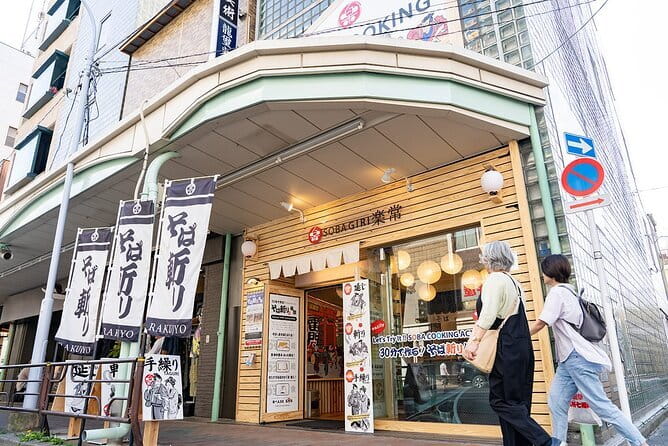
The class takes place at Open Kitchen Studio in the Kappabashi/Asakusa area. It’s described as a spacious open ground-floor restaurant space, which matters more than you’d think when you’re making noodles. You need room to work with your hands and with the knife without bumping into strangers every two minutes.
You’ll see how they manage the mix of experience levels. Some people handle dough confidently; others are learning knife grip from scratch. The lesson format keeps things straightforward: water, knead, stretch, cut, then finish with tasting.
Also, you’re not doing this with a cold-blooded sink-or-swim vibe. Instructor communication can be light on English, but the style is meant to land anyway. Based on past guest feedback, the instructor uses humor and clear technique demonstrations so you can follow along without getting stuck.
Step-by-Step Soba Noodle Making (No Wheat Flour)
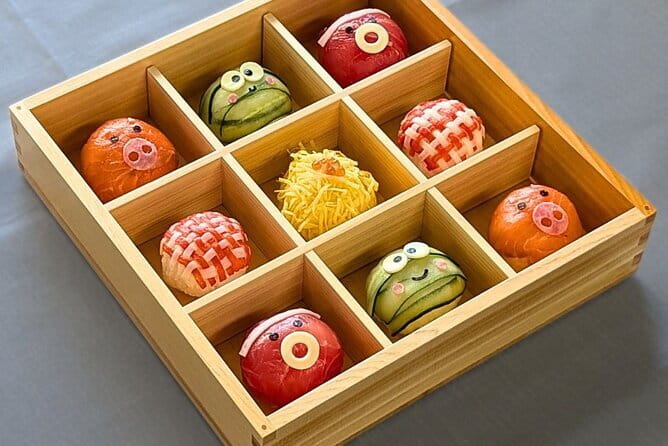
This is the heart of the experience: making authentic Japanese soba noodles using buckwheat flour produced in Nagano Prefecture. You’ll learn a method that works in four steps: adding water, then kneading, stretching, and cutting.
Here’s how to think about each stage so you know what to pay attention to:
- Adding water is about getting the dough to come together. Too dry and it won’t stretch; too wet and it can feel sticky and weak.
- Kneading builds texture and consistency. The goal isn’t speed—it’s making the dough behave.
- Stretching is where the noodles start to take shape. This step is taught so you can create the long, thin result they’re after.
- Cutting is the knife skill part. You’ll use a large knife specially designed for soba, and that’s what turns dough into noodles.
One of the best practical parts: the class is set up to be repeated. Even if your first noodles aren’t perfect, the technique is taught in a way that makes people feel like they could try again on their own later.
And there’s an environmental angle. The experience is described as eco-friendly and electricity-free, which fits with the idea of food craft you can do by hand. It’s a nice reminder that some of the most memorable travel moments are low-tech and still high-skill.
The Knife Work: A Real Craft Skill, Not a Prop
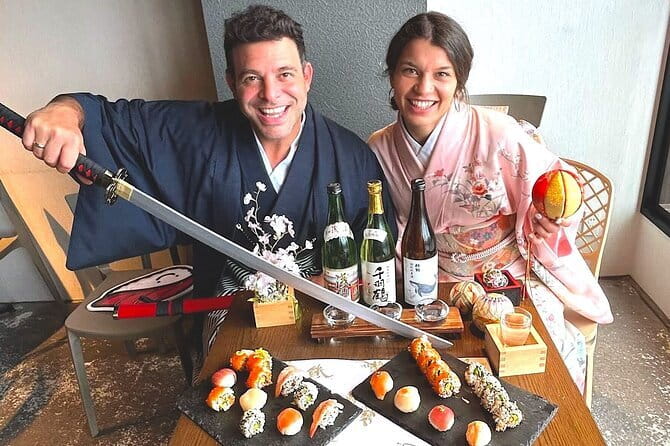
Using a soba-specific knife sounds dramatic, but it’s not there for show. The knife is part of the correct noodle shape and cutting style. If you’ve never handled one, this is a controlled introduction instead of a risky first attempt.
The instructor approach matters here. Feedback highlights that demonstrations are detailed, and the teaching style is both informational and entertaining. You’ll get the proper techniques rather than vague tips, and that’s why people leave feeling they learned something real.
If you’re nervous about handling sharp tools, you’ll likely relax once you start. The class structure is short, equipment is provided, and the pace is set so you can focus on one step at a time.
- Tokyo: Shinjuku Food Tour (13 Dishes at 4 Local Eateries)★ 5.0 · 6,603 reviews
- Tokyo Mt Fuji 5th St & Hakone Cruise Bus Tour w/Bullet Train★ 4.4 · 5,024 reviews
- Flagship 2-Hours Official Street Go-Kart Tour – Tokyo Bay Shop★ 5.0 · 4,974 reviews
- From Tokyo: Mount Fuji Full-Day Sightseeing Trip★ 4.5 · 4,970 reviews
- Tokyo: Hop-On Hop-Off Sightseeing Bus Ticket★ 3.9 · 4,207 reviews
Taste What You Cut: Snacks, Meal Options, and Take-Home Noodles
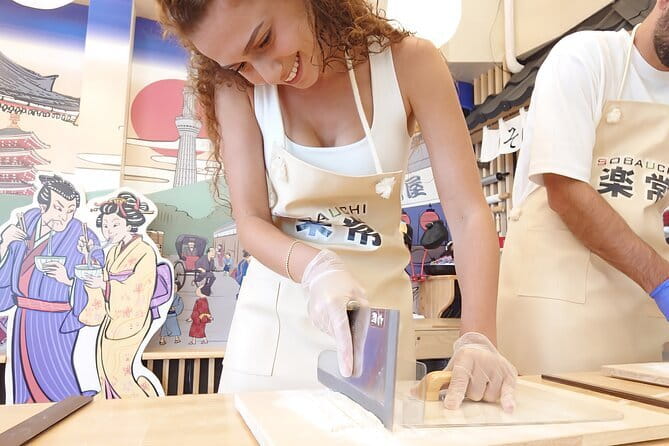
This class earns its place with a simple rule: you don’t just make soba, you eat it. At the end, you can taste your noodle creation as a meal or as a snack, depending on how you want to pace your day.
They also make it clear you can take noodles out. That’s a big value move. It means this activity doesn’t end when you step away from the studio—you get food you made at home later, when you can savor it on your own schedule.
If you like planning around appetite, this is useful. It prevents the classic travel problem where you do an activity and then have to scramble for lunch. Here, the class is designed to stop at the right time so you can eat what you produced.
Optional Matcha Soba and Sake Pairing
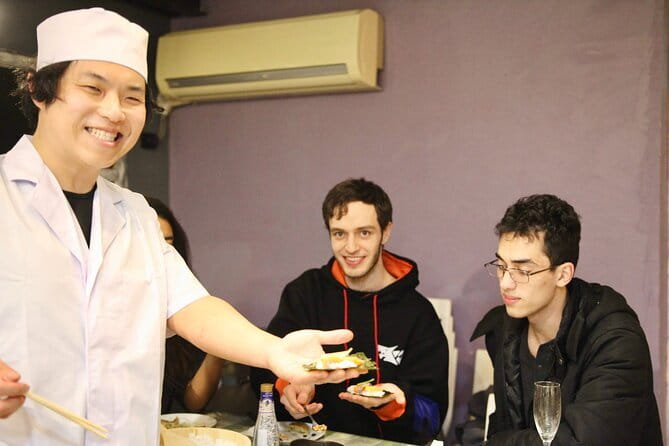
If you want to go beyond plain buckwheat soba, there are options. You can add matcha soba (700 yen), where matcha green tea is mixed into the soba flour. You can also add a three-type sake option (1500 yen), chosen and compared carefully by the owner.
These add-ons are worth considering if you enjoy Japanese flavor layering. Matcha changes the aroma and feel of the noodles, and sake pairing is a fun cultural detail if you’re already in a tasting mindset.
If you’re traveling on a tight budget, you can skip extras and still get a full experience. The class itself already includes the core “make, taste, and take home” flow.
Gear, Comfort, and the Small-Group Advantage (Up to 15)
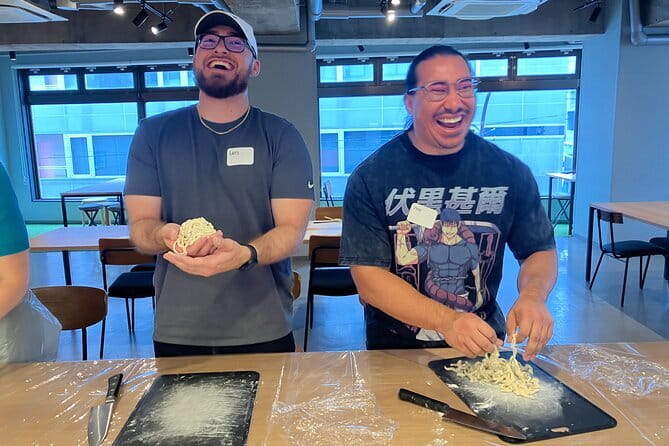
Aprons and gloves are provided in various sizes, and that matters because noodle dough can be sticky. It also keeps the mess predictable, which helps you enjoy the experience instead of worrying about ruined clothes.
The group size is capped at 15. That size hits a sweet spot. You can get attention and still keep energy lively. It’s also a good sign if you’re someone who likes activities where you don’t spend half your time waiting for the group.
For what it’s like socially, there’s a hint from how the class tends to attract different party types: couples top the list, then families with children, then groups of four or more friends. That tells me it’s flexible—serious enough for food nerds, approachable enough for first-timers.
Price and Value: Is 51.33 USD Worth It?
The price is listed as $51.33 per person, and it includes all fees and taxes. You also get snacks (from tasting what you cut), plus aprons and gloves.
So what are you really buying for that amount?
You’re paying for:
- A structured, guided lesson on soba craft (not just watching)
- Access to the right tools, including a large soba knife
- Hands-on instruction in four steps that lead to edible results
- The food payoff at the end (tasting) and the option to take noodles out
Compared with many food experiences that end at a tasting table, this offers a skill you can remember and repeat. That’s where the value sits. If you want “I learned something” from Japan food, this class fits.
If you’re adding vegan or no-pork options, note there’s an additional 500 yen charge. Extras like matcha soba and sake are optional.
Practical Tips for a Smooth Experience
Here are a few grounded tips to help you get the most out of your time:
- Wear clothes you don’t mind getting slightly dough-adjacent, even with gloves and aprons.
- If you’re planning other Asakusa stops, treat this as a lunch-solver. The class includes tasting, so you can build your day without panic searching.
- If you have dietary needs, decide early. The vegan or no-pork option costs extra, and buckwheat allergies mean you can’t enter.
- If you’re taking photos, be ready for instruction moments. Past guests mention that the instructor films and takes photos and shares them, which can help you capture progress without turning the class into a selfie session.
Who Should Book This Soba Making Class (And Who Might Skip)
This class is a strong match if you want a short, focused skill workshop in a real food district. You’ll enjoy it most if you like doing things with your hands and eating what you make.
It also suits families and mixed groups, since it runs about 50 minutes and uses a structured teaching flow. Couples also tend to love it, likely because it’s interactive and gives you a shared activity with an edible result.
You should consider skipping if:
- You have a buckwheat allergy (you can’t enter the restaurant)
- You’re seeking a long sit-down meal or a broad sightseeing tour instead of a craft lesson
Should You Book Sobagiri Rakujyo’s Soba Class?
Book it if you want an authentic Tokyo food experience you can participate in, not just observe. The combination of small-group instruction, a clear 4-step method, and the payoff of eating what you cut is a rare triple win.
Skip it if you’re allergic to buckwheat or you’re looking for a full-day cultural itinerary with lots of walking. This is a compact activity. It works best when you use it as a centerpiece food stop in an Asakusa/Kappabashi day.
If that matches your travel style, this class is the kind of thing you’ll remember long after the photos fade—because your hands were part of the meal.
FAQ
How long is the soba making class?
The class duration is about 50 minutes (approx.).
What’s included in the price?
All fees and taxes are included. You also get snacks from tasting your soba, plus aprons and gloves in various sizes.
Do I get to taste what I make?
Yes. You taste the soba noodles at the end, and you can also take the noodles you made.
Is the class only for beginners?
It’s designed to be accessible and organized, with clear steps in adding water, kneading, stretching, and cutting. The class size is limited to keep instruction manageable.
Are there dietary options?
There are options mentioned like matcha soba and also a vegan or no-pork flavor option that has an additional 500 yen fee.
What about buckwheat allergies?
If you have buckwheat allergies, you are not permitted to enter the restaurant.
How big are the groups?
The experience has a maximum of 15 travelers.
Is there any cancellation flexibility?
You can cancel up to 24 hours in advance for a full refund. If you cancel less than 24 hours before the start time, the amount paid is not refunded.
More Workshops in Tokyo
- Sushi Making Tokyo Roll and Authentic Japanese Sushi Class
★ 5.0 · 3,971 reviews - Tokyo: Roll and Authentic Sushi Making Class in Asakusa
★ 4.9 · 1,957 reviews - Tokyo Shinjuku Chopsticks Making Class
★ 5.0 · 1,763 reviews - Tokyo: Sushi Making Class in a Happi Coat near a Famous Spot
★ 4.9 · 1,377 reviews - Chopstick Making Workshop in Ginza
★ 4.8 · 1,366 reviews
More Tour Reviews in Tokyo
- Mt Fuji and Hakone 1-Day Bus Tour Return by Bullet Train
★ 5.0 · 26,383 reviews - 1-Day Tokyo Bus Tour
★ 5.0 · 14,250 reviews - Tokyo: teamLab Planets TOKYO Digital Art Museum Entry Ticket
★ 4.6 · 9,779 reviews - Mt Fuji & Hakone Cruise, Drum Show Bullet Train 1 Day from Tokyo
★ 4.0 · 7,413 reviews - Tokyo: Shinjuku Food Tour (13 Dishes at 4 Local Eateries)
★ 5.0 · 6,603 reviews
Latest Tokyo reviews off our desk






Workshops, compared.
 ★ 5.0Sushi Making Tokyo Roll and Authentic Japanese Sushi ClassFrom $593,971 reviews
 ★ 4.9Roll and Authentic Sushi Making Class in AsakusaFrom $581,957 reviews
 ★ 5.0Tokyo Shinjuku Chopsticks Making ClassFrom $201,763 reviews
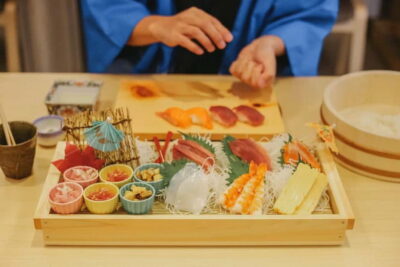 ★ 4.9Sushi Making Class in a Happi Coat near a Famous SpotFrom $421,377 reviews
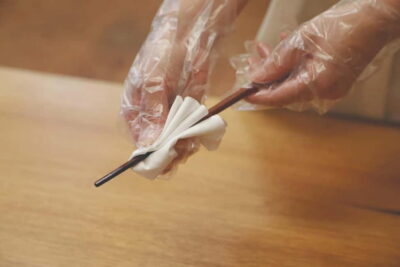 ★ 4.8Chopstick Making Workshop in GinzaFrom $251,366 reviews
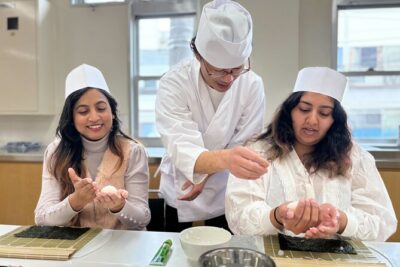 ★ 5.0Tokyo Sushi Making Class in Tsukiji with Professional ChefFrom $491,177 reviews
 ★ 5.0Ramen & Gyoza Cooking Class in Tokyo with Local Supermarket VisitFrom $122823 reviews
 ★ 5.0Matcha Making Class in Tokyo with Authentic Japanese Sweets SetFrom $21744 reviews
Browse the lists this tour appears in