
Reviewed · ASAKUSA & SENSOJI TOURS
Explore Asakusa’s historic landmarks
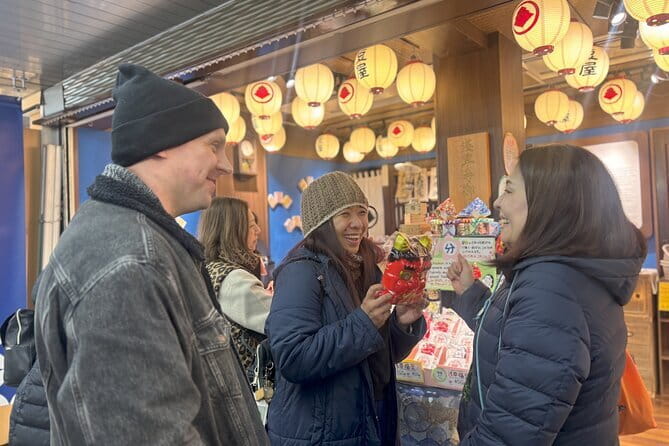
Asakusa hits you fast, in the best way. This guided stroll turns the big icons into something you can actually understand, from the thunderous look of Kaminarimon to the daily rituals at Senso-ji. You’ll also get the kind of photo guidance and street-level context that helps you enjoy Asakusa instead of just surviving it.
What I like most is how the guide focuses on how to pray (not just where to stand) and gives you clear story behind each place. I also like that the walk doesn’t stop at the main sights; you move into the side streets and food-energy areas like Hoppy Street. The main consideration: this is still a walking tour, so you’ll want a comfortable pace and shoes ready for crowds.
In This Review
- Key things to know before you walk Asakusa
- Meet-up point that actually makes sense
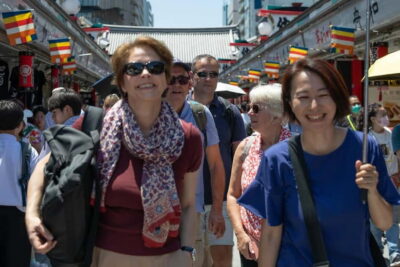
- Kaminarimon Gate and Nakamise-dori: your instant Asakusa orientation
- Senso-ji etiquette and why this temple is more than a backdrop
- Hanayashikidori: nostalgia in the in-between spaces
- Hoppy Street: post-war energy with real food choices
- How long you’ll be walking (and why the pace matters)
- Price and value: what $35 buys you in real-world terms
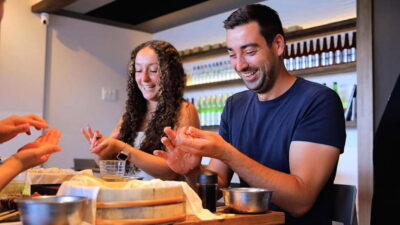
- Optional sushi-making class: best add-on for hands-on travelers
- Guides make the difference: Sachi, Andy, Kayoko, Sunny, Yoshiko
- Should you book the Asakusa landmarks walk?
- FAQ
- How long is the Asakusa landmarks tour?
- What does the tour cost?
- Where do we meet and where does the tour end?
- Are there any paid admissions for the stops?
- What is included with the sushi option?
- How big is the group?
- Is there free cancellation?
Key things to know before you walk Asakusa
- Small group (max 8) keeps the route flexible and questions actually get answered.
- Senso-ji worship etiquette included so you know what to do with incense, steps, and offerings.
- Plenty of photo stops at the lantern gate and along the shopping lanes.
- Old Tokyo atmosphere beyond the headline sights, including Hanayashikidori and Hoppy Street.
- Optional sushi-making class adds a 1-hour hands-on session after the walk.
Meet-up point that actually makes sense
Your tour starts at the Asakusa Culture Tourist Information Center, right near Kaminarimon (2-chōme-18-9 Kaminarimon, Taito City). That matters more than it sounds. When you begin close to the action, you lose less time and you can spend more time learning what you’re looking at.
This is also a good setup for first-timers because the area is compact. You’re not hopping across Tokyo on foot for every stop. The route stays in Asakusa, on streets you can naturally keep exploring afterward.
More temple mornings in old Asakusa
- Tokyo: Japanese Dance Cabaret Theater Asakusa-Kaguwa Ticket
★ 4.8 · 2,270 reviews - Tokyo: Meiji Shrine, Asakusa, Skytree Bus Tour and Cruise
★ 4.7 · 1,986 reviews - Tokyo: Roll and Authentic Sushi Making Class in Asakusa
★ 4.9 · 1,957 reviews - Tokyo: Asakusa Walking Tour with Sensoji Temple Visit
★ 4.8 · 1,583 reviews
Kaminarimon Gate and Nakamise-dori: your instant Asakusa orientation
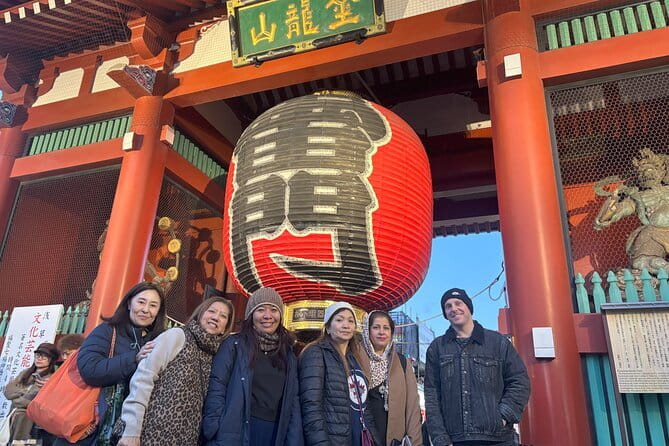
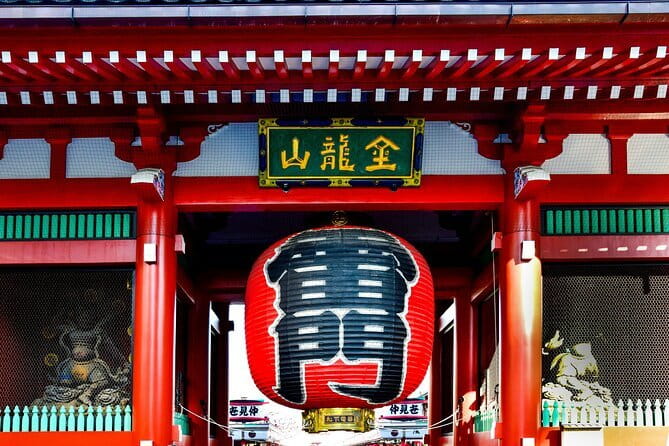
You’ll begin at Kaminarimon Gate, the iconic Thunder Gate entrance to Senso-ji. The photo magnet is the huge red lantern, but the detail is the statues of Fujin and Raijin (wind and thunder) on either side. A guide is handy here because you don’t just get a name—you get meaning, like why that gateway matters and what you’re passing through.
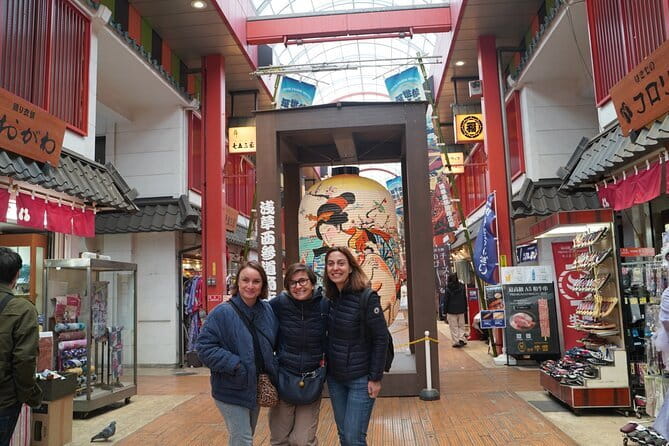
From there, you’ll walk the short stretch into Nakamise-dori, the classic shopping lane that leads straight to the temple. This is where Asakusa’s “I’ve arrived” feeling clicks in: snacks, souvenirs, and lots of small shops clustered along the walkway. The guide’s value is pointing you toward what’s worth stopping for, so you’re not stuck buying random souvenirs just because they’re loud.
A small practical note: the streets around Kaminarimon and Nakamise get busy. Going with a group keeps you moving without you constantly checking directions or getting trapped at the busiest bottlenecks.
Senso-ji etiquette and why this temple is more than a backdrop
At Senso-ji Temple, you’ll spend about 30 minutes with your guide, and this is the heart of the experience. It’s one of Tokyo’s oldest and best-known temples, dedicated to Kannon, the goddess of mercy. You’ll get clear background on the site and the reasons people come here—so it stops feeling like a tourist photo set.
The standout part is worship etiquette. You’ll be shown how to pray and how to participate in the usual gestures. That includes the proper way to handle the common temple customs, like using the incense and steps in the ritual flow. In other words, you’re not guessing. And when you know what you’re doing, the temple feels calmer and more respectful.
You might also find that your guide helps with getting fortunes and offers guidance on how to interpret the moment. That kind of context is exactly what turns a 30-minute stop into a memory you’ll remember later.
Hanayashikidori: nostalgia in the in-between spaces
Next comes Hanayashikidori, a lively street near Senso-ji named after Hanayashiki, Japan’s oldest amusement park nearby. This isn’t about mega landmarks—it’s about the old-street rhythm. Shops, restaurants, and cafes line the street, and the vibe feels like you’re walking through a slightly timeworn corner of Tokyo where daily life and snacks mix together.
If you like wandering, this stop helps you slow down. You’re not just marching toward the next famous thing. You get a chance to browse, choose a treat, and notice how Asakusa differs street by street.
One thing to keep in mind: because this area is close to the temple zone, you’ll still see crowds. The good news is that the atmosphere is friendly, and the side-street feel makes it easier to take photos without feeling like you’re constantly competing for space at the main gate.
Hoppy Street: post-war energy with real food choices
Then you’ll head to Hoppy Street, known for its many izakayas (Japanese pubs). The street centers on a local drink called Hoppy, often paired with casual, satisfying bites.
This is where the tour shifts from “temple day” to “Tokyo night energy,” even though you’re doing it during daytime hours. The guide helps you understand what locals love about the place, including the idea that the food is simple and meant for conversation—think yakitori (grilled chicken skewers) and oden (hot pot) as examples of what you’ll commonly see.
If you’re the type of traveler who wants to eat like a local but doesn’t want to spend an hour researching places, this is a great nudge. Your guide can point you toward what to look for and what order of business makes sense next.
Readers also shortlisted these Tokyo bookings:
- Tokyo: Imperial Palace and Shogun Historical Walking Tour★ 5.0 · 2,251 reviews
- Tokyo: Imperial Palace Japanese History Walking Tour★ 4.9 · 987 reviews
- Yanaka Walking Tour: Historic and Traditional District of Tokyo★ 5.0 · 530 reviews
- Tokyo: Shinjuku Historical Walking Tour & Secret Backstreets★ 5.0 · 530 reviews
- Mt. Fuji Heritage Tour: Traditional Villages, Lakes & Shrine★ 4.5 · 509 reviews
How long you’ll be walking (and why the pace matters)
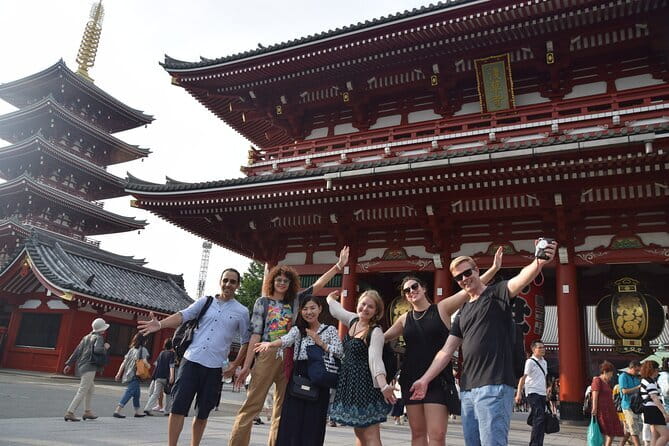
The tour runs from about 1 hour 30 minutes to 3 hours 30 minutes. That range depends on the group flow, time for photo stops, and the specific pace you keep with your guide. With a maximum of 8 travelers, you’re less likely to feel rushed or stuck behind someone who moves slowly.
You’ll also want moderate physical fitness. This isn’t a trek, but you are out on streets with crowds, plus some walking between lanes and temple areas. If your legs get tired easily, choose the option and start time that fits your energy level best.
Price and value: what $35 buys you in real-world terms
The cost is $35 per person, and it includes a local expert guide leading you through Asakusa’s landmarks and street scenes. Here’s the part that makes it feel like value rather than just paying for a walk: you’re paying for reduced confusion.
At each stop, the guide turns the place into something you can act on:
- where to look for the best landmark angles
- what each area is known for
- and how to handle temple and shrine customs properly
Also, admission tickets to the included stops are free as listed for the tour segments. So you’re not paying extra entry fees on top of the tour cost.
And you get a mobile ticket, which cuts down on time spent with paperwork. That matters when you’re in a crowded sightseeing zone and want to start moving immediately.
Optional sushi-making class: best add-on for hands-on travelers
There’s a sushi making option that adds a 1-hour class after the Asakusa walking tour (the class is listed as running after a 1.5-hour tour). Available class times are 12:30–13:30 or 15:30–16:30.
This add-on is a good match if you:
- want more than sightseeing
- like doing something with your hands
- or want a clear, structured activity to pair with the walk
It’s probably not for you if you’re hoping to keep the day totally flexible for wandering and meals. When you add a class, you’re committing to a time window, and that can affect where you stop for lunch or desserts.
Guides make the difference: Sachi, Andy, Kayoko, Sunny, Yoshiko
A big reason this tour gets strong marks is guide style. You’ll likely notice the difference quickly: English-speaking support, patience for questions, and a knack for connecting the sights to everyday meaning.
For example:
- Sachi stands out for answering questions and explaining shrine and temple context clearly, with help that can extend to making a small gift to remember the experience.
- Andy is praised for giving key history and culture info and then steering people toward specific shopping spots for take-home souvenirs.
- Kayoko is noted for showing proper prayer and fortunes, plus walking through shopping districts.
- Sunny (Chiharu) is highlighted for lots of local pointers, including help with where to eat and dessert suggestions.
- Yoshiko is remembered for being accommodating with questions and for explaining the background and purpose of common Japanese souvenirs, plus help with photos.
So, if you care about understanding what you’re seeing and not just collecting stamps, this tour format tends to work. You’re not stuck with a loud mic and a strict script. You can ask, and the guide typically adapts.
Should you book the Asakusa landmarks walk?
I’d book it if you’re:
- visiting Asakusa as your first stop in the area
- the type who wants etiquette help at Senso-ji, not just a photo at the gate
- looking for a short, high-impact orientation that still includes side streets like Hanayashikidori and Hoppy Street
- traveling in a small group size where questions aren’t squeezed out
I would skip or reconsider if you:
- hate walking in crowds
- want a totally self-led day with no guidance at all
- aren’t interested in temple customs or street food culture
If your goal is to understand Asakusa quickly, then leave with both photos and a sense of how the place works, this is a solid choice for your half-day.
FAQ
How long is the Asakusa landmarks tour?
It typically runs from about 1 hour 30 minutes to 3 hours 30 minutes.
What does the tour cost?
The price is listed as $35.00 per person.
Where do we meet and where does the tour end?
You meet at the Asakusa Culture Tourist Information Center (2-chōme-18-9 Kaminarimon, Taito City, Tokyo). The activity ends back at the meeting point.
Are there any paid admissions for the stops?
The listed stops include free admissions for the segments: Kaminarimon Gate, Nakamise Shopping Street, Senso-ji Temple, Hanayashikidori, and Hoppy Street.
What is included with the sushi option?
You can add a 1-hour sushi making class after the Asakusa walking tour. Class times are 12:30–13:30 or 15:30–16:30.
How big is the group?
The tour has a maximum of 8 travelers.
Is there free cancellation?
Yes. You can cancel for a full refund up to 24 hours before the experience starts.
More Historical Tours in Tokyo
- Tokyo: Imperial Palace and Shogun Historical Walking Tour
★ 5.0 · 2,251 reviews - Tokyo: Imperial Palace Japanese History Walking Tour
★ 4.9 · 987 reviews - Yanaka Walking Tour: Historic and Traditional District of Tokyo
★ 5.0 · 530 reviews - Tokyo: Shinjuku Historical Walking Tour & Secret Backstreets
★ 5.0 · 530 reviews - Mt. Fuji Heritage Tour: Traditional Villages, Lakes & Shrine
★ 4.5 · 509 reviews
More Tour Reviews in Tokyo
- Mt Fuji and Hakone 1-Day Bus Tour Return by Bullet Train
★ 5.0 · 26,383 reviews - 1-Day Tokyo Bus Tour
★ 5.0 · 14,250 reviews - Tokyo: teamLab Planets TOKYO Digital Art Museum Entry Ticket
★ 4.6 · 9,779 reviews - Mt Fuji & Hakone Cruise, Drum Show Bullet Train 1 Day from Tokyo
★ 4.0 · 7,413 reviews - Tokyo: Shinjuku Food Tour (13 Dishes at 4 Local Eateries)
★ 5.0 · 6,603 reviews
More Mornings in Old Asakusa
- Tokyo: Japanese Dance Cabaret Theater Asakusa-Kaguwa Ticket
★ 4.8 · 2,270 reviews - Tokyo: Meiji Shrine, Asakusa, Skytree Bus Tour and Cruise
★ 4.7 · 1,986 reviews - Tokyo: Roll and Authentic Sushi Making Class in Asakusa
★ 4.9 · 1,957 reviews - Tokyo: Asakusa Walking Tour with Sensoji Temple Visit
★ 4.8 · 1,583 reviews - Tokyo Asakusa Rickshaw Tour
★ 5.0 · 1,375 reviews
Latest Tokyo reviews off our desk



Asakusa & Sensoji Tours, compared.
 ★ 4.8Japanese Dance Cabaret Theater Asakusa-Kaguwa TicketFrom $492,270 reviews
 ★ 4.7Meiji Shrine, Asakusa, Skytree Bus Tour and CruiseFrom $1221,986 reviews
 ★ 4.9Roll and Authentic Sushi Making Class in AsakusaFrom $581,957 reviews
 ★ 4.8Asakusa Walking Tour with Sensoji Temple VisitFrom $221,583 reviews
 ★ 5.0Tokyo Asakusa Rickshaw TourFrom $421,375 reviews
 ★ 4.5Tokyo Panoramic 1 Day: Meiji Shrine, Asakusa, Odaiba and SKYTREE®From $851,222 reviews
 ★ 5.0Tokyo Go Kart: Asakusa, Skytree, and Akihabara **IDP MUST**From $99988 reviews
 ★ 4.7Asakusa, Skytree & Akhihabara Go-Kart City ExperienceFrom $96761 reviews
Browse the lists this tour appears in