
Forget store-bought snacks. In Ginza, you learn traditional musubi-making from an 80-year-old grandma, with English translation step-by-step during a 90-minute class. You’ll also get a clear explanation of what makes musubi different from onigiri, before you start shaping your own rice bites.
I love that you choose from 6 fillings and make 3 musubi using your own hands, not just watching. I also like the payoff: a homemade teishoku meal with miso soup, salad, dessert, and a beverage. One consideration: it’s not suitable for vegans or vegetarians, and it’s not for kids under 6.
In This Review
- Key things to love about this musubi class
- Entering Ginza With a Hands-On Mission: Musubi by Grandma’s Rules
- Musubi vs Onigiri: The Quick Lesson That Changes How You Read Japan’s Snack Food
- Picking Fillings From 6 Options and Making 3 Musubi Like You Mean It
- Your Lunch Comes as a Teishoku Feast, Not a Token Bite
- Who This Class Suits Best (and Who Should Skip It)
- Price and Value: Why $38 Can Feel Fair (Even If You Think It Might Not)
- Practical Tips for a Smooth Class Day in Ginza
- Should You Book This Musubi-Making Class?
- FAQ
- How long is the musubi-making class?
- How much does it cost?
- What will I learn to make?
- What’s included with the class besides the cooking?
- How many filling options do I get to choose from?
- Is there a difference between musubi and onigiri covered in the class?
- Do you provide English support?
- Is this activity suitable for vegans or vegetarians?
- Is transportation included?
Key things to love about this musubi class
- Ginza, grandma-led, hands-on: you practice the technique directly, not just a demo.
- Musubi vs onigiri explained: you leave with a real, practical understanding—not trivia.
- Pick your fillings from 6 options: personalize your 3 musubi.
- English translation while you work: you can follow the steps without guessing.
- Full teishoku lunch included: miso soup, salad, dessert, and a drink—more than a snack.
Entering Ginza With a Hands-On Mission: Musubi by Grandma’s Rules
This is the kind of food experience that feels simple on paper and surprisingly satisfying in real life. In Ginza, you’re guided through making traditional musubi in a small setting, paced by an 80-year-old Japanese grandma who teaches the way it’s been done for generations. The point isn’t performance. The point is technique you can actually feel in your hands.
From the start, you get a quick overview and begin with basic prep—like washing your hands—so you’re set up for cooking properly. Then the lesson turns practical fast: you learn the basics of what musubi is, then you build toward making your own pieces.
What makes this work so well is the combination of gentle structure and direct correction. There’s translation help, so you’re not stuck translating in your head while everyone else moves ahead. And with a small group, you can ask questions and get clarity without the class turning into a rushed assembly line.
Small groups (up to 6) also mean you spend time learning, not waiting. It’s a better setup than larger cooking tours where your participation gets limited to a single “try this once” moment.
One note: this class includes a full lunch. I recommend you arrive hungry and stay that way.
Readers also shortlisted these Tokyo bookings:
- Sushi Making Tokyo Roll and Authentic Japanese Sushi Class
★ 5.0 · 3,971 reviews - Tokyo: Roll and Authentic Sushi Making Class in Asakusa
★ 4.9 · 1,957 reviews - Tokyo Shinjuku Chopsticks Making Class
★ 5.0 · 1,763 reviews - Tokyo: Sushi Making Class in a Happi Coat near a Famous Spot
★ 4.9 · 1,377 reviews
Musubi vs Onigiri: The Quick Lesson That Changes How You Read Japan’s Snack Food
A lot of people know onigiri. Fewer people can explain musubi clearly. Here, you learn the difference early, before you start shaping rice.
That matters more than it sounds. In Japan, these are everyday foods, so tourists often treat them like interchangeable categories. Once you understand the distinction, you’ll notice the food more accurately when you see it later—at convenience stores, lunch counters, or in small eateries.
This class doesn’t just give you a definition. It places the explanation right in the moment you’re learning the form and handling. So instead of reading the difference online and forgetting it, you tie it to action: how you shape, how the rice and filling come together, and what you’re aiming for.
And because you’ll be making musubi yourself, the lesson sticks. You’ll leave able to tell friends what’s what, and you’ll feel more confident spotting the style you’re seeing in the wild later.
Picking Fillings From 6 Options and Making 3 Musubi Like You Mean It
After the intro and the musubi vs onigiri explanation, you choose your fillings. You’ll have 6 filling choices, and you’ll use them to make 3 musubi total. That choice is a big part of why this feels personal. You’re not stuck with whatever the instructor decided for you.
Then you start the real work: shaping musubi with your own hands. Your grandma instructor demonstrates the technique in front of you, and you follow along at your own pace. The assistant translation support means you can keep up with the step-by-step directions without slowing down the class to ask for repetition.
One of the best parts here is the learning rhythm. You watch a technique, you try it, and you adjust. With a small group, you’re more likely to get help when something doesn’t look quite right. That’s how a short class still delivers real skill.
Also, don’t treat the rice shaping like a speed contest. The goal is the method. If you rush, you’ll miss the point and your result will feel off. Take your time with the steps. Your musubi will be better, and you’ll enjoy the process more.
Your Lunch Comes as a Teishoku Feast, Not a Token Bite
The food part is not an afterthought here. When you finish making your 3 musubi, you sit down to a homemade Japanese teishoku meal. That means more than one dish and more than one flavor lane.
Your included meal comes with:
- miso soup
- salad
- dessert
- a beverage
You’ll also eat the musubi you made during the class. So the experience turns into a full circle: you learn technique, you taste it immediately, and you then continue with the meal that rounds out the menu like a typical Japanese lunch.
This is a key value point. A lot of cooking classes offer a small “tasting” and call it lunch. Here, the structure is proper: soup, sides, and a finish. It’s the kind of meal that feels like you’ve been welcomed into someone’s home table.
One practical tip from the reality of how the class runs: come ready to eat. The experience is generous, and if you already had a big meal beforehand, you might feel uncomfortably full. I’d plan on not eating right before you go.
Who This Class Suits Best (and Who Should Skip It)
This is best for people who enjoy hands-on cooking and want cultural context tied directly to food. If you like learning small food details—like the musubi vs onigiri difference—and then turning that into something you can make, you’ll get a lot out of this.
It’s also a strong choice for visitors who want an authentic-feeling experience without needing advanced cooking skills. You don’t need to know Japanese to participate. English translation support is built in.
Families can work too. The class isn’t for children under 6, but it can be a fun activity for older kids (for example, kids around 10 or 12 can handle a 90-minute cooking-and-meal format). Still, younger children won’t fit the pacing and food-based focus.
Dietary limits are the clear downside. The class is not suitable for vegans or vegetarians. Also, it’s not designed for very picky eaters who can’t handle traditional Japanese meal components. If you fall into those categories, you should skip this one.
- Tokyo: Shinjuku Food Tour (13 Dishes at 4 Local Eateries)★ 5.0 · 6,603 reviews
- Tokyo Mt Fuji 5th St & Hakone Cruise Bus Tour w/Bullet Train★ 4.4 · 5,024 reviews
- Flagship 2-Hours Official Street Go-Kart Tour – Tokyo Bay Shop★ 5.0 · 4,974 reviews
- From Tokyo: Mount Fuji Full-Day Sightseeing Trip★ 4.5 · 4,970 reviews
- Tokyo: Hop-On Hop-Off Sightseeing Bus Ticket★ 3.9 · 4,207 reviews
Price and Value: Why $38 Can Feel Fair (Even If You Think It Might Not)
At $38 per person for about 90 minutes, this isn’t priced like a quick workshop that pays off later. It’s priced as a full experience: cooking instruction, three musubi made by you, and a complete homemade teishoku meal.
Here’s what you’re really paying for:
- an experienced grandma instructor teaching a traditional technique
- hands-on time with English translation support
- ingredients and prep for 3 musubi
- a full lunch including miso soup, salad, dessert, and a beverage
When you compare that to what it costs to buy lunch plus pay for a small class separately, the math starts to make sense. You’re getting instruction and meal together, and you’re not stuck with a tiny tasting portion.
The other value angle is learning transfer. Cooking classes can be fun, but the better ones give you something you can replicate later. Making musubi is basic in concept but specific in execution. This class focuses on technique you can carry home with you, not just entertainment.
Practical Tips for a Smooth Class Day in Ginza
A few small choices can make your 90 minutes feel easier and more enjoyable.
Go hungry. The class includes a full teishoku meal and dessert plus a beverage. If you eat a heavy breakfast or lunch right before, you may end up feeling too full.
Expect hands-on work and close instruction. This is not a sit-and-watch lesson. You’ll be shaping musubi with your own hands, following step-by-step guidance.
Plan for transportation. Transportation to the venue is not included. So factor in time and cost to get there in Ginza.
Use the language support. The class is taught with English and Japanese, and there’s translation assistance. Don’t worry if you only speak English. The point is for you to understand and follow the process.
Dress for comfort. You’ll be in a cooking environment with active food handling. Comfortable clothes and shoes will keep you at ease during the session.
Should You Book This Musubi-Making Class?
Book it if you want a traditional, hands-on Japanese food experience that goes beyond “learn one dish and leave.” You’ll get a real technique lesson from an 80-year-old grandma, you’ll learn what makes musubi different from onigiri, and you’ll leave with three homemade musubi plus a full teishoku meal.
Skip it if your diet is vegan or vegetarian, or if you’re traveling with a child under 6. Also skip if you’re looking for a short snack activity. This is a 90-minute class with a complete lunch—so it’s best when you can commit to that time and appetite.
If you’re in Ginza and want something authentic, practical, and very food-focused, this is the kind of experience that makes the rest of your trip feel more connected to everyday Japanese life.
FAQ
How long is the musubi-making class?
The class lasts 90 minutes.
How much does it cost?
It costs $38 per person.
What will I learn to make?
You’ll learn to make traditional Japanese musubi and you’ll make 3 musubi during the class.
What’s included with the class besides the cooking?
You’ll enjoy a homemade Japanese teishoku meal that includes miso soup, salad, dessert, and a beverage, plus the musubi you make.
How many filling options do I get to choose from?
You can choose from 6 filling options.
Is there a difference between musubi and onigiri covered in the class?
Yes. The class specifically covers the difference between musubi and onigiri.
Do you provide English support?
Yes. Instruction and support are available in English and Japanese, with translation assistance provided during the class.
Is this activity suitable for vegans or vegetarians?
No. It’s not suitable for vegans or vegetarians.
Is transportation included?
No. Transportation to the venue is not included.
More Workshops in Tokyo
- Sushi Making Tokyo Roll and Authentic Japanese Sushi Class
★ 5.0 · 3,971 reviews - Tokyo: Roll and Authentic Sushi Making Class in Asakusa
★ 4.9 · 1,957 reviews - Tokyo Shinjuku Chopsticks Making Class
★ 5.0 · 1,763 reviews - Tokyo: Sushi Making Class in a Happi Coat near a Famous Spot
★ 4.9 · 1,377 reviews - Chopstick Making Workshop in Ginza
★ 4.8 · 1,366 reviews
More Tour Reviews in Tokyo
- Mt Fuji and Hakone 1-Day Bus Tour Return by Bullet Train
★ 5.0 · 26,383 reviews - 1-Day Tokyo Bus Tour
★ 5.0 · 14,250 reviews - Tokyo: teamLab Planets TOKYO Digital Art Museum Entry Ticket
★ 4.6 · 9,779 reviews - Mt Fuji & Hakone Cruise, Drum Show Bullet Train 1 Day from Tokyo
★ 4.0 · 7,413 reviews - Tokyo: Shinjuku Food Tour (13 Dishes at 4 Local Eateries)
★ 5.0 · 6,603 reviews
Latest Tokyo reviews off our desk




Workshops, compared.
 ★ 5.0Sushi Making Tokyo Roll and Authentic Japanese Sushi ClassFrom $593,971 reviews
 ★ 4.9Roll and Authentic Sushi Making Class in AsakusaFrom $581,957 reviews
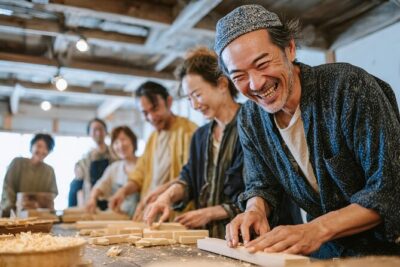 ★ 5.0Tokyo Shinjuku Chopsticks Making ClassFrom $201,763 reviews
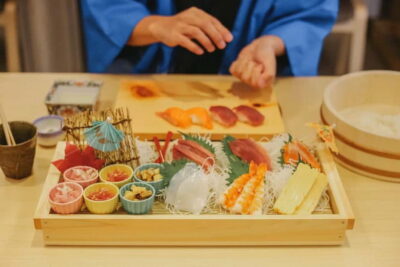 ★ 4.9Sushi Making Class in a Happi Coat near a Famous SpotFrom $421,377 reviews
 ★ 4.8Chopstick Making Workshop in GinzaFrom $251,366 reviews
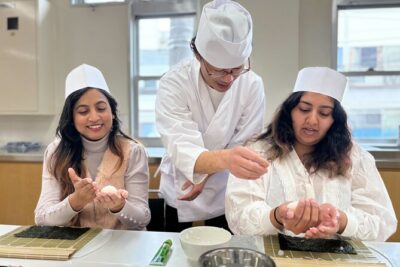 ★ 5.0Tokyo Sushi Making Class in Tsukiji with Professional ChefFrom $491,177 reviews
 ★ 5.0Ramen & Gyoza Cooking Class in Tokyo with Local Supermarket VisitFrom $122823 reviews
 ★ 5.0Matcha Making Class in Tokyo with Authentic Japanese Sweets SetFrom $21744 reviews
Browse the lists this tour appears in