
Reviewed · HAKONE TOURS
Hakone Hachiri: Old Tokaido Highway Hiking Tour
Hakone feels different when you walk. This Hakone Hachiri trek on the old Tokaido Highway mixes gentle hiking with the kind of context you only get from a certified Japan Mountain Guide, plus a stop at a 400-year amasake tea house. You’ll also keep an eye out for Mt Fuji from multiple angles when weather cooperates.
One thing to weigh: this is still real foot travel, with cobbled sections and a total hike of about 8 km (you’ll be walking around 5–6 hours). If you’re not comfortable on uneven ground or you get grumpy when clouds erase Mt Fuji, you may want to pick a different day plan. The good news is the route is beginner-friendly overall, and you’ll skip the steepest bits by bus.
In This Review
- Key points I’d mark before you go
- Why Hakone Hachiri feels like time travel on foot
- Price and what you’re paying for at $167
- The walking reality: 8 km, 5–6 hours, beginner-friendly but not flat
- From Hakone-Yumoto Station to the Sukumo River: starting easy and moving smart
- Hatajuku: the post town stop where the route turns into everyday life
- The 400-year amasake tea house break that actually fuels you
- Old Tōkaidō cobbles to Lake Ashi: the postcard moment with real texture
- Hakone Checkpoint: where the Edo government tried to control the flow
- Lunch at Lake Ashi plus a mountain-road checkpoint break
- Mishima Taisha Shrine and the Genbe River: closing the loop on the day
- Weather and Mt Fuji: how to plan your expectations without ruining your day
- Why a certified mountain guide matters on this route
- Who should book Hakone Hachiri (and who should think twice)
- Should you book the Hakone Hachiri Old Tokaido Highway Hiking Tour?
Key points I’d mark before you go
- Walk real Edo-era routes on parts of the Old Tokaido Highway, including cobbled segments
- Mt Fuji views are possible, not promised, so you’ll want patience and a camera-ready attitude
- Amasake at a 400-year teahouse gives you a classic Hakone snack break with history attached
- Small group (up to 6) keeps the pace workable, especially on trickier footing
- Checkpoint + checkpoint vibes at the Hakone control gate help you picture how travel worked
- Mt Fuji aside, you’ll still get great scenery around Lake Ashi, cedar avenues, and river walks
Why Hakone Hachiri feels like time travel on foot
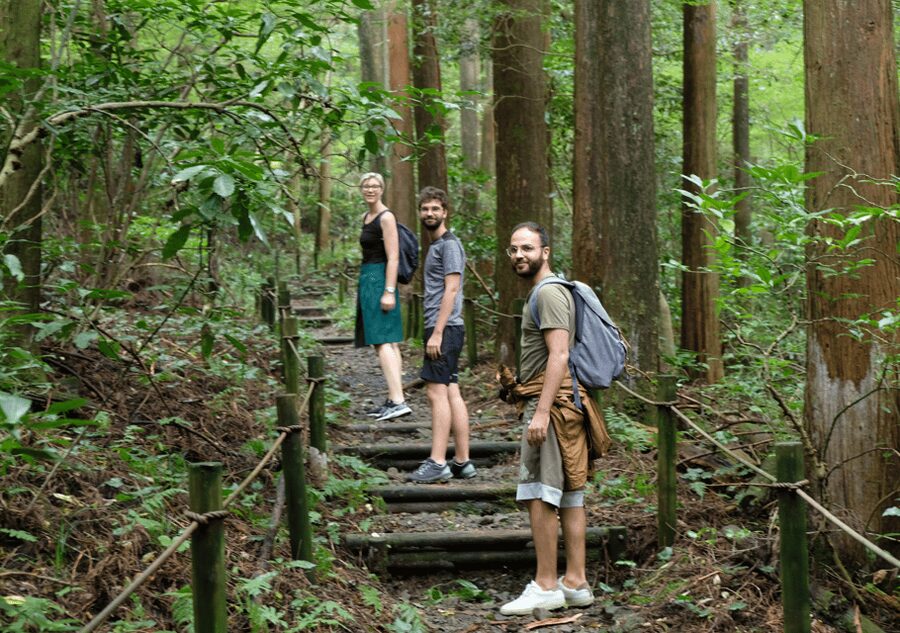
Hakone Hachiri is one of those days that makes the story in your guidebook click into place. Instead of viewing Hakone from a bus window, you walk parts of the Old Tokaido Highway, the corridor that once linked Kyoto to Edo (modern Tokyo). It’s not just sightseeing. The route was designed to test travelers’ endurance, and even though today’s tour skips the harshest climbs by bus, the remaining sections still feel like a journey.
The best part is how the guide turns geography into a map you can feel in your legs. Expect a mix of practical history—how travelers moved, where the government controlled passage—and real-world terrain cues, like when footing becomes slick or when you’ll want to step carefully over roots and stones.
And yes, you’ll be outdoors with nature close by. Even in busy Hakone, the walking parts give you that calmer rhythm: stop for photos, taste something local, then keep moving.
Other Hakone loops worth the fare
- Hakone 6 hour Private Tour with Government-Licensed Guide
★ 5.0 · 218 reviews - Hakone: Train Pass with Unlimited Rides & Activity Discounts
★ 4.4 · 102 reviews - Custom Private Tour in Hakone with a Certified Local Guide
★ 5.0 · 91 reviews - Hakone 8 hour Private Tour with Government-Licensed Guide
★ 5.0 · 63 reviews
Price and what you’re paying for at $167
At $167 per person, the cost isn’t about cable cars or ticketed museums. It’s mostly about one thing: a highly qualified mountain guide in a small group, paired with routing that strings together multiple heritage points in one day.
Here’s the value math that matters:
- The guide is included, and they’re a nationally certified mountain guide with wilderness advanced first-aid training. That’s a real safety and pacing advantage on a day that includes cobbled ground and river/forest stretches.
- The day’s structure also saves you time and confusion. You’re not piecing together the old highway route yourself.
- Food and restaurant meals are not included, and transportation between sites by bus is not included—so you’ll budget extra for lunch and snacks on top of the base price.
In short, you’re paying for guidance, interpretation, and a smooth “walk-the-road” experience—not for a fully catered tour.
The walking reality: 8 km, 5–6 hours, beginner-friendly but not flat
This tour is positioned for beginners, and the grading supports that. You’ll mostly deal with gentle slopes or cobbled paths rather than steep mountain climbing. You’ll hike around 8 km total.
Still, it’s not a stroll. Plan for:
- Cobbles and uneven footing at points, where you’ll want comfortable, grippy shoes.
- A day length that includes transfers, breaks, and sightseeing stops. You’ll be walking around 5–6 hours even if the whole outing runs longer.
- Weather effects. Mt Fuji sightings depend on conditions. If clouds roll in, you’ll still have the road, rivers, Lake Ashi, and cedar trees—but don’t bet your day on one specific view.
What to bring is straightforward: comfortable shoes, a sun hat, and hiking shoes. If you’ve ever shown up to Japan in “cute but not supportive” footwear, this is your moment to do better.
From Hakone-Yumoto Station to the Sukumo River: starting easy and moving smart
Your day starts at Hakone-Yumoto Station, with the guide waiting at the ticket gate. Then it’s a short shared taxi ride—described as a black cab—about 15 minutes to reach the trailhead.
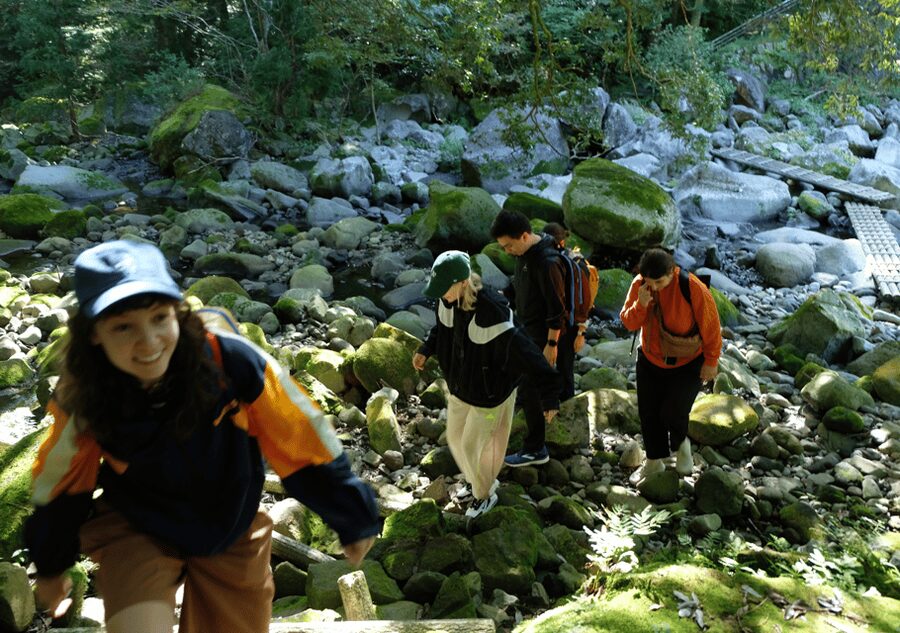
From there, you hike along the Sukumo River for about an hour. This is a good early rhythm check. You’re getting into the outdoors without immediately jumping onto the most demanding surfaces. It also sets the tone: this is an Edo-era road experience, but you’re doing it in small, manageable chunks.
A practical tip: start the day moving steady. Even though the early segment is easier, the full route is long enough that going fast “just to feel good” can cost you energy later at Lake Ashi and around the checkpoint.
Hatajuku: the post town stop where the route turns into everyday life
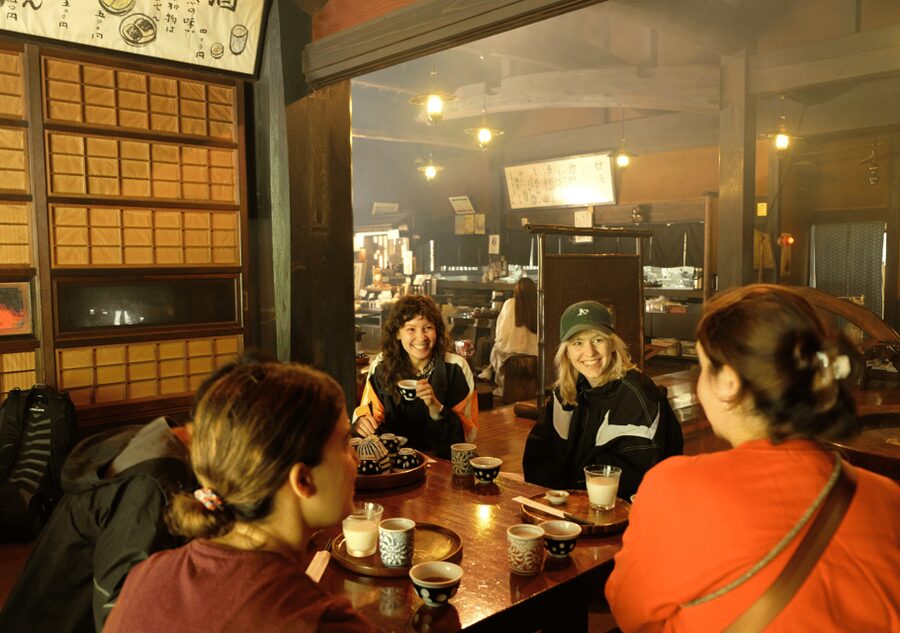
After Sukumo River, you reach Hatajuku. You’ll spend about 30 minutes here—time for visiting and shopping, plus time to pass by the area rather than treating it like a full museum visit.
Hatajuku matters because it breaks the hike into a traveler’s day. Old Tokaido travel wasn’t constant marching. It was stop, browse, eat, ask directions, and keep going. This portion helps you feel that cadence without turning your day into a scavenger hunt.
Then you’ll hop to the Amasake Tea House area by bus (about 10 minutes). That transition is part of the “smart skipping” strategy: you’re getting heritage without getting crushed by the steepest segments.
Readers also shortlisted these Hakone bookings:
- Hike Hakone Hachiri★ 5.0 · 48 reviews
- Hike Japan Heritage Hakone Hachiri with certified mountain guide★ 5.0 · 46 reviews
- Hakone Hachiri: Old Tokaido Highway Hiking Tour★ 4.9 · 22 reviews
- Hike Japan Heritage Hakone Hachiri (Half Day)★ 5.0 · 18 reviews
The 400-year amasake tea house break that actually fuels you
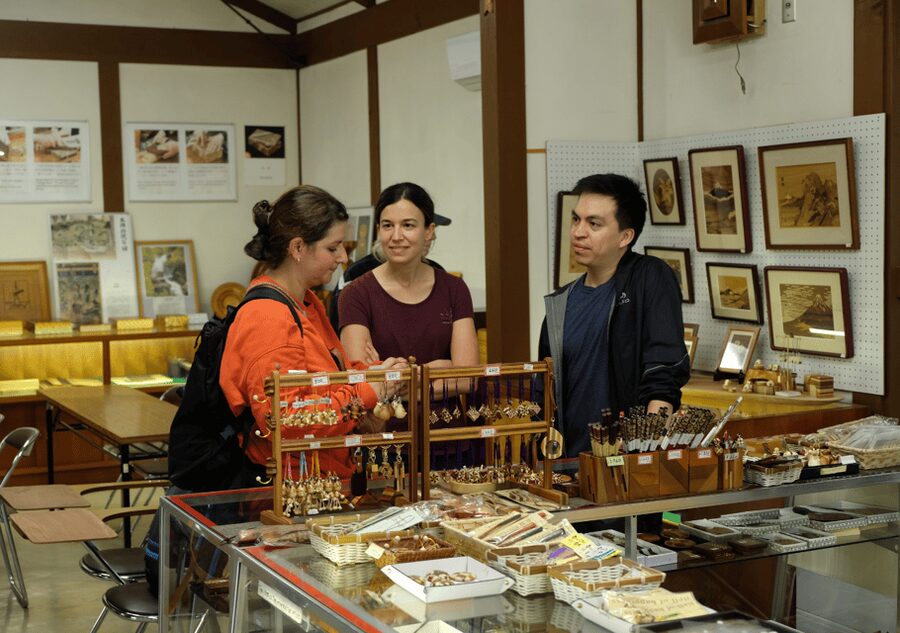
One of the highlights is the Amasake Tea House, tied to the old Tokaido Highway area. You’ll have about 30 minutes here, with Japanese snacks and energizing amasake as part of the stop.
The reason this is more than a snack stop: it connects food to travel culture. Amasake is a traditional drink associated with comforting, restorative moments. After walking, it hits the practical sweet spot—warming, energizing, and simple.
A key detail for your planning: food and drinks and lunch at local restaurants are not listed as included. So treat this as a stop where you can enjoy the traditional amasake and snacks, but keep your wallet ready for purchases.
This is also where the guide’s pacing becomes clear. A good guide doesn’t rush you through a historical moment. They help you enjoy it and then regroup so you can keep hiking comfortably.
Old Tōkaidō cobbles to Lake Ashi: the postcard moment with real texture
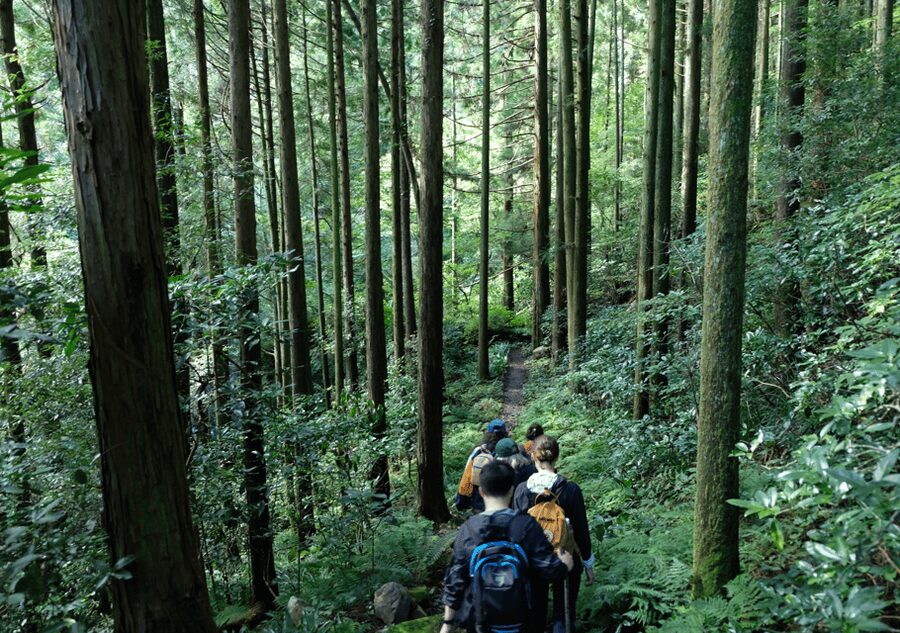
After Hatajuku, you walk on cobblestones along the Old Tokaido Highway for about 45 minutes. This is where you’ll feel the difference between “seeing heritage” and “walking heritage.” Cobbles create a different kind of awareness. Your body pays attention—ankles, balance, foot placement.
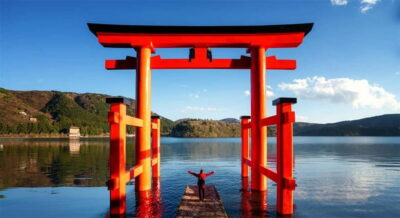
Then comes Lake Ashi. You’ll get a photo stop and short walk/passing time for scenic views (about 15 minutes). This is also where the iconic Torii gate of Hakone Shrine often shows up in photos, and where Mt Fuji may appear from different angles if the weather is right.
Here’s what I’d expect you to do on this part:
- Take the view seriously, because the timing can be quick.
- Don’t assume Mt Fuji will be crisp. If you’re early in the day and the sky clears, great. If not, you’re still getting water, trees, and the sacred roadside vibe.
After Lake Ashi, you’ll head into the Ancient Cedar Avenue area, spending about 15 minutes at the east end. The cedars are over 400 years old, and this stretch gives you that “road under trees” feeling that travelers must have noticed even without smartphones.
Hakone Checkpoint: where the Edo government tried to control the flow
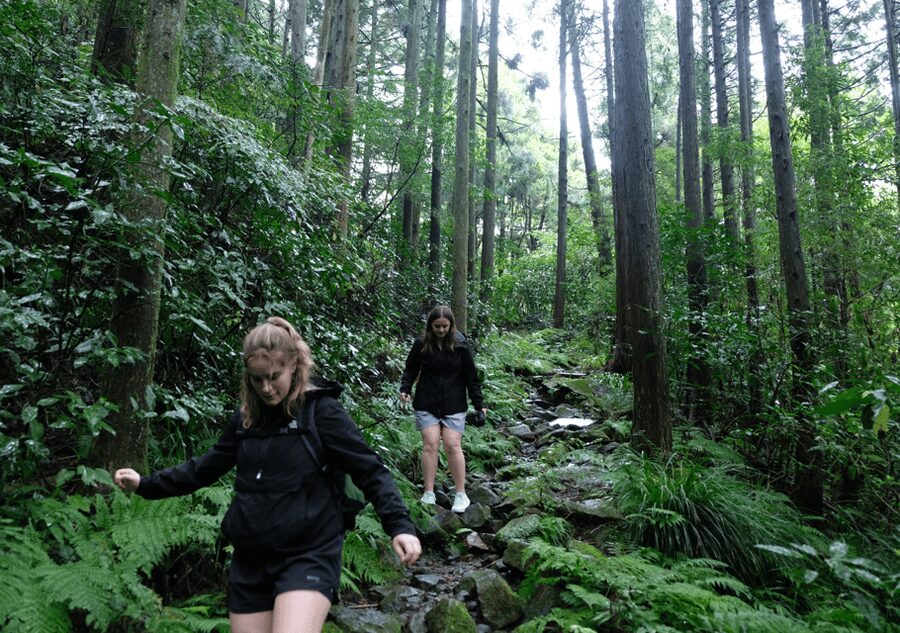
Next is the Hakone Checkpoint, a gate-like area where the Edo government controlled traveler movement. You’ll walk through and pass by it for about 10 minutes.
That short stop is worth it. It’s a reminder that the highway was not just a road—it was an organized system. When you picture checkpoints, you stop imagining travel as pure freedom. You start picturing permits, rules, and routes that shaped where people could go and when.
This is also a moment for your guide to connect geography with policy: why certain paths and passes mattered, and how mountainous terrain influenced travel decisions. Even on a beginner-friendly day, this is the kind of history you actually remember because it’s anchored to a real spot.
Lunch at Lake Ashi plus a mountain-road checkpoint break
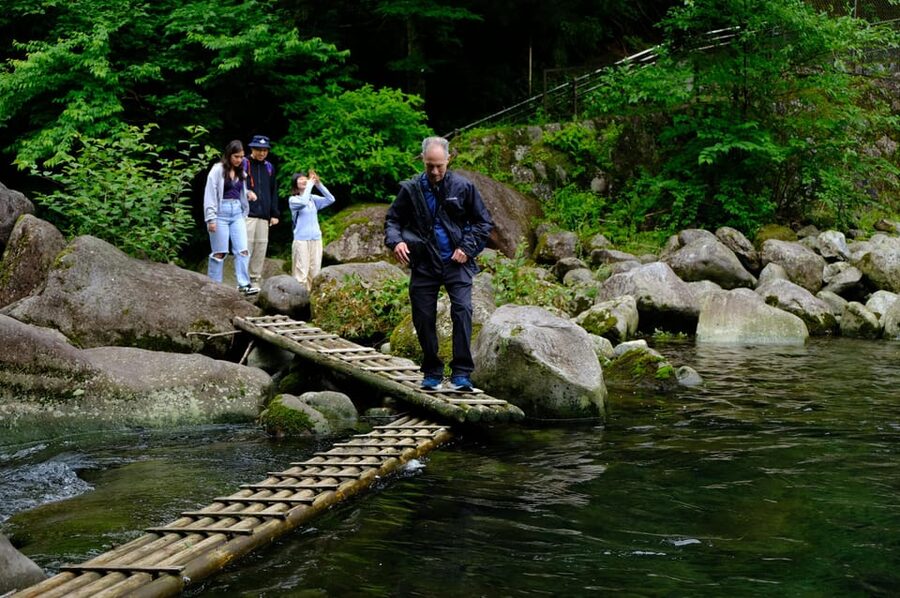
Back at Lake Ashi, you’ll have lunch and regional food time for about 45 minutes. Lunch at local restaurants is not included, so this is your chance to choose what fits your appetite and your budget.
I like this lunch structure because it isn’t just eating. You’re stopping at a scenic point mid-day, giving your legs a reset before the next transfers and sightseeing.
When lunch ends, you’ll take a bus (about 15 minutes) to a secret stop for roughly 45 minutes. The “secret stop” is framed as another photo stop and short walk, with scenic views along the way. Since it’s not positioned as a landmark you can research easily in advance, your best move is to treat it as a bonus viewpoint: enjoy it, don’t overthink it.
Mishima Taisha Shrine and the Genbe River: closing the loop on the day
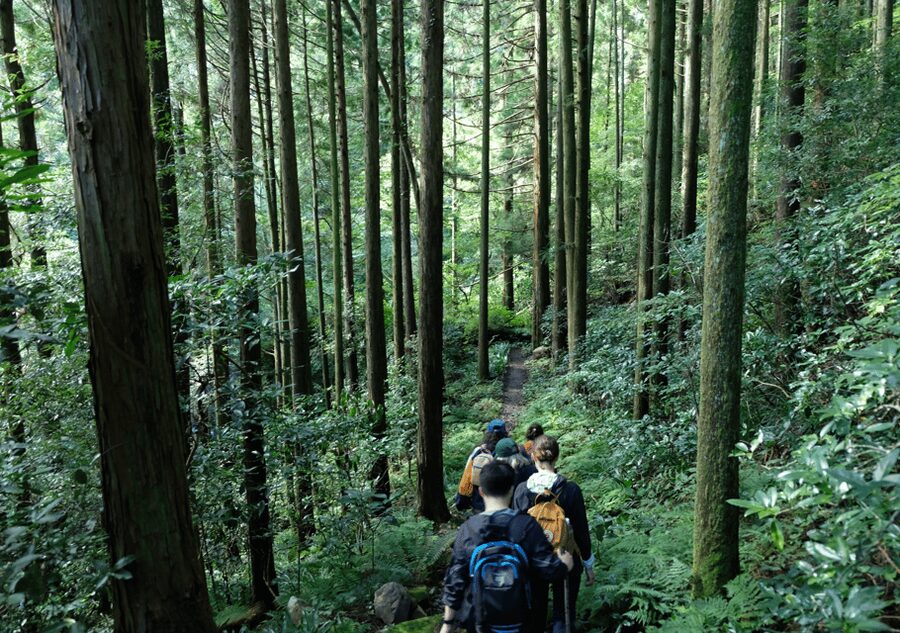
After the secret stop, you’ll take another bus segment (about 30 minutes) to Mishima Taisha Shrine. You’ll spend about 30 minutes here for sightseeing and a walk.
Mishima Taisha Shrine adds a cultural landing point. If the Hakone side of the route feels like mountain travel and controlled passage, Mishima feels more like the destination side—where travelers arrive, slow down, and connect with local life.
Then you’ll take a short on-foot segment (about 15 minutes) and reach the Genbe River area for about 30 minutes of sightseeing and walking.
Finally, the tour ends around 4:00 pm at Mishima Station. Some versions end at Odawara Station instead. If you want to continue by Shinkansen, the ride between Mishima and Odawara is not included. It costs less than 3000 yen and takes about 15 minutes.
Weather and Mt Fuji: how to plan your expectations without ruining your day
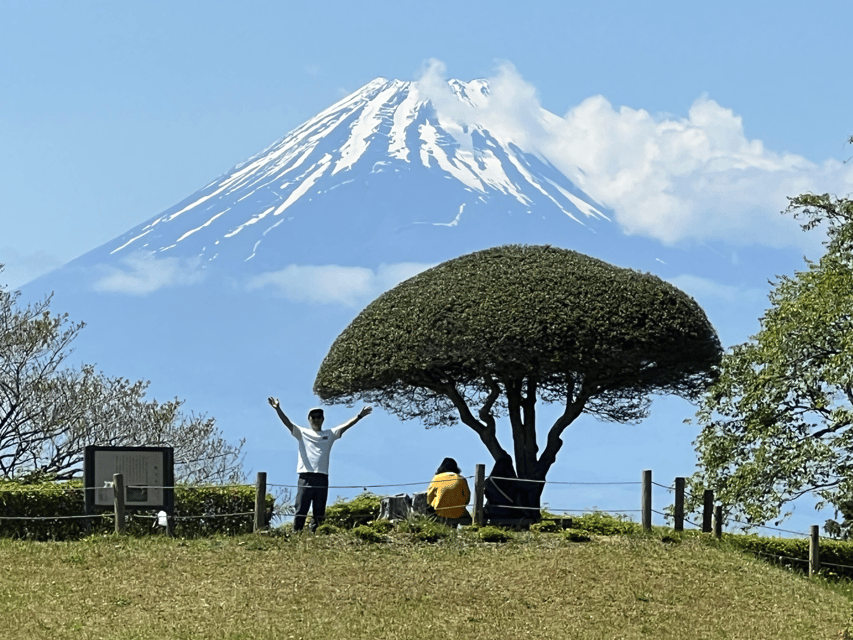
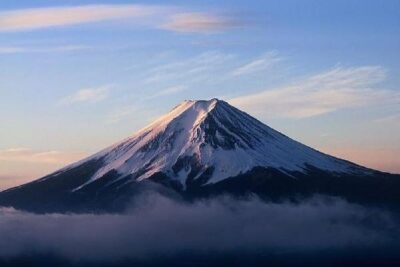
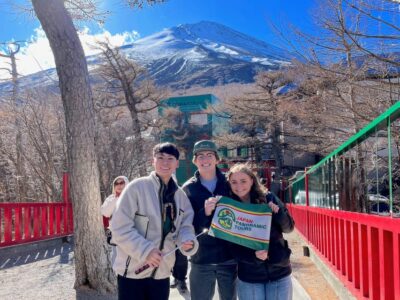
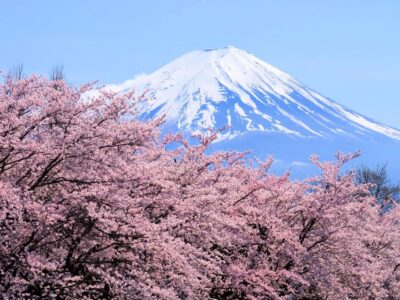
Mt Fuji sightings are explicitly weather-dependent. When the air is clear, you get multiple angles: you may spot it at Lake Ashi and from nearby scenic points during the walking segments.
When it’s not clear, you’ll still get:
- the old road texture (cobbles and path)
- the cedar avenue feel
- the checkpoint history
- river and lake scenery
So the practical move is to pack your day plan as if Mt Fuji is a bonus, not the main event. That mindset keeps you enjoying the walk no matter what the sky does.
Why a certified mountain guide matters on this route
This isn’t just a history walk. It’s a hiking day with uneven surfaces, and that’s why the guide is included.
The guide is a nationally certified mountain guide with wilderness advanced first-aid training. You also get small-group attention—limited to 6 participants—so the pace can adjust if someone needs slower steps or if the route conditions change.
From what I see in how people describe the guiding style, safety comes from small actions:
- watching tricky sections
- giving pointers before you hit slick or uneven ground
- staying flexible if conditions aren’t ideal
If you’re traveling with parents, if it’s your first trip to Japan, or if you simply prefer not to guess your way through cobbles, this guide setup is a real advantage.
Who should book Hakone Hachiri (and who should think twice)
This tour fits you best if you:
- want to experience the Old Tokaido Highway on foot, even if it’s only part of the full historic route
- enjoy history that’s tied to geography
- like nature walks with rivers, cedar trees, and lake views
- are a beginner hiker who wants gentle slopes and manageable distances
You might think twice if you:
- have mobility impairments, since the tour is listed as not suitable
- get uncomfortable on cobbled or uneven ground
- need Mt Fuji to be guaranteed rather than possible
Also, plan to budget for food. Food and drinks and lunch at local restaurants are not included, so your “all-in” day cost will be higher than the base $167.
Should you book the Hakone Hachiri Old Tokaido Highway Hiking Tour?
I’d book it if your idea of a great Japan day is: “walk a real route, get the story behind it, and taste something traditional on the way.” The mix here—Sukumo River, Hatajuku, cobbled Tokaido segments, Lake Ashi viewpoints, cedar avenue, Hakone checkpoint, then Mishima Taisha and the Genbe River—creates a full arc from road history to destination culture.
Don’t book it only if you’re looking for an easy photo loop with no uneven steps, or if you need guaranteed Mt Fuji. The road walk is the point, and the day’s value is in how the guide helps you read that road as you walk it.
More Tours in Hakone
- Hakone 6 hour Private Tour with Government-Licensed Guide
★ 5.0 · 218 reviews - Custom Private Tour in Hakone with a Certified Local Guide
★ 5.0 · 91 reviews - Hakone 8 hour Private Tour with Government-Licensed Guide
★ 5.0 · 63 reviews - Private Tour – Hakone Day Trip! A Tour to Explore All Must-Sees!
★ 5.0 · 58 reviews - Private Hakone Half-day Car Tour with Hotel Pickup – Local Guide
★ 5.0 · 48 reviews
More Tour Reviews in Hakone
- Hakone 6 hour Private Tour with Government-Licensed Guide
★ 5.0 · 218 reviews - Hakone: Train Pass with Unlimited Rides & Activity Discounts
★ 4.4 · 102 reviews - Custom Private Tour in Hakone with a Certified Local Guide
★ 5.0 · 91 reviews - Hakone 8 hour Private Tour with Government-Licensed Guide
★ 5.0 · 63 reviews - Private Tour – Hakone Day Trip! A Tour to Explore All Must-Sees!
★ 5.0 · 58 reviews
Hakone, A Few More Ways
- Hakone 6 hour Private Tour with Government-Licensed Guide
★ 5.0 · 218 reviews - Hakone: Train Pass with Unlimited Rides & Activity Discounts
★ 4.4 · 102 reviews - Custom Private Tour in Hakone with a Certified Local Guide
★ 5.0 · 91 reviews - Hakone 8 hour Private Tour with Government-Licensed Guide
★ 5.0 · 63 reviews - Private Tour – Hakone Day Trip! A Tour to Explore All Must-Sees!
★ 5.0 · 58 reviews
Latest Hakone reviews off our desk

Hakone Tours, compared.
 ★ 5.0Mt Fuji and Hakone 1-Day Bus Tour Return by Bullet TrainFrom $16326,383 reviews
 ★ 4.0Mt Fuji & Hakone Cruise, Drum Show Bullet Train 1 Day from TokyoFrom $1497,413 reviews
 ★ 4.4Tokyo Mt Fuji 5th St & Hakone Cruise Bus Tour w/Bullet TrainFrom $1545,024 reviews
 ★ 4.7Mt. Fuji Tour, Hakone Ropeway, Owakudani, Lake AshiFrom $544,002 reviews
 ★ 4.2Mt. Fuji 5th Station & Hakone Cruise 1-Day Bus TourFrom $1292,381 reviews
 ★ 5.0Private Tour to Mt. Fuji and Hakone (Fully Licenced Operator)From $4971,910 reviews
 ★ 4.0Mt Fuji & Hakone Cruise, Drum Show Bus 1 Day from TokyoFrom $1221,287 reviews
 ★ 4.2From Tokyo: Mt. Fuji & Hakone Tour w/ Return by Bullet TrainFrom $1171,278 reviews
Browse the lists this tour appears in