
Reviewed · WORKSHOPS
How to use Japanese knife, Tuna Cutting and Sushi Workshop
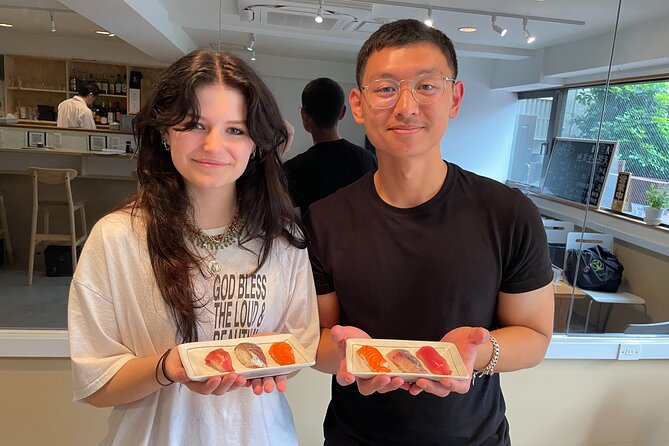
Knife skills meet breakfast in Tokyo. You get hands-on instruction to cut tuna correctly and then turn it into sushi, with your tuna and ingredients included and a small group vibe that makes it easier to ask questions. It’s the kind of morning that treats tuna like something you actually learn, not just something you eat.
What I like most is the focus on technique: you work with a professional sushi maker and learn about the parts of the tuna and what different cuts are for. You’ll also have language help on the floor (many classes run with a translator such as Amy, and staff like Azusa or Adam keep things friendly and clear). The one catch: the experience requires good weather, so you may be asked to switch dates if conditions are poor.
In This Review
- Key things to know before you go
- Why this Tokyo workshop is different from a typical sushi class
- Finding the meeting point in Azabu-Juban (and getting there on time)
- What you actually do in the 2 hours: knife, tuna, then nigiri
- Step 1: A short intro to tuna and Edo-style thinking
- Step 2: Cutting tuna with a Japanese knife
- Step 3: Make sushi from your tuna cuts
- Step 4: Eat your sushi for breakfast
- The pro-chef instruction that makes the learning stick
- Tuna knowledge you can use back home
- Group size and class vibe: friend-making without the crowd stress
- Price and value: what you’re really paying for
- Knife skills, safety, and what to expect from the practice portion
- If you’re adding other Tokyo food stops: how to plan your morning
- FAQ
- What is the duration of the workshop?
- Where does the workshop meet in Tokyo?
- What time does the workshop start?
- How much does it cost?
- Is the tuna and sushi ingredients included in the price?
- How many people are in the group?
- What will I learn to do during the class?
- Is there a mobile ticket?
- When will I receive confirmation after booking?
- Can I cancel for a full refund?
- What happens if the experience is canceled due to weather?
- Should you book this Tokyo tuna cutting and sushi workshop?
Key things to know before you go
- Tuna and sushi ingredients are included in the price, so you’re not scrambling to buy anything
- Max group size is 10, which makes the chef’s time feel personal
- You learn knife basics for Japanese-style cutting, not just the final sushi shapes
- You practice multiple tuna cuts and learn what each part contributes
- You eat what you make, turning your work into a breakfast-style meal
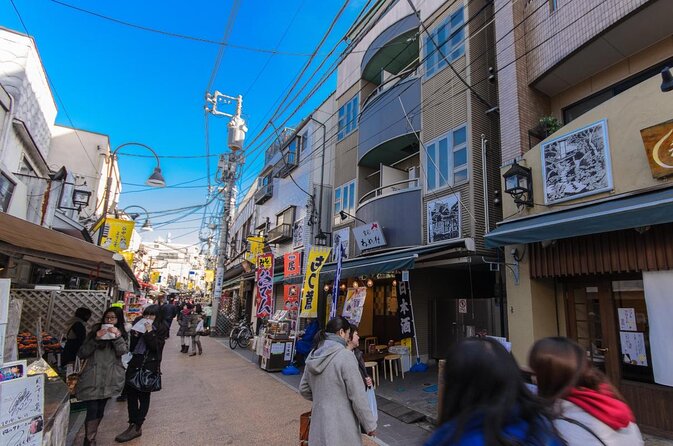
- Meeting point is in Azabu-Juban (near transit), so you can show up without a scavenger hunt
Why this Tokyo workshop is different from a typical sushi class
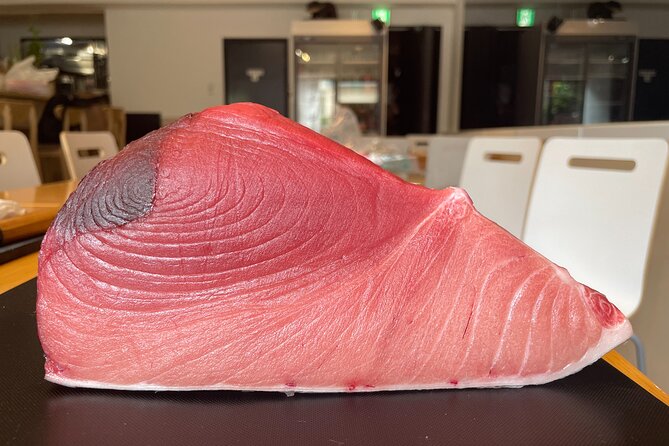
Most sushi lessons teach you to assemble. This one starts earlier, with the part that scares people a bit: cutting tuna. That shift matters. When you learn how the knife moves and why certain cuts matter, sushi stops being magic and starts being craft. You’ll still eat something delicious at the end, but you’ll also leave with a mental map of how tuna becomes sushi.
Another thing that helps: the class is built for small groups (up to 10). With that setup, the chef can slow down for corrections, and you’re more likely to get practical feedback instead of watching from the back. If you’ve ever taken a cooking class where the instructor is sprinting from one person to the next, you’ll feel the difference here.
Readers also shortlisted these Tokyo bookings:
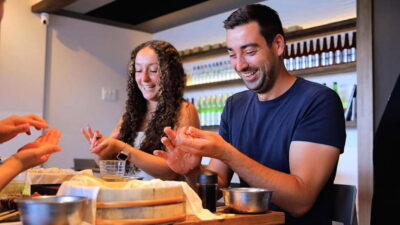
- Sushi Making Tokyo Roll and Authentic Japanese Sushi Class
★ 5.0 · 3,971 reviews - Tokyo: Roll and Authentic Sushi Making Class in Asakusa
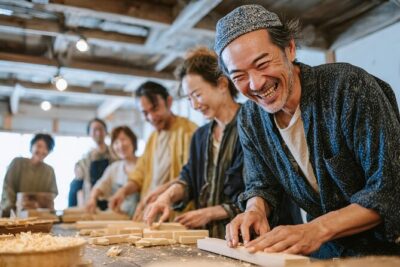
★ 4.9 · 1,957 reviews - Tokyo Shinjuku Chopsticks Making Class
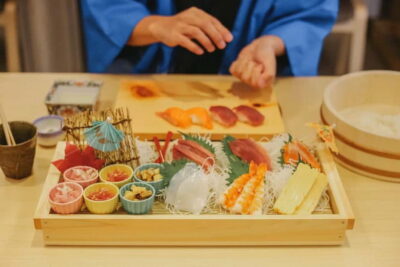
★ 5.0 · 1,763 reviews - Tokyo: Sushi Making Class in a Happi Coat near a Famous Spot
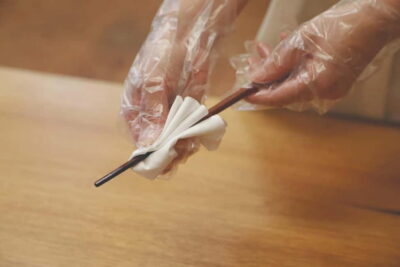
★ 4.9 · 1,377 reviews
Finding the meeting point in Azabu-Juban (and getting there on time)
The class meets at a specific address in Minato City, Azabu-Juban: 3-chōme, Sanpia Azabu-Jūban area (Tokyo 106-0045). The start time is 9:30am, and the activity ends back at the meeting point.
In plain terms, that’s good news for two reasons. First, you can plan around a normal morning schedule without long transfers across the city. Second, the meeting place is described as easy to locate and near public transportation, so you’re less likely to burn time figuring out where to stand.
One small planning note: the workshop lasts about 2 hours. That means arriving on time isn’t optional. If you’re even a little late, you’ll lose the short window you need for both cutting and making sushi.
What you actually do in the 2 hours: knife, tuna, then nigiri
Step 1: A short intro to tuna and Edo-style thinking
You start with guidance on how tuna is understood in sushi work—especially the idea that the fish is not one uniform block. You learn how different areas behave, and why sushi chefs treat the fish like a set of materials with different textures and uses.
If you’re coming in with zero experience, this kind of early context pays off. When you know what you’re looking for, the cutting part feels less random. You’re no longer just following hand motions; you’re learning the logic behind them.
Step 2: Cutting tuna with a Japanese knife
This is the heart of the experience: cutting a block of tuna under professional instruction. The chef shows you how to handle the knife and how to create clean, sushi-ready pieces.
You also get the practical lesson that surprises first-timers: cutting fish neatly is harder than it looks. In this class format, you don’t just do one try. You get to make a few cuts, so you can compare how changes in angle and pressure affect the result.
A practical tip you can apply later: watch how the chef stabilizes both the fish and the knife-hand. Good form isn’t just about speed. It’s about control.
- Tokyo: Shinjuku Food Tour (13 Dishes at 4 Local Eateries)★ 5.0 · 6,603 reviews
- Tokyo Mt Fuji 5th St & Hakone Cruise Bus Tour w/Bullet Train★ 4.4 · 5,024 reviews
- Flagship 2-Hours Official Street Go-Kart Tour – Tokyo Bay Shop★ 5.0 · 4,974 reviews
- From Tokyo: Mount Fuji Full-Day Sightseeing Trip★ 4.5 · 4,970 reviews
- Tokyo: Hop-On Hop-Off Sightseeing Bus Ticket★ 3.9 · 4,207 reviews
Step 3: Make sushi from your tuna cuts
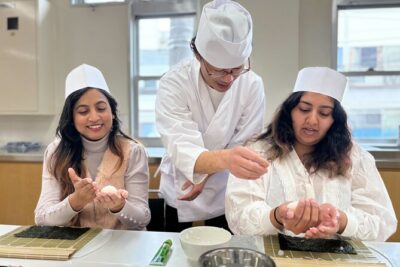
Once your tuna is cut, you move into sushi-making. The goal is usually nigiri-style presentation—rice topped with the prepared fish—using the tuna you cut yourself.
This part is where the class clicks for most people. The tuna you worked on turns into a dish you can eat immediately. Instead of leaving with photos, you’re eating the fruits of your knife practice.
You’ll also get instruction on handling and forming, so your pieces look like they belong on sushi rice rather than just on a cutting board.
Step 4: Eat your sushi for breakfast
The experience ends with you eating the sushi you made. It’s described as breakfast-style, which changes the tone. This isn’t a late lunch class where you’re full and relaxed. You’re working with a focused morning energy—and then tasting while everything is fresh and clearly connected to your effort.
The pro-chef instruction that makes the learning stick
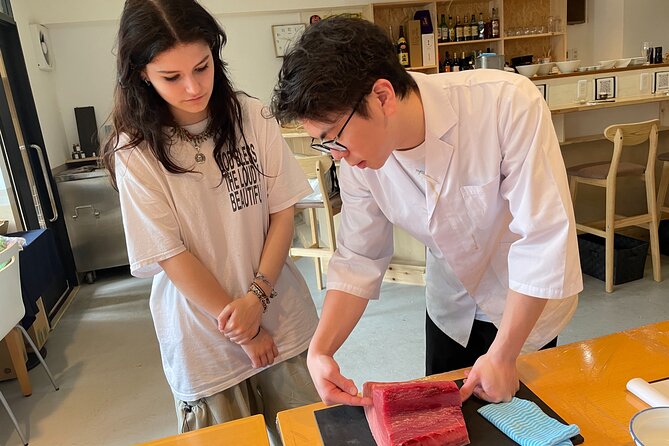
The strongest praise centers on the instructor style: kind teaching, clear explanation, and real technical focus. Many classes run with a translator like Amy, who helps explain the steps in a way that keeps you from getting lost during the knife work. Other staff mentioned include Azusa and Adam, described as friendly and informative.
Why does this matter? Japanese knife skills are all about fine details. If you only get the visual demo, you miss the verbal cues that explain how to adjust. Translation support helps you understand what the chef is correcting and why.
Also, you’re learning from someone whose entire professional life is built around small differences in cut shape and fish handling. That professional framing is hard to replicate in a casual cooking demo.
Tuna knowledge you can use back home
You’ll learn more than just how to cut. You learn the language of tuna—what parts are used for and how those parts relate to sushi presentation. Even if you never become a sushi chef, that knowledge changes how you buy tuna, how you talk about it, and how you understand textures when you eat it.
One useful outcome: you’ll get a better sense of how much work goes into sushi that looks effortless. When you try this at home later, you’ll realize why good sushi shops pay attention to trimming and cut consistency.
If you’re the type who likes to improve at cooking rather than just follow a recipe, this class gives you a strong starting foundation.
Group size and class vibe: friend-making without the crowd stress
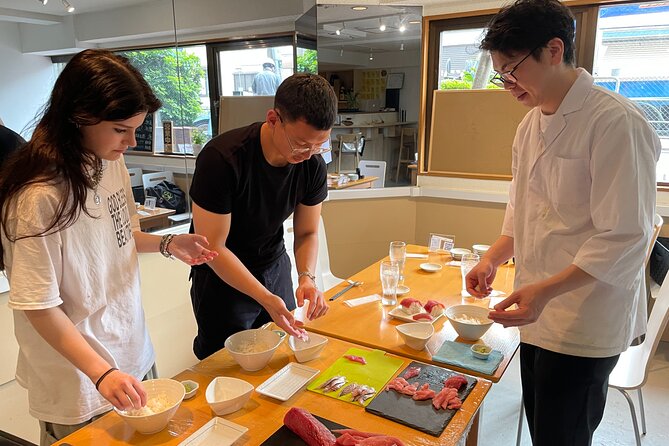
Max 10 people is a sweet spot. It’s small enough for interaction and quick questions, but it still feels social. In the kind of workshop format where you’re using hands-on tools, small groups help keep attention where it belongs: on technique and safety.
It’s also the kind of morning where you’re likely to meet a few people you genuinely talk to during the class, especially if you’re paired with others who care about learning.
Price and value: what you’re really paying for
The price is $182.43 per person, with bookings typically made about 71 days in advance.
At first glance, sushi workshops can feel expensive. Here’s the value argument that makes it make sense:
- Ingredients are included, including tuna and sushi components
- You get professional instruction focused on cutting, not just assembling
- The class time is compact (about 2 hours), which is efficient for hands-on technique coaching
- You take the work home as a skill plus a meal—you eat what you make
So the question isn’t just what you pay. It’s whether you want to learn the real technique piece (cutting tuna) with direct coaching. If yes, this price is easier to justify. If your main goal is eating a big sushi spread with minimal instruction, you might feel this is more technical than you need.
Knife skills, safety, and what to expect from the practice portion
The title includes Japanese knife skills, and the format backs that up with guided cutting practice. Even without a long explanation here, the class structure implies something important: you’re not expected to freestyle with sharp tools. You follow the chef’s lead, get corrections, and practice within the workshop’s flow.
That’s also why the instructor time is valuable. Knife work can go wrong fast if you don’t fix your technique early. In a small group, a chef can correct you before you build bad habits.
If you’re adding other Tokyo food stops: how to plan your morning
This starts at 9:30am and returns to the meeting point. Because it’s breakfast-style and ends soon after, it’s a great way to start a day dedicated to eating and neighborhood wandering.
Pair it with something nearby in Minato City or along easy transit lines after the class. You’ll already be oriented to the sushi-logic behind the meals you’ll eat next.
If you’re also doing market-style experiences in Tokyo, remember that this workshop is the skill-focused component. It complements market visits well because the market shows supply and sourcing, while the workshop teaches the transformation.
FAQ
What is the duration of the workshop?
The experience lasts about 2 hours.
Where does the workshop meet in Tokyo?
The meeting point is in Minato City, Azabu-Jūban, Tokyo 106-0045 at 3-chōme Sanpia Azabu-Jūban (and the activity ends back at the meeting point).
What time does the workshop start?
The start time is 9:30am.
How much does it cost?
It costs $182.43 per person.
Is the tuna and sushi ingredients included in the price?
Yes. Your tuna and sushi ingredients are included.
How many people are in the group?
The maximum group size is 10.
What will I learn to do during the class?
You’ll learn how to cut tuna and how to make sushi. You also learn about the parts of the tuna.
Is there a mobile ticket?
Yes, the tour includes a mobile ticket.
When will I receive confirmation after booking?
Confirmation is received within 48 hours of booking, subject to availability.
Can I cancel for a full refund?
Yes, you can cancel for a full refund if you cancel at least 24 hours before the experience’s start time.
What happens if the experience is canceled due to weather?
If it’s canceled due to poor weather, you’ll be offered a different date or a full refund.
Should you book this Tokyo tuna cutting and sushi workshop?
I’d book it if you want more than assembly. If your goal is to learn why tuna cuts matter and how Japanese knife technique creates clean, sushi-ready pieces, this is a strong fit. The small group size and included ingredients also make it feel like a complete, self-contained experience rather than a partial demo.
Skip it (or at least rethink) if you’re mainly looking for a long, leisurely meal or a purely sightseeing-focused morning. This is intentionally technical and short, so you get best results if you’re ready to pay attention and practice.
If you like hands-on cooking and want a skill you can carry beyond Tokyo, this is one of the more meaningful ways to spend a morning—cut tuna, make nigiri, and eat the result while it’s still clearly connected to what you just learned.
More Workshops in Tokyo
- Sushi Making Tokyo Roll and Authentic Japanese Sushi Class
★ 5.0 · 3,971 reviews - Tokyo: Roll and Authentic Sushi Making Class in Asakusa
★ 4.9 · 1,957 reviews - Tokyo Shinjuku Chopsticks Making Class
★ 5.0 · 1,763 reviews - Tokyo: Sushi Making Class in a Happi Coat near a Famous Spot
★ 4.9 · 1,377 reviews - Chopstick Making Workshop in Ginza
★ 4.8 · 1,366 reviews
More Tour Reviews in Tokyo
- Mt Fuji and Hakone 1-Day Bus Tour Return by Bullet Train
★ 5.0 · 26,383 reviews - 1-Day Tokyo Bus Tour
★ 5.0 · 14,250 reviews - Tokyo: teamLab Planets TOKYO Digital Art Museum Entry Ticket
★ 4.6 · 9,779 reviews - Mt Fuji & Hakone Cruise, Drum Show Bullet Train 1 Day from Tokyo
★ 4.0 · 7,413 reviews - Tokyo: Shinjuku Food Tour (13 Dishes at 4 Local Eateries)
★ 5.0 · 6,603 reviews
Latest Tokyo reviews off our desk




Workshops, compared.
 ★ 5.0Sushi Making Tokyo Roll and Authentic Japanese Sushi ClassFrom $593,971 reviews
 ★ 4.9Roll and Authentic Sushi Making Class in AsakusaFrom $581,957 reviews
 ★ 5.0Tokyo Shinjuku Chopsticks Making ClassFrom $201,763 reviews
 ★ 4.9Sushi Making Class in a Happi Coat near a Famous SpotFrom $421,377 reviews
 ★ 4.8Chopstick Making Workshop in GinzaFrom $251,366 reviews
 ★ 5.0Tokyo Sushi Making Class in Tsukiji with Professional ChefFrom $491,177 reviews
 ★ 5.0Ramen & Gyoza Cooking Class in Tokyo with Local Supermarket VisitFrom $122823 reviews
 ★ 5.0Matcha Making Class in Tokyo with Authentic Japanese Sweets SetFrom $21744 reviews
Browse the lists this tour appears in