
Reviewed · WORKSHOPS
Japanaese tradtional Tsugaru Shamisen music lesson in Tokyo
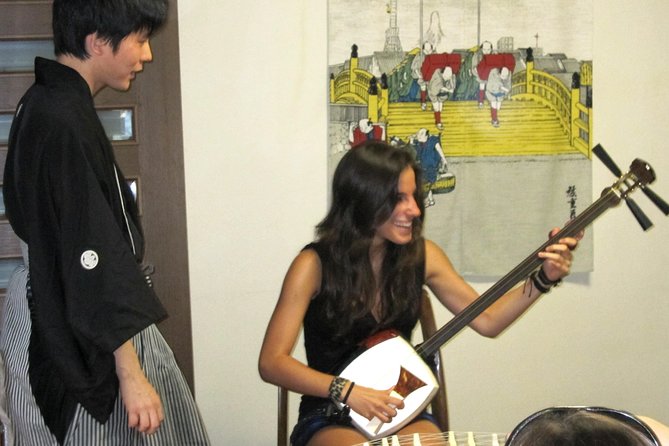
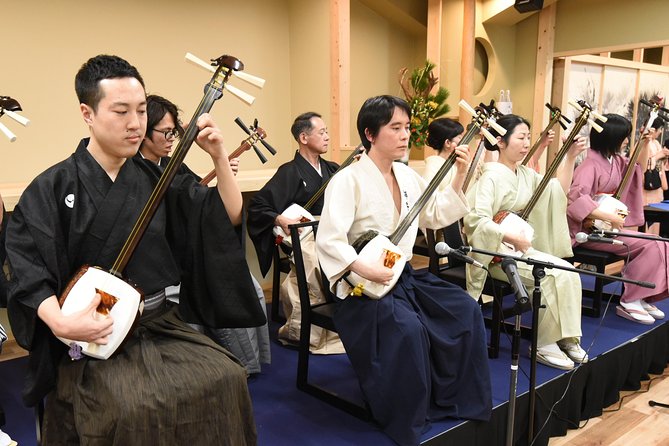
A three-string instrument can still feel like thunder. This Tsugaru shamisen lesson in Shinjuku pairs a professional performance with hands-on coaching so you can actually play, not just watch. You’ll learn the instrument’s parts, how to hold it, and how to use the pick (bachi) to get that distinctive, deep tone you hear in classic Tsugaru styles.
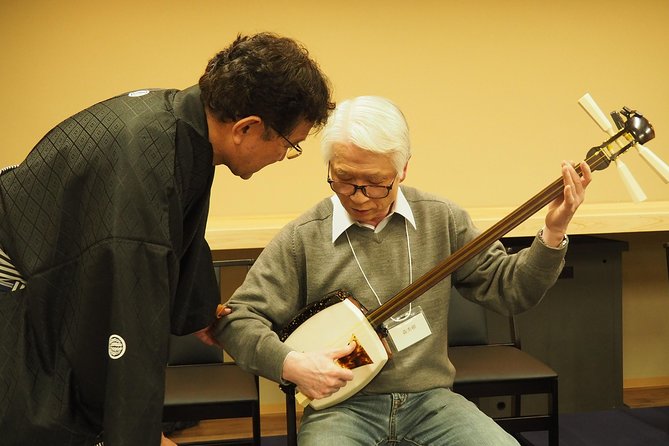
I especially like how direct the teaching is. You’re walked through fundamentals like posture and bachi technique, then you move to an easy song you play together with the instructor. I also like the built-in rhythm of the session: listen to award-level playing, then try to reproduce it yourself, with gentle, patient guidance.
One consideration: this is about 1 hour, so you’re not going to become a shamisen pro by the end. If you’re hoping for a long practice session or lots of individual solo time, you might want to ask about the private lesson option (extra charges apply).
Hands-on learning, not a sit-and-watch concert
You’ll use a bachi pick right away and learn the basics of holding the shamisen
A pro performance sets the standard for what you’re aiming to sound like
You can take photos and videos during your performance
Beginners fit in well, including kids and families
English instruction is available, with other languages on request
In This Review
- Tsugaru Shamisen in Tokyo: what makes this lesson special
- The Shinjuku setting and what your 1-hour session really includes
- The pro performance: listening like you’re learning
- From bachi grip to first notes: what you’ll practice
- Learning a full easy song, then leveling up
- What you’ll understand about the shamisen itself
- Price and value: is $77.26 worth it
- Who this is best for (and who might want a different option)
- Tips to get the most out of your shamisen lesson
- Should you book this Tsugaru Shamisen lesson in Tokyo?
- FAQ
- How long is the Tsugaru shamisen music lesson?
- Where does the lesson take place?
- What’s included in the price?
- Do I need to bring my own shamisen?
- Is the lesson suitable for beginners and kids?
- What language will the instruction be in?
- Is this a private group experience or shared with others?
Tsugaru Shamisen in Tokyo: what makes this lesson special
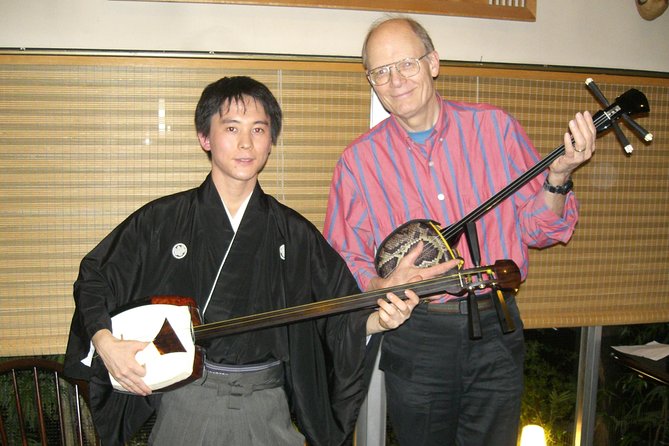
Tsugaru shamisen is the most famous and powerful-sounding style of shamisen. That’s a big reason this kind of workshop feels worth it in Tokyo: you get the chance to experience the instrument’s tone up close, then try to pull that sound out yourself.
For many people, the shamisen is a mystery at first. It’s not like a guitar lesson where you can fall back on familiar muscle memory. Here, you learn a totally different setup: how to hold the three-string instrument correctly, how the bachi works, and how technique connects to tone. In a short class, that focus matters because it prevents the usual beginner frustration of practicing randomly.
The class also has a practical flow. You’ll listen to shamisen music, get structural explanations of the instrument, and then practice together with the teacher. That’s how you keep moving forward instead of getting stuck at the “I’m not sure where my hand should go” stage.
The Shinjuku setting and what your 1-hour session really includes
You’ll meet in Shinjuku City at 14-28 Yochōmachi, Tokyo 162-0055. The start time isn’t listed for every day here, but opening hours run 9:00 AM to 6:00 PM, and the experience lasts about 1 hour (approx.). The activity ends back at the meeting point, so you’re not signing up for a half-day commitment.
This matters because shamisen workshops work best when you’re not rushed by travel time. Shinjuku is already easy to reach thanks to public transportation, and being near public transportation helps you arrive calm and ready. Also, the program is designed as a private tour/activity for your group, so it’s not a chaotic, mixed crowd where everyone gets minimal attention.
Expect the session to be structured and paced. The typical program flow includes:
- how to hold the shamisen
- how to play using a pick (bachi)
- learning an easy song
- an introduction to advanced techniques
- listening time for shamisen music
- explanation of the shamisen’s structure
- playing one song together with the teacher
- photo/video time
That last part is more important than it sounds. If you’re paying to learn an instrument, capturing your first performance helps you remember the correct hand position and the sound you were aiming for.
Readers also shortlisted these Tokyo bookings:
- Sushi Making Tokyo Roll and Authentic Japanese Sushi Class
★ 5.0 · 3,971 reviews - Tokyo: Roll and Authentic Sushi Making Class in Asakusa
★ 4.9 · 1,957 reviews - Tokyo Shinjuku Chopsticks Making Class
★ 5.0 · 1,763 reviews - Tokyo: Sushi Making Class in a Happi Coat near a Famous Spot
★ 4.9 · 1,377 reviews
The pro performance: listening like you’re learning
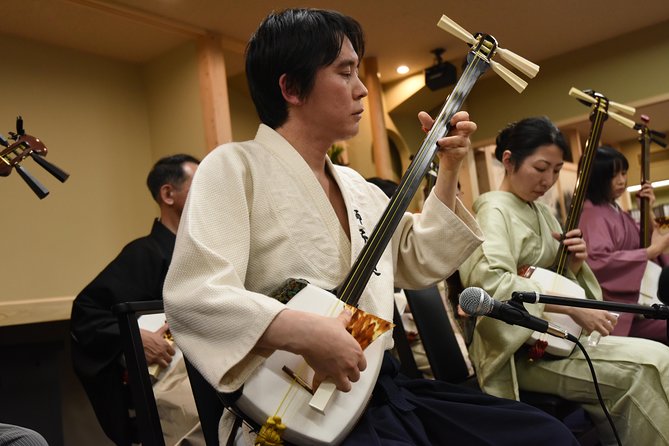
A key part of this experience is that you hear a real Tsugaru shamisen performance first. The instructor/perfomer is described as a group championship winner at the Tsugaru Shamisen World Tournament, which sets the bar for what you’ll be practicing.
I like this order: you listen first, then learn. When you hear the deep, percussive qualities of the shamisen, you start noticing details that you would otherwise miss. You begin to connect technique to sound, like how the bachi angle and timing can make the tone feel stronger or more controlled.
Then, once the teacher explains the instrument’s structure and guides your playing, you’re not just copying finger positions. You’re building a mental target for the sound. That makes the lesson feel less like a demo and more like training your ear as you train your hands.
From bachi grip to first notes: what you’ll practice
In a lot of music classes, the biggest hurdle is the first 10 minutes. Your hands feel awkward, your timing feels off, and you wonder if you’re doing it wrong. This program addresses that by starting with the basics you need to begin sounding like you know what you’re doing.
You’ll learn:
- how to hold the shamisen
- how to play using the bachi pick
- an easy song you can start learning right away
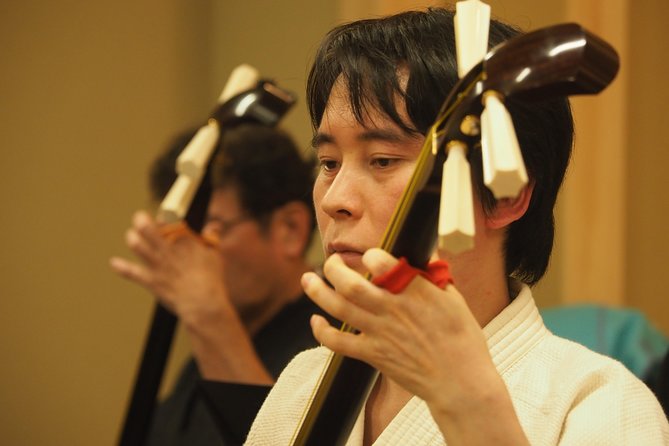
The bachi part is essential. This pick is the core tool for the Tsugaru shamisen feel. You’re not just moving fingers; you’re driving the sound with how you strike. With guided instruction, you’ll get a clearer idea of the proper pick technique before you attempt anything more musical.
The good news for first-timers is that the session is set up for beginners. Instruction is described as gentle, and the program is framed as suitable for most travelers. That’s ideal if you’ve never played an instrument or if you’re teaching music concepts to children without turning it into a stressful lesson.
Learning a full easy song, then leveling up
One of the best parts of booking a lesson like this in Tokyo is that you’re not left at the “lesson ends before anything clicks” stage. The program is built around getting you to play an easy song.
Even better, it doesn’t stop there. After you start with the basics, you’ll get an introduction to advanced techniques. That’s a smart way to keep the class interesting for people who are learning quickly or who just want to understand what makes Tsugaru playing sound more intense and expressive.
And the session isn’t only solo practice. You’ll also play one song together with the teacher. That changes everything for beginners. Instead of worrying that you’re “bad,” you’re part of the music. The shared playing reduces pressure and helps you lock in the rhythm and timing.
From the guidance style described here, the instructor approach is patient and supportive, which is often the difference between a fun family workshop and a frustrating one. If you’re bringing kids, that patience is especially important. You want everyone to finish smiling, not switching off halfway through.
What you’ll understand about the shamisen itself
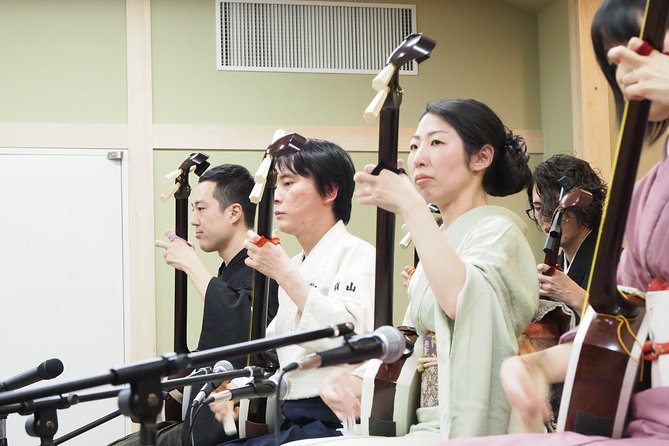
This isn’t just finger choreography. The program also includes explanation of the shamisen’s structure. When you understand what you’re holding and what each part does, your learning becomes more intentional.
You’ll also get the instrument rental included. That’s practical because you don’t have to track down a shamisen before class or worry about bringing one through Tokyo. It’s built into the price, along with instruction.
The structure explanation also helps you communicate with yourself while you practice. Instead of repeating “I hope I’m doing it right,” you can think in terms of what you’re trying to produce: tone, timing, and technique.
- Tokyo: Shinjuku Food Tour (13 Dishes at 4 Local Eateries)★ 5.0 · 6,603 reviews
- Tokyo Mt Fuji 5th St & Hakone Cruise Bus Tour w/Bullet Train★ 4.4 · 5,024 reviews
- Flagship 2-Hours Official Street Go-Kart Tour – Tokyo Bay Shop★ 5.0 · 4,974 reviews
- From Tokyo: Mount Fuji Full-Day Sightseeing Trip★ 4.5 · 4,970 reviews
- Tokyo: Hop-On Hop-Off Sightseeing Bus Ticket★ 3.9 · 4,207 reviews
Price and value: is $77.26 worth it
At $77.26 per person for an experience lasting about an hour, the question is value. Here’s what’s included:
- nationally accredited tour guide-interpreter
- shamisen rental
- shamisen playing lesson
That’s a pretty solid package for a hands-on instrument class. You’re paying for more than a teacher’s time: you’re paying for the interpreter support and the rental instrument. For tourists, those two things often save you from extra hassle and extra costs.
You’re also getting a pro performance component, plus structured teaching that moves you from basics to an easy song and then into additional technique ideas. In other words, it’s not a one-track “watch and leave” activity.
One practical note: there are group discounts, and the experience is booked on average about 42 days in advance. So if you’re flexible, planning ahead can help you catch better pricing options when they’re offered.
Who this is best for (and who might want a different option)
This Tokyo Tsugaru shamisen lesson is a great fit if:
- you want a hands-on cultural experience that ends with you making music
- you’re traveling as a couple, family, or small group and want a shared activity
- you like music and want to understand the instrument, not just consume it
- you’re a beginner who needs gentle direction
- you’re looking for an educational option for schools, language programs, or academic groups
It’s also suitable for educational purposes like student learning or corporate training, based on how the experience is described. That’s unusual for instrument workshops, and it hints that the teaching style is designed to work across ages and experience levels.
If you’re already an experienced musician, you might still enjoy the class, but you may want the private lesson option (additional charges apply) if you want deeper technique, more time, and more individual feedback.
Tips to get the most out of your shamisen lesson
You can make this experience smoother with a few simple choices:
- Wear comfortable clothes that let you move your arms freely.
- If you’re unsure about your musical background, don’t overthink it. The class is paced for beginners.
- Bring a camera-ready mindset. Photos and videos are allowed during your performance, so you’ll want to capture your own progress.
- Arrive ready to listen as much as you play. The performance is part of the learning, not an add-on.
Also, because this is in Shinjuku, plan a little buffer for your walk from transit. You’ll start better when you’re not rushing.
Should you book this Tsugaru Shamisen lesson in Tokyo?
I’d book it if you want a short, rewarding Tokyo activity where you actually learn something tangible. This is the kind of workshop that works for first-timers because it teaches the essentials (holding the shamisen, using the bachi, learning an easy song) and supports you through the awkward early stage.
Choose it over a generic cultural show if you care about hands-on learning and you want a guided, beginner-friendly path. It’s also a strong family option, especially when you value patient instruction and want kids to finish with something they can point to and say: I played that.
Skip it or consider adding a private lesson if your goal is mastery or long practice time. One hour can get you started well, but it can’t replace ongoing training.
If you want a memorable, authentic Tsugaru shamisen experience with real coaching in the heart of Shinjuku, this is a very practical way to do it.
FAQ
How long is the Tsugaru shamisen music lesson?
The experience is about 1 hour.
Where does the lesson take place?
It meets in Shinjuku City at 14-28 Yochōmachi, Tokyo 162-0055, Japan, and ends back at the meeting point.
What’s included in the price?
The price includes a nationally accredited tour guide-interpreter, shamisen rental, and the shamisen playing lesson.
Do I need to bring my own shamisen?
No. Shamisen rental is included.
Is the lesson suitable for beginners and kids?
Yes. The instruction is described as gentle, beginners are welcome, and children and families are welcome.
What language will the instruction be in?
Licensed instructors are available in English and other languages. French and Spanish are available upon request.
Is this a private group experience or shared with others?
It’s described as private for your group only. Only your group participates. Service animals are allowed.
More Workshops in Tokyo
- Sushi Making Tokyo Roll and Authentic Japanese Sushi Class
★ 5.0 · 3,971 reviews - Tokyo: Roll and Authentic Sushi Making Class in Asakusa
★ 4.9 · 1,957 reviews - Tokyo Shinjuku Chopsticks Making Class
★ 5.0 · 1,763 reviews - Tokyo: Sushi Making Class in a Happi Coat near a Famous Spot
★ 4.9 · 1,377 reviews - Chopstick Making Workshop in Ginza
★ 4.8 · 1,366 reviews
More Tour Reviews in Tokyo
- Mt Fuji and Hakone 1-Day Bus Tour Return by Bullet Train
★ 5.0 · 26,383 reviews - 1-Day Tokyo Bus Tour
★ 5.0 · 14,250 reviews - Tokyo: teamLab Planets TOKYO Digital Art Museum Entry Ticket
★ 4.6 · 9,779 reviews - Mt Fuji & Hakone Cruise, Drum Show Bullet Train 1 Day from Tokyo
★ 4.0 · 7,413 reviews - Tokyo: Shinjuku Food Tour (13 Dishes at 4 Local Eateries)
★ 5.0 · 6,603 reviews
Latest Tokyo reviews off our desk






Workshops, compared.
 ★ 5.0Sushi Making Tokyo Roll and Authentic Japanese Sushi ClassFrom $593,971 reviews
 ★ 4.9Roll and Authentic Sushi Making Class in AsakusaFrom $581,957 reviews
 ★ 5.0Tokyo Shinjuku Chopsticks Making ClassFrom $201,763 reviews
 ★ 4.9Sushi Making Class in a Happi Coat near a Famous SpotFrom $421,377 reviews
 ★ 4.8Chopstick Making Workshop in GinzaFrom $251,366 reviews
 ★ 5.0Tokyo Sushi Making Class in Tsukiji with Professional ChefFrom $491,177 reviews
 ★ 5.0Ramen & Gyoza Cooking Class in Tokyo with Local Supermarket VisitFrom $122823 reviews
 ★ 5.0Matcha Making Class in Tokyo with Authentic Japanese Sweets SetFrom $21744 reviews
Browse the lists this tour appears in