
Reviewed · WORKSHOPS
Japanese Fan Painting Workshop ~ in a Tokyo Flower Shop
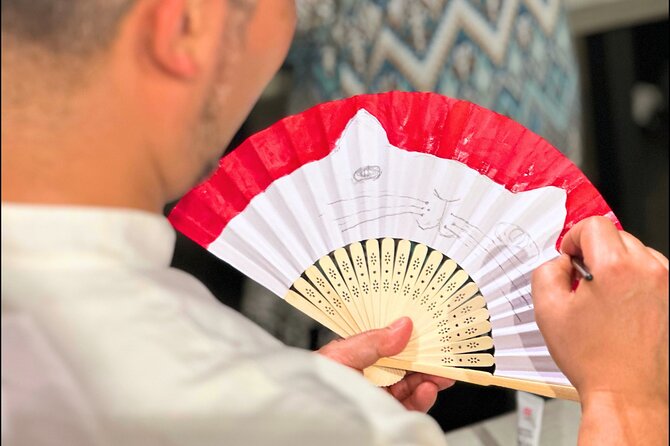
A fan looks simple. Then you paint one and realize it is an art puzzle. This workshop turns Tokyo time into something calmer: Japanese fan painting inside a flower shop setting, with an instructor explaining the cultural role of fans while you create your own design.
I love two things most. First, Ruby and the team keep the mood gentle and beginner-friendly, even if you feel clumsy with a brush. Second, you get practical guidance for painting on a fan’s curved, irregular surface, plus you walk away with something that’s not just pretty—it’s usable for warm days. One consideration: the session is about 2 hours, so if you want ultra-detailed results, keep your design simple and enjoy the process over perfection.
In This Review
- Key Things I Think You’ll Enjoy
- Why Paint a Fan in a Tokyo Flower Shop?
- Finding the Workshop: Park House Chiyoda Kojimachi
- Meeting Ruby and the Small-Group Feel
- Choosing Your Fan: Shape, Size, and Color Matter
- Traditional Motifs, Plus Room to Be Yourself
- The Technique Lesson That Helps: Painting on a Curved Surface
- What the Materials Handle for You
- Time on the Clock: About Two Hours of Creative Calm
- Price and Value: Is $60 Fair for This?
- Who This Workshop Suits Best
- My Booking Checklist (So You Get the Most Out of It)
- Should You Book This Fan Painting Workshop?
- FAQ
- How long is the Japanese Fan Painting Workshop?
- How much does it cost?
- Where does the workshop start?
- Is there a set end point?
- What kind of fan can I paint?
- Do I get materials and supplies?
- What will I learn in the workshop?
- How big is the group?
- Is free cancellation available?
Key Things I Think You’ll Enjoy
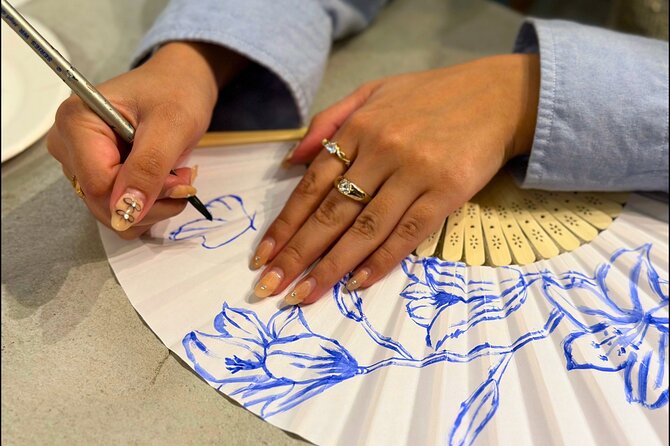
- Ruby’s calm, patient teaching makes first-timers feel welcome
- A flower shop atmosphere swaps street noise for soft focus and creativity
- Choose your fan by shape, size, and color before you paint
- Motifs plus freedom: follow traditions or make your own design
- Technique tips that matter for painting on a curved, irregular surface
Why Paint a Fan in a Tokyo Flower Shop?
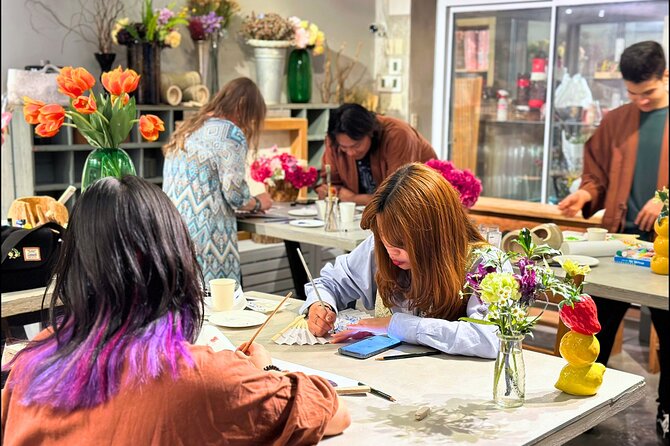
Tokyo can feel like it runs on fast-forward. This is the opposite. You get to work with your hands in a quiet, flower-filled space, where the goal is to slow down and enjoy the creative rhythm.
A fan is a fun subject for a workshop because it is both symbolic and practical. Even if you know nothing about Japanese art, the canvas is ready for you: a ready-to-paint fan in different shapes, sizes, and colors. The instructor also frames the experience with a look at why fans mattered in Japanese culture and history, so your painting has context—not just a blank “craft table” vibe.
And because you’re learning in a real shop environment, it feels more lived-in than a studio class. You’re not just making a souvenir. You’re spending time in a small slice of Tokyo life that feels human, not manufactured.
Readers also shortlisted these Tokyo bookings:
- Sushi Making Tokyo Roll and Authentic Japanese Sushi Class
★ 5.0 · 3,971 reviews - Tokyo: Roll and Authentic Sushi Making Class in Asakusa
★ 4.9 · 1,957 reviews - Tokyo Shinjuku Chopsticks Making Class
★ 5.0 · 1,763 reviews - Tokyo: Sushi Making Class in a Happi Coat near a Famous Spot
★ 4.9 · 1,377 reviews
Finding the Workshop: Park House Chiyoda Kojimachi
You’ll start at Park House Chiyoda Kojimachi in Kōjimachi (Tokyo, Chiyoda City). The good news is that it’s described as being near public transportation, so you’re not trapped in taxi-only territory.
It also runs as a loop: the activity ends back at the meeting point. That keeps your evening plans simple afterward. If you’re trying to build a day around an art stop, this one fits well because it doesn’t steal your whole day or create navigation stress.
One practical note: the workshop is booked far ahead on average (about 47 days). If your dates are fixed, I’d secure your spot sooner rather than later.
Meeting Ruby and the Small-Group Feel
The instructor for this workshop is Ruby, and the shop team sets the tone. What stood out from participant feedback is the emphasis on patience and kindness—especially for people who consider themselves beginners.
This matters more than it sounds. Painting on a fan isn’t like painting a flat postcard. The surface isn’t perfectly smooth or straight, so you need permission to make mistakes early. A supportive teacher helps you focus on progress instead of anxiety. That relaxed approach is part of the value here.
The group size is capped at a maximum of 20. That keeps things from turning into a noisy classroom. You still get real help when you need it, not just a quick wave across the room.
Choosing Your Fan: Shape, Size, and Color Matter
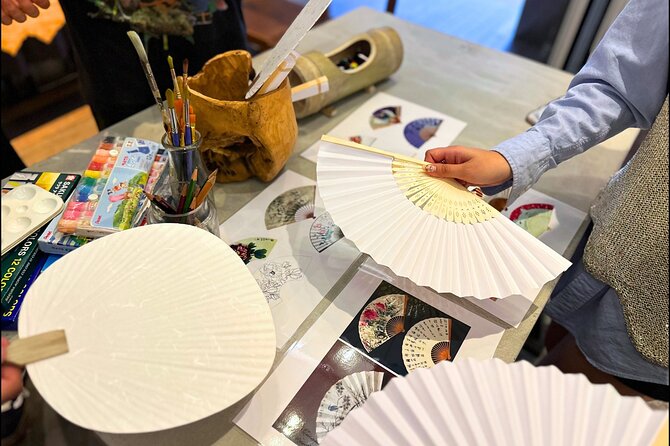
Right when you arrive, you step into the flower-filled space that sets up the whole session. Then you pick your fan. Each participant can choose from a variety of fan shapes, sizes, and colors.
This choice changes everything about your final artwork. A larger fan gives you more room for story-like compositions. A smaller one forces you to think in bold, simple marks. Different shapes can also make certain motifs easier to place. Even if you’re not planning a masterpiece, choosing thoughtfully makes the workshop feel intentional.
And remember: the fan isn’t only for looks. The materials and the finished piece are meant to be functional too, serving as a cooling tool in warm months. So you’re designing something you can actually use, not storing it like a temporary craft.
Traditional Motifs, Plus Room to Be Yourself
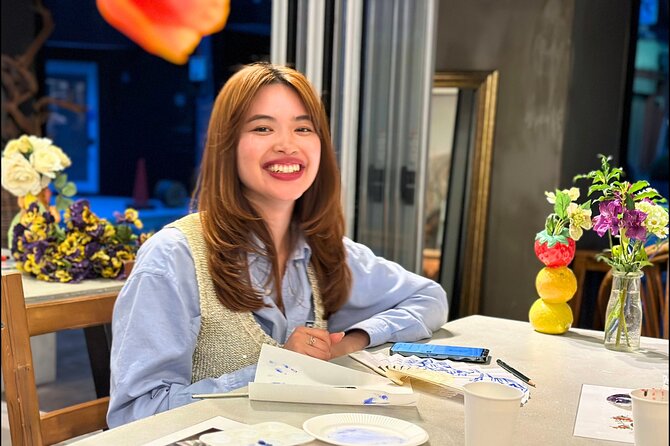
The workshop teaches both the “what” and the “why.” You’ll learn about the history and significance of fan painting in Japanese culture, then you’ll look at traditional motifs you can try, such as:
- cherry blossoms
- koi fish
- scenic scenes (with backgrounds and settings)
If you want structure, these motifs give you a starting map. If you’d rather follow your own imagination, you can do your own thing. The instructor supports the process either way, so you’re not forced into copying.
From a practical perspective, I like having options like this. Tokyo has plenty of rigid, checklist-style experiences. This one lets you be creative while still benefiting from guidance.
- Tokyo: Shinjuku Food Tour (13 Dishes at 4 Local Eateries)★ 5.0 · 6,603 reviews
- Tokyo Mt Fuji 5th St & Hakone Cruise Bus Tour w/Bullet Train★ 4.4 · 5,024 reviews
- Flagship 2-Hours Official Street Go-Kart Tour – Tokyo Bay Shop★ 5.0 · 4,974 reviews
- From Tokyo: Mount Fuji Full-Day Sightseeing Trip★ 4.5 · 4,970 reviews
- Tokyo: Hop-On Hop-Off Sightseeing Bus Ticket★ 3.9 · 4,207 reviews
The Technique Lesson That Helps: Painting on a Curved Surface
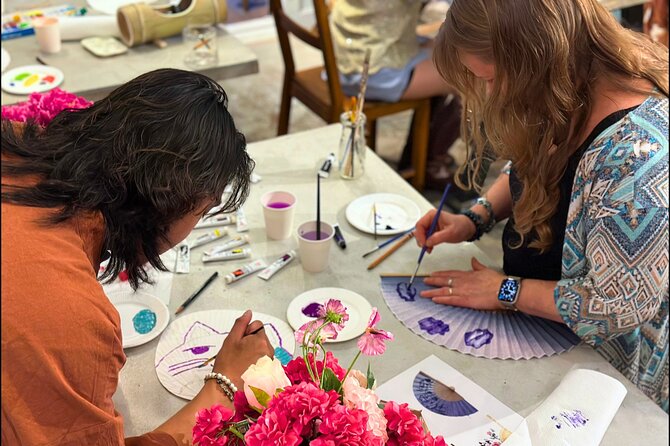
Here’s where the workshop earns its keep. Fans have an irregular, angled surface, and acrylic plus water-based paints can behave differently than you expect on curves. You’re not left to figure it out alone.
You’ll get helpful advice for painting on that kind of surface. One specific kind of guidance that comes up is how to handle paint application when the fan doesn’t behave like a flat canvas. That can mean adjusting how you hold the brush, how you lay down paint, and how you build lines without them smearing or pooling.
If you’re new to painting, this is the difference between ending with something just “okay” and ending with something you actually like looking at later. And if you’ve done art before, you may still appreciate the reminder that fan surfaces demand a slightly different touch.
What the Materials Handle for You
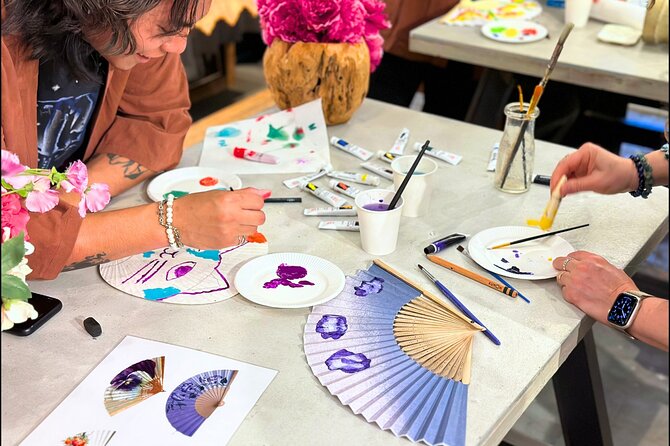
A big relief: the workshop provides the materials. That includes paints and brushes (and you’ll have what you need to complete the fan).
From a value standpoint, this is key. In Tokyo, art supply shopping can be a mini-quest. Here, you show up and start creating. That’s part of why the price feels fair for what you get in return: instruction + materials + a finished, usable souvenir in about two hours.
The workshop also supports a relaxed pace. The point isn’t to rush. You’re aiming for a clean, satisfying result that fits the time you have.
Time on the Clock: About Two Hours of Creative Calm
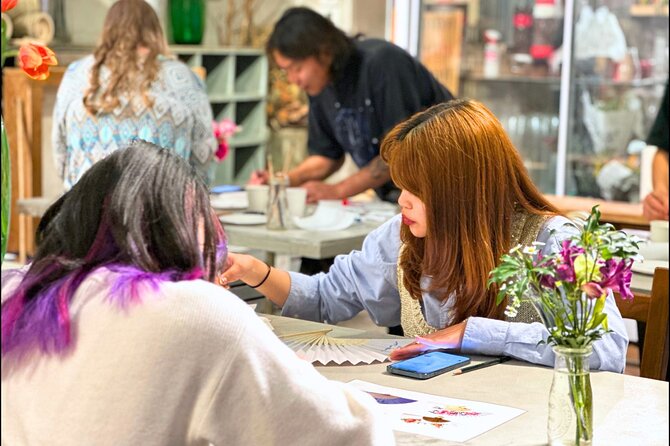
The workshop duration is approximately 2 hours. That’s a good length for most people. You can learn, paint, and finish without feeling like you lost your whole afternoon.
The trade-off is simple: you might not have time for super elaborate details. If you plan a design with lots of tiny elements, keep them minimal. Think of the fan like a stage for a few strong visual choices—one hero motif, some supportive accents, and a finish that reads well at a glance.
Also, you’ll likely have a moment to take photos at the end. That’s handy if you want a record of your design and a quick way to share it with friends who weren’t in the flower shop with you.
Price and Value: Is $60 Fair for This?
The price is $60 per person for the workshop, lasting about 2 hours.
To me, the value comes from three things working together:
- You’re not just crafting. You’re learning technique and symbolism, with an instructor guiding you through the process.
- Materials are included, so you don’t pay extra or hunt down supplies.
- You get a usable end product: a fan that can actually cool you off in warm months, not just sit on a shelf.
Yes, it costs money. But compared with the cost of an “experience” that gives you nothing except photos and a ticket, this one gives you a take-home object with real thought behind it.
If you’re on a tight budget, you can still make it work by treating it as your main planned activity for the half-day. It’s better than paying for multiple small add-ons that don’t leave you with something you’ll keep.
Who This Workshop Suits Best
This is a great fit if you want:
- a calmer alternative to Tokyo street time
- a guided art activity with beginner-friendly support
- a souvenir you actually helped make
- a chance to meet like-minded artsy people in a small setting
It’s especially good for couples and friends who want to do something hands-on together. The atmosphere feels friendly, and the shared project gives you something natural to talk about: colors, ideas, and how you each solved the fan’s tricky shape.
If you’ve taken many art classes and you’re chasing advanced technical challenges, you might find the structure more relaxing than intense. But you’ll still likely enjoy the motivation and the fan-specific painting tips.
My Booking Checklist (So You Get the Most Out of It)
Before you go, do three simple things:
- Keep your design plan light: choose one motif plus a few supporting details.
- Wear something you’re okay with getting paint on (even if the shop keeps things tidy).
- Plan to arrive with time to settle in. The flower shop setting is part of the experience, not just a hallway before painting.
And because it’s in demand, book ahead if your schedule is fixed. The workshop is often booked about 47 days in advance on average.
Should You Book This Fan Painting Workshop?
Book it if you want a creative, grounded Tokyo experience. You’ll get a friendly instructor-led class, materials included, and a functional souvenir that’s personal instead of generic. The flower shop setting makes it feel like a genuine breather from the city’s speed.
Skip it only if you need something highly technical or fast-paced. This is a relaxing, supportive session. The focus is making a fan you like and understanding the cultural role of fan painting, not pushing advanced skills to the limit.
If you’re the kind of person who enjoys slow craft projects and walking out with an object you made with your own hands, this is an easy yes.
FAQ
How long is the Japanese Fan Painting Workshop?
It lasts about 2 hours.
How much does it cost?
The price is $60 per person.
Where does the workshop start?
The meeting point is Park House Chiyoda Kojimachi, Kōjimachi, 6-chōme 46, Chiyoda City, Tokyo.
Is there a set end point?
Yes. The activity ends back at the meeting point.
What kind of fan can I paint?
Each participant can choose from a variety of fan shapes, sizes, and colors.
Do I get materials and supplies?
Yes. The workshop provides the materials you need, including paints and brushes.
What will I learn in the workshop?
You’ll learn about the history and significance of fan painting in Japanese culture, plus traditional motifs you can use or your own designs.
How big is the group?
The workshop has a maximum of 20 travelers.
Is free cancellation available?
Yes. You can cancel up to 24 hours before the experience for a full refund.
More Workshops in Tokyo
- Sushi Making Tokyo Roll and Authentic Japanese Sushi Class
★ 5.0 · 3,971 reviews - Tokyo: Roll and Authentic Sushi Making Class in Asakusa
★ 4.9 · 1,957 reviews - Tokyo Shinjuku Chopsticks Making Class
★ 5.0 · 1,763 reviews - Tokyo: Sushi Making Class in a Happi Coat near a Famous Spot
★ 4.9 · 1,377 reviews - Chopstick Making Workshop in Ginza
★ 4.8 · 1,366 reviews
More Tour Reviews in Tokyo
- Mt Fuji and Hakone 1-Day Bus Tour Return by Bullet Train
★ 5.0 · 26,383 reviews - 1-Day Tokyo Bus Tour
★ 5.0 · 14,250 reviews - Tokyo: teamLab Planets TOKYO Digital Art Museum Entry Ticket
★ 4.6 · 9,779 reviews - Mt Fuji & Hakone Cruise, Drum Show Bullet Train 1 Day from Tokyo
★ 4.0 · 7,413 reviews - Tokyo: Shinjuku Food Tour (13 Dishes at 4 Local Eateries)
★ 5.0 · 6,603 reviews
Latest Tokyo reviews off our desk






Workshops, compared.
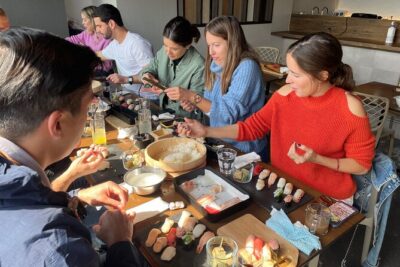 ★ 5.0Sushi Making Tokyo Roll and Authentic Japanese Sushi ClassFrom $593,971 reviews
 ★ 4.9Roll and Authentic Sushi Making Class in AsakusaFrom $581,957 reviews
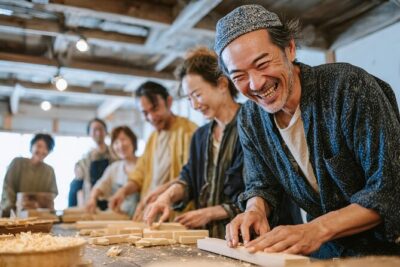 ★ 5.0Tokyo Shinjuku Chopsticks Making ClassFrom $201,763 reviews
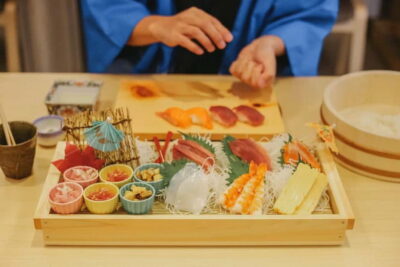 ★ 4.9Sushi Making Class in a Happi Coat near a Famous SpotFrom $421,377 reviews
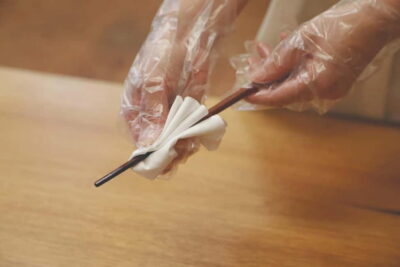 ★ 4.8Chopstick Making Workshop in GinzaFrom $251,366 reviews
 ★ 5.0Tokyo Sushi Making Class in Tsukiji with Professional ChefFrom $491,177 reviews
 ★ 5.0Ramen & Gyoza Cooking Class in Tokyo with Local Supermarket VisitFrom $122823 reviews
 ★ 5.0Matcha Making Class in Tokyo with Authentic Japanese Sweets SetFrom $21744 reviews
Browse the lists this tour appears in