
Reviewed · COOKING CLASSES
Japanese Home Cooking Class & Walk in Todoroki Temple Tokyo
Todoroki Valley makes this cooking class feel like a side quest. You get a small-group hands-on lesson in Casa de Tomokita’s home, plus a short stroll to Todoroki Fudoson and viewpoints in the valley. I especially like the choose-your-main setup (so ingredients are ready) and the fact that you eat what you make. One possible drawback: you’ll need to commit to your main dish ahead of time, so last-minute swaps aren’t really the vibe.
If you care about value, this is one of the few Tokyo cooking experiences where food and drinks are part of the price. You get bottled water, hot drinks, and even alcoholic beverages with your meal, not just tasting bites. The session runs about 2 hours 30 minutes and finishes back at Todoroki Station.
The practical note: this is not a big-van, checklist sightseeing tour. It’s a max of 4 people in a home setting, so if you prefer lots of people, lots of noise, and zero participation, you may feel a bit too “hands-on.”
In This Review
- Key takeaways you’ll feel on the day
- Todoroki Station to Todoroki Valley: the setting matters
- The temple and valley walk: quick, scenic, and actually useful
- Casa de Tomokita: a home kitchen beats a demo booth
- What you cook: appetizer, main, and dessert (not just one plate)
- Picking your main dish in advance
- Hands-on, step-by-step
- Dessert is part of the point
- Drinks and meal time: you eat together, with what you made
- What you’re really paying for: value at $110.99
- Dietary needs and questions: plan ahead, then relax
- Your timing: 2 hours 30 minutes that feels like an afternoon
- How to make it smoother (and more fun) on the day
- Who this is perfect for (and who should skip it)
- Should you book Japanese Home Cooking Class & Walk in Todoroki Temple?
- FAQ
- How long is the Japanese Home Cooking Class & Walk in Todoroki Temple?
- Where do I meet for the class?
- Is the group size small?
- What is included in the price?
- Do I choose what I cook?
- Do we visit Todoroki Valley and a temple?
- What times is the class offered?
- What’s the cancellation policy?
Key takeaways you’ll feel on the day
- Todoroki Valley + a local temple first: short, calm sightseeing that sets a different Tokyo mood.
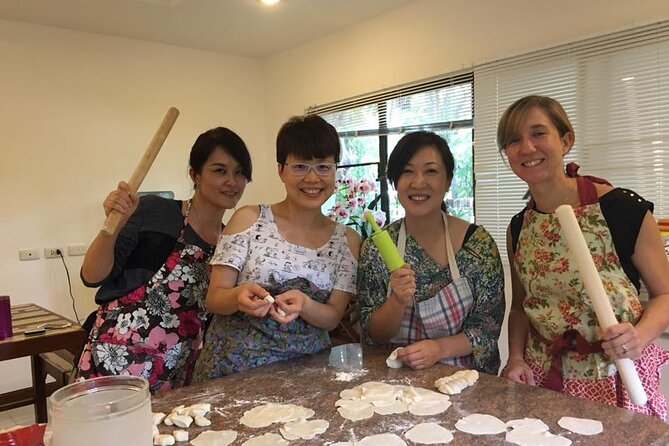
- Max 4 people: more individual attention while you cook.
- Pick your main in advance: options can include okonomiyaki, ramen, sushi rolls, and more.
- You cook appetizer, main, and dessert: not just one dish and done.
- All meals and drinks included: bottled water, hot drinks, and alcoholic beverages.
- Recipes go home with you: you can actually recreate what you learned.
Todoroki Station to Todoroki Valley: the setting matters
This class starts at Todoroki Station (the meeting point is Todoroki Station, 3 Chome-1). From there, the day eases into a local neighborhood walk rather than jumping straight into a kitchen.
What I love about Todoroki for this kind of experience is contrast. Tokyo stations can feel like you’re inside a machine. Then you step into Todoroki’s valley area and it slows down. Even if you’re only there for an afternoon, the views give you a “why Tokyo is different” feeling without adding stress.
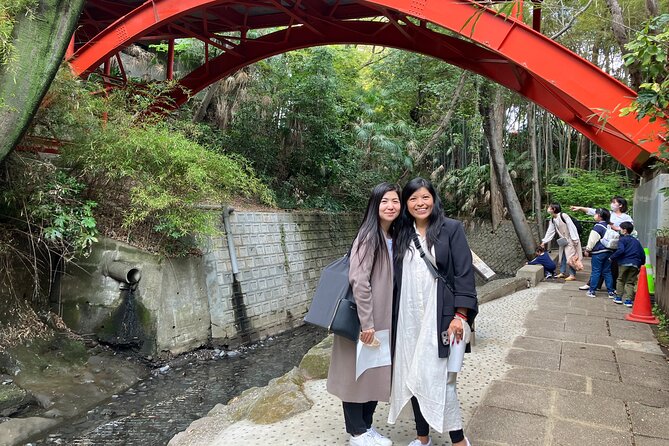
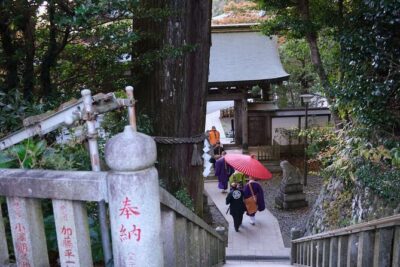
The temple stop is short, but it’s a real piece of the area. You’ll visit Todoroki Fudoson (admission is listed as free), then you’ll enjoy the views from the valley. These are not long museum-style visits. Think: a calm reset, photos if you want them, and a chance to watch everyday local life before cooking.
Readers also shortlisted these Tokyo bookings:
- Tokyo Tsukiji Fish Market Food and Culture Walking Tour
★ 5.0 · 3,184 reviews - Tokyo: Imperial Palace and Shogun Historical Walking Tour
★ 5.0 · 2,251 reviews - Tokyo: Shinjuku Local Bar and Izakaya Guided Walking Tour
★ 4.9 · 1,794 reviews - Tokyo: Tsukiji Fish Market Food and Walking tour
★ 5.0 · 1,724 reviews
The temple and valley walk: quick, scenic, and actually useful
Stop timing matters here because it keeps the class from feeling rushed. You get a small “cultural warm-up” before food prep starts.
At Todoroki Fudoson, the experience is simple: you go, you see, you move on. The value is less about a deep lecture (you don’t get stuck for hours), and more about getting your bearings in a quieter pocket of Tokyo. If you’re the type who likes meaning, you’ll likely appreciate visiting a real local temple instead of only seeing grand-famous sites.
Then comes Todoroki Valley for a viewpoint break. It’s brief—just enough to enjoy the outdoor change of pace. In a cooking class day, that matters. Warm indoor kitchens can be a blur, so this outdoor stretch helps you stay present and not show up already mentally exhausted.
Casa de Tomokita: a home kitchen beats a demo booth
After the valley walk, you head to the class location near the area (it’s described as about a 5-minute walk from the valley). This is where the experience shifts from sightseeing to making.
The big deal is the group size. You’re capped at 4 travelers. In practice, that usually means you’re not standing on the sidelines watching someone else cook. You get real coaching while you work—especially helpful if you’re a beginner who doesn’t yet know what “right” looks like for dough texture, simmer timing, or seasoning balance.
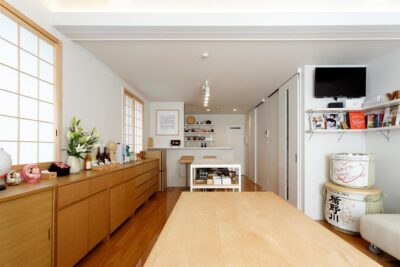
Also, this is hosted in a real home environment. Multiple reviews describe it as peaceful and traditional, with thoughtful hospitality. That’s the kind of setting where you’ll feel comfortable asking basic questions, like what to watch for when something thickens or how to adjust salt.
If you expect a slick, impersonal cooking “show,” this won’t match that vibe. But if you want to leave with skills, it fits perfectly.
What you cook: appetizer, main, and dessert (not just one plate)
The lesson is designed around making a full meal: an appetizer, a main dish, and a dessert. That structure is honestly one of the best parts. It mirrors how Japanese home meals often feel—varied, balanced, and not centered on one giant showpiece.
Picking your main dish in advance
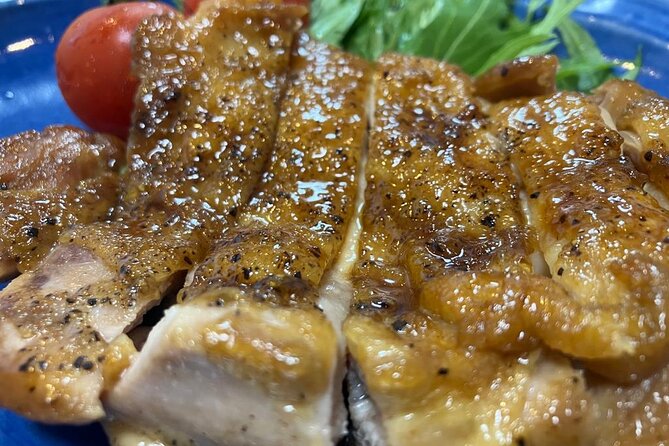
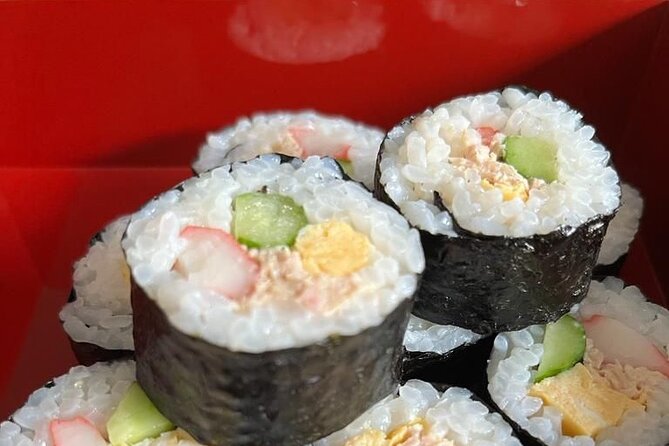
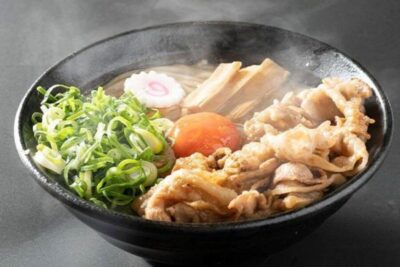
You choose your main in advance so the instructor can secure the right ingredients. The listed options include okonomiyaki, ramen, sushi rolls, and other Japanese favorites. The advantage for you is simple: fewer “ingredient surprises,” more cooking time, and less chance of a dish being substituted.
A small word of caution: if you’re the type who likes to decide based on mood, you’ll need to plan. Committing ahead of time is part of the value of this format.
Readers also shortlisted these Tokyo bookings:
- Ramen & Gyoza Cooking Class in Tokyo with Local Supermarket Visit★ 5.0 · 823 reviews
- Tokyo: Easy Ramen Cooking Experience in Kabukicho, Shinjuku★ 4.6 · 321 reviews
- Ramen and Sushi Cooking Class with Sake Pairing Set in Tokyo★ 5.0 · 291 reviews
- Tokyo: Wagyu and 7 Japanese Dishes Cooking Class★ 4.9 · 273 reviews
- Tokyo Washoku 4-hour Cooking Class: From Market to Table★ 5.0 · 253 reviews
Hands-on, step-by-step
The cooking portion is presented as beginner-friendly. You’ll get guidance as you go, with clear explanations and plenty of room for questions. In reviews, people highlight how instructions are easy to follow and how the host explains not just what to do, but why (for example, technique details that affect outcomes like gyoza texture or okonomiyaki cooking style).
Dessert is part of the point
Dessert isn’t treated like an afterthought. Reviews mention things like matcha-based sweets and mochi-style elements, served alongside the meal you cooked. If you’re coming for ramen or gyoza, it’s nice that the class doesn’t stop at savory.
One more practical note: you should come hungry. Several reviews mention lots of side dishes and multiple courses, so this is closer to a complete lunch than a light activity.
Drinks and meal time: you eat together, with what you made
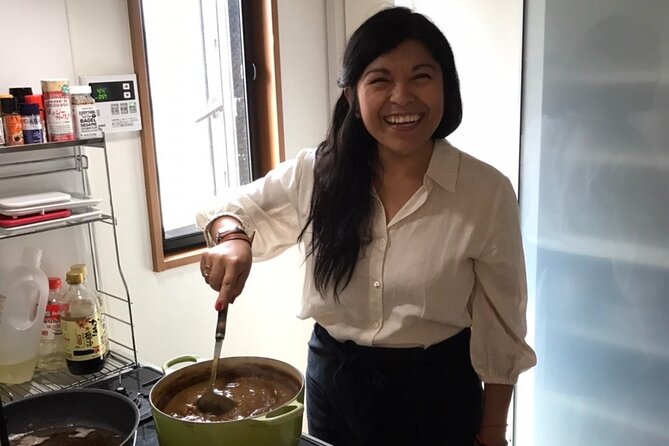
Your meal is included, and so are the drinks. The tour info lists bottled water, hot drinks, and alcoholic beverages. That matters because it changes the tone from “class then goodbye” to “hang out and eat.”
Multiple reviews mention wine and also non-alcoholic options like cold tea. So you can expect hospitality that feels social without requiring you to drink.
Meal time is also when the lesson “clicks.” You cook, you sit down, you taste, and you start connecting technique to flavor. That’s where recipes become more than text. You start to understand what each step produces in the finished dish.
And yes, you’ll likely leave thinking about the food for the rest of the week. Not in a dramatic movie way—more like, why didn’t I learn this earlier?
What you’re really paying for: value at $110.99
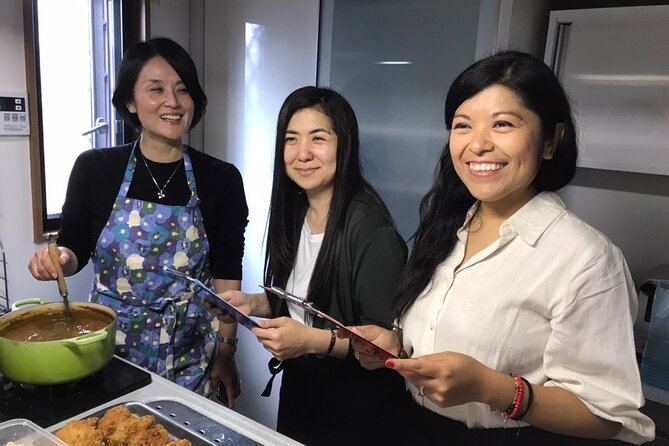
At $110.99 per person, this isn’t the cheapest thing you can do in Tokyo. But it’s also not trying to be.
You’re paying for:
- A max-4 home class (not a big group where you get little attention)
- All ingredients and food (appetizer, main, dessert, plus side dishes)
- Drinks included (hot drinks, bottled water, and alcohol)
- Personal instruction in a real kitchen setting
- Recipe take-home (reviews mention English recipe sheets and that they help you recreate dishes later)
In other words, this price is less about “seeing cooking” and more about “learning cooking you can repeat.” For many people, that’s the value sweet spot. A restaurant meal is tasty, but it doesn’t teach you how to recreate the seasoning, timing, or texture.
If you’re traveling with someone who’s harder to please—one wants ramen, one wants gyoza—this is one of the few experiences that can flex. Reviews describe customized menu choices for different preferences and even dietary needs.
Dietary needs and questions: plan ahead, then relax
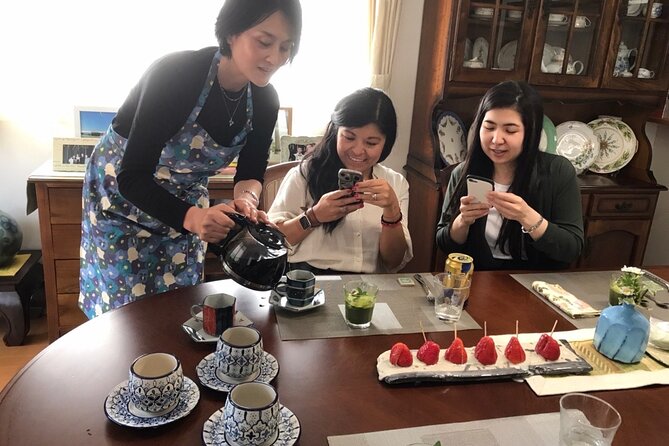
This is a class where you’re actively cooking in a small space, so dietary needs need to be communicated early. The good news: you have evidence that customization can happen.
Reviews mention menu adjustments for vegetarian, pescatarian, vegan, and accommodations for food allergies. That suggests the host is used to tailoring dishes when you explain your needs.
Still, I recommend you send details during booking. Don’t wait until the day of. If your main is flexible, it also helps. Since your main dish is chosen in advance, pairing your dietary needs with a main option that fits your eating style is the simplest way to make sure you get full participation (and not a “watch only” role).
Your timing: 2 hours 30 minutes that feels like an afternoon
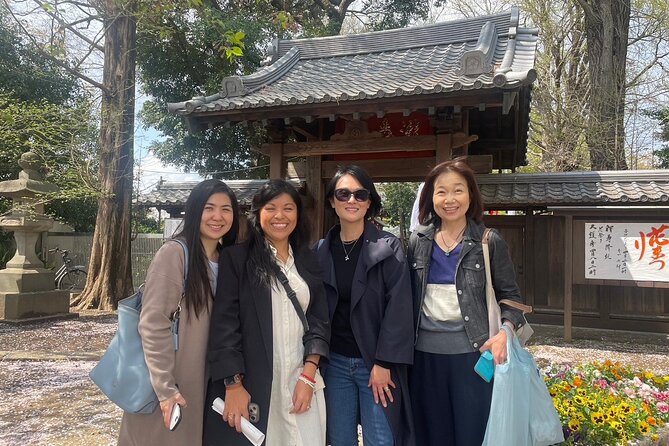
The class is listed at about 2 hours 30 minutes. The opening hours are shown for Monday through Friday, and the main time window is 11:00 AM to 2:00 PM.
That matters because it slots nicely between a late morning plan and early afternoon sightseeing. It’s also a good choice if you don’t want to lose your whole day to one activity.
One more scheduling tip: the experience notes it’s often booked around 44 days in advance. If you want a particular main dish, or you’re traveling in a busier season, book earlier rather than gambling on availability.
How to make it smoother (and more fun) on the day
Here are a few practical moves that will pay off fast:
- Bring your appetite and your curiosity. This is hands-on, and you’ll get more out of it if you’re willing to taste as you go.
- Choose your main dish thoughtfully. Your selection affects ingredient prep, so pick what you truly want to eat.
- Come with questions. People in reviews mention asking about Japanese cooking and even daily-life topics, and getting thoughtful answers.
- Dress comfortably. You’ll likely be moving around a home kitchen and sitting to eat after cooking.
- Don’t stress language. Reviews highlight clear English instructions, and some mention multilingual comfort from the host. If you speak little Japanese, you’ll still be able to follow along.
Who this is perfect for (and who should skip it)
You’ll be happiest here if you:
- Want a hands-on Japanese home cooking class instead of a demonstration
- Like smaller groups and learning at a calmer pace
- Want a day that includes Todoroki Valley views plus real food-making
- Want recipes you can use at home, not just a meal you forget later
- Have dietary needs and want a host who has shown willingness to adjust when informed
You might skip it if you:
- Prefer a high-energy, major-attraction sightseeing day
- Don’t want to commit to choosing your main dish ahead of time
- Expect cooking to be mostly passive (this is a make-it-yourself format)
Should you book Japanese Home Cooking Class & Walk in Todoroki Temple?
My take: yes, if you want skills and a local-feeling Tokyo afternoon. The combination of a short Todoroki walk, temple visit, and a max-4 home kitchen lesson is rare. Add in that food and drinks are included, and you’re not forced into a separate restaurant plan.
Book it if:
- You’re excited to cook dishes like ramen, gyoza, okonomiyaki, or sushi rolls
- You like the idea of eating what you made (and having time to talk while you do)
- You want printed recipes so you can repeat the results at home
Skip it if:
- You need a purely sightseeing-focused schedule
- You’re very uncomfortable choosing your menu ahead, or you want a totally flexible last-minute experience
If you do book, do one thing right: tell the host your preferences and dietary needs clearly during booking. That’s how you get the best chance of a menu that fits you—and a class that feels like it was made for your table.
FAQ
How long is the Japanese Home Cooking Class & Walk in Todoroki Temple?
The activity is listed at about 2 hours 30 minutes.
Where do I meet for the class?
The meeting point is Todoroki Station, 3 Chome-1, Todoroki, Setagaya City, Tokyo.
Is the group size small?
Yes. The class has a maximum of 4 travelers.
What is included in the price?
The tour info says it includes all food, bottled water, hot drinks, and alcoholic beverages.
Do I choose what I cook?
Yes. You choose your main dish in advance so ingredients are available. Options listed include okonomiyaki, ramen, sushi rolls, and other Japanese delicacies.
Do we visit Todoroki Valley and a temple?
You visit Todoroki Fudoson and also enjoy the view from Todoroki Valley before heading to the home cooking class.
What times is the class offered?
The opening hours shown are Monday through Friday from 11:00 AM to 2:00 PM.
What’s the cancellation policy?
Free cancellation is available if you cancel at least 24 hours in advance for a full refund. If you cancel less than 24 hours before the experience, the amount paid isn’t refunded.
More Cooking Classes in Tokyo
- Ramen & Gyoza Cooking Class in Tokyo with Local Supermarket Visit
★ 5.0 · 823 reviews - Tokyo: Easy Ramen Cooking Experience in Kabukicho, Shinjuku
★ 4.6 · 321 reviews - Ramen and Sushi Cooking Class with Sake Pairing Set in Tokyo
★ 5.0 · 291 reviews - Tokyo: Wagyu and 7 Japanese Dishes Cooking Class
★ 4.9 · 273 reviews - Tokyo Washoku 4-hour Cooking Class: From Market to Table
★ 5.0 · 253 reviews
More Walking Tours in Tokyo
- Tokyo Tsukiji Fish Market Food and Culture Walking Tour
★ 5.0 · 3,184 reviews - Tokyo: Imperial Palace and Shogun Historical Walking Tour
★ 5.0 · 2,251 reviews - Tokyo: Shinjuku Local Bar and Izakaya Guided Walking Tour
★ 4.9 · 1,794 reviews - Tokyo: Tsukiji Fish Market Food and Walking tour
★ 5.0 · 1,724 reviews - Tokyo: Asakusa Walking Tour with Sensoji Temple Visit
★ 4.8 · 1,583 reviews
More Tour Reviews in Tokyo
- Mt Fuji and Hakone 1-Day Bus Tour Return by Bullet Train
★ 5.0 · 26,383 reviews - 1-Day Tokyo Bus Tour
★ 5.0 · 14,250 reviews - Tokyo: teamLab Planets TOKYO Digital Art Museum Entry Ticket
★ 4.6 · 9,779 reviews - Mt Fuji & Hakone Cruise, Drum Show Bullet Train 1 Day from Tokyo
★ 4.0 · 7,413 reviews - Tokyo: Shinjuku Food Tour (13 Dishes at 4 Local Eateries)
★ 5.0 · 6,603 reviews
Latest Tokyo reviews off our desk




Cooking Classes, compared.
 ★ 5.0Ramen & Gyoza Cooking Class in Tokyo with Local Supermarket VisitFrom $122823 reviews
 ★ 4.6Easy Ramen Cooking Experience in Kabukicho, ShinjukuFrom $29321 reviews
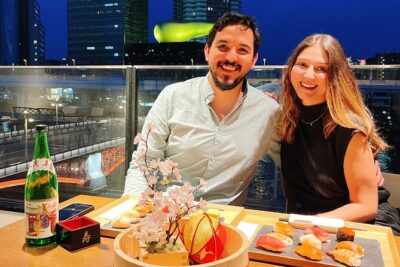 ★ 5.0Ramen and Sushi Cooking Class with Sake Pairing Set in TokyoFrom $79291 reviews
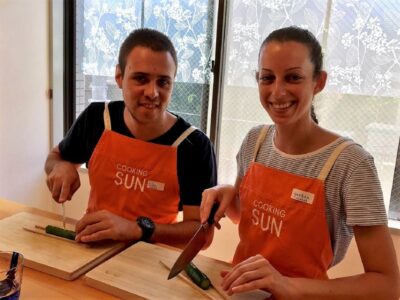 ★ 4.9Wagyu and 7 Japanese Dishes Cooking ClassFrom $67273 reviews
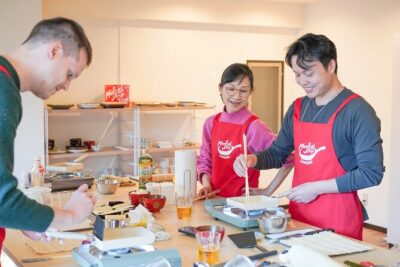 ★ 5.0Tokyo Washoku 4-hour Cooking Class: From Market to TableFrom $79253 reviews
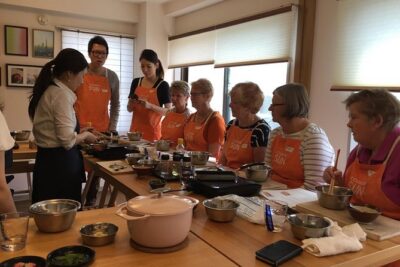 ★ 5.0Small-Group Wagyu Beef and 7 Japanese Dishes Tokyo Cooking ClassFrom $72190 reviews
 ★ 5.0Private Home Cooking in Yanaka – Local Flavors in a Warm SettingFrom $122173 reviews
 ★ 5.0Tokyo Sushi Making Experience & Japanese Cooking ClassFrom $59150 reviews
Browse the lists this tour appears in