
Reviewed · YANAKA OLD TOWN WALKS
Japanese Katsu Curry Cooking Class–near YANAKA, Tokyo!
Curry tastes better when you make the base. At Yuzu Washoku Studio near Yanaka, you learn how to build Japanese curry and classic katsu the way home cooks do, not by doctoring a box. I like that the class focuses on two real skill sets you can reuse at home: making curry roux from scratch and getting tonkatsu crisp. The one thing to think about up front is that tonkatsu is typically pork, so if you need chicken, tofu, or a vegetarian approach, you’ll want to flag it during booking.
What also appeals to me is the setting: a quiet residential neighborhood in old Tokyo’s Arakawa City area, with a small group size (up to 6). You’re not racing through a checklist. You meet at 10:00 a.m., get a short talk on Japanese home cooking and a Tokyo guide, then spend the bulk of the morning cooking and tasting together.
In This Review
- Key Highlights You’ll Care About
- Why Katsu Curry From Scratch Changes the Whole Meal
- Meet at Yuzu Washoku Studio Near Yanaka: Old Tokyo, Calm Kitchen Energy
- The Short Opening: Japanese Home Cooking Talk and Tokyo Notes
- Rolling Up Sleeves: Making Japanese Curry Roux From Scratch
- Frying Tonkatsu for Crisp Texture, Not Just Fried Food
- The Seasonal Vegetable Side Dish: Small Plate, Real Flavor
- Lunch at the End: Curry Rice Meets Katsu Rhythm
- Who This Class Suits Best (and Who Might Want to Skip)
- Price and Value: What You’re Paying For
- How to Prepare So You Get the Best Class Experience
- Should You Book This Japanese Katsu Curry Cooking Class?
- FAQ
- What time does the class start?
- How long is the cooking class?
- Where do I meet for the class?
- What food is included in the meal?
- Is the curry made with store-bought curry roux?
- Can I request chicken or tofu instead of pork for tonkatsu?
- Does the price include hotel pickup?
Key Highlights You’ll Care About
- Scratch-made curry roux so you can adjust the flavor to your own taste
- Crispy tonkatsu technique geared toward what works at home
- Seasonal vegetable side dish that changes with what’s in season
- Small-group pace (max 6) for questions and real guidance
- Dietary flexibility by request (vegetarian, and tonkatsu made with alternatives if arranged)
Why Katsu Curry From Scratch Changes the Whole Meal
Japanese curry is one of those foods that feels friendly and familiar, even if you’ve never cooked it before. The part that makes this class especially useful is the focus on the curry roux itself. Instead of relying on store-bought roux blocks, you learn to make the base from scratch. That matters because curry cubes give you a shortcut, but they also cap how much you can personalize. Once you understand the roux foundation, you can tweak richness, color, and overall flavor the next time you cook.
The other half of the appeal is tonkatsu. Most curry in Japan comes with a topping or side, but crisp fried cutlet has a different skill level than simmering sauce. Getting that golden-brown crunch without it turning greasy or staying soggy is the kind of technique you can actually carry home. And because this class pairs curry and tonkatsu, the meal becomes a system: sauce and crunch that work together.
One practical bonus: Japanese home cooking often means small details. You’ll hear tips on how to swap ingredients depending on what you can find back home. That’s a big deal if you’re not in Japan and can’t easily buy the same brand or type of pantry item.
More slow walks through old Yanaka
- Yanaka Walking Tour: Historic and Traditional District of Tokyo
★ 5.0 · 530 reviews - Tokyo: Old Quarter Yanaka Walking Tour
★ 4.8 · 406 reviews - Tokyo:Stroll in Old traditional culture towns~Yanaka & Nezu
★ 4.9 · 186 reviews - Yanaka Historical Walking Tour in Tokyo’s Old Town
★ 5.0 · 182 reviews
Meet at Yuzu Washoku Studio Near Yanaka: Old Tokyo, Calm Kitchen Energy
The meeting point is 1-chōme-58-4 Nishinippori, Arakawa City, Tokyo. You start at 10:00 a.m. at Yuzu Washoku Studio, and the studio sits in a quiet residential neighborhood near Yanaka, the part of Tokyo people often describe as more old-town feeling than city-scape gloss.
That location isn’t just charming. It affects the tone of the class. You’re in a normal neighborhood environment, not a tourist food factory. The studio setup helps you slow down and actually pay attention to what you’re doing: textures, timing, and the way Japanese kitchens organize tasks.
The studio also runs as a small-group experience (maximum 6 travelers). In practice, that means you get more chances to ask questions instead of watching from the sidelines. It’s also a comfort factor when you’re not sure what Japanese cooking steps will look like in real time.
You’ll receive a mobile ticket, so your day stays simple: show up, get settled, and start cooking.
The Short Opening: Japanese Home Cooking Talk and Tokyo Notes
Before the kitchen work begins, there’s a short lecture from about 10:15 to 10:30 a.m.. It includes Japanese home cooking context and a Tokyo guide. This is the kind of framing that makes the rest of the morning click, because it explains how these dishes fit into everyday meals rather than “special occasion” only cooking.
For you, it helps with two things:
- Understanding what the flavors are supposed to do (not just how to follow steps)
- Knowing what to watch for while cooking, especially with roux and frying
The class includes green tea and water, so you’re not only learning how to cook; you’re also getting the rhythm of a typical Japanese meal break.
Rolling Up Sleeves: Making Japanese Curry Roux From Scratch
From 10:30 a.m. to 12:30 p.m., most of your time goes to cooking and tasting. The centerpiece is making Japanese curry roux from scratch. Learning the roux is where a lot of the magic happens, because it sets the base for the rest of the curry.
Here’s what makes this worth your time if you like to cook at home:
- You learn what roux needs to look like as it develops
- You gain control over how thick or mild you want it
- You stop relying on premade curry blocks and start building flavor intentionally
You’ll also get practical guidance on substitutions if you can’t find a specific ingredient where you live. That’s one of the smartest things a cooking class can do. It turns a fun Tokyo meal into a repeatable home recipe instead of a one-off souvenir dish.
And since the class is built as a small group experience, you can ask questions about your own ingredient swaps. If you’re cooking later and wondering what to replace something with, this is where you’ll get direction you can actually use.
Frying Tonkatsu for Crisp Texture, Not Just Fried Food
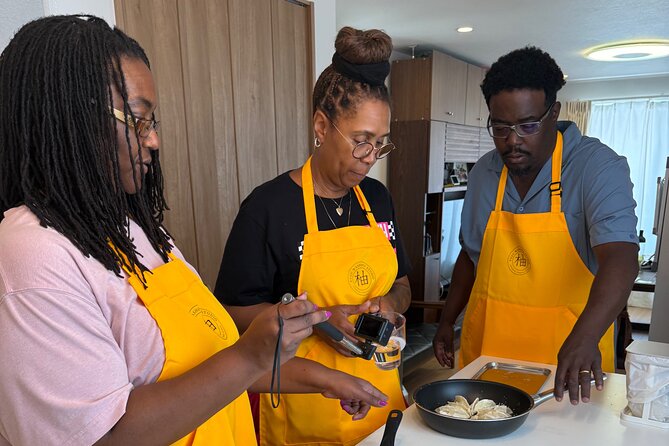
Tonkatsu is often described as fried pork cutlet, and yes, the typical version is pork. But the class is designed for technique, not only a single ingredient.
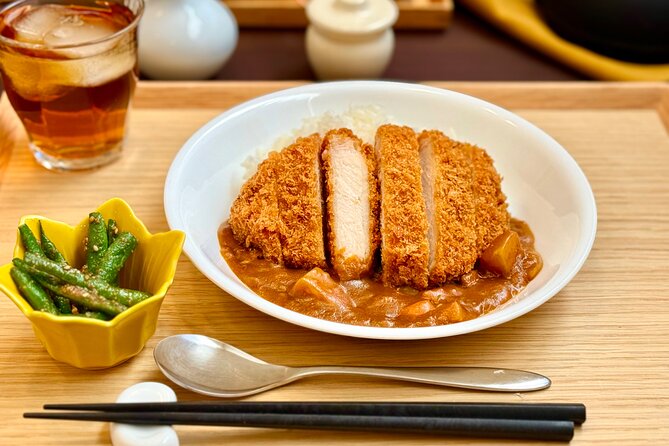
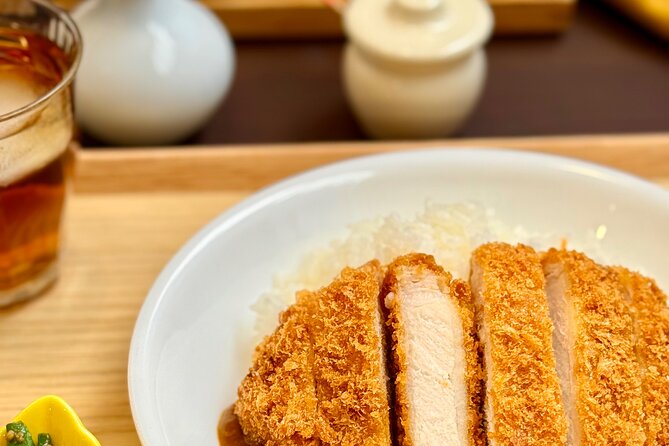
You’ll learn how to fry tonkatsu so it comes out golden-brown and crisp. That goal matters because the difference between great tonkatsu and disappointing tonkatsu usually comes down to handling and timing, not fancy equipment. A good class helps you understand what the surface should feel like and how to manage frying so the outside stays crisp while the inside stays tender.
The flexibility is important too. If you want chicken or tofu instead of pork, you can request it when you book. Vegetarian options are also available if you let them know your preferences in advance. (If you have allergies or special dietary needs like gluten-free or halal, you’ll want to mention that during reservation so the right plan is in place.)
This advance communication is the one consideration I’d flag. A great class experience depends on the kitchen having everything ready. If you only decide at the last minute, you may limit your options.
Readers also shortlisted these Tokyo bookings:
- Ramen & Gyoza Cooking Class in Tokyo with Local Supermarket Visit★ 5.0 · 823 reviews
- Tokyo: Easy Ramen Cooking Experience in Kabukicho, Shinjuku★ 4.6 · 321 reviews
- Ramen and Sushi Cooking Class with Sake Pairing Set in Tokyo★ 5.0 · 291 reviews
- Tokyo: Wagyu and 7 Japanese Dishes Cooking Class★ 4.9 · 273 reviews
- Tokyo Washoku 4-hour Cooking Class: From Market to Table★ 5.0 · 253 reviews
The Seasonal Vegetable Side Dish: Small Plate, Real Flavor
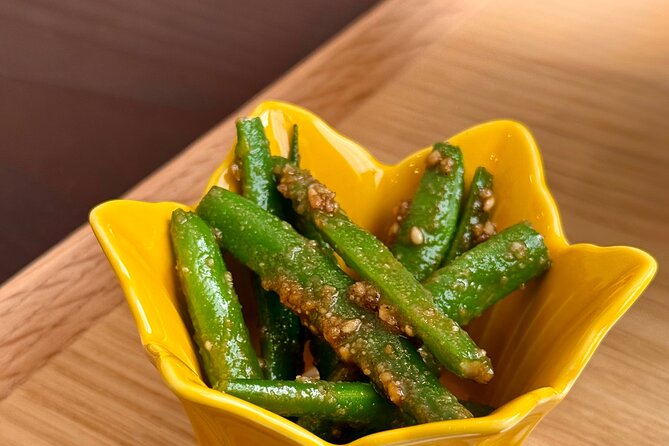
Alongside curry and tonkatsu, you’ll make a seasonal vegetable side dish. The specific vegetables change with the season, which is one of those subtle ways Japanese cooking stays practical. You learn how to treat vegetables as part of the meal, not just something to fill space.
This is also a helpful training tool. Frying and roux teach you heavy skills. A seasonal veg side teaches you lighter balancing: fresh texture, simple flavor work, and how to keep the meal from feeling too heavy.
And because it’s included in the class, you’re not stuck paying extra or searching for a side on your own.
Lunch at the End: Curry Rice Meets Katsu Rhythm
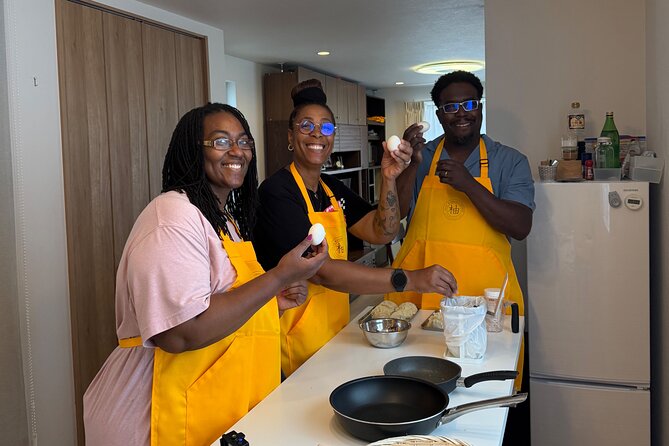
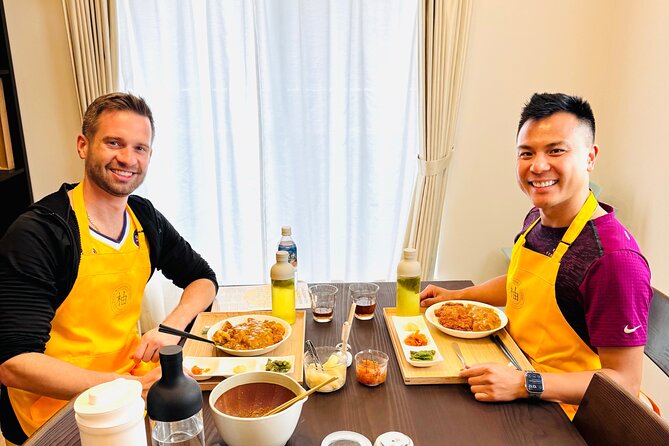
At the end, you eat what you make: curry rice, tonkatsu, and the seasonal vegetable side dish, plus green tea and water. It’s a complete plate, and that completeness is part of the value.
More than that, tasting your food right away helps you learn quickly. You can connect what you saw during cooking to what you taste at the table. If the curry feels too thick or not rich enough, you remember what stage the roux was at. If the tonkatsu isn’t as crisp as you wanted, you remember the frying moments.
This “cook, then taste immediately” format is one reason cooking classes can be more useful than watching a video later. Your brain makes the link while it’s still fresh.
Who This Class Suits Best (and Who Might Want to Skip)
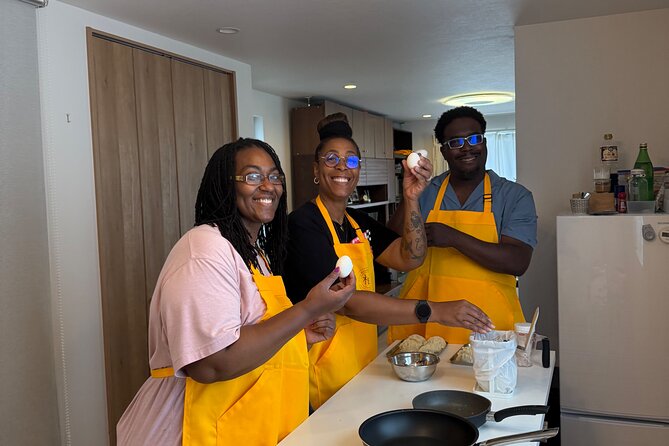
This is a great fit if you:
- Want more than a tasting meal and want a skill you can repeat
- Like Japanese food enough to get specific about techniques
- Enjoy small group instruction where you can ask questions
- Want to cook comfort food that still feels real and Japanese
It may be less ideal if:
- You’re short on time and need a quick, drop-in tasting (this runs about 2 hours 30 minutes)
- You have very complex dietary needs and you don’t plan to communicate them early
- You’re hoping for a casual, no-fuss experience without any hands-on involvement (this is hands-on by design)
One more thing: there’s no hotel pickup. You’ll want to plan your own transit and arrive ready to cook.
Price and Value: What You’re Paying For
At $111.67 per person for about 2 hours 30 minutes, this isn’t a bargain-class snack. But it’s also not priced like a fancy restaurant meal. The value comes from what’s included and what you learn.
You’re getting:
- Ingredients and instruction for scratch-made curry roux
- Technique-focused guidance for tonkatsu frying
- A full included lunch meal (curry rice, tonkatsu, seasonal side, green tea, water)
- Rental apron and hand towel
- A small group setting with up to 6 people
When you break it down, the biggest value is the knowledge: curry roux and tonkatsu technique. If you’ve ever tried making Japanese curry at home and ended up with something that tasted close but not quite right, that missing “base understanding” is often the whole issue. This class is designed to fix that.
It also books well in advance: on average it’s reserved about 44 days ahead, so if you’re traveling at a busy time, lock it in sooner.
How to Prepare So You Get the Best Class Experience
A few practical steps will make your morning smoother:
- If you need a substitute for tonkatsu (chicken or tofu) or a vegetarian version, say so when you book
- If you have allergies or dietary restrictions, mention them in advance, not on arrival
- Wear comfortable clothes since it’s hands-on cooking and you’ll be standing and moving
- Bring curiosity. The best part of cooking classes is asking why something works, not only how to do it
Because the studio provides an apron and hand towel, you don’t need to pack kitchen gear. Just show up, focus, and be ready to taste and adjust.
Should You Book This Japanese Katsu Curry Cooking Class?
I think you should book it if you want a Japan experience that’s more than a meal. This is about learning the core of Japanese comfort food—curry roux and crisp tonkatsu—then eating what you make in a calm neighborhood setting near Yanaka.
Skip it only if you’re looking for something extremely fast, or if you tend to freeze when you have to handle new cooking steps. The class is guided and paced, but it still expects participation.
If you want a Tokyo day that feels like home cooking with real technique and real results, this one makes sense. And you’ll leave with more than a full stomach—you’ll leave with the ability to make Japanese katsu curry your own way.
FAQ
What time does the class start?
You meet at 10:00 a.m. at Yuzu Washoku Studio, and the cooking and tasting run for the rest of the session.
How long is the cooking class?
The experience lasts about 2 hours 30 minutes.
Where do I meet for the class?
The meeting point is 1-chōme-58-4 Nishinippori, Arakawa City, Tokyo 116-0013, Japan.
What food is included in the meal?
You’ll have Japanese curry rice, tonkatsu, a seasonal vegetable side dish, plus green tea and water.
Is the curry made with store-bought curry roux?
No. You’ll learn to make Japanese curry roux from scratch, not using premade curry roux.
Can I request chicken or tofu instead of pork for tonkatsu?
Yes. Tonkatsu is typically pork, but you can request chicken or tofu if you let the studio know when you reserve. Vegetarian options are also available.
Does the price include hotel pickup?
No. Hotel pickup is not included, so you’ll handle getting to the studio.
More Cooking Classes in Tokyo
- Ramen & Gyoza Cooking Class in Tokyo with Local Supermarket Visit
★ 5.0 · 823 reviews - Tokyo: Easy Ramen Cooking Experience in Kabukicho, Shinjuku
★ 4.6 · 321 reviews - Ramen and Sushi Cooking Class with Sake Pairing Set in Tokyo
★ 5.0 · 291 reviews - Tokyo: Wagyu and 7 Japanese Dishes Cooking Class
★ 4.9 · 273 reviews - Tokyo Washoku 4-hour Cooking Class: From Market to Table
★ 5.0 · 253 reviews
More Tour Reviews in Tokyo
- Mt Fuji and Hakone 1-Day Bus Tour Return by Bullet Train
★ 5.0 · 26,383 reviews - 1-Day Tokyo Bus Tour
★ 5.0 · 14,250 reviews - Tokyo: teamLab Planets TOKYO Digital Art Museum Entry Ticket
★ 4.6 · 9,779 reviews - Mt Fuji & Hakone Cruise, Drum Show Bullet Train 1 Day from Tokyo
★ 4.0 · 7,413 reviews - Tokyo: Shinjuku Food Tour (13 Dishes at 4 Local Eateries)
★ 5.0 · 6,603 reviews
More Old Yanaka on Foot
- The Old Quarter of Tokyo – Yanaka Walking Tour
★ 4.5 · 590 reviews - Yanaka Walking Tour: Historic and Traditional District of Tokyo
★ 5.0 · 530 reviews - Tokyo: Old Quarter Yanaka Walking Tour
★ 4.8 · 406 reviews - Tokyo:Stroll in Old traditional culture towns~Yanaka & Nezu
★ 4.9 · 186 reviews - Yanaka Historical Walking Tour in Tokyo’s Old Town
★ 5.0 · 182 reviews
Latest Tokyo reviews off our desk




Yanaka Old Town Walks, compared.
 ★ 4.5The Old Quarter of Tokyo – Yanaka Walking TourFrom $40590 reviews
 ★ 5.0Yanaka Walking Tour: Historic and Traditional District of TokyoFrom $72530 reviews
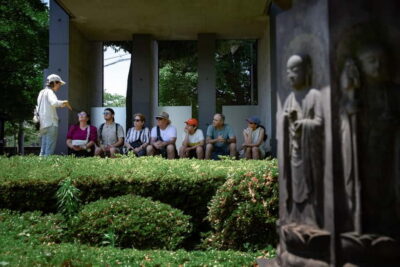 ★ 4.8Old Quarter Yanaka Walking TourFrom $32406 reviews
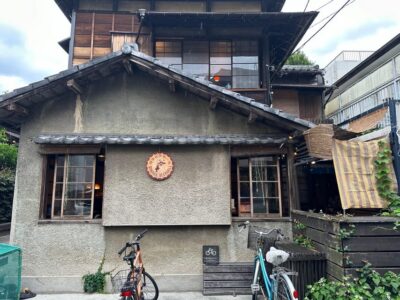 ★ 4.9Stroll in Old traditional culture towns~Yanaka & NezuFrom $29186 reviews
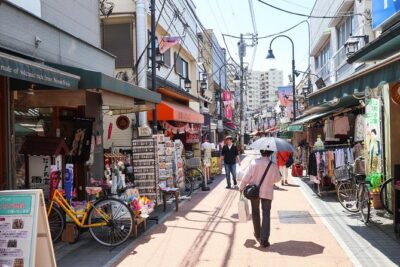 ★ 5.0Yanaka Historical Walking Tour in Tokyo’s Old TownFrom $81182 reviews
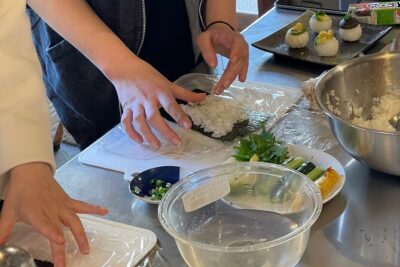 ★ 5.0Private Home Cooking in Yanaka – Local Flavors in a Warm SettingFrom $122173 reviews
 ★ 5.0Let’s experience calligraphy in YANAKA, Taito-ku, TOKYO !!From $75127 reviews
 ★ 4.8Yanaka District: Historical Walking Tour in Tokyo’s Old TownFrom $79117 reviews
Browse the lists this tour appears in