
Reviewed · WORKSHOPS
Japanese Pottery Class in Tokyo
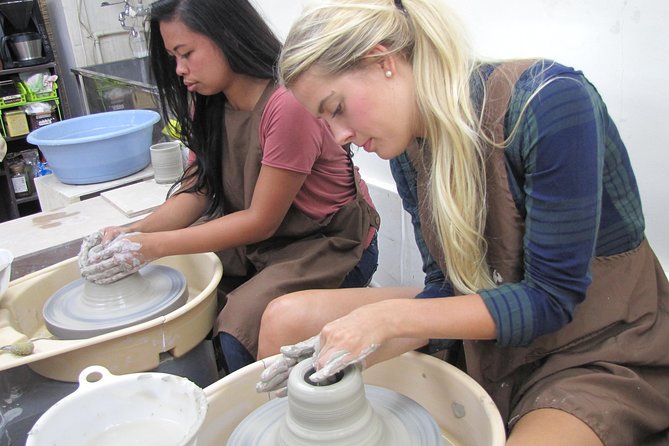
Tokyo clay class feels strangely calming. In a small group, I like the hands-on teaching style from instructors such as Ruth and Stephen, plus the fact you leave with a real creative project, not just a souvenir shop stop. One thing to plan for: the base price covers the trial, but firing fees (and often shipping) are extra.
This class runs about 1 hour, and it is built around a simple flow: application form, a teacher demo, you shaping your pieces, then choosing which ones to keep for firing. The studio is in Shiba, close to a Metro stop and even noted as being near Tokyo Tower, which makes this an easy add-on to a normal Tokyo day.
In This Review
- Key Highlights You’ll Care About
- What You’re Really Paying For: a Pottery Trial, Not an Instant Take-Home Mug
- Where to Start in Tokyo: Shiba Location and Easy Metro Access
- The 1-Hour Class Flow at Uzumako: Application Form to Final Payment
- Hands-On Teaching That Actually Guides: Ruth, Stephen, Viki, and Mr. Hoshi
- Making Your Choices Count: Picking Pieces and Colors Before You Clean Up
- After the Class: One-Month Preparation and What Shipping Really Means
- Price and Logistics: Budgeting for Firing and EMS Without Losing the Fun
- My Practical Tips for a Smooth Class Day
- Who Should Book This Japanese Pottery Class in Tokyo?
- Should You Book? The Quick Verdict
- FAQ
- How long is the Japanese pottery class?
- What is included in the $26.73 price?
- Are firing fees included?
- How long does it take after the class for the pieces to be ready?
- Is shipping available, and is it the same for all countries?
- Can I cancel and get a full refund?
Key Highlights You’ll Care About
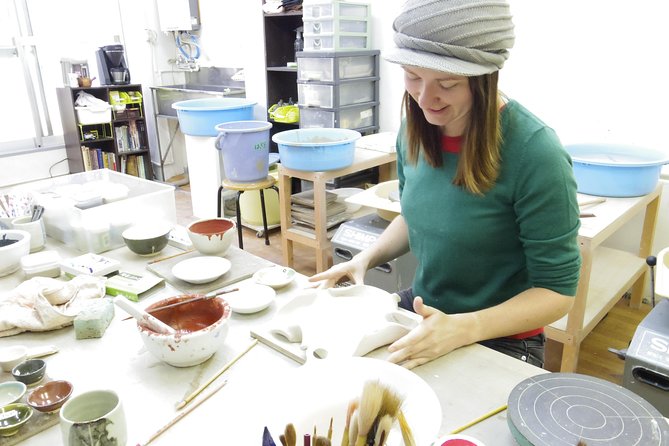
- Small-group setup (sold as up to 15) keeps you close to the instructor
- About 1 hour on the wheel or hands-on shaping, typically making 2–3 pieces
- You choose what gets fired, plus color choices before you clean up
- English-friendly teaching is frequently praised, including instructors like Ruth, Viki/Vicki, Kaia/Kya, and Stephen
- A peaceful, therapeutic studio vibe shows up again and again in the feedback
- Extra steps after the class: firing takes extra money, and shipping depends on destination
What You’re Really Paying For: a Pottery Trial, Not an Instant Take-Home Mug
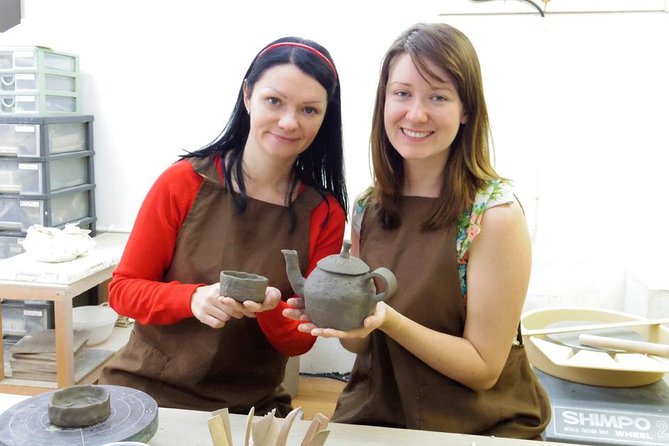
The headline price is $26.73 per person, and that number is fair for what you’re doing during the class itself. You pay the basic fee for the pottery trial class, and you get instruction, time at the workstations, and the chance to make your own pieces.
But here is the important bit: you are not leaving with a fully finished, fired, ready-to-use item that same day. The class includes making the pieces, and then you select which ones you want to keep for firing. The firing fee is not included in the basic price, and shipping (EMS) is optional and costs extra.
So the value is best if you want the process as the product. If you’re hunting for instant results you can wrap and walk out with, you may feel a little shortchanged. If you’re excited by the idea of designing something now, then receiving it later as a genuine made-by-you item, it fits nicely.
Readers also shortlisted these Tokyo bookings:
- Sushi Making Tokyo Roll and Authentic Japanese Sushi Class
★ 5.0 · 3,971 reviews - Tokyo: Roll and Authentic Sushi Making Class in Asakusa
★ 4.9 · 1,957 reviews - Tokyo Shinjuku Chopsticks Making Class
★ 5.0 · 1,763 reviews - Tokyo: Sushi Making Class in a Happi Coat near a Famous Spot
★ 4.9 · 1,377 reviews
Where to Start in Tokyo: Shiba Location and Easy Metro Access
The meeting point is listed at Shiba, Minato City, Shiba 3-chōme, at 清水ハウス (Shimizu House), with an address of 105-0014 Tokyo, Minato City, Shiba, 3-chōme 29-11. The activity says it is near public transportation, and reviews describe it as easy to find, with one person calling out it being near Tokyo Tower.
In practice, that matters because Tokyo workshops can be hidden in side streets where you spend your energy chasing directions instead of making pottery. Here, you get a central-feeling neighborhood setup and a studio location that is simple to reach from the main tourist routes.
Bring your mobile ticket and arrive a few minutes early so you can settle in before the class starts. Also, expect the session to feel like a studio break rather than a formal tour walk-through.
The 1-Hour Class Flow at Uzumako: Application Form to Final Payment
This is a straightforward, well-paced session. The class structure is built to get you moving quickly and still feel guided.
Here is what happens during the hour, step by step:
1) First, you write the application form.
It sounds administrative, but it is part of how the studio tracks what you make and what you plan to keep.
2) The instructor makes a sample.
You get a demonstration first, so you can copy the basics before your hands take over.
3) You make about 2–3 works within 1 hour.
That is the standard expectation. In at least one case, someone reported making around 6 different pieces, so you may be able to fit in more if you pick a simpler shape or your session runs smoothly.
4) You choose which works you want to keep for firing.
This is where your choices start to affect your later cost. It is not just about making something during class; it is about selecting what is worth the firing step.
5) You choose the colors.
Color picking is part of the design process before the work leaves your hands.
6) Cleaning time and then payment.
After shaping and selecting, you clean up. Then payment happens at the studio for the class process you participated in (and, depending on what you chose to keep, you may also be dealing with extra charges for firing later).
The overall tone described in feedback is patient and relaxed. One review highlighted a calm atmosphere with a teacher who encourages fun while still helping you make something one-of-a-kind. Another called it therapeutic and relaxing.
If you like learning by doing, this flow is strong. You are not watching a 45-minute lecture and then getting 5 minutes of clay time.
Hands-On Teaching That Actually Guides: Ruth, Stephen, Viki, and Mr. Hoshi
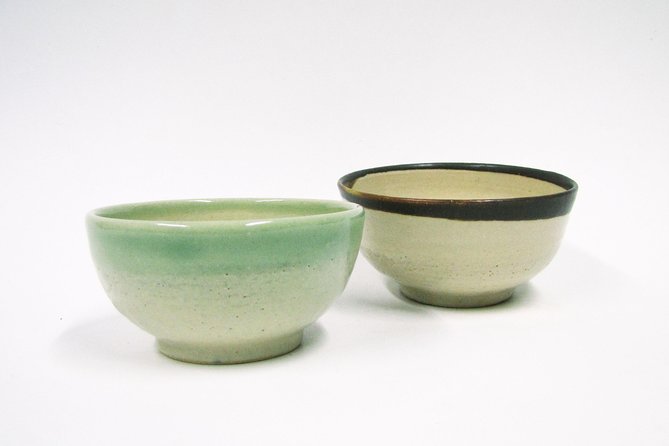
One reason this class scores so high is that the instruction is built around real help, not just vague encouragement.
The names that come up in the feedback include:
- Ruth (also described as speaking English well)
- Stephen (often mentioned as a brilliant teacher and a patient guide)
- Viki / Vicki (praised for clear explanation and patience)
- Kaia / Kya
- Jumpai
- Mr. Hoshi, described as an old-world master and very thorough
What I like about this mix is the practical teaching style. Multiple comments mention instructors fixing shapes, offering tips while you work, and giving enough structure that even first-timers can make something they feel proud of. At the same time, there is freedom: one person specifically said the teachers let them do everything by themselves after a quick demonstration, with help available if they asked.
Another theme: the environment supports focus. A couple of reviews mention peaceful studio vibes, and one even described mellow instrumental music with raindrops on a late afternoon. That matters because pottery can be mentally simple but physically fiddly. When the studio feels calm, your brain cooperates.
If you have a group—friends, a couple, or kids—this teaching style is likely to work well. Feedback also points to the class being suitable for families and for people who want a break from the city’s pace.
Making Your Choices Count: Picking Pieces and Colors Before You Clean Up
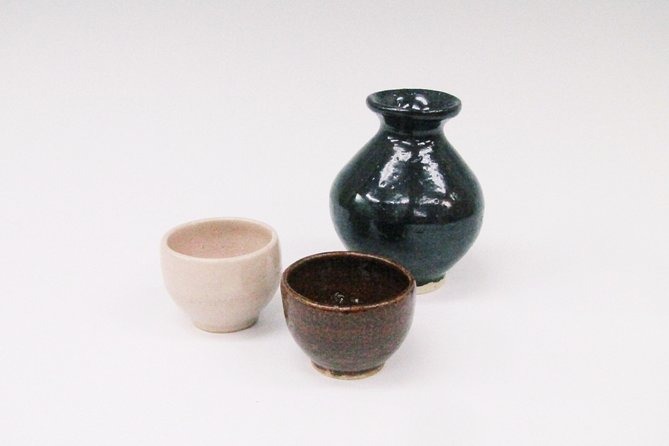
The biggest decision inside the class is not the shape. It is what you choose to keep for firing.
Because the firing fee is separate, you should go in thinking like a designer, not just like a tourist. Make a few pieces, then decide which ones you genuinely want to invest in for the full process. If you make extra items during the hour, you will still be selecting what goes forward.
Color choice also matters because you are preparing the future look of the fired piece while you are still in the creative moment. The class gives you the chance to pick colors as part of the session flow, and the studio will handle the rest.
A detail worth noting: one review pointed out that you only pay for the pottery class, but to bring things home you need to pay kiln and delivery fees. That is consistent with the structure here: basic fee included, then extra steps to complete and deliver your pieces.
If you want the best outcome for the money you spend later, take your time during the final selection. Don’t just choose what looks good in your hand before you clean up. Choose what feels finished to you in terms of shape and intention.
- Tokyo: Shinjuku Food Tour (13 Dishes at 4 Local Eateries)★ 5.0 · 6,603 reviews
- Tokyo Mt Fuji 5th St & Hakone Cruise Bus Tour w/Bullet Train★ 4.4 · 5,024 reviews
- Flagship 2-Hours Official Street Go-Kart Tour – Tokyo Bay Shop★ 5.0 · 4,974 reviews
- From Tokyo: Mount Fuji Full-Day Sightseeing Trip★ 4.5 · 4,970 reviews
- Tokyo: Hop-On Hop-Off Sightseeing Bus Ticket★ 3.9 · 4,207 reviews
After the Class: One-Month Preparation and What Shipping Really Means
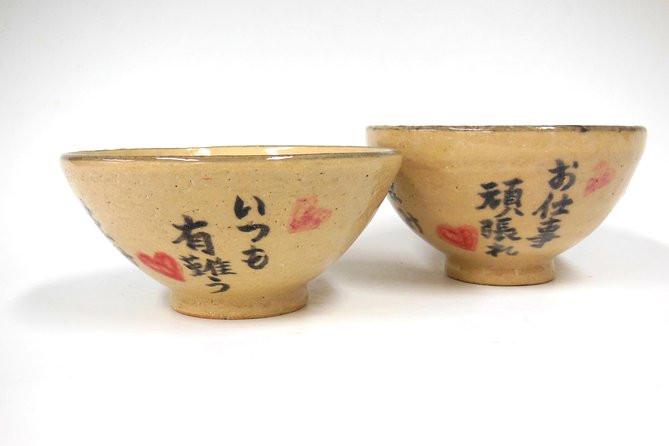
This is where your expectations should be set.
You should know that it takes about one month to prepare the works after making. That means your experience is a two-stage process:
- the class hour when you shape your pieces
- the later period when the studio fires and finishes the selected items
On the shipping side, EMS shipping is optional and has an additional fee. So the practical question is: do you want it delivered to your home, or do you plan to coordinate pickup another way? The info provided only confirms EMS as optional, so you should confirm the details for your situation directly with the school when you book.
Destination issues are real. The updated shipping notice specifically flags Brazil, saying strict customs make sending class-made pieces challenging, and asking Brazil-based guests to contact the provider before booking for alternative ways to receive their work.
Also, one review mentioned shipping limitations for the USA at the time they booked. That is not stated as a general rule in the main tour info, but it is a strong reminder to double-check your destination before you commit.
If you are excited by slow crafts, this timeline is part of the charm. If you need the pottery for a trip that ends soon, plan ahead and budget for the delivery delay.
Price and Logistics: Budgeting for Firing and EMS Without Losing the Fun
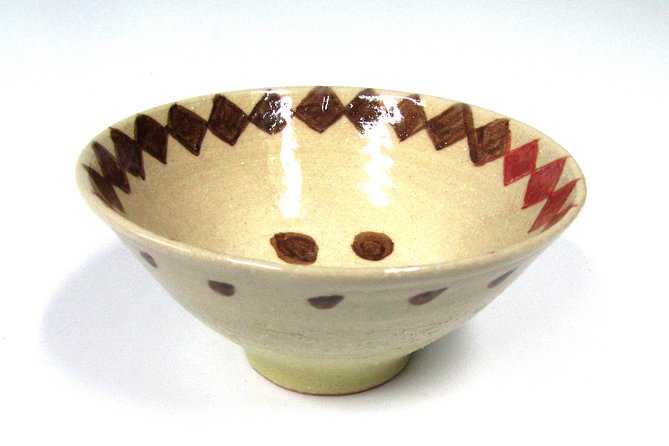
Let’s talk value in a way that helps you make a decision.
Your $26.73 covers the trial class. That usually includes instruction, workspace time, and the chance to make pieces during the hour. The costs that often surprise people are the ones connected to completion:
- Firing fee per selected work (not included)
- EMS shipping fee (optional, extra)
So your total trip cost depends on two choices:
1) how many pieces you pick to keep for firing
2) whether you want them shipped via EMS
If you pick one or two pieces you truly love and you are okay waiting a month, the experience can feel like a bargain for a personal craft project in Tokyo. If you end up selecting multiple pieces and adding shipping, it becomes more of a premium souvenir purchase.
I think the class still wins on value because it gives you something hard to fake: your own handmade objects, made with guidance from teachers, in a studio setting rather than a quick demo.
My Practical Tips for a Smooth Class Day
Here are a few things I’d do if I were planning this for myself:
- Decide your target pieces before you overthink. Make 2–3 during the hour, then pick the ones you want to pay to fire.
- Ask the teacher questions during the shaping time, not at the end. Fixes work best while the clay is still in your control.
- If you care about color outcomes, treat color selection like part of the design. You choose colors during the class flow.
- Budget for extra charges up front. The base fee is only one part of the cost.
- If you are in Brazil or planning to ship internationally, verify options before booking. The notice is explicit for Brazil due to customs.
- Pack for comfort. You should expect a hands-on craft setup where getting slightly messy is normal.
Also, since the studio is near a Metro station and described as easy to find, you can plan a relaxed morning or afternoon around it. Use the class as your calm break in Minato/Shiba.
Who Should Book This Japanese Pottery Class in Tokyo?
Book it if:
- you want a hands-on Tokyo activity that creates a real keepsake
- you like structured teaching with room for your own creativity
- you want a break that feels calm, not chaotic (the peaceful studio vibe shows up repeatedly)
- you are traveling with beginners and want a teacher who will guide them while still encouraging independence
You might skip it if:
- you need a finished fired souvenir to take home the same day
- you dislike extra fees after the class (firing and possibly EMS shipping)
- you cannot handle the idea of waiting about one month for preparation
- shipping to your country could be an issue and you do not want to confirm options first
If you’re the type who enjoys Japanese arts beyond the big-photo stops, this class is a satisfying choice.
Should You Book? The Quick Verdict
I’d book this if you want a real-making experience in central Tokyo, with small-group teaching, patient instructors like Ruth, Stephen, and Viki, and a studio atmosphere that feels like a creative reset. It is great value for the class time itself, but you should treat the published price as the entry ticket, not the final total. If you can plan for the firing fees and the one-month wait, you’re likely to leave feeling happy and proud of what you made.
FAQ
How long is the Japanese pottery class?
The class lasts about 1 hour (approx.).
What is included in the $26.73 price?
The basic fee for the pottery trial class is included.
Are firing fees included?
No. The firing fee for each selected work is not included in the basic fee.
How long does it take after the class for the pieces to be ready?
It takes about one month to prepare the works after making.
Is shipping available, and is it the same for all countries?
EMS shipping is optional and has an additional fee. The notice specifically says shipping to Brazil is challenging due to customs, and Brazil-based guests should contact the provider before booking.
Can I cancel and get a full refund?
Yes. Free cancellation is available, and you can cancel up to 24 hours in advance for a full refund.
More Workshops in Tokyo
- Sushi Making Tokyo Roll and Authentic Japanese Sushi Class
★ 5.0 · 3,971 reviews - Tokyo: Roll and Authentic Sushi Making Class in Asakusa
★ 4.9 · 1,957 reviews - Tokyo Shinjuku Chopsticks Making Class
★ 5.0 · 1,763 reviews - Tokyo: Sushi Making Class in a Happi Coat near a Famous Spot
★ 4.9 · 1,377 reviews - Chopstick Making Workshop in Ginza
★ 4.8 · 1,366 reviews
More Tour Reviews in Tokyo
- Mt Fuji and Hakone 1-Day Bus Tour Return by Bullet Train
★ 5.0 · 26,383 reviews - 1-Day Tokyo Bus Tour
★ 5.0 · 14,250 reviews - Tokyo: teamLab Planets TOKYO Digital Art Museum Entry Ticket
★ 4.6 · 9,779 reviews - Mt Fuji & Hakone Cruise, Drum Show Bullet Train 1 Day from Tokyo
★ 4.0 · 7,413 reviews - Tokyo: Shinjuku Food Tour (13 Dishes at 4 Local Eateries)
★ 5.0 · 6,603 reviews
Latest Tokyo reviews off our desk






Workshops, compared.
 ★ 5.0Sushi Making Tokyo Roll and Authentic Japanese Sushi ClassFrom $593,971 reviews
 ★ 4.9Roll and Authentic Sushi Making Class in AsakusaFrom $581,957 reviews
 ★ 5.0Tokyo Shinjuku Chopsticks Making ClassFrom $201,763 reviews
 ★ 4.9Sushi Making Class in a Happi Coat near a Famous SpotFrom $421,377 reviews
 ★ 4.8Chopstick Making Workshop in GinzaFrom $251,366 reviews
 ★ 5.0Tokyo Sushi Making Class in Tsukiji with Professional ChefFrom $491,177 reviews
 ★ 5.0Ramen & Gyoza Cooking Class in Tokyo with Local Supermarket VisitFrom $122823 reviews
 ★ 5.0Matcha Making Class in Tokyo with Authentic Japanese Sweets SetFrom $21744 reviews
Browse the lists this tour appears in