
Reviewed · KAMAKURA DAY TRIPS
Japanese Sweets Making in Kamakura
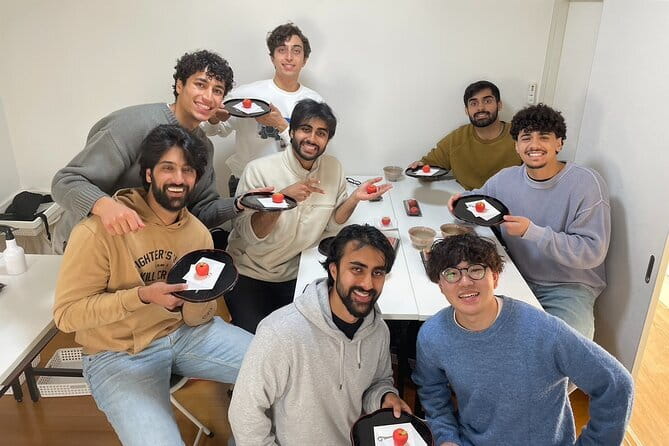
Making wagashi by the sea feels oddly calming, and this tour ties that craft to Kamakura’s most iconic sight. You’ll shape seasonal wagashi (Japanese sweets) and then visit the Great Buddha of Kamakura at Kotoku-in Temple.
I like that you get hands-on instruction plus an English-speaking guide named Hiro, who keeps things clear and light. You also get a stretch of scenic walking where the paths are generally not crowded, plus a ocean view stop locals seem to enjoy.
One thing to plan around: this is a point-to-point tour with no hotel pickup, so you’ll want to time your arrival at Hase Station carefully. Also, the Great Buddha visit is only about 30 minutes, so it’s perfect for seeing it well, not for lingering all afternoon.
In This Review
- Quick takeaways before you go
- Wagashi + Great Buddha in 3 hours: why this combo works
- Getting started at Hase Station (and why the meeting point matters)
- The seaside stretch: a view stop that keeps the day from feeling rushed
- Making wagashi in the heart of Kamakura: three seasonal sweets, one easy lesson
- Nerikiri-style fun and why the guide’s vibe matters
- Matcha as an add-on: how to plan for the 550 yen option
- Kotoku-in and the Great Buddha: seeing scale in just 30 minutes
- Price and value: what you’re really paying for at $71.51
- Who this tour suits best (and who might want something else)
- Final verdict: should you book this Kamakura wagashi + Great Buddha tour?
- FAQ
- How long is the Japanese sweets making and Great Buddha tour in Kamakura?
- Where do I meet, and where does the tour end?
- What is included in the price?
- Can I take the wagashi home, or do I have to eat them on the spot?
- Is matcha available, and how much does it cost?
- Is this tour refundable if I change my plans?
Quick takeaways before you go
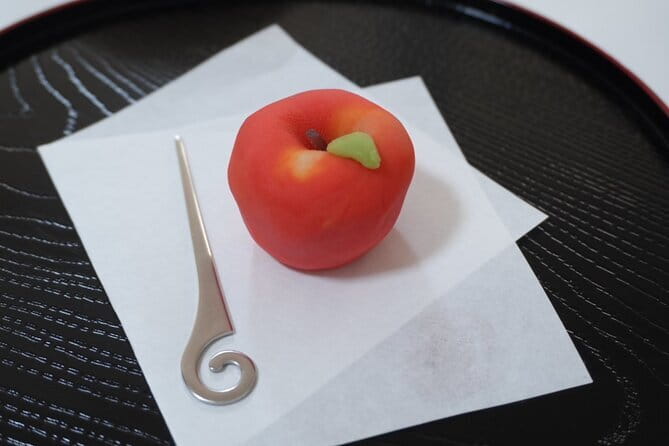
- Seasonal wagashi in just 1 hour: you’ll make three sweets, each reflecting the time of year
- English guide Hiro: friendly, funny, and easy to follow even if you’re a beginner
- Calmer walking route: you’ll spend time on paths that feel less crowded than you’d expect
- Kotoku-in is the headline: a bronze Buddha with major history behind it, in a short visit
- Sweets go home with you: you can eat on the spot or take them as souvenirs
Wagashi + Great Buddha in 3 hours: why this combo works
This tour is built for people who want two big moments in one go: a hands-on cultural class and a major temple landmark. You get a focused 3-hour experience, so it doesn’t turn into a half-day project just to cover “one cool thing.”
The value is in how the guide connects the dots. Yes, you’ll learn how to make traditional Japanese sweets, but you’ll also get the cultural context that makes wagashi feel more than dessert. And then Kotoku-in gives you that classic Kamakura payoff with the Great Buddha statue—huge, famous, and unmistakable.
If you like experiences where you can actually participate, this is a strong match. It’s also a good option when you’re only in town briefly, because the schedule doesn’t drag.
Coast-and-Buddha days near Kamakura, rated
- Tokyo: Kamakura & Enoshima Day Trip including Temple Tickets
★ 4.5 · 1,375 reviews - From Tokyo: Kamakura & Enoshima 1-Day Bus Tour
★ 4.5 · 189 reviews - Kamakura Historical Walking Tour with the Great Buddha
★ 5.0 · 129 reviews - Kamakura Private Tour: Temples, Nature, and the Great Buddha
★ 5.0 · 121 reviews
Getting started at Hase Station (and why the meeting point matters)
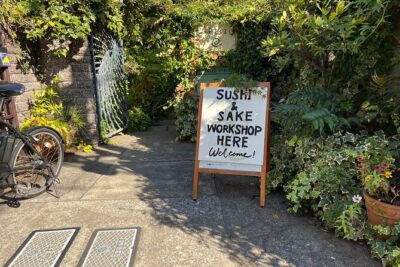
The meeting point is Hase Station, at 2 Chome-14 Hase, Kamakura. That’s helpful because you’re not dependent on a hotel pickup. You’ll also feel like you’re starting in the right neighborhood for the day, since your path naturally leads toward Kotoku-in.
The tour ends at Kotoku-in (the Great Buddha area), so you don’t have to fight your way back to where you began. Plan to arrive a bit early so you can settle in and find the group without stress.
Because this is a private activity, it’s only your group. That can make the timing feel smoother—especially during a hands-on lesson—since you’re not squeezed into a big crowd.
The seaside stretch: a view stop that keeps the day from feeling rushed
Between the sweets lesson and the Great Buddha, there’s a short stop where you can take in a great view of the ocean. It’s described as a spot that’s popular with local people, which usually means it’s the kind of place you can appreciate without feeling like you’re just photographing a landmark and moving on.
This kind of pause matters. A lot of tours sprint from point to point. Here, that view stop gives you a breather so the day feels paced, not frantic.
Also, the walking sections are generally described as not crowded. That’s a big deal in Kamakura, where peak sightseeing can get tight. A calmer route makes it easier to enjoy the experience rather than just survive it.
Making wagashi in the heart of Kamakura: three seasonal sweets, one easy lesson
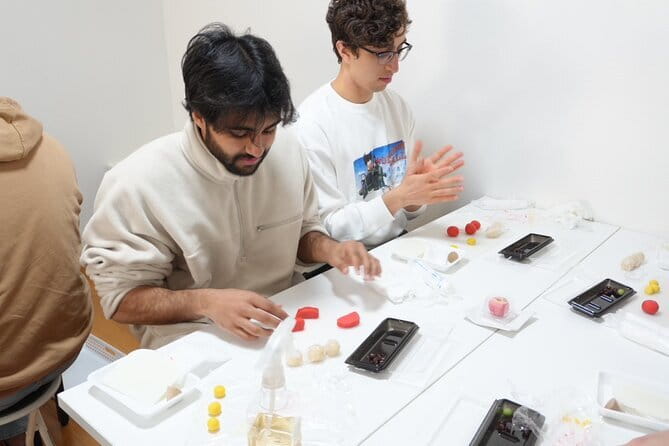
The main event is the wagashi-making experience, lasting about 1 hour. You’ll make three seasonal Japanese sweets, and the shapes change based on the time of year. That seasonal angle is what makes this feel distinctly Japanese and distinctly Kamakura—you’re not learning a generic dessert technique.
Here’s what you should expect from the lesson:
- You’ll be guided through shaping and assembling each sweet
- The instructor explains some history and meaning behind wagashi, so you’re not just following steps blindly
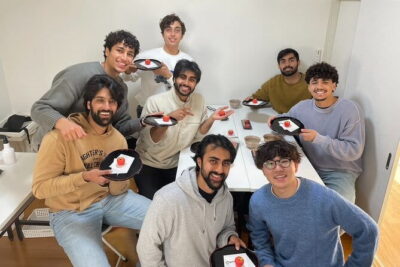
- You can eat the finished sweets on the spot, or take them home as souvenirs
The “three sweets” format is also a sweet spot for beginners. It gives you variety without turning the class into a marathon. And since you’ll be able to take them home, you’ll have something tangible from the day besides photos.
As for skill level: this experience is designed for most travelers to participate. You don’t need to know Japanese cooking terms to enjoy it. The guide’s role is to make the steps feel manageable.
Nerikiri-style fun and why the guide’s vibe matters

A lot of food classes fail when the atmosphere turns tense—like you’re being graded instead of taught. Here, the vibe is repeatedly described as friendly and comfortable, and that changes everything when you’re working with soft, sticky ingredients.
Guide Hiro is called out for being funny and kind, plus very fluent in English. That matters because it helps you understand not only what to do, but why wagashi looks the way it does. When the explanation is clear, you’ll get more satisfaction from small details—like how the shapes and textures should look.
If you’re worried you’ll mess up, you can relax. The point is making something you can enjoy, not producing a museum-perfect replica.
Readers also shortlisted these Kamakura bookings:
- Kamakura: Half day Walking tour & Japanese sweets★ 5.0 · 11 reviews
Matcha as an add-on: how to plan for the 550 yen option
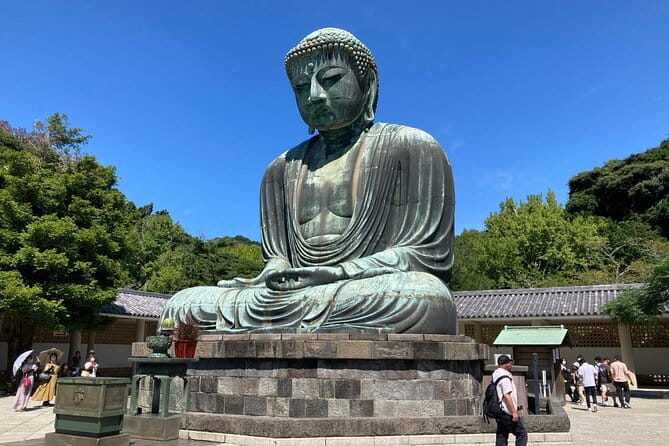
At the wagashi stop, there’s an optional cup of matcha you can add for 550 yen. It’s not required, but it’s a nice pairing because matcha balances the sweetness of wagashi.
If you’re the type who likes finishing a class with a proper sip-and-savor moment, plan to budget for it. If you’re traveling light or watching your food budget, you can skip it and still get full value from the sweets-making.
Either way, you’ll leave with a clear memory of what the sweets taste like right after you make them. That “fresh from your hands” factor is a big part of why these classes stick.
Kotoku-in and the Great Buddha: seeing scale in just 30 minutes
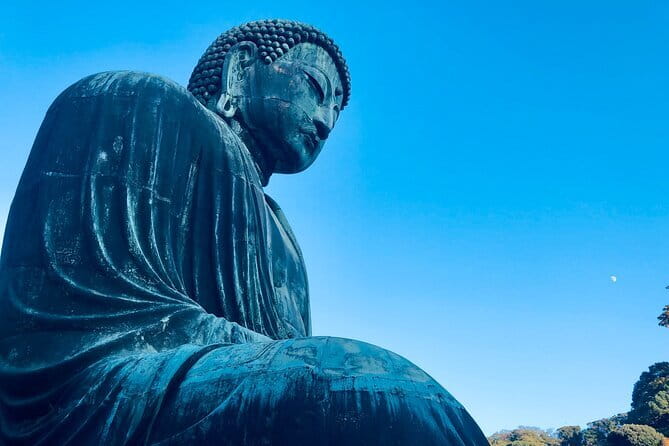
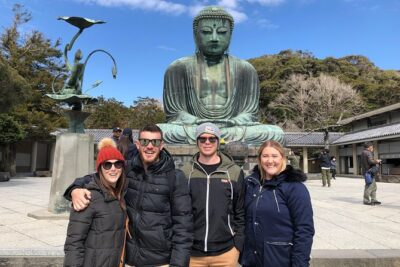
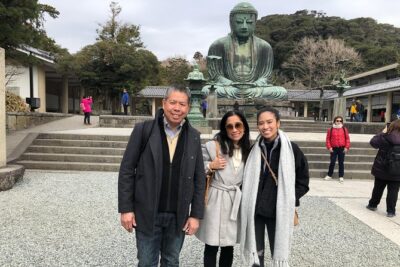
After your sweets and seaside views, you’ll head to Kotoku-in Temple for the Great Buddha visit. The stop is about 30 minutes, with the entrance fee included.
The Great Buddha is serious hardware:
- It’s a 13.35-meter bronze statue
- It weighs 121 tonnes
- It has stood for over 750 years
- It’s described as Kamakura’s only Buddhist national treasure
- It’s noted as Japan’s second tallest bronze Buddha
Even with limited time, this is the kind of monument that makes minutes feel longer. When you’re looking at something that size, you naturally slow down—your brain keeps catching up.
This is also where the guide helps most. You’re not just looking at a statue; you’re hearing the stories around Kamakura’s history and temple culture. That kind of context turns a quick visit into a memorable one.
Is it enough time to do everything at Kotoku-in? Not really. It’s built for a first, solid viewing, not a deep exploration of every corner. If you want hours of temple wandering, you’d need a longer plan. If you want a smart hit of the main landmark, this timing works.
Price and value: what you’re really paying for at $71.51
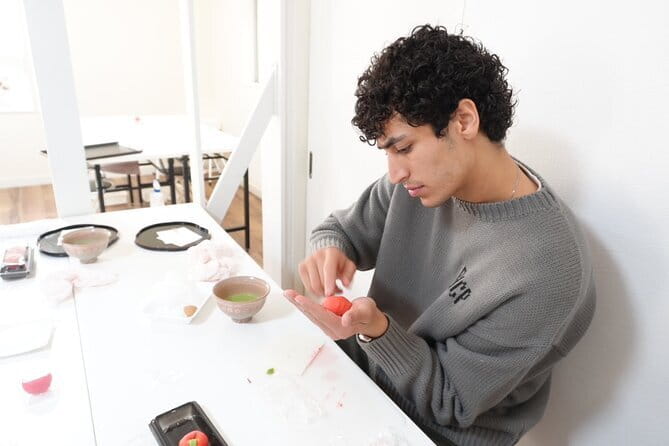
At $71.51 per person for about 3 hours, the price isn’t just “a ticket.” You’re paying for three things that often cost more separately:
- An English-speaking local guide
- A traditional sweets making lesson where you’ll produce three seasonal wagashi
- Admission to Kotoku-in
On top of that, it’s a private setup for only your group, which usually means better attention during the hands-on part. When food classes are crowded, the instruction becomes generic. Here, the private nature helps keep it personal.
The only consistent extra cost to think about is personal expenses. Matcha is one listed add-on (550 yen). If you want souvenirs beyond your own made sweets, that’s on you too.
One more practical angle: this tour is often booked around 5 days in advance on average. That’s a good sign of popularity, and it can also mean you shouldn’t wait until the last minute if your dates are firm.
Who this tour suits best (and who might want something else)
You’ll likely love this if you:
- Want to learn a hands-on cultural craft, not just watch
- Like tasting and taking home what you make
- Want a short but meaningful look at Kamakura’s most famous Buddha
It’s also a good fit for couples and small groups who want a calmer pace and a guide who can explain things clearly in English.
You might choose a longer temple-focused plan instead if you want extended time to browse or you like slow temple photo walks for an hour or two. This one is efficient. Great for a “see it, learn it, enjoy it” day—less ideal for deep wandering.
Final verdict: should you book this Kamakura wagashi + Great Buddha tour?
Yes, I’d book it if your goal is a smart, memorable mix of food craft and major sights without overplanning. The biggest strengths are practical: hands-on seasonal wagashi with clear instruction, plus a high-impact Great Buddha visit timed so you don’t feel rushed. And having Hiro as a guide who keeps things friendly and easy in English is exactly what makes these experiences land.
If you’re sensitive to short stops, you might want to treat Kotoku-in as a “main statue viewing” moment and plan extra time elsewhere on your own. But for most people—especially those with limited time in Kamakura—this is strong value and a very enjoyable way to spend a few hours.
FAQ
How long is the Japanese sweets making and Great Buddha tour in Kamakura?
The experience is about 3 hours in total, including roughly 1 hour for the wagashi-making lesson and about 30 minutes at Kotoku-in.
Where do I meet, and where does the tour end?
You meet at Hase Station (2 Chome-14 Hase, Kamakura) and the tour ends at Kotoku-in (4-chōme-2-28 Hase, Kamakura).
What is included in the price?
The tour includes an English-speaking local guide, the traditional sweets making lesson, and the entrance fee to Kotoku-in.
Can I take the wagashi home, or do I have to eat them on the spot?
You can enjoy the sweets on the spot or take them home as souvenirs.
Is matcha available, and how much does it cost?
Matcha is available as an optional add-on for 550 yen.
Is this tour refundable if I change my plans?
No. The experience is non-refundable and cannot be changed for any reason.
More Dessert Tours in Kamakura
- Kamakura: Half day Walking tour & Japanese sweets
★ 5.0 · 11 reviews
More Tour Reviews in Kamakura
- Tokyo: Kamakura & Enoshima Day Trip including Temple Tickets
★ 4.5 · 1,375 reviews - From Tokyo: Kamakura & Enoshima 1-Day Bus Tour
★ 4.5 · 189 reviews - Kamakura Historical Walking Tour with the Great Buddha
★ 5.0 · 129 reviews - Kamakura Private Tour: Temples, Nature, and the Great Buddha
★ 5.0 · 121 reviews - Kamakura Walking Tour – The City of Shogun
★ 5.0 · 100 reviews
More Kamakura and Enoshima Days
- Tokyo: Kamakura & Enoshima Day Trip including Temple Tickets
★ 4.5 · 1,375 reviews - From Tokyo: Kamakura & Enoshima 1-Day Bus Tour
★ 4.5 · 189 reviews - Kamakura Historical Walking Tour with the Great Buddha
★ 5.0 · 129 reviews - Kamakura Private Tour: Temples, Nature, and the Great Buddha
★ 5.0 · 121 reviews - Kamakura Walking Tour – The City of Shogun
★ 5.0 · 100 reviews
Latest Kamakura reviews off our desk
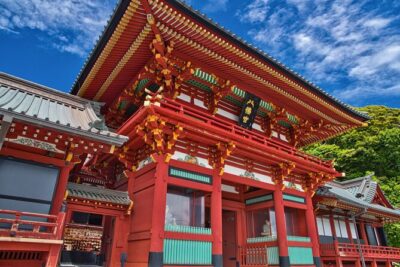
Kamakura Day Trips, compared.
 ★ 4.5Kamakura & Enoshima Day Trip including Temple TicketsFrom $581,375 reviews
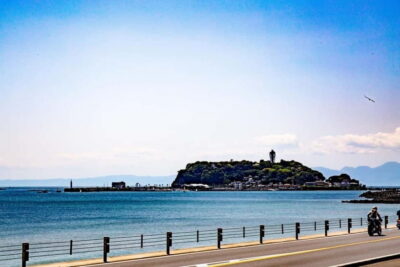
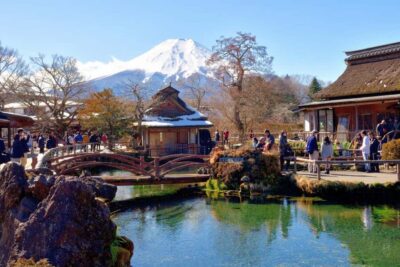 ★ 4.5Mt. Fuji, Kamakura, Big Buddha, & Lake Ashi Day TripFrom $49867 reviews
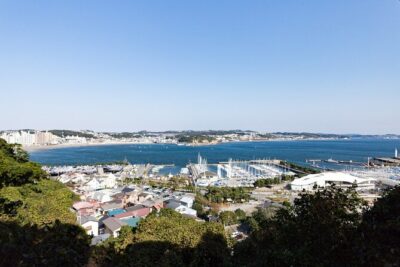 ★ 4.5From Tokyo: Kamakura & Enoshima 1-Day Bus TourFrom $66189 reviews
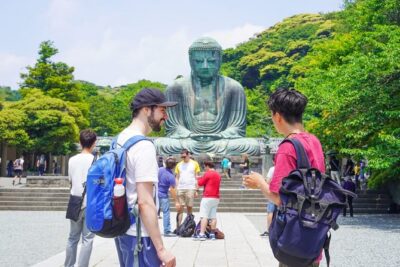 ★ 5.0Kamakura Historical Walking Tour with the Great BuddhaFrom $98129 reviews
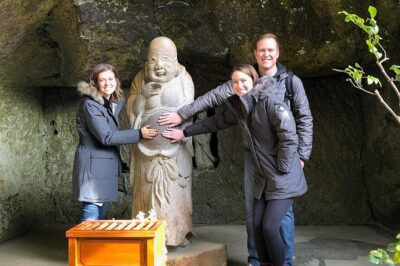 ★ 5.0Kamakura Private Tour: Temples, Nature, and the Great BuddhaFrom $98121 reviews
 ★ 5.0Kamakura Walking Tour – The City of ShogunFrom $35100 reviews
 ★ 4.9Sea of Mount Fuji, Hakone Ropeway, Ōwakudani, EnoshimaFrom $5084 reviews
 ★ 5.0Kamakura 8 hr Private Walking Tour with Licensed Guide from TokyoFrom $20180 reviews
Browse the lists this tour appears in