
Reviewed · KAMAKURA DAY TRIPS
Kamakura: Half day Walking tour & Japanese sweets
Kamakura feels like a time capsule on foot. This half-day walk with Kelly, a national licensed English guide, strings together Kamakura’s top spiritual sights and samurai-era context, plus a sweet stop with nerikiri and matcha green tea. The one thing to watch: it’s not stroller-friendly, and there are stairs and uneven steps at temples.
I especially like how the tour mixes famous landmarks (the Great Buddha at Kōtoku-in) with the quieter side streets locals use. You also get a practical break that doesn’t feel tacked on, because the sweets and tea are part of the rhythm of the day. If you’re expecting everything to be flat and easy, plan for some uphill moments and tighter walking.
In This Review
- Key things you get (and why it matters)
- From Kamakura Station to the coast: the walk starts with an easy rhythm
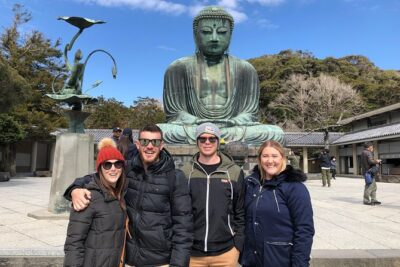
- Kōtoku-in’s Great Buddha: the star photo spot with real context
- Hase-dera gardens and the coastal viewpoint you’ll remember
- Tsurugaoka Hachiman-gū: 800 years of samurai-era traces
- Komachi-dori tea break: nerikiri and matcha, plus a real reset
- Narrow rear streets and local shopping lanes: how Kamakura feels like itself
- Price and logistics: what you’re actually paying for
- Who this tour is best for (and who should reconsider)
- The little details that make it smoother in real life
- Should you book Kelly’s Kamakura half-day walking tour?
- FAQ
- What time does the Kamakura half-day walking tour start?
- Where exactly do I meet the guide?
- Which major stops are included during the 4 hours?
- Are entrance fees included?
- Is food included, and what do you get?
- Do I need to pay for transportation during the tour?
- Is the tour suitable for vegetarians?
Key things you get (and why it matters)
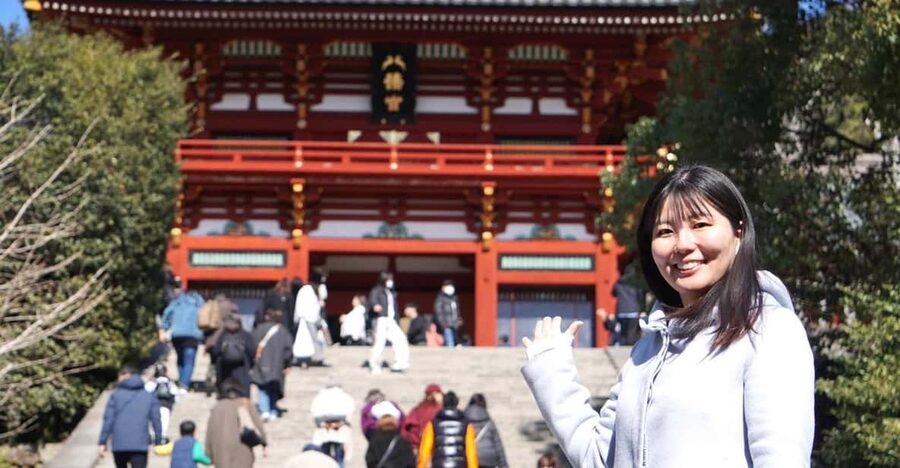
- A small group (max 6) with Kelly, so questions actually get answered and you don’t feel herded
- Two temple anchors: Kōtoku-in for the Great Buddha and Hase-dera for gardens plus coastal views
- Tsurugaoka Hachiman-gū with context for the samurai period and centuries of local power
- Narrow lanes + local shopping streets, where Kamakura’s character shows up beyond the main tourist strip
- Entrance fees and cafe food included, so you’re not doing constant budget math in the middle of sightseeing
- English-led, vegetarian-friendly, with a pace that leaves room to enjoy rather than rush
From Kamakura Station to the coast: the walk starts with an easy rhythm
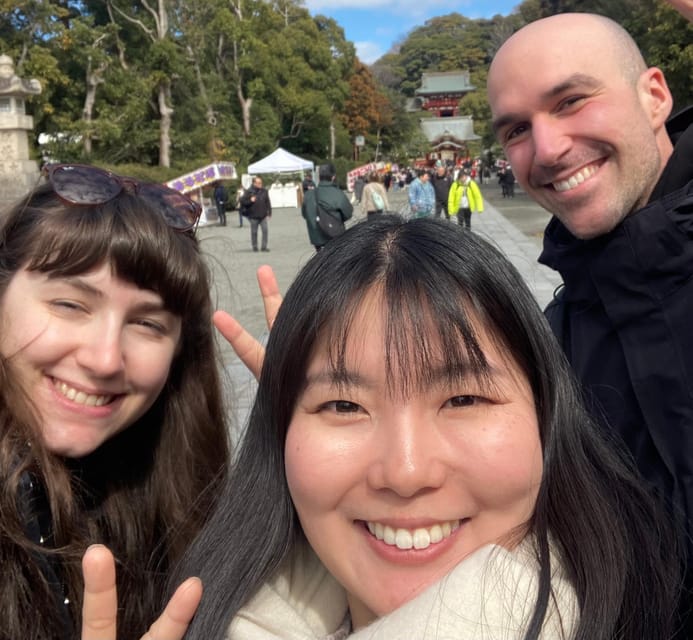
You’ll meet at Kamakura Station on the East exit, right next to the ticket gates at the tourist information center. The tour starts at 13:00 and runs for about 4 hours, keeping the day compact enough that it works even if you’re basing yourself in Tokyo.
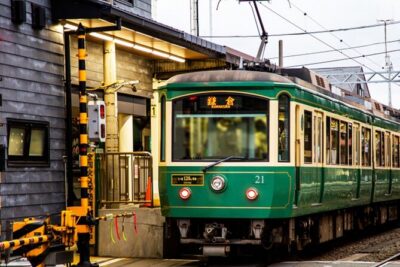
Early on, you’ll hop on a local train to Hase Station (about 10 minutes). The train fare isn’t included, and it’s listed at ¥200 one way, so keep a bit of cash or an IC card handy. Even with that extra transit, the schedule stays smooth: you’re walking between sights at a human pace instead of cramming in long bus rides.
This is the kind of format I like when you want “top sights” but still want to feel the town, not just photograph it while standing still.
Coast-and-Buddha days near Kamakura, rated
- Tokyo: Kamakura & Enoshima Day Trip including Temple Tickets
★ 4.5 · 1,375 reviews - From Tokyo: Kamakura & Enoshima 1-Day Bus Tour
★ 4.5 · 189 reviews - Kamakura Historical Walking Tour with the Great Buddha
★ 5.0 · 129 reviews - Kamakura Private Tour: Temples, Nature, and the Great Buddha
★ 5.0 · 121 reviews
Kōtoku-in’s Great Buddha: the star photo spot with real context
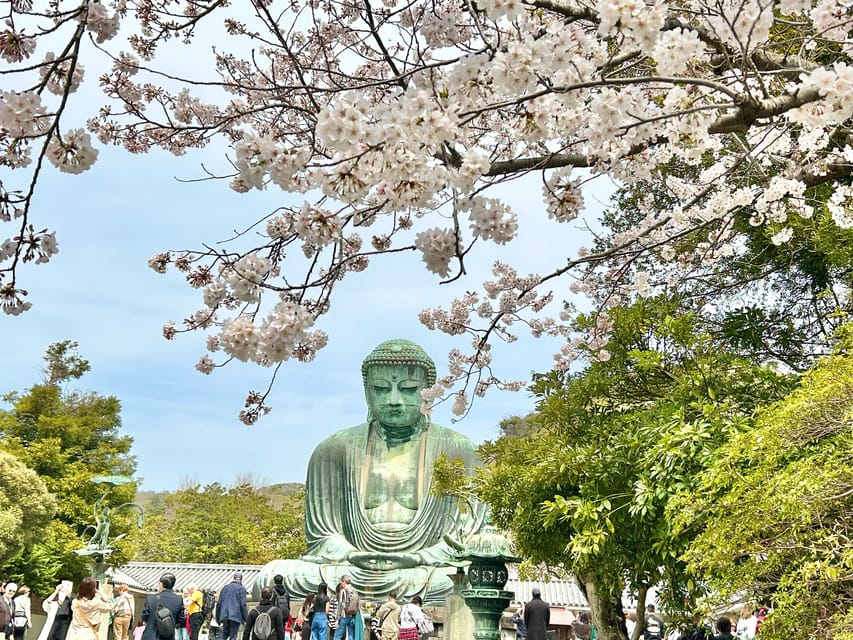
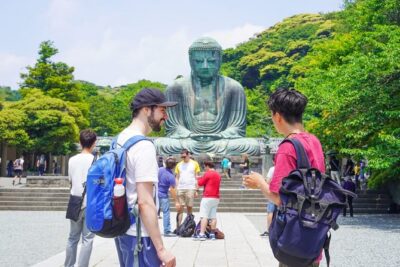
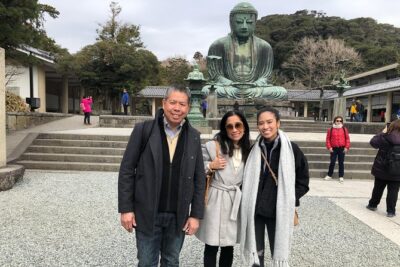
Kōtoku-in is where many people come for the image of the giant Great Buddha, and yes—this is one of Japan’s most recognized photo scenes. But the best part is what you learn while you’re there. Kelly explains the background of the statue and ties it to larger ideas you’ll hear again later: samurai-era culture and Zen philosophy.
You’ll spend about 30 minutes at Kōtoku-in. That timing is just right. It gives you time to look, take photos from a few angles, and still keep moving without turning the morning into an exhausting queue-and-wait situation.
One practical note: the Great Buddha area is popular, so it’s smart to bring patience for crowd flow. Still, 30 minutes keeps it from feeling like you’re trapped in it.
Hase-dera gardens and the coastal viewpoint you’ll remember
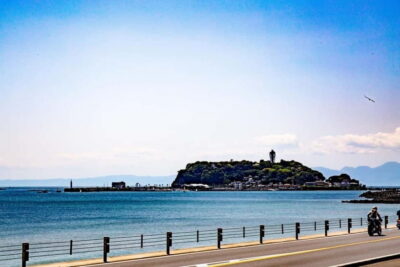
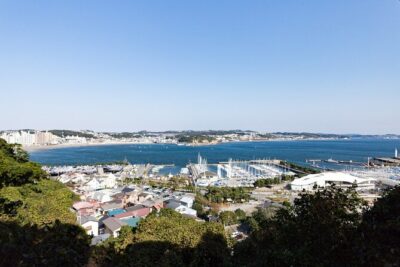
Hase-dera is the “slow down” stop on the walk. Expect about 1 hour here, and focus on the grounds: beautiful Japanese gardens plus an observation area where you can see the beach and the townscape of Kamakura.
There’s also a mysterious donjon cave mentioned as part of the precinct. If you like places that feel a little story-shaped—like you’re walking through a legend rather than just passing through a venue—this is the spot.
This stop is especially good if you enjoy seasonal atmospheres. The tour’s framing makes it clear that Hase-dera isn’t only about one building. It’s about walking the grounds and letting the views do some of the work.
The one drawback is simple: temples mean steps. The experience description explicitly warns that some places have staircases, and the tour isn’t suitable for wheelchair users or people with low fitness. So if mobility is an issue, you’ll want to consider a different format or a taxi strategy on your own.
Tsurugaoka Hachiman-gū: 800 years of samurai-era traces
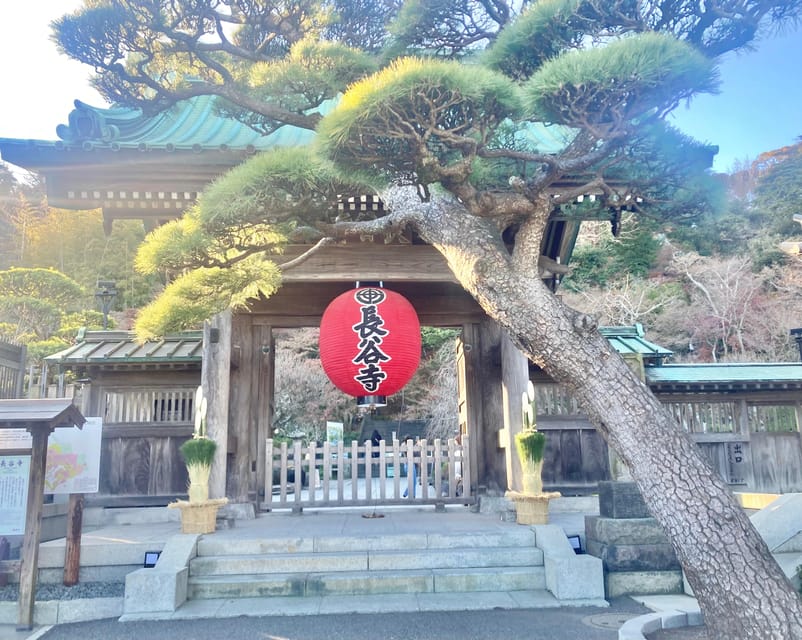
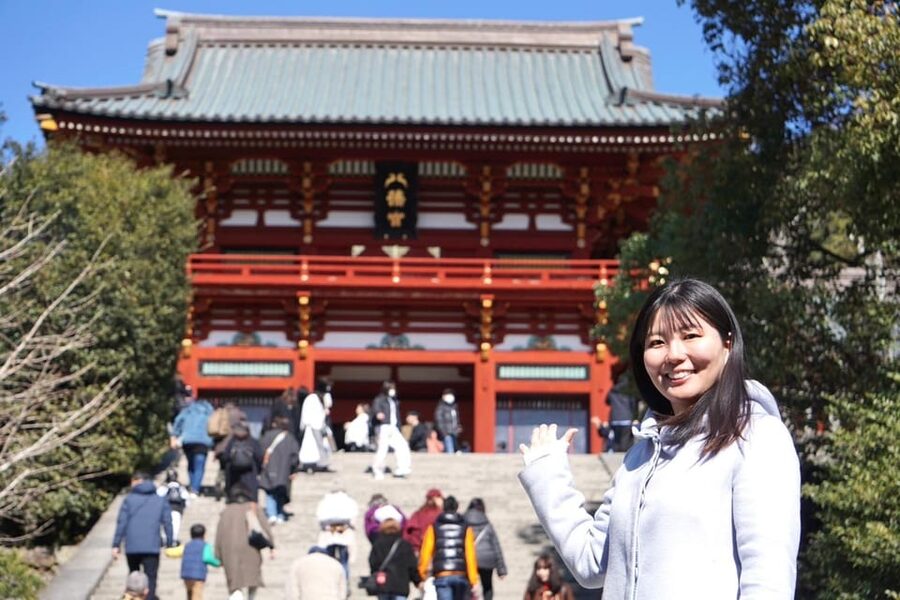
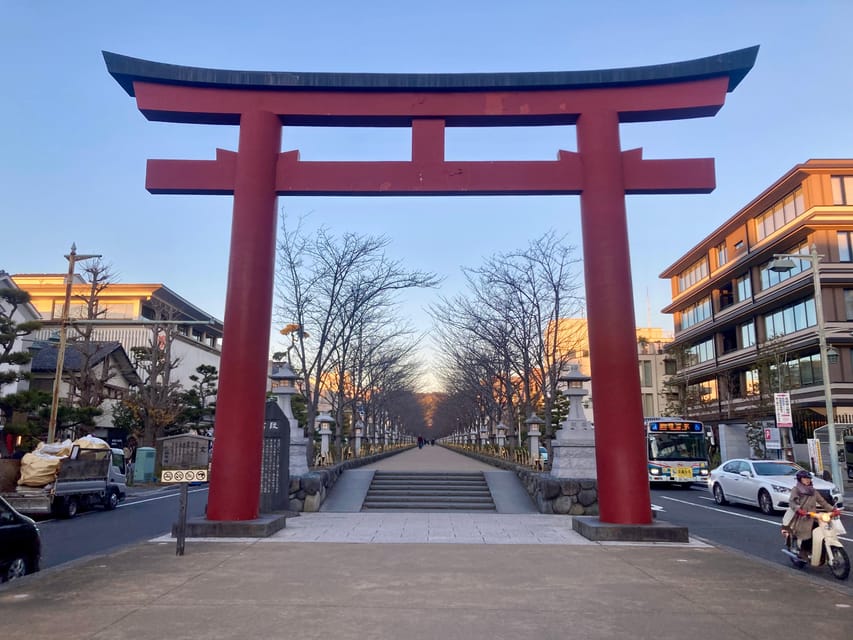
After Hase-dera, you’ll return toward the shrine district and spend about 45 minutes at Tsurugaoka Hachiman-gū, the center of Kamakura.
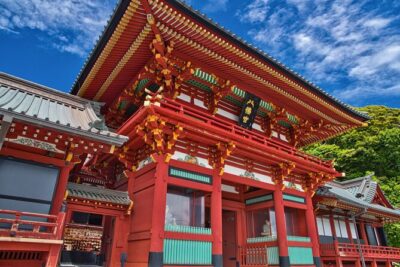
This is where Kelly’s local-history angle really pays off. She points out traces of the samurai period and frames the shrine in the long arc of the town’s history—about 800 years of background tied to the area. There’s no entrance fee for this stop, which is nice, but the real value is the explanations as you walk through.
If you’ve already visited a few shrines in Japan, you might think you know what to expect. The difference here is how the tour connects the shrine to the samurai-culture story you’re hearing across the day, instead of treating it like a standalone stop.
Komachi-dori tea break: nerikiri and matcha, plus a real reset
Komachi-dori Street is where you’ll settle in for a tea break and then do more shopping. You’ll get about 45 minutes for tea, with a café stop that’s included in the tour price.
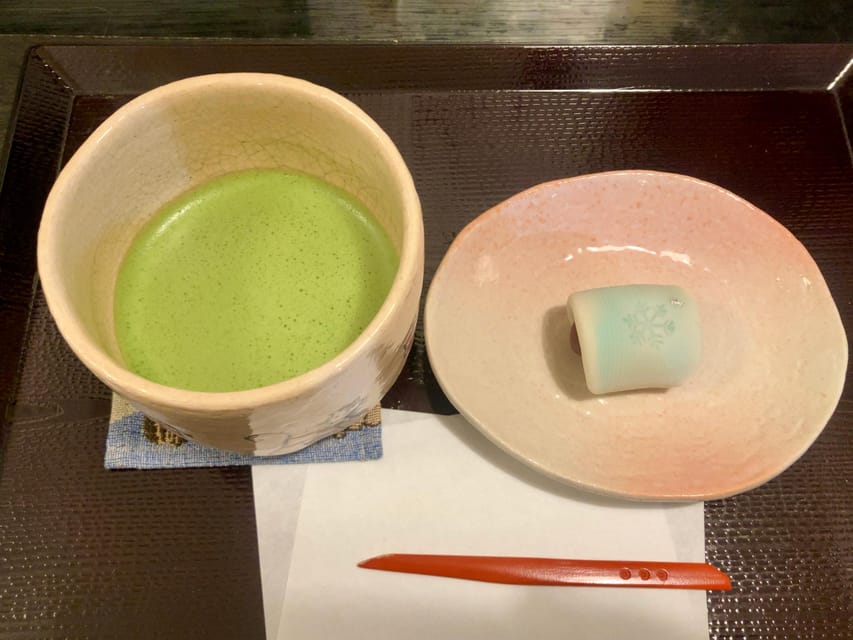
The sweets component is a highlight: traditional Japanese nerikiri (a shaped confection) and matcha green tea. The tour also notes that nerikiri is something you can only really enjoy in Japan, which is exactly the kind of practical “do it here” souvenir experience that’s worth prioritizing.
Kelly typically brings you to a recommended café, and the food cost is included. That matters because this is Japan—prices in tourist corridors can add up fast. By including the snack, you keep the tour feeling fair.
A small bonus: in at least one experience shared by past guests, there was even a chance for hands-on matcha practice at the sweets stop. So if you’re the type who likes to take a little home with you besides photos, keep an eye out for those opportunities while you’re there.
Readers also shortlisted these Kamakura bookings:
- Kamakura Walking Tour – The City of Shogun★ 5.0 · 100 reviews
- Buddha, Bamboo & Zen – Bespoke Kamakura Private Walking Tours★ 5.0 · 25 reviews
- Kamakura: Walking Tour through the City of Samurai★ 4.9 · 12 reviews
- Kamakura: Half day Walking tour & Japanese sweets★ 5.0 · 11 reviews
- Kamakura Heritage Bike or Walk Tour with ex-Rickshaw guide★ 5.0 · 11 reviews
Narrow rear streets and local shopping lanes: how Kamakura feels like itself
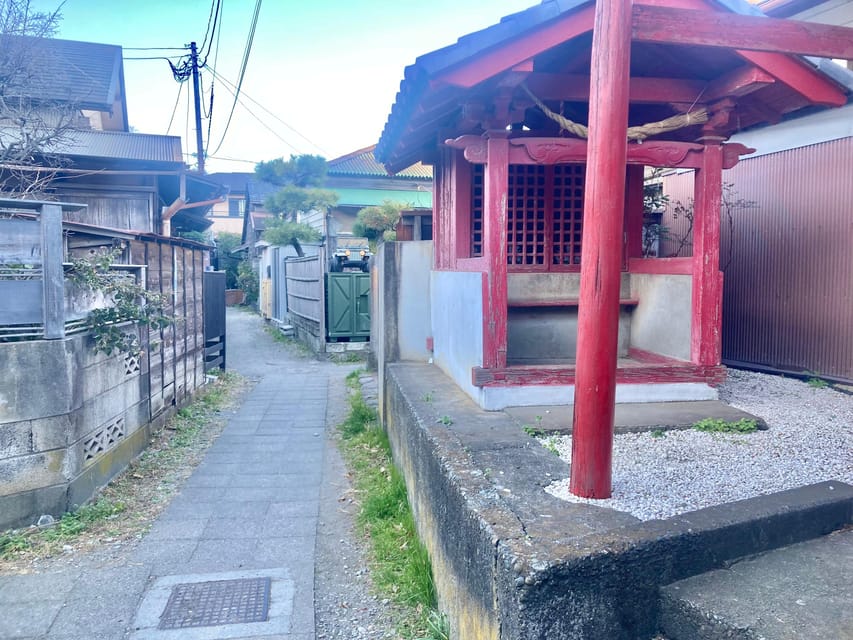
Between major sites, you’ll walk some of the narrow streets that aren’t the obvious tourist loop. The tour description emphasizes that these lanes have an atmosphere locals know well, and that they’ve even appeared in anime and TV dramas.
This is one of those “small thing, big effect” parts. The main streets can be fun, but the side lanes are where you get a stronger sense of everyday Kamakura: the scale, the turns, the rhythm of foot traffic, the shop doors you’d never notice from a guidebook list.
You’ll also get time on local shopping streets loved by residents, not only the biggest name pedestrian corridors. Think of this as a chance to browse at your pace without feeling like you’re competing with everyone trying to reach the same photo spot.
And if your end-of-tour timing matters—this is worth saying—past guests noted that Kelly helped them find the right train connection afterward, including directions for getting back toward major hubs.
Price and logistics: what you’re actually paying for
The tour is priced at $64 per person for a 4-hour, English-led, small-group experience with a national licensed guide. What makes that price feel reasonable is that several “hidden costs” are already handled:
- Entrance fees included for Kōtoku-in and Hase-dera
- Food cost included, covering Japanese sweets and matcha
- Guide time included, delivered through a planned walking route
What isn’t included is transit fare for the local train leg between Kamakura and Hase (noted at ¥200 one way, plus you may see an additional transportation figure listed as well). So budget a small extra amount for that train portion.
Also: you’ll finish on Komachi-dori Street, which is convenient for further walking and shopping. It’s not the kind of tour that ends with you stranded far from easy transit options.
If you’re choosing between DIY walking and a guided route, here’s the practical tradeoff: you pay for the guide’s context and the included entrance/tea costs, not for convenience alone.
Who this tour is best for (and who should reconsider)
This tour fits best if you want:
- The major Kamakura sights without planning a route for a 4-hour window
- Story context around the samurai period and Zen ideas
- A paced walk in a small group where you can ask questions
- A specific included cultural food moment: nerikiri + matcha
It may not fit if:
- You have limited mobility. The description calls out staircases and lists the tour as not suitable for wheelchair users and people with low fitness.
- You dislike walking on uneven temple paths. Comfortable shoes are strongly recommended, and the tour also doesn’t allow high-heeled shoes.
- You travel with pets. Pets aren’t allowed (assistance dogs are allowed).
If you’re doing a day trip from Tokyo, this is a very manageable length. But if you’re only comfortable with flat, step-free sightseeing, you’ll likely find it frustrating.
The little details that make it smoother in real life

A few “comfort and flow” points are worth highlighting because they affect how enjoyable the tour feels:
- Group size max 6: this helps you navigate narrow streets without constantly stopping for everyone to catch up.
- English language guide: Kelly is the named guide, and the tour is clearly set up for English speakers.
- Vegetarian friendly: the included cafe food is set up to work for vegetarians, which is reassuring if you have dietary preferences.
- Not rushed pace: multiple comments mention that the tour doesn’t feel like you’re being pushed from stop to stop, which matters on a walking day.
- Side-street navigation: narrow streets can get crowded. Kelly uses short cuts to reduce the stress of fighting crowds on busy narrow lanes.
Should you book Kelly’s Kamakura half-day walking tour?
If you want a straightforward, high-value Kamakura day—Great Buddha, Hase-dera gardens and views, Tsurugaoka Shrine with samurai context, and a proper tea-and-sweets stop with nerikiri and matcha—then yes, I think this is a smart booking.
Book it especially if you:
- Like guided explanations more than just sightseeing
- Want included entrance fees and included food handled for you
- Appreciate small-group pacing and local streets, not only the big-name spots
- Are comfortable with stairs and some walking (and can wear solid shoes)
Skip or reconsider if you need step-free access or you’re looking for a totally low-effort experience. In that case, you may be happier with a more flexible plan.
If you do go, aim to treat the day like a walk through eras: Buddha imagery here, Zen framing there, samurai traces at the shrine, then a calm sugar-and-tea break before you wander the back streets.
FAQ
What time does the Kamakura half-day walking tour start?
The tour starts at 13:00 and lasts about 4 hours.
Where exactly do I meet the guide?
Meet at Kamakura Station, East exit, at the tourist information center, right next to the ticket gate. The guide will have a meeting board.
Which major stops are included during the 4 hours?
You’ll visit Kōtoku-in (Great Buddha), Hase-dera, and Tsurugaoka Hachiman-gū, with time on Komachi-dori Street for tea and shopping.
Are entrance fees included?
Yes. The entrance fees for Kōtoku-in and Hase-dera are included.
Is food included, and what do you get?
Yes. Food cost at a café is included, and you can try Japanese sweets (nerikiri) and matcha green tea.
Do I need to pay for transportation during the tour?
Yes. The tour includes a local train to Hase Station, and the train fare (listed as ¥200 one way) is not included.
Is the tour suitable for vegetarians?
Yes. The experience is described as vegetarian friendly. Comfortable shoes are recommended because some stops have staircases.
More Tours in Kamakura
- From Tokyo: Kamakura & Enoshima 1-Day Bus Tour
★ 4.5 · 189 reviews - Kamakura Historical Walking Tour with the Great Buddha
★ 5.0 · 129 reviews - Kamakura Private Tour: Temples, Nature, and the Great Buddha
★ 5.0 · 121 reviews - Kamakura Walking Tour – The City of Shogun
★ 5.0 · 100 reviews - Kamakura: Private Guided Walking Tour with Local Guide
★ 4.8 · 60 reviews
More Tour Reviews in Kamakura
- Tokyo: Kamakura & Enoshima Day Trip including Temple Tickets
★ 4.5 · 1,375 reviews - From Tokyo: Kamakura & Enoshima 1-Day Bus Tour
★ 4.5 · 189 reviews - Kamakura Historical Walking Tour with the Great Buddha
★ 5.0 · 129 reviews - Kamakura Private Tour: Temples, Nature, and the Great Buddha
★ 5.0 · 121 reviews - Kamakura Walking Tour – The City of Shogun
★ 5.0 · 100 reviews
More Kamakura and Enoshima Days
- Tokyo: Kamakura & Enoshima Day Trip including Temple Tickets
★ 4.5 · 1,375 reviews - From Tokyo: Kamakura & Enoshima 1-Day Bus Tour
★ 4.5 · 189 reviews - Kamakura Historical Walking Tour with the Great Buddha
★ 5.0 · 129 reviews - Kamakura Private Tour: Temples, Nature, and the Great Buddha
★ 5.0 · 121 reviews - Kamakura Walking Tour – The City of Shogun
★ 5.0 · 100 reviews
Latest Kamakura reviews off our desk

Kamakura Day Trips, compared.
 ★ 4.5Kamakura & Enoshima Day Trip including Temple TicketsFrom $581,375 reviews
 ★ 4.5Mt. Fuji, Kamakura, Big Buddha, & Lake Ashi Day TripFrom $49867 reviews
 ★ 4.5From Tokyo: Kamakura & Enoshima 1-Day Bus TourFrom $66189 reviews
 ★ 5.0Kamakura Historical Walking Tour with the Great BuddhaFrom $98129 reviews
 ★ 5.0Kamakura Private Tour: Temples, Nature, and the Great BuddhaFrom $98121 reviews
 ★ 5.0Kamakura Walking Tour – The City of ShogunFrom $35100 reviews
 ★ 4.9Sea of Mount Fuji, Hakone Ropeway, Ōwakudani, EnoshimaFrom $5084 reviews
 ★ 5.0Kamakura 8 hr Private Walking Tour with Licensed Guide from TokyoFrom $20180 reviews
Browse the lists this tour appears in