
Reviewed · WORKSHOPS
Kaisendon and Sashimi Cutting Workshop
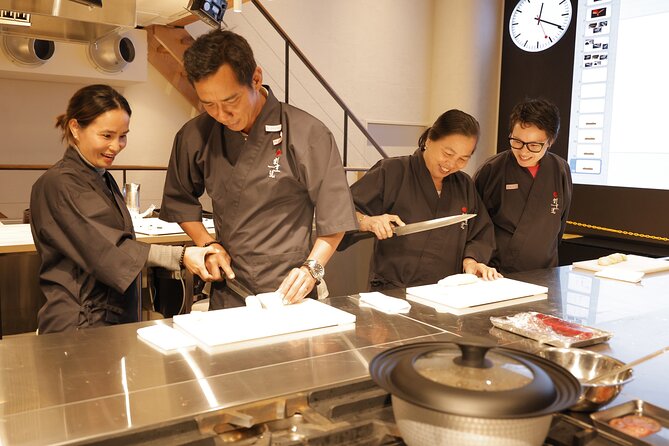
Slicing sashimi with a pro knife is oddly fun. This hands-on Tokyo class pairs Japanese knife skills with the real joy of making Kaisendon from start to finish. You cut fish yourself, then top vinegared rice to build a seafood bowl you’ll actually eat.
What I like most is how much time you spend cutting, first with a practice setup and then with sashimi. The flour-dumpling practice makes it feel doable, even if you’ve never held a sashimi knife before, and the group is capped at 4, so the instructor can correct your angle and grip. One thing to keep in mind: this is a focused 1.5-hour workshop, so it is not a long, sightseeing-style outing. If you want a deeper, multi-session dive into sharpening or knife collecting, you may need to look at a separate, more advanced knife workshop.
In This Review
- Kaisendon and Sashimi Cutting Workshop: Key Highlights
- Where You’ll Be Cutting in Tokyo (Nishiazabu, Kappodo Area)
- Step-By-Step: The 1.5-Hour Flow You Can Count On
- Knife Technique: What Naoya Kumagai Teaches You
- Hands-On Cutting: Flour Dumplings to Real Sashimi
- Making Your Kaisendon Bowl: Vinegared Rice Meets Fish
- The Meal Part: Sake, Miso Soup, and That Full-and-Happy Feeling
- Group Size, Staff Energy, and Why It Feels Warm
- What’s Included (and the Little Extras That Add Value)
- Price and Value: Is $160 Worth It?
- Who Should Book This Workshop (and Who Might Not)
- Quick Practical Tips Before You Go
- FAQ
- How long is the Kaisendon and Sashimi cutting workshop?
- What will I make during the class?
- Who teaches the knife and sashimi technique?
- Is the group size limited?
- What’s included with the meal?
- What is the cancellation window for a full refund?
- Should You Book This Workshop?
Kaisendon and Sashimi Cutting Workshop: Key Highlights
- Small group (max 4) for hands-on coaching instead of watching from the sidelines
- Practice first with flour dumplings, then cut your own sashimi portions
- Instruction from Naoya Kumagai, plus helpful English support from the team
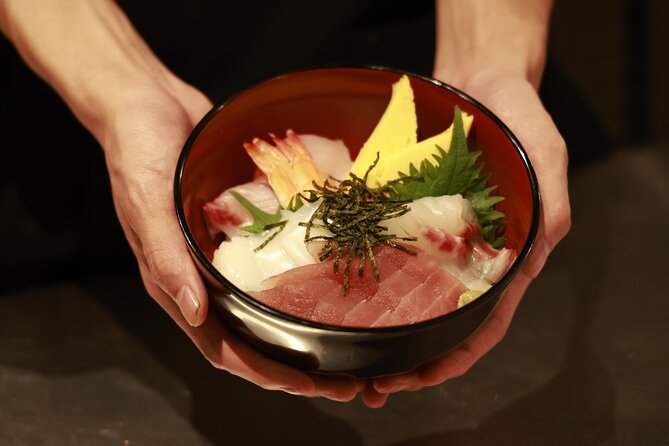
- You build and eat a seafood bowl on vinegared rice, with miso soup and sake
- Sake tasting is available during the tasting time window
- Certificate + 10% off at the 1F shop on the same day you visit
Where You’ll Be Cutting in Tokyo (Nishiazabu, Kappodo Area)
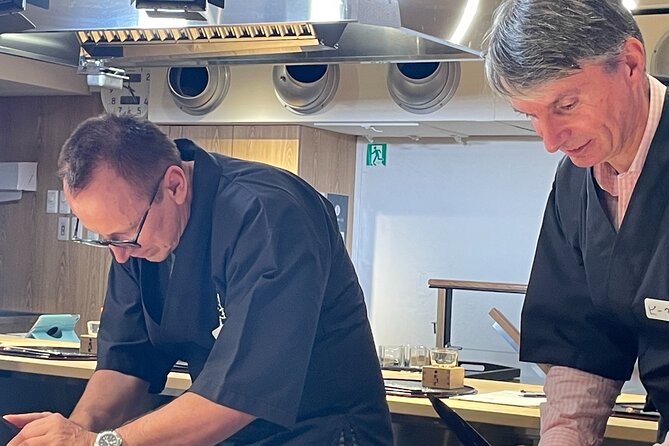
This workshop takes place around Nishiazabu in Minato City, with the meeting point at Kappodo H.Q in the Tokyo D kitchen studio area. The address you’ll want to plug into maps is in Nishiazabu 2-chōme, DKビル (the long name on the ticket is a clue that it’s inside a focused cooking setup, not some random storefront).
The location matters because you’re not commuting all over the city. You’ll start and end right back at the meeting point, and the whole thing is built around a short, tight lesson.
Also, you’ll be near public transportation. That sounds basic, but in Tokyo it makes a big difference. You can get there without turning the workshop into a second full day of logistics.
Readers also shortlisted these Tokyo bookings:
- Sushi Making Tokyo Roll and Authentic Japanese Sushi Class
★ 5.0 · 3,971 reviews - Tokyo: Roll and Authentic Sushi Making Class in Asakusa
★ 4.9 · 1,957 reviews - Tokyo Shinjuku Chopsticks Making Class
★ 5.0 · 1,763 reviews - Tokyo: Sushi Making Class in a Happi Coat near a Famous Spot
★ 4.9 · 1,377 reviews
Step-By-Step: The 1.5-Hour Flow You Can Count On
The class is designed to move in a clean sequence—lecture, demo, practice, then eating. Times vary by session, but the rhythm is the same, and it’s easy to follow.
Here’s the typical arc:
- Registration happens first, followed by a greeting and a short introduction.
- Then there’s a lecture on sashimi knives by instructor Naoya Kumagai.
- Next comes a demonstration showing how to hold and use a Japanese knife for sashimi.
- After that, it’s hands-on: you practice cutting with flour dumplings, then you cut sashimi for your own bowl.
- Finally, you make your kaisendon, and you get a tasting time that includes options like sake tasting.
Why this flow works: it keeps your brain from freezing the moment you pick up the knife. You learn the basics, watch the correct motion once, then practice in a low-stakes way before you cut the real fish. That’s how you end up leaving proud, not frustrated.
Knife Technique: What Naoya Kumagai Teaches You
The workshop isn’t just about producing a pretty bowl. The teaching focus is Japanese knife technique, and that’s the heart of the experience.
You’ll hear a lecture specifically about sashimi knives, and Naoya Kumagai explains how the knife is meant to be used. In a short class, you won’t become a master in 90 minutes—but you will leave with practical understanding of how the blade and motion work together.
One theme I’d watch for when you’re listening: technique is not only about speed. It’s about control and the cut. That’s why you’re taught angles and handling early, before you touch the sashimi.
And yes, the English support matters. Multiple participants highlight that the team’s guidance is friendly and makes the lesson feel comfortable. That kind of interpretation is what turns “I hope I’m doing this right” into “Oh, I get it now.”
Hands-On Cutting: Flour Dumplings to Real Sashimi
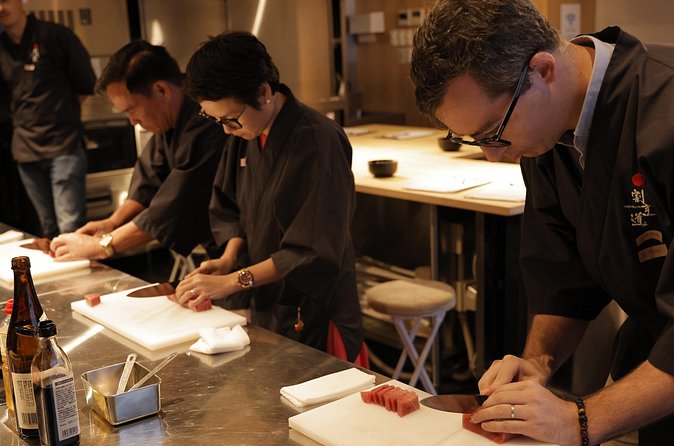
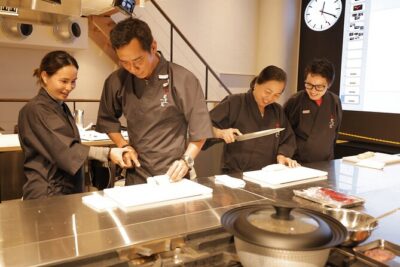
This is the part you’re paying for. You don’t just watch someone else cut. You do the cutting.
First, you practice with flour dumplings. This step is brilliant because it lets you work out the muscle memory—how to grip, how to move the knife, and how to keep your cuts consistent—without worrying about wasting expensive fish.
Then comes the moment: you practice cutting sashimi using a sashimi knife. The class structure means you get coaching while you’re doing it, not after. In a small group, that coaching is realistic.
Also, you’re not expected to be perfect. The goal is to give you enough technique that your fish cut looks right and your bowl comes out well.
A useful mindset: don’t treat this like a cooking reality show where speed wins. Treat it like a craft lesson. Slow and correct beats fast and messy.
Making Your Kaisendon Bowl: Vinegared Rice Meets Fish
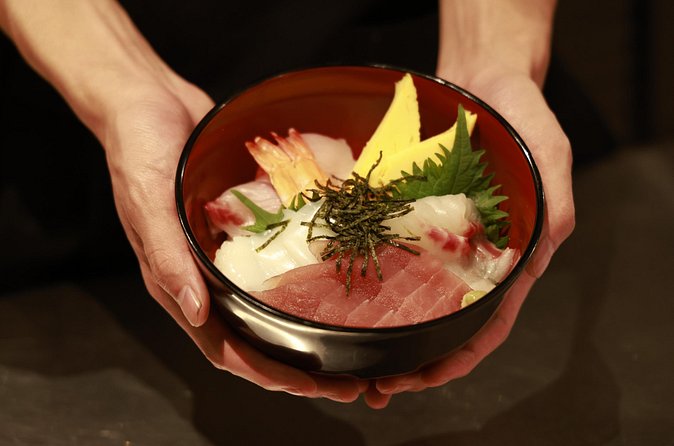
Once you’ve got your cuts, you’ll assemble your own bowl. The key idea is simple and very Japanese: take vinegared rice, then place your sashimi on top to create a seafood bowl (kaisen-don).
You’ll make the bowl during the workshop after your cutting practice. It’s not just plating for photos—the tasting is part of the same experience.
What I like about this part is the payoff. You go from technique to taste quickly, which helps everything you learned click into place. Knife skills stop being theory. They become something you can actually taste.
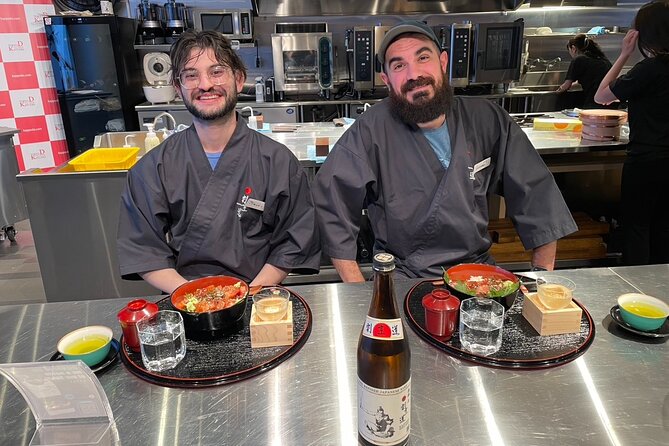
Included with your meal is miso soup and sake (sake tasting is available too). And because alcoholic beverages are listed as included, you’re not stuck choosing between enjoying your meal and worrying about the extra cost.
- Mt Fuji and Hakone 1-Day Bus Tour Return by Bullet Train★ 5.0 · 26,383 reviews
- 1-Day Tokyo Bus Tour★ 5.0 · 14,250 reviews
- Tokyo: teamLab Planets TOKYO Digital Art Museum Entry Ticket★ 4.6 · 9,779 reviews
- Mt Fuji & Hakone Cruise, Drum Show Bullet Train 1 Day from Tokyo★ 4.0 · 7,413 reviews
- Tokyo: Shinjuku Food Tour (13 Dishes at 4 Local Eateries)★ 5.0 · 6,603 reviews
The Meal Part: Sake, Miso Soup, and That Full-and-Happy Feeling
This class isn’t a snack. It’s an actual meal built around what you make. After you finish assembling your kaisendon, you’ll have tasting time, with sake tasting available.
In plain terms: you get the satisfaction of doing something technical, then you sit down and eat it. One reason this workshop gets strong feedback is that it ends with people leaving full and happy, not hungry and rushed.
And the meal is tied to the lesson, which matters. If you only learned technique and then ate something unrelated, the class would feel disconnected. Here, your bowl is the payoff.
Group Size, Staff Energy, and Why It Feels Warm
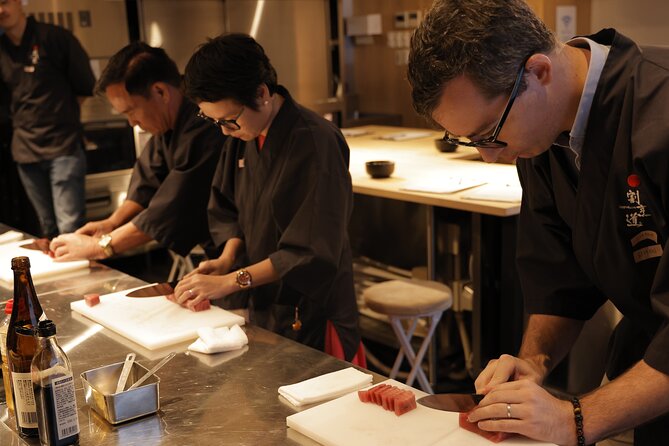
The workshop caps at 4 travelers, which is a big deal. You get room to work at the station, and the instructor team can pay attention to your specific cuts and form.
In the feedback, the names Weixin and Naoya show up as being friendly and helpful. That combination is ideal: one person can focus on technique and explanation, while the other helps keep the experience flowing and easy to understand.
Also, people mention laughs and a relaxed vibe. That matters for something like knife work, where tension can make your hands clumsier. When the atmosphere is comfortable, you learn faster.
What’s Included (and the Little Extras That Add Value)
Here’s what you’re getting without extra shopping or side trips:
- All tools used in lessons
- A tour guide
- Alcoholic beverages
- The lunch: the seafood bowl you make
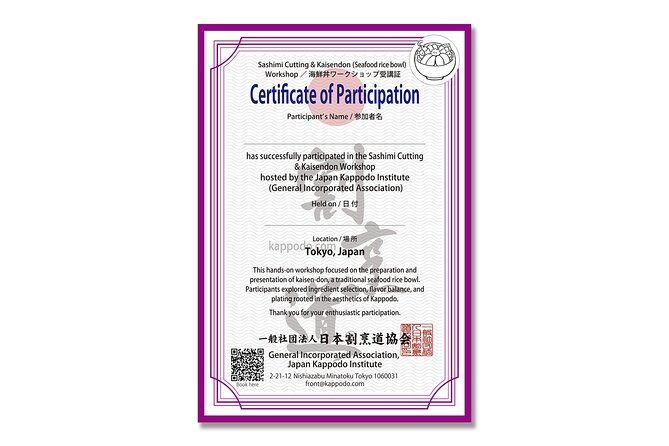
- A certificate of participation
- 10% off items at the 1F shop on the same day of your workshop visit
Those extras look small on paper, but they add up:
- Tools included means you don’t need to figure out knife basics ahead of time.
- Certificate is a nice keepsake if you like tracking skills and experiences.
- The same-day shop discount is useful if you’re already thinking about buying a Japanese knife or related items during your trip.
Price and Value: Is $160 Worth It?
At $160 for about 1 hour 30 minutes, this is not a budget class. But it does include several things that usually cost extra when separated:
- Hands-on knife instruction
- Real sashimi cutting (not just a demo)
- Your finished lunch
- miso soup + sake
- tools and staff guidance for a small group
So what are you really paying for? You’re paying for a controlled practice environment plus the instruction that helps you make cuts correctly and then eat them. That’s hard to replicate on your own.
If you’re the type who loves cooking, especially anything hands-on, the price starts to make sense fast. You’re not just buying food—you’re buying a skill and the lesson includes the whole meal experience.
If you’re only curious about eating sashimi, you might prefer a simple meal at a good restaurant. But if you want a story you can bring home and actually use in your own kitchen, this workshop is aimed at that goal.
Who Should Book This Workshop (and Who Might Not)
This class fits best if you:
- like cooking and want a practical skill, not just a food tasting
- want an English-friendly explanation of how the knife technique works
- enjoy small-group, hands-on experiences more than large demonstrations
- are interested in Japanese knife culture and care (even in brief form)
It may be less ideal if you:
- dislike knife work or feel uncomfortable with your hands near sharp tools
- expect a long, multi-hour meal experience with roaming time
- want advanced knife sharpening or serious knife education beyond what fits in a 90-minute session
One good tip: if you’re seriously interested in sharpening and deeper knife knowledge, the workshop you choose matters. This class focuses on cutting practice, so plan accordingly.
Quick Practical Tips Before You Go
Because this is hands-on cutting, show up mentally ready for coaching.
- Eat beforehand only if you’re sure you won’t be too full; the class includes your meal.
- Wear clothes you’re comfortable moving in slightly. You’ll be working at a station.
- Don’t expect perfection in your first few cuts. Your goal is improved control, not a flawless movie scene.
FAQ
How long is the Kaisendon and Sashimi cutting workshop?
It runs about 1 hour 30 minutes.
What will I make during the class?
You’ll cut sashimi yourself and place it on vinegared rice to create your own kaisen-don (kaisen-don/seafood bowl).
Who teaches the knife and sashimi technique?
The instructor is Naoya Kumagai, and the team also provides guidance and English support.
Is the group size limited?
Yes. The maximum group size is 4 travelers.
What’s included with the meal?
Your lunch is the seafood bowl you make, and the experience includes miso soup and sake. Sake tasting is available during tasting time. Alcoholic beverages are listed as included.
What is the cancellation window for a full refund?
Free cancellation is allowed up to 24 hours in advance for a full refund.
Should You Book This Workshop?
If you want a hands-on Tokyo food experience that actually teaches something, I think this one is an easy yes. The combination of small group attention, real sashimi cutting practice, and the fact that you eat what you make is exactly the kind of value that turns a class into a memory.
Book it if you’re curious about Japanese knife technique and you’ll enjoy learning by doing. Skip it only if you’re looking mainly for sightseeing time or if you’d rather just eat sashimi without touching a knife.
More Workshops in Tokyo
- Sushi Making Tokyo Roll and Authentic Japanese Sushi Class
★ 5.0 · 3,971 reviews - Tokyo: Roll and Authentic Sushi Making Class in Asakusa
★ 4.9 · 1,957 reviews - Tokyo Shinjuku Chopsticks Making Class
★ 5.0 · 1,763 reviews - Tokyo: Sushi Making Class in a Happi Coat near a Famous Spot
★ 4.9 · 1,377 reviews - Chopstick Making Workshop in Ginza
★ 4.8 · 1,366 reviews
More Tour Reviews in Tokyo
- Mt Fuji and Hakone 1-Day Bus Tour Return by Bullet Train
★ 5.0 · 26,383 reviews - 1-Day Tokyo Bus Tour
★ 5.0 · 14,250 reviews - Tokyo: teamLab Planets TOKYO Digital Art Museum Entry Ticket
★ 4.6 · 9,779 reviews - Mt Fuji & Hakone Cruise, Drum Show Bullet Train 1 Day from Tokyo
★ 4.0 · 7,413 reviews - Tokyo: Shinjuku Food Tour (13 Dishes at 4 Local Eateries)
★ 5.0 · 6,603 reviews
Latest Tokyo reviews off our desk




Workshops, compared.
 ★ 5.0Sushi Making Tokyo Roll and Authentic Japanese Sushi ClassFrom $593,971 reviews
 ★ 4.9Roll and Authentic Sushi Making Class in AsakusaFrom $581,957 reviews
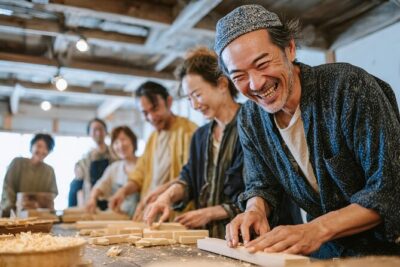 ★ 5.0Tokyo Shinjuku Chopsticks Making ClassFrom $201,763 reviews
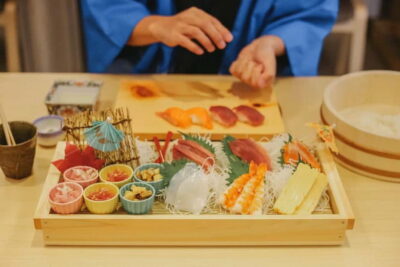 ★ 4.9Sushi Making Class in a Happi Coat near a Famous SpotFrom $421,377 reviews
 ★ 4.8Chopstick Making Workshop in GinzaFrom $251,366 reviews
 ★ 5.0Tokyo Sushi Making Class in Tsukiji with Professional ChefFrom $491,177 reviews
 ★ 5.0Ramen & Gyoza Cooking Class in Tokyo with Local Supermarket VisitFrom $122823 reviews
 ★ 5.0Matcha Making Class in Tokyo with Authentic Japanese Sweets SetFrom $21744 reviews
Browse the lists this tour appears in