
Reviewed · KAMAKURA DAY TRIPS
Kamakura; First Samurai Capital walking tour
Kamakura feels peaceful today, but it wasn’t always. This small-group First Samurai Capital walking tour strings together Zen temples, the Tsurugaoka Hachimangu shrine, and an 800-year-old craft tradition tied to Kamakura-bori.
I especially love how the tour makes the past feel physical: you move through major temple gates, then earn views the hard way with temple stairs. I also like the ending at the Kamakura lacquerware museum, where you see how Buddhist sculptors’ work evolved into everyday objects used for tea.
One drawback to consider: this is a walking tour with ups, downs, and a set of 135 stairs at Enkaku-ji/Engaku-ji, so it’s not a great match if your legs are already tired.
In This Review
- Key highlights I think you’ll care about
- Kita-Kamakura Station: starting in the quieter Kamakura zone
- Enkaku-ji/Engaku-ji: Sanmon Gate to 135 stairs and the bell
- Kencho-ji: when the scale grows (and the morning quiet helps)
- Tsurugaoka Hachimangu: samurai power, plus the walk up Dankazura
- Kamakura-bori lacquerware museum: craft you can actually connect to life
- Price and value: what you get for $63, and what you’ll pay extra
- Who this tour suits best (and who should skip it)
- Should you book this Kamakura First Samurai Capital tour?
- FAQ
- How long is the Kamakura First Samurai Capital walking tour?
- Where do I meet the guide?
- Is the tour in English, and is there a licensed guide?
- What’s included in the price?
- Are temple entrance fees included?
- What should I bring?
- Is this tour wheelchair accessible?
Key highlights I think you’ll care about
- Kita-Kamakura start: a calmer area that sets the tone before the bigger sights
- Enkaku-ji/Engaku-ji stair climb: 135 steps to the national treasure bell (Bonsho)
- Zen temple storytelling: you’ll connect architecture, halls, and ceiling art to Zen ideas
- Tsurugaoka Hachimangu views: shrine energy up on the hill plus scenic Kamakura outlooks
- Dankazura walkway: a 450m approach road with cherry blossoms and shogun-era purpose
- Kamakura-bori (lacquerware) museum: 800 years of craft history, plus modern uses for tea
Kita-Kamakura Station: starting in the quieter Kamakura zone
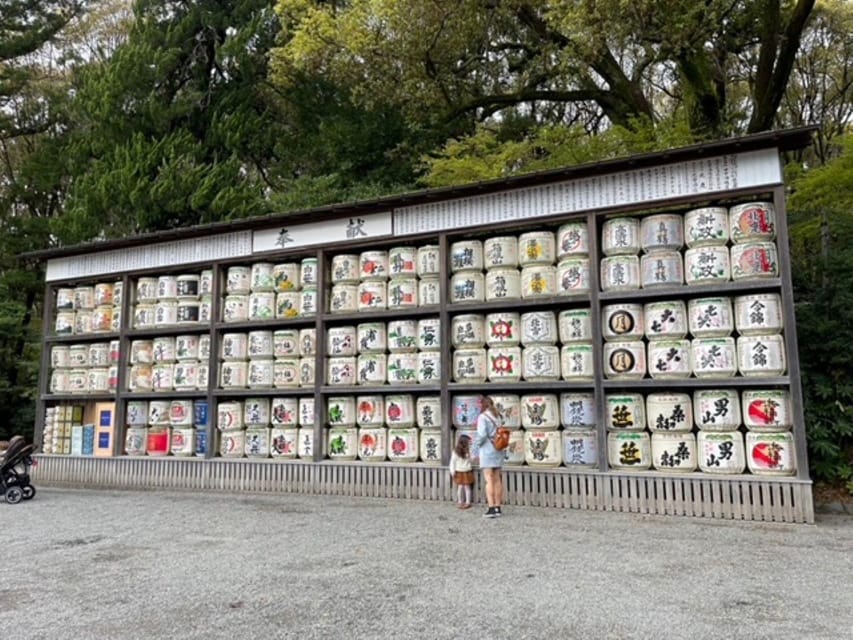
Most people land in Kamakura and head straight for the postcard streets. This tour starts at Kita-Kamakura Station, which immediately feels more relaxed and local. You get moving early, so the temples don’t feel like a rush-and-take-photos checklist.
Logistics matter here. You’ll meet at the east exit, outside the ticket gates. The station platform is extremely long, and the tour guidance tells you which carriage to ride depending on your train direction—this is one of those details that prevents a lot of wandering.
If you like tours that help you get oriented fast, this one does. My guide, Yurie, explained where we were headed and why that route made sense, with clear pacing for a small group of up to 4 participants.
Coast-and-Buddha days near Kamakura, rated
- Tokyo: Kamakura & Enoshima Day Trip including Temple Tickets
★ 4.5 · 1,375 reviews - From Tokyo: Kamakura & Enoshima 1-Day Bus Tour
★ 4.5 · 189 reviews - Kamakura Historical Walking Tour with the Great Buddha
★ 5.0 · 129 reviews - Kamakura Private Tour: Temples, Nature, and the Great Buddha
★ 5.0 · 121 reviews
Enkaku-ji/Engaku-ji: Sanmon Gate to 135 stairs and the bell
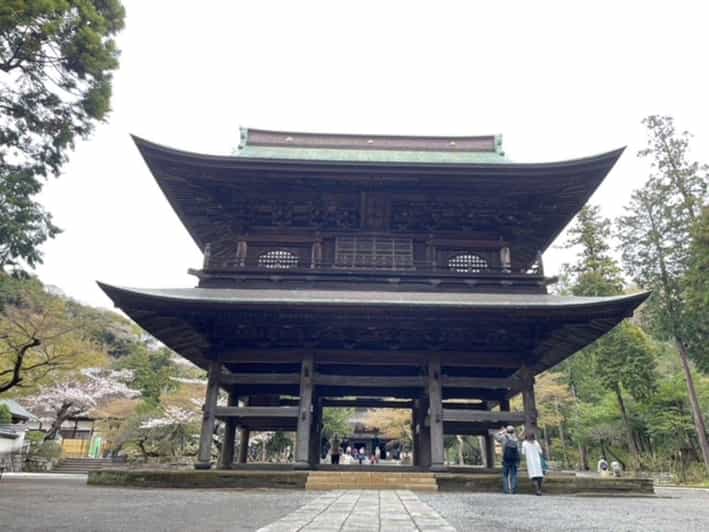
The first major temple stop is Enkaku-ji (also seen written Engaku-ji). It’s only a couple minutes from Kita-Kamakura Station, so you’re in the atmosphere quickly, before the day warms up.
You enter through the Sanmon gate, then continue to the Butsuden (Buddha hall). Important practical note: the Butsuden is listed as closed for maintenance until 2027, so expect the focus to shift to the other halls and views you can still access.
Next comes the Hatto (Dharma Hall). This is where the tour really helps you look up. You’ll see a dragon painting on the ceiling, and your guide connects what you’re seeing to the way Zen temples communicate messages through art, space, and symbolism—not just through big statues.
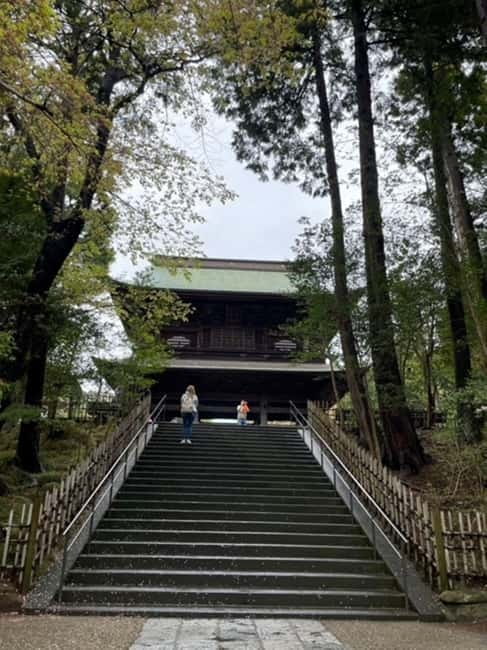
Then you earn the show at the top. The route includes a climb of 135 stairs to reach Bonsho, the temple bell noted as a national treasure. Even if you’re not a “stairs person,” the reward here is both practical and emotional: the bell area has a sense of gravity, and the climb gives you a moment to slow down once you arrive.
One consideration: this temple portion is where comfort matters most. Wear shoes with real grip and plan for a steady effort—there’s no hiding from the steps.
Kencho-ji: when the scale grows (and the morning quiet helps)
After the Enkaku-ji/Engaku-ji morning calm, you move on to Kencho-ji, widely regarded as the most prestigious Zen temple in Kamakura. The tour keeps the momentum, but it doesn’t turn into a sprint.
What you’ll like here is the bigger-feeling Zen experience. The tour setup is built around key elements you’re shown in sequence—main gates, major halls, and the temple structures that define how Zen space is meant to feel. This temple is the “grand scale” counterpart to the earlier stop.
Even if you already know some Zen basics, I found the tour’s approach useful: it helps you stop treating the buildings like background and start reading them like a message. You don’t need a religion degree. You just need your eyes open.
Time-wise, this stop is shorter than Enkaku-ji/Engaku-ji, but it works. You finish it feeling like you’ve seen two different “faces” of Zen in Kamakura: one approachable and intimate, the other more official and monumental.
Tsurugaoka Hachimangu: samurai power, plus the walk up Dankazura
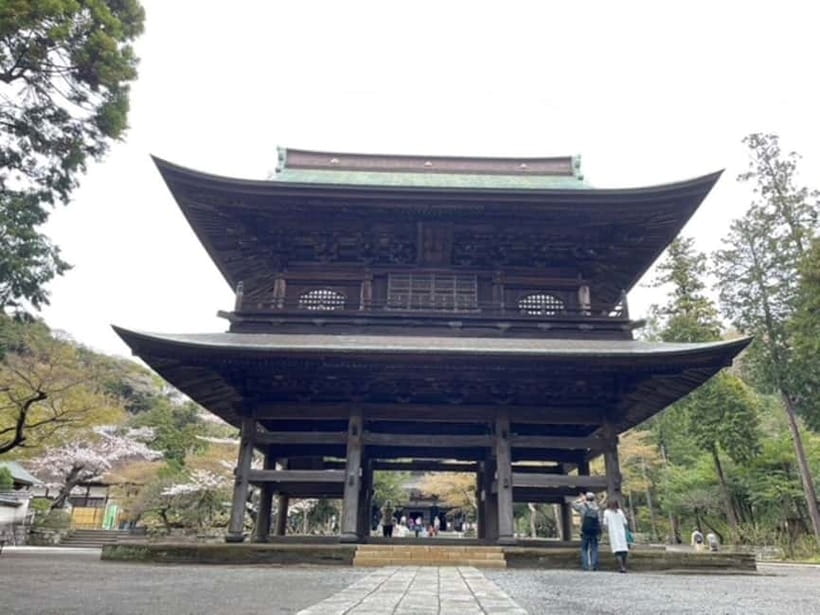
Then comes the shrine that practically defines Kamakura for many visitors: Tsurugaoka Hachimangu. If you’re curious how the samurai era shaped Japanese culture, this is the anchor stop. The shrine is dedicated to the Hachiman kami, described as the deity of good fortune in warfare, and it’s positioned high enough to give you sweeping views as you climb.
You’ll feel the shift from temple serenity to shrine ceremony. The grounds are arranged to impress power and to frame the leader’s authority—built to display strength from the earliest shogun era.
A highlight is the Dankazura approach: a 450m walkway that extends from the former coastline to the Third Torii gate. The tour explains that it was created by the first shogun with a wish for safe delivery of an heir. That kind of detail turns a long, straight walk into something with meaning.
Dankazura is also famous for cherry blossoms, so if you hit the right season, the same path can feel like a moving postcard. If not, it still works as a visual corridor: the path keeps you oriented while the shrine buildings grow larger with every step.
You’ll walk from the Third Torii gate to the area of the Second Torii gate, which matches the current starting point for the approach within the shrine grounds. It’s a nice in-between moment—structured, scenic, and not rushed.
Kamakura-bori lacquerware museum: craft you can actually connect to life
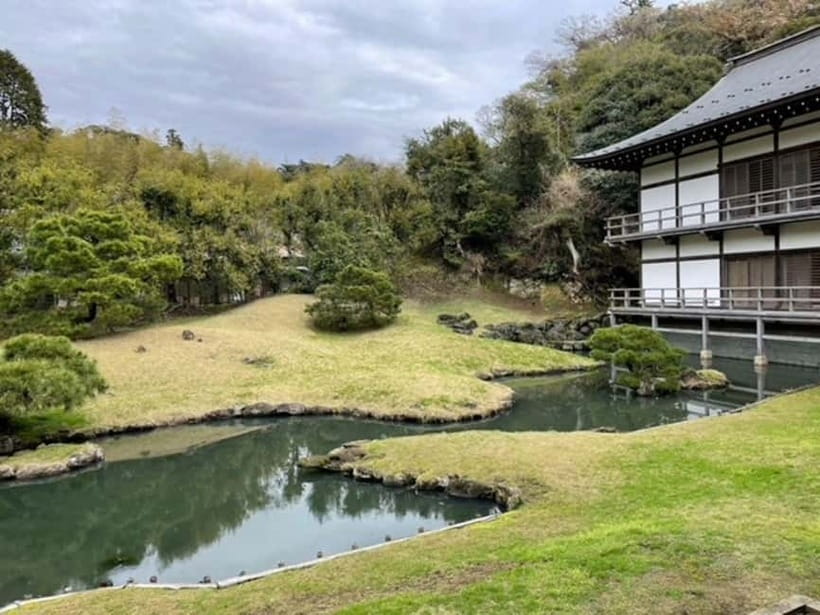
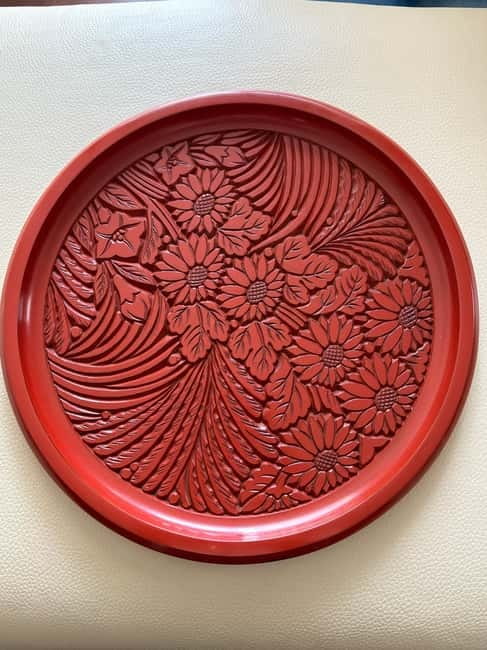
After temples and shrines, you switch gears to something hands-on and surprisingly personal: Kamakura lacquerware (Kamakura-bori). The tour presents it as an 800-year-old traditional craft, originally made by Buddhist sculptors and later spreading beyond ritual objects during the Edo period.
This part is valuable because it answers a quiet question many visitors have: what did all this temple culture produce, besides statues and architecture? Kamakura lacquerware became part of daily life—especially items used in tea ceremonies.
The visit includes the Kamakura Lacquerware Museum, which displays works from the Muromachi period (1336–1568) through more recent eras. The point isn’t just to look at objects behind glass; it’s to see the evolution of techniques and styles over centuries.
You also finish at the Kamakurabori museum area, including a local gift shop and café. Even if you don’t buy anything, it’s a good place to decompress and reset your senses after walking.
If you’re the kind of person who likes buying one meaningful souvenir instead of five random ones, this ending fits well. The craft focus makes your shopping feel less like impulse and more like understanding.
More blade-and-dojo sessions, reviewed
- Kamakura: Walking Tour through the City of Samurai★ 4.9 · 12 reviews
Price and value: what you get for $63, and what you’ll pay extra
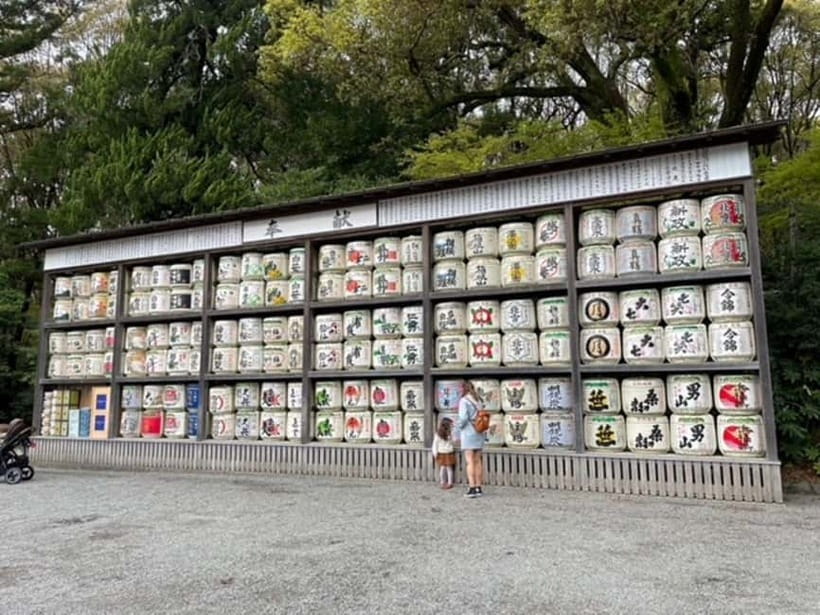
The advertised price is $63 per person, for about 210 minutes (around 3.5 hours) with an English guide. For a small group capped at 4, that’s a reasonable deal—especially because the tour includes admission to the Kamakura lacquerware museum.
Temple admission fees are not included. The information provided estimates about ¥500 per temple, and you should budget for that. Also, if you want a goshuin seal book stamp, plan for around ¥500 (it’s optional, but it’s a real part of temple culture).
Food is not included, so you’ll need to handle lunch on your own. One helpful tip: build in a buffer after the tour, because you may want to eat before you head into Komachi-dori-style browsing and souvenir hunting.
Rain-or-shine is the rule, so don’t count on weather to give you a break from walking. Bring something for wet weather and keep your shoes ready for uneven temple paths.
Who this tour suits best (and who should skip it)
This tour is a strong match if you want Kamakura in a structured way—history plus direct “look at this, notice that” temple viewing. With a guide like Yurie (fluent English, organized storytelling, and even a hand-drawn map for figuring out where to eat next), it’s built for travelers who value clarity.
It’s also great if you like connecting Japanese culture to practical details: craft materials, temple layouts, and why approaches like Dankazura were built.
It’s not a fit if you:
- use a wheelchair (not suitable)
- have a cold (not suitable)
- are over 95 years (not suitable)
- hate stairs and long walks (there are significant steps, including the 135-stair climb)
If you can handle walking at a steady pace, you’ll likely find the tour’s flow satisfying: temple → temple → shrine → craft, with each stop changing your perspective.
Should you book this Kamakura First Samurai Capital tour?
If you’re doing Kamakura as a day trip and want more than just the usual temple photos, this is a smart choice. You get two important Rinzai Zen temples, the symbolic Hachimangu shrine, and a craft stop that ties the samurai-era world to something still used today.
Book it if you:
- want an English guide who explains what you’re seeing (and why)
- don’t mind stairs and uphill stretches
- like finishing with an art/craft museum you can understand, not just browse
Skip it if:
- you want a very light, low-walking sightseeing day
- you can’t do stairs
- you’d rather spend your time only in one temple area
Overall: this tour gives you a clean, well-paced arc through Kamakura’s samurai symbolism and Zen atmosphere, and it ends on a craft note that feels worth the effort.
FAQ
How long is the Kamakura First Samurai Capital walking tour?
The tour lasts 210 minutes (about 3.5 hours).
Where do I meet the guide?
Meet at Kita-Kamakura Station, East exit.
Is the tour in English, and is there a licensed guide?
Yes. It’s a live English tour with a licensed guide, and it’s designed for a small group.
What’s included in the price?
You get a 3.5-hour English walking tour with the guide, plus admission to the Kamakura Lacquerware Museum.
Are temple entrance fees included?
No. Temple admission fees are not included and are estimated at about ¥500 per temple.
What should I bring?
Bring comfortable shoes for lots of walking and stairs, weather-appropriate clothing, drinks, and a hat for sun protection. Also bring cash for temple fees and optional goshuin (about ¥500).
Is this tour wheelchair accessible?
No. The tour is listed as not suitable for wheelchair users.
More Tour Reviews in Kamakura
- Tokyo: Kamakura & Enoshima Day Trip including Temple Tickets
★ 4.5 · 1,375 reviews - From Tokyo: Kamakura & Enoshima 1-Day Bus Tour
★ 4.5 · 189 reviews - Kamakura Historical Walking Tour with the Great Buddha
★ 5.0 · 129 reviews - Kamakura Private Tour: Temples, Nature, and the Great Buddha
★ 5.0 · 121 reviews - Kamakura Walking Tour – The City of Shogun
★ 5.0 · 100 reviews
More Samurai and Ninja Sessions
- Kamakura: Walking Tour through the City of Samurai
★ 4.9 · 12 reviews
More Kamakura and Enoshima Days
- Tokyo: Kamakura & Enoshima Day Trip including Temple Tickets
★ 4.5 · 1,375 reviews - From Tokyo: Kamakura & Enoshima 1-Day Bus Tour
★ 4.5 · 189 reviews - Kamakura Historical Walking Tour with the Great Buddha
★ 5.0 · 129 reviews - Kamakura Private Tour: Temples, Nature, and the Great Buddha
★ 5.0 · 121 reviews - Kamakura Walking Tour – The City of Shogun
★ 5.0 · 100 reviews
Latest Kamakura reviews off our desk

Kamakura Day Trips, compared.
 ★ 4.5Kamakura & Enoshima Day Trip including Temple TicketsFrom $581,375 reviews
 ★ 4.5Mt. Fuji, Kamakura, Big Buddha, & Lake Ashi Day TripFrom $49867 reviews
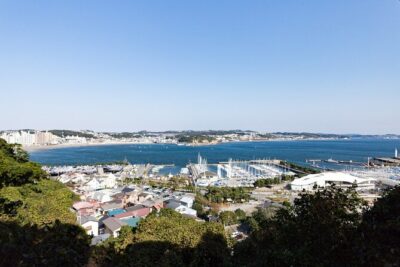 ★ 4.5From Tokyo: Kamakura & Enoshima 1-Day Bus TourFrom $66189 reviews
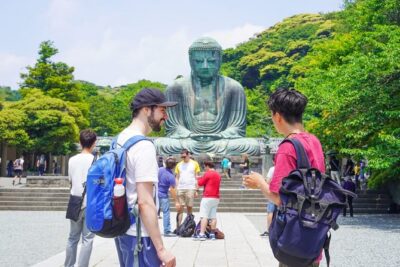 ★ 5.0Kamakura Historical Walking Tour with the Great BuddhaFrom $98129 reviews
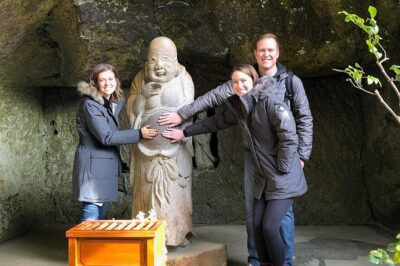 ★ 5.0Kamakura Private Tour: Temples, Nature, and the Great BuddhaFrom $98121 reviews
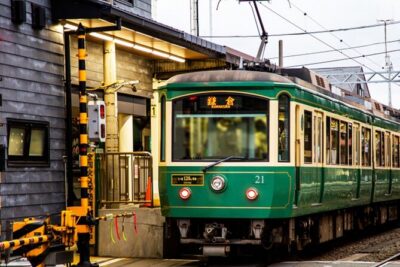 ★ 5.0Kamakura Walking Tour – The City of ShogunFrom $35100 reviews
 ★ 4.9Sea of Mount Fuji, Hakone Ropeway, Ōwakudani, EnoshimaFrom $5084 reviews
 ★ 5.0Kamakura 8 hr Private Walking Tour with Licensed Guide from TokyoFrom $20180 reviews
Browse the lists this tour appears in