
Reviewed · KAMAKURA DAY TRIPS
Kamakura: Walking Tour through the City of Samurai
Samurai politics, mapped on easy walking paths. I like how this route pairs big-site stops like Tsurugaoka Hachimangu with the Great Buddha and turns each one into a story you can picture. I also like the small group size (up to 10), which makes it easier to ask questions as you move. The only real drawback: it is a proper walking tour with no hotel pickup, and it is not suitable for wheelchair users or people with mobility impairments.
English is handled well by guides you may recognize from past departures, including Midori and Kyoko, and the pace fits a 210-minute, half-day plan. You also get a short train segment in the mix, which helps you cover ground without frying your legs before the main temple views.
Expect more than temples-on-a-map. You’ll also have a chance to see the money-washing ritual at Zeniarai Benten Shrine and the calm bamboo atmosphere at Hokokuji Temple, then end at Hasedera for a quieter finish. Just note that meals aren’t included, so treat stops like shirasu-don and octopus crackers are something you’ll likely buy on your own if you want them.
In This Review
- Key highlights worth planning around
- Why Kamakura feels different on a guided 3.5-hour walk
- Meeting at JR Kamakura Station: the fastest way to start
- Tsurugaoka Hachimangu: where the city’s spirituality sets the tone
- Komachi Dori Street: snack time without turning it into a food tour
- The short train segment that keeps the day enjoyable
- Kōtoku-in and the Great Buddha: 11.4 meters worth the pause
- Hase-dera as the finish line: quiet atmosphere, strong views
- Price and value: what $32 buys you in the real world
- Who this tour suits best (and who should skip it)
- Should you book this Kamakura samurai walking tour?
- FAQ
- How long is the Kamakura walking tour?
- Where do I meet the guide?
- Is the tour available in English?
- How many people are in the group?
- What’s included in the price, and what extra costs should I expect?
- What should I bring?
- Can I cancel for free?
- Is the tour wheelchair accessible?
Key highlights worth planning around
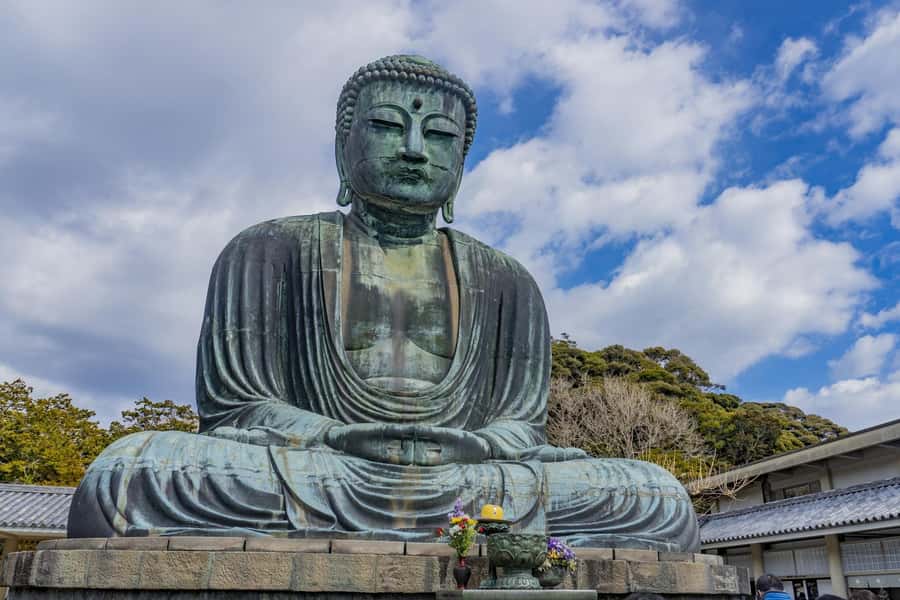
- Great Buddha scale: A bronze statue measuring 11.4 meters, built into a classic temple-photo moment.
- Kamakura’s shogunate storyline: You’ll connect the city’s 12th-century political role to what you see on the ground today.
- Tsurugaoka Hachimangu as the centerpiece: A full 1-hour stop gives you time for photos and context, not just a quick look.
- Zeniarai Benten money-washing: Sacred spring water and a tradition people link to prosperity.
- Hokokuji bamboo walking: A break from the heat and crowds, with a noticeably calmer feel.
- Value add with admissions: A professional guide plus admission to attractions is included, with a small extra budget for fees/transport.
Why Kamakura feels different on a guided 3.5-hour walk
Kamakura is an easy day from Tokyo, but it doesn’t feel like a mini version of the capital. This tour leans into why the city mattered in the 12th century, when it became the seat of Japan’s first shogunate and shaped feudal-era politics. That context matters because it changes how you look at the shrines and temples. You’re not just collecting photos—you’re understanding why these places earned attention and protection.
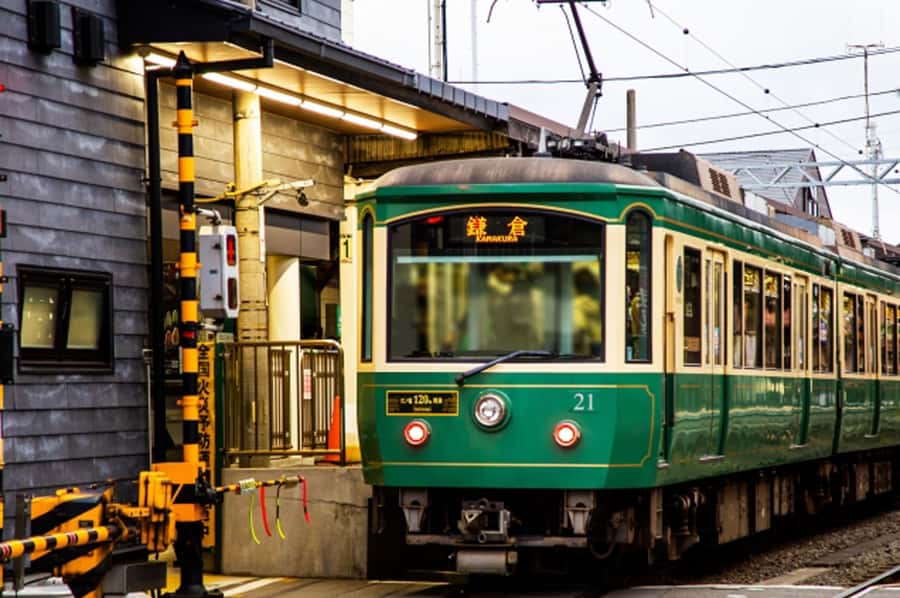
The length is a sweet spot: 210 minutes. Long enough to do meaningful sightseeing, but short enough that you’re still fresh when you reach the big landmarks. Also, the itinerary doesn’t pretend everything is walking-only. You get a short train segment (about 20 minutes), which is a practical choice when you’re trying to see several major sites without turning the day into a leg workout.
Coast-and-Buddha days near Kamakura, rated
- Tokyo: Kamakura & Enoshima Day Trip including Temple Tickets
★ 4.5 · 1,375 reviews - From Tokyo: Kamakura & Enoshima 1-Day Bus Tour
★ 4.5 · 189 reviews - Kamakura Historical Walking Tour with the Great Buddha
★ 5.0 · 129 reviews - Kamakura Private Tour: Temples, Nature, and the Great Buddha
★ 5.0 · 121 reviews
Meeting at JR Kamakura Station: the fastest way to start
You’ll meet at the Kamakura City Tourist Information Center by the JR Kamakura Station East Exit, with the guide holding a sign. In practice, that’s what you want: a meeting point that’s hard to mess up, especially if you arrive by train from elsewhere.
Come ready to move. You’ll be on your feet for multiple guided blocks, including long temple time for photos and explanations. Bring comfortable shoes and plan for shifting weather conditions. Kamakura can be sunny, and sunscreen and water are specifically recommended. A hat is also a smart call since you’ll likely be outside during street sections and while waiting for photo moments.
One more practical note: smoking isn’t allowed during the tour, so treat it like you would a public walking route—stay aware of your surroundings and keep moving.
Tsurugaoka Hachimangu: where the city’s spirituality sets the tone
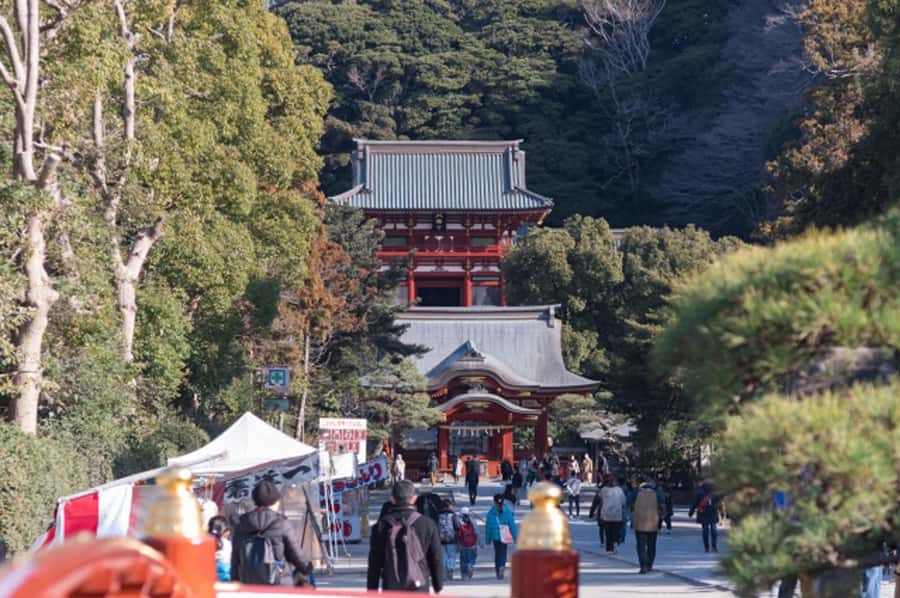
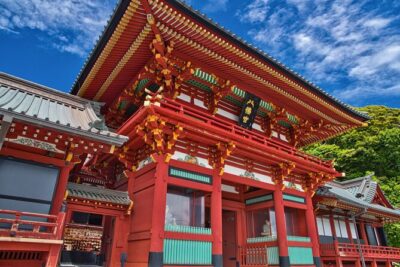
The tour starts with a focused 1-hour stop at Tsurugaoka Hachimangu, including time for a photo stop and a guided walkthrough. This is a good place to start because it frames the city’s spiritual center first, before you shift into the larger story of Kamakura’s political past.
What I like about giving this stop a full hour is that it reduces the usual temple rush. You can look up at the architecture, walk the grounds slowly, and still hear how the place fits into Kamakura’s identity. If you’ve ever visited famous sites with a guide and felt you learned nothing beyond facts on a sign, this kind of timing helps. It’s enough time to ask questions and understand what you’re seeing in a human way.
A minor consideration: shrine grounds can mean uneven surfaces and lots of steps. The tour isn’t advertised for mobility impairments, so even if you’re an able walker, wear shoes that feel steady on stone and curb edges.
Komachi Dori Street: snack time without turning it into a food tour
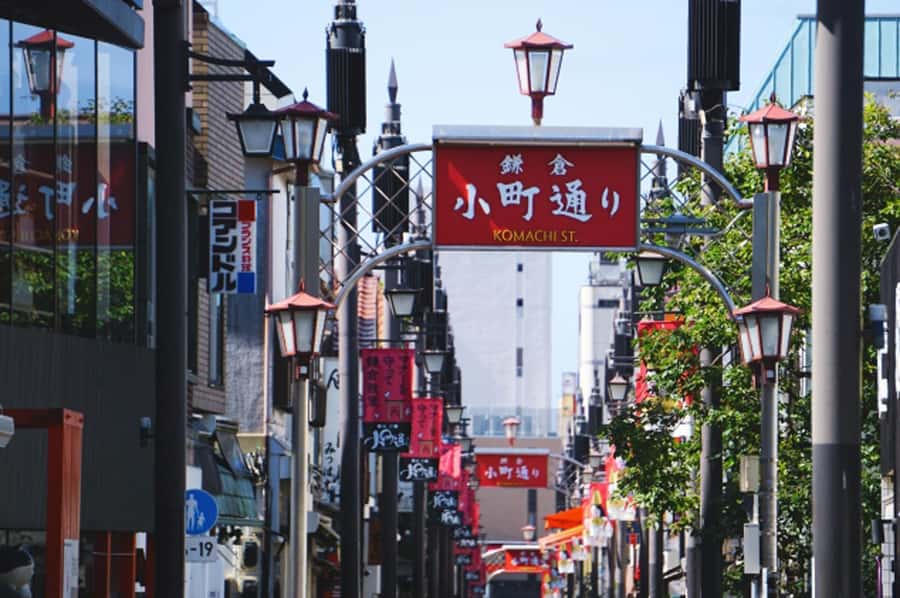
Next comes Komachi Dori Street for about 30 minutes of walking and guided sightseeing. This is where Kamakura feels like a real town, not a museum route. You’ll have a chance to browse and soak up street energy, and it’s also the right time to think about food.
The tour mentions traditional treats like shirasu-don (rice topped with baby sardines) and crispy octopus crackers. Since meals aren’t included, treat these as optional purchases. But knowing the exact types of snacks people associate with Kamakura helps you make faster choices when you see a menu board.
Practical tip: Komachi Dori is the kind of place where you might want cash and maybe a small snack plan, because you’re on a schedule. If you stop too long for one store, you’ll feel it later. Use this section as your reset moment: short detour if something looks great, then get back on pace.
The short train segment that keeps the day enjoyable
There’s a 20-minute train part of the tour. This is not just for convenience. It’s a pacing strategy. Instead of stretching every transfer into a long walk, you get a transit break that helps you arrive at the next big sight without arriving exhausted.
This is also where your extra budget matters. The tour price is $32 per person, and meals are not included. You’ll also need to plan on additional fees/transport costs noted as 1,200 yen total. Since the itinerary includes transit, it’s a safe bet part of that total is tied to getting between stops.
If you’re sensitive to time, the good news is that the train segment is short. You won’t feel like you lost half your morning to getting around.
More blade-and-dojo sessions, reviewed
- Kamakura: Walking Tour through the City of Samurai★ 4.9 · 12 reviews
Kōtoku-in and the Great Buddha: 11.4 meters worth the pause
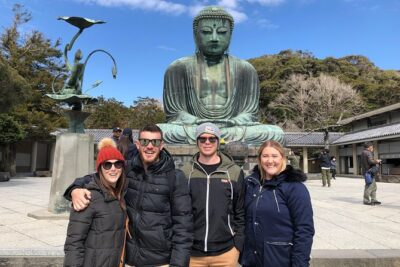
At Kōtoku-in, you’ll get a photo stop and guided time (about 30 minutes). This is where the tour’s most iconic visual lands: Japan’s Great Buddha, an 11.4-meter bronze statue that symbolizes Japan’s Buddhist heritage.
The height makes a difference when you’re standing there. Instead of just looking at a statue, you feel how mass changes the whole space. I like that the stop includes time for photos but isn’t only a quick snapshot. If you’ve got a camera, you’ll want a position that lets you capture the scale without turning everything into a blurry mess.
One practical consideration: because this is a major landmark, you should expect a steady flow of people around the viewing areas. That’s normal for famous temple sites. Keep your movements calm, and don’t block walkways while you zoom in or switch lenses.
Hase-dera as the finish line: quiet atmosphere, strong views
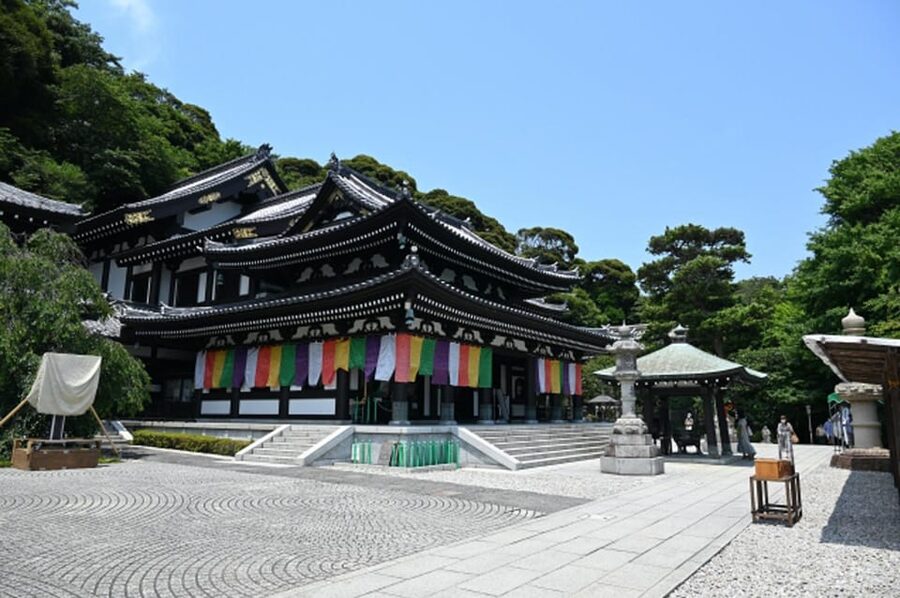
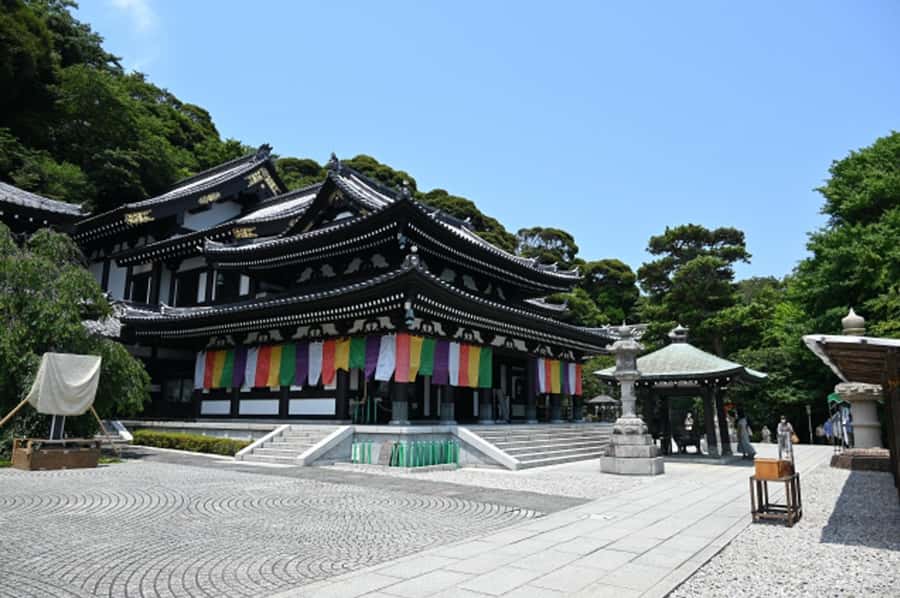
The tour ends at Hase-dera, with about 1 hour of guided sightseeing and photo time along the way. Finishing here is smart. It gives you a sense of closure: you arrive, you take in the temple grounds at a slower tempo, and you don’t have to immediately reset for another major transfer.
Hase-dera is also where the tour wraps in some of Kamakura’s most atmospheric side stops mentioned in the route. You might encounter:
- Zeniarai Benten Shrine, famous for a ritual tied to washing money in sacred spring water, described as bringing prosperity.
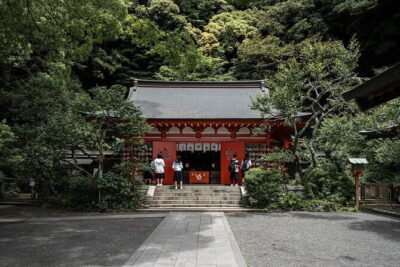
- Hokokuji Temple and its bamboo groves, which are specifically called out for their serene calm.
Even if you don’t plan to participate in every ritual, these additions break up the day so it doesn’t feel like a straight march from one large monument to the next. The bamboo section especially can feel like a pressure release—shade, cooler air, and a slower pace that lets your brain catch up.
Food-wise, this is also a natural point to remember that meals aren’t included. If you still want to grab something like shirasu-don or octopus crackers, earlier street time is your best bet, but you can also keep an eye out as you move. Just remember: the tour has a finish, so don’t wander too far off-route.
Price and value: what $32 buys you in the real world
At $32 per person for 210 minutes, the headline cost is straightforward. What matters more is what’s included versus what you still need to budget.
Included:
- A professional guide (English)
- Admission to all attractions on the tour
Not included:
- Hotel pickup and drop-off
- Meals
- A 1,200 yen total for admission and transportation fees
So you’re paying for structure and context, not just entrances. With a group capped at 10 participants, you usually get more human attention than you would on big bus tours. Past guides mentioned in departures include Midori and Kyoko, with feedback that they were helpful, engaging, and willing to answer questions. That’s the part you can’t replicate by yourself without doing a lot of prior reading.
Is it “worth it” if you love planning your own routes? It depends. If you like curating every stop, you might skip a guided tour. But if you want the shortcut—someone to connect the dots between Kamakura’s political role, the shogunate-era story, and what you’re seeing—this format tends to feel like a good deal.
Also, the guide-led pace matters. Temple timing, photo timing, and route timing are what keep the day from feeling chaotic. Even with a short train ride, the tour stays tight.
Who this tour suits best (and who should skip it)
This walking tour is built for people who want a guided story while still getting real outdoor time. It’s a great fit if:
- You’re short on time and want to cover major Kamakura landmarks efficiently
- You prefer small-group conversation instead of a crowded group photo line
- You want English explanations while you move between sites
It may not be your best match if:
- You use a wheelchair or have mobility limitations. It’s explicitly not suitable for people with mobility impairments.
- You don’t do well with a walking-heavy half-day plan (even with the short train segment)
Also keep expectations realistic about food. Meals aren’t included, though you’ll be near places where you can pick up local snacks like shirasu-don and octopus crackers.
If you care about getting good photos, bring the basics: camera, sunscreen, and a hat. The route includes multiple photo stops, including at Tsurugaoka Hachimangu, Kōtoku-in, and during the Hase-dera segment.
Should you book this Kamakura samurai walking tour?
If your goal is to understand Kamakura beyond postcard views, I’d book it. The combination of a small English group, guided time at key sites, and the inclusion of specific traditions like the Zeniarai Benten money-washing ritual makes it feel more meaningful than a simple sightseeing loop.
I’d skip it only if walking is a problem for you, or if you strongly prefer to roam without any scheduled timing. Otherwise, the value is in the story you get while you’re walking—especially the way the tour connects Kamakura’s 12th-century shogunate importance to the physical places you visit.
FAQ
How long is the Kamakura walking tour?
The tour lasts about 210 minutes.
Where do I meet the guide?
Meet at the Kamakura City Tourist Information Center in front of the JR Kamakura Station East Exit Tourist Information Center. The guide will be holding a sign.
Is the tour available in English?
Yes. The tour includes a live English guide.
How many people are in the group?
The group is small, limited to 10 participants.
What’s included in the price, and what extra costs should I expect?
Included are a professional guide and admission to all attractions. Meals aren’t included, and there is an additional 1,200 yen total for admission/transportation fees.
What should I bring?
Wear comfortable walking shoes and bring a hat, camera, sunscreen, and water.
Can I cancel for free?
Yes. Free cancellation is available up to 24 hours in advance for a full refund.
Is the tour wheelchair accessible?
No. It is not suitable for wheelchair users or people with mobility impairments.
More Tour Reviews in Kamakura
- Tokyo: Kamakura & Enoshima Day Trip including Temple Tickets
★ 4.5 · 1,375 reviews - From Tokyo: Kamakura & Enoshima 1-Day Bus Tour
★ 4.5 · 189 reviews - Kamakura Historical Walking Tour with the Great Buddha
★ 5.0 · 129 reviews - Kamakura Private Tour: Temples, Nature, and the Great Buddha
★ 5.0 · 121 reviews - Kamakura Walking Tour – The City of Shogun
★ 5.0 · 100 reviews
More Samurai and Ninja Sessions
- Kamakura; First Samurai Capital walking tour
★ 5.0 · 8 reviews
More Kamakura and Enoshima Days
- Tokyo: Kamakura & Enoshima Day Trip including Temple Tickets
★ 4.5 · 1,375 reviews - From Tokyo: Kamakura & Enoshima 1-Day Bus Tour
★ 4.5 · 189 reviews - Kamakura Historical Walking Tour with the Great Buddha
★ 5.0 · 129 reviews - Kamakura Private Tour: Temples, Nature, and the Great Buddha
★ 5.0 · 121 reviews - Kamakura Walking Tour – The City of Shogun
★ 5.0 · 100 reviews
Latest Kamakura reviews off our desk

Kamakura Day Trips, compared.
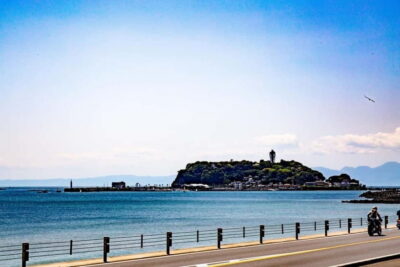 ★ 4.5Kamakura & Enoshima Day Trip including Temple TicketsFrom $581,375 reviews
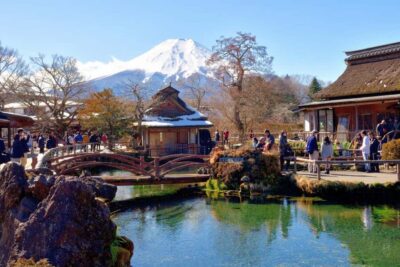 ★ 4.5Mt. Fuji, Kamakura, Big Buddha, & Lake Ashi Day TripFrom $49867 reviews
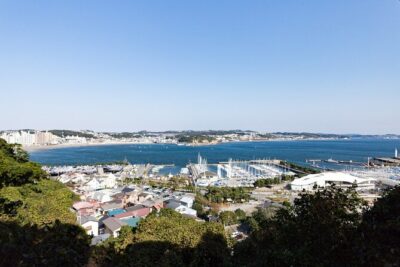 ★ 4.5From Tokyo: Kamakura & Enoshima 1-Day Bus TourFrom $66189 reviews
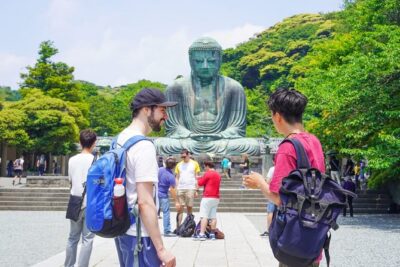 ★ 5.0Kamakura Historical Walking Tour with the Great BuddhaFrom $98129 reviews
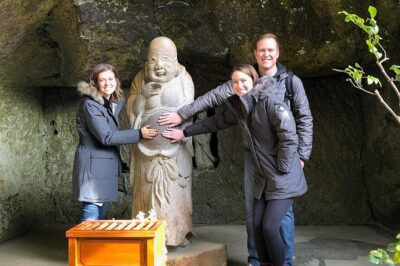 ★ 5.0Kamakura Private Tour: Temples, Nature, and the Great BuddhaFrom $98121 reviews
 ★ 5.0Kamakura Walking Tour – The City of ShogunFrom $35100 reviews
 ★ 4.9Sea of Mount Fuji, Hakone Ropeway, Ōwakudani, EnoshimaFrom $5084 reviews
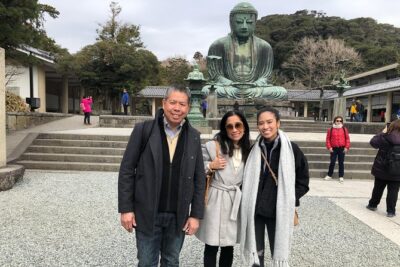 ★ 5.0Kamakura 8 hr Private Walking Tour with Licensed Guide from TokyoFrom $20180 reviews
Browse the lists this tour appears in