
Reviewed · KAMAKURA DAY TRIPS
Kamakura Full Day Tour with Licensed Guide and Vehicle from Tokyo
Kamakura is perfect for a tight schedule. This private day trip from Tokyo pairs a licensed multilingual guide with a private vehicle, so you spend less time figuring out transit and more time enjoying temples, sea air, and viewpoints.
I like that the day is built around classic Kamakura stops plus breathing-room moments like Yuigahama Beach and Komachi Street, so it feels like a real day, not a rushed checklist.
I also love the flexibility. You choose 3–4 sites from the plan, and the guide shapes the order for what you’ll care about most—gardens, Zen spaces, shrines, or food stops.
One caution: the experience depends heavily on the guide’s language clarity. A past guest flagged that the English didn’t land well for them, so if you’re sensitive to communication, it’s worth confirming what level of English support you’ll receive before you go.
In This Review
- Key highlights at a glance
- Why Kamakura works best with a private vehicle
- Price and value: what you’re really paying for
- The 8-hour rhythm: how the day keeps moving
- Stop-by-stop: what to expect (and where to focus)
- Stop 1: Hasedera Temple (long garden views and a Kannon masterpiece)
- Stop 2: Kotoku-in (Great Buddha at Kotokuin Temple)
- Stop 3: Kencho-ji (Zen temple layout with a national treasure bell)
- Stop 4: Tsurugaoka Hachimangu Shrine (major shrine culture with a free stop)
- Stop 5: Hokoku-ji (bamboo grove + matcha pause)
- Stop 6: Yuigahama Beach (a quick coastal reset)
- Stop 7: Komachi Street (snacks, souvenirs, and a famous food lane)
- Stop 8: Eisho-ji Temple (a quiet nunnery with bamboo and seasonal blooms)
- The guide’s job: getting meaning, not just photos
- Planning tips that make the day smoother
- Who should book this Kamakura private tour
- Should you book this Kamakura private tour?
- FAQ
- What is the price for this Kamakura full day tour?
- How long is the tour?
- What sites are included in the day?
- Are entrance fees and lunch included?
- Do I get a licensed English-speaking guide?
- Is transportation private, and is pickup offered?
- Are tickets provided digitally?
- Can I cancel and get a full refund?
- Do you provide car seats or booster seats?
Key highlights at a glance
- Private vehicle, private pace: you avoid train transfers and can adjust to traffic.
- Licensed local guide: someone who can explain what you’re seeing, not just point.
- Temple-garden focus: Hasedera, Hokoku-ji, and Eisho-ji are all about atmosphere and scenery.
- Signature Kamakura icons: Great Buddha at Kotoku-in plus major Zen and shrine sites.
- Food and street time: Komachi Street for snacks like Hatosabure and (if you want) buckwheat noodles.
Why Kamakura works best with a private vehicle
Kamakura is one of those places where “getting there” can eat your time. From Tokyo, it’s about an hour to the coast area, but once you start hopping between temples and viewpoints, public transport adds friction. With a private vehicle, your schedule stays human.
This setup also helps with the kind of sightseeing Kamakura rewards. You’re not just looking at buildings. You’re walking garden paths, standing in courtyards, and stopping to take in views over the sea. A guide helps you know what’s worth slowing down for, especially at temples where the details matter.
And yes, Kamakura comes with that coastal mood. The day includes fresh sea air, ocean views from temple areas, and a beach stop that feels like a reset button before you head back to Tokyo.
Coast-and-Buddha days near Kamakura, rated
- Tokyo: Mt. Fuji, Kamakura, Big Buddha, & Lake Ashi Day Trip
★ 4.5 · 867 reviews - Tokyo:Sea of Mount Fuji, Hakone Ropeway, Ōwakudani, Enoshima
★ 4.9 · 84 reviews - Kamakura 8 hr Private Walking Tour with Licensed Guide from Tokyo
★ 5.0 · 80 reviews - Tokyo: Kamakura & Enoshima Day Tour with Pickup & Train Ride
★ 4.1 · 61 reviews
Price and value: what you’re really paying for
The cost is $1,026.90 per group (up to 4 people) for about 8 hours, including travel time. That price sounds steep until you think about what it buys: a private vehicle, and a government-licensed English-speaking guide (with the guide’s entry fees covered only for the listed sites).
For a family or a small group, the math often improves fast. You’re essentially buying:
- reliable door-to-door transport,
- a guide to speed up your understanding,
- and control over how many stops you pack into the day (3–4 chosen).
If you’re traveling solo or as a couple and you’d rather ride a train and navigate on your own, you can likely find cheaper options. But if your goal is efficiency plus interpretation—without dragging your luggage, phones, and maps across multiple transfers—this is a solid way to spend the day.
Also note: you can’t request specific vehicle types. You get what’s available, but it’s still private.
The 8-hour rhythm: how the day keeps moving
The tour runs roughly 8 hours. Travel time from Tokyo to Kamakura is about an hour each way, so you’re not trying to cram in 8 stops with zero breathing room.
A big practical win here is that the guide can manage sequencing. In one example, guide Kei reportedly did a very efficient route and got the group to as many as eight destinations during the 8-hour window—so the day can stretch depending on timing and how many stops you select.
Still, plan for reality. Traffic can affect timing, and the tour notes that details may change due to conditions. The best mindset: treat the schedule like a flexible framework, not a rail timetable.
You’ll also get mobile ticketing, which is convenient when you’re moving quickly between sites.
Stop-by-stop: what to expect (and where to focus)
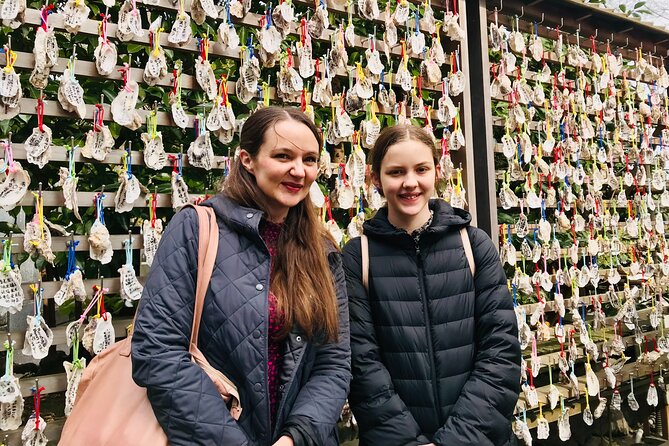
You’ll see a mix of temple grounds, Zen spaces, and shrine culture, plus a beach and shopping street. Entrance fees and lunch are not included, so budget for paid entries at whichever stops you choose that day.
Stop 1: Hasedera Temple (long garden views and a Kannon masterpiece)
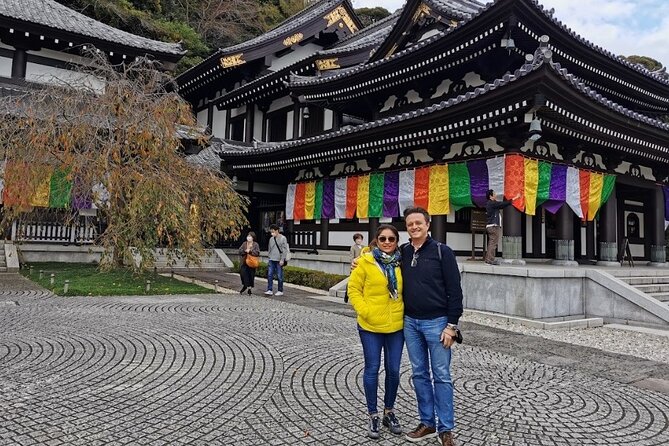
Hasedera (長谷寺) is famous for its eleven-headed statue of Kannon, the goddess of mercy. The Kannon-do Hall is where you’ll want to spend time inside to take in the scale of the gilded wooden statue (9.18 meters tall).
Why this stop is worth your time: Hasedera temples are known for garden scenery, and you’ll get that classic Kamakura feel of careful paths and quiet views. If you like places where the building and the garden work together, this is a strong anchor.
Watch-outs: the admission ticket is not included, so factor in the entry cost if you’re budgeting tightly.
Readers also shortlisted these Tokyo bookings:
- Tokyo 6hr Private Tour with Government-Licensed Guide★ 5.0 · 3,902 reviews
- Tokyo: Shinjuku Local Bar and Izakaya Guided Walking Tour★ 4.9 · 1,794 reviews
- Tokyo: Private City Highlights Tour with Local Guide★ 4.8 · 1,433 reviews
- Tokyo: Tsukiji Fish Market Guided Walking Tour★ 4.9 · 1,397 reviews
- Tokyo 4hr Private Tour with Government-Licensed Guide★ 5.0 · 1,394 reviews
Stop 2: Kotoku-in (Great Buddha at Kotokuin Temple)
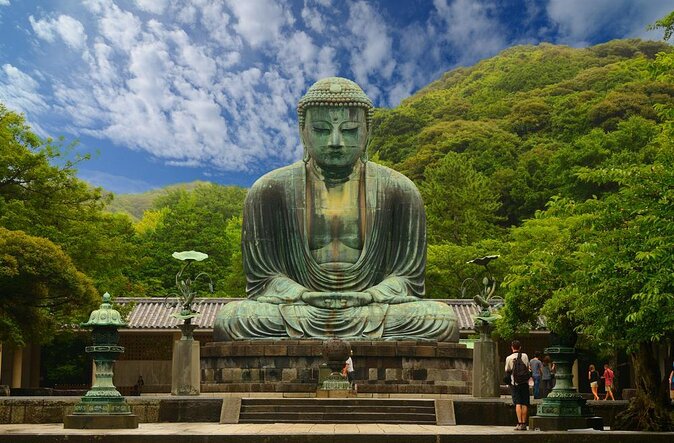
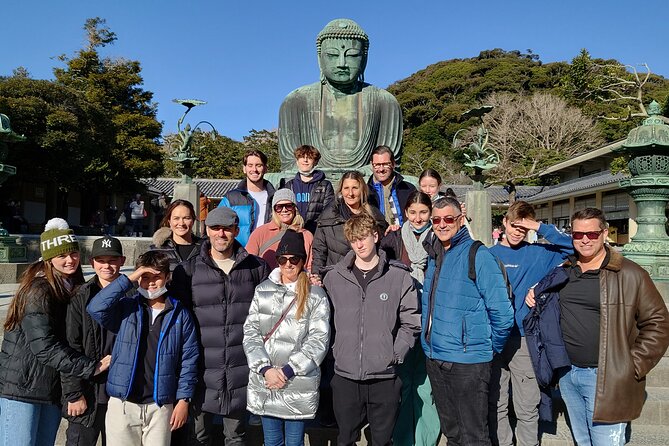
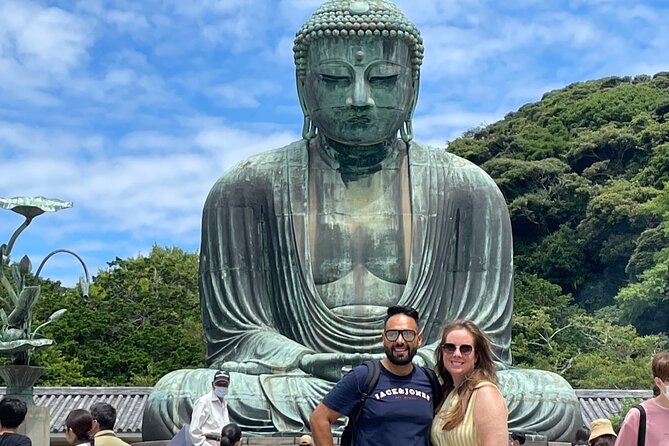
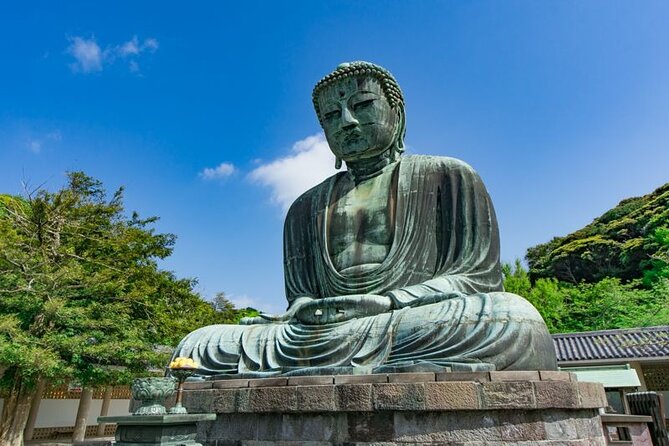
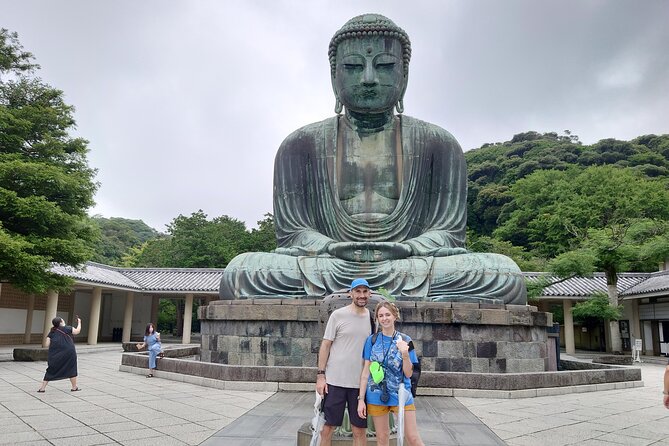
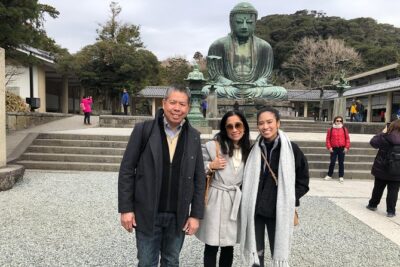
Kotoku-in is where you go for the icon: the Great Buddha of Kamakura. This bronze statue of Amida Buddha is 11.4 meters tall, and it’s been a major landmark for centuries.
If you’re the type who likes big, direct visuals, this stop delivers fast. It’s not subtle. You’ll likely spend about an hour here, enough time to take photos, stand back for the full scale, and soak in the site atmosphere.
Note: admission is not included, so plan for the entry cost at this stop.
Stop 3: Kencho-ji (Zen temple layout with a national treasure bell)
Kencho-ji (建長寺) is often described as the top of Kamakura’s five great Zen temples. It was founded in 1253, and it stretches from the entrance down into the valley and up into forested hills behind.
What to look for:
- After passing the Sanmon main gate, you’ll find Kencho-ji’s temple bell (Bonsho) on the right. It’s designated a national treasure.
- The layout gives you that Zen-temple rhythm: gate-to-courtyard-to-building-to-garden view.
This stop is a good choice if you want fewer crowds than the beach and shopping areas. Time is listed as about 30 minutes, which means you’ll move with intention rather than wandering forever.
Entrance ticket is not included.
Stop 4: Tsurugaoka Hachimangu Shrine (major shrine culture with a free stop)
Tsurugaoka Hachimangu Shrine is dedicated to Hachiman, linked to the Minamoto family and samurai in general. The shrine also enshrines related deified spirits, including Ojin and others identified with Hachiman.
The practical benefit: it’s listed as free, so you’ll save money here compared with some of the other paid stops. It also tends to feel like the center of Kamakura’s traditional energy.
Plan for about an hour, enough for walking, photos, and a slow look at the shrine grounds.
Stop 5: Hokoku-ji (bamboo grove + matcha pause)
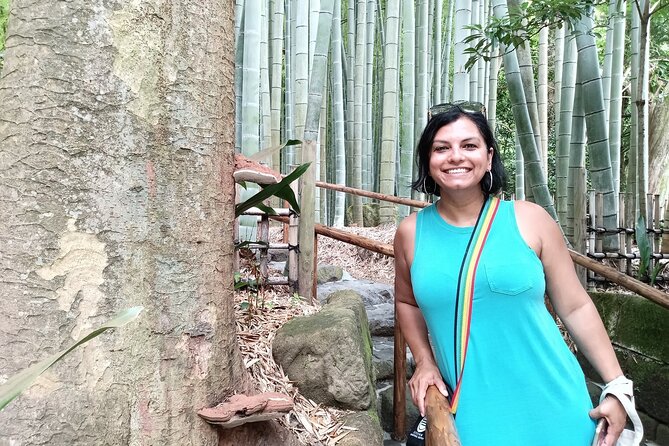
Hokoku-ji is best known for its bamboo grove behind the main hall: over 2,000 bamboo stalks. Narrow pathways lead into the grove, and there’s a tea house where you can sit with matcha tea for a small fee.
If you like sensory details—sound of leaves, shaded light under bamboo—this is one of the most atmospheric stops on the day. After the grove, there are also shallow caves carved into the hillside behind the temple, associated with the ashes of later Ashikaga lords.
Time on this stop is about an hour, which is enough to walk the bamboo paths and take a break.
Entrance fees are not included.
Stop 6: Yuigahama Beach (a quick coastal reset)
Yuigahama Beach is a main beach near Kamakura Station. It’s described as big, flat, and crowded, and it’s only a short walk from the station.
This is a nice counterbalance to temples. If the earlier parts of the day feel like you’re moving indoors and among trees, the beach stop gives you open space, wind, and a quick people-watching break.
Time is about 30 minutes, and the stop is free.
Stop 7: Komachi Street (snacks, souvenirs, and a famous food lane)
Komachi-dori runs from Kamakura Station East Exit to Tsurugaoka Hachimangu. You’ll find a mix of traditional souvenir shops and more modern stores, plus plenty of places to eat.
Two food notes to keep in mind:
- Hatosabure, the dove-shaped biscuits (mentioned as a must-try).
- Buckwheat noodles served with hot soup (one guide-led day included this, and it’s a very Kamakura-style comfort move).
This stop is about an hour, and because it’s free, it’s one of the easiest ways to balance your spending while still getting a lively street feel.
Stop 8: Eisho-ji Temple (a quiet nunnery with bamboo and seasonal blooms)
Eisho-ji (英勝寺) is described as the only surviving nunnery in Kamakura. It’s known as a flower temple for seasonal blooms, and it’s located near Tsurugaoka Hachimangu.
What makes it feel different:
- A peaceful bamboo grove behind the temple.
- A graceful Amida Buddha statue said to be by the sculptor Unkei.
- A quiet atmosphere that often feels like a pause between busier areas.
Time is listed as about 10 minutes. That short window works best if you’re combining it with nearby shrine time rather than using it as a main destination.
Entrance is not included.
The guide’s job: getting meaning, not just photos
A good guide changes everything here. It’s not only about translation. It’s about telling you where to look and how to understand what you’re seeing in a couple of minutes.
In one memorable day, guide Kei did an efficient route and helped the group cover many destinations during the full 8-hour span. Another guest’s guide, Yoshi, reportedly built a schedule around the most representative parts of Kamakura—gardens, temples, a mirador (viewpoint), and Komachi Street.
You’ll also hear the kind of local details that make the visit feel personal. The tour description mentions writing a wish on an oyster shell, and that’s exactly the sort of small tradition that’s easy to miss without guidance.
One more practical note: guide entry fees are covered only for the sights included in the What to expect list. So if you’re thinking of swapping stops outside that scope, ask first. You don’t want surprise extra costs or last-minute changes.
And since English quality matters, here’s my straight advice: if fluent, clear English is essential for you, send a message ahead of time and ask how the guide communicates. Past experiences have varied.
Planning tips that make the day smoother
This day trip is best with good weather. If weather turns, the tour notes you’ll be offered a different date or a full refund.
Beyond that, pack for walking. Even when the times look short, temples and shrines add up fast once you start going from gate to hall to garden path. Comfortable shoes matter more than you think.
If you’re choosing your 3–4 stops, decide what you want the day to feel like:
- For gardens and atmosphere: Hasedera + Hokoku-ji is a strong combo.
- For iconic sightseeing: Kotoku-in plus either Hachimangu or Kencho-ji.
- For a classic mix: add Yuigahama Beach and Komachi Street so you get both culture and coastal scenery.
Who should book this Kamakura private tour
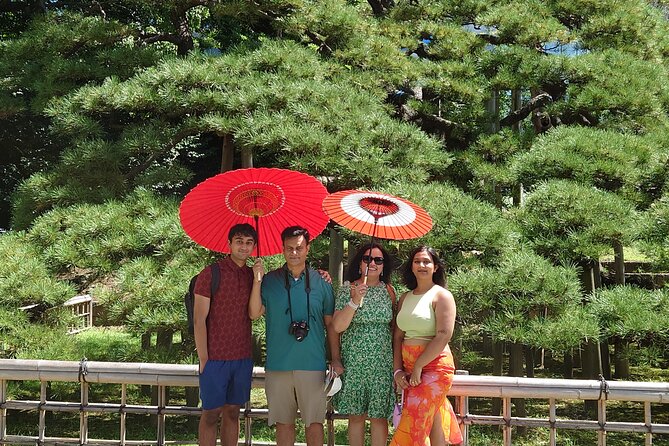
I think this tour makes the most sense if:
- you want temple and shrine context (not just a photo stop),
- you prefer private transport and a guide-led pace,
- you’re short on time in Japan and want Kamakura to feel efficient,
- you’re traveling with family or friends and want to keep the day together.
You might want to skip it if:
- you’re very comfortable navigating Kamakura independently and you’re chasing the lowest possible cost,
- you’re expecting a guaranteed high level of English with no variability. (It’s licensed and marketed as English-speaking, but language clarity can still differ by guide.)
Should you book this Kamakura private tour?
Yes—if you want Kamakura to feel like a guided day with smooth logistics and meaningful explanations. The private vehicle plus licensed guide combo is the real value. You’ll spend more time absorbing places like Hasedera’s Kannon-do atmosphere and Hokoku-ji’s bamboo calm, and less time managing transit.
If you’re deciding between this and a cheaper DIY option, ask yourself one question: do you want your time in Kamakura guided and efficient, or do you want to spend more of it figuring out routes and context on your own? If the answer is guided and efficient, this is a very practical choice.
FAQ
What is the price for this Kamakura full day tour?
It costs $1,026.90 per group (up to 4 people).
How long is the tour?
The duration is about 8 hours, and that total includes travel time from Tokyo to Kamakura and back.
What sites are included in the day?
The tour offers a selection of stops such as Hasedera Temple, Kotoku-in (Great Buddha), Kencho-ji, Tsurugaoka Hachimangu Shrine, Hokoku-ji, Yuigahama Beach, Komachi Street, and Eisho-ji Temple. You choose 3–4 sites from the options.
Are entrance fees and lunch included?
No. Entrance fees, lunch, and other personal expenses are not included.
Do I get a licensed English-speaking guide?
Yes. The tour includes a licensed local English-speaking guide.
Is transportation private, and is pickup offered?
Yes. It includes a private vehicle, and pickup is offered.
Are tickets provided digitally?
Yes. Mobile tickets are provided.
Can I cancel and get a full refund?
Yes. Free cancellation is available up to 24 hours in advance for a full refund.
Do you provide car seats or booster seats?
There are limited car seats and booster seats available, and rear-facing car seats are not available. If you need them, you must contact the provider directly.
More Tours in Tokyo
- Mt Fuji and Hakone 1-Day Bus Tour Return by Bullet Train
★ 5.0 · 26,383 reviews - 1-Day Tokyo Bus Tour
★ 5.0 · 14,250 reviews - Tokyo: Shinjuku Food Tour (13 Dishes at 4 Local Eateries)
★ 5.0 · 6,603 reviews - Tokyo Mt Fuji 5th St & Hakone Cruise Bus Tour w/Bullet Train
★ 4.4 · 5,024 reviews - Flagship 2-Hours Official Street Go-Kart Tour – Tokyo Bay Shop
★ 5.0 · 4,974 reviews
More Tour Reviews in Tokyo
- Mt Fuji and Hakone 1-Day Bus Tour Return by Bullet Train
★ 5.0 · 26,383 reviews - 1-Day Tokyo Bus Tour
★ 5.0 · 14,250 reviews - Tokyo: teamLab Planets TOKYO Digital Art Museum Entry Ticket
★ 4.6 · 9,779 reviews - Mt Fuji & Hakone Cruise, Drum Show Bullet Train 1 Day from Tokyo
★ 4.0 · 7,413 reviews - Tokyo: Shinjuku Food Tour (13 Dishes at 4 Local Eateries)
★ 5.0 · 6,603 reviews
More Kamakura and Enoshima Days
- Tokyo: Mt. Fuji, Kamakura, Big Buddha, & Lake Ashi Day Trip
★ 4.5 · 867 reviews - Tokyo:Sea of Mount Fuji, Hakone Ropeway, Ōwakudani, Enoshima
★ 4.9 · 84 reviews - Kamakura 8 hr Private Walking Tour with Licensed Guide from Tokyo
★ 5.0 · 80 reviews - Tokyo: Kamakura & Enoshima Day Tour with Pickup & Train Ride
★ 4.1 · 61 reviews - Kamakura Private & Customizable Tour – All-in-One Experience
★ 5.0 · 49 reviews
Latest Tokyo reviews off our desk






Kamakura Day Trips, compared.
 ★ 4.5Kamakura & Enoshima Day Trip including Temple TicketsFrom $581,375 reviews
 ★ 4.5Mt. Fuji, Kamakura, Big Buddha, & Lake Ashi Day TripFrom $49867 reviews
 ★ 4.5From Tokyo: Kamakura & Enoshima 1-Day Bus TourFrom $66189 reviews
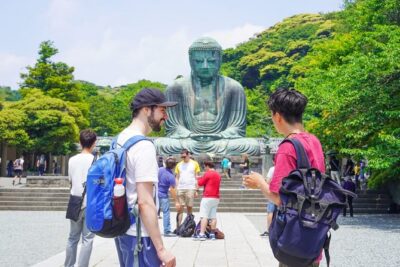 ★ 5.0Kamakura Historical Walking Tour with the Great BuddhaFrom $98129 reviews
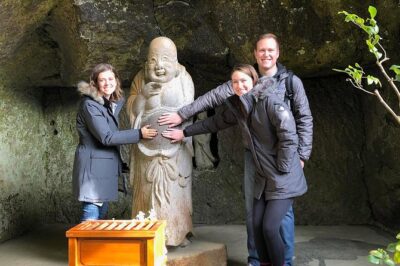 ★ 5.0Kamakura Private Tour: Temples, Nature, and the Great BuddhaFrom $98121 reviews
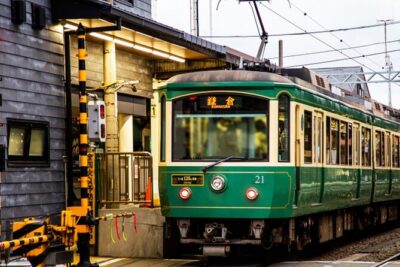 ★ 5.0Kamakura Walking Tour – The City of ShogunFrom $35100 reviews
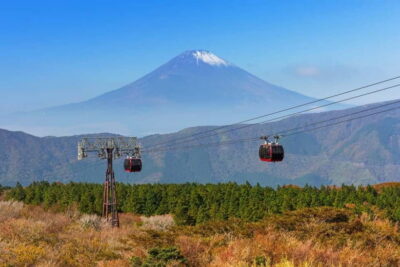 ★ 4.9Sea of Mount Fuji, Hakone Ropeway, Ōwakudani, EnoshimaFrom $5084 reviews
 ★ 5.0Kamakura 8 hr Private Walking Tour with Licensed Guide from TokyoFrom $20180 reviews
Browse the lists this tour appears in