
Kamakura is best when someone keeps the day moving. This private tour is appealing because you get a driver and a live guide, so you’re not stuck figuring out trains and walking routes all day. Two big wins for me are the guided time at the Great Buddha (Kōtoku-in) and the way the day mixes temple culture with real street life on KOMACHI and on Enoshima.
One thing to consider: this style of tour depends on the guide actually joining you at the sights. If your expectation is history, context, and explanations at each stop, it’s worth making sure that’s how your day will run once you’re picked up.
In This Review
- Key things to know before you go
- A Private Day That Bundles Kamakura, Enoshima, and Yokohama
- Why Kōtoku-in and the Great Buddha Set the Tone
- Bamboo at Hōkoku-ji, Views at Hase-dera
- Tsurugaoka Hachimangu, KOMACHI Street, and Shrine Etiquette
- Enoshima Island and the Benten Shrines (Plus Fuji If Lucky)
- Yokohama Add-Ons: Chinatown, Sankeien Gardens, and Shin-Yokohama Ramen Museum
- Price and Logistics: When $486 Per Group Feels Fair
- How to Customize the Day Without Throwing Off the Schedule
- Who This Tour Fits Best (and Who Should Skip It)
- Should You Book This Kamakura One-Day Private Tour?
- FAQ
- How long is the Kamakura one-day private tour?
- Where does the tour start and end?
- How many people are in a group?
- Do you get an English-speaking guide?
- What are the main places you visit?
- Is lunch included?
- Are admission fees included?
- What’s included in the tour price?
- What should I bring?
- Is smoking allowed, and is the tour suitable for everyone?
Key things to know before you go
- Private car + English-speaking guide: you’re not just chauffeured; you’re guided.
- Kamakura highlights in one day: Kōtoku-in, Hōkoku-ji bamboo, Hase-dera, and Tsurugaoka Hachimangu.
- KOMACHI Street shopping time: snacks, souvenirs, and local products without feeling rushed.
- Enoshima’s Benten shrines: a different vibe than Kamakura, with coastal viewpoints.
- Yokohama add-ons: Chinatown, Sankeien Gardens, and the Shin-Yokohama Ramen Museum.
- Up to 6 people: the cost makes more sense when you split it.
A Private Day That Bundles Kamakura, Enoshima, and Yokohama
This is not a “grab a map and hope” day. You start with pickup from Tokyo and move as a group in a private van with a driver. That matters because Kamakura and Enoshima involve a lot of walking, plus traffic and timing can be unpredictable. With a private vehicle, your schedule stays realistic.
What I like about the structure is the balance. You get big-ticket temple moments, then you step into human-scale places: bamboo groves you can photograph, shopping streets, and coastal islands. And if you’re already out of Tokyo, the tour doesn’t stop at Kamakura. You’ll also see Yokohama’s Chinatown and add on a couple of very Tokyo-adjacent experiences, including the Shin-Yokohama Ramen Museum.
The day is listed as about 10 hours. That’s long enough to feel like you saw the region, but it’s also why footwear and pacing matter. Comfortable shoes are not optional on this one.
Coast-and-Buddha days near Kamakura, rated
- Tokyo: Mt. Fuji, Kamakura, Big Buddha, & Lake Ashi Day Trip
★ 4.5 · 867 reviews - Tokyo:Sea of Mount Fuji, Hakone Ropeway, Ōwakudani, Enoshima
★ 4.9 · 84 reviews - Kamakura 8 hr Private Walking Tour with Licensed Guide from Tokyo
★ 5.0 · 80 reviews - Tokyo: Kamakura & Enoshima Day Tour with Pickup & Train Ride
★ 4.1 · 61 reviews
Why Kōtoku-in and the Great Buddha Set the Tone
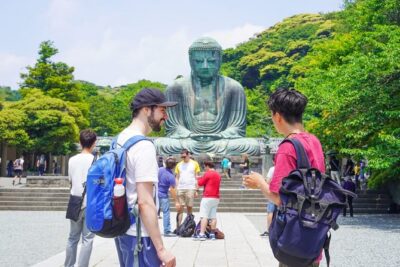
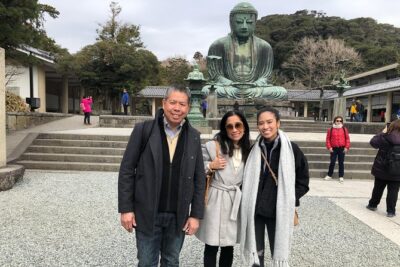
Kōtoku-in is where the day earns its starting drama: the famous Great Buddha. The tour schedule gives you guided time there, about an hour, which is exactly what you want for a site like this. It’s easy to rush past a landmark and miss the meaning. Here, you’ll have time to look up, look around, and understand the place beyond the photo.
This is a great opener because it reframes everything you’ll see later. Kamakura’s temples aren’t just sightseeing stops. They’re part of a long religious and political story, and starting with a monumental icon helps you connect the dots as the day goes on.
Practical tip: go in with a camera ready, but also set aside a few minutes to just stand and take it in. The Great Buddha is one of those sights where your first reaction is visual, and your second reaction is emotional.
Bamboo at Hōkoku-ji, Views at Hase-dera
After Kōtoku-in, the tour shifts to something more atmospheric: Hōkoku-ji. You’ll have a photo stop and then guided time, about an hour total. The bamboo forest is one of those places where photos look great, but being there is better. The light filters down differently than you expect, and the soundscape is part of the experience: softer footfalls, a quiet that makes you slow down.
Next comes Hase-dera, again with guided time. This temple is known for its setting, and the tour’s focus here is not just buildings. You’re in a spot where you can appreciate views, which is especially nice in good weather. If the day is sunny, you’ll likely feel like you’re walking through a postcard, but with the advantage of actual temple details to focus on.
One consideration: both Hōkoku-ji and Hase-dera involve walking around temple grounds. If your group is prone to slow pace, plan to keep moving. The guide’s job is to help you cover what matters without sprinting.
Tsurugaoka Hachimangu, KOMACHI Street, and Shrine Etiquette
Tsurugaoka Hachimangu is a major shrine stop, with guided time and sightseeing time set aside. This is where Kamakura starts to feel like a living center rather than a museum of old stones. Expect more people, more activity, and a clearer sense of local tradition.
Right around this part of the day, you’ll also do shopping on KOMACHI Street. I love that the tour builds in that break on purpose. You can buy small gifts and snack your way through a stretch that feels very “Kamakura,” with local products and souvenir options that are actually tied to the area.
A useful mindset for KOMACHI and shrine areas: treat it as a transition zone. You’ll likely shift from temple seriousness to street browsing, then back again. Move with respect, follow any posted instructions, and keep an eye on the guide for timing.
Also note a practical detail: bring sunscreen. Temple days in Japan can mean long hours under open skies, even when you’re surrounded by buildings and trees.
Enoshima Island and the Benten Shrines (Plus Fuji If Lucky)
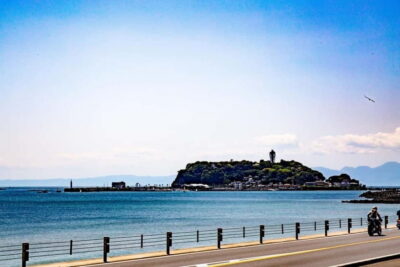
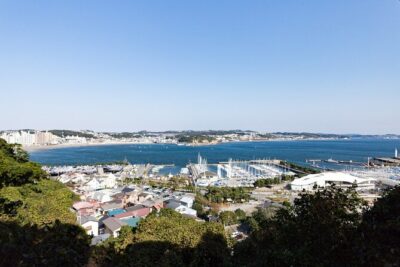
Enoshima is where the day tilts toward coastal calm. The highlight here is the island’s many shrines dedicated to Benten, a goddess associated with luck, wealth, music, and knowledge. It’s a different flavor than the main Kamakura temples you’ll visit earlier, and it gives you variety without stretching the day into something chaotic.
If the sky cooperates, you may get a stunning view of Mount Fuji from clear-day vantage points. You can’t bank on that view every time, but having it on the menu is a nice bonus. Even when Fuji isn’t visible, Enoshima has its own rhythm: sea air, shrine paths, and a feeling that you’re doing more than just ticking boxes.
Timing is the only thing to watch. The tour includes a lot of stops, and coastal travel plus walking takes time. That’s why customization is important. If your group cares most about Enoshima and less about one of the other add-ons, you should be able to rebalance the schedule.
Readers also shortlisted these Tokyo bookings:
- Tokyo 6hr Private Tour with Government-Licensed Guide★ 5.0 · 3,902 reviews
- Tokyo: Shinjuku Local Bar and Izakaya Guided Walking Tour★ 4.9 · 1,794 reviews
- Tokyo: Private City Highlights Tour with Local Guide★ 4.8 · 1,433 reviews
- Tokyo: Tsukiji Fish Market Guided Walking Tour★ 4.9 · 1,397 reviews
- Tokyo 4hr Private Tour with Government-Licensed Guide★ 5.0 · 1,394 reviews
Yokohama Add-Ons: Chinatown, Sankeien Gardens, and Shin-Yokohama Ramen Museum
The tour doesn’t keep you in one bubble. After Kamakura and Enoshima, you’ll head toward Yokohama and pick up several distinctive stops.
First is Yokohama Chinatown. You’ll get guided time and sightseeing time here, about an hour. This is a good amount for Chinatown because you can walk through streets, look at shopfronts, and sample the atmosphere without turning it into an all-day food mission. If you’re the kind of person who loves reading small details on signs and stalls, this part will make you happy.
Next is Sankeien Gardens. The schedule allots about an hour for visit and a walk. Gardens are never just “pretty scenery” in Japan. They’re designed routes, planned views, and little lessons in how people used land and water to create calm. In a full day like this, a garden is a helpful reset.
Finally, there’s Shin-Yokohama Ramen Museum. This is a fun, modern-ish stop that fits surprisingly well after temples and shrines. It gives you a taste of Japanese food culture in a place designed for visitors. Even if you’re not the biggest ramen fan, it’s a memorable capstone for people who want something practical and playful near the end of a long day.
One honest note: your energy will matter. By the time you reach the ramen museum, you’ll be grateful for the water bottles included in the tour and for that last stretch of guidance so you don’t lose time finding your way.
Price and Logistics: When $486 Per Group Feels Fair
The price is $486 per group, up to 6 people, for about 10 hours. That sounds high at first, until you translate it into what you’re actually buying: private van transport with parking fees, bottled water, and a live guide. If you tried to assemble this with trains, taxis, and separate entrance coordination, the time cost alone could be more than the money.
For groups of 2, it may feel expensive. For groups of 4–6, it often becomes a very reasonable way to see a lot of ground without stress. I also like that lunch and admission fees are not included. It keeps your food choices flexible, and you’re not stuck with a meal you didn’t want.
A balanced heads-up from my perspective: this tour is only as good as the guiding experience. A driver can get you to the sites. A guide can make the day meaningful. If you want explanations at the big attractions, choose your day knowing the tour is set up for that, and confirm that your guide will accompany you inside the stops rather than only during transit and parking.
How to Customize the Day Without Throwing Off the Schedule
Customization is a key selling point here, and you should use it. But customization works best when you pick priorities, not preferences.
Here’s a simple approach I recommend:
- Pick one “must-do” big site (for many people: Kōtoku-in).
- Pick one “must-feel” stop (for many people: the bamboo at Hōkoku-ji or coastal Enoshima).
- Decide how your group wants to handle food (Chinatown vibes, gardens as a break, then ramen museum as a fun ending).
Then communicate that early. You’ll get a smoother day if you’re clear about what your group wants. The tour’s format supports it, and it also helps the guide manage walking time and timing between places.
If your group includes anyone who gets tired easily, consider shifting some of the outdoor wandering time into the guided blocks. If you’re traveling with a camera-obsessed person, prioritize the bamboo and the coastal viewpoints where you’ll have the best chances for photos.
Who This Tour Fits Best (and Who Should Skip It)
This is best for people who want control without planning. If you like history but don’t want to read a stack of notes yourself at each stop, you’ll appreciate the guided approach. It’s also ideal for mixed groups: one person wants temples, another wants street shopping, and someone else wants a coastal break and a view of Fuji if possible.
You’ll also appreciate it if you’re traveling solo but want safety and easy logistics. A private group setup means you’re not trying to keep up with a larger crowd.
One caution: the tour is not suitable for pregnant women, so if that applies, look for an alternative with different mobility planning.
Finally, bring your expectations into alignment. This is a full day of stops, not a slow spiritual retreat. If that’s your style, you can still enjoy it, but you’ll want to go in ready for a packed itinerary.
Should You Book This Kamakura One-Day Private Tour?
If you want Kamakura in one organized, guided shot—with a private car and a schedule built around the big sights—this tour is a strong choice. The greatest strengths are the guided time at major temples like Kōtoku-in, the photo-friendly bamboo at Hōkoku-ji, the shrine-and-street combination at Tsurugaoka Hachimangu and KOMACHI Street, and the Enoshima Benten shrine stop that brings a coastal mood to the day.
I’d book it if:
- You’re splitting the cost with others (up to 6).
- You value guided context at the stops, not just transportation.
- You want Yokohama added in without separate planning.
I’d think twice or ask extra questions if:
- You mainly want the driver to handle the logistics and you don’t care about guided explanations.
- Your group expects a very slow, unstressed pace.
If flexibility matters, you can book with a pay-later option and there’s free cancellation up to 24 hours in advance. That helps if you’re juggling weather, especially for views around Enoshima and the chance of Mount Fuji.
FAQ
How long is the Kamakura one-day private tour?
It’s listed as 10 hours total.
Where does the tour start and end?
Pickup is from your hotel in Tokyo, and you return to Tokyo at the end of the day.
How many people are in a group?
It’s a private group with a price per group up to 6 people.
Do you get an English-speaking guide?
Yes. The live tour guide is available in English (and also Hindi and Japanese).
What are the main places you visit?
The day includes Kōtoku-in (Great Buddha), Hōkoku-ji bamboo forest (photo stop and guided time), Hase-dera, Tsurugaoka Hachimangu, KOMACHI Street shopping, Enoshima with Benten shrines, plus Yokohama Chinatown, Sankeien Gardens, and the Shin-Yokohama Ramen Museum.
Is lunch included?
No, lunch is not included.
Are admission fees included?
No, admission fees to attractions are not included.
What’s included in the tour price?
Private transportation by van, a live tour guide, a customizable itinerary, water bottles, and parking fees are included.
What should I bring?
Comfortable shoes, a camera, and sunscreen.
Is smoking allowed, and is the tour suitable for everyone?
Smoking is not allowed. The tour is not suitable for pregnant women.
More Tours in Tokyo
- Mt Fuji and Hakone 1-Day Bus Tour Return by Bullet Train
★ 5.0 · 26,383 reviews - 1-Day Tokyo Bus Tour
★ 5.0 · 14,250 reviews - Tokyo: Shinjuku Food Tour (13 Dishes at 4 Local Eateries)
★ 5.0 · 6,603 reviews - Tokyo Mt Fuji 5th St & Hakone Cruise Bus Tour w/Bullet Train
★ 4.4 · 5,024 reviews - Flagship 2-Hours Official Street Go-Kart Tour – Tokyo Bay Shop
★ 5.0 · 4,974 reviews
More Tour Reviews in Tokyo
- Mt Fuji and Hakone 1-Day Bus Tour Return by Bullet Train
★ 5.0 · 26,383 reviews - 1-Day Tokyo Bus Tour
★ 5.0 · 14,250 reviews - Tokyo: teamLab Planets TOKYO Digital Art Museum Entry Ticket
★ 4.6 · 9,779 reviews - Mt Fuji & Hakone Cruise, Drum Show Bullet Train 1 Day from Tokyo
★ 4.0 · 7,413 reviews - Tokyo: Shinjuku Food Tour (13 Dishes at 4 Local Eateries)
★ 5.0 · 6,603 reviews
More Kamakura and Enoshima Days
- Tokyo: Mt. Fuji, Kamakura, Big Buddha, & Lake Ashi Day Trip
★ 4.5 · 867 reviews - Tokyo:Sea of Mount Fuji, Hakone Ropeway, Ōwakudani, Enoshima
★ 4.9 · 84 reviews - Kamakura 8 hr Private Walking Tour with Licensed Guide from Tokyo
★ 5.0 · 80 reviews - Tokyo: Kamakura & Enoshima Day Tour with Pickup & Train Ride
★ 4.1 · 61 reviews - Kamakura Private & Customizable Tour – All-in-One Experience
★ 5.0 · 49 reviews
Latest Tokyo reviews off our desk

Kamakura Day Trips, compared.
 ★ 4.5Kamakura & Enoshima Day Trip including Temple TicketsFrom $581,375 reviews
 ★ 4.5Mt. Fuji, Kamakura, Big Buddha, & Lake Ashi Day TripFrom $49867 reviews
 ★ 4.5From Tokyo: Kamakura & Enoshima 1-Day Bus TourFrom $66189 reviews
 ★ 5.0Kamakura Historical Walking Tour with the Great BuddhaFrom $98129 reviews
 ★ 5.0Kamakura Private Tour: Temples, Nature, and the Great BuddhaFrom $98121 reviews
 ★ 5.0Kamakura Walking Tour – The City of ShogunFrom $35100 reviews
 ★ 4.9Sea of Mount Fuji, Hakone Ropeway, Ōwakudani, EnoshimaFrom $5084 reviews
 ★ 5.0Kamakura 8 hr Private Walking Tour with Licensed Guide from TokyoFrom $20180 reviews
Browse the lists this tour appears in