
Reviewed · KAMAKURA DAY TRIPS
Kamakura Temples Private Guided Tour from Tokyo
One train ride from Tokyo and suddenly you’re in temple country. This private guided day trip puts Hase-dera, the Great Buddha at Kotoku-in, and Tsurugaoka Hachimangu into one smooth schedule, with time to browse Komachi Street afterward. I like that it’s built for real sightseeing at a good pace, not a rushed grab-and-go.
Two things I really love are the specific temple focus and the way the guide makes the big ideas easy. You’ll see the eleven-faced Kannon at Hase-dera (with its Jizo-do Hall of hundreds of small Jizo statues) and then move on to Kotoku-in for the towering 13-meter Great Buddha. One thing to consider: it’s not just walking-tours-without-cash, since entrance fees, local transport for you and the guide, and lunch are not included.
In This Review
- Key moments that make this day work
- Tokyo to Kamakura: a simple day plan that doesn’t waste time
- Hase-dera (Temple of Flowers): Kannon, gardens, and the Jizo Hall
- From Hase-dera to Kotoku-in: the Great Buddha transfer is easy
- Kotoku-in Temple: the 13-meter Great Buddha, up close
- Tsurugaoka Hachimangu Shrine: Shinto center-stage in Kamakura
- Komachi Street: lunch and shopping with breathing room
- How much will this really cost (beyond the $145)?
- Who this tour is best for
- What the guide actually adds to the day
- Price and logistics: the main things to plan before you go
- Should you book this Kamakura private tour from Tokyo?
- FAQ
- How long is the Kamakura temples private guided tour?
- How do I get from Tokyo to Kamakura?
- Where are the pickup and drop-off options?
- Is the guide English-speaking?
- Is the tour private?
- How much walking is included?
- Are entrance fees included?
- Are local transportation costs included?
- Is lunch included?
- What should I bring?
Key moments that make this day work
- Hase-dera’s Kannon statue and the Jizo-do Hall with hundreds of Jizo bodhisattvas
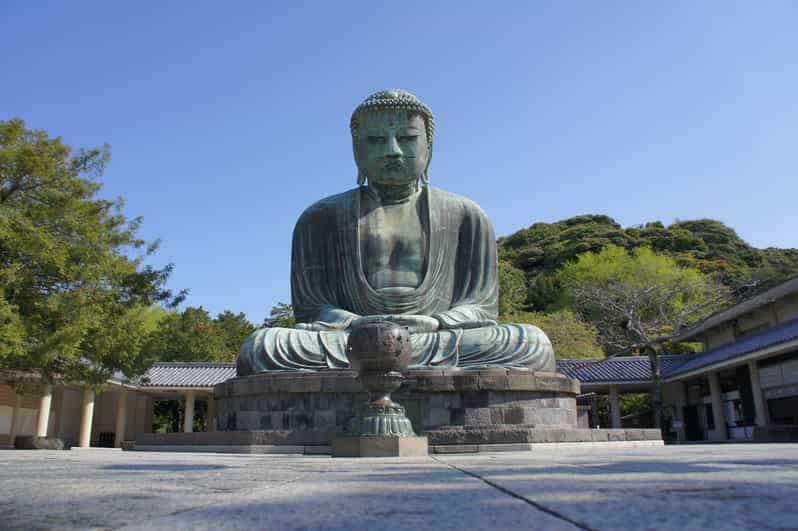
- Kotoku-in’s Great Buddha (13 meters tall) plus short guided context before you take photos
- Tsurugaoka Hachimangu Shrine—major Shinto site built in 1063, dedicated to Emperor Ojin
- Komachi Street time for lunch and shopping in a lively, old-town setting
- Private, licensed English guide who can navigate crowds and explain what you’re seeing
- 3–4 KM of walking plus short on-foot transfers, so comfy shoes really matter
Tokyo to Kamakura: a simple day plan that doesn’t waste time
This tour is designed as a straight, full-day connection between Tokyo and Kamakura. You’ll start with pickup options around Tokyo Station and Shinjuku (including Tokyo or Shinjuku locations), and then you head to Kamakura by train.
The transit part is straightforward: you’re on the rail for about 70 minutes each way, and the sightseeing blocks are organized so you don’t keep losing time to train hunting. By the time you return to Tokyo, you’re typically back around 4 or 5 pm.
Because it’s a private tour with one English guide, you get better control over your day than you would on a large group bus tour. If your family has mobility limits, or you’re photo-focused, you can usually move with fewer slowdowns—though you still need to plan for some walking.
Coast-and-Buddha days near Kamakura, rated
- Tokyo: Mt. Fuji, Kamakura, Big Buddha, & Lake Ashi Day Trip
★ 4.5 · 867 reviews - Tokyo:Sea of Mount Fuji, Hakone Ropeway, Ōwakudani, Enoshima
★ 4.9 · 84 reviews - Kamakura 8 hr Private Walking Tour with Licensed Guide from Tokyo
★ 5.0 · 80 reviews - Tokyo: Kamakura & Enoshima Day Tour with Pickup & Train Ride
★ 4.1 · 61 reviews
Hase-dera (Temple of Flowers): Kannon, gardens, and the Jizo Hall
Hase-dera is the kind of temple stop that rewards even a short visit. You’ll spend around 30 minutes here, with a guided walk that helps you understand what you’re looking at instead of just snapping pictures.
The headline is Hase Kannon, the Buddhist statue of Kannon, known as the goddess of mercy. This is the eleven-faced version, and your guide explains the idea of Kannon appearing in different forms—linked to the different phases of someone’s path toward enlightenment.
After you take in the main sight, step outside and slow down a bit. The temple gardens are part of the experience, and it’s here that you’ll likely get your strongest “wow, this is why people come” moment: the Jizo-do Hall with hundreds of small Jizo bodhisattva statues.
Practical tip: this hall can feel crowded because so many people want close-up photos. Wear shoes that handle uneven stone floors, and don’t plan to linger for too long in the tightest spots unless you’re comfortable sharing space.
From Hase-dera to Kotoku-in: the Great Buddha transfer is easy
Between Hase-dera and Kotoku-in, the schedule includes a short on-foot connection. That matters because you’re not constantly switching tickets and platforms while your feet get tired.
In other words, you’re not just doing “three stops and hope.” You’re moving like a local would: walk a bit, see a lot, then get your next landmark.
Also, the tour time is set up for fast orientation. Your guide will give you enough background to make the Great Buddha meaningful right away, so it’s not just a big statue standing there.
Kotoku-in Temple: the 13-meter Great Buddha, up close
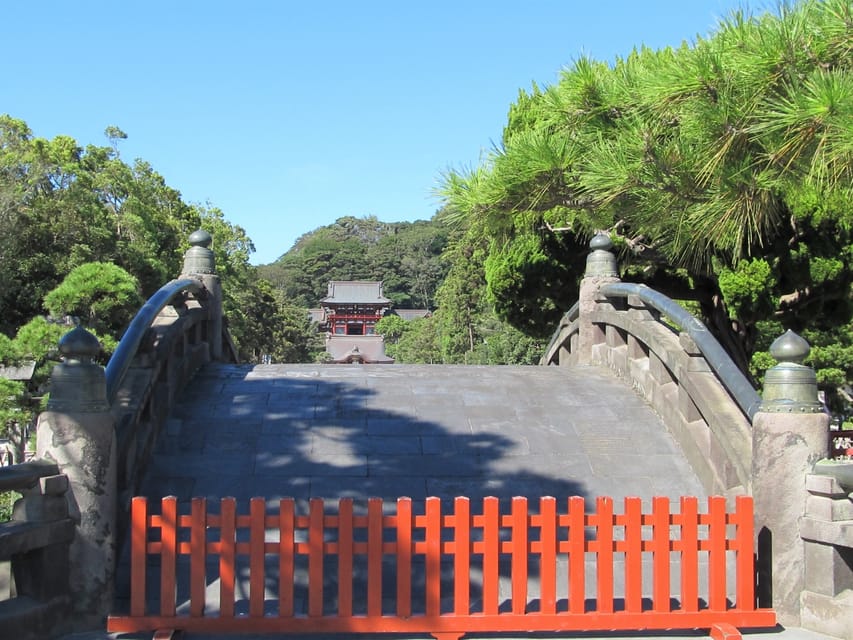
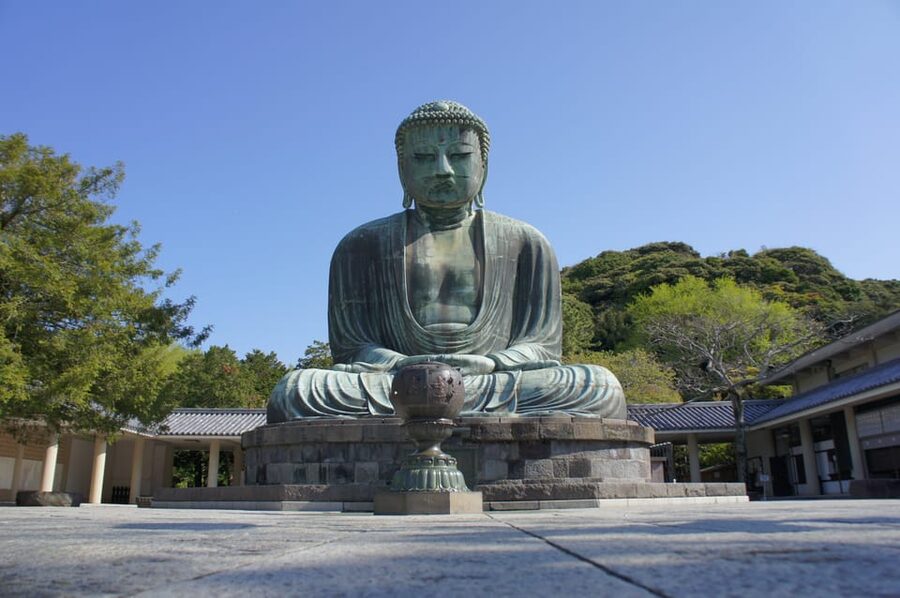
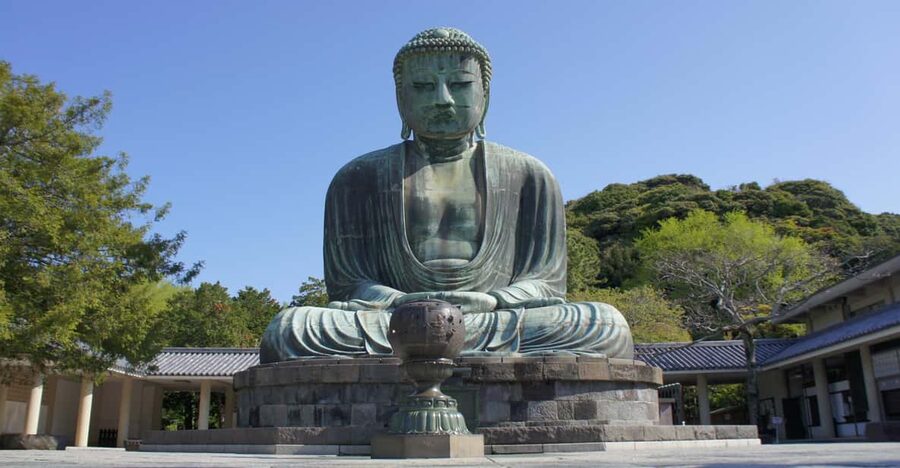
Kotoku-in is where the day turns iconic. You’ll get another guided block of about 30 minutes, plus time for photos at the Great Buddha statue.
This is the famous 13-meter-high Buddha, and the tour includes context on why it’s historically important—dating back to 1292. That timeline detail is small, but it changes your perspective once you understand this isn’t a recent “attraction,” it’s a long-standing landmark.
One practical note: the Great Buddha entrance fee (300 yen per person) is listed as not included, so plan cashless payment where possible and budget the cost. If you’re the type who likes to verify details with your own eyes, you’ll appreciate having time here that isn’t overpacked.
If you’re traveling in peak hours, the area can get busy. The good news: a strong guide helps you keep moving through crowds without losing your place or your momentum.
Tsurugaoka Hachimangu Shrine: Shinto center-stage in Kamakura
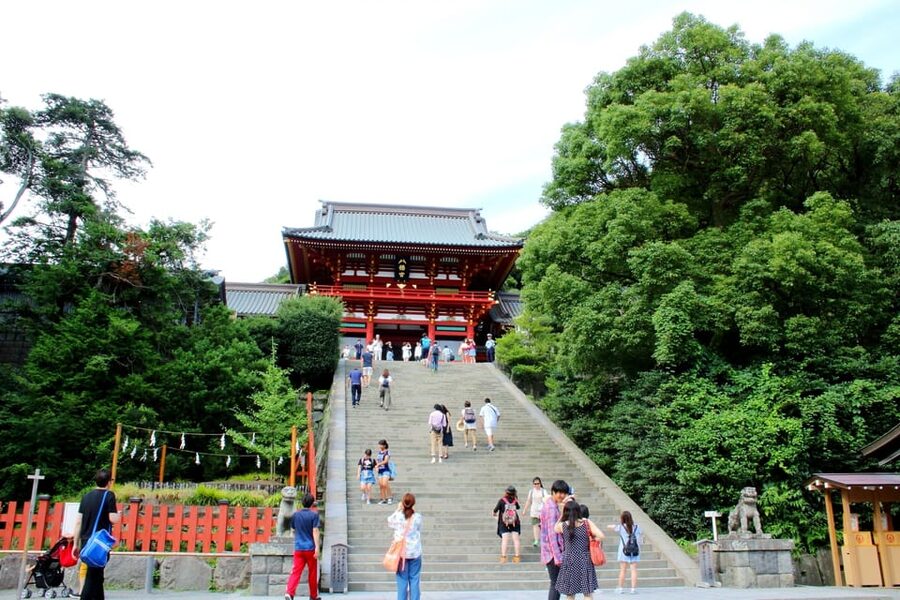
After the big Buddha moment, you shift from Buddhist temple drama to Shinto shrine calm. Tsurugaoka Hachimangu is the most important Shinto shrine in the city, and the tour gives you a grounded sense of where it sits—at the geographical center of Kamakura.
You’ll spend about 30 minutes here with photos and guided explanation. The shrine was built in 1063 and dedicated to Emperor Ojin, also known as the God of War, and that detail helps you connect the religious site to Japan’s broader history.
This is also where the tour’s pacing shines. You’ve already seen massive religious art and architecture; now you get a chance to slow down, look around, and absorb the atmosphere. It’s easier to appreciate the layout when your guide helps explain what to notice, like how the complex flows and where attention naturally goes.
Tip: if you want photos with fewer people, you may need to choose your angles carefully. Shrines like this attract crowds at specific times, and you’ll feel the difference between wide-open photo space and tight lanes.
Readers also shortlisted these Tokyo bookings:
- Tokyo 6hr Private Tour with Government-Licensed Guide★ 5.0 · 3,902 reviews
- Tokyo: Shinjuku Local Bar and Izakaya Guided Walking Tour★ 4.9 · 1,794 reviews
- Tokyo: Private City Highlights Tour with Local Guide★ 4.8 · 1,433 reviews
- Tokyo: Tsukiji Fish Market Guided Walking Tour★ 4.9 · 1,397 reviews
- Tokyo 4hr Private Tour with Government-Licensed Guide★ 5.0 · 1,394 reviews
Komachi Street: lunch and shopping with breathing room
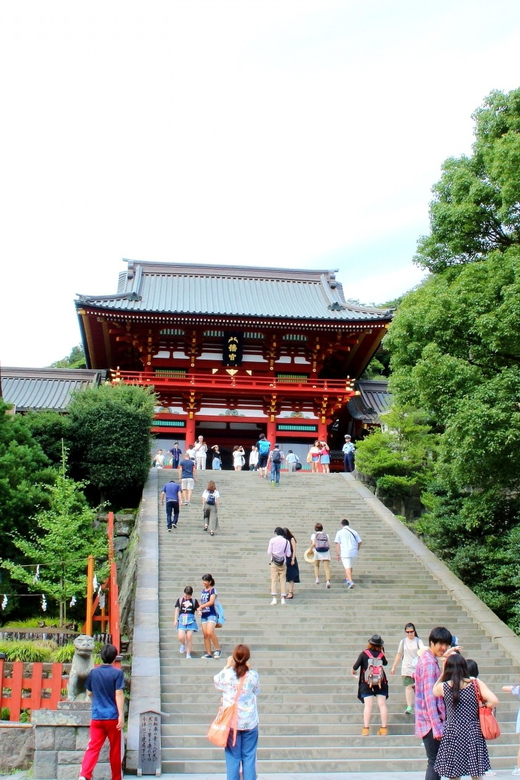
The heart of Kamakura isn’t only temples. The tour builds in a long enough pause for real-life travel needs: lunch and browsing.
You’ll get roughly 1.5 hours around Komachi Street for lunch, free time, and shopping. Lunch itself and drinks are not included, so you’ll be choosing your own meal style—from casual bites to more traditional Japanese restaurants in the area.
This block is a smart design choice because it lets you reset. After temples and shrine walking, your brain wants something simpler: pick a place, eat well, and wander without being timed to the minute.
Practical tip: restaurants can get busy. If you care about sitting down at a specific style of place, arrive a bit earlier in the Komachi Street window rather than waiting until the end.
How much will this really cost (beyond the $145)?
The base price is $145 per person, and you do get real value in the form of a licensed English guide and private pacing. Still, the tour clearly separates what’s included from what’s not.
Here’s what you should budget for day-of costs:
- Local transportation fees for you and the guide: around 2000 yen per person
- Entrance fees: Hase-dera (400 yen per person) and the Great Buddha (300 yen per person)
- Lunch and drinks: not included
When some people feel unhappy with price, it’s usually because the total day cost lands higher than they mentally planned. So I recommend you add these extra items to your budget before you book, not after you arrive.
The upside is that you’re choosing lunch yourself, and you’re paying your own way into temple entrances you’ll actually see. For many travelers, that’s a fair trade: you get flexibility and a guided route that saves time and confusion.
Who this tour is best for
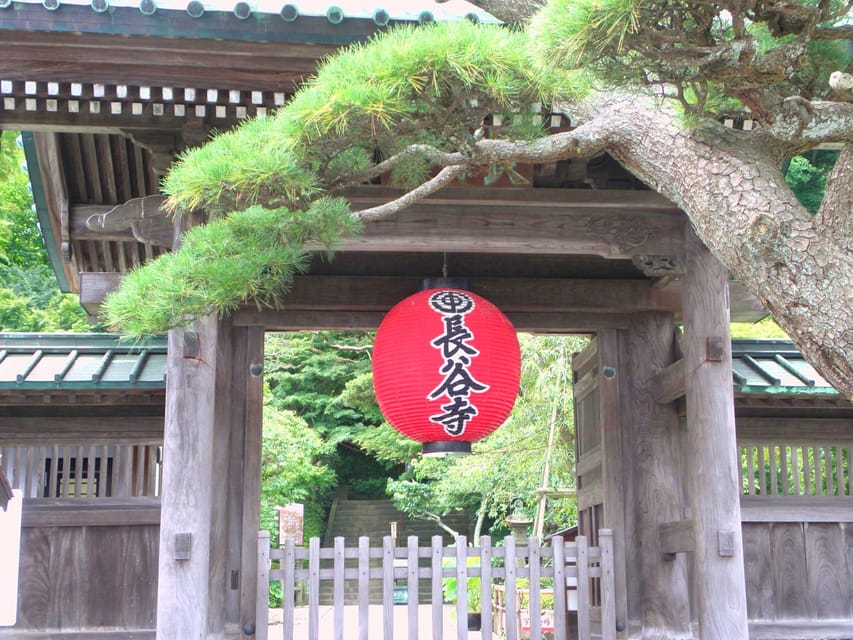
This works especially well if you want a private day trip that still hits the big-name sights. Couples love it because it’s efficient without feeling like a checklist. Families like it because the guide can keep everyone on track, and you get a mix of “look” and “walk” that doesn’t drag.
If you’re the kind of traveler who hates spending vacation time figuring out connections, this guide-led format helps. You’ll still use trains, of course, but you won’t be stuck deciding which platform or how to connect between stops while carrying a camera and a schedule.
On the other hand, if you’re traveling with very limited mobility or you hate walking in crowds, you may find the day demanding. The tour includes 3–4 KM of walking overall, plus on-foot pickup/drop-off, so plan accordingly.
What the guide actually adds to the day
A private guide is only valuable if they help you see something. This tour’s design suggests a guide who explains meaning alongside the visuals.
In past runs, English guides such as Mizuma-san, Take, Steve, and Richie have been praised for history and culture explanations, and for managing crowd movement effectively. Some also used maps or visual aids to help people understand the story of Kamakura while they walk through it.
That approach matters at places like Hase-dera and Tsurugaoka Hachimangu. Without context, you see beautiful structures. With context, you start noticing why certain elements exist and how the site connects to Japan’s religious and historical themes.
In practical terms: you’ll spend less time wondering what you’re looking at and more time understanding what you came for.
Price and logistics: the main things to plan before you go
Two considerations are worth mentioning upfront.
First, remember the “not included” parts. Entrance fees and local transport for you and the guide are part of the real cost, and lunch is on you. If you want predictable spending, decide on your lunch budget before you reach Komachi Street.
Second, plan for the walking and the pace. Even though the stops are time-boxed (around 30 minutes at Hase-dera, Kotoku-in, and Tsurugaoka), you’ll still move between places, stand for photos, and navigate crowds. Comfortable shoes are not optional.
Also note: pickup and drop-off are on foot. That means you may walk a little from your hotel area to the pickup point.
Should you book this Kamakura private tour from Tokyo?
I’d book it if you want a guided day that hits Hase-dera, the Great Buddha, and Tsurugaoka Hachimangu in one clean plan, with time for lunch on Komachi Street. It’s a strong match if you like learning while you sightsee, and if you prefer private pacing over large-group logistics.
I wouldn’t rush to book if your budget is tight or you need zero extra payments beyond the headline price. You’ll pay entrance fees, local transport, and lunch, so get those costs into your plan up front.
If you can handle 3–4 KM of walking and you’re excited about Kamakura’s temple-and-shrine blend, this is the kind of tour that makes the trip feel purposeful instead of chaotic.
FAQ
How long is the Kamakura temples private guided tour?
The tour lasts about 8 hours.
How do I get from Tokyo to Kamakura?
You travel by train from Tokyo to Kamakura, with about a 70-minute train ride. You’ll also use trains for part of the day’s movement.
Where are the pickup and drop-off options?
Pickup options include Tokyo Station, Tokyo (city area), Shinjuku City, and Shinjuku Station. Drop-off options are the same set of locations.
Is the guide English-speaking?
Yes. The tour includes a live English guide, and the guide is a National Government Licensed Guide Interpreter.
Is the tour private?
Yes, it’s listed as a private group.
How much walking is included?
The tour includes 3–4 KM of walking, plus short on-foot transfers during the day.
Are entrance fees included?
No. Entrance fees are not included: Hase-dera (400 yen per person) and the Great Buddha at Kotoku-in (300 yen per person).
Are local transportation costs included?
No. Public transportation costs for you and the guide are not included and are listed as around 2000 yen per person. Payment for these is done on the tour day.
Is lunch included?
Lunch and drinks are not included. There is time around Komachi Street for lunch and free time/shopping.
What should I bring?
Wear comfortable shoes, since you’ll be walking and standing around temple and shrine areas.
More Tours in Tokyo
- Mt Fuji and Hakone 1-Day Bus Tour Return by Bullet Train
★ 5.0 · 26,383 reviews - 1-Day Tokyo Bus Tour
★ 5.0 · 14,250 reviews - Tokyo: Shinjuku Food Tour (13 Dishes at 4 Local Eateries)
★ 5.0 · 6,603 reviews - Tokyo Mt Fuji 5th St & Hakone Cruise Bus Tour w/Bullet Train
★ 4.4 · 5,024 reviews - Flagship 2-Hours Official Street Go-Kart Tour – Tokyo Bay Shop
★ 5.0 · 4,974 reviews
More Tour Reviews in Tokyo
- Mt Fuji and Hakone 1-Day Bus Tour Return by Bullet Train
★ 5.0 · 26,383 reviews - 1-Day Tokyo Bus Tour
★ 5.0 · 14,250 reviews - Tokyo: teamLab Planets TOKYO Digital Art Museum Entry Ticket
★ 4.6 · 9,779 reviews - Mt Fuji & Hakone Cruise, Drum Show Bullet Train 1 Day from Tokyo
★ 4.0 · 7,413 reviews - Tokyo: Shinjuku Food Tour (13 Dishes at 4 Local Eateries)
★ 5.0 · 6,603 reviews
More Kamakura and Enoshima Days
- Tokyo: Mt. Fuji, Kamakura, Big Buddha, & Lake Ashi Day Trip
★ 4.5 · 867 reviews - Tokyo:Sea of Mount Fuji, Hakone Ropeway, Ōwakudani, Enoshima
★ 4.9 · 84 reviews - Kamakura 8 hr Private Walking Tour with Licensed Guide from Tokyo
★ 5.0 · 80 reviews - Tokyo: Kamakura & Enoshima Day Tour with Pickup & Train Ride
★ 4.1 · 61 reviews - Kamakura Private & Customizable Tour – All-in-One Experience
★ 5.0 · 49 reviews
Latest Tokyo reviews off our desk

Kamakura Day Trips, compared.
 ★ 4.5Kamakura & Enoshima Day Trip including Temple TicketsFrom $581,375 reviews
 ★ 4.5Mt. Fuji, Kamakura, Big Buddha, & Lake Ashi Day TripFrom $49867 reviews
 ★ 4.5From Tokyo: Kamakura & Enoshima 1-Day Bus TourFrom $66189 reviews
 ★ 5.0Kamakura Historical Walking Tour with the Great BuddhaFrom $98129 reviews
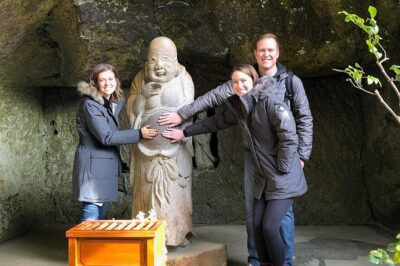 ★ 5.0Kamakura Private Tour: Temples, Nature, and the Great BuddhaFrom $98121 reviews
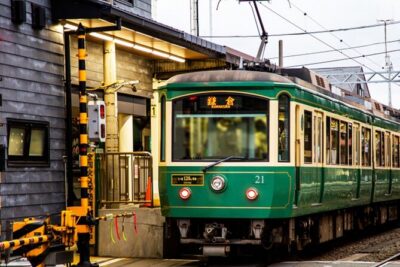 ★ 5.0Kamakura Walking Tour – The City of ShogunFrom $35100 reviews
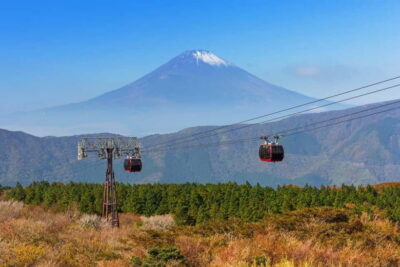 ★ 4.9Sea of Mount Fuji, Hakone Ropeway, Ōwakudani, EnoshimaFrom $5084 reviews
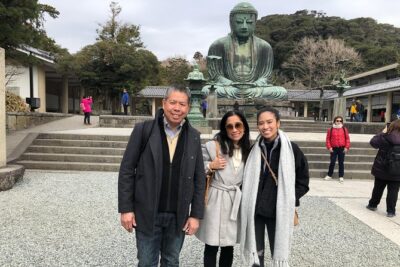 ★ 5.0Kamakura 8 hr Private Walking Tour with Licensed Guide from TokyoFrom $20180 reviews
Browse the lists this tour appears in