
Reviewed · SUSHI MAKING CLASSES
Kid-Friendly Sushi Making Class in Tokyo (English-Led)
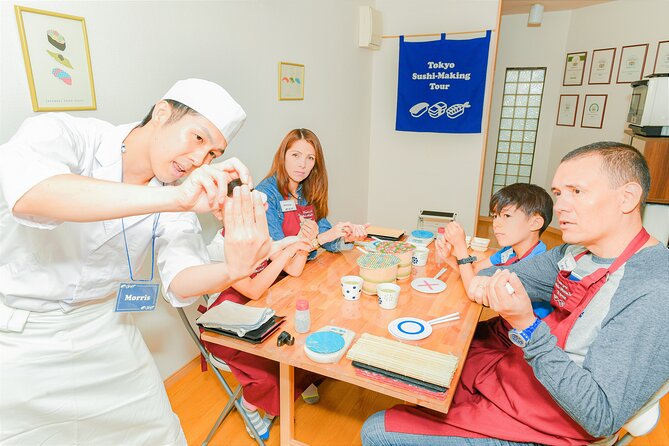
Tokyo sushi can feel intimidating. This English-led, kid-friendly class makes it practical. You’ll learn sushi history, pick up a few Japanese phrases, and then turn that knowledge into four different sushi styles in about 2.5 hours, with a small group in Kita-Senju.
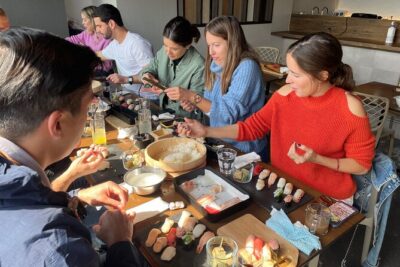
I especially like the hands-on structure and the small-group size (max 8). You get real guidance on technique, not just watching someone else roll. I also like that the class mixes skills with culture, including a fun quiz on sushi etiquette and trivia.
One thing to plan for: the class typically uses raw salmon and tuna, but alternatives exist. If anyone in your group needs a Non-Raw Fish, Vegetarian, or Gluten-Free menu, you’ll need to request it in advance.
In This Review
- Key highlights worth your time
- Tokyo sushi making in Kita-Senju: small-group energy, real technique
- What you’ll make: four styles that teach four different skills
- Vinegared sushi rice (the foundation)
- Decorative Sushi Roll (pattern-making for confidence)
- California Roll (the crowd-pleaser)
- Nigiri-Sushi (learning the hand skill)
- Battleship Roll (fun shape, serious technique)
- Sushi rice technique: the pro tips you can actually repeat at home
- Sushi history, etiquette, and mini Japanese phrases that help on real trips
- The etiquette lesson is more useful than it sounds
- Japanese phrases and travel tips
- Diet needs: raw fish is typical, but alternatives exist
- Meeting point, timing, and how the session stays on track
- Price and value: what you’re really paying for at $68.97
- Who this sushi class fits best (and who might want a different option)
- Final call: should you book this Tokyo sushi-making class?
Key highlights worth your time
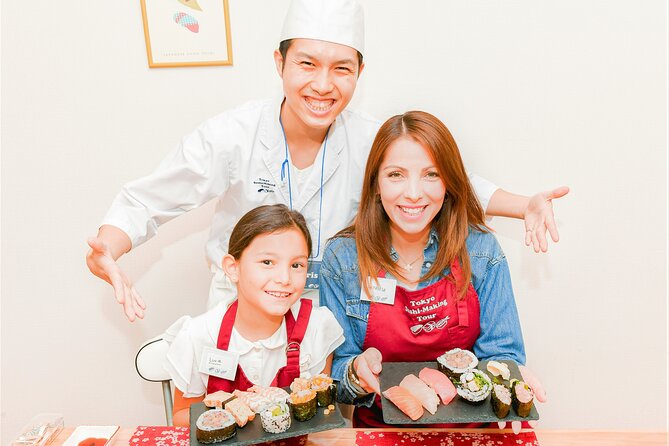
- Max 8 people means you actually get help as you work.
- Four sushi varieties: Decorative Sushi Roll, California Roll, Nigiri-Sushi, and Battleship Roll.
- Sushi etiquette quiz keeps kids engaged while you learn what to do (and what to avoid).
- Vinegared rice practice so you can recreate the basics back home.
- English-led instruction from instructors such as Nat or Morris, known for clear explanations and patient support.
- Diet options on request including non-raw fish, vegetarian, and gluten-free.
Tokyo sushi making in Kita-Senju: small-group energy, real technique
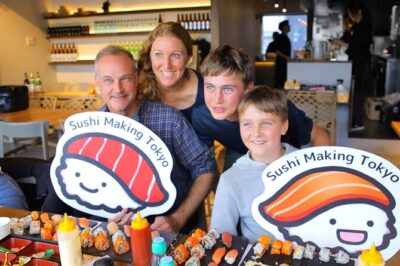
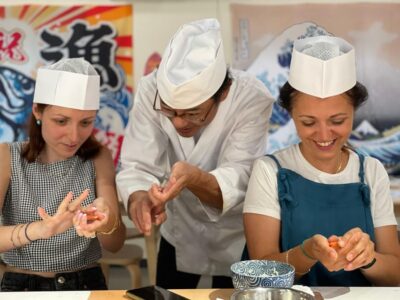
If you want sushi class in Tokyo without the stuffy, adult-only vibe, this one fits well. It’s designed for kids 8 and up, but it doesn’t treat adults like bystanders. The format is relaxed, yet structured enough that even a first-timer can finish with sushi they’re proud to eat.
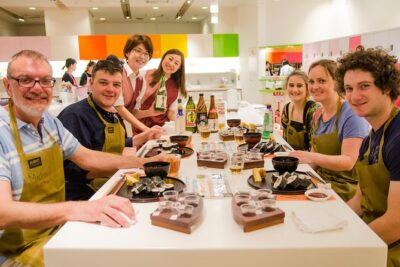
A big reason this works is the group size. With a maximum of 8 travelers, you’re not fighting for attention. You can ask questions, adjust your technique, and get feedback while things are still fresh (literally, since you’ll be working with rice and sushi components during the session).
Another smart choice is location. Meeting is in Kita-Senju, and you can reach the area from lines that serve Asakusa, Akihabara, Ueno, and Ginza. That matters when you’re traveling with kids, because it’s easier to fit class time into your day without a long, stressful transit plan.
More sushi counters to book, ranked
- Tokyo: Roll and Authentic Sushi Making Class in Asakusa
★ 4.9 · 1,957 reviews - Make Sushi and Create Unforgettable Memories in Tokyo
★ 5.0 · 1,413 reviews - Tokyo: Sushi Making Class in a Happi Coat near a Famous Spot
★ 4.9 · 1,377 reviews - Tokyo Sushi Making Class in Tsukiji with Professional Chef
★ 5.0 · 1,177 reviews
What you’ll make: four styles that teach four different skills
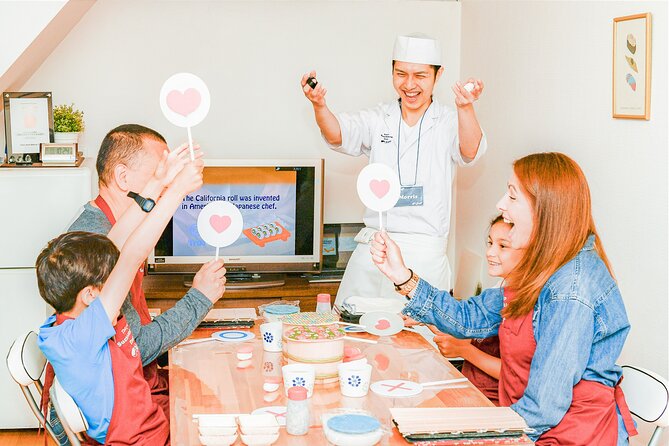
The class doesn’t just cover one sushi style. You’ll craft four, and that’s what turns a fun activity into useful skills you can reuse later.
Vinegared sushi rice (the foundation)
You’ll make vinegared rice, which is the base for most sushi. The class goal is to help you perfect sushi rice, not just assemble pieces. When the rice is right—seasoned well and handled properly—everything else feels easier.
Decorative Sushi Roll (pattern-making for confidence)
You’ll make a Decorative Sushi Roll. This is the type of roll that rewards careful rolling and clean assembly. It also tends to be kid-friendly because it looks impressive when finished, even if you’re new to the process.
Practical payoff: once you can follow the steps for a decorative roll, you’ll have a mental template for how ingredients go, how tightly to pack, and how to slice without mangling the shapes.
California Roll (the crowd-pleaser)
You’ll create a California Roll. Even if you’ve eaten it many times, making it teaches you what’s happening behind the scenes: how you portion fillings, how you avoid sogginess, and how you build a roll that holds together.
If your family’s sushi preferences lean toward the familiar, this is a good anchor. It also gives you a repeatable roll-making method you can practice at home.
Readers also shortlisted these Tokyo bookings:
- Sushi Making Tokyo Roll and Authentic Japanese Sushi Class★ 5.0 · 3,971 reviews
- Tokyo: Roll and Authentic Sushi Making Class in Asakusa★ 4.9 · 1,957 reviews
- Tokyo Shinjuku Chopsticks Making Class★ 5.0 · 1,763 reviews
- Tokyo: Sushi Making Class in a Happi Coat near a Famous Spot★ 4.9 · 1,377 reviews
- Chopstick Making Workshop in Ginza★ 4.8 · 1,366 reviews
Nigiri-Sushi (learning the hand skill)
You’ll make Nigiri-Sushi. Nigiri is different from rolls because it relies on forming rice and topping it cleanly. You’re practicing a more tactile skill than rolling, so it helps you understand sushi as a range, not a single technique.
Battleship Roll (fun shape, serious technique)
You’ll also make a Battleship Roll. The name says fun, but the real lesson is structure: how to shape components so the final sushi holds its form and looks good on the plate.
In other words, the menu isn’t random. Each sushi type pushes a different skill—seasoning and handling rice, assembling fillings, rolling neatly, and shaping toppings.
Sushi rice technique: the pro tips you can actually repeat at home
Most sushi classes stop at assembly. This one tries to get you closer to the real “why” behind good sushi, especially with rice. You’ll work with vinegared rice and get professional tips and tricks on making it correctly.
Here’s what that usually means in a practical class setting:
- You’ll learn how to handle rice so it’s seasoned but not mushy.
- You’ll be guided on portions and the feel of the rice while you’re forming or rolling.
- You’ll get coaching so your sushi doesn’t fall apart when it’s time to eat.
For families, that matters. Kids can follow steps, but the small adjustments—like consistency and grip—are what separate sushi that looks good from sushi that tastes good.
For adults, it’s also where your budget earns its keep. You’re not just paying for a meal. You’re paying for instruction that gives you a base you can reuse long after you leave Tokyo.
Sushi history, etiquette, and mini Japanese phrases that help on real trips
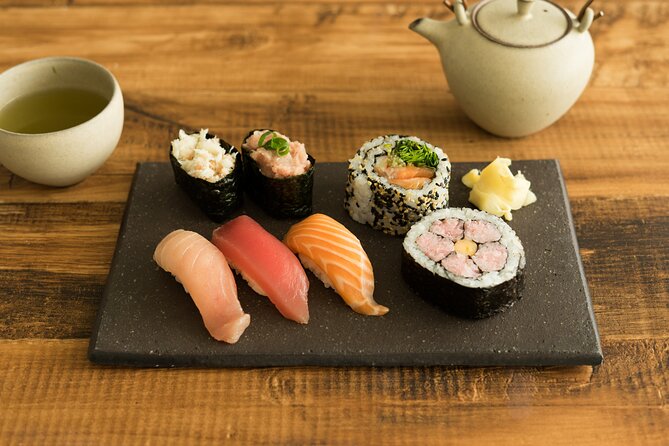
This class doesn’t treat sushi as a mysterious art only professionals can touch. It includes sushi history and travel learning, plus an entertaining quiz on etiquette and trivia.
The etiquette lesson is more useful than it sounds
A sushi etiquette quiz might sound like a kids’ warm-up, but it’s valuable because sushi restaurants reward small details. Learning basics like how to eat sushi properly and what rules people follow helps you feel confident when you sit down later.
In a family setting, kids also like knowing there’s a right way to do things. It gives structure to what could otherwise become chaos with chopsticks and plates.
Japanese phrases and travel tips
You’ll pick up useful Japanese phrases and travel tips. The key here is practicality. Even a few phrases—used in the right moment—can turn a restaurant visit from intimidating to manageable. And for kids, it’s a fun way to connect language learning to something they’re doing with their hands.
Diet needs: raw fish is typical, but alternatives exist
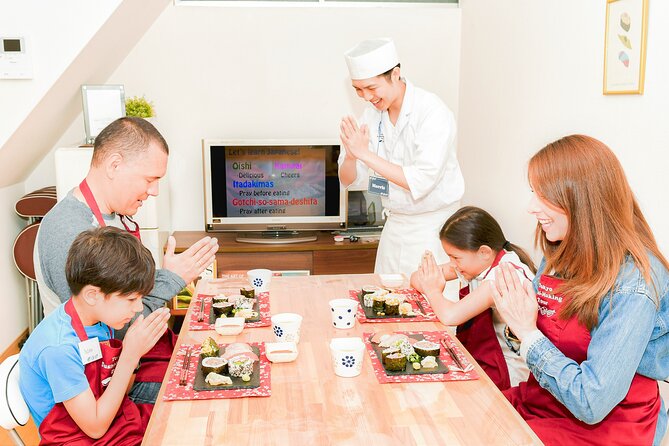
Let’s be clear: the class typically uses raw salmon and tuna. That’s part of what makes sushi sushi.
But the experience also notes that you can get a Non-Raw Fish Menu, plus Vegetarian and Gluten-Free options. The crucial part is that you must inform the team in advance so they can prepare the right menu for your group.
If you have a picky eater, food allergies, religious restrictions, or you just don’t want raw fish, don’t assume you’ll be able to figure it out at the last minute. Plan ahead. It’s the difference between a smooth class and a stressful scramble.
Meeting point, timing, and how the session stays on track
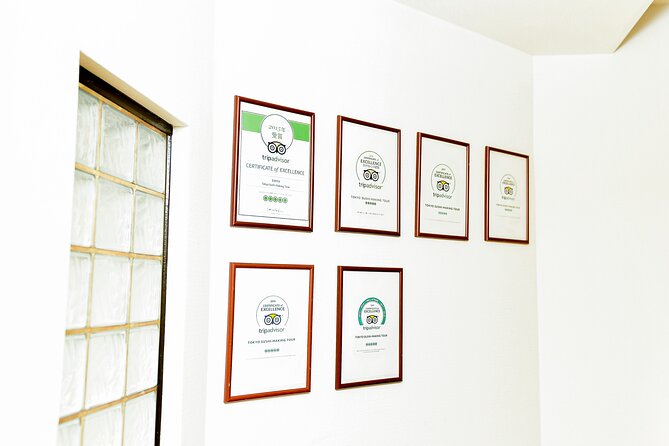
The class starts at 10:30 AM. You’ll meet at the East exit of Kita-Senju station, then go to the cooking venue together. The activity ends back at the meeting point.
You should plan on about 2 hours 30 minutes. That’s long enough to learn, practice, and eat, but short enough that many kids don’t lose focus completely. The class also runs as a small group (max 8), which helps keep the pacing organized.
Two practical conveniences also matter for planning:
- It’s near public transportation, so you can build it into a day of Tokyo sightseeing.
- You receive a mobile ticket, and you get confirmation within 48 hours of booking (subject to availability).
If you’re traveling with kids, the combination of short duration plus easy meeting point helps you avoid the worst kind of travel day friction: rushing, getting lost, and waiting around.
Price and value: what you’re really paying for at $68.97
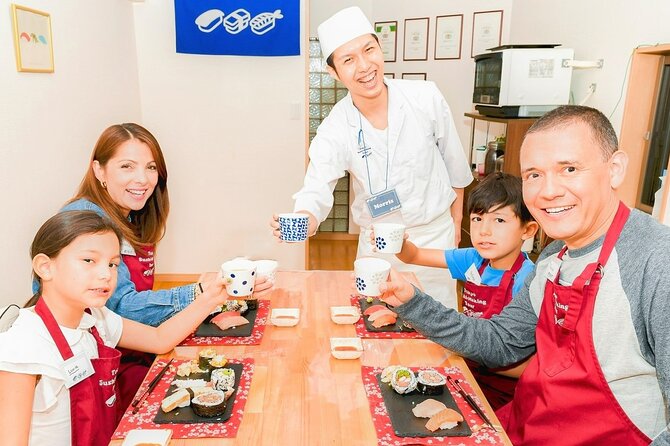
At $68.97 per person, this sits in the mid-to-upper range for a Tokyo activity—but you’re also getting more than a demo.
Here’s what justifies the price in real terms:
- Instruction for multiple skills: rice, rolling, shaping, and topping.
- Four sushi varieties, not a single snack.
- Hands-on personal guidance in a max-8 setting.
- Food included in the experience, since you eat what you make.
- Added learning value: sushi history, etiquette quiz, and Japanese phrases.
In plain terms: you’re paying for guided time and structured practice. If your goal is to leave Tokyo with confidence to make sushi at home (not just a photo), this type of class can feel like good value.
Who this sushi class fits best (and who might want a different option)
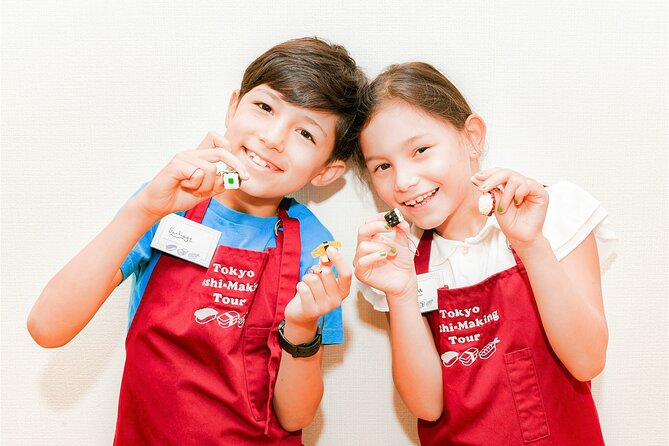
This experience is a strong match if:
- You want an English-led activity in Tokyo and your group doesn’t want to rely on guessing.
- You’re traveling with kids age 8+ and want a hands-on food experience that keeps them engaged.
- You’re a cooking novice who wants step-by-step coaching for sushi basics.
- You want more than just tasting sushi—you want a repeatable process.
It may be less ideal if:
- Everyone in your group is strongly opposed to the idea that the class usually uses raw fish, and you don’t want to handle the planning needed for alternatives.
- You prefer a purely observational experience and don’t want to spend time working with rice and rolling steps.
Final call: should you book this Tokyo sushi-making class?
If your family wants a Tokyo activity that’s fun, structured, and leaves you with real skills, I think this one is an easy yes—especially for kids who enjoy making things with their hands. The small group size, the hands-on guidance, and the mix of sushi making with etiquette + trivia + Japanese phrases makes it feel like more than a meal.
Just do one thing before you book: check diet needs early and request the right menu. If that’s handled, you’ll show up ready to learn, roll, shape, and eat without stress.
More Workshops in Tokyo
- Sushi Making Tokyo Roll and Authentic Japanese Sushi Class
★ 5.0 · 3,971 reviews - Tokyo: Roll and Authentic Sushi Making Class in Asakusa
★ 4.9 · 1,957 reviews - Tokyo Shinjuku Chopsticks Making Class
★ 5.0 · 1,763 reviews - Tokyo: Sushi Making Class in a Happi Coat near a Famous Spot
★ 4.9 · 1,377 reviews - Chopstick Making Workshop in Ginza
★ 4.8 · 1,366 reviews
More Tour Reviews in Tokyo
- Mt Fuji and Hakone 1-Day Bus Tour Return by Bullet Train
★ 5.0 · 26,383 reviews - 1-Day Tokyo Bus Tour
★ 5.0 · 14,250 reviews - Tokyo: teamLab Planets TOKYO Digital Art Museum Entry Ticket
★ 4.6 · 9,779 reviews - Mt Fuji & Hakone Cruise, Drum Show Bullet Train 1 Day from Tokyo
★ 4.0 · 7,413 reviews - Tokyo: Shinjuku Food Tour (13 Dishes at 4 Local Eateries)
★ 5.0 · 6,603 reviews
More Sushi Counters to Book
- Sushi Making Tokyo Roll and Authentic Japanese Sushi Class
★ 5.0 · 3,971 reviews - Tokyo: Roll and Authentic Sushi Making Class in Asakusa
★ 4.9 · 1,957 reviews - Make Sushi and Create Unforgettable Memories in Tokyo
★ 5.0 · 1,413 reviews - Tokyo: Sushi Making Class in a Happi Coat near a Famous Spot
★ 4.9 · 1,377 reviews - Tokyo Sushi Making Class in Tsukiji with Professional Chef
★ 5.0 · 1,177 reviews
Latest Tokyo reviews off our desk




Sushi Making Classes, compared.
 ★ 5.0Sushi Making Tokyo Roll and Authentic Japanese Sushi ClassFrom $593,971 reviews
 ★ 4.9Roll and Authentic Sushi Making Class in AsakusaFrom $581,957 reviews
 ★ 5.0Make Sushi and Create Unforgettable Memories in TokyoFrom $791,413 reviews
 ★ 4.9Sushi Making Class in a Happi Coat near a Famous SpotFrom $421,377 reviews
 ★ 5.0Tokyo Sushi Making Class in Tsukiji with Professional ChefFrom $491,177 reviews
 ★ 5.0Tsukiji Fish Market Guided Tour and Sushi Making with Pro ChefFrom $104775 reviews
 ★ 4.9Tsukiji Fish Market Sushi Making Class with Pro ChefFrom $63506 reviews
 ★ 5.0Tokyo Tsukiji Fish Market Tour and Sushi Making LessonFrom $99390 reviews
Browse the lists this tour appears in