
Reviewed · CRAFT & ARTISAN WORKSHOPS
Kintsugi Experience with Arita Ware in Tokyo (English Guide)
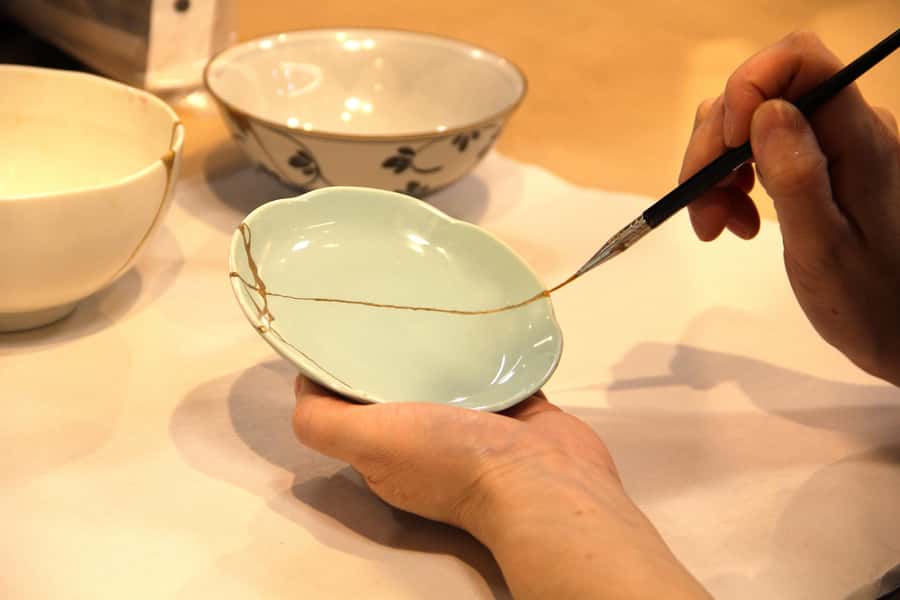
If you like hands-on crafts, Kintsugi is satisfying in a way words can’t match. You’ll learn the art of repairing broken pottery with gold while working with Arita ware at a shop with a 100-year setting. Two things I really liked: the calm, step-by-step instruction, and the fact that you leave with a real repaired piece you can actually use as a display. One thing to plan for: after you finish, your item needs about a week of indoor drying, plus specific care rules.
This workshop runs 90 minutes with an English-speaking instructor and a small group (up to 10). The sessions are offered at 10:30, 13:30, and 15:30, so you can plug it into a day around central Tokyo. Expect to work with ceramics or porcelain and enjoy the philosophy side too—wabi-sabi, scars, and turning damage into design.
In This Review
- Key highlights to know before you go
- Kintsugi at Nihonbashi Mutoh: what you’ll make in 90 minutes
- Arita ware and the 400-year porcelain connection
- How the Kintsugi process works in the workshop
- Your souvenir: included workshop plate plus optional personal item
- Caring for your gold seams: the rules that keep it looking good
- Price and value: is $139 really worth it?
- Timing and logistics in Tokyo: picking the right session
- Who this Kintsugi experience fits best
- Quick tips so you don’t feel rushed
- Should you book this Kintsugi workshop?
- FAQ
- How long is the Kintsugi experience?
- Is the workshop offered in English?
- What’s included in the ticket price?
- Can I bring my own item to repair?
- How should I care for the repaired item after the workshop?
- Is the workshop suitable for children and wheelchair users?
Key highlights to know before you go
- 90-minute Kintsugi session guided in English, with materials and instruction included
- Arita ware experience tied to porcelain traditions dating back about 400 years
- Small group (max 10) so you get real time with the instructor
- You make a souvenir: a plate used in the workshop is included to take home
- Optional bring-your-own item if it fits size and damage rules
- Care after class matters: plan on indoor drying for about a week and hand-washing only
Kintsugi at Nihonbashi Mutoh: what you’ll make in 90 minutes
The best part of this experience is the simple rhythm: learn the idea, then do the work. Kintsugi sounds poetic at first, but in practice it’s a careful repair process you can follow even if you’re not artistic. You’ll work for about 1.5 hours, and you’ll finish with a piece that shows the repair clearly—gold seams where cracks used to be.
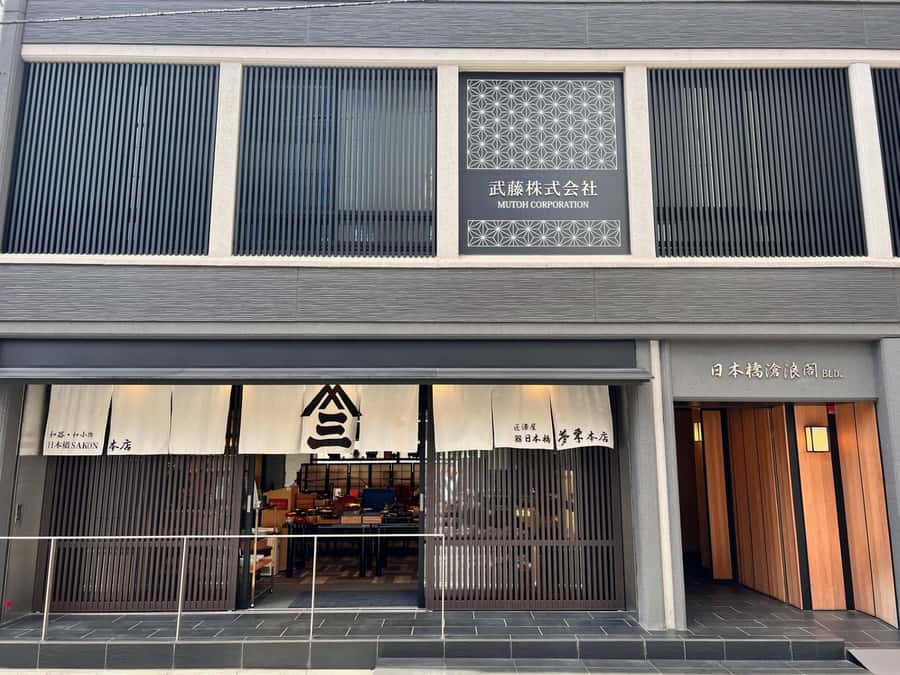
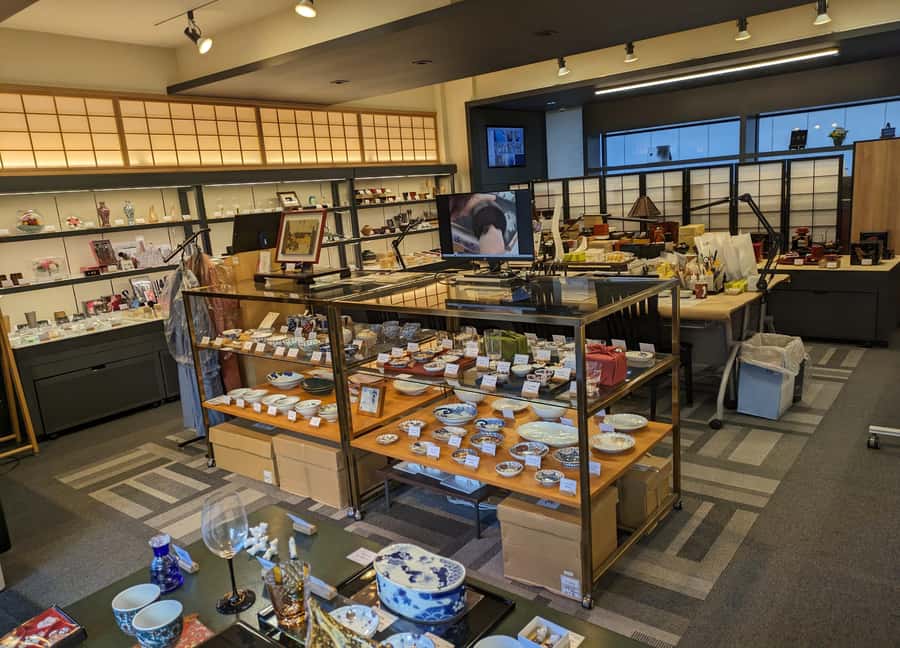
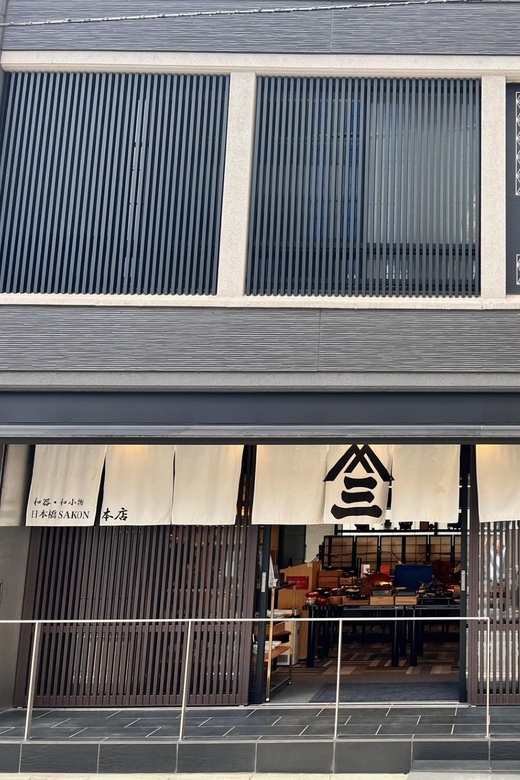
You’ll meet at Nihonbashi Mutoh Main Store in central Tokyo (Honcho, Nihonbashi). The setting helps. It’s a craft shop environment, with lacquerware and glassware around you, so the workshop doesn’t feel like a generic activity. Also, because the workshop may run alongside regular customers, it stays realistic—think everyday shopping energy, not a staged classroom with velvet ropes.
Two practical notes that help you enjoy the time:
- This class is designed to complete one object within the session.
- If you arrive late, the workshop still ends at the scheduled time, so don’t bank on running exactly on the minute unless you’ve given yourself buffer time.
More hands-on studios our readers booked
- Tokyo Shinjuku Chopsticks Making Class
★ 5.0 · 1,763 reviews - Chopstick Making Workshop in Ginza
★ 4.8 · 1,366 reviews - Kintsugi Experience: Art of Golden Joinery in Tokyo
★ 5.0 · 467 reviews - Tokyo Chopstick Making Workshop with Artisan
★ 5.0 · 466 reviews
Arita ware and the 400-year porcelain connection
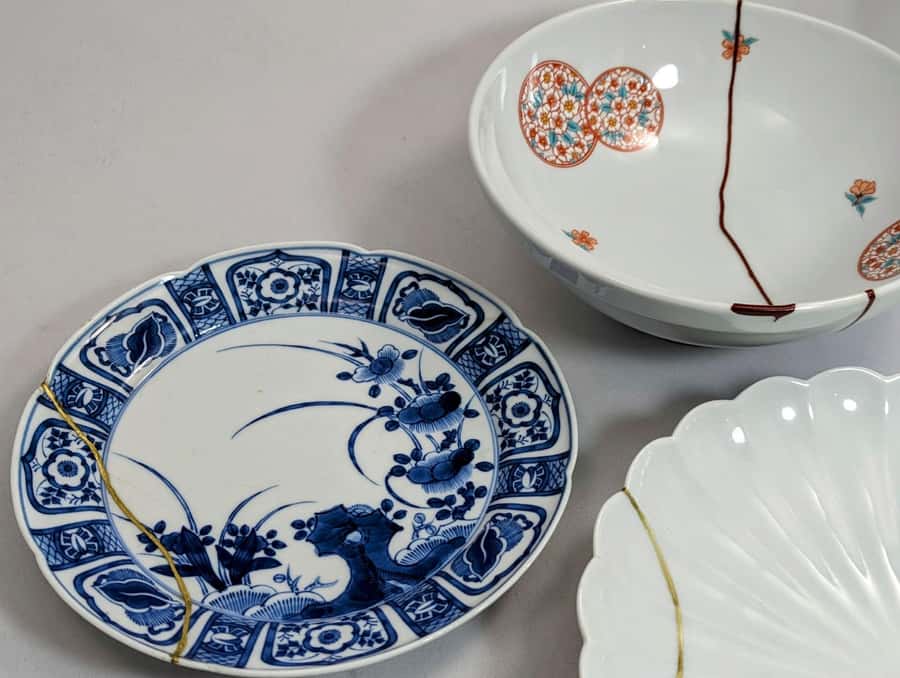
Arita ware is one of Japan’s best-known porcelain traditions, and this workshop leans into that pedigree. You’re not just “doing Kintsugi.” You’re doing Kintsugi on porcelain made in a style tied to early Japanese porcelain production—marketed here as having about a 400-year history connection.
What that means for you: your finished souvenir has more meaning than a random repaired plate. The gold repair lines contrast beautifully with the clean, detailed look of porcelain. That contrast is the whole Kintsugi point—damage becomes a visible feature, not a hidden flaw.
Also, you’ll be using pieces associated with Shobido Honten’s Arita ware in this experience. So you’re working with something that looks and feels like it belongs in a serious ceramics shop, not a craft bin.
How the Kintsugi process works in the workshop
Kintsugi is often explained as an art of repairing broken pottery with gold. In practice, you’ll follow a sequence: prepare, align the break, apply the repair method, then let the gold-toned part define the seam. The goal isn’t to make the break disappear. The goal is to make it part of the object.
Here’s what your 90 minutes is set up to deliver:
- Clear instruction from an English-speaking instructor
- Hands-on practice so you’re not just watching
- A finished result that’s ready to take home after the workshop portion
The experience is described as a full Kintsugi process that can be learned in one day. You’ll work with the plate provided for the class (that plate is included in the price). If you bring your own item that meets the size and damage rules, you can do that too—more on that below.
Even if you don’t consider yourself artistic, this craft is forgiving in the right way. Kintsugi isn’t about perfect symmetry. It’s about patient placement and letting the seam look intentional. That’s why it fits so many skill levels.
Your souvenir: included workshop plate plus optional personal item
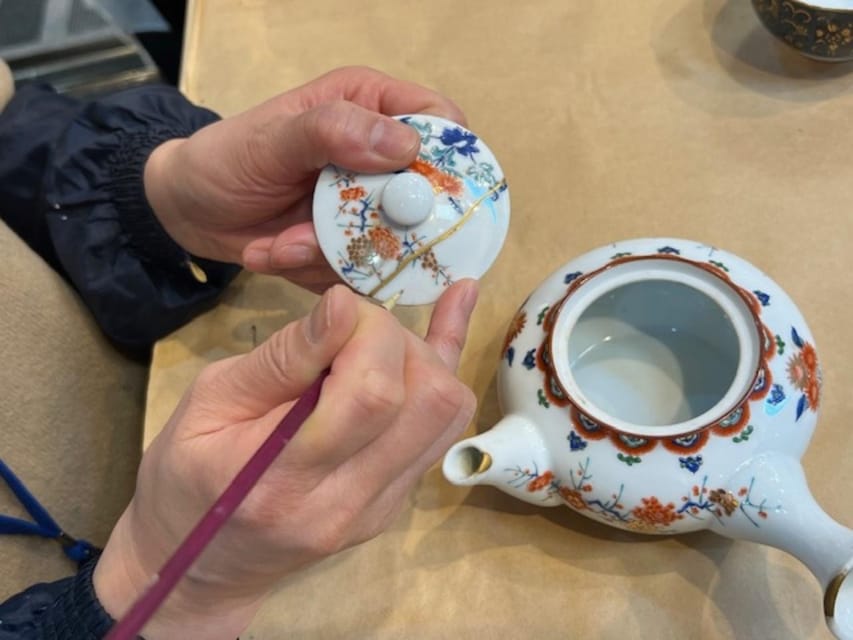
The workshop includes all necessary materials, and you also get the plate you use during the experience to take home. This is one of the best value points here. You’re paying for instruction and a complete, take-home outcome—not just for time in a studio.
You can also bring your own item for Kintsugi as long as it fits these conditions:
- Size: up to about 15 cm in diameter and 15 cm in height
- Damage: 1 to 2 broken parts
- Material: ceramic or porcelain
That can be a great choice if you want something with personal meaning, like a favorite dish that you can’t replace. But keep expectations grounded: this workshop is set up for a single piece and a limited type of damage, so don’t bring something that’s missing large chunks or has too many breaks.
One more detail that matters: after you complete the work, you bring it home and dry it indoors for about one week. This isn’t “do it and go eat ramen with your new masterpiece.” Plan for a drying period at home before you handle it like normal.
Caring for your gold seams: the rules that keep it looking good
The gold seam is the highlight, so treat it carefully. The care instructions are straightforward, and following them helps your souvenir stay beautiful.
After class:
- Dry it indoors for about a week
- Wash it by hand only, using dishwashing detergent
- Avoid microwave and dishwasher use
- Use it for decoration, not for eating or drinking
This is a big practical difference from “normal” repaired pottery. Think of your item as display art. You can move it around and enjoy it, but it’s not designed to be a daily serving dish.
Clothing matters too. You’ll want clothes you don’t mind getting dirty. Kintsugi can involve materials that aren’t friendly to white pants, and the process is hands-on. Wear something comfortable, and you won’t be thinking about your outfit while you’re learning the craft.
Readers also shortlisted these Tokyo bookings:
- Tokyo 6hr Private Tour with Government-Licensed Guide★ 5.0 · 3,902 reviews
- Tokyo: Shinjuku Local Bar and Izakaya Guided Walking Tour★ 4.9 · 1,794 reviews
- Tokyo: Private City Highlights Tour with Local Guide★ 4.8 · 1,433 reviews
- Tokyo: Tsukiji Fish Market Guided Walking Tour★ 4.9 · 1,397 reviews
- Tokyo 4hr Private Tour with Government-Licensed Guide★ 5.0 · 1,394 reviews
Price and value: is $139 really worth it?
At $139 per person, this workshop isn’t a budget impulse. But it does bundle several things that add up quickly if you price them separately: guided instruction in English, the materials, and a take-home piece made during the class.
Here’s how the value stacks up:
- You’re paying for a guided craft skill, not just entry to a shop
- Materials are included, and you don’t have to source anything special ahead of time
- The plate you use is included as a souvenir
- The group is small (up to 10), which tends to make instruction more effective
- You’re working with Arita ware in a traditional shop environment, not a generic craft studio
Is it “worth it” for everyone? If you like maker experiences, yes. If you prefer passive sightseeing, you might find it too hands-on for your style. But for people who enjoy crafts, this is a strong way to bring home something that carries story and technique, not just a postcard.
Timing and logistics in Tokyo: picking the right session
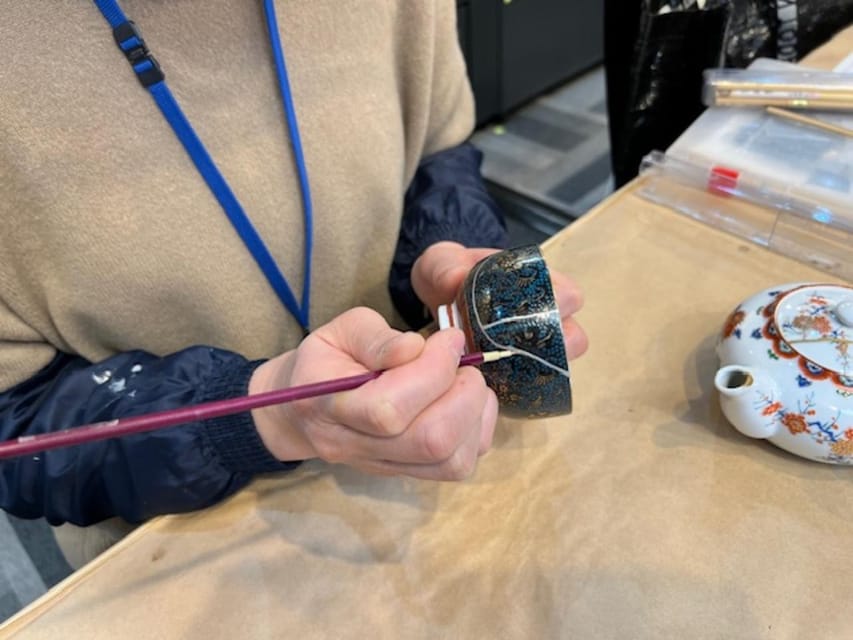
You’ll choose one of three time slots:
- 10:30–12:00
- 13:30–15:00
- 15:30–17:00
In practice, pick based on the rest of your day. If you’re doing early morning sights, the 10:30 slot is often easiest. If you want a calmer afternoon, go with 13:30. The 15:30 session can be a nice late activity if your morning is already packed.
The workshop location is in central Tokyo near Nihonbashi, which is convenient for getting to and from other classic neighborhoods. The lesson ends at the scheduled time even if you arrive late, so give yourself a little cushion.
Also remember: your item needs that week-long drying at home. That means you should be able to store it safely on your trip without extra stress.
Who this Kintsugi experience fits best
This workshop is a great match if you want:
- A peaceful, hands-on craft with a clear outcome
- An English-guided experience where you can actually follow the steps
- A meaningful souvenir tied to Japanese ceramic repair philosophy
It’s wheelchair accessible, but it’s not suitable for children under 13. If you’re traveling as a couple or solo, the small group size (limited to 10) keeps things comfortable and lets you focus.
You’ll also get good value if you’re a beginner. Kintsugi doesn’t require years of training. You’re learning a process and making a piece that looks intentional because the visible seam is the point.
Quick tips so you don’t feel rushed
- Wear clothes you can get a little messy in.
- If you want to bring your own item, confirm it meets the size and damage rules first.
- Plan for indoor drying for about a week after your class.
- Treat the finished item as decoration only (not for eating or drinking).
- Arrive early enough that being late doesn’t steal part of your session.
If you go in with those expectations, you’ll get the calm satisfaction people love about Kintsugi: repair, patience, and a finish that tells a story.
Should you book this Kintsugi workshop?
I’d book it if you want a hands-on Tokyo experience that gives you a real craft skill and a take-home piece with meaning. The combination of English instruction, a small group, and the chance to work with Arita ware makes it feel like more than a “tourist activity.” The $139 price looks reasonable when you factor in materials, the included plate, and the fact that the workshop is designed to finish a complete object in 90 minutes.
Skip it if you’re not into crafts, or if you’d hate managing the week-long drying and the care restrictions after. Also pass if you’re traveling with limited space and won’t have a safe spot to store your finished item while it dries.
If you’re on the fence, choose your time slot carefully, show up a bit early, and let the gold seams be your souvenir. It’s one of those Japan experiences that stays interesting long after you’ve left the shop.
FAQ
How long is the Kintsugi experience?
The workshop lasts about 1.5 hours (90 minutes).
Is the workshop offered in English?
Yes. The instructor provides instruction in English.
What’s included in the ticket price?
Your admission includes the 90-minute workshop, all necessary materials, an English-speaking instructor, and a plate used in the experience that you can take home.
Can I bring my own item to repair?
Yes, you can bring a ceramic or porcelain item as long as it’s up to about 15 cm in diameter and 15 cm in height, and it has 1 to 2 broken parts.
How should I care for the repaired item after the workshop?
Dry it indoors for about a week, hand wash only with dishwashing detergent, and avoid microwave and dishwasher use. Please use it for decoration, not for eating or drinking.
Is the workshop suitable for children and wheelchair users?
The workshop is wheelchair accessible, but it is not suitable for children under 13.
More Guided in Tokyo
- Tokyo 6hr Private Tour with Government-Licensed Guide
★ 5.0 · 3,902 reviews - Tokyo: Shinjuku Local Bar and Izakaya Guided Walking Tour
★ 4.9 · 1,794 reviews - Tokyo: Private City Highlights Tour with Local Guide
★ 4.8 · 1,433 reviews - Tokyo: Tsukiji Fish Market Guided Walking Tour
★ 4.9 · 1,397 reviews - Tokyo 4hr Private Tour with Government-Licensed Guide
★ 5.0 · 1,394 reviews
More Tour Reviews in Tokyo
- Mt Fuji and Hakone 1-Day Bus Tour Return by Bullet Train
★ 5.0 · 26,383 reviews - 1-Day Tokyo Bus Tour
★ 5.0 · 14,250 reviews - Tokyo: teamLab Planets TOKYO Digital Art Museum Entry Ticket
★ 4.6 · 9,779 reviews - Mt Fuji & Hakone Cruise, Drum Show Bullet Train 1 Day from Tokyo
★ 4.0 · 7,413 reviews - Tokyo: Shinjuku Food Tour (13 Dishes at 4 Local Eateries)
★ 5.0 · 6,603 reviews
More Artisan Workshops in Tokyo
- Tokyo Shinjuku Chopsticks Making Class
★ 5.0 · 1,763 reviews - Chopstick Making Workshop in Ginza
★ 4.8 · 1,366 reviews - Kintsugi Experience: Art of Golden Joinery in Tokyo
★ 5.0 · 467 reviews - Tokyo Chopstick Making Workshop with Artisan
★ 5.0 · 466 reviews - Tokyo: Shinjuku Chopstick Making Class
★ 4.9 · 440 reviews
Latest Tokyo reviews off our desk




Craft & Artisan Workshops, compared.
 ★ 5.0Tokyo Shinjuku Chopsticks Making ClassFrom $201,763 reviews
 ★ 4.8Chopstick Making Workshop in GinzaFrom $251,366 reviews
 ★ 5.0Kintsugi Experience: Art of Golden Joinery in TokyoFrom $59467 reviews
 ★ 5.0Tokyo Chopstick Making Workshop with ArtisanFrom $26466 reviews
 ★ 5.0Authentic Pure Gold Kintsugi Workshop with Master Taku in TokyoFrom $142217 reviews
 ★ 5.0Calligraphy on Kanji Fan & Scroll with DrinkFrom $53210 reviews
Browse the lists this tour appears in