
Reviewed · CRAFT & ARTISAN WORKSHOPS
Authentic Pure Gold Kintsugi Workshop with Master Taku in Tokyo
Gold dust has a quiet pull.
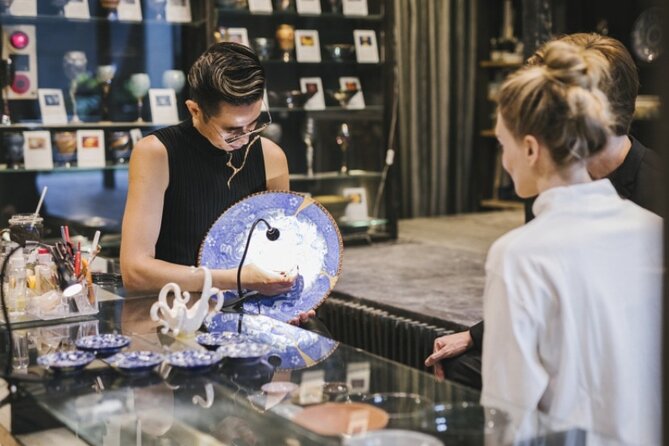
This kintsugi workshop with Master Taku turns a break from Tokyo sightseeing into something hands-on and calming. You work with lacquer made for traditional restoration and use pure gold powder to mend a prepared plate, guided by an instructor who can explain what the craft means beyond looks.
I especially like that it’s a small group (max 5), so you’re not stuck watching from the sidelines. I also like the takeaway: you assemble a one-of-a-kind souvenir, not a mass-made trinket. One possible consideration: the studio can be a bit tricky to find if you arrive late or don’t double-check the address near Minami-Aoyama/Omotesando.
In This Review
- Key things to know before you go
- Why this kintsugi workshop feels like a Tokyo reset
- Meet Master Taku at the Minami-Aoyama studio
- Your starting piece: handmade pottery with a wabi-sabi mindset
- The real materials: Urushi lacquer and pure gold powder
- Choose your kintsugi style: A, B, or C
- Option A: Shuurushi kannyuzome kintsugi (110 mins)
- Option B: Black & Gold Shikkokurai (90 mins)
- Option C: Yobitugi (90 mins)
- What the 2-hour flow looks like (and why pacing matters)
- Your finished plate: a souvenir with meaning, not just decoration
- Price and value: is $142.60 a good deal?
- What’s included, what’s not, and how to plan your day
- Getting there without stress: address tips that matter
- Best fit: who this workshop suits best
- Quick FAQ
- FAQ
- How long is the kintsugi workshop?
- Where does the workshop meet?
- What’s the group size?
- What material and technique do you use?
- What are the three workshop options?
- Can you take your repaired plate home the same day?
- What’s included in the price?
- What’s not included?
- What happens if I cancel?
- Should you book this Master Taku kintsugi workshop?
Key things to know before you go
- Master Taku’s studio in the Minami-Aoyama/Omotesando fashion area keeps the vibe creative, not touristy
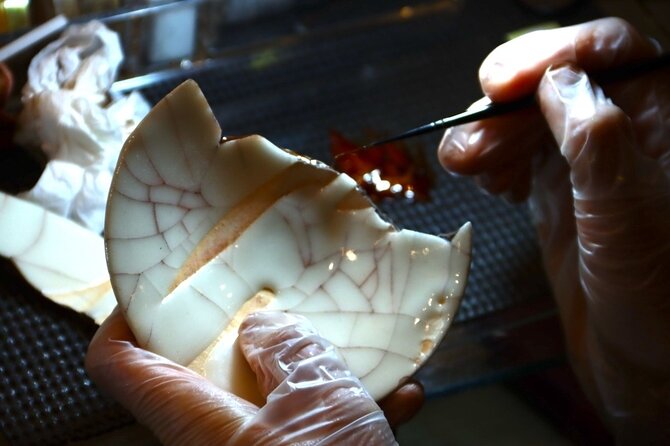
- Authentic technique uses real Urushi lacquer and pure gold powder for an actual kintsugi look
- Three starting styles let you pick your mood: classic natural lacquer, sleek black-and-gold, or extra decoration with Yobitugi
- Small group instruction means clear pacing and hands-on help while you work
- You take it home the same day, so your “finished” piece is real, not a postcard promise
Why this kintsugi workshop feels like a Tokyo reset
Tokyo can be fast. Trains, crowds, checklists. This class slows you down on purpose.
Kintsugi is often described as art, but at the table it feels more practical than you’d expect. You’re repairing something that’s already been prepared for you—then you apply lacquer and gold in a way that turns breakage into part of the object’s story. That’s the mindset of wabi-sabi: imperfect beauty, not perfection. If you’ve been shopping for souvenirs all week, this gives you a different kind of memory—one you made with your own hands.
What also makes it satisfying is how mindful the steps are. You don’t just “press through” a craft activity. The process asks you to slow down, pay attention, and build patience into the work.
More hands-on studios our readers booked
- Tokyo Shinjuku Chopsticks Making Class
★ 5.0 · 1,763 reviews - Chopstick Making Workshop in Ginza
★ 4.8 · 1,366 reviews - Kintsugi Experience: Art of Golden Joinery in Tokyo
★ 5.0 · 467 reviews - Tokyo Chopstick Making Workshop with Artisan
★ 5.0 · 466 reviews
Meet Master Taku at the Minami-Aoyama studio
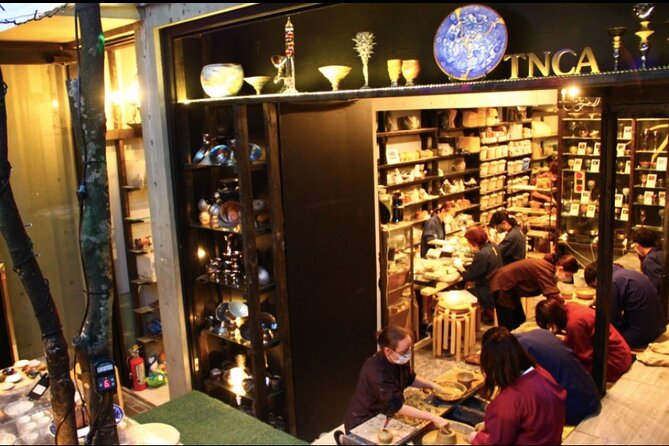
The workshop meets at TNCA Minami-Aoyama Studio, in Minato City (Minami-Aoyama, near Omotesando). Omotesando is known for fashion, and that matters in a small way: the setting feels like a creative neighborhood, not a factory tour stop.
The class runs about 2 hours, and it’s capped at 5 travelers, so you’re treated more like an apprentice than a spectator. The smaller group size also helps the instructor keep the pace realistic—especially because kintsugi is detail work. If you like explanations that actually match what your hands are doing, this structure supports that.
One more helpful detail: you’ll get a mobile ticket, and the meeting point is near public transportation. Still, plan extra time to find the exact studio entrance, because one reviewer said the location was a bit hard to spot. I’d rather you arrive a little early than spend your session walking in circles.
Your starting piece: handmade pottery with a wabi-sabi mindset
You don’t show up to a blank table with random supplies. You work with a plate crafted by Master Taku, plus carefully selected materials for the restoration.
Before the gold goes on, the vessel has been soaked in rustic lacquer to create a “Sabi-feeling.” That sounds poetic, but it’s practical: it’s part of how the repair blends into the object’s character instead of looking like a patch job. This is where the workshop goes beyond basic “craft for tourists.” You’re learning an aesthetic system.
You’ll also get what you need to complete the repair during the session. And because the plate is included, you’re not hoping you’ll find the right base piece later. When you finish, you take home the same plate you worked on.
The real materials: Urushi lacquer and pure gold powder
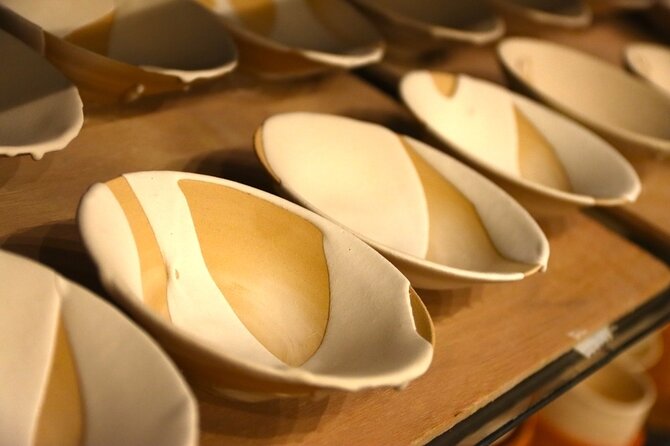
The core of this experience is authentic kintsugi. The workshop uses real Urushi lacquer and pure gold powder (with options that specify natural lacquer and pure gold as well).
Why you should care about this detail:
- Urushi lacquer is central to the real look and behavior of traditional kintsugi.
- Pure gold powder is what gives the repair line that warm, luminous effect people associate with the art.
- When the materials match the tradition, the final result is much closer to what you came to Tokyo for in the first place.
In other words, you’re not paying to decorate a broken plate. You’re learning a restoration method that’s tied to materials and technique, with the instructor guiding the steps.
Choose your kintsugi style: A, B, or C
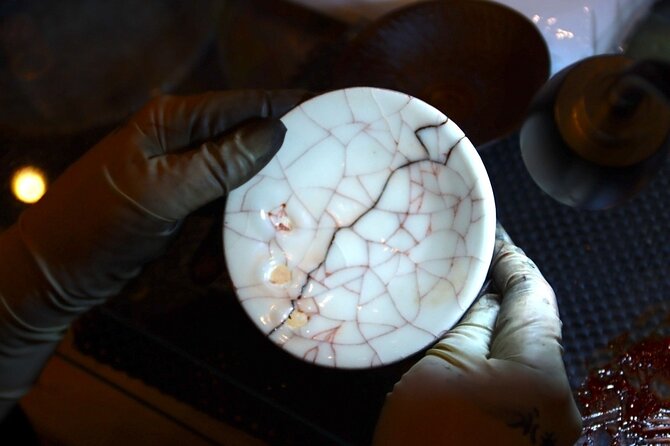
This workshop offers three options. Pick based on the vibe you want, because the look changes a lot.
Readers also shortlisted these Tokyo bookings:
- Sushi Making Tokyo Roll and Authentic Japanese Sushi Class★ 5.0 · 3,971 reviews
- Tokyo: Roll and Authentic Sushi Making Class in Asakusa★ 4.9 · 1,957 reviews
- Tokyo Shinjuku Chopsticks Making Class★ 5.0 · 1,763 reviews
- Tokyo: Sushi Making Class in a Happi Coat near a Famous Spot★ 4.9 · 1,377 reviews
- Chopstick Making Workshop in Ginza★ 4.8 · 1,366 reviews
Option A: Shuurushi kannyuzome kintsugi (110 mins)
This is the classic direction: real natural lacquer and pure gold. If you want the traditional warm gold line and a straightforward path through the authentic process, this is the safest bet.
Option B: Black & Gold Shikkokurai (90 mins)
Same basic method, different aesthetic. You repair a black plate with kintsugi. The contrast tends to make the gold pop more sharply. If you like clean, modern visuals, this choice can feel especially good.
Option C: Yobitugi (90 mins)
This is the “highest technique” option in the sense of adding extra artistry. Instead of keeping the repair line simple, you attach different decorations and materials to the missing parts. It’s still kintsugi, but the finished piece becomes more expressive.
If you’re torn, here’s a practical way to decide: choose A for classic authenticity, B for strong contrast, and C if you want the most creative freedom inside the workshop timeframe.
What the 2-hour flow looks like (and why pacing matters)
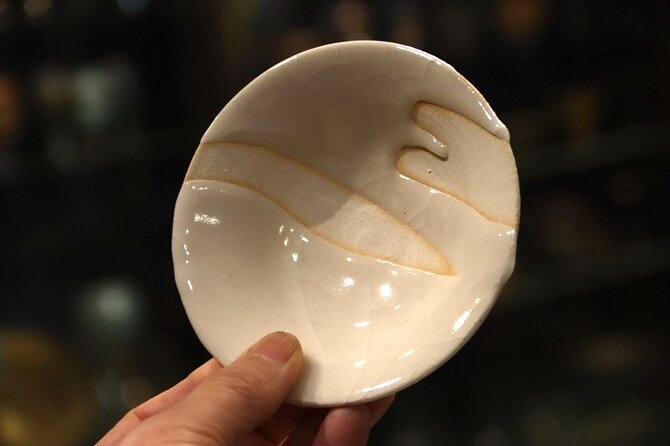
You’ll start at the studio with setup for the lesson, then move through the restoration steps. The workshop includes enough time to learn the method and complete your project, because it’s designed around the selected option.
In a good kintsugi class, timing matters. Too fast, and you smear the lines or rush the visual balance. Too slow, and you spend the last half feeling behind. The small group size helps keep pace realistic.
From how the workshop is taught, you can expect:
- Instruction that explains the process clearly before you’re asked to do it
- Patient guidance through the lacquer and gold application steps
- Room for questions, especially if you’re new to Japanese crafts
- Completion of the plate within the session so you take it home the same day
One added layer: you may have an assistant support you during the hands-on work (Junko is one name that’s been mentioned), which can make a difference if your hands need extra help during detailed steps.
Your finished plate: a souvenir with meaning, not just decoration
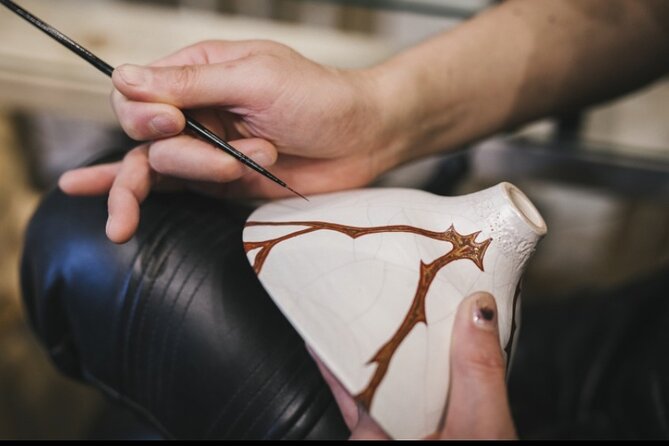
The best part is not the “end result.” It’s what the end result proves: you can change the role of something damaged.
When you take home the repaired plate, you’re carrying a piece that includes:
- The philosophy of wabi-sabi, where imperfection is part of beauty
- The idea that breakage doesn’t have to mean replacement
- A visible restoration process, because the gold line isn’t hidden—it’s highlighted
This is why the souvenir feels special. You didn’t buy a finished product. You built it. And the repairs are part of the design, so it doesn’t look like a cover-up.
If you’re the type who keeps meaningful objects from trips—ceramics, prints, small crafts—this fits your collection in a way that’s harder to fake with ready-made shopping.
Price and value: is $142.60 a good deal?
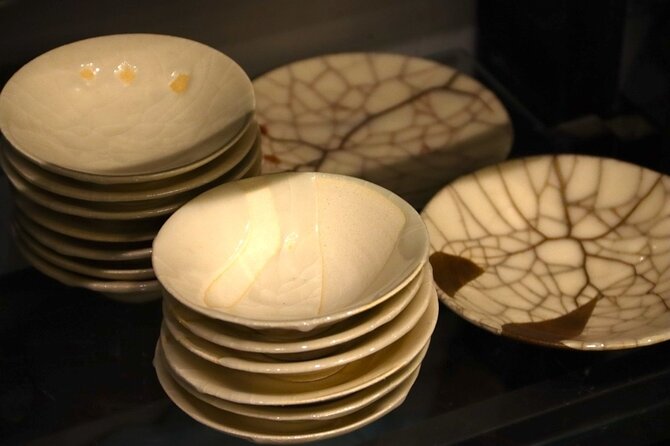
At $142.60 per person, this isn’t a “cheap activity.” But you’re also getting more than a demonstration.
Here’s what the price supports:
- A handmade plate by Master Taku included in the lesson
- Authentic materials called out specifically: Urushi lacquer and pure gold powder
- All taxes/fees/handling charges included
- Equipment supplied so you’re not buying tools or hunting down supplies
- Small-group, step-by-step instruction in about 90 to 110 minutes depending on your option
And you take the piece home immediately, which boosts the value. You’re paying for a completed craft object plus instruction, not for a short photo stop.
If you compare it to other Tokyo craft experiences, the biggest value lever is the combination of authentic technique and included materials/plate. You’re not just paying for the class; you’re paying for a finished, personal artifact built from traditional restoration methods.
What’s included, what’s not, and how to plan your day
Included:
- All taxes, fees, and handling charges
- All necessary equipment
- The plate you’ll use and take home
- The lesson fee
Not included:
- Hotel pickup and drop-off
- Food and drinks
So plan around it like a focused workshop, not a half-day meal-and-museum combo. If you’ll be in the Omotesando/Minami-Aoyama area, it’s easy to pair this with a neighborhood stroll afterward. Just don’t schedule anything too rushed right after, because you’ll want time to handle your takeaway carefully.
Also, since the workshop is near public transportation, you can keep your plans flexible. You’re not locked into a hotel-based pickup that can run early or late.
Getting there without stress: address tips that matter
The meeting point is TNCA Minami-Aoyama Studio, 3-chōme-8-2, Minamiaoyama, Minato City.
A couple practical tips:
- Give yourself extra time. One review highlighted finding the location could be a bit hard.
- Use the address and check it against your map view before you leave your train stop.
- Plan to arrive a bit early so you can settle in calmly and start when the class begins.
Since it ends back at the meeting point, you don’t have to worry about a complicated route home.
Best fit: who this workshop suits best
You’ll likely enjoy this if:
- You want a Tokyo activity that’s calm, hands-on, and meaningful
- You’re interested in wabi-sabi ideas, but you prefer learning them through doing, not reading
- You like small classes with patient instruction
- You want a souvenir that’s genuinely personal and not mass-produced
It’s also a good pick if you’re traveling with a partner or family. The workshop has been described as enjoyable for pairs and small groups, and the lesson includes enough guidance for first-timers.
If you’re the type who gets bored by crafts that feel like painting-by-numbers, this is different. The emphasis is on restoration technique and the way gold lines change the object’s identity.
Quick FAQ
FAQ
How long is the kintsugi workshop?
It lasts about 2 hours.
Where does the workshop meet?
The start point is TNCA Minami-Aoyama Studio, 3-chōme-8-2 Minamiaoyama, Minato City, Tokyo 107-0062, Japan, and it ends back at the meeting point.
What’s the group size?
The workshop has a maximum of 5 travelers.
What material and technique do you use?
You learn authentic kintsugi with real Urushi lacquer and pure gold powder.
What are the three workshop options?
Option A is Shuurushi kannyuzome kintsugi, Option B is Black & Gold Shikkokurai, and Option C is Yobitugi.
Can you take your repaired plate home the same day?
Yes. You can take it home on the day.
What’s included in the price?
It includes taxes, fees, handling charges, all necessary equipment, the plate used in the lesson (and to take home), and the lesson fee.
What’s not included?
Hotel pickup and drop-off and food and drinks are not included.
What happens if I cancel?
It’s non-refundable and cannot be changed for any reason.
Should you book this Master Taku kintsugi workshop?
If you want one Tokyo activity that feels thoughtful, not just busy, I’d book it. You’re paying for a small-group lesson, authentic materials, and a handmade plate you assemble yourself. The result is a souvenir with real meaning, plus a technique you’ll remember long after the gold dries.
Book it especially if you’re already spending time in the Omotesando/Minami-Aoyama area and you want a break from sightseeing that still feels very Tokyo—just quieter, slower, and more personal.
More Workshops in Tokyo
- Sushi Making Tokyo Roll and Authentic Japanese Sushi Class
★ 5.0 · 3,971 reviews - Tokyo: Roll and Authentic Sushi Making Class in Asakusa
★ 4.9 · 1,957 reviews - Tokyo Shinjuku Chopsticks Making Class
★ 5.0 · 1,763 reviews - Tokyo: Sushi Making Class in a Happi Coat near a Famous Spot
★ 4.9 · 1,377 reviews - Chopstick Making Workshop in Ginza
★ 4.8 · 1,366 reviews
More Tour Reviews in Tokyo
- Mt Fuji and Hakone 1-Day Bus Tour Return by Bullet Train
★ 5.0 · 26,383 reviews - 1-Day Tokyo Bus Tour
★ 5.0 · 14,250 reviews - Tokyo: teamLab Planets TOKYO Digital Art Museum Entry Ticket
★ 4.6 · 9,779 reviews - Mt Fuji & Hakone Cruise, Drum Show Bullet Train 1 Day from Tokyo
★ 4.0 · 7,413 reviews - Tokyo: Shinjuku Food Tour (13 Dishes at 4 Local Eateries)
★ 5.0 · 6,603 reviews
More Artisan Workshops in Tokyo
- Tokyo Shinjuku Chopsticks Making Class
★ 5.0 · 1,763 reviews - Chopstick Making Workshop in Ginza
★ 4.8 · 1,366 reviews - Kintsugi Experience: Art of Golden Joinery in Tokyo
★ 5.0 · 467 reviews - Tokyo Chopstick Making Workshop with Artisan
★ 5.0 · 466 reviews - Tokyo: Shinjuku Chopstick Making Class
★ 4.9 · 440 reviews
Latest Tokyo reviews off our desk






Craft & Artisan Workshops, compared.
 ★ 5.0Tokyo Shinjuku Chopsticks Making ClassFrom $201,763 reviews
 ★ 4.8Chopstick Making Workshop in GinzaFrom $251,366 reviews
 ★ 5.0Kintsugi Experience: Art of Golden Joinery in TokyoFrom $59467 reviews
 ★ 5.0Tokyo Chopstick Making Workshop with ArtisanFrom $26466 reviews
 ★ 5.0Calligraphy on Kanji Fan & Scroll with DrinkFrom $53210 reviews
 ★ 5.0Let’s experience calligraphy in YANAKA, Taito-ku, TOKYO !!From $75127 reviews
Browse the lists this tour appears in